The Ministry of Agrarian and Spatial Planning/National Land Agency (ATR/BPN) is offering building use rights (HGB) of up to 80 and extendable to 160 years to attract investors to the new capital (IKN) Nusantara.
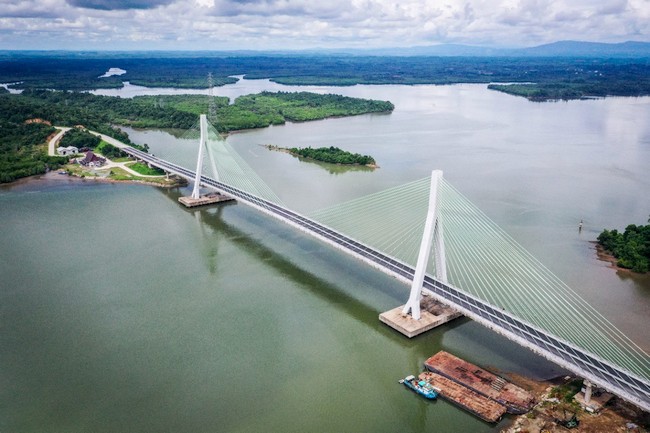
Balang Island Short Span Bridge in Penajam North Paser Regency, East Kalimantan (ANTARA/HO-ATR BPN/rst)
“The efforts will benefit all parties, both to the welfare of those who live in the city or the business actors themselves,” ATR Minister and BPN head, Hadi Tjahjanto, said to Antara here on Monday evening.
The 80-year HGB permit is meant as an incentive for investors to invest in IKN Nusantara, he added. The 80-year HGB will be divided into three stages: the first phase will span 30 years, the second phase 30 years, and the third phase 20 years.
In the first phase, the ministry will ask the investor to submit a report assessment. “The permit will continue up to 80 years,” he said. The permit can be extended if it is profitable to the community. “If it is still used properly and beneficial to the community, we can still extend it for another 80 years, up to 160 years,” the minister informed.
He further said that his ministry has completed four regional spatial planning plans (RDTR) for IKN Nusantara, which will be submitted to the IKN Authority for immediate approval. Furthermore, RDTRs are being prepared for five regions and are targeted to be completed by the end of 2022.
The ministry will provide facilities related to land, spatial planning, and business licensing in the IKN Nusantara area, which will then be submitted to the IKN Authority, he stated.
“We will facilitate it, and we will hand it over to the head of the IKN Authority, including RDTR, spatial planning, and land issues. We will help the process,” he added.
Written by: Rini Utami, Aditya Ramadhan, Resinta S, Editor: Suharto (c) ANTARA 2022
The third G20 Sherpa meeting in Yogyakarta has concluded with G20 member countries agreeing to seek solutions to myriad global problems.
The 3rd Sherpa Meeting G20 Indonesia delegations travel around Borobudur Temple in Magelang, Central Java, Indonesia, Tuesday (29/9). (ANTARA PHOTO/Andreas Fitri Atmoko/POOL/rwa/FR)
“During this meeting, we can see the collective commitment of G20 countries to remain united by offering solutions to global problems that occur recently,” Co-Sherpa Edi Prio Pambudi noted through a statement, Thursday (Sept 29).
Problems, such as the energy crisis, food scarcity, rising food prices, inflation, and continuity of COVID-19 recovery, are issues that are not only encountered by G20 countries but also developing and vulnerable countries.
Discussion on Leaders’ Declaration began from materials that are relatively easy to accept by all countries followed by a bilateral meeting with several key countries, so that an agreement can be achieved.
A technical discussion on Leaders’ Declaration will be conducted in October 2022 before it is finalized during the fourth Sherpa meeting in Bali in November 2022, near the execution of the G20 Summit held in the same month and place.
The declaration draft that contains three priority issues during Indonesia’s G20 Presidency comprises global health architecture, digital-based economic transformation, and energy transition as well as food security.
This draft comes from 39 parties, comprising G20 member countries, nine invited countries, and 10 invited international organizations, that will attend the G20 Summit Conference in Bali, November.
The meeting also endorsed concrete deliverables, such as programs or initiatives. This aligns with President Joko Widodo’s mandate that Indonesia’s G20 Presidency should produce real benefits for Indonesians.
“It is true that the concrete results will have their follow-up programmed,” secretary of the Coordinating Ministry for Economic Affairs Susiwijono, said at an online press conference, which was followed from here on Tuesday (Sept 27).
The programs arising out of this year’s G20 Summit will be reviewed together at next year’s meeting.
“There is an annual forum so that we can review several agreements that have been conducted together,” he said.
This year, in the midst of various global crises, Indonesia was able to contribute fairly, leading many to praise it, he added.
The G20 Sherpa Track discusses global challenges and various economic (non-financial) issues to find solutions and provide recommendations on the G20 agenda and priority issues, such as energy, development, tourism, digital economy, education, labor, agriculture, trade, investment, industry, health, anti-corruption, environment and climate change.
The role of Sherpa Track is very vital, especially in coordinating all Working Groups and Engagement Groups under its coordination.
Indonesia’s G20 presidency in 2022 provides an opportunity for Indonesia to lead developed and developing countries in discussing various issues and the process of global economic recovery.
Underscoring Indonesia’s important role as president of this year’s G20, Foreign Minister Retno Marsudi said that the world was pinning hopes on G20 being a catalyst of global economic recovery, especially for developing countries.
“The G20 must not fail to be a catalyst for world recovery. We cannot let global recovery fall at the mercy of geopolitics,” she stated, while delivering a speech at the general debate of the 77th United Nations General Assembly on Tuesday (Sept 27).
She proposed the paradigm of collaboration to surmount numerous global challenges.
“A paradigm of win-win, not of zero-sum. A paradigm of engagement, not of containment. A paradigm of collaboration, not of competition. This is the transformative solution that we need,” Marsudi noted.
According to Marsudi, such a collaboration paradigm is deemed necessary to facing the current concerning world conditions wherein the pandemic persists and the global economy remains sluggish, war among nations, and violation of international law that has become a norm in pursuit of narrow self-interests.
Written by: Sanya Dinda S, Fadhli Ruhman, Editor: Fardah Assegaf (c) ANTARA 2022
Brawijaya Universityhas developed an Internet of Things (IoT) technology based on the Geographic Information System (GIS) to mitigate disasters in Pronojiwo district, an area affected by the eruption of Mount Semeru.
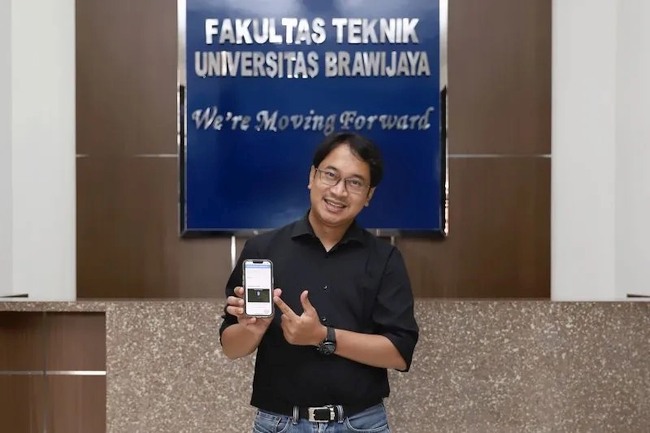
A lecturer on urban planning at the Faculty of Engineering of Brawijaya University, Adipandang Yudono, Ph.D., has developed an Internet of Things (IoT) technology based on the Geographic Information System (GIS) to mitigate disasters in Pronojiwo district, an area affected by the eruption of Mount Semeru. (Photo: ANTARA/HO-Humas UB)
“The data generated by IoT can be crucial information in dealing with disaster-affected areas,” a lecturer of urban planning at the university’s Faculty of Engineering, Adipandang Yudono, Ph.D., said here on Thursday.
After the Semeru eruption some time ago, the IoT technology was used to enter a number of data regarding the number of refugees, logistics, the distribution of survivors, the location of the post, medicines, and food, among others, he informed.
According to Yudono, during the recovery period, the GIS-based IoT technology has been used to map the condition of agriculture, livestock, as well as damaged schools in affected areas.
“This data can be used as a support system for determining areas that can be rehabilitated or determining lines for the protected areas,” he said.
Meanwhile, a volcanology and geothermal expert at Brawijaya University, Prof. Sukir Maryanto, said that the IoT system can work via two methods: through human media and the use of sensors.
When using human media, the IoT works in three stages, namely entering or inputting data, which can then be managed using a database, he informed. The database is then forwarded to the operational dashboard.
The operational dashboard contains infographics on the distribution of activities, the number of activities, and their graphs. Meanwhile, electronically, the IoT inputs data based on electronic sensors installed somewhere.
“In the future, the geospatial-based IoT can be used for planning activities for the recovery of areas affected by the Semeru eruption, such as reforestation,” he said.
According to the chairperson of the Independent Learning Program for the Independent Campus (MBKM), Semeru, Dr. Sujarwo, the IoT for disaster mitigation is supporting the activities of students involved in the Semeru humanitarian project.
“This (IoT) makes it easy, especially in identifying damage and providing better information, such as the number of damaged buildings and data on affected areas,” Sujarwo said.
In addition to the use of IoT for disaster mitigation, the MBKM Semeru has also initiated a “school and town watching” system, which is also being carried out with the help of schools and communities.
The disaster mitigation effort in schools or “school watching” involves identifying elements in schools that are at risk, analyzing the impact of risks, and finding solutions to problems when a disaster strikes.
Meanwhile, “town watching” is a program wherein people living in an area, namely residents, children, and students, go around the area to see and identify dangerous places when a disaster occurs.
“Town watching” seeks to increase public awareness on disaster management, identify environmental and surrounding vulnerabilities, and identify community capacities or resources that can be used when a disaster occurs.
In addition, it also identifies the main problems in the community and finds solutions to these problems.
Written by: Yashinta Difa Pramudyani, Editor: Suharto (c) ANTARA 2022
Today, leading Philippine industry players including, Globe, GMA Network, Inc., Cignal TV, Inc, KROMA Entertainment and Smart Communications, Inc, joined hands with the Asia Video Industry Association’s (AVIA) Coalition Against Piracy (CAP) to announce the formation of the Video Coalition of the Philippines (VCP).
The VCP aims to push for stronger intellectual property protection in the Philippines that will protect both original content and users, as well as promote the Philippines creative and media industries, not only in the Philippines but around the world.
VCP convenors will build on the momentum of the presentation of the proposed Revised Intellectual Property Code in the Philippines’ 19th Congress in July and the recent Protection of Online Content Summit held on September 2 in Manila.
House Bill No. 0799, filed by Albay 2nd District Rep. Joey Salceda, aims to update the Philippines’ patent application system and make it “more attuned to the digital age.” It also “provides for technologies and media that were not anticipated” at the time the intellectual property code was enacted.
Proposed revisions also give regulators greater authority to combat IP violations, including the power to issue “permanent blocking orders, takedown orders, cease-and-desist, or disable access orders” against websites, service providers, and online platforms, including social media. The current IP code does not cover electronic or online content in its definition of pirated goods and lacks clear provisions that would allow for efficient and effective site blocking, and other interventions against online IP violations.
CAP General Manager Matt Cheetham said, “With the presentation of Bill No. 0799, “An Act Establishing for the Revised Intellectual Property Code of the Philippines” to the House, the Philippines has a golden opportunity to not only update and future proof its intellectual property regime, but to act as a launching pad for intellectual property to protect consumers and advance the overall Philippine economy.”
Cheetham further noted CAP’s recent YouGov survey showed Philippine consumers believe a government regulation for Internet Service Providers (ISPs) to block pirated content would be the most effective measure to reduce piracy in the Philippines.
Globe, the Philippines’ leading digital solutions platform, has been an advocate of anti-piracy through its #PlayItRight advocacy. Globe hopes to rally consumers and stakeholders behind original content creators by making online content affordable and accessible via content subscription.
“Revising the Intellectual Property Code will go a long way in protecting Filipino consumers from the dangers that lurk in pirate sites and improving cybersecurity in the country, especially as Filipinos now rely heavily on digital platforms,” said Globe Chief Information Security Officer Anton Bonifacio.
Yoly Crisanto, Globe Group Chief Sustainability and Corporate Communications Officer, said revising the IP Code is necessary to improve the country’s regulatory environment just as the government aims for greater digitalization.
“The use of digital technologies and platforms is expected to further expand in the years to come, whether it be for education, finance, health or recreation. It is, therefore, urgent that we provide better protection for the creative industry and give them a secure environment conducive to creativity and innovation,” said Crisanto.
“Upholding intellectual property rights in the Philippines enables the creative industry to grow and thrive. KROMA, through the Video Coalition of the Philippines, is committed to collaborate with stakeholders to ensure that this is observed, for the industry’s success and sustainability,” said Jil Go, KROMA’s Head of Broadcast and Publishing.
“GMA’s participation in the Video Coalition of the Philippines presents an opportunity to further strengthen our existing anti-piracy initiatives by working with other players in the industry to push for the implementation of site blocking mechanisms and help protect our viewers and GMA content against unauthorized uploaders,” said Joseph T. Francia, First Vice President and Head of Operations, GMA International.
Pointing to the impact of site blocking in Indonesia, where traffic to pirate sites has dropped by more than 75% since the government implemented their rolling site blocking procedures in 2019, Cheetham further noted, “The effectiveness of site blocking is backed up by CAP’s most recent YouGov consumer surveys in which more than 50% of Indonesian consumers say that they have stopped or rarely access pirate services as a result of the highly efficient and effective blocking measures in place there.”
“Perhaps more importantly, 76% of Indonesian consumers say they are accessing more legal content and pirating less, and 26% have subscribed to legitimate sources as a result of illegal streaming sites being blocked. Blocking as an educational tool may also be evident in 95% of Indonesian consumers agreeing that online piracy does have negative consequences – the highest in the region,” said Cheetham.
When done efficiently and effectively, site blocking has a massive impact on combating piracy, changing attitudes and protecting consumers.
About the Asia Video Industry Association
The Asia Video Industry Association (AVIA) is the trade association for the video industry and ecosystem in Asia Pacific. It serves to make the video industry stronger and healthier through promoting the common interests of its members. AVIA is the interlocutor for the industry with governments across the region, leads the fight against video piracy through its Coalition Against Piracy (CAP) and provides insight into the video industry through reports and conferences aimed to support a vibrant video industry.
For media enquiries and additional background please contact: Charmaine Kwan Head of Marketing and Communications Email: charmaine@avia.org Website: www.avia.org
Strengthening support to help the international business community in Hong Kong access Greater Bay Area opportunities
The Hong Kong Trade Development Council(HKTDC) and the Guangdong-Hong Kong-Macao Greater Bay Area Development Office co-organised the inaugural GoGBA Day on Thursday (22 Sept). This business support event aims to engage members of the international business community in Hong Kong that are currently underserved in terms of up-to-date business information on the Guangdong-Hong Kong-Macao Greater Bay Area (GBA). The physical part of the hybrid on-site/online event was held at the HKTDC SME Centre at the Hong Kong Convention and Exhibition Centre.
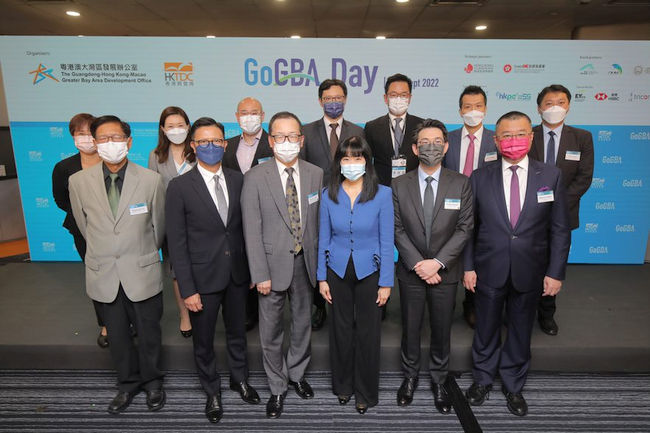
GoGBA Day was launched yesterday (22 Sept) at the HKTDC SME Centre. The event began with welcome remarks from HKTDC Executive Director Margaret Fong (fourth from left, front row), followed by speeches delivered by the honourable speakers.
GoGBA WeChat mini programme (QR Code).
The half-day event featured a series of seminars offering practical business tips and updates on the latest developments in the GBA to prepare international enterprises to “go GBA” via Hong Kong. The event received an overwhelming response with more than 160 participants attending the seminars at the venue while 260 participants joined the online webinar. At the same time, 65 business advisory sessions and one-on-one consultation meetings were arranged for 47 companies at the venue to facilitate business partnerships and opportunities.
The joint seminars welcomed officials from various authorities in the GBA, along with industry leaders and market experts from banking and other sectors, to share their insights and business know-how with international medium-sized enterprises and start-ups, helping them get equipped to set up business and succeed in the GBA via the Hong Kong platform. A wide range of topics was discussed, including the business landscape in the GBA and key incentives and subsidies for start-ups and businesses in the areas of tax, banking and investment.
Welcoming participants to the event, HKTDC Executive Director Margaret Fong said: “The GBA plan attracts attention not only because the GBA has China’s highest GDP at US$1.96 trillion, but it offers basically everything a business needs to grow, from the international financial hub of Hong Kong and the world-class manufacturing centres across Guangdong, to the advanced innovation and tech clusters across the region – not to mention a huge market of 86 million people and a stepping stone to the vast Mainland China market.”
Ms Fong continued: “We launched our GoGBA support programme last year to help businesses navigate the GBA through Hong Kong by offering information, advisory support and networking and marketing platforms. The GoGBA Day is a highlight of our programme, bringing together the Hong Kong family of organisations under one roof to introduce their GBA support programmes and services, enabling us to hold a GBA event specifically for the international business community for the first time. We hope to give them not only an overview of the latest GBA developments, but also offer practical information to help them make decisions and take action.”
Officials explain GBA business landscape, supporting initiatives and keys to success: Tommy Yuen, Commissioner for the Development of the Guangdong-Hong Kong-Macao Greater Bay Area, said: “The GBA is more than a key national development strategy under China’s reform and opening up. It is also marked a further step towards enriching One Country, Two Systems and promoting coordinated economic development that can turn the region into a world-class area for living, working and travelling. New measures are continually being implemented, including steps to encourage the development of private equity and venture capital funds in Qianhai and improving land boundary crossing facilities to enhance talent mobility between Hong Kong and GBA cities. In the coming decade, the GBA is set to become the world’s most vibrant and rapidly growing economic region.”
Jimmy Chiang, Associate Director-General of Investment Promotion (Business Development) of Invest Hong Kong, said: “President Xi Jinping has emphasised the importance of leveraging and strengthening Hong Kong’s unique advantages as an international financial, shipping and trading centre, as well as its convenient links to international markets. The 14th Five-Year Plan also highlighted the country’s support for Hong Kong in traditional industries as well as four emerging areas, including aviation, innovation and technology, intellectual property trading and international cultural exchange. These specific sectors will see more development opportunities in Hong Kong, and the GBA’s growth will create many attractive opportunities for international companies.”
Kenneth Wong, General Manager, MICE & Cruise, Europe, Hong Kong Tourism Board, said: “The Hong Kong Tourism Board has developed a tourism recovery framework to aid in the recovery, reopening and rebranding of Hong Kong’s tourism industry. We devised a number of publicity and promotion campaigns to maintain Hong Kong’s visibility during the pandemic and to facilitate tourism as well as MICE recovery. This includes bringing back large-scale international events and establishing a dedicated team to provide MICE organisers with one-stop support. Hong Kong can connect international visitors to the GBA’s tremendous business opportunities, generate attendance for organisers, facilitate professional visits and excursions to other GBA cities.”
Raymond Yip, Chief Liaison Officer of the Guangzhou Nansha Service Centre in Hong Kong, said: “The Central Government hopes that Nansha, with its strategic location at the heart of 10 GBA cities, will become a cooperation and collaboration hub for the GBA. Nansha has a broad and diverse industry base with advanced manufacturing, as well as a state-level science and technology forum. With no fewer than 20 policy measures for Hong Kong and Macao, including allowing people from Hong Kong, including foreigners, to pay Hong Kong taxes, Nansha is set to open up a larger hinterland for Hong Kong.”
Witman Hung, Principal Liaison Officer for the Hong Kong, Shenzhen Qianhai Authority, said: “Qianhai has always been a pilot zone to help China open up and deepen its reforms. Promoting and facilitating collaboration between Hong Kong and Shenzhen is high on our priority list. For example, we have incubated 335 Hong Kong start-ups and assisted the city’s professionals such as lawyers, engineers and architects in entering the mainland market. Recently, the Qianhai Authority and the Hong Kong government announced 18 new measures aimed at encouraging venture capital and private equity to enter China via Qianhai and Hong Kong. Hong Kong-based companies will be able to use Qianhai as a shopfront to provide professional services to the rest of the GBA and Mainland China.”
Vivian Cheung, Executive Director, Airport Operations, Hong Kong International Airport, said: “We have been expanding the capacity and functionality of Hong Kong International Airport in preparation for the resumption of international travel and business. The SKYCITY development is at the heart of this, featuring a new 3.8 million sq ft complex, with recreational facilities and three new office towers. New hotels will also be built and we are revamping services to provide better travel and transit experiences for passengers. Furthermore, we are transforming AsiaWorld-Expo into a 20,000-seat arena, adding new passenger and cargo handling facilities and constructing new infrastructure to make it easier for Hong Kong to connect with the GBA.”
Background to the Guangdong-Hong Kong-Macao Greater Bay Area The Guangdong-Hong Kong-Macao Greater Bay Area (GBA) promotes Hong Kong’s integration into Mainland China’s national development by accelerating the socio-economic integration of Guangdong, Hong Kong and Macao. Hong Kong has been designated as an international financial, shipping, trade and aviation hub, a global offshore renminbi business hub and an international centre for asset management and risk management. As a value-added financial, trading, logistics and professional services centre, supporting technology and innovation, Hong Kong is also a centre for international legal and dispute resolution in Asia-Pacific.
HKTDC’s array of services support enterprises entering the GBA Over the years, the HKTDC has worked hard to facilitate cooperation between Guangdong and Hong Kong. To support companies in doing business in the GBA, the HKTDC shares useful official information on regulations, procedures and networks through its GoGBA website ( https://www.go-gba.com/en/ ) and WeChat mini-programme, the latter also offering tools such as public health updates, maps, transportation guides and a day counter for individual income tax purposes. As of mid-September 2022, more than 506,700 views of the HKTDC’s GoGBA digital platforms had been recorded.
On the ground, the HKTDC has established the HKTDC GBA Service Centre in Shenzhen to provide local and international enterprises from Hong Kong with consultation services, industry-related updates and business matching. The Service Centre has so far organised more than 70 activities, with about 3,000 Hong Kong enterprises using its services. Working together with mainland partners, the HKTDC has also set up GoGBA Business Support Centres in Qianhai (Shenzhen), Nansha (Guangzhou), Hengqin (Zhuhai), Dongguan and Zhongshan, with Foshan being added later this year, to provide Hong Kong enterprises with policy and market consultation services.
In addition, the HKTDC’s Transformation Sandbox (T-box) programme will extend its services from Hong Kong to Shenzhen and other cities in the GBA. Together with its Digital Academy and E-Tailing Academy, the HKTDC will provide advisory workshops related to e-commerce and digital business as well as marketing solutions and other digital platforms.
The GBA presents enormous opportunities for businesses from Hong Kong and around the world and the HKTDC will continue to devote efforts to support local and international enterprises in the city, helping them seize business opportunities in the GBA and other mainland markets through its network of 13 offices in the mainland. It also plans to organise the Hong Kong-Guangdong Co-operation Week this year, including the annual SmartHK and Chic HK flagship events in Shenzhen and Guangzhou, along with a series of roadshows related to financial management, legal services, infrastructure development and real estate, as well as participating in key trade fairs in the mainland.
HKTDC SME Centre Tel: +852 1830 668 Fax: +852 3693 4938 E-mail: smecentre@hktdc.org
About HKTDC The Hong Kong Trade Development Council (HKTDC) is a statutory body established in 1966 to promote, assist and develop Hong Kong’s trade. With 50 offices globally, including 13 in Mainland China, the HKTDC promotes Hong Kong as a two-way global investment and business hub. The HKTDC organises international exhibitions, conferences and business missions, particularly small and medium-sized enterprises (SMEs), in the mainland and international markets. For more information, please visit: www.hktdc.com/aboutus. Follow us on Twitter @hktdc and LinkedIn
Media enquiries: HKTDC Communications & Public Affairs Department Kate Chan, Tel: +852 2584 4239, Email: kate.hy.chan@hktdc.org
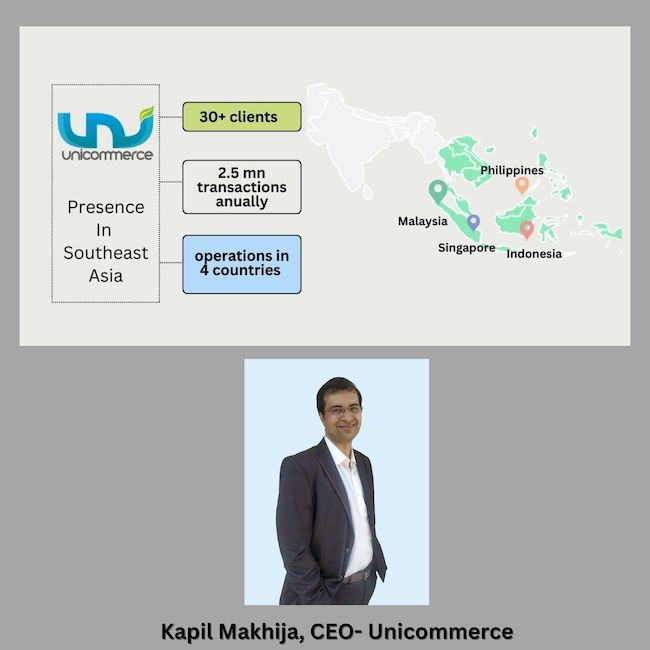
Unicommerce, an integrated SaaS platform for post-purchase experience management, is experiencing rapid growth across Southeast Asia. Currently processing over 2.5 million annual transactions, the company eyes to double transaction volumes to reach 5 million by December 2022. In its first year of operations, the company has signed up over 30 clients across Singapore, Indonesia, Malaysia, and the Philippines.
Unicommerce is bullish on the growth of e-commerce in Southeast Asia. The company has already established its local presence with a sales and customer service team in Singapore, Indonesia and the Philippines, and is also planning to establish a local entity in the coming months.
Unicommerce’s expansion into Southeast Asia comes as e-commerce volumes spike and companies seek an integrated platform to handle the entire post-purchase transaction flow. Being a sector- and size-agnostic platform, Unicommerce solutions have been successfully deployed by a range of retail brands looking to build a robust online presence and re-engineer their operations and processes to achieve maximum consumer connection. Some of the leading brands that Unicommerce works with within the SEA region are Edamama, Locad PayO Asia, Amilo, Business Engineers, and Luxurious Craving, among others. The company’s clients in SEA include fashion brands, beauty, and personal care brands, fulfilment providers, and logistic service providers. The SaaS platform is also one of the finest omnichannel platforms that powers 2,000+ stores and 7,000+ warehouses across India.
During and post-pandemic, there is a surge in online shopping to avoid the spread of the virus. As the e-commerce and retail industry grows with multiple online shopping platforms, the supply chain has become an increasingly complex process, and companies rely heavily on technology to optimize operations.
Unicommerce’s SaaS platform enables brands to streamline the supply chain with an integrated SaaS solution for inventory, order, and warehouse management. The unique, award-winning platform for post-purchase experience management helps brands and marketplaces manage operations across multiple online sales channels and physical distribution points while maintaining a smooth inventory flow to meet user expectations. The company also enables marketplaces to streamline processes with its multi-vendor management solution.
Talking about the expansion plans, Mr Kapil Makhija, CEO of Unicommerce, says, “Our clients in Southeast Asia are focused on building a strong digital presence and looking for technology solutions. Our platform enables them to enhance the post-purchase experience and achieve operational excellence. Unicommerce’s robust and easy to integrate SaaS platform are well-suited to meet client needs which is reflected in our rapid growth. We are delighted to partner with many leading brands and look forward to expanding our presence across Southeast Asia.”
Edamama, one of the leading brands in the Philippines, has deployed Unicommerce’s Dropship Fulfillment, Vendor Management solution, and Personalized E-commerce solutions to manage different vendors and offer personalized shopping experiences to consumers. The automation by Unicommerce has enabled the company to manage operations across 400+ registered vendors and 1,000+ brands, while seamlessly maintaining 30K+ live catalog counts and allowing the brand to dispatch tens of thousands of items per month with a 99.99% fulfillment rate.
Unicommerce’s growth into Southeast Asia and also Middle East Asia is built on its decade-long experience and leadership position in the diverse and dynamic Indian market, where the company processes 500 million annual transactions. The company works with some of the leading brands and companies of India including Marico, Bestseller, House of Anita Dongre, Netmeds, Mamaearth, mCaffeine, and many more.
For media queries contact: Ganesh S Bloomingdale Public Relations (+65) 97791286
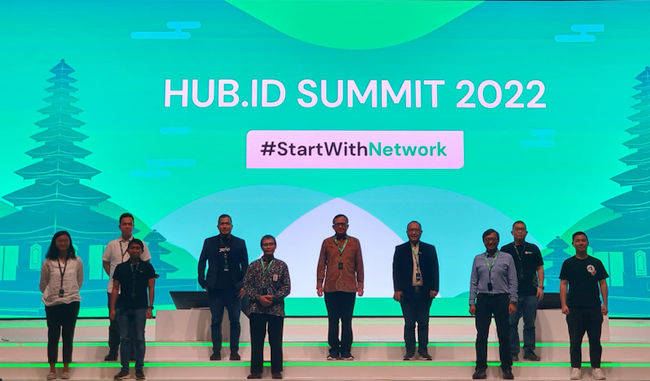
The HUB.ID is proud to be a hub that connects 80 curated startups with 80 global venture capital and well-known business partners, stated Indonesia’s Ministry of Communication & Informatics at this year’s HUB.ID Summit opening, in Nusa Dua, Bali, Indonesia.
The opening ceremony of the HUB.ID Summit 2022 was held at Nusa Dua, Bali province, on Monday (September 5, 2022). (ANTARA/Livia Kristianti/uyu)
“We believe the startups have the ability and potential to be the tech giants. Therefore, the Ministry holds the HUB.ID Summit as a hub to connect the early-stage startups, venture capitalists and business partners in exploring collaboration and investment opportunities,” said Semuel Abrijani Pangerapan, Director-General of Application & Informatics, Ministry of Communication & Informatics, in the opening address.
The HUB.ID Summit 2022 was held in Nusa Dua, Bali from 5 to 6 September 2022. Its focus is on early-stage startups looking for seed to series A investment. The Ministry hopes that the 80 selected startups participating in the HUB.ID Summit can explore opportunities for cooperation, especially in terms of funding.
HUB.ID includes the HUB.ID Accelerator, the HUB.ID Summit, and the HUB.ID Ecosystem. After undergoing a series of HUB.ID incubation and accelerator programs held by the Ministry, tech startups can continue their journey by expanding their business network on a global scale.
Startups are represented across sectors from agriculture & aquaculture tech, enterprise & government tech, health tech, social commerce & SME enablement, Web.30, deep tech, education, fintech and legal tech to property and proptech.
Startups participating in the HUB.ID Summit 2022 include Chickin, Dagangan, DOTX, Duitin, Eratani, Bananas, Fishlog, Gajiku, Gorrywell, HiPajak, Jejakin, Klinik Pintar, Legalku, MallSampah, NOBI, SoulParking, Teman Pasar, Verihubs, and ZI.Care.
Venture capitalists and business partners participating in HUB.ID Summit include East Ventures, DG Ventures, AC Ventures, BEENEXT, Finch Capital, Cyber Agent Capital, J Trust Bank, Telkom, Midtrans, OCBC NISP Ventura, Sinarmas Land, AppWorks, Investible, Jabar Digital Service, Jakarta Smart City, Bio Farma, and Mandiri Capital.
Semuel said that collaboration and investment can support startups in Indonesia to be more resilient in facing future challenges. “We are optimistic that startups in Indonesia will be more mature, as well as ready to collaborate and have investment cooperation,” Semuel stated.
On day one, the HUB.ID Summit consisted of two panel discussions: “The Dawn of New Groceries Shopping in Indonesia: Is it a sustainable business model?” including Metha (Co-Founder SayurBox), Vincent (Co-Founder Astro), Yosua Setiawan (Co-Founder Segari), and moderated by Agung Nugroho (Co-Founder Kudo).
The second panel “Anticipating The Next Momentum of Indonesia Fintech” included Triyono Gani (Head of Digital Innovation Growth Otoris Jasa Keuangan), Dino Setiawan (Co-Founder Awan Tunai), Vira Widiyasari (SVP of Fintech and Payment Tokopedia), and moderated by Rico (Commissioner LinkAja). Those two panels showed Indonesia’s digital economy landscape from the startup point of view.
On day two, the HUB.ID Summit featured: “Standing Tall Amidst the Chaos: Indonesia Startup Investments Today and Tomorrow”, with Dirk Van Quaquebeke (Managing Partner, BEENEXT), Helen Wong (Managing Partner, AC Ventures), and Melisa Irene (Partner, East Ventures), on stage and moderated by Willis Wee (Founder & CEO, Tech in Asia). This panel discussed the future of Indonesia’s startup investment.
More than 350 participants joined Hub.ID Summit 2022, which consisted of 1-on-1 Business Matchmaking, Panel Discussions, and a Networking Dinner. Venture capital and business partners came not only from Indonesia, but also from Japan, Singapore, South Korea and India.
About HUB.ID
HUB.ID includes the HUB.ID Accelerator, the HUB.ID Summit, and the HUB.ID Ecosystem. HUB.ID is a platform provided by the Indonesian Ministry of Communication and Information Technology, focusing on enabling post-seed local Indonesian startups to scale regionally by leveraging KemenkomInfo?s vast network of corporate & governmental partners. Learn more at https://hub.id/.
The G20 Digital Innovation Network (DIN) meeting is able to be a catalyst to expedite the digital economy sector development in Indonesia, said Minister Johnny G Plate, Indonesian Ministry of Communication and Informatics (KOMINFO). The event aims to bring together start-ups, venture capital companies, policy makers, as well as leading global technology enterprises, including Google.
Minister of Communication and Information Johnny G. Plate delivered his remarks at the opening of the G20 Digital Innovation Network (DIN) forum in Nusa Dua, Badung, Bali, Saturday (September 3, 2022). (ANTARAFOTO/Aditya Pradana Putra/rwa.)
“We believe that the DIN event is an important catalyst for the growth of the digital economy by strengthening collaboration among start-ups, venture capital companies, as well as national and international corporations,” the minister said in his opening remarks at the inauguration of G20 DIN, a High-level Side Event of the 2022 G20 Digital Economy Working Group (DEWG), in Nusa Dua, Bali.
Before the G20 ministers and international organization representatives present, Plate noted the development of the digital economy in Indonesia shows a positive trend. “In 2021, the value of the digital economy in Indonesia reached US$70 billion and it will increase to US$315,5 billion in 2030. This potential is Indonesia’s future economy (strength) which is supported by various well-performed start-ups,” he said.
Plate said that currently, Indonesia has two decacorn start-ups, or companies whose valuations have reached US$10 billion, and more than 10 unicorn start-ups, which have valuations of at least US$1 billion. Plate believes that start-ups play an important role in determining the development of the digital economy sector, both at the domestic and regional levels.
“I trust the G20 DIN (organizing committee) to carry out this series of meetings and discussions which are expected to encourage various collaborations on digital innovations,” Plate stated.
The G20 DIN meeting was held in the Bali International Convention Centre (BICC) in Badung District from September 2 to 4, 2022. More than 400 participants attended the event in person, while another 200 participated in the event virtually.
Chairperson of 2022 G20 DIN, Sonny Hendra Sudaryana, said at a press conference after the inauguration that the implementation of 2022 G20 DIN would focus on five priority sectors: education technology, financial inclusion, healthcare, supply chain, as well as green and renewable energy.
2022 DIN Start-Up Awards Winners: 1. Healthcare — UCARE.AI, Singapore / Neurobots, Brazil 2. Supply Chain — MOOVA, Argentina / Sinbad, Indonesia 3. Green & Renewable Energy — Xurya, Indonesia / Uali, Argentina 4. Edutech — Edubuk, India / Accredify, Singapore 5. Financial Inclusivity — WireBarley, South Korea / Lendo, Saudi Arabia
Favourite Start-Up Winners: 1. Healthcare — NUSANTIC, Indonesia / Qapsula, Russia 2.Supply Chain — Eunimart, India / FairSupply, Australia 3. Green & Renewable Energy — EINHUNDERT Energie GmbH, Germany / MVL Labs, South Korea 4. Edutech — Cakap, Indonesia / Sarente Gameon, Turkey 5. Financial Inclusivity — Komunal, Indonesia / Lendo, Saudi Arabia
G20 Digital Innovation Network: https://g20innovationnetwork.org Source: DIN, Indonesian Ministry of Communication and Informatics (KOMINFO).
Several products made by micro, small, and medium enterprises (MSMEs) assisted by state-owned oil and gas company PT Pertamina sold out at the recent Tong Tong Fair in The Hague, the Netherlands.
Visitors check out handicraft products from Indonesia at the Tong Tong Fair, which was held in The Hague, Netherlands, from September 1–11, 2022. (ANTARA/HO-PT Pertamina (Persero))
The fair was held from September 1-11, 2022, after a gap of two years due to the COVID-19 pandemic.
Foods from Dapur Bunda Duri, De Harvest Jaya, and Bakul Jamu Euis, as well as fashion products of Cetak Godhong and Dela Tapis, Sasirangan, and handicrafts made by Joglo Ayu Tenan and Bahalap were among the products that proved a draw for visitors.
Indonesian Ambassador to the Netherlands, Mayerfas, welcomed the participation of Indonesian SOEs, which brought a number of MSME products to the annual Tong Tong Fair.
“It needs to continue to be carried out to encourage MSMEs to go global and increase their competitiveness,” he said, according to a statement released by Pertamina.
He also lauded the effort made by the SOEs Ministry to open the Roemah BUMN pavilion to enable several SOE-assisted MSMEs from Indonesia to exhibit their products at the fair.
Pertamina showcased 175 types of superior products from various cities of Indonesia at the fair, including Yogyakarta, Balikpapan, Dumai, Banjarmasin, Pontianak, Lampung, and Tomohon, Sulawesi.
Products from the fashion, handicrafts, and food sectors were selected through a fairly long process after being curated based on product quality criteria that were in accordance with the needs of the global market.
“I am proud that the rubik balado product could pass the curation to the Netherlands, (it) can make the city of Duri Riau proud, which previously did not have regional specialties,” said Diah Novi Wulandari, owner of Dapur Bunda Duri, an MSME assisted by Pertamina since 2020.
Wulandari, who currently has more than 15 employees and more than 70 MSME partners in Duri, did not expect her products to be of interest to residents of The Hague and surrounding areas. However, her products sold out in less than a week.
Besides rubik balado, Cetak Godhong’s ecoprints also found a place in the hearts of visitors.
“What I never dreamed of was that my product could participate in the Tong Tong Fair in the Netherlands,” said Endah Hariyani, owner of Cetak Godhong.
Cetak Godhong makes environmentally friendly handmade products by printing fabrics using natural dyes and making motifs manually using leaves.
The use of leaves from various types of plants as motifs and natural coloring lend the products an exclusive air since no product has the exact same design.
Vice president of CSR & SMEPP at Pertamina, Fajriyah Usman, said showcasing MSME products at the Tong Tong Fair 2022 was a complete success.
“The fostered partners provided quality local products that had very high artistic and cultural value. We got a lot of visitors with a fairly significant number of sales. All visitors seemed to enjoy the product offerings and were enthusiastic about the lucky dip draw that we gave,” she informed.
Fajriyah said she hopes that the Tong Tong Fair would accommodate the hopes and aspirations of Pertamina-assisted MSMEs as well as encourage the entrepreneurs’ spirit of independence and spur them to become strong and professional players.
In collaboration with the trade attache at the Indonesian Embassy in the Netherlands, Pertamina-assisted MSMEs’ products are currently on display at the House of Indonesia, a one-stop shopping showcase that provides everything from products to information for prospective European business players.
“This promises a great opportunity for MSEs to expand their overseas marketing reach,” Fajriyah added.
The involvement of MSMEs in the Tong Tong Fair was a form of the SOEs’ support for achieving the Environmental, Social, and Governance (ESG) targets and Sustainable Development Goals (SDGs), particularly Point 8, namely decent work and economic growth, which is being realized through funding and coaching programs for SMEs.
This is part of the social and environmental responsibility push for realizing economic benefits for the community and driving the national economy.
Through MSME programs and the spirit of “Energizing Your Future,” Pertamina is striving to continue to encourage all MSME partners to level up and go global.
Contact: Fajriyah Usman, VP Corporate Communications, PT Pertamina (Persero) M: +62 858 8330 8686, Email: fajriyah.usman@pertamina.com, URL: https://www.pertamina.com Written by: Yashinta Difa Pramudyani, Editor: Sri Haryati (c) ANTARA 2022
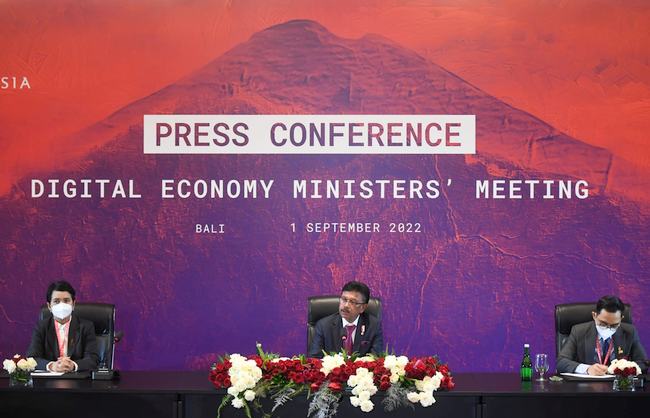
The Digital Economy Ministers Meeting (DEMM) was held in Nusa Dua, Bali, Thursday (September 1, 2022). It was the culmination of the Digital Economy Working Group (DEWG) meetings, as one of working group of the G20 that focuses on issues related to the digital economy and highlights the role of digital transformation on economic and social growth.
Communication and Information Minister Johnny G. Plate opened the 2022 G20 Digital Economy Ministers’ Meeting in Nusa Dua, Bali province, on Thursday (September 1, 2022). (ANTARA PHOTO/Hafidz Mubarak A/foc/uyu)
The DEWG itself discussed three priority issues of the digital economy at the G20 Indonesia Presidency, including digital connectivity, digital skills and literacy, and cross-country data flow.
The Minister of Communication and Informatics, Johnny G. Plate, said the DEMM has produced a document called “G20 Digital Economy Minister Meetings 2022; Chair Summary”.
The document summarizes agreements between the ministers for the digital economy on the three priority issues of the DEWG.
“The document shows that for all substantive content, the Indonesian Presidency (G20) has reached consensus from all DEWG members in accordance with DEWG priority issues,” Plate said at a press conference, Thursday afternoon.
It also summarizes all ideas and dynamics that developed during the series of G20 DEWG meetings presented by representatives of G20 member countries over the past six months.
The formulation of concrete steps in the document will be presented as input for President Joko Widodo in leading the G20 Summit which will be held in November.
On the first priority issue regarding connectivity and post-COVID-19 recovery, Plate said the meeting agreed on the need for a people center in an effort to strengthen digital connectivity. The meeting, he said, also agreed on the importance of digital security as the key to business sustainability.
“The meeting also welcomed various initiatives of the G20 Indonesia Presidency, such as the G20 Digital Innovation Network (DIN), G20 Digital Transformation Expo (DTE), and the smart village and island initiative together with ITU,” he said.
On the issue of digital skills and digital literacy which is the second priority issue, the DEMM meeting succeeded in compiling the “G20 toolkit for measuring digital skills and digital literacy”.
The document is useful for standardizing the measurement of literacy indicators and digital skills for more objective public policy making and encouraging international cooperation in overcoming gaps between countries, responding to the challenges of a digital future.
“The presidency has also succeeded in compiling a compilation of reports on policies and recommendations to increase meaningful participation of vulnerable groups in the digital economy, as well as a summary document of practices and policies on digital skills and advanced digital literacy,” he said.
On the issue of free data flow with trust and cross-border data flow, Johnny said the DEWG forum has recognized the efforts of the Indonesian Presidency to initiate discussions on the principles of justice, transparency and legitimacy proposed by Indonesia.
“This is a new principle base in cross-border data governance. We all know that data contains at least two important things. The first is that the data has a high economic value, and the second is that the data is related to geopolitics and geostrategy as well as the sovereignty of each nation and state,” he explained.
The DEMM meeting was attended by digital ministers from the United Arab Emirates (UAE), Singapore, Cambodia, South Africa, Japan, India, Saudi Arabia, the United Kingdom, and the Netherlands. Meanwhile, Australia, Germany and Spain were represented by ministerial representatives.
DEMM was also attended by representatives from international organizations, including the Secretary General of the International Telecommunication Union (ITU) and the Under Secretary General of the United Nations and Executive Secretary of the United Nations Economic and Social Commission for Asia and The Pacific (UNESCAP).
Written by: Rizka Khaerunnisa, Uyu Liman, Editor: Suharto (c) ANTARA 2022