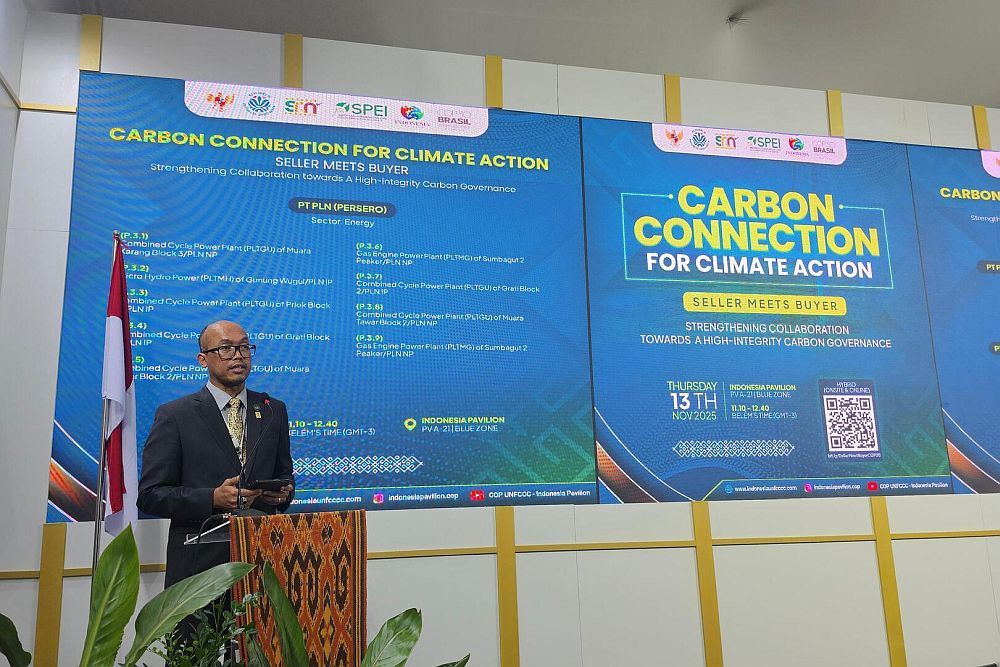
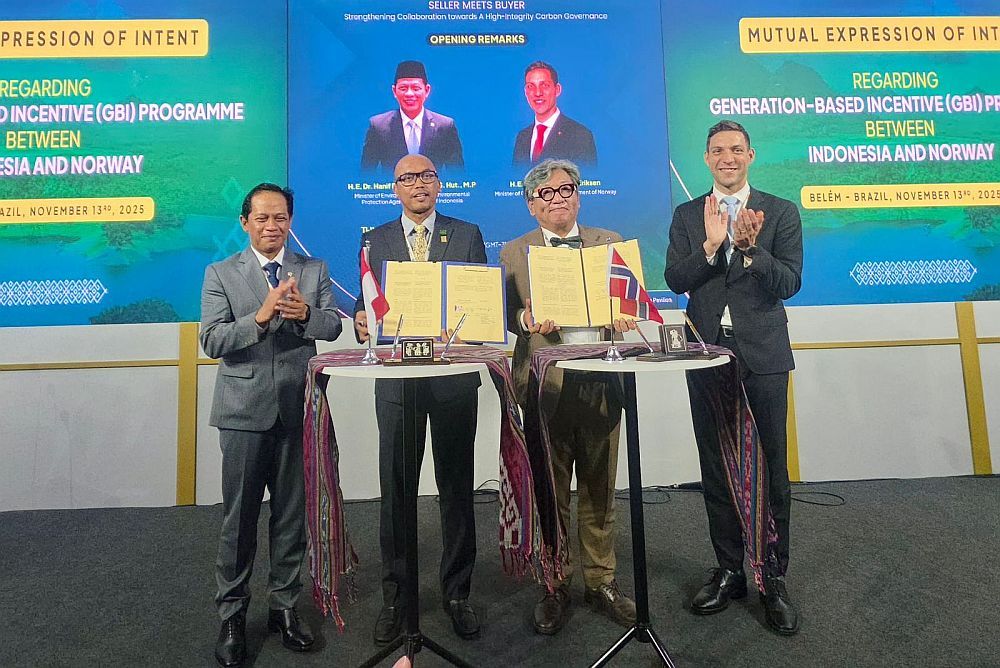
The Indonesian government, through PT PLN (Persero), strengthened its commitment to advancing the global carbon market by forging two key collaborations during the Seller Meets Buyer forum at the Indonesia Pavilion at COP30 in Belém, Brazil, on Thursday (13/11). PLN signed a Mutual Expression of Intent with the Norwegian government via the Global Green Growth Institute (GGGI), and a Memorandum of Understanding (MoU) with Japanese company Carbon Ex Inc. These partnerships represent a significant milestone in accelerating low-carbon project development and expanding Indonesia’s role in the global carbon market.
PLN’s Director of Technology, Engineering, and Sustainability, Evy Haryadi, explained that PLN together with the Government is now taking on a new role as a catalyst and accelerator of the carbon market to accelerate the energy transition and encourage cross-sector collaboration in climate change mitigation. (13/11)
Indonesia’s Minister of Environment and Head of the Environmental Control Agency, Hanif Faisol Nurofiq, emphasized that the partnerships established during the forum play a vital role in bolstering Indonesia’s efforts to reduce global emissions.
“For Indonesia, this momentum is essential as it highlights the nation’s capability to help achieve global greenhouse-gas reduction targets through the implementation of carbon trading under Article 6 of the Paris Agreement,” Hanif said.
PLN’s Director of Technology, Engineering, and Sustainability, Evy Haryadi, noted that PLN—working alongside the government—is stepping into a new role as both a catalyst and an accelerator in the carbon market, aiming to speed up the energy transition and foster cross-border collaboration in climate-change mitigation.
“The world is progressing decisively toward Net Zero Emissions, and Indonesia is moving in step. PLN is committed to reaching Net Zero Emissions by 2060, in accordance with national targets and the Paris Agreement. To realize this ambition, collaboration isn’t optional, it’s essential,” Evy said.
Evy further explained that the government has launched the 2025–2034 Electricity Supply Business Plan (RUPTL), which targets an additional 69.5 gigawatts (GW) of generation capacity, with 76% or 52.9 GW coming from renewable energy and storage. These new assets are projected to produce more than 1,000 terawatt-hours of green electricity over the next decade, creating significant opportunities for clean-energy development.
“Indonesia has a tremendous opportunity to lead the clean-energy transition and drive green economic transformation through the utilization of its energy resources. We aim to be a leader not just regionally but globally by supplying ample green energy and the necessary supporting infrastructure to help customers meet their future sustainability targets,” Evy added.
PLN provides two key green-attribute solutions to help companies advance their decarbonization efforts. The first is Carbon Units, which allow businesses to offset their greenhouse-gas emissions through verified emission-reduction or removal projects under reputable domestic and international standards. The second is green energy as a service, offering Renewable Energy Certificates (RECs) and Dedicated Green Energy Sources that give companies direct access to clean, reliable power from PLN’s infrastructure. Together, these solutions enable businesses to craft effective short- and long-term strategies for achieving their Net Zero Emissions (NZE) goals.
“Our main products for managing green attributes are Carbon Units and Renewable Energy Certificates. RECs help businesses obtain official and transparent recognition that the electricity they use comes from renewable sources. These instruments not only meet compliance requirements but also create opportunities to accelerate decarbonization across various industrial sectors,” Evy explained.
Additionally, PLN is offering forward offtake opportunities for three Gold Standard-certified projects with a combined emissions reduction potential of around 1.5 million tonnes of carbon-dioxide equivalent (COâ‚‚e), including a 50-megawatt (MW) ground-mounted solar power plant (PLTS) with battery storage in the new capital city, Nusantara.
“We are presenting these opportunities as part of the Indonesian power sector’s transformation toward a more sustainable, competitive, and internationally recognized energy ecosystem. With the support of investors and technology partners, we can accelerate the development of strategic projects that deliver tangible emissions-reduction impacts,” Evy concluded.
About PLN
PT PLN (Persero) is Indonesia’s state-owned electricity company, committed to continuous innovation and delivering the best service to its customers. PLN drives its Transformation 2.0 agenda with the vision of becoming a Top 500 Global Company and the No. 1 choice for energy solutions. This is achieved through sustainable business growth, end-to-end digitalization, energy transition initiatives supporting Net Zero Emissions (NZE), and the development of world-class human capital.
Contact Gregorius Adi Trianto Executive Vice President, Corporate Communications & CSR, PLN Tel. +62 21 7261122 Fax. +62 21 7227059
Building Understanding to Support a Resilient Food System
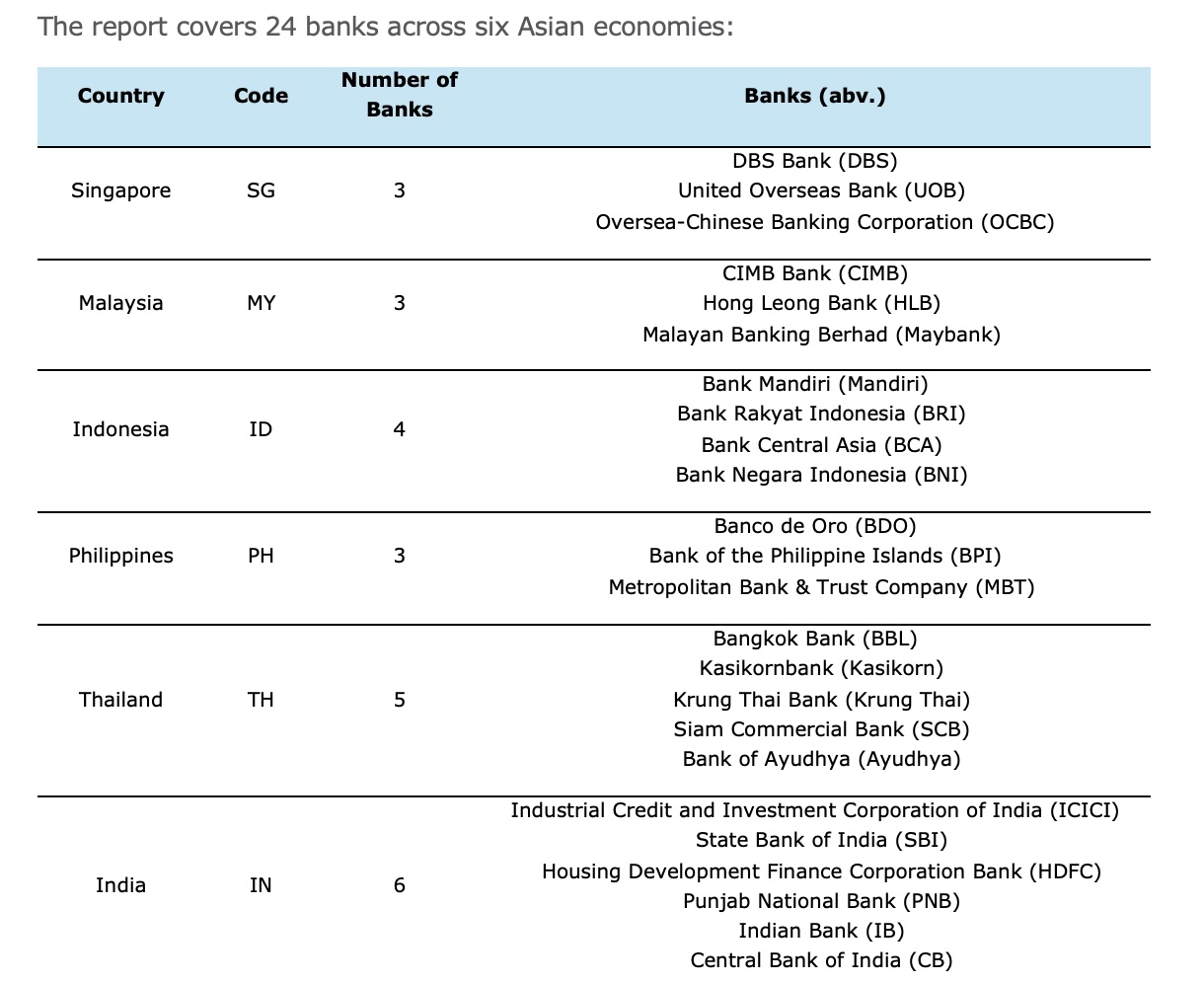
Kate Blaszak, Director, Protein Transition at Asia Research & Engagement (ARE), said, “Food and agriculture are increasingly material to financial stability, sector resilience, and humane and sustainable outcomes across Asia. This benchmark provides a constructive starting point for banks to build understanding of intersectional risks in this critical sector, strengthen capacity for responsible lending, and engage clients on emerging opportunities in sustainable food systems.”
Regional Snapshot: Early Signs of Momentum
Although maturity varies by market, the benchmark finds that banks across the region are starting to recognise food-and agriculture-related risks and the importance of more resilient, lower-impact food systems.
Singaporean banks have responsible-lending frameworks in place, and DBS, UOB, and OCBC have all adopted deforestation-exclusion principles. The next steps are to enhance transparency, demonstrating deforestation and cage-free lending, and boost sustainable finance for this sector.
Malaysia’s CIMB and Maybank already support sustainable palm production. They can enhance leadership across their livestock exposure through strengthening nature protection by adding feed-related deforestation exclusions and adding responsible antibiotic use and animal welfare principles to their lending criteria.
Thailand’s Kasikornbank, Krung Thai, and SCB reflect early alignment with the country’s expanding plant-based and future-food sector, supporting “Kitchen of the World” ambitions with a clear opportunity to demonstrate leadership in alternative proteins and humane production methods.
Indonesia and the Philippines face significant exposure to climate, nature and other agricultural risks. Banks such as BCA, Mandiri, and BDO Unibank are at an early stage of integrating sustainability frameworks for this sector. They can strengthen understanding of the need for more sustainable and resilient agri-finance approaches.
India’s ICICI is taking early steps by disclosing climate-risk scenario analyses for the sector. Indian banks overall have yet to include deforestation, animal welfare, or antibiotic-use in their lending criteria, but with food and agriculture identified as a “Priority Lending Sector,” there is a clear case for strengthening lending frameworks to underpin nutritional security and climate resilience.
Early Signals Emerging, Yet Gaps Remain Across Climate, Nature, and Protein Themes
Climate: Two banks have begun incorporating food and agriculture into their net-zero strategies — an important early signal in a sector where disclosure of decarbonisation pathways is still emerging. Yet, food and agriculture are significant contributors to climate change as well as being severely impacted by climate change.
Animal Welfare: Three banks now reference animal welfare in their responsible lending frameworks, marking the first indications of awareness in this area. The development of measurable standards and sustainable finance for cage-free presents a roadmap for practical progress.
Antibiotic Use: Singapore’s UOB has taken an initial step by acknowledging antibiotic stewardship. Expanding this into clear principles for lending evaluation could strengthen risk management, and support food safety.
Nature & Biodiversity: DBS, UOB, and CIMB have begun aligning with the Kunming–Montreal Global Biodiversity Framework. High-impact next steps include extending this alignment to food-agri lending and incorporating verification of deforestation exclusions.
Plant-Based Proteins: DBS, Maybank, and Krung Thai are among the early movers incorporating plant-based and alternative proteins within sustainable and transition-finance frameworks — signaling recognition of SE Asia’s fast-growing future-food markets.
Looking Ahead: Financing Asia’s Protein Transition
ARE highlights the importance of food and agriculture to Asian economies and the imperative for banks to establish a roadmap for reducing risk and capturing transitional funding opportunities such as plant proteins, deforestation-free feed, humane and nature-based solutions. By learning from leadership among peers and looking towards the models set by some regionally active international banks, Asia’s lenders could help drive sustainable food production with climate, health, animal, and nature protective benefits via more comprehensive responsible lending frameworks and transition finance targets.
“The next wave of sustainable finance will be defined by nutrition, nature, compassion, and resilience,” Blaszak said. “Banks that act early can reduce systemic risks and unlock new sources of value.”
About Asia Research & Engagement (ARE)
ARE brings leading investors into dialogue with Asian-listed companies to address sustainable development challenges and help companies align with investor priorities. With decades of Asia experience, our cross-cultural team understands the region’s unique needs. Our high-quality independent research, robust investor network, and engagement expertise provide corporate leaders and financial decision makers with insights leading to concrete action.
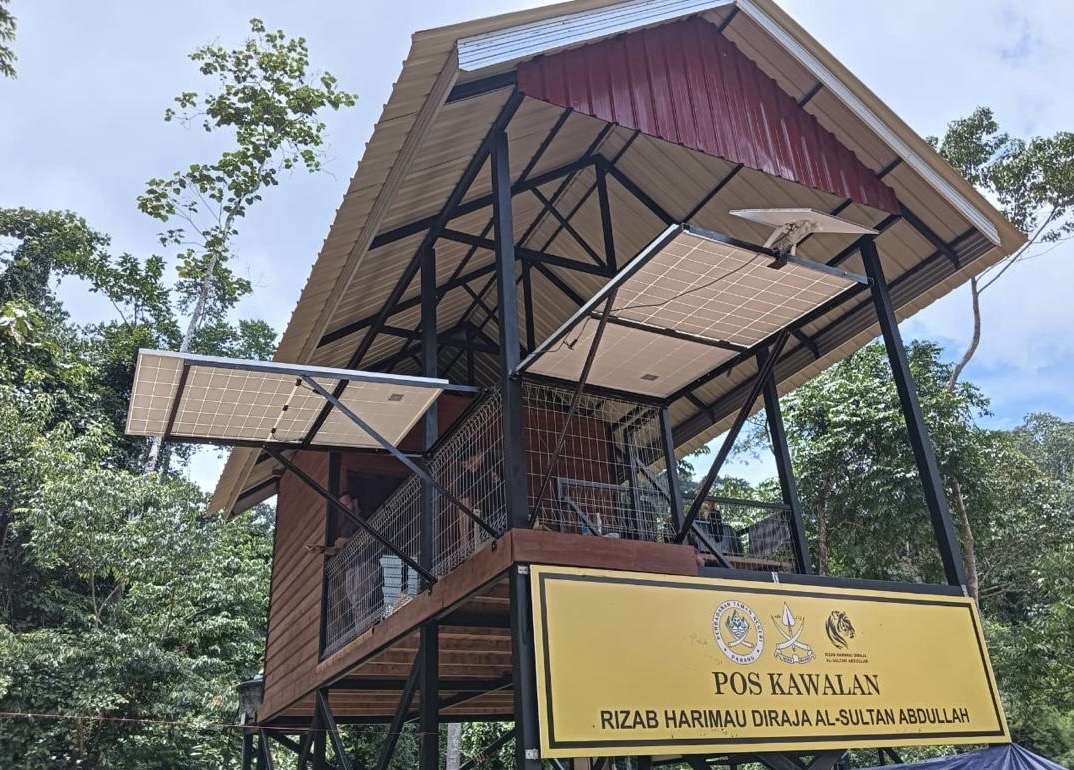
EdgePoint Towers Sdn Bhd (“EdgePoint”) – part of EdgePoint Infrastructure, a leading ASEAN-based independent telecommunications infrastructure company – announced the successful deployment of its first-of-its-kind Connectivity for Conservation project at the Al-Sultan Abdullah Royal Tiger Reserve in Ulu Tembeling, Jerantut, Pahang. The project was implemented in partnership with the Pahang State Parks Corporation (Perbadanan Taman Negeri Pahang, PTNP), and The Habitat Foundation (THF).
By connecting manned guard posts and camp sites via Low Earth Orbit (LEO) satellite technology, the solution enables real-time coordination and communication for rangers and research staff operating in remote and dense rainforests. It also supports incident reporting, navigation and location tagging for emergency communication and response protocols.
Muniff Kamaruddin, Chief Executive Officer of EdgePoint Towers, said, “As part of our Environmental, Social and Governance (ESG) commitment, we are proud to contribute to tiger conservation efforts through the use of technology. Protecting biodiversity is a crucial component of sustainable development, and by leveraging our expertise in connectivity and infrastructure, we aim to strengthen monitoring and protection of Malaysia’s endangered tigers. Through this partnership, we have worked closely with stakeholders to understand and address the complex challenges posed by difficult terrain, unpredictable weather, and wildlife-specific needs”.
“Operational constraints such as limited fuel supply and power access require robust solutions and detailed contingency planning to ensure optimal equipment performance with minimal on-site intervention. By integrating off-grid solar and battery systems, these installations will enhance the efficiency of rangers and researchers, providing reliable access to critical data in real time and enabling faster response to tiger sightings and anti-poaching efforts. This initiative also demonstrates how technology-driven insights can shape more effective, data-informed wildlife protection policies” he added.
Encik Zainal Abidin bin Othman, the Chief Executive Officer (CEO) of PTNP said, “The Malayan Tiger is listed as critically endangered, with an estimated 150 remaining in the wild in Malaysia. This alarming scarcity highlights the urgent need for innovative and technology-driven approaches to safeguard the species. Through the enhanced connectivity provided by EdgePoint’s solution, PTNP together with the service operator of Al-Sultan Abdullah Royal Tiger Reserve, Enggang Management Services (EMS) Sdn. Bhd. and implementing partners can now benefit with better communications in the deep forest, instead of depending on satellite phones only. This is also one of the risk mitigation plans for the park alongside patrolling and monitoring. Ultimately, this improves the safety for the patrollers while enhancing park management.
Justine Vaz, Executive Director from The Habitat Foundation added, “This pioneering initiative highlights the power of collaboration in driving meaningful conservation outcomes. It demonstrates the synergistic potential of partnerships between corporations, government agencies, and NGOs in addressing real-world challenges. The enhanced connectivity will improve coordination and data sharing among conservation stakeholders operating in remote landscapes. It will also be instrumental in reinforcing enforcement coordination and strengthening efforts to protect Malaysia’s endangered tigers. We look forward to seeing the results and insights from this program, which we hope will inform future policy decisions within the reserve and the wider conservation community. Through this partnership, we remain hopeful that we can contribute to the population recovery of this iconic Malaysian species”
The Connectivity for Tiger Conservation project marks a pioneering collaboration between technology and conservation, demonstrating how digital infrastructure and connectivity can be powerful in safeguarding Malaysia’s rich natural heritage, supporting biodiversity conservation and ensuring the survival of its critically endangered wildlife.
About EdgePoint Infrastructure
EdgePoint Infrastructure is an ASEAN based independent telecommunications infrastructure company that aspires towards Building a Connected, Digital ASEAN. With operations in Malaysia, Indonesia and the Philippines, through EdgePoint Towers Sdn Bhd, PT Centratama Telekomunikasi Indonesia, Tbk and EdgePoint Towers Inc. respectively, the company is focused on providing sharable and leading-edge telecom structures, small cells and in-building systems. EdgePoint aims to be an industry leader through scale and innovation, driving operational efficiencies through the adoption of analytics and digital technologies.
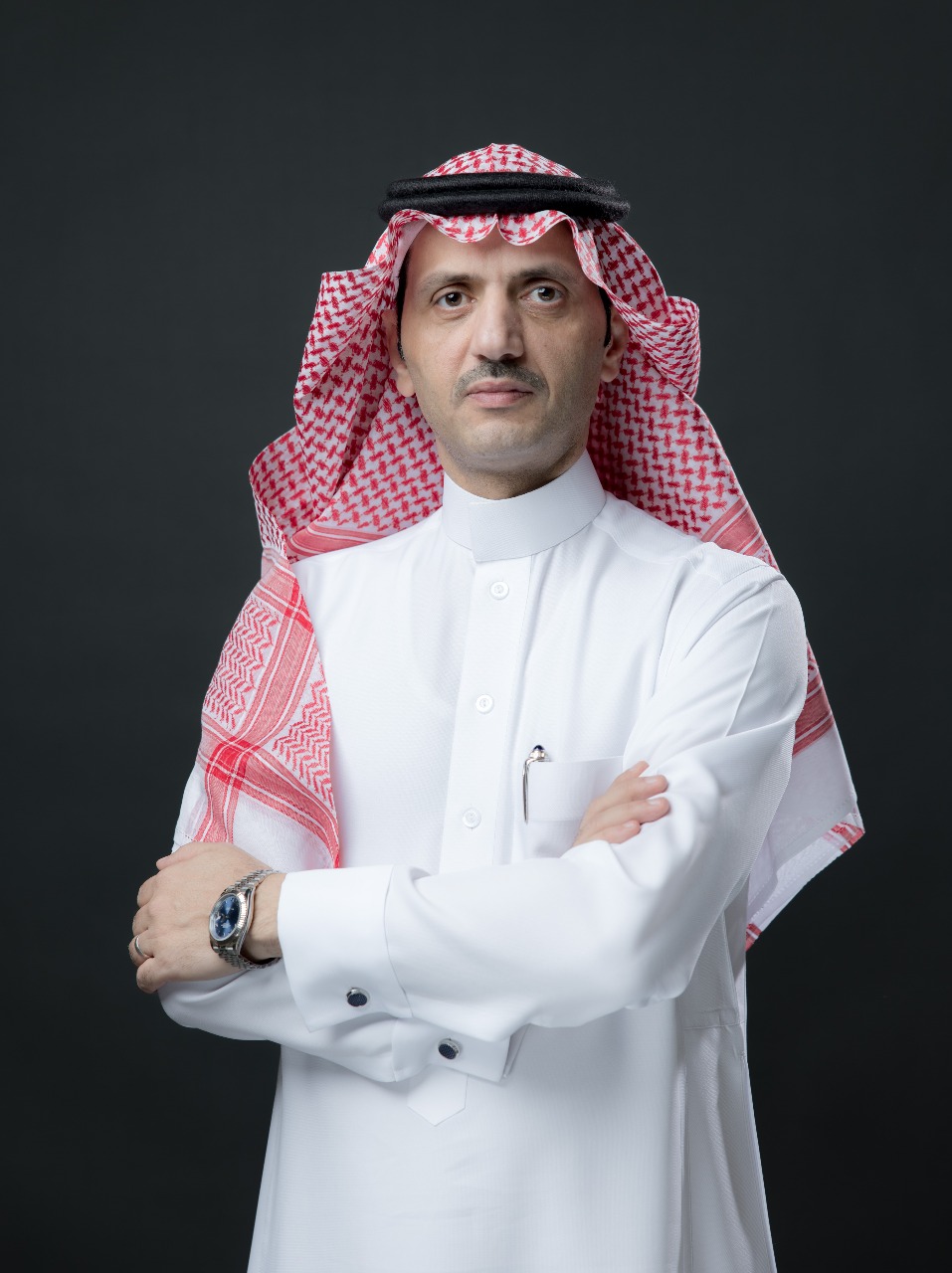
Saudi Electricity Company Appoints Eng. Khalid Bin Salem AlGhamdi as Chief Executive Officer
The Board of Directors of the Saudi Electricity Company (SEC) has announced the appointment of Eng. Khalid bin Salem AlGhamdi as the company’s Chief Executive Officer, effective October 1st 2025. The decision reflects the Board’s confidence in the capabilities of Saudi talent and their vital role in advancing the Kingdom’s electricity sector, a key enabler of the country’s ongoing economic and social transformation.
Eng. Khalid bin Salem AlGhamdi Saudi Electricity Company Appoints Eng. Khalid bin Salem AlGhamdi as Chief Executive Officer
Commenting on his appointment, Eng. AlGhamdi expressed his deep pride in this trust, extending his sincere gratitude to the Custodian of the Two Holy Mosques, King Salman bin Abdulaziz Al Saud, and to His Royal Highness Prince Mohammed bin Salman bin Abdulaziz Al Saud, Crown Prince and Prime Minister – may God protect them – for their unwavering support of SEC, which has enabled the company to achieve major milestones and strengthen its role in driving national development. He also acknowledged the guidance and close follow-up of His Royal Highness Prince Abdulaziz bin Salman bin Abdulaziz، Minister of Energy, whose leadership continues to serve as a cornerstone of SEC’s success.
Eng. AlGhamdi also thanked the company’s Board of Directors for their trust and support, affirming that this confidence will be a driving force to continue working to fulfil the expectations of customers and shareholders. He added: “Together with my colleagues at SEC, I look forward to a new chapter of collective effort building on the company’s past achievements across all fronts. With the grace of God, we will continue to meet the expectations of more than 11 million customers across the Kingdom by providing reliable and high-quality electricity services. Our focus will be on further enhancing grid reliability, and increasing the company’s contribution to the ambitious objectives of Saudi Vision 2030 – reinforcing SEC’s position as a leading national utility and a key player in the global energy landscape.”
Eng. AlGhamdi is regarded as one of the Kingdom’s distinguished national leaders. He has held several senior positions at SEC, including Executive Vice President for Technical Services, Acting Vice President of Risk and Compliance, Chief Engineer between 2022 and 2023, and Senior Vice President of Digital and Technology, where he oversaw the implementation of major strategies and programs across the company.1
Contact Information Saudi Electricity Company Al-Arid, Riyadh alkahrabacare@se.com.sa 920001100
Envirosite, part of ADEC Innovations, today announced the acquisition of the business assets of Land Insight, a leading provider of environmental risk data in Australia. The move extends Envirosite’s presence beyond North America and strengthens its position as a global leader in environmental due diligence solutions.
Envirosite Acquires Business Assets for Land Insight Envirosite acquires Land Insight assets, expanding global environmental data services.
By adding Land Insight’s trusted property data and historical resources to its portfolio, Envirosite now provides consistent, high-quality environmental insights across the United States, Canada, and Australia-helping consultants, engineers, and lenders assess and manage property riskwith confidence.
“With Land Insight, we can now give clients in Australia the same trusted, comprehensive data our partners in North America rely on to make confident property decisions,” said Mark Mattei, President of Envirosite. “This acquisition enhances our international presence and brings innovative tools to new markets at a time when clear environmental insights matter more than ever.”
“This step reflects ADEC Innovations’ strategy of combining global reach with local expertise,” said James Donovan, Co-Founder and Global CEO of ADEC Innovations. “By integrating Land Insight into our network, we give clients the clarity they need to move faster from information to action.”
Land Insight has long been recognized in Australia for its reliable environmental property data, including historical records widely used by environmental consultants, engineers, and lenders. Integrating these assets into Envirosite’s SaaS platforms, ATLAS™ and Property Risk Map, broadens the company’s ability to deliver actionable insights on a global scale. With this expansion into Australia-building on its strong presence in the U.S. and Canada-Envirosite is uniquely positioned to deliver consistent, high-quality environmental data solutions across three continents, ensuring that clients can move projects forward with clarity, speed, and confidence.
About Envirosite Envirosite is where every project decision begins, with reliable environmental data professionals can trust. We deliver property records and historical resources, including aerials, city directories, topographic maps, and fire insurance plans, powered by our SaaS platforms, Atlas™ and Property Risk Map. Drawing from more than 2,300 verified databases, our solutions set the standard for property due diligence across North America and beyond. Environmental consultants, engineers, and lenders rely on Envirosite to move projects forward with clarity and certainty. As part of ADEC Innovations, we turn information into action, translating risk into insight and creating impact that lasts. envirositecorp.com
About Land Insight
Land Insight is an Australian provider of environmental risk data and historical property information. Its insights support environmental professionals in identifying and managing property risk and have played a key role in advancing environmental due diligence practices in Australia. landinsight.co
About ADEC Innovations ADEC Innovations is a global provider of ESG solutions, workforce strategies, and technology platforms that help organizations meet sustainability goals and manage risk. With offices and operations worldwide, ADEC delivers data-driven services and impact solutions across environmental, social, and governance domains. adec-innovations.com
PT PLN (Persero) reaffirmed its role as the driving force of Indonesia’s decarbonization agenda by advancing the development of a national carbon market aligned with global standards. This commitment was conveyed during a panel discussion titled “Scaling-Up Carbon Markets: Opportunities for Global Collaboration” at COP30 in Belém, Brazil, where PLN outlined concrete plans to enhance integrity, transparency, and the interoperability of Indonesia’s carbon market with international systems.
Hanif Faisol Nurofiq (L) with the Norwegian Minister of Climate and Environment, Andreas Bjelland Eriksen (R), the Director of Technology, Engineering, and Sustainability at PLN, Evy Haryadi (2nd from L), and the Executive Director of the Global Green Growth Institute (GGGI), Sang-Hyup Kim (2nd from R) after the signing of the Mutual Expression of Intent for the Generation-Based Incentive Programme between PLN and GGGI at the Indonesia Pavilion in Belém, Brazil during COP 30 – the 30th Conference of the Parties. (13/11).
Deputy Speaker of the People’s Consultative Assembly of the Republic of Indonesia (MPR RI) Eddy Soeparno emphasized that Indonesia’s success in sustaining low-carbon economic growth depends heavily on regulatory consistency and collaboration among stakeholders—both domestically and globally. COP30, he said, represents a pivotal moment for Indonesia to demonstrate its readiness to lead a credible carbon ecosystem in the region.
“Indonesia must send a clear signal that we are ready to build a transparent, measurable carbon ecosystem capable of creating real economic value. Cross-sector policy alignment is no longer optional—it is essential for our carbon market to truly become the hub of regional collaboration,” Eddy stated.
Meanwhile, the Director of Carbon Economic Value Governance at the Ministry of Environment of the Republic of Indonesia, Ignatius Wahyu Marjaka, affirmed that Indonesia has prepared strategic measures aligned with international carbon trading standards and mechanisms. These efforts include collaboration with partner countries, global certification bodies, and the development of platforms that integrate domestic and international carbon trading instruments.
“Indonesia has actually begun developing international carbon market policies by introducing bilateral agreements with several partner countries, including Norway,” Wahyu explained.
He added that strengthening the integrity of the carbon market remains a national priority, particularly in improving cross-sector understanding, infrastructure readiness, and governance capacity. Wahyu stressed that technology, transparency, and accountability are key elements in ensuring Indonesia’s credibility in the global carbon market.
PLN’s Director of Technology, Engineering, and Sustainability, Evy Haryadi, explained that Indonesia holds vast potential to build a robust carbon ecosystem, and PLN is ready to serve as its catalyst.
In the Electricity Supply Business Plan (RUPTL) 2025–2034, PLN targets the addition of 52.9 GW of renewable energy, including baseload, variable energy, and energy storage systems.
“PLN’s renewable energy expansion potential could generate up to 250 million tons of green attributes. This is not just regulatory compliance, but a real opportunity to create green economic value and accelerate the national energy transition. PLN is ready to be the catalyst that ensures a credible carbon market,” Evy said.
PLN guarantees that each issuance of carbon credits meets global standards and follows the key principles of high-integrity carbon. PLN continues to strengthen international collaboration, including with the Government of Norway, focusing on scheme and governance development, capacity building, and harmonization of global standards with national policies—ensuring Indonesian carbon credits are accepted in international markets.
PLN asserts that these efforts reflect Indonesia’s contribution to playing a strategic role in the global climate agenda while delivering reliable, affordable, and sustainable energy for all.
About PLN
PT PLN (Persero) is Indonesia’s state-owned electricity company, committed to continuous innovation and delivering the best service to its customers. PLN drives its Transformation 2.0 agenda with the vision of becoming a Top 500 Global Company and the No. 1 choice for energy solutions. This is achieved through sustainable business growth, end-to-end digitalization, energy transition initiatives supporting Net Zero Emissions (NZE), and the development of world-class human capital. https://web.pln.co.id
Contact: Gregorius Adi Trianto Executive Vice President, Corporate Communications & CSR, PLN Tel. +62 21 7261122 Fax. +62 21 7227059
PT PLN (Persero) reaffirmed its commitment to accelerating a just and equitable energy transition through concrete measures and strengthened global partnerships. During the 30th Conference of the Parties (COP30) in Belém, Brazil, on Monday (11/10), PLN took part in the CEO Talk titled “Corporate Climate Leadership for Indonesia’s Net Zero Action through High Integrity Carbon.”
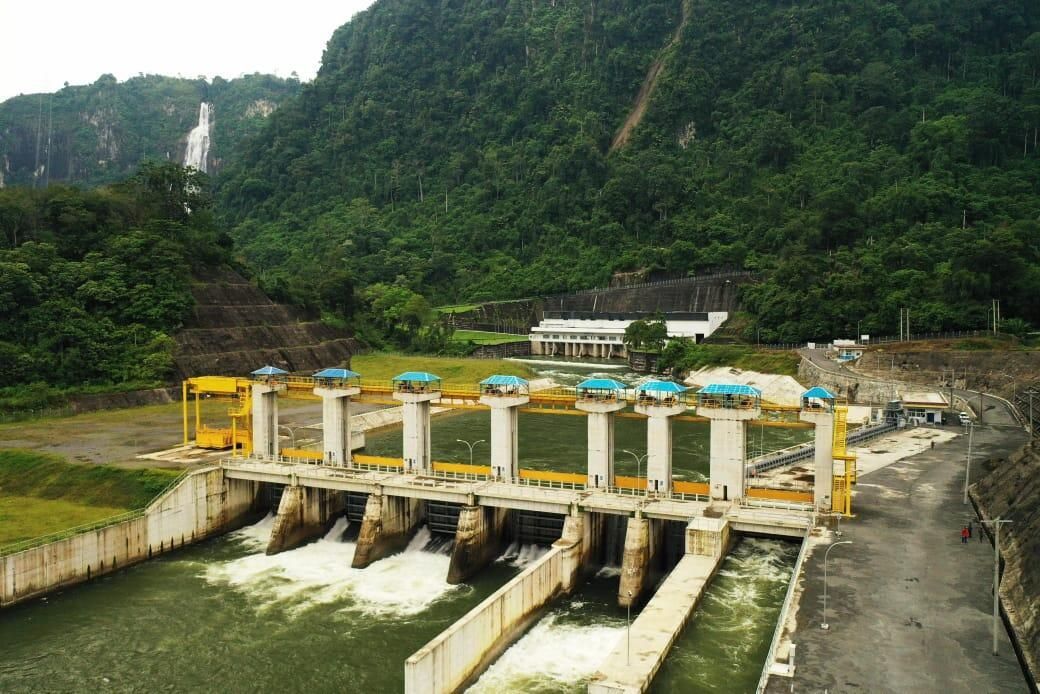
Asahan 3 Hydroelectric Power Plant (PLTA) with a capacity of 2×87 megawatts (MW) in Toba Regency, North Sumatra, Indonesia. This renewable energy–based power plant utilizes the potential of the Asahan River flow to produce reliable and sustainable electricity for the Sumatra power system.
Evy Haryadi, PLN’s Director of Technology, Engineering & Sustainability, emphasized that the 2025–2034 Electricity Supply Plan (RUPTL) marks a major shift toward a greener energy pathway compared to its predecessor.
“While the previous RUPTL outlined the development of around 21 gigawatts (GW) of renewable energy, the current plan increases this capacity to approximately 52.9 GW (including storage) for the 2025–2034 period,” Haryadi said.
In addition, PLN is taking steps to lower emissions from its existing power plants. A key initiative is its active involvement in Indonesia’s carbon trading scheme, which serves as a strategic mechanism to support the gradual and sustainable decarbonization of the power sector.
“Beyond emission trading for existing plants, PLN is also developing various carbon financing mechanisms as innovative funding sources to accelerate the energy transition. These mechanisms are expected to attract more green investment and help establish a low-carbon power system,” Haryadi added.
These efforts are complemented by PLN’s development of a national Smart Grid, which will enable renewable energy to be integrated into the power system more efficiently and reliably. Haryadi emphasized that the Smart Grid is a critical foundation for expanding the integration of variable renewable energy (VRE) across the national grid.
Indonesia’s energy transition strategy goes beyond simply increasing renewable capacity — it also prioritizes preparing the power system to absorb, distribute, and balance a rising share of clean electricity. This approach, known as Complementing Renewable Expansion, ensures that renewable growth is supported by the necessary infrastructure.
Through this strategy, PLN will scale up investments in energy storage systems, flexible power generation, and robust inter-regional transmission networks. The aim is to integrate renewable energy efficiently while maintaining system reliability and affordability. This approach also paves the way for Indonesia’s renewable capacity to exceed 75% within the next decade.
Haryadi highlighted that PLN’s renewable expansion has the potential to generate up to 250 million tons of emissions-reduction certificates. He noted that this effort goes beyond regulatory compliance, representing a significant opportunity to accelerate the national energy transition.
“This green-attribute potential reflects not only PLN’s technical readiness to grow clean energy, but also its role in driving Indonesia’s green economy. Every ton of reduced emissions should translate into real value for the nation, investors, and society,” he said.
PLN also aims to surpass regulatory requirements by maximizing the added value of its decarbonization initiatives, while strengthening cross-sector partnerships and innovative financing to support its transition agenda.
“Support from international financiers, technology transfer, and high-integrity carbon market mechanisms is essential to ensure the energy transition progresses in an inclusive and equitable manner,” Haryadi concluded.
About PLN
PT PLN (Persero) is Indonesia’s state-owned electricity company, committed to continuous innovation and delivering the best service to its customers. PLN drives its Transformation 2.0 agenda with the vision of becoming a Top 500 Global Company and the No. 1 choice for energy solutions. This is achieved through sustainable business growth, end-to-end digitalization, energy transition initiatives supporting Net Zero Emissions (NZE), and the development of world-class human capital. www.pln.co.id
Contact Gregorius Adi Trianto Executive Vice President, Corporate Communications & CSR, PLN Tel. +62 21 7261122 Fax. +62 21 7227059
– Focusing on three green tech areas that lead to a zero-carbon future supporting the Policy Address
The 20th edition of Eco Expo Asia opens today for four days at AsiaWorld-Expo, gathering some 340 exhibitors from 13 countries and regions
The Expo features diverse activities and product technologies in response to the Policy Address, covering three key areas – Circular Economy and Waste Management, Green & Smart Mobility and ESG-related Service
The ‘Experience Sharing Forum on Promoting Environmental Business in Overseas Markets’ will be held tomorrow. Government officials and representatives of quasi-governmental organisations from Belt and Road countries will share strategies for local market development, to help green companies expand their international networks
The 20th Eco Expo Asia, jointly organised by the Hong Kong Trade Development Council (HKTDC)and Messe Frankfurt (HK) Ltd and co-organised by the Environment and Ecology Bureau of the Government of the Hong Kong Special Administrative Region (HKSAR), opened at AsiaWorld-Expo today and runs until 31 October. Some 340 exhibitors from 13 countries and regions are showcasing innovative green technologies and products, as well as ESG and sustainable solutions. The last day of the Expo, 31 October, will open to the public for free, to encourage sustainable living practices.
Yu Huiwen, Vice Minister of the Ministry of Ecology and Environment of the People’s Republic of China; Ding Zhijun, Deputy Director of the Department of Energy Conservation and Comprehensive Utilization, Ministry of Industry and Information Technology of the People’s Republic of China; Tse Chin-wan, Secretary for Environment and Ecology of the Hong Kong SAR Government; HKTDC Executive Director Sophia Chong; and Richard Li, Executive Director of Messe Frankfurt (HK) Ltd, attended Eco Expo’s opening ceremony today.
HKTDC Executive Director Sophia Chong said: “This year, we celebrate a significant milestone of the Expo – its 20th edition. This not only marks our commitment to sustainability but also underscores our ongoing mission to develop the ecosystem for driving innovation and collaboration to support the green agenda. Under the theme ‘Green Innovations for Carbon Neutrality’, Eco Expo Asia provides invaluable opportunities for the green industry. This year, once again, we are bringing together leading players from the eco sector to pave the way for a more sustainable future, in alignment with the Hong Kong SAR Government’s net zero goals.”
Speaking at the opening ceremony, the Secretary for Environment and Ecology, Tse Chin-wan, said, “In the global journey towards sustainability, Hong Kong serves as a ‘super connector’. With our unique position as an international city within the Guangdong-Hong Kong Macao Greater Bay Area and a bridge between Chinese Mainland and the world, Hong Kong brings together talent, technology, and capital to foster collaboration and scale up green innovation.
Global exhibitors gather to showcase innovative environmental technologies This year’s Expo brings together 17 pavilions. For the first time, the Environmental Campaign Committee is hosting a pavilion, presenting 22 local green start-ups, alongside a joint government pavilion featuring 11 bureaux and departments, including the Environment and Ecology Bureau. Chinese Mainland delegations from Guangdong, including Guangzhou and Shenzhen, Guangxi, Hunan, Inner Mongolia and Shanghai are also joining the Expo. The ANSO Environmental Technology Industry Alliance, led by the Alliance of National and International Science Organizations for the Belt and Road Regions(ANSO), is making its debut, together with 11 mainland enterprises, showcasing technologies related to water resources and the atmospheric environment, and laying the foundation for future expansion overseas. New overseas pavilions include Italy and South Korea, while Canada, the Netherlands and Norway are returning this year.
The Expo is also actively building a platform to support Hong Kong and mainland enterprises to go global and explore new opportunities in green trade, attracting buyers from Japan, Thailand, Indonesia, Malaysia, Singapore, Vietnam, Hungary and Poland to visit and source at the event. For tomorrow’s ‘Experience Sharing Forum on Promoting Environmental Business in Overseas Markets’, the Hong Kong SAR Government has invited government officials and representatives from quasi-governmental organisations from Belt and Road countries to share strategies to develop local markets. In collaboration with the Environment and Ecology Bureau, the Expo extends invitations to government service providers from the Chinese Mainland, as well as from ASEAN and Belt and Road countries, to visit and source green technologies and products.
Three major green and smart areas supporting the Policy Address Environmental protection has become a key policy focus in recent years. The Chinese Government recently released guidelines on advancing low-carbon transition and strengthening the development of China’s carbon trading market. This year’s Policy Address highlighted new directions in green policy in Hong Kong, including fostering green and low-carbon living environments, and expediting the application of green technologies. In line with industry development, the Expo brings together a diverse range of green tech, showcasing the latest achievements in Circular Economy and Waste Management, Green & Smart Mobility and ESG-related Services.
In Circular Economy and Waste Management, Green AI Technology Limited (Booth No. 3-D38) displays its AI-powered smart sorting bin with real-time waste identification, demonstrating good recycling methods through interactive learning. Dynagreen Environmental Protection Group Co., Ltd (Booth No. 3-E30) showcases its comprehensive waste treatment project, contributing to sustainable urban development.
In Green & Smart Mobility, SANY Turbo Fly Machine Limited (Booth No. 6-C26) from Hong Kong and Macao, a subsidiary of SANY Group, a leading equipment manufacturing company in the Chinese Mainland, brings its SANY Mobile Charging Power Station, which can charge two electric trucks simultaneously. CIMC Enric Investment Holding (Shenzhen) Co., Ltd. (Booth No. 3-F14), a leading manufacturer of advanced clean energy equipment, showcases innovative hydrogen and green methanol technology solutions for transportation and storage.
The Expo also showcases ESG-related services. Llewellyn and Partners Company Limited (Booth No. 6-D14) displays AutoTwin, a patented AI-powered integrated management platform for the construction industry, which helps reduce building operating costs, time and carbon emissions. XSIM AI Canada Inc.,(Booth No. 6-C23), a Canadian technology company, empowers wastewater and industrial facilities with its AI-driven system to reduce downtime and lower operational costs, while cutting carbon emissions by up to 30% .
Research institutions and start-ups also play a significant role in the Expo. In addition to the return of The Chinese University of Hong Kong (Booth No. 3-G24), Lingnan University (Booth No. 6-A25) and the Hong Kong Polytechnic University Jinjiang Technology and Innovation Research Institute (Booth No. 6-A23) are joining for the first time this year. The Hong Kong Science and Technology Parks Corporation (Booth No. 3-F20) presents start-up afterNATURE (Booth No. 3-F20), which is showcasing its Deep Hexagonal Basin product. This innovation creates habitats for marine life on its surface, helping to preserve coastal biodiversity. Another start-up, Formwork IO (Booth No. 3-F20), exhibits AtmosBrick and is globally debuting AtmosTile at the Expo. These ‘carbon-negative’ building materials are designed to help reduce carbon emissions.
Eco Asia Conference brings together industry leaders, focusing on construction and transportation sectors
Eco Expo’s highlight event, Eco Asia Conference, began today with the Government Session. Ding Zhijun, Deputy Director of the Department of Energy Conservation and Comprehensive Utilization, Ministry of Industry and Information Technology of the People’s Republic of China, shared the country’s latest environmental policies and trends. Officials from Myanmar, Sri Lanka, the Philippines and other Belt and Road countries also elaborated on their latest green policies and projects. Another session, ‘Revolutionising with Circular Economy: From Waste to Innovative Solutions’, featured experts led by the Business Environment Council, who explored the application of circular economy concepts in business operations. The Hong Kong Circular Built Environment Guidebook is also making its debut at the Conference, providing the latest green guidelines for the construction industry.
On the third day of the Expo, on 30 October, the Conference will have two main themes: ‘Building a Sustainable Future: Gearing Towards a Net-Zero Built Environment’ and ‘Green & Smart Mobility – Envisioning the Future of Transportation’. Industry leaders and experts, including Pak-cheung Chan, Deputy Director, Electrical and Mechanical Services Department, Hong Kong SAR Government, and Dr Rick Mo, Head of the Centre of Advanced Power and Autonomous Systems (APAS), Hong Kong Productivity Council, will share insights and discuss how the construction and transportation industries can build sustainable cities through effective collaboration.
Other exciting activities include the FHKI Q-Mark Low Carbon Restaurant Award 2025 on 28 October, the first day of the Expo. The 6th Hydrogen Economy Forum will be held on the second day of the Expo, on 29 October. Diane Wong, JP, Under Secretary for Environment and Ecology, Hong Kong SAR Government will deliver the keynote address, while Dr Wang Ziyuan, Vice President, China Hydrogen Development and Innovation Alliance for Urban Gas will share insights on the opportunities and challenges of hydrogen energy in the Guangdong-Hong Kong-Macao Greater Bay Area. The Expo also features various seminars, including ‘Startup Edge’, which promotes the development of green start-ups, featuring presentations by start-up representatives from various environmental fields.
On 31 October, Eco Expo will open to the public free of charge, to encourage public participation in environmental initiatives through a series of talks, workshops and activities. These include a seminar on the recent hot topic of extreme weather by Man Yee Chan, Chief Experimental Officer, Hong Kong Observatory, and a presentation by Ocean Park on Mission R, an initiative to protect endangered wildlife and their habitats. The public can also participate in various environmental workshops, and purchase eco-friendly products from the Green Mart.
Other concurrent events The Hong Kong International Outdoor and Tech Light Expo takes place from 28 to 31 October at AsiaWorld-Expo, showcasing outdoor and professional technical lighting solutions for commercial and industrial use; while the Hong Kong International Lighting Fair (Autumn Edition) opened yesterday and will run until 30 October at the Hong Kong Convention and Exhibition Centre. Free shuttle bus services are offered between these venues and other locations in the city throughout the fair period. Please refer to the following page for details: https://www.hktdc.com/event/ecoexpoasia/en/travel-to-fairground-awe
About HKTDC The Hong Kong Trade Development Council (HKTDC) is a statutory body established in 1966 to promote, assist and develop Hong Kong’s trade. With over 50 offices globally, including 13 in the Chinese Mainland, the HKTDC promotes Hong Kong as a two-way global investment and business hub. The HKTDC organises international exhibitions, conferences and business missions to create business opportunities for companies, particularly small and medium-sized enterprises (SMEs), in the mainland and international markets. The HKTDC also provides up-to-date market insights and product information via research reports and digital news channels. For more information, please visit: www.hktdc.com/aboutus.
About Messe Frankfurt The Messe Frankfurt Group is one of the world’s leading trade fair, congress and event organisers with its own exhibition grounds. With a workforce of some 2,160 people at its headquarters in Frankfurt am Main and in 28 subsidiaries, it organises events around the world. Group sales in financial year 2022 were around €454 million. We serve our customers’ business interests efficiently within the framework of our Fairs & Events, Locations and Services business fields. One of Messe Frankfurt’s key strengths is its powerful and closely knit global sales network, which covers around 180 countries in all regions of the world. Our comprehensive range of services – both onsite and online – ensures that customers worldwide enjoy consistently high quality and flexibility when planning, organising and running their events. We are using our digital expertise to develop new business models. The wide range of services includes renting exhibition grounds, trade fair construction and marketing, personnel and food services. Sustainability is a central pillar of our corporate strategy. Here, we strike a healthy balance between ecological and economic interests, social responsibility and diversity.
For more information, please visit our website at: www.messefrankfurt.com/sustainability. With its headquarters in Frankfurt am Main, the company is owned by the City of Frankfurt (60%) and the State of Hesse (40%). For more information, please visit our website at: www.messefrankfurt.com
World leaders must choose children, not oil profits. COP30 President: kick lobbyists out & end subsidies – https://act4icarus.org #EveryHeartbeatMatters #COP30
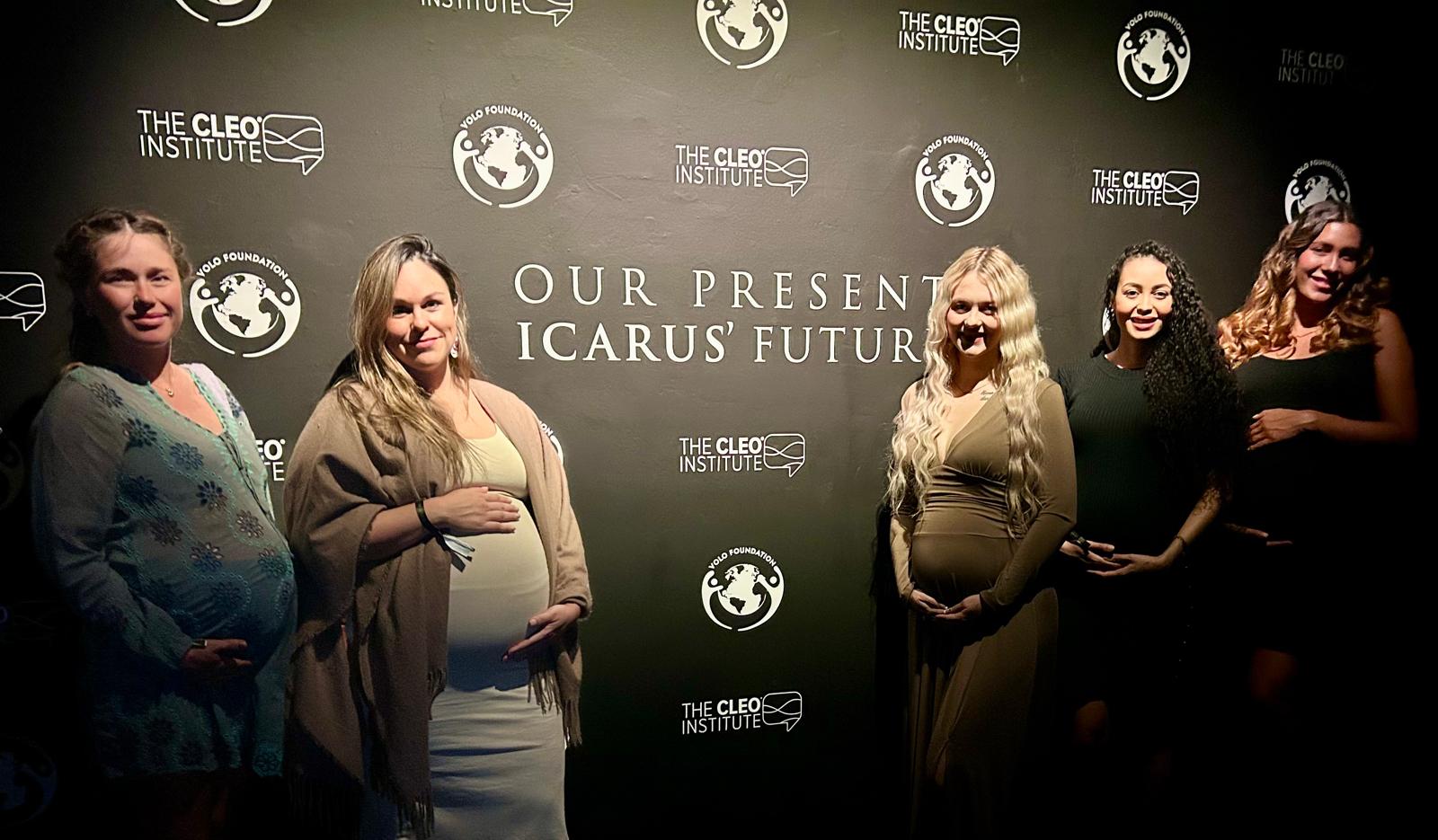
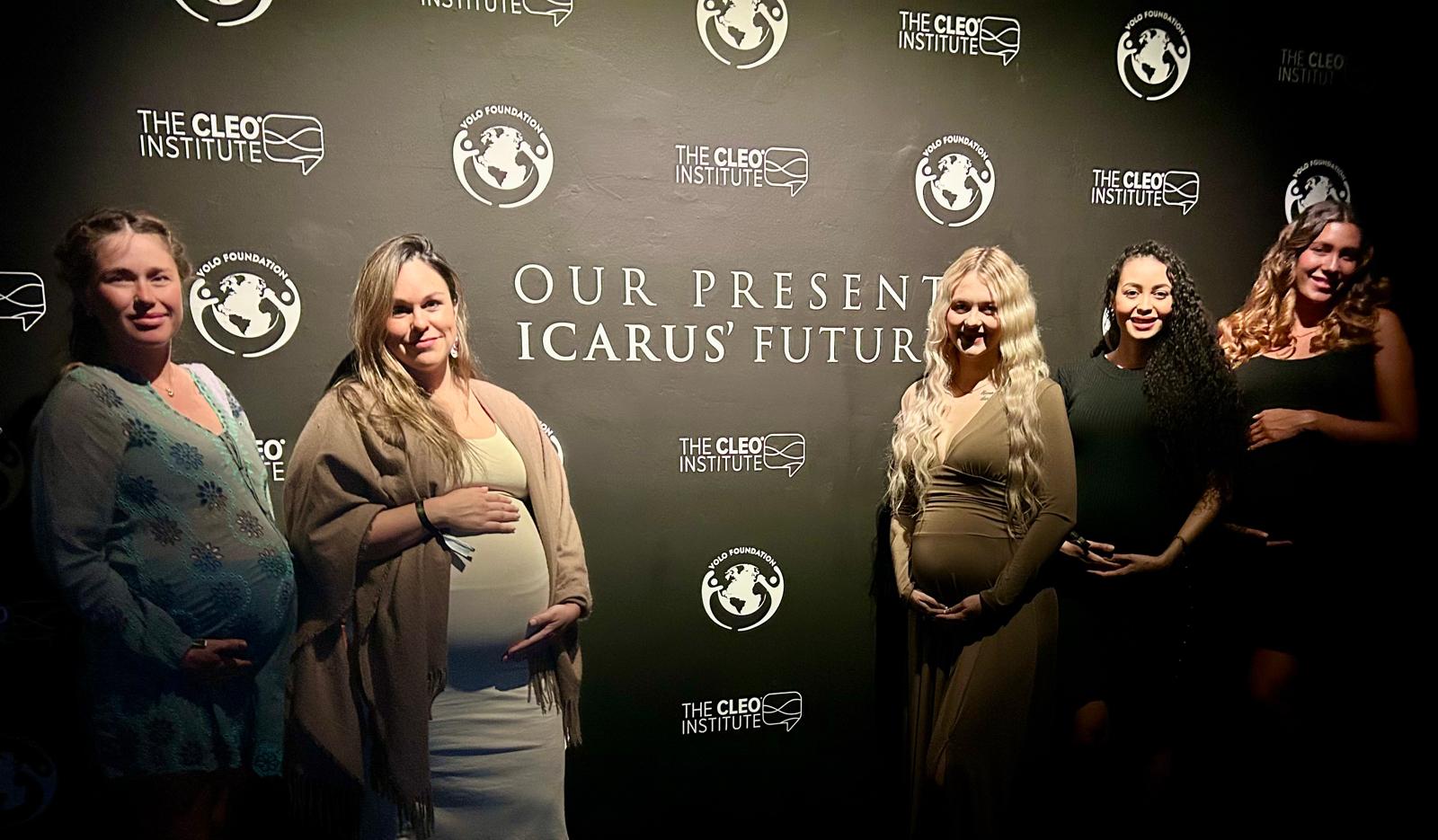
Our Present, Icarus’ Future reframes the delay on climate action by centering parents, children, and human stories – using a visceral installation, a global petition, and an art contest to translate feeling into civic pressure ahead of COP30. Because the policy choices made today will determine the life chances of children born this year.
Born on climate-vulnerable Miami Beach and amplified at Climate Week NYC, Our Present, Icarus’ Future uses immersive storytelling to reveal how rising heat, sea-level rise, pollution, and extreme weather affect a child’s lifetime to demand enforceable emissions cuts, an end to fossil-fuel subsidies, and limits on industry lobbying.
By connecting the cautionary myth of Icarus to today’s climate crisis, the campaign not only is raising awareness but also mobilizing public support to put pressure on world leaders to act decisively. To date, it has engaged an estimated 38.2 million people across digital and traditional media platforms, received tens of thousands of petitions, and just won seven LUUM Awards (2 Gold, 5 Silver), recognized across Causes, Human Rights and Health categories.
The campaign is supported by Zubi, a creative agency specializing in culturally resonant, impact-driven work, and by VoLo Foundation, a family philanthropy that accelerates evidence-based climate solutions and community education.
“Winning at LUUM validates something we already believed: art can move people… and people move policy,” said Yoca Arditi-Rocha, CEO of The CLEO Institute. “Today, as negotiators gather in Brazil, we ask leaders to make the hard choices: cut planet-warming emissions, end taxpayer subsidies for fossil fuel pollution, and keep industry lobbyists out of global climate talks. “World leaders: you are guardians of the future, not its auctioneers. At COP30, choose children over corporate profit. Every heartbeat matters.“
“CLEO has masterfully used the myth of Icarus as a timely metaphor for the climate crisis. Just as Icarus’ wings melted when he flew too close to the sun, our planet is at risk of a similar fate if we ignore the warnings of scientists. Icarus as a child, symbolizes the next generation who will inherit the world shaped by today’s choices,” said Thais Lopez Vogel, cofounder and trustee of VoLo Foundation.
“I think as humans, we’ve grown indifferent to messages. We’re bombarded with information every day, tied to multiple screens, and we no longer take the time to really listen. We’ve become immune. To break through that noise, we have to be disruptive and be unexpected. Our approach was to use a “voice” that didn’t speak with words, but whose life carried the message. A silent messenger, a baby, life itself, that made people stop and finally listen.” said Iván Calle, VP Executive Creative Director of Zubi
Policy demands at COP30
Enforceable, rapid emissions reductions and an accelerated pathway to phase out fossil fuels.
An end to fossil-fuel subsidies and public financing that incentivizes planet-warming pollution.
Safeguards that limit special-interest influence and prevent fossil-industry lobbying from shaping UN climate negotiations.
Why this matters now Public funding continues to prop up the problem: fossil fuels receive roughly $1.5 trillion annually in direct subsidies and when indirect costs such as health and climate damages are included, support swells to roughly $7 trillion a year. Also, recent reporting last week shows a heavy fossil-fuel lobby presence at COP30; a dual political and financial barrier for these negotiations and the reason this campaign matters most now.
Cities and regions like Miami already face rising costs and compounding disaster risk: home-insurance rates, infrastructure strain, displacement and disproportionate impacts on frontline communities. With the US absent in this global stage, the world is watching COP30. Political choices made this November will shape whether nations accelerate an equitable transition or bake in greater harm for future generations. The time is now. Later will be too late.
Media opportunities CLEO can provide on-camera interviews and a mother-centered story at COP30, campaign assets, video, petition and contest data.
About The CLEO Institute The CLEO Institute is a women-led, nonpartisan nonprofit turning climate science into action through education, advocacy, and community engagement. Florida-born and nationally recognized, CLEO has educated 62,000+ people in climate science, unlocked millions for local and state solutions, and is known for creative, award-winning campaigns. CLEO partners with government, business, academic, and community leaders to combat misinformation, mobilize civic power, and advance resilient climate policies.
About ZUBI zubiad.com is a multicultural communications agency founded by Tere A. Zubizarreta in Miami over 50 years ago, which is now part of WPP’s network. The agency is recognized as a pioneer in multicultural marketing in the USA.
About VoLo Foundation VoLo Foundation is a private nonprofit Foundation with a mission to accelerate change and global impact by supporting science-based climate solutions, enhancing education, and improving health.
About the LUUM Awards The LUUM Awards celebrate the world’s best purpose-driven creative work – honoring campaigns that combine creativity with measurable social and environmental impact. LUUM’s 2025 edition recognized agencies, NGOs and brands across five continents for outstanding communications that change hearts and minds.
Driven by the Dual Carbon strategy, the new energy industry is experiencing rapid growth, with demand for critical new energy metal such as lithium, nickel, and cobalt continuing to surge. However, the exploitation of upstream mineral resource is constrained by environmental concerns, rising costs, and international geopolitical risks, leading to emerging resource bottlenecks. At the same time, as the warranty periods for power batteries gradually expire, a wave of retired batteries is accelerating. Waste-battery recycling, critical metal regeneration, and battery material remanufacturing are becoming emerging growth drivers across the industry chain.
Having cultivated expertise in this field for many years, GEM Co., Ltd. (“GEM”, 002340.SZ) has been consistently expanding its presence in the circular economy. The Company has established an integrated circular economy operation model that covers three key businesses: critical metal resources, lithium-ion battery and end-of-life vehicle recycling, and new energy materials. In several niche material markets, GEM ranks among the global leaders. Recently, the Company submitted a listing application to the Hong Kong Stock Exchange, aiming to achieve dual listing on both A and H shares.
Three Key Businesses Form a Closed-loop Circular System, with Technology Enabling “Waste-to-Value” GEM’s uniqueness lies in its full-chain closed-loop model built around the concept of a circular economy: “resource recovery — material remanufacturing — product application”. By organically integrating three key business modules of critical metal resources recycling, power batteries and end-of-life vehicles recycling, and new energy materials, the Company not only achieves efficient resource utilization but also significantly enhances the added value of products.
In terms of resource recovery, GEM leverages a global recycling network to carry out large-scale collection and dismantling of various resources, including waste-battery, end-of-life vehicles, and electronic waste. To date, the Company has formed partnerships with over 1,000 automotive companies and battery manufacturers worldwide, establishing a stable raw material recycling network and product sales channels. This not only ensures a steady supply of “Urban Mining” resources such as retired batteries and end-of-life vehicles, but also opens up vast market opportunities for new energy materials, positioning the Company as a central hub in the industry chain with risk-resilience significantly stronger than its peers.
In terms of material regeneration, GEM utilizes advanced processes to transform recycled resources into high-purity, high value-added intermediate products and new energy materials. As one of the early adopters of hydrometallurgical technology in the industry, the Company utilized this advanced technology to smelt limonite nickel ore, which could hardly be smelted through traditional pyrometallurgy. The process also enables the efficient smelting of other metal resources associated with laterite nickel ore, enhancing overall economic value while achieving recovery rates of up to 99% for nickel, cobalt, and tungsten. In terms of lithium-ion battery and end-of-life vehicle recycling, GEM has established a dual-track processing model of “cascade utilization + material regeneration”, achieving a recovery rate of 96.5% for lithium metal, significantly exceeding the industry average of 90%. More importantly, through technological innovation, GEM further processes recycled resources into high value-added critical new energy materials such as ternary precursors, cathode materials, and cobalt tetroxide, supplying to global battery manufacturers and vehicle OEMs. This truly achieves a complete closed loop process from recycling to application.
GEM’s three core businesses are mutually supportive and closely interconnected. The recycling of critical metals and power batteries jointly provides a stable metal supply for the production of new energy materials. Meanwhile, the materials business extends downstream, supplying to battery manufacturers and achieving value-added transformation. This turns green recycling into a profitable and sustainable industrial chain, creating a competitive barrier that is difficult for industry peers to replicate.
Leading in Multiple Segments and Seizing the Future Opportunities with a Global Expansion Leveraging its technological barriers and industrial synergy advantages, GEM has established a globally leading position across multiple segments, emerging as a frontrunner in the new energy materials and resource recycling sector. According to Frost & Sullivan, GEM ranked first in China in the recycling of nickel, cobalt, tungsten resources in terms of recycling volume in 2024, as well as retired lithium-ion battery recycling volume from third parties. In the field of new energy materials, GEM was the second largest supplier of ternary precursors globally in terms of shipment volume in 2024, capturing a market share of 19.7%. At the same time, with a market share of 37.4%, it became the world’s largest supplier of high-nickel ternary precursors, with the shipment volume of its 8-series and 9-series high-nickel ternary precursor materials ranking first globally. In the cobalt tetroxide sector, the Company ranked second worldwide with a market share of 20.2%.
Looking ahead, GEM is embracing multiple market opportunities. The expansion of new energy applications is driving sustained growth in demand for critical new energy metals. According to Frost & Sullivan, from 2024 to 2030, nickel demand in China is expected to rise from 335.5 thousand tons in 2024 to 1,233.7 thousand tons in 2030, with the proportion of recycled nickel increasing from 17.2% to 31.1%; Demand for cobalt and tungsten in China will also grow in tandem, while the proportion of recycled cobalt and recycled tungsten will further increase. In addition, under the wave of retired power batteries, it is expected that by 2030, around 15% of the nickel, cobalt, and lithium required for new power batteries will come from recycling.
In the field of new energy materials, driven by emerging sectors such as EVs, 3C electronics, low-altitude aircrafts, and humanoid robots, market demand is expected to grow rapidly. In terms of shipment volume, from 2024 to 2030, the CAGR of lithium-ion battery cathode materials is expected to reach 24.2% while that of ternary precursors is projected at 21.6%. Among them, the penetration rate of high-nickel ternary precursors is expected to rise from 35.2% to 70.0%, and the shipment volume of cobalt tetroxide is expected to record a CAGR of 12.7%.
Confronting opportunities, GEM has formulated a clear development strategy. On the technology front, it plans to establish overseas R&D centers, increase R&D investment, and deepen the deployment of cutting-edge technologies in the field of new energy materials. On the capacity front, it will expand and upgrade existing production capacity, advance the expansion of its Indonesian base, and strengthen the “nickel resources — precursors — cathode materials” integrated nickel industrial chain. On the globalization front, it intends to set up marketing centers in Japan, South Korea, and Indonesia, enhance customer collaboration, and further expand its global business footprint.
GEM’s proposed listing in Hong Kong will provide GEM with broader access to capital and international markets, injecting stronger momentum into its dual growth engines of circular economy and new energy materials. Backed by robust technological barriers, a mature closed-loop model, and an expanding global footprint, the Company is well-positioned to maintain its leading edge in the circular economy sector and unlock greater growth flexibility.