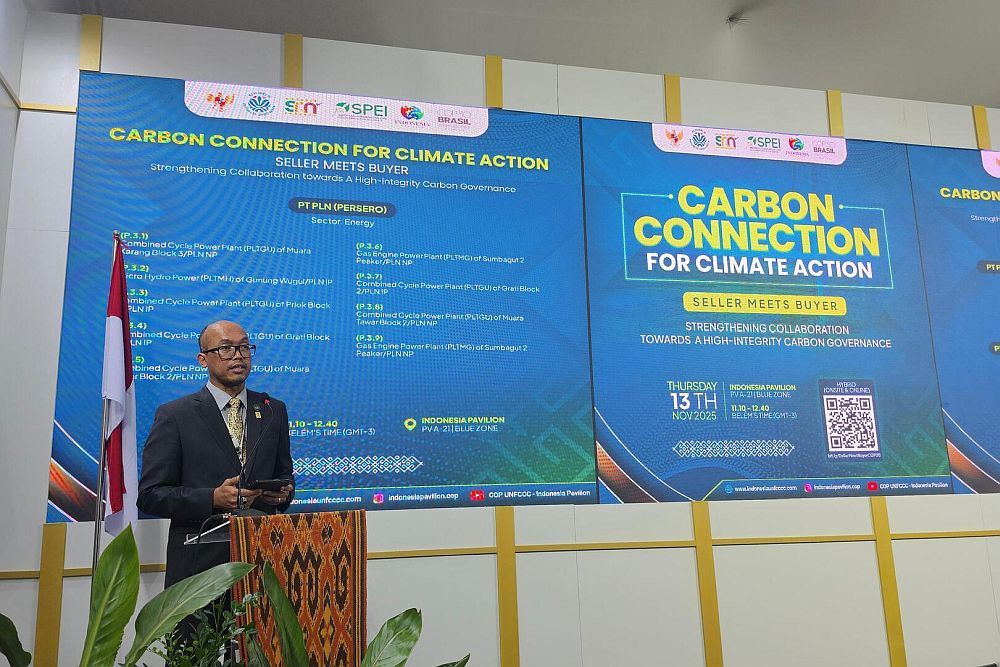
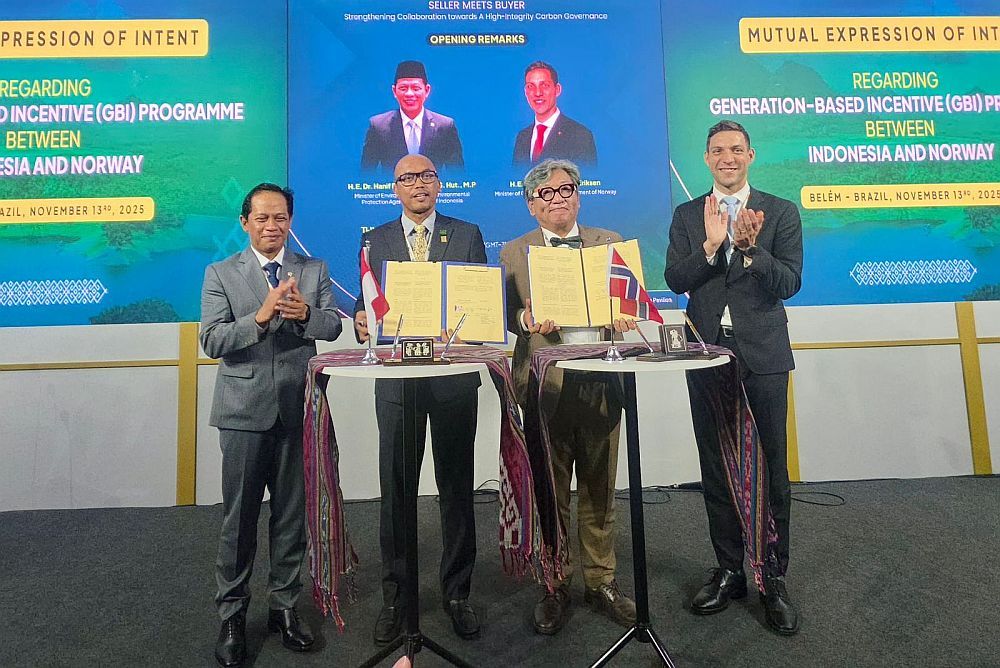
The Indonesian government, through PT PLN (Persero), strengthened its commitment to advancing the global carbon market by forging two key collaborations during the Seller Meets Buyer forum at the Indonesia Pavilion at COP30 in Belém, Brazil, on Thursday (13/11). PLN signed a Mutual Expression of Intent with the Norwegian government via the Global Green Growth Institute (GGGI), and a Memorandum of Understanding (MoU) with Japanese company Carbon Ex Inc. These partnerships represent a significant milestone in accelerating low-carbon project development and expanding Indonesia’s role in the global carbon market.
PLN’s Director of Technology, Engineering, and Sustainability, Evy Haryadi, explained that PLN together with the Government is now taking on a new role as a catalyst and accelerator of the carbon market to accelerate the energy transition and encourage cross-sector collaboration in climate change mitigation. (13/11)
Indonesia’s Minister of Environment and Head of the Environmental Control Agency, Hanif Faisol Nurofiq, emphasized that the partnerships established during the forum play a vital role in bolstering Indonesia’s efforts to reduce global emissions.
“For Indonesia, this momentum is essential as it highlights the nation’s capability to help achieve global greenhouse-gas reduction targets through the implementation of carbon trading under Article 6 of the Paris Agreement,” Hanif said.
PLN’s Director of Technology, Engineering, and Sustainability, Evy Haryadi, noted that PLN—working alongside the government—is stepping into a new role as both a catalyst and an accelerator in the carbon market, aiming to speed up the energy transition and foster cross-border collaboration in climate-change mitigation.
“The world is progressing decisively toward Net Zero Emissions, and Indonesia is moving in step. PLN is committed to reaching Net Zero Emissions by 2060, in accordance with national targets and the Paris Agreement. To realize this ambition, collaboration isn’t optional, it’s essential,” Evy said.
Evy further explained that the government has launched the 2025–2034 Electricity Supply Business Plan (RUPTL), which targets an additional 69.5 gigawatts (GW) of generation capacity, with 76% or 52.9 GW coming from renewable energy and storage. These new assets are projected to produce more than 1,000 terawatt-hours of green electricity over the next decade, creating significant opportunities for clean-energy development.
“Indonesia has a tremendous opportunity to lead the clean-energy transition and drive green economic transformation through the utilization of its energy resources. We aim to be a leader not just regionally but globally by supplying ample green energy and the necessary supporting infrastructure to help customers meet their future sustainability targets,” Evy added.
PLN provides two key green-attribute solutions to help companies advance their decarbonization efforts. The first is Carbon Units, which allow businesses to offset their greenhouse-gas emissions through verified emission-reduction or removal projects under reputable domestic and international standards. The second is green energy as a service, offering Renewable Energy Certificates (RECs) and Dedicated Green Energy Sources that give companies direct access to clean, reliable power from PLN’s infrastructure. Together, these solutions enable businesses to craft effective short- and long-term strategies for achieving their Net Zero Emissions (NZE) goals.
“Our main products for managing green attributes are Carbon Units and Renewable Energy Certificates. RECs help businesses obtain official and transparent recognition that the electricity they use comes from renewable sources. These instruments not only meet compliance requirements but also create opportunities to accelerate decarbonization across various industrial sectors,” Evy explained.
Additionally, PLN is offering forward offtake opportunities for three Gold Standard-certified projects with a combined emissions reduction potential of around 1.5 million tonnes of carbon-dioxide equivalent (COâ‚‚e), including a 50-megawatt (MW) ground-mounted solar power plant (PLTS) with battery storage in the new capital city, Nusantara.
“We are presenting these opportunities as part of the Indonesian power sector’s transformation toward a more sustainable, competitive, and internationally recognized energy ecosystem. With the support of investors and technology partners, we can accelerate the development of strategic projects that deliver tangible emissions-reduction impacts,” Evy concluded.
About PLN
PT PLN (Persero) is Indonesia’s state-owned electricity company, committed to continuous innovation and delivering the best service to its customers. PLN drives its Transformation 2.0 agenda with the vision of becoming a Top 500 Global Company and the No. 1 choice for energy solutions. This is achieved through sustainable business growth, end-to-end digitalization, energy transition initiatives supporting Net Zero Emissions (NZE), and the development of world-class human capital.
Contact Gregorius Adi Trianto Executive Vice President, Corporate Communications & CSR, PLN Tel. +62 21 7261122 Fax. +62 21 7227059
PT PLN (Persero) reaffirmed its role as the driving force of Indonesia’s decarbonization agenda by advancing the development of a national carbon market aligned with global standards. This commitment was conveyed during a panel discussion titled “Scaling-Up Carbon Markets: Opportunities for Global Collaboration” at COP30 in Belém, Brazil, where PLN outlined concrete plans to enhance integrity, transparency, and the interoperability of Indonesia’s carbon market with international systems.
Hanif Faisol Nurofiq (L) with the Norwegian Minister of Climate and Environment, Andreas Bjelland Eriksen (R), the Director of Technology, Engineering, and Sustainability at PLN, Evy Haryadi (2nd from L), and the Executive Director of the Global Green Growth Institute (GGGI), Sang-Hyup Kim (2nd from R) after the signing of the Mutual Expression of Intent for the Generation-Based Incentive Programme between PLN and GGGI at the Indonesia Pavilion in Belém, Brazil during COP 30 – the 30th Conference of the Parties. (13/11).
Deputy Speaker of the People’s Consultative Assembly of the Republic of Indonesia (MPR RI) Eddy Soeparno emphasized that Indonesia’s success in sustaining low-carbon economic growth depends heavily on regulatory consistency and collaboration among stakeholders—both domestically and globally. COP30, he said, represents a pivotal moment for Indonesia to demonstrate its readiness to lead a credible carbon ecosystem in the region.
“Indonesia must send a clear signal that we are ready to build a transparent, measurable carbon ecosystem capable of creating real economic value. Cross-sector policy alignment is no longer optional—it is essential for our carbon market to truly become the hub of regional collaboration,” Eddy stated.
Meanwhile, the Director of Carbon Economic Value Governance at the Ministry of Environment of the Republic of Indonesia, Ignatius Wahyu Marjaka, affirmed that Indonesia has prepared strategic measures aligned with international carbon trading standards and mechanisms. These efforts include collaboration with partner countries, global certification bodies, and the development of platforms that integrate domestic and international carbon trading instruments.
“Indonesia has actually begun developing international carbon market policies by introducing bilateral agreements with several partner countries, including Norway,” Wahyu explained.
He added that strengthening the integrity of the carbon market remains a national priority, particularly in improving cross-sector understanding, infrastructure readiness, and governance capacity. Wahyu stressed that technology, transparency, and accountability are key elements in ensuring Indonesia’s credibility in the global carbon market.
PLN’s Director of Technology, Engineering, and Sustainability, Evy Haryadi, explained that Indonesia holds vast potential to build a robust carbon ecosystem, and PLN is ready to serve as its catalyst.
In the Electricity Supply Business Plan (RUPTL) 2025–2034, PLN targets the addition of 52.9 GW of renewable energy, including baseload, variable energy, and energy storage systems.
“PLN’s renewable energy expansion potential could generate up to 250 million tons of green attributes. This is not just regulatory compliance, but a real opportunity to create green economic value and accelerate the national energy transition. PLN is ready to be the catalyst that ensures a credible carbon market,” Evy said.
PLN guarantees that each issuance of carbon credits meets global standards and follows the key principles of high-integrity carbon. PLN continues to strengthen international collaboration, including with the Government of Norway, focusing on scheme and governance development, capacity building, and harmonization of global standards with national policies—ensuring Indonesian carbon credits are accepted in international markets.
PLN asserts that these efforts reflect Indonesia’s contribution to playing a strategic role in the global climate agenda while delivering reliable, affordable, and sustainable energy for all.
About PLN
PT PLN (Persero) is Indonesia’s state-owned electricity company, committed to continuous innovation and delivering the best service to its customers. PLN drives its Transformation 2.0 agenda with the vision of becoming a Top 500 Global Company and the No. 1 choice for energy solutions. This is achieved through sustainable business growth, end-to-end digitalization, energy transition initiatives supporting Net Zero Emissions (NZE), and the development of world-class human capital. https://web.pln.co.id
Contact: Gregorius Adi Trianto Executive Vice President, Corporate Communications & CSR, PLN Tel. +62 21 7261122 Fax. +62 21 7227059
PT PLN (Persero) reaffirmed its commitment to accelerating a just and equitable energy transition through concrete measures and strengthened global partnerships. During the 30th Conference of the Parties (COP30) in Belém, Brazil, on Monday (11/10), PLN took part in the CEO Talk titled “Corporate Climate Leadership for Indonesia’s Net Zero Action through High Integrity Carbon.”
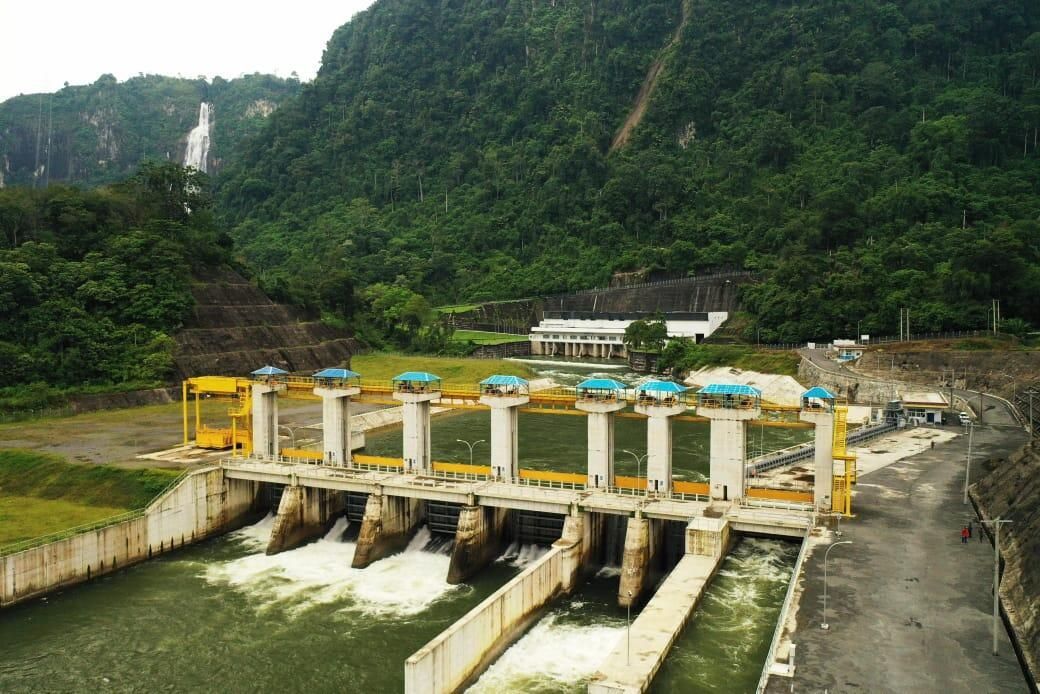
Asahan 3 Hydroelectric Power Plant (PLTA) with a capacity of 2×87 megawatts (MW) in Toba Regency, North Sumatra, Indonesia. This renewable energy–based power plant utilizes the potential of the Asahan River flow to produce reliable and sustainable electricity for the Sumatra power system.
Evy Haryadi, PLN’s Director of Technology, Engineering & Sustainability, emphasized that the 2025–2034 Electricity Supply Plan (RUPTL) marks a major shift toward a greener energy pathway compared to its predecessor.
“While the previous RUPTL outlined the development of around 21 gigawatts (GW) of renewable energy, the current plan increases this capacity to approximately 52.9 GW (including storage) for the 2025–2034 period,” Haryadi said.
In addition, PLN is taking steps to lower emissions from its existing power plants. A key initiative is its active involvement in Indonesia’s carbon trading scheme, which serves as a strategic mechanism to support the gradual and sustainable decarbonization of the power sector.
“Beyond emission trading for existing plants, PLN is also developing various carbon financing mechanisms as innovative funding sources to accelerate the energy transition. These mechanisms are expected to attract more green investment and help establish a low-carbon power system,” Haryadi added.
These efforts are complemented by PLN’s development of a national Smart Grid, which will enable renewable energy to be integrated into the power system more efficiently and reliably. Haryadi emphasized that the Smart Grid is a critical foundation for expanding the integration of variable renewable energy (VRE) across the national grid.
Indonesia’s energy transition strategy goes beyond simply increasing renewable capacity — it also prioritizes preparing the power system to absorb, distribute, and balance a rising share of clean electricity. This approach, known as Complementing Renewable Expansion, ensures that renewable growth is supported by the necessary infrastructure.
Through this strategy, PLN will scale up investments in energy storage systems, flexible power generation, and robust inter-regional transmission networks. The aim is to integrate renewable energy efficiently while maintaining system reliability and affordability. This approach also paves the way for Indonesia’s renewable capacity to exceed 75% within the next decade.
Haryadi highlighted that PLN’s renewable expansion has the potential to generate up to 250 million tons of emissions-reduction certificates. He noted that this effort goes beyond regulatory compliance, representing a significant opportunity to accelerate the national energy transition.
“This green-attribute potential reflects not only PLN’s technical readiness to grow clean energy, but also its role in driving Indonesia’s green economy. Every ton of reduced emissions should translate into real value for the nation, investors, and society,” he said.
PLN also aims to surpass regulatory requirements by maximizing the added value of its decarbonization initiatives, while strengthening cross-sector partnerships and innovative financing to support its transition agenda.
“Support from international financiers, technology transfer, and high-integrity carbon market mechanisms is essential to ensure the energy transition progresses in an inclusive and equitable manner,” Haryadi concluded.
About PLN
PT PLN (Persero) is Indonesia’s state-owned electricity company, committed to continuous innovation and delivering the best service to its customers. PLN drives its Transformation 2.0 agenda with the vision of becoming a Top 500 Global Company and the No. 1 choice for energy solutions. This is achieved through sustainable business growth, end-to-end digitalization, energy transition initiatives supporting Net Zero Emissions (NZE), and the development of world-class human capital. www.pln.co.id
Contact Gregorius Adi Trianto Executive Vice President, Corporate Communications & CSR, PLN Tel. +62 21 7261122 Fax. +62 21 7227059
Singapore Exchange Catalist-listed Mooreast Holdings Ltd. (“Mooreast” or the “Group”) announced today that it will commence feasibility studies this month to develop large-scale renewable energy (“RE”) projects of up to 500 megawatts (“MW”) in Timor-Leste.
The feasibility studies have been confirmed to progress after Mooreast entered into a Letter of Intent (“LOI”) with Secretario de Estado de Electricidade Agua e Saneamento (“SEEAS”), the secretariat for Electricity, Water and Sanitation under Timor-Leste’s Ministry of Public Works, to develop between 300 and 500 MW of floating RE over a five- to 10-year period.
Mooreast said it will conduct due diligence and assessment of locations off Timor-Leste’s coastline that would be suitable for development of projects to generate energy from floating wind, solar, hydroelectric, tidal, current and wave.
The LOI is part of a broader proposal for Mooreast to undertake a proposed RE Development Plan in two phases. The plan is intended to accelerate development of the country’s significant untapped RE resources, including excellent wind potential along the north and south coasts.
Timor-Leste, a country of approximately 15,000 square kilometres that shares borders with Indonesia and Australia, currently relies mostly on diesel-fired power plants to meet its energy needs. It has targeted 100% national electrification by 2030 by substantially diversifying into RE.
Timor-Leste gained full independence in 2002 and was formally admitted as the 11th member of the Association of Southeast Asian Nations at the 47th ASEAN Summit held in Kuala Lumpur last month.
As part of the RE Development Plan, Mooreast will also be engaged to upgrade grid transmission and infrastructure for RE integration, set up pilot microgrids for remote communities, explore the potential to export power and hydrogen fuel and introduce smart-grid technologies and systems for energy storage.
Mooreast will have exclusivity for 12 months to conduct feasibility studies, evaluate and propose commercial and financing models. Both parties will then enter into a formal Project Development Agreement (“PDA”), likely in the first half of 2026.
The PDA is expected to include, amongst others: i) joint-ventures to develop the projects; ii) establishing investment and financing models including green finance and fiscal incentives as well as co-investment opportunities with sovereign funds and financial institutions; iii) defining the responsibilities of the state-owned electricity and energy company, Electricidade de Timor-Leste (“EDTL”), relating to necessary rights and permits; iv) defining the role of Mooreast, including for Engineering, Procurement, Construction and Installation (“EPCI”) and floating RE; and v) the terms of long-term Power Purchase Agreements.
A specialist in the offshore and marine sector providing mooring and rigging solutions, Mooreast is Asia’s only ultra-high power anchor designer and manufacturer. It has been expanding its presence in Europe and Asia amid increasing commercialisation of floating wind energy projects worldwide.
Mr Eirik Ellingsen, CEO of Mooreast, said: “Timor-Leste has significant potential for floating renewable energy, which can be harnessed for economic growth and to achieve national goals of electrification and sustainability. We are excited by the opportunity to leverage our capabilities and networks to achieve a win-win formula.”
About Mooreast Holdings Ltd.
A leader in total mooring solutions, Mooreast offers design, engineering, fabrication, supply and logistics, installation and commissioning of mooring systems to the offshore oil & gas, marine and offshore renewable energy industries.
With close to three decades of experience, Mooreast is applying its track record and expertise in mooring solutions to floating renewable energy projects, in particular floating offshore wind farms. It has successfully participated in developmental and prototype projects for floating offshore wind turbines in Japan and Europe.
HONG KONG, Oct 31, 2025 – (ACN Newswire) – The global energy transition presents an irreversible trend in the world today. Amidst this historic process, the energy storage industry is particularly critical in the construction of new power systems. Its exponential growth trajectory unequivocally declares it to be a “Golden Track” brimming with long-term potential. From an investment perspective, when selecting companies in the energy storage sector, leading players with high growth visibility and strong certainty are clearly the most worthwhile targets for current focus and monitoring. ZhiTong Finance believes that Xiamen Hithium Energy Storage Technology Co., Ltd. (hereafter referred to as “Hithium Energy Storage”), which recently filed its Application Proof for listing with the Hong Kong Stock Exchange (HKEX), is a prime example.
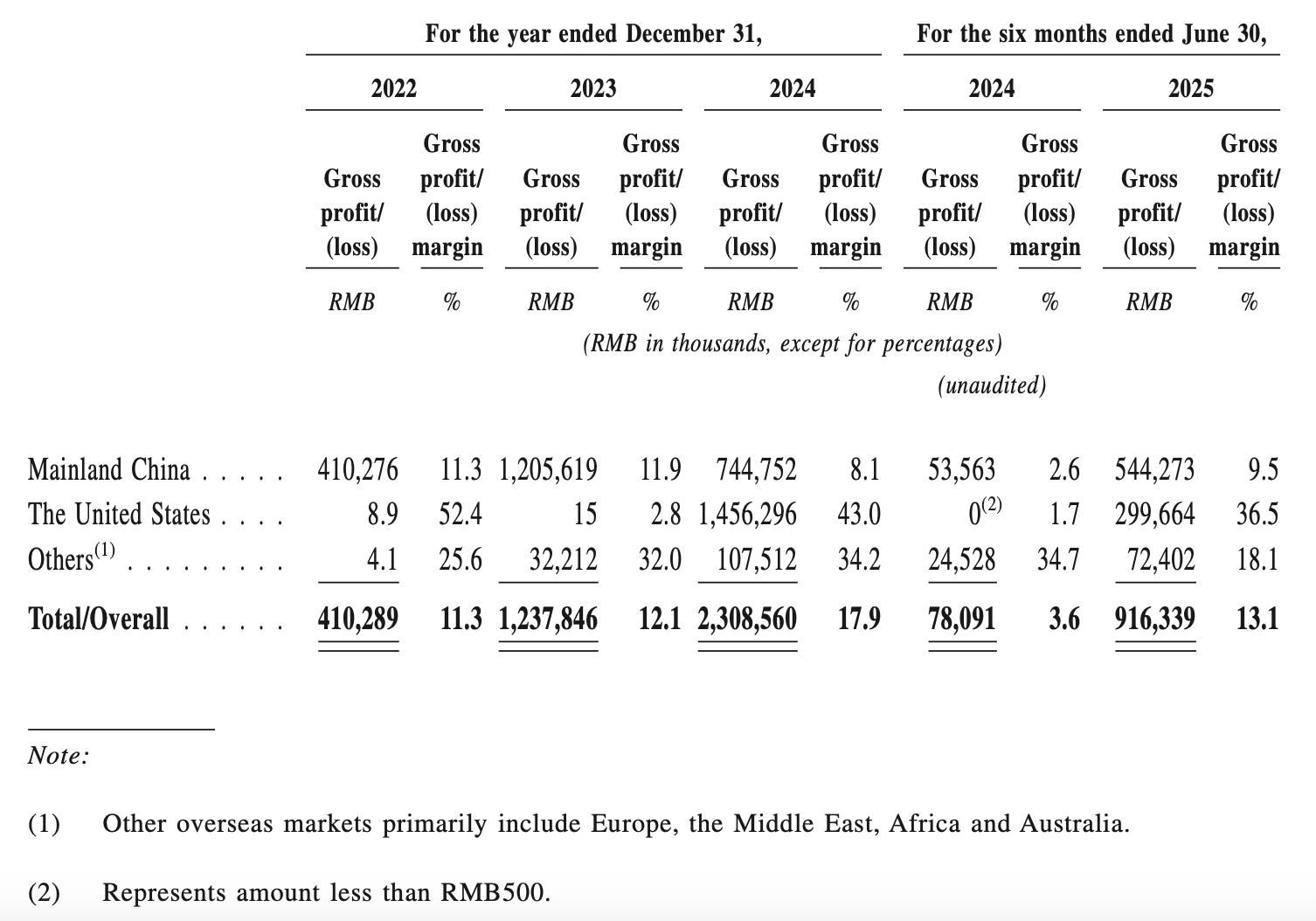
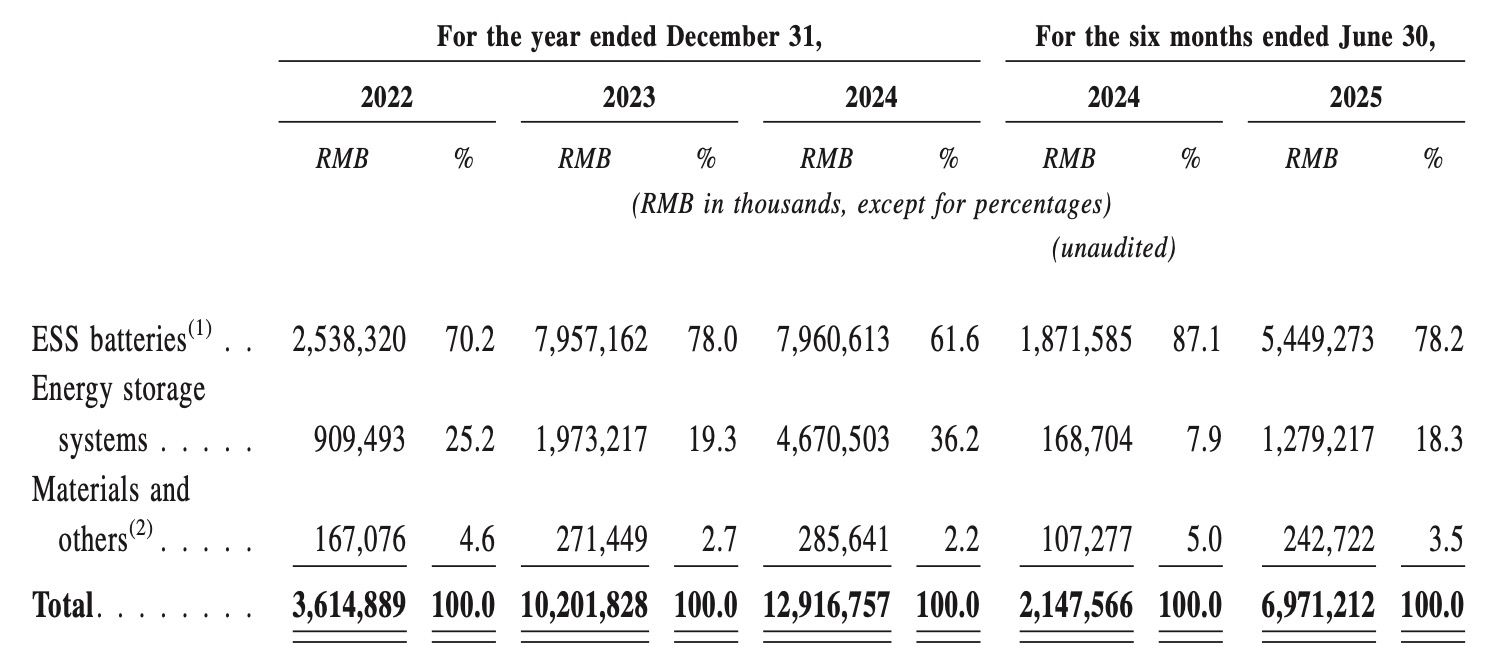
Founded in 2019, Hithium Energy Storage has achieved an extraordinary market position in just over five years. This is naturally reflected in its financial statements, where core financial data continues to trace a steep upward curve. For instance, building on a high base from last year, Hithium Energy Storage’s revenue reached RMB 6.971 billion in the first six months of this year, representing a massive year-on-year increase of 224.6%. Gross profit rapidly expanded from less than RMB 100 million in the same period last year to RMB 916 million, marking a robust year-on-year surge of 1073.4%. The net profit metric also underwent a simultaneous “qualitative change,” successfully turning profitable in the first half of the year with a profit of RMB 223 million.
Even more noteworthy, Hithium Energy Storage’s latest performance trend has released a strong value signal: its more profitable international business is powerfully “taking the baton” to become the new “locomotive” contributing incremental performance. In the first half of this year, the proportion of Hithium Energy Storage’s international revenue surged to 17.5%, a “qualitative leap” compared to 3.3% in the same period last year. While the revenue weight increased significantly, the profit potential of the international business was also initially unlocked. It is estimated that Hithium Energy Storage’s international business achieved a gross margin of 30.5% in the first half, a figure significantly higher than the 9.5% gross margin of its Chinese mainland business during the same period. The rapid scaling of Hithium Energy Storage’s international business is largely due to its early and acute recognition of the importance of overseas markets, evidenced by its proactive establishment of a production base in Texas, USA, making it the first Chinese company to set up energy storage system production capacity in the United States. With the rapid expansion of its international business, it is reasonable to expect Hithium Energy Storage’s revenue scale and profitability metrics to continue growing rapidly.
Cultivating Global Competitiveness Around Core Strategies
The corporate history of Hithium Energy Storage can, in a way, be viewed as a classic example of the global offensive launched by Chinese manufacturing. Over the past few years, Hithium Energy Storage’s business volume has continuously climbed new steps. According to the company’s prospectus, the compound annual growth rate of Hithium Energy Storage’s ESS battery shipments reached 167% from 2022 to 2024. In the first six months of this year, Hithium Energy Storage’s ESS battery shipments reached 30 GWh, with a year-on-year growth rate of 252.9%. Despite the high base, there is no sign of a “regression to the mean” in its shipment growth rate; instead, it has further accelerated.
The secret behind the consistently rapid increase in Hithium Energy Storage’s product shipments is likely embedded within the company’s three core strategies. Focusing on energy storage is one of the company’s core strategies. Placing Hithium Energy Storage within the industry perspective, this is clearly an “atypical” new energy technology company. The key feature of this “atypical” nature is that since its inception, the company has consistently focused solely on the energy storage sector, unlike other leading companies in the industry that disperse their focus across the upstream and downstream of the industrial chain. It is likely due to this singular focus that Hithium Energy Storage is able to better understand the fundamental logic and core challenges of the industry. The continued realization of high growth expectations this year is undoubtedly closely linked to the company’s unwavering focus on the energy storage domain, based on a deep understanding of the market.
In an era where technological innovation is playing a decisive role in the global competitiveness of the manufacturing industry, any manufacturing enterprise aiming to break out must establish a leading edge in technology and product capabilities. By adhering to the core strategy of building competitive barriers through R&D and innovation, Hithium Energy Storage has consistently matched the vast and rapidly growing market demand with high-quality supply over the years. Data shows that Hithium Energy Storage’s cumulative expenditure on R&D exceeded RMB 1.5 billion from 2022 to the first half of 2025. To date, the company has assembled an R&D team of over 1,030 professionals, with over 30% holding a master’s degree or higher. This continuously growing R&D expense and powerful R&D talent pool provide the foundational support for Hithium Energy Storage to intensively launch innovative products.
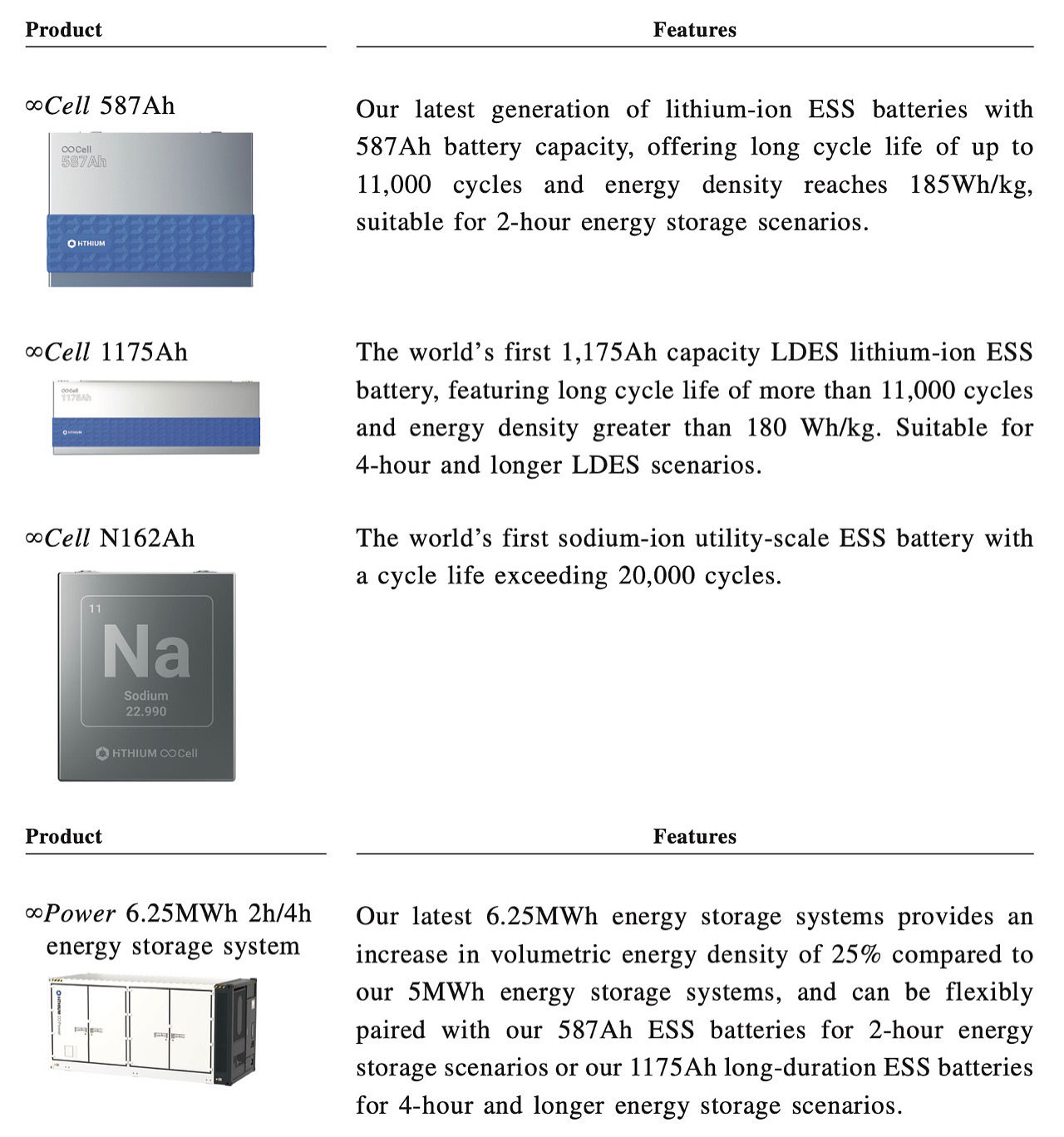
In terms of energy storage battery products, Hithium Energy Storage currently mainly offers 280Ah and 314Ah cells and has unveiled the ∞Cell 587Ah and ∞Cell 1175Ah ESS batteries. Furthermore, it has introduced the sodium-ion ESS battery with a cycle life exceeding 20,000 cycles. Protected by its strong core scientific and technological capabilities, the company has entered a vigorous new product cycle.
For energy storage system products, Hithium Energy Storage provides all-round energy storage systems with leading capabilities that can be applied in power stations, grids, data centers, commercial and industrial, and residential scenarios. Current delivered products include the 5MWh liquid-cooling energy storage system. Last month, at RE+ 2025—the largest and most influential international solar and energy storage exhibition globally, held in Las Vegas, USA—Hithium Energy Storage unveiled energy storage solutions for AI Data Centers (AIDC), such as the ∞Power 6.25MWh 8h lithium-ion long-duration energy storage system.
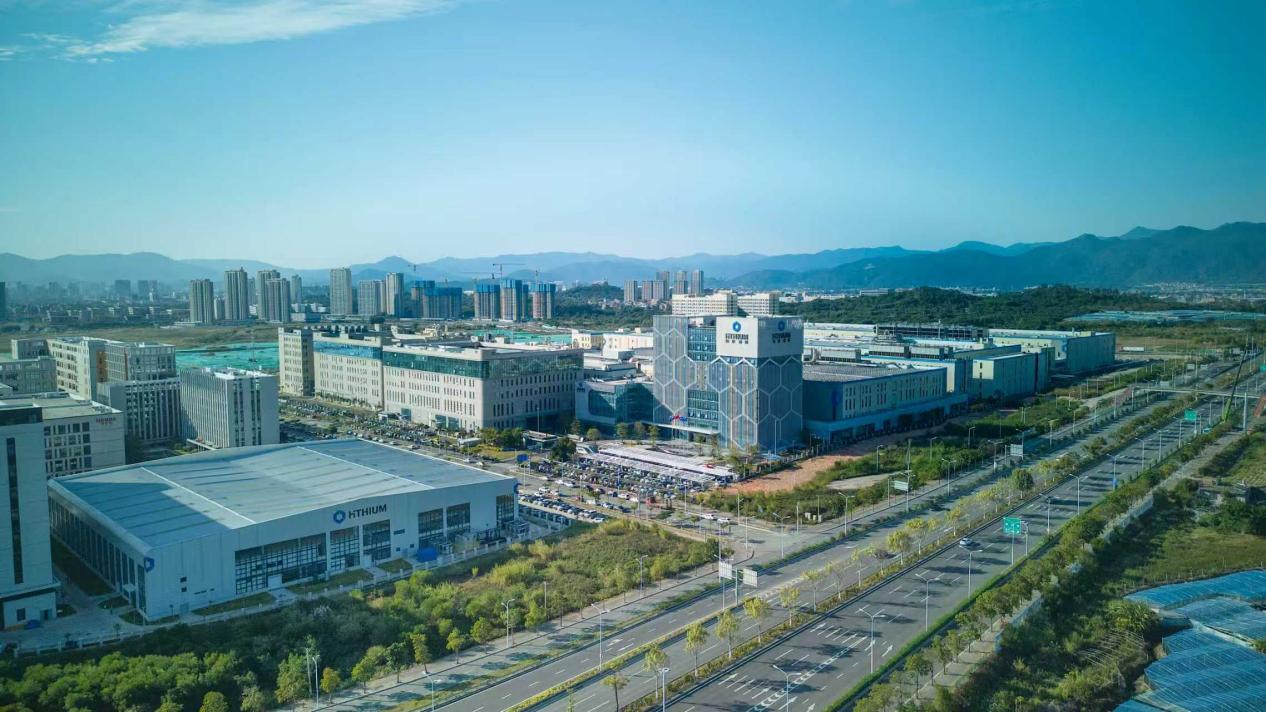
Its core R&D innovation strength has also provided crucial assistance for Hithium Energy Storage to achieve scaled production and extreme efficiency. It is reported that Hithium Energy Storage has continuously overcome technological bottlenecks and successfully iterated four generations of smart factories within the last three years, leading to a continuous decline in unit manufacturing costs over the past three years. Currently, the company’s fifth-generation factory is also under construction and is expected to commence operation next year. Combined with the explosive growth in Hithium Energy Storage’s shipment data, it is fair to say that “Hithium Smart Manufacturing” has become a reality. Furthermore, the prospectus reveals that the ∞Cell 587Ah, ∞Cell 1175Ah, and ∞Cell N162Ah ESS battery cell products, as well as the ∞Power 6.25 MWh 2h/4h ESS system product, are all expected to achieve mass production in the second half of the year, which will lead to a continued significant increase in Hithium Energy Storage’s shipments in the latter half of the year.
How to Evaluate the Investment Value of an “Evolving” Energy Storage Leader?
Looking across the global capital markets, star technology stocks in mainstream markets have generally been favored by capital this year. The clear dominance of the growth style is underpinned by emerging industries, including new energy, which are gradually becoming critical drivers stimulating current economic growth, thereby guiding market consensus and capital flows.
Given Hithium Energy Storage’s strong growth DNA, its consistent delivery on growth expectations over the past few years, and its high growth visibility for the future, it is anticipated that the company will become a highly sought-after “hot commodity” in the new stock market after its listing on the HKEX.
Reviewing its historical performance, Hithium Energy Storage achieved a compound annual growth rate of 89% in revenue from 2022 to 2024. The gross profit margin significantly jumped from 11.3% in 2022 to 17.9% in 2024. Concurrently, the net profit metric achieved a historic turnaround in 2024, reaching RMB 288 million. Over the same period, the company’s metric of total assets minus current liabilities also grew annually, increasing from RMB 718 million in 2022 to RMB 1.701 billion in 2024, indicating a continuously optimizing balance sheet. Building upon the high-performance base of 2024, Hithium Energy Storage’s core financial data continued its rapid advance in the first half of this year, strongly fulfilling growth expectations.
A detailed analysis shows that Hithium Energy Storage’s proactive adjustment of its business structure and market strategy is also a key reason for the leap in its financial data. In terms of business structure, the company continues to promote the development of businesses with higher added value. According to data from the prospectus, the revenue from energy storage systems accounted for 18.3% of total revenue in the first half of this year, a significant increase from 7.9% in the same period last year. From a profitability perspective, the gross margin for the ESS System business was 29.7% in the first half, notably higher than the 9.7% gross margin for the ESS Battery business. The rising weight of high-margin business clearly had a positive impact on increasing the company’s profits.
Regarding its market strategy, as stated at the beginning of the article, Hithium Energy Storage has achieved global operations covering the entire value chain, guided by its globalization strategy. In 2024, the company’s international revenue ratio historically rose to 28.6%. In the first half of this year, Hithium Energy Storage’s revenue scale and revenue contribution ratio in Europe, the Middle East, Africa, Australia, and other countries and regions in Asia all significantly increased. All evidence indicates that Hithium Energy Storage’s strategic move to establish advanced production capacity in the United States played an extremely critical role in the further scaling of the company’s overall performance in the first half of this year. Currently, the company’s strategy of building a diversified global market is accelerating in its effectiveness, and its reliance on any single regional market is significantly reduced.
ZhiTong Finance believes that Hithium Energy Storage’s track record has already proven it to be a company with deep growth DNA. Furthermore, considering the broad prospects of the energy storage sector and the company’s long-term strategy of increasing its presence in international markets, the company’s growth sustainability and visibility are excellent. Therefore, Hithium Energy Storage can be considered a high-potential stock in the energy storage field with significant long-term investment value. A company that aligns with market preference and investor expectations, upon its successful listing on the HKEX, is highly likely to be sought after by various capital sources.
Euro Manganese Inc. (TSXV: EMN) (ASX: EMN) (FSE: E060) (the “Company” or “Euro Manganese“) is pleased to provide an update as it continues to advance its Chvaletice Manganese Project (“Chvaletice“) in the Czech Republic toward commercialization. The update reflects ongoing efforts to align project execution and development priorities with evolving market conditions and learnings from the operation of the Demonstration Plant.
President & CEO, Martina Blahova, commented:
“With our Demonstration Plant having validated the Chvaletice process and product quality, our focus has shifted to translating these learnings into commercial-scale efficiencies. Our focus on recovery and costs aims to achieve meaningful improvements in unit operating costs and capital intensities. We see sustained demand for high-purity manganese across both lithium-ion and sodium-ion chemistries, and Euro Manganese is working to respond to this critical need.”
Global Market Outlook and Company Strategy
Global demand for high-purity manganese continues to strengthen as electric-vehicle (“EV“) and energy storage markets expand and diversify. Manganese-rich cathode chemistries are gaining traction for both lithium-ion and emerging sodium-ion batteries due to their cost, performance and safety advantages. Independent forecasts anticipate significant supply shortfalls post-2027, underscoring the need for secure, low-carbon sources outside of China.1
Euro Manganese’s strategy – to establish a fully traceable European supply of high-purity manganese feedstocks remains well-founded. The Company’s Chvaletice Project offers a unique combination of proven technology, circular production from recycled tailings, and alignment with Europe’s strategic autonomy and energy-transition goals, working towards supplying the EV, energy-storage, defence, and speciality-alloy sectors.
Validation of Metal-Route Optionality
A report prepared by Andrew Zemek at Marketeye, (September 2025)2 and paid for by Euro Manganese confirms that Euro Manganese’s metal-route process is the most flexible way of future-proofing the output of the Chvaletice Commercial Plant in the context of changing demand for the manganese feedstock mix for high-manganese batteries. The process provides strategic optionality to produce high-purity electrolytic manganese metal (“HPEMM“) and/or high-purity manganese sulphate monohydrate (“HPMSM“). This dual-route capability positions the Company to respond dynamically to future shifts in cathode chemistries and customer requirements. HPMSM remains the dominant feedstock for cathode chemistries, however new materials such as manganese oxide (Mn₃O₄) and manganese carbonate (MnCO₃) have emerged. These alternative manganese feedstocks can be produced from HPEMM.
EMN’s Chairman, Rick Anthon, commented:
“Euro Manganese’s strategic advantage lies in its combination of strong project fundamentals, proven flowsheet, and alignment with Europe’s decarbonisation and economic security goals. The optimization program aims to ensure we maintain our competitive edge and build on our first mover advantage in Europe with a goal of reducing costs and maximising value for shareholders, while delivering a sustainable source of high-purity manganese for the battery market and other strategic sectors.”
Optimization and Efficiency Program
Following the successful operation of its Demonstration Plant, Euro Manganese has initiated an optimization program to incorporate operational learnings into design of the Commercial Plant. Key workstreams include exploring:
Improved recoveries and metallurgical balancing;
Optimized equipment-sizing and layout;
Reduced reagent and consumables use; and
Enhanced process control.
The Company has engaged external engineering specialists, including a large engineering firm, to conduct independent reviews and recommend efficiency upgrades. This structured, best-practice approach mirrors successful programs across the battery and mining sectors that have delivered lower capital intensity and stronger commercial and sustainability outcomes for other companies.
Next Steps and Outlook
The outcomes of the optimization program will guide Euro Manganese’s next phase of development, including any potential updates to technical studies.
The Company remains confident that its strategic focus on producing high-purity manganese feedstocks, supported by continued engineering discipline and process improvements, positions it to capitalize on the forecasted supply deficit and growing demand for manganese-rich battery materials. The Chvaletice Project’s fundamentals as a fully traceable, low-carbon, European source of high-purity manganese remains robust.
About Euro Manganese
Euro Manganese Inc. (TSXV: EMN) (ASX: EMN) (FSE: E060) is a battery materials company developing the Chvaletice Manganese Project in the Czech Republic, Europe’s only near-term source of high-purity manganese, a critical ingredient in next-generation electric vehicles, energy storage batteries and defence applications.
The Chvaletice Manganese Project will reprocess historic mine tailings to produce high-purity electrolytic manganese metal (HPEMM), and high-purity manganese sulphate monohydrate (HPMSM), establishing a fully traceable, low-carbon supply chain within the European Union.
With its Demonstration Plant having produced on-spec products and optimization work underway to enhance commercial plant efficiency, Euro Manganese is positioned to become Europe’s first domestic producer of high-purity manganese, meeting the rising demand for sustainable, strategic battery materials while advancing Europe’s clean-energy and supply-chain independence goals.
Euro Manganese is dual listed on the TSX-V and the ASX.
Authorized for release by the President and CEO of Euro Manganese Inc.
Neither TSX-V nor its Regulation Services Provider (as that term is defined in the policies of the TSX-V) or the ASX accepts responsibility for the adequacy or accuracy of this release.
Certain statements in this news release constitute “forward-looking statements” or “forward-looking information” within the meaning of applicable securities laws. Such statements and information involve known and unknown risks, uncertainties and other factors that may cause the actual results, performance, or achievements of the Company, its Chvaletice Project, or industry results, to be materially different from any future results, performance or achievements expressed or implied by such forward-looking statements or information. Such statements can be identified by the use of words such as “may”, “would”, “could”, “will”, “intend”, “expect”, “believe”, “plan”, “anticipate”, “estimate”, “scheduled”, “forecast”, “predict” and other similar terminology, or state that certain actions, events or results “may”, “could”, “would”, “might” or “will” be taken, occur or be achieved.
Readers are cautioned not to place undue reliance on forward-looking information or statements. Forward-looking statements are subject to a number of risks and uncertainties that may cause the actual results of the Company to differ materially from those discussed in the forward-looking statements and, even if such actual results are realized or substantially realized, there can be no assurance that they will have the expected consequences to, or effects on, the Company.
Forward-looking statements include statements regarding the optimization program and ability to strengthen economics or any other benefits including enhancing efficiency, reducing capital and operating costs, that results of the optimization program will be similar to successful optimization programs done for other companies, statements regarding increasing demand for manganese, the Company’s strategy for its Chvaletice Project, the Company’s ability to supply to EV, energy-storage, defence, and speciality-alloy sectors, and the Company’s ability to navigate current market conditions. All forward-looking statements are made based on the Company’s current beliefs including various assumptions made by the Company, including that the Chvaletice Project will be developed and operate as planned, the optimization program will provide opportunities to increase efficiencies, the Company will have sufficient financing, and that the Company will be able to meet the conditions of its secured financing. Factors that could cause actual results or events to differ materially from current expectations include, among other things: results from the optimization program that do not lead to efficiencies or reductions in cost; insufficient working capital; inability to meet the conditions of its secured financing, risks due to granting security, lack of availability of financing for developing and advancing the Chvaletice Project; the potential for unknown or unexpected events to cause contractual conditions to not be satisfied; developments in electric vehicle battery markets and chemistries; risks related to fluctuations in currency exchange rates; and regulation and changes in laws by various governmental agencies. For a further discussion of risks relevant to the Company, see “Risk Factors” in the Company’s annual information form for the year ended September 30, 2024, available on the Company’s SEDAR+ profile at www.sedarplus.ca.
Although the forward-looking statements contained in this news release are based upon what management of the Company believes are reasonable assumptions, the Company cannot assure investors that actual results will be consistent with these forward-looking statements. These forward-looking statements are made as of the date of this news release and are expressly qualified in their entirety by this cautionary statement. Subject to applicable securities laws, the Company does not assume any obligation to update or revise the forward-looking statements contained herein to reflect events or circumstances occurring after the date of this news release.
HONG KONG, Oct 10, 2025 – (ACN Newswire) – Recently, the lapse of Hithium’s prospectus has drawn market attention, but this is not a rare occurrence in capital markets.
According to the relevant rules for Hong Kong IPO, if a prospectus is not listed within six months after submission, it automatically lapses. This mechanism is designed to ensure the timeliness and accuracy of information disclosure, avoiding information lag due to changes in the market environment or the company’s operations. It is worth noting that a lapsed prospectus does not mean the IPO is terminated. In Hong Kong, nearly half of newly listed companies have experienced a prospectus lapse before listing. If the listing hearing has not been completed, the company only needs to update its financial data and re-submit the application within three months to resume the review process.
As a rapidly developing energy storage company, Hithium’s is currently experiencing strong business momentum. Among the two Xiamen-based companies listed on the “2025 Global Unicorn List” released by the Hurun Research Institute, Hithium is precisely one of them.
Especially against the backdrop of the rapid development of the energy storage industry and continuous policy support, Hithium, as an important industry participant, has a solid foundation to capture industry dividends and support its listing process. Changjiang Securities predicts global energy storage installation growth will exceed 50% in 2025 and over 40% in 2026, directly reflecting the industry’s robust momentum.
In this macro environment, Hithium’s business development and listing plans can better leverage the industry’s momentum. Hithium is expected to update its prospectus and resubmit its application within three months to continue the listing process. On the other hand, this lapse of the prospectus might become an opportunity for the company to review its business and optimize its strategy, preparing for a more stable connection with the capital market in the future.
I. Explosive Demand Growth and Full Capacity Operations Cement Foundation for Expansion
From an industry perspective, the global energy transition has now entered a “critical phase,” with major countries intensifying efforts to achieve “dual carbon” goals, leading to rapid growth in renewable energy installation capacity. However, renewable energy has inherent shortcomings of “intermittency and volatility”. If excess electricity cannot be stored effectively, it not only causes energy waste but may also affect grid frequency stability.
In this context, energy storage has been upgraded from an “optional accessory” to an “essential facility”, becoming the core link connecting renewable energy and the power grid. This has directly propelled the global energy storage market into an “outbreak period”.
According to statistics from the ICC Xinluo Energy Storage Database, global energy storage battery shipments reached 258 GWh in the first half of 2025, a year-on-year increase of 106%. Domestic manufacturers shipped 252 GWh, a year-on-year increase of 109%, clearly indicating that Chinese manufacturers have become the dominant force in the global energy storage market.
Leveraging its accumulated experience in energy storage technology R&D and product manufacturing, Hithium accurately seized this opportunity. Its shipments have leapt from global fifth in 2023, to third in 2024, and reaching second place in the first half of 2025. The compound annual growth rate over the past three years reached 167%.
Correspondingly, Hithium’s ‘s current production lines are operating at full capacity. At present, the production bases in locations like Xiamen and Chongqing are running continuously at full capacity. Its Southwest Intelligent Manufacturing Center in Tongliang, Chongqing, is the first lithium battery electrochemical energy storage complete project in Chongqing. With a total investment of RMB 13 billion, it plans to build a production base and R&D center for 56 GWh of new-generation energy storage lithium batteries and 22 GWh of energy storage modules. Since March, factories including those in Xiamen and Chongqing have been operating at full capacity, with orders scheduled until the end of the year.
This status not only directly reflects the market recognition of its products and sufficient order backlog but also demonstrates the company’s strong capabilities in production management and supply chain coordination.
II. Steady Progress in Internationalization Strategy and Frequent Large Orders Highlight Global Competitiveness
Hithium’s ability to maintain a top position in the global energy storage market is inseparable from the steady advancement of its internationalization strategy. In 2024, the company’s overseas revenue reached RMB 3.7 billion, accounting for 28.6% of total revenue. Its global service network covers over 20 countries and regions.
Since the beginning of the year, Hithium has successively secured major international orders, demonstrating a strong momentum in international development.
In July this year, Hithium signed a cooperation agreement with Elements Green, a leading UK developer of solar and storage infrastructure, for a battery energy storage system project with a total scale of 720 MWh. It is reported that this project is one of the largest energy storage projects in the UK to date.
In August this year, Hithium signed significant energy storage project cooperation agreements with Saudi Electricity Company and Saudi utility giant Alfanar Group. They will build two large-scale energy storage projects in the Tabuk and Hail provinces of northern Saudi Arabia, with a total capacity of 1GW/4GWh achieving a breakthrough in the GWh-scale application of the world’s first mass-produced kA-hour class long-duration energy storage battery and system solution.
In September this year, Hithium also reached a strategic cooperation with Fotowatio Renewable Ventures, a sustainable energy solutions developer in Australia, to establish an energy storage system with a total scale of 500 MWh in Victoria, Australia.
This series of outstanding achievements stems from its deep accumulation in technology and product innovation.
As of the end of 2024, Hithium’s global patent applications exceeded 3,900, Meanwhile, the company boasts an R&D team of over 1,100 personnel, achieving full coverage from materials, cells, systems to solutions.
In terms of products, Hithium was among the first in the industry to deploy 280Ah energy storage battery products in large-scale energy storage projects, and also among the first to mass-produce 314Ah energy storage batteries and apply them in overseas large-scale energy storage projects. Its launch of the world’s first sodium-ion battery dedicated to power storage, the ∞Cell N162Ah, boasts a cycle life of over 20,000 cycles, laying a solid foundation for the next-generation technology competition.
With the opening of the global energy storage market, Hithium, leveraging its leading technological advantages and high-performance products, has steadily advanced cooperative relationships with customers in multiple countries and regions. The signing of a series of major international orders not only brings stable revenue expectations for the company but also helps it accumulate international project experience and enhance its global brand awareness, laying the foundation for subsequent expansion to more high-end customers.
III. Conclusion
The temporary lapse of the prospectus is merely a “mid-course adjustment” on Hithium’s capital market journey, unrelated to the core logic of its long-term value.
From a global perspective, the energy transition is an irreversible trend of the era. Energy storage, as a critical pillar, has become the “leading role” on the new energy stage. With its technology, production capacity, and global layout, Hithium is already positioned at a crucial point in seizing this historic opportunity.
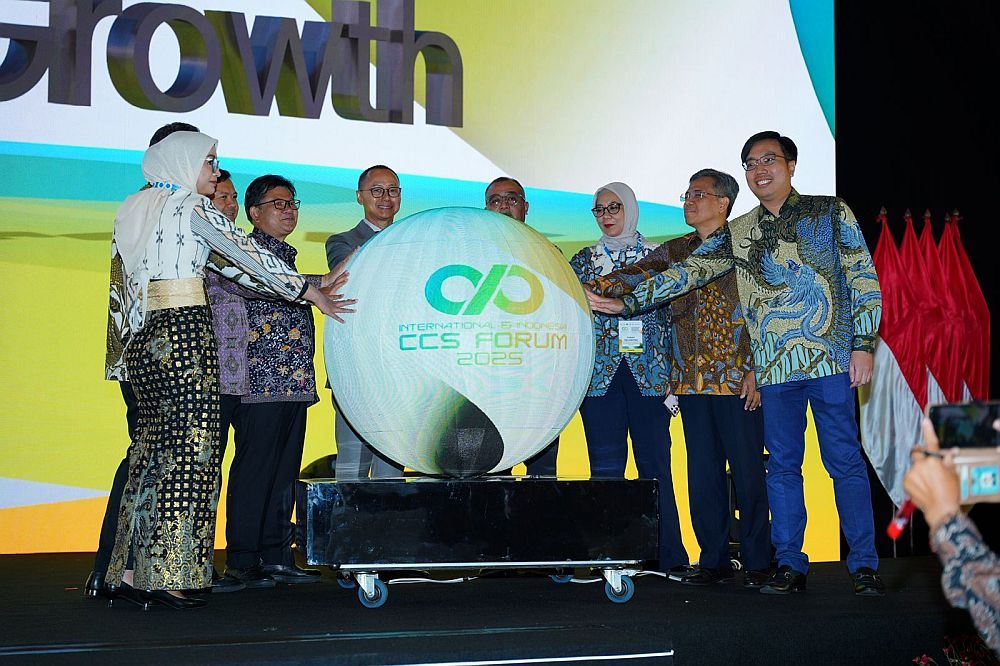
JAKARTA, Oct 7, 2025 – (ACN Newswire) – Indonesia reaffirmed its ambition to become the hub for Carbon Capture and Storage (CCS) in the Asia-Pacific region, marked by the opening of The 3rd International & Indonesia CCS Forum 2025 (IICCS Forum 2025), from Oct 7~8 at the Mulia Hotel, Jakarta, under the theme “Advancing Indonesia as a CCS Hub Leader in the Asia Pacific: Achieving Net Zero and Economic Growth.” The forum is supported by the Ministry of Energy and Mineral Resources, Coordinating Ministry for Economic Affairs, and People’s Consultative Assembly of the Republic of Indonesia (MPR RI).
The opening session featured high-level discussions with government officials, energy industry experts, academics, and global investors. Deputy Speaker of People’s Consultative Assembly Eddy Soeparno emphasized that the government is committed to accelerating the implementation of CCS through clear regulations, investment incentives, and inter-ministerial coordination. He noted, however, that success will not be achieved without collaboration among all stakeholders—government, industry, academia, and investors. With strong cooperation, he expressed confidence that Indonesia can become a CCS hub in APAC, while ensuring a just energy transition that delivers long-term economic benefits for society.
As the host, Belladonna Troxylon Maulianda, Executive Director of the Indonesia CCS Center (ICCSC), stressed that the forum was designed to drive tangible collaboration: “The IICCS Forum is a space where all stakeholders can come together to find joint solutions. We hope this forum will generate policy recommendations, partnerships, and new projects that accelerate CCS implementation in Indonesia,” she said.
Echoing this, Evan Lukas, Chairman of The 3rd IICCS Forum 2025 and Director of Indonesia Advocacy & Policy Development at ExxonMobil Low Carbon Solutions, added: “This forum is more than just a discussion. We want every session to result in concrete actions that make Indonesia a CCS investment magnet and a regional success story,” he noted.
The 3rd IICCS Forum 2025 features Plenary and Panel Sessions on strategies to establish Indonesia as a regional CCS hub, Policy and Investment Sessions on regulatory frameworks, incentives, and CCS business models, as well as Technical Workshops and Project Showcases highlighting lessons from domestic and global CCS projects. The forum also includes an Exhibition and Networking Session to connect industry players with potential strategic partners and investors.
This event aligns with Indonesia’s commitment to reducing emissions by up to 43.2% by 2030 (with international support) and achieving Net Zero Emissions by 2060 or sooner. CCS is seen as a key technology supporting the energy transition, particularly in hard-to-abate sectors.
In addition to reducing emissions, CCS has the potential to create a new economic value chain—ranging from carbon storage infrastructure development and job creation to opening new business opportunities for the energy, manufacturing, and logistics sectors.
This forum marks a significant step forward for Indonesia in ensuring that the energy transition not only supports climate targets but also creates long-term economic benefits for society. The full support and synergy between the government and industry, along with the strategic role of On Us Asia as a co-organizing partner, make this forum not just a platform for discussion, but a concrete step toward Indonesia’s leadership in the global energy transition.
For more information on The 3rd IICCS Forum 2025, visit the official website: www.iiccsforum.com
About IICCS
The International & Indonesia Carbon Capture and Storage (IICCS) Forum is a platform dedicated to promoting CCS technology and facilitating collaboration between governments and industries in addressing climate change through CCS implementation.
About ICCSC
The Indonesia Carbon Capture and Storage Center (ICCSC) is a community of experts from various industry, including engineering, science, policy, and business, united by a shared commitment to finding practical solutions to COâ‚‚ emission challenges. Through research, innovation, and advocacy, we strive to accelerate carbon capture and storage development in Indonesia and position the country as a Regional CCS Hub. https://iccscenter.com.
Japanese tech innovator Serendix Inc. and Australian advisory firm Planum Partners have signed a strategic Memorandum of Understanding (MoU) to introduce cutting-edge 3D printed housing technology to Australia, beginning with a demonstration project in Queensland.
The signing took place at the Australia Pavilion at World Expo 2025 in Osaka, witnessed by Tak Adachi, Queensland’s Senior Trade and Investment Commissioner for North Asia.
The partnership was facilitated by Trade and Investment Queensland (TIQ).
Tak Adachi, Senior Trade and Investment Commissioner, North Asia said the partnership showcases Queensland’s commitment to embracing transformative technologies.
“This alliance is a bold step toward delivering faster, more affordable homes—especially for our regional communities—and it shows the world that Queensland is open for smart, scalable investment,” said Mr Adachi.
“3D printed homes can be built in under 24 hours, dramatically reducing construction time and costs.
“By aligning Japan’s innovation in 3D printing with Queensland’s housing goals, we’re opening doors to scalable solutions and long-term international collaboration,” said Mr Adachi.
The collaboration aims to revolutionise the construction industry by delivering affordable, sustainable, and rapidly deployable housing solutions using Serendix’s proprietary 3D printing technology.
The MoU outlines a joint commitment to work with the Queensland Government to build a demonstration home and conduct a feasibility study on the suitability of Serendix’s products to suit local conditions.
“Serendix is keen to work with the Queensland Government going forward and to meet the expected strong demand for 3D printed housing with a local facility in the future,” said the CEO of Serendix, Hiroyasu Koma.
“We are very excited about the potential to contribute to Queensland and Australia sustainable and affordable housing sector.”
Following the demonstration phase, Planum Partners will support Serendix in exploring broader expansion across Queensland, with a focus on regional development and housing innovation.
“The signing marks a defining moment in Queensland’s innovation journey throughout World Expo 2025 Osaka, showcasing a bold commitment to advancing global partnerships and promoting investment opportunities across the entire Expo program,” Mr Adachi concluded.
TIQ approached Serendix upon discovering their plan to host a 3D printed housing demonstration at Expo 2025 capturing global attention and setting the stage for this groundbreaking collaboration.
Japanese electronics leader Sharp Corporation and Queensland-based energy innovator Energy Storage Industries-Asia Pacific (ESI) have signed a strategic Memorandum of Understanding (MoU) to co-develop next-generation zinc-air flow battery technology, marking a milestone in global energy storage innovation.
The MoU was signed at the Australia Pavilion at World Expo 2025 in Osaka, witnessed by Tak Adachi, Queensland’s Senior Trade and Investment Commissioner for North Asia. The partnership was facilitated by Trade and Investment Queensland, reinforcing the state’s role as a global connector in clean energy collaboration.
Tak Adachi, Senior Trade and Investment Commissioner, North Asia said the partnership reflects the kind of forward-thinking collaboration that defines the relationship between Japan and Queensland that’s been highlighted throughout World Expo 2025 Osaka.
“By combining Japanese innovation with Queensland’s research and deployment strengths, we are laying the groundwork for scalable, sustainable energy solutions that can serve markets across the Indo-Pacific and beyond,” Mr Adachi said.
“This project reflects the strength of Australia-Japan technology ties and the shared commitment to building resilient, low-emission energy systems. By connecting Japanese technology with Queensland’s energy expertise and research capability, we’re accelerating the future of sustainable power — and creating jobs and investment opportunities for our state.”
Bringing together Sharp’s world-class leadership in electrochemical systems and ESI’s proven track record in deploying long-duration energy storage infrastructure, the collaboration will begin with a technical proof-of-concept in partnership with The University of Queensland, supported by targeted research funding and a dedicated research position.
“We are thrilled to collaborate with ESI, made possible by the support of the State of Queensland,” said Norio Ito, Senior Vice President, Head of Corporate Research & Development Group, Sharp Corporation.
“This partnership will enable us to integrate the technologies of both companies, with the goal of accelerating the research and development of zinc-air flow batteries and contributing to the realisation of a carbon neutral society.”
The project will explore the viability of zinc-air flow batteries as a safe, sustainable alternative to lithium-based systems, offering longer storage durations, lower costs, and enhanced compatibility with renewable energy sources.
Justin Begg, CEO of Energy Transition Technologies (ETT), the ESI subsidiary driving commercial R&D and technology development in Australian decarbonisation, is excited to be working with such an innovative partner as Sharp.
“Building from 100 years of Sharp product innovation, this MoU signals not only the collaboration between Sharp and ESI but between Japan and Queensland. We thank the State of Queensland, and in particular Trade + Investment Queensland, for their support in developing this relationship. We look forward to the mutually beneficial outcomes that will follow.”
Following the initial proof-of-concept phase, Sharp and ESI intend to pursue additional research grants and advance toward commercialisation—positioning Queensland as a global hub for next-generation energy storage.