Pertamina NRE presents Indonesia’s EV ecosystem at COP28

With Pertamina NRE involvement in Indonesia’s electric vehicle (EV) ecosystem development, the adoption of EVs represents a significant opportunity for the company, thereby reinforcing Indonesia’s efforts towards energy transition, the company said at the 2023 United Nations Climate Change Conference (COP28) on Friday (Dec 1).
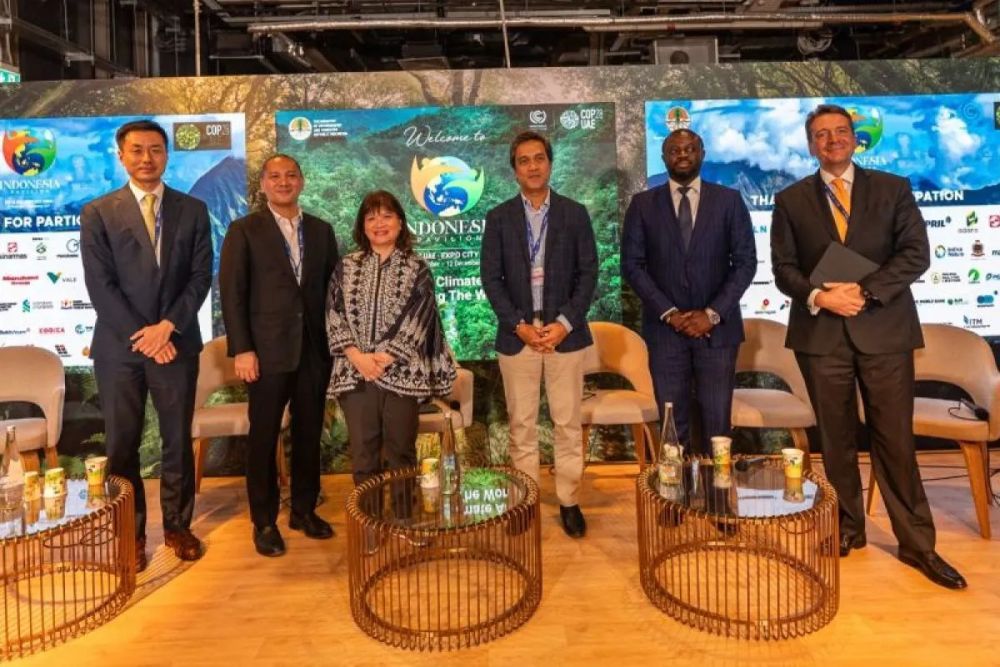
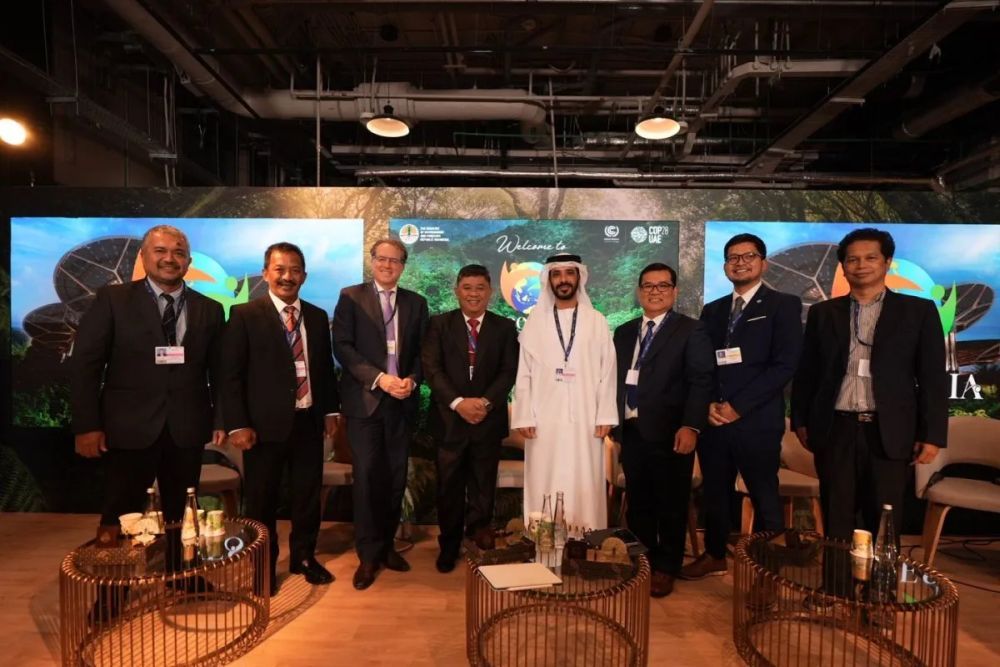
Pertamina NRE presented Indonesia’s developing EV ecosystem at the 2023 United Nations Climate Change Conference (COP28). (ANTARA/HO-PERTAMINA)

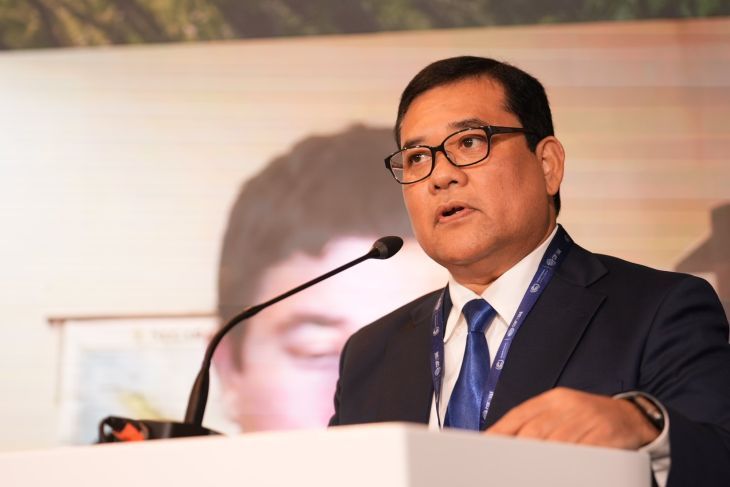
Dannif Danusaputro, President Director of Pertamina New Renewable Energy (NRE), a subsidiary of the state-owned oil and gas company, conveyed their commitment to developing the EV ecosystem. “We will play a leading role in the infrastructure, charging stations, and the entire supply chain process for electric vehicles,” he noted during a session themed “E-Mobility: Balancing Sustainability and Growth in Critical Supply Chains” at the Indonesian Pavilion.

Dannif remarked that Pertamina NRE will develop two-wheeled EVs. The company has already collaborated with several ride-hailing companies in Indonesia. This collaboration involves fleet operator development, drivers, and charging infrastructure. The company will also focus on developing battery packs for two-wheeled vehicles.

In November 2023, Pertamina NRE partnered with PT VKTR Mobility Technology Tbk to initiate sustainable mobility solutions. Both companies introduced the Electric Mobility as a Service (e-MaaS) model to support the adoption of EVs for urban public transportation services.

The e-MaaS model offers flexible financing for operating and maintaining EV buses, intending to reduce reliance on government funding, thereby saving costs for deploying environmentally friendly vehicles in major cities. Dannif emphasized that the e-MaaS model also encompasses crucial infrastructure, such as charging stations and renewable energy sources.

During his presentation, Dannif stressed the importance of funding. He highlighted the need for funding to advance EV technology throughout the supply chain. “This is crucial in the development of the electric vehicle ecosystem. With it, a robust and independent electric vehicle supply chain will materialize more quickly,” Dannif stated.

Dannif also underscored another critical aspect: the diverse natural resources distributed across different regions, with connectivity pivotal in providing clean energy. Infrastructure and connectivity will facilitate supply chain distribution, accelerating the realization of the EV ecosystem.

Pertamina NRE’s support for the EV ecosystem aligns with President Joko Widodo’s directive to expedite public transportation electrification, as stipulated in Presidential Regulation 55/2019 and Presidential Instruction 7/2022. Pertamina NRE’s efforts aim to accelerate an environmentally friendly transportation supply chain ecosystem.

Shinta Kamdani, deputy chairperson for maritime affairs, investment and foreign affairs at the Indonesian Chamber of Commerce and Industry, stated that Indonesia holds significant potential in EV development. “Although still in its early stages, Indonesia has immense potential, from utilizing raw materials to battery recycling. The private sector can participate and seize opportunities in developing the electric vehicle supply chain ecosystem,” Shinta stated.

Encouraging the adoption of EVs, the government has implemented various measures to attract consumers, including incentives of Rp7 million for new motorcycles or conversions. On the manufacturing side, there is a 10 percent value-added tax deduction for domestic component levels reaching 40 percent.

Rachmat Kaimuddin, deputy for Infrastructure and Transportation Coordination at the Coordinating Ministry for Maritime Affairs and Investment, highlighted Indonesia’s active role as a primary EV supplier, not only nationally but also regionally. “Indonesia could become a major player in supplying electric vehicles internationally. This effort can commence with exports to the Southeast Asian region,” Rachmat remarked.

All panelists in the session agreed that utilizing raw materials, such as nickel, presents a significant opportunity for Indonesia. Moreover, collaborative steps are needed to enhance capacity and technology as well as leverage advantages for competitiveness. These efforts will progress smoothly with policy support from the government.

Francois De Maricourt, President Director of PT Bank HSBC Indonesia, and Kwasi Ampofo, Head of Metals and Mining at BloombergNEF, were also present at the session.

Pertamina, as a leading company in energy transition, is committed to supporting Net Zero Emission 2060 targets by unceasingly promoting programs that directly impact the achievement of Sustainable Development Goals (SDGs). These efforts align with the Environmental, Social & Governance (ESG) implementation across Pertamina’s business lines and operations.

PERTAMINA, https://www.pertamina.com 

Media ContactDicky SeptriadiCorporate SecretaryPT Pertamina New & Renewable EnergyM: +62 8111663456E: dicky.septriadi@pertamina.com
Pertamina Hulu Rokan expounds on Wetlands Innovation at COP28

PT Pertamina Hulu Rokan (PHR) presented innovations in creating wetlands to manage wastewater produced from its operational activities at COP28 on Friday. PHR’s innovations, which were implemented to support the achievement of net zero emissions (NZE) by 2060, were presented at the 2023 UN Climate Change Summit, or Conference of the Parties (COP28), in Dubai, United Arab Emirates (UAE), on Friday (12/01).

PT Pertamina Hulu Rokan (PHR) present its innovation in constructing wetlands to manage water waste produced from its operational activities at COP28. (Antara / HO-Pertamina)

PHR Vice President, Facility Engineering, Erwin Sinisuka explained that nature-based solutions (NBS) were employed to manage wastewater produced by Pertamina’s energy production processes. Wastewater management was carried out using constructed wetlands based on hydro technology, where wetlands are formed using a hydraulic loading rate technique, so that wastewater management simply used gravity. 

PHR Vice President of Facility Engineering Erwin Sinisuka. (ANTARA/HO-PERTAMINA)

Erwin said the development of wetlands were part of the effort towards environmentally friendly operations, in accordance with environmental standards of the Ministry of Environment and Forestry. The session, ‘Unlocking the Potential of Nature Based Solutions, for Adaptation and Mitigation of Climate Change’ was held at the Indonesian Pavilion, COP28, on Friday. 

PHR has built constructed wetland covering an area of 5,000 m2 in one of its Rokan Block work areas. The wetland is the company’s pilot waste management project, while it is developing 14 wetland construction projects in its work areas.

The wetland has reduced emissions by 1,341 tCO2eq from January to October 2023, and has reduced wastewater discharge, which reached 11,30 barrels per day (bwpd) before construction, whereas now it is only 7,217 bwpd.

Constructed wetlands are not only for waste management but can provide more significant benefits for the community. “The community will always be our focal point, as their involvement can be the key to successful wetland management,” Sinisuka said.

PHR collaborates with local communities to manage these wetlands. The buffer materials and plants used at this location come from local sources, including coconut fiber, which is used as a filter. Apart from that, the community can use filtered water, he said.

Vice President of Upstream Business Operational Excellence, Health, Safety, and Environment, PHR I, Nyoman Widaryantha Naya added that this artificial wetland also becomes a water absorption area, which can reduce the risk of flooding “This constructed wetland also has many other benefits for the community. Residents are also now using the area as a small-scale transportation route by boat,” Widaryantha said.

In a similar session, the Deputy for Environmental and Forestry Management Coordination at the Coordinating Ministry for Maritime Affairs and Investment, Nani Hendiarti, stated that Indonesia has great potential to develop NBS, where 15 percent of the world’s NBS potential is in Indonesia.

Seeing these various potentials, the government is developing a blue carbon roadmap. Presidential Regulation 98 (2021) concerning the Economic Value of Carbon strengthens the optimization of blue carbon. “We will also include the marine sector and blue carbon in the nationally determined contribution targets,” Hendiarti said.

The Director General of Marine Spatial Management, Ministry of Maritime Affairs and Fisheries, Victor Gustaaf Manopo, said that blue carbon is part of climate adaptation through ecosystem resilience.

The event was also attended by Assistant Deputy Secretary, UAE Ministry of Climate Change and Environment, Mohamed Salman Alhammadi; Senior Natural Resources Management Specialist, World Bank, Ambroise Beriner; President Director, Sucofindo, Jodi Triananda Hasjim; and Executive Director, Tropical Forest Alliance, World Economic Forum, Jack Hurd.

As a leading company in the energy transition sector, Pertamina is committed to supporting the 2060 Net Zero Emission targets and continues to encourage programs that impact the achievement of Sustainable Development Goals (SDGs). These efforts align with implementing environmental, social, and governance (ESG) in all Pertamina business lines and operations.

PERTAMINA, https://www.pertamina.com 

Media Contact
Sonitha Poernomo
Manager Corporate Communications
PT Pertamina Hulu Rokan (PHR)
M: +62 811-851-9273
E: sonitha.poernomo@pertamina.com 

Pertamina Reaffirms its Commitment to Net Zero Emissions by 2060

President Director of PT Pertamina (Persero) Nicke Widyawati reiterated Pertamina’s commitment to supporting the Indonesian Government in achieving net zero emissions by 2060 at the 2023 UN Climate Change Summit or Conference of the Parties (COP-28), being held in Dubai, the United Arab Emirates, from November 30 to December 12, 2023.

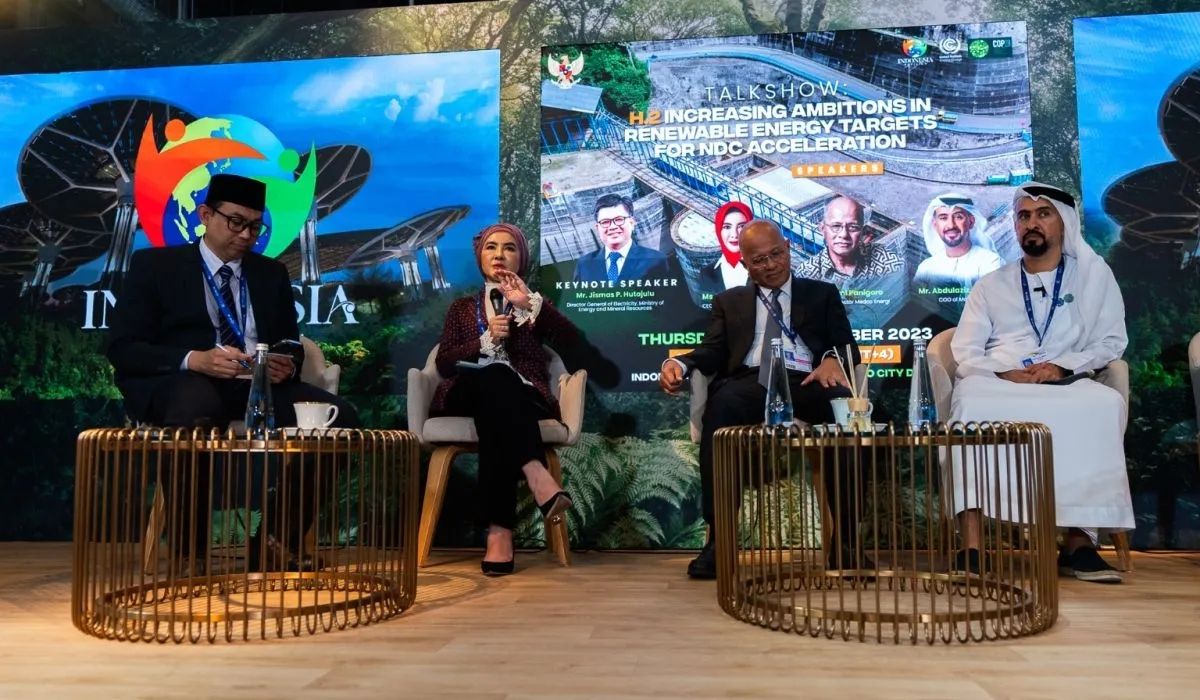
President Director of PT Pertamina (Persero) Nicke Widyawati (second left) during the 2023 UN Climate Change Summit (COP-28), taking place in Dubai, UAE. [Antara / HO-Pertamina]

In a discussion session at the Indonesian Pavilion, Widyawati explained that Indonesia faces an energy trilemma with three main issues: energy security, equality, and sustainability. To deal with these three issues, Pertamina has developed three comprehensive strategic initiatives: decarbonization of the company’s operations (scope 1), building new low-carbon businesses (scope 2), and implementing a carbon offset program (scope 3).

As a developing country, she said that Indonesia targets stable economic growth where energy catalyzes economic growth. Therefore, as a state-owned enterprise (BUMN), Pertamina places energy security as a top priority. However, Pertamina must manage the balance for energy equality, which includes energy accessibility, affordability, and energy sustainability in reducing carbon emissions in our operations for scopes one, two, and three, Widyawati said.

She said that Indonesia is not ready to switch all fossil fuels to renewable energy, as this would endanger national energy security. Therefore, Pertamina has developed initiatives for managing sustainability while maintaining energy security and strengthening energy equality.

Pertamina must maintain its primary business, oil and gas, because the Indonesian government aims to increase upstream oil and gas production from 700,000 barrels per day to 1 million barrels per day in 2030. But this is done using a green operation method, she said. 

Pertamina is carrying out three initiatives towards energy efficiency, as it is essential and more manageable for reducing emissions. The contribution of energy efficiency to reducing emissions is around 39 percent. That is why we focus on energy efficiency in our operations: upstream, processing, and downstream, Widyawati said. 

Next is methane reduction. Methane can destroy the environment, which is worse than CO2 emissions. That is why we have set a target of a 7.6 percent reduction in methane, with carbon emissions (CO2) reduced by 5.5 percent and flare reduction and its utilization by 16.7 percent, she said. From these three operations through the end of last year, Pertamina successfully reduced 31 percent of emissions in its internal operations.

The second initiative is to increase the development of low-carbon products by producing biofuels. Indonesia is the eighth-largest country with forests, so Indonesia can produce biofuel. With the 35 percent biodiesel (B35) program last year, we reduced around 32 million tons of CO2 annually. We will add more B35 now and introduce the 40 percent biodiesel (B40) next year. Even in our new national energy policy, the target is up to 60 percent biodiesel (B60), Widyawati said.

Pertamina has a bio gasoline program that mixes bioethanol from sugar cane, corn, and cassava into gasoline. Pertamina will start with a bioethanol blending level of 5 percent (E5), and in the Indonesian National Energy Policy, it will gradually increase to a bioethanol blending level of 40 percent (E40). Regarding this biofuel, Pertamina has just launched sustainable jet fuel (Sustainable Efficient Fuel), which is mixed with crude palm oil (CPO).

Therefore, this program is the best option for Indonesia. There are three main benefits. First, we can reduce fuel imports through biofuel. Second, we can reduce emissions. And the third is creating jobs in upstream sectors, Widyawati said.

The third initiative is carbon offsetting. Even though fossil fuels and coal-fired power plants still exist, Pertamina must reduce emissions through carbon capture, utilization, storage, and nature-based solutions (NBS). She said the current capacity to absorb emissions from the global environment is up to 15 percent.

Carrying out these various initiatives, she said, Pertamina faces four challenges. The first is the regulatory framework to accelerate the development of renewable energy. The second challenge is related to technology, as Indonesia needs technology for all its abundant natural resources that can be used to produce energy. The next challenge is financial because Indonesia needs funding, especially for the initial stages of research and development. The fourth challenge is building capabilities and capacity. We believe that we need global collaboration to overcome these challenges, especially from governments, Widyawati said.

The Director General of Electricity, Ministry of Energy and Mineral Resources, Jisman P Hutajulu, invited all stakeholders to encourage the energy transition by utilizing New, Renewable Energy. The development of EBT in this energy transition is for the long term, Jisman said on the sideline of a discussion themed “Increasing Ambitions in Renewable Energy Targets for NDC Acceleration” on Thursday (Nov 30). 

As a leading company in the energy transition sector, Pertamina is committed to supporting the 2060 Net Zero Emission target by continuing to encourage programs that directly impact the achievement of Sustainable Development Goals (SDGs). These efforts align with implementing Environmental, Social, and Governance (ESG) in all Pertamina business lines and operations.

PERTAMINA, https://www.pertamina.com

Media Contact:
Fadjar Djoko Santoso
Vice President, Corporate Communication, PT Pertamina (Persero)
E: fadjar.santoso@pertamina.com 

Partnering with Chevron and Mubadala Energy, Pertamina Geothermal Energy Aims to Explore Geothermal Opportunities in Kotamobagu

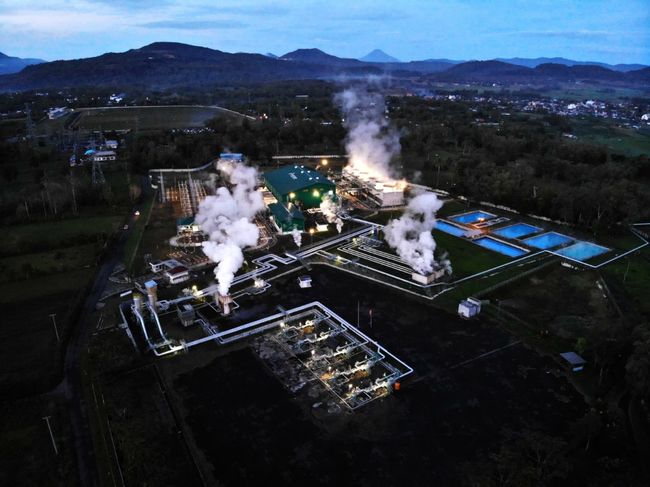
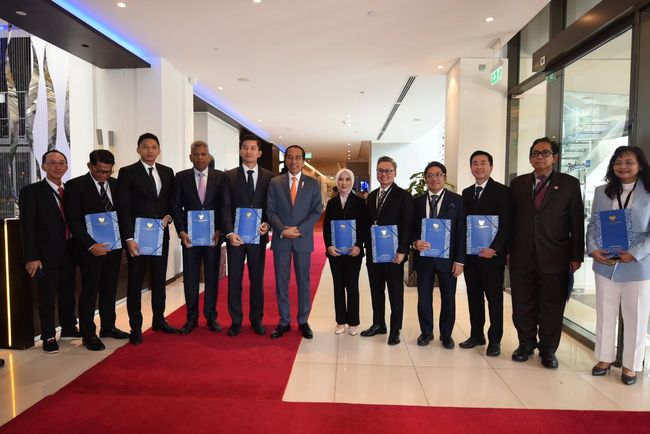
PT Pertamina Geothermal Energy Tbk (PGE) (IDX: PGEO) announced its cooperation with Chevron New Energies International (Chevron) and Mubadala Energy to embark on a Joint Study Agreement (JSA) to explore the geothermal potential in Kotamobagu, North Sulawesi, Indonesia. The JSA was signed during President Joko Widodo’s visit to the United States and witnessed by the Deputy Coordinating Ministry for Maritime & Investment Affairs, Jodi Mahardi , Ambassador of The Republic of Indonesia for United States of America, Rosan Roeslani, President Director & CEO PT Pertamina (Persero), Nicke Widyawati and Country Manager Chevron Indonesia, Wahyu Budiarto.

The JSA aims to capitalize on the companies’ complementary strengths and experience. It will bring together PGE’s experience and scale as the largest geothermal producing company and capacity holder in Indonesia, Chevron’s expansive capabilities as a multinational energy company committed to providing reliable and cleaner energy, and Mubadala Energy’s track record in delivering reliable and efficient energy to Indonesia and commitment to playing an active role in the energy transition as an international energy leader.

The agreement provides a comprehensive framework to conduct a joint study into developing the Kotamobagu Geothermal Working Area (WKP). The agreement is aligned with the Government of Indonesia’s recent announcements targeting the addition of 3.3 gigawatts (GW) of installed geothermal capacity by 2030. Geothermal electricity produced in Kotamobagu may provide clean energy source to feed the domestic market in Indonesia and potentially an input to produce low carbon hydrogen or ammonia.

President Director of PT Pertamina Geothermal Energy Tbk, Julfi Hadi enthusiastically welcomed the JSA cooperation between PGE, Chevron, and Mubadala Energy, “Our Joint Study Agreement this time aims to utilize the complementary strengths of the three parties in developing geothermal in Kotamobagu,” he said.

Wahyu Budiarto, Chevron Indonesia Country Manager said, “This is Chevron’s fifth collaboration with Pertamina and we are excited about the addition of Mubadala Energy in the Kotamobagu WKP. We look forward to bringing into the partnership, Chevron’s technical expertise and new geothermal technologies to explore renewable energy resources to support Indonesia’s energy transition goals.”Mansoor Mohamed Al Hamed, Chief Executive Officer of Mubadala Energy, commented; “With our track record of delivering strategic energy resources in Indonesia for over a decade, we are excited about this partnership with PGE and Chevron to explore the expansion of geothermal energy, an important segment of Indonesia’s clean energy growth ambitions. The opportunity to explore such projects is embedded in Mubadala Energy’s commitment to playing an active role in the energy transition as we continue to support Indonesia’s Net Zero targets.”

WKP Kotamobagu was assigned to PGE Kotamobagu as a subsidiary of PT Pertamina Geothermal Energy Tbk. based on the Decree of the Minister of Energy and Mineral Resources 14.K/EK.01/MEM.E/2022 where WKP Kotamobagu is an area that has a high enthalpy value with a volcanic hydrothermal system located in North Sulawesi Province with an area of 18,530 Ha.

About PT Pertamina Geothermal Energy Tbk.
PT Pertamina Geothermal Energy Tbk. (PGE) (IDX: PGEO) is part of the Power & New Renewable Energy (PNRE) Subholding of PT Pertamina (Persero) which is engaged in geothermal exploration, exploitation and production. PGE currently manages 13 Geothermal Working Areas (WKP) and 1 Assigned Working Area with an installed capacity of 1,877 MW, of which 672 MW is operated and managed directly by PGE and 1,205 MW is managed under a Joint Operation Contract scheme. The installed geothermal capacity in PGE’s working areas contributes around 80% of the total installed geothermal capacity in Indonesia, with the potential to reduce CO2 emissions by around 9.7 million tons of CO2 per year.

As a world class green energy company, PGE aims to create value by maximizing end-to-end management of geothermal potential and derivative products and participating in the national and global decarbonization agenda to support Indonesia net zero emission 2060. PGE has excellent ESG credentials with 13 Gold PROPER awards from 2011 to 2022 in the Ministry of Environment and Forestry’s highest environmental compliance award for ESG Rating & Engagement.

About Chevron
Chevron is one of the world’s leading integrated energy companies. We believe that affordable, reliable and cleaner energy is essential to achieving a more prosperous and sustainable world. Chevron produces crude oil and natural gas; manufactures transportation fuels, lubricants, petrochemicals and additives; and develops technologies that enhance our business and industry. We focus on reducing the carbon intensity of our operations and growing low-carbon businesses alongside our traditional business lines. For more information, please visit www.chevron.com .

About Mubadala Energy
Mubadala Energy is an international energy company, headquartered in Abu Dhabi. With a diversified portfolio of operated and non-operated assets spanning 11 countries, its primary geographic focus is in the Middle East and North Africa, Russia and Southeast Asia.

Mubadala Energy is a wholly-owned subsidiary of Mubadala Investment Company, which is owned by the Government of Abu Dhabi. The company’s portfolio is around 66 per cent gas, with a working interest production in 2022 of approximately 500,000 barrels of oil equivalent per day. 

In line with Mubadala Energy’s commitment to play an active role in the energy transition, the company is expanding across the gas value chain and actively pursuing opportunities in new energy sectors. For more information, please visit www.mubadalaenergy.com 

For more information, contact:
PT Pertamina Geothermal Energy Tbk
Muhammad Taufik
Manager Corporate Communication & Stakeholder Management
PT Pertamina Geothermal Energy Tbk
muhammad.t@pertamina.com 

Chevron
Mr. Cam Van Ast
External Affairs Advisor
Chevron Asia Pacific
cameron.vanast@chevron.com 

Ms. Ferita Damayanti
Corporate Affairs Manager
Chevron Indonesia Business Unit
Ferita@chevron.com 

Mubadala Energy
Mr. Paul Slinger,
Vice President of Communications
paul.slinger@mubadalaenergy.com 

B20 India Summit: MSMEs Need Access to Funding and Technology to Accelerate Energy Transition

The energy transition in Indonesia must involve MSMEs, which play a significant role in Indonesia’s economic growth. Thus, access to funding and technology is necessary for MSMEs to fully perform their roles as providers of community needs and job opportunities, enabling rural communities to increase their income.

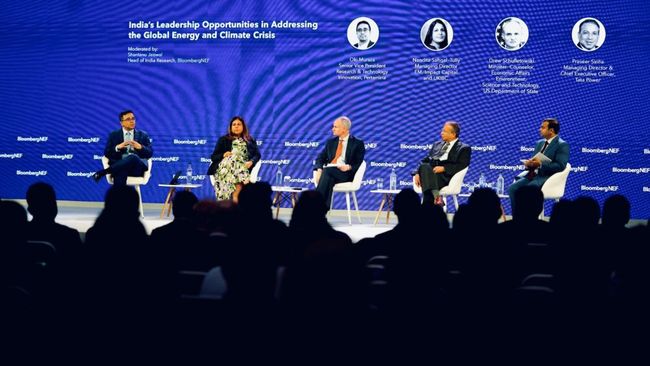
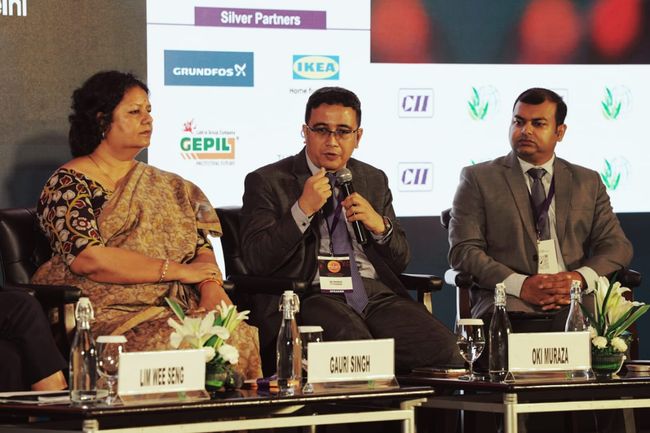
Oki Muraza, Senior Vice President, Research & Technology Innovation at PT Pertamina (L), during the Sustainability Summit B20 held in New Delhi, India (8/24). (Image: Pertamina)

In his presentation at the BNEF forum in New Delhi on August 24, 2023, Oki Muraza, Senior Vice President of Research & Technology Innovation of Pertamina, emphasized MSME involvement’s importance in Indonesia’s energy transition. He stated that community participation is vital in supplying the raw materials for low-carbon energy development. This process also creates job opportunities for the public while corporations benefit from carbon credits.

“The challenge lies in providing capital or funding and technology access to MSMEs, allowing them to effectively contribute to the energy transition and benefit both the community and corporations,” said Oki.

As a developing country rich in natural resources, Indonesia encourages developed nations to provide funding to developing countries, enabling them to develop technology and its implementation with the assistance of countries that possess resources.

“Currently, there is a global economic gap between highly developed and developing nations. Highly developed countries have a GDP per capita of over USD 50,000, while developing countries like Indonesia have a GDP per capita of under USD 5,000. We hope this Capital Flow serves as a form of CBDR (Common but Differentiated Responsibilities),” added Oki.

Oki explained that by involving MSMEs in this energy transition, Indonesia aims to combine international aid, creating job opportunities for the public and benefiting companies in expediting the energy transition.

“We hope that the energy transition in Indonesia can serve as a role model for involving communities, generating employment opportunities, increasing rural incomes, and achieving a Nature-Based Solutions-guided energy transition,” Oki stated.

Vice President of Corporate Communication of Pertamina, Fadjar Djoko Santoso, highlighted that MSMEs are the backbone of the national economy and a significant source of employment, underscoring their vital role in accelerating the energy transition.

“Pertamina has initiated the Desa Energi Berdikari program in 52 regions to provide access to renewable energy for MSMEs and communities, enabling them to become energy-independent,” stated Fadjar.

Pertamina, as a leading company in the energy transition, is committed to supporting the Net Zero Emission 2060 target by continuously promoting programs that directly impact the Sustainable Development Goals (SDGs) achievement. All these efforts align with Environmental, Social & Governance (ESG) implementation across all Pertamina’s business lines and operations.

Media Contact
Fadjar Djoko Santoso
Vice President of Corporate Communication
PT Pertamina (Persero)
M.: +62 813-2063-0765
E.: fadjar.santoso@pertamina.com

Pertamina’s Steps in Facing Global Energy Challenges

After the severe impact of the Covid-19 pandemic, the world is once again confronted with geopolitical tensions in Eastern Europe, giving rise to new challenges such as price volatility, supply scarcity, security issues, and economic uncertainties that contribute to the global energy crisis.

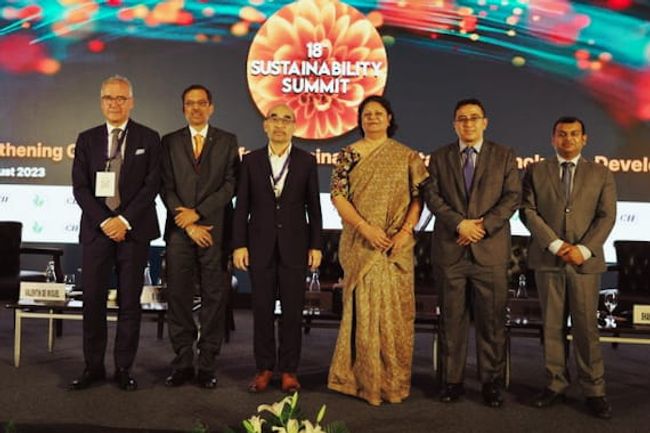
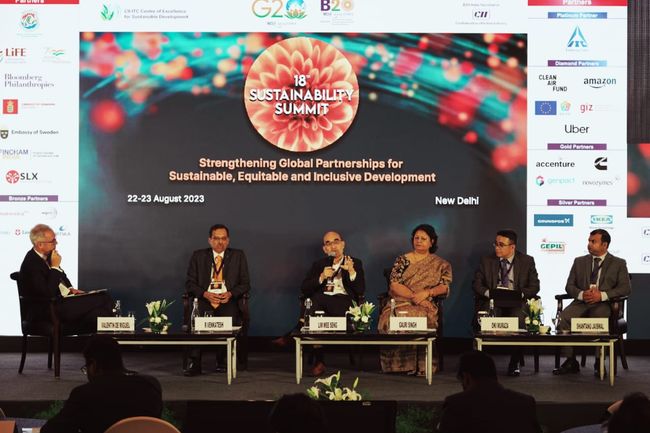
Oki Muraza, Senior Vice President, Research & Technology Innovation at PT Pertamina (2-L), during the Sustainability Summit B20 held in New Delhi, India (8/22). (Image: Pertamina)
Oki Muraza, PT Pertamina, explained that political tensions in Europe have led to dangerous increases in energy prices, posing a threat to energy security and resilience in countries like Indonesia.

Oki Muraza, Senior Vice President, Research & Technology Innovation at PT Pertamina (Persero), explained that the political tensions in Europe have led to dangerous increases in energy prices, posing a threat to energy security and resilience in Indonesia.

“So, we must strive to enhance our energy resilience while working to achieve sustainability goals. How can we reduce emissions and increase the volume of green energy businesses, environmentally friendly electricity, and more,” said Oki Muraza during the Sustainability Summit B20 held in New Delhi, India (8/22).

According to Oki, before the geopolitical crisis, Europe was one of the leaders in transitioning toward sustainability. However, with the decline in energy security, where Europe is once again importing energy sources like coal, there’s a shift in the energy mix that affects the world.

To anticipate this, developing countries like Indonesia and India with lower incomes should collaborate with advanced nations, primarily in capital or financing.

“Collaboration is crucial to address this issue. We have some examples, such as partnering with Japan for CO2 Injection in the Jatibarang field and later in the Sukowati field. Pertamina will continue to expand collaborations, involving substantial international funding, to support the energy transition in Indonesia,” he added.

Furthermore, Oki emphasized that technology development is key in the energy transition, as it improves economic viability. Within the Pertamina Group, there are eight initiatives divided into three blocks.

Firstly, Pertamina’s efforts to generate green energy, sourced from geothermal power, reached 672 Megawatts under its management and 1.2 GW in partnership. Besides producing environmentally friendly electricity, Pertamina in the geothermal fields is also developing Green Hydrogen, which holds great potential for export markets.

Secondly, Variable Renewable Energy, such as solar PV, changes over time. These variable RE sources should be integrated with the Grid and Energy storage, commonly known as batteries.

The third block involves harnessing the abundant energy resources in Indonesia, such as rainfall, solar radiation, and biomass. These resources are processed simultaneously. Some could become vegetable oil, green diesel, or bioethanol mixed with gasoline.

“How can we refine them into lower-emission fuels, utilizing the current infrastructure with lower emissions,” Oki explained.

In line with this, Valentin de Miguel, Senior Managing Director of Growth & Strategy Lead Growth Market, explained to address global energy challenges, developing countries must earnestly focus on implementation and execution.

“Therefore, it’s imperative to drive innovation, research, and analysis of alternative fuel technology reliability, like hydrogen, ammonia, and especially carbon capture. These three major technologies are essential for progress,” Miguel stated.

Pertamina, as a leading company in the energy transition, is committed to supporting the Net Zero Emission 2060 target by continuously promoting programs that directly impact the Sustainable Development Goals (SDGs) achievement. All these efforts align with Environmental, Social & Governance (ESG) implementation across all Pertamina’s business lines and operations. www.pertamina.com.

Media Contact
Fadjar Djoko Santoso
Vice President of Corporate Communication
PT Pertamina (Persero)
M. : +62 813-2063-0765
E. : fadjar.santoso@pertamina.com

Pertamina’s Innovations Support Energy Transition in Indonesia

As a state-owned energy company, PT Pertamina (Persero) continues to develop technological innovations for operational decarbonization to support Indonesia’s energy transition. This commitment was emphasized by Oki Muraza, Senior Vice President of Research & Technology Innovation of Pertamina, during his participation in the B20 Sustainability Summit in New Delhi, India, from August 22 to 27, 2023.

Pertamina’s Oki Muraza, Senior Vice President of Research & Technology Innovation, during the B20 Sustainability Summit in New Delhi, India, from August 22 to 27, 2023. [Image: Pertamina]
Oki Muraza explained that Pertamina’s operational decarbonization is focused on Carbon Capture Utilization and Storage (CCUS/CCS) technology development and Biofuel. [Image: Pertamina]

Oki Muraza explained that Pertamina’s operational decarbonization is focused on the Carbon Capture Utilization and Storage (CCUS/CCS) technology development and Biofuel. “Pertamina has the initiative to implement CCS or CCUS through CO2 injection technology, first applied at the Jatibarang Field in West Java. This technology could enhance oil and natural gas production through CO2-EOR while significantly reducing greenhouse gas emissions,” stated Oki.

Oki continued that in addition to carbon capture and utilization technology to support the energy transition, Pertamina is also committed to developing Bio Refineries or Green Refineries to produce more environmentally friendly fuels. ‘These green refineries process renewable raw materials such as palm oil (RBDPO) and used cooking oil (UCO),” he added.

Currently, according to Oki, Pertamina’s operational Bio Refineries include the Cilacap Bio-Refinery and Dumai Bio-Refinery, which produce HVO (Hydrotreated Vegetable Oil), Green Gasoline, and the Plaju Bio-Refinery and Cilacap Bio-Refinery, Green Diesel at the Dumai Bio-Refinery, as well as Green AvturJ2 at the Cilacap Bio-Refinery.

“We also aim to implement bioethanol, using various raw materials, including waste from palm oil such as Oil Palm’s Empty Bunches,” Oki added.

According to Oki, the Covid-19 pandemic and geopolitical tensions have significantly impact global energy price volatility, supply shortages, security issues, and economic uncertainties, causing a shift in the short-term focus of energy transition towards energy resilience.

“While developed countries focus on sustainability, developing countries prioritize energy security and affordability, as they act as catalysts for economic growth,” he conveyed.

Pertamina, as a leading company in the energy transition, is committed to supporting the Net Zero Emission 2060 target by continuously promoting programs that directly impact the Sustainable Development Goals (SDGs) achievement. All these efforts align with Environmental, Social & Governance (ESG) implementation across all Pertamina’s business lines and operations.

Media Contact;
Fadjar Djoko Santoso
Vice President of Corporate Communication
PT Pertamina (Persero)
M. : +62 813-2063-0765
E. : fadjar.santoso@pertamina.com

Pertamina explores energy cooperation in Africa, supports President’s visit

PT Pertamina (Persero) and its sub-holdings have initiated several potential strategic collaborations with several energy companies in Africa, including in the upstream oil and gas sector, infrastructure development, processing refineries, potential downstream product distribution collaborations, and the development of new and renewable geothermal energy.

Kenya: Pertamina Geothermal Energy (PGE) Tbk, signed an MoU with Africa Geothermal International Limited (AGIL) on August 20, for technology development and resource utilization in geothermal.
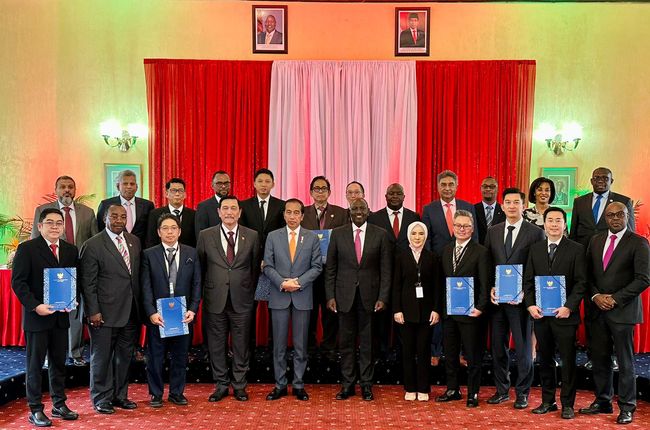
Several collaborations were launched by the Pertamina Group in Africa, along with the visit of the Indonesian President, Joko Widodo, on August 20 – 24, 2023. [Image: Pertamina]

In Kenya, Pertamina, through PT Pertamina Geothermal Energy (PGE) Tbk, signed a Memorandum of Understanding (MoU) with Africa Geothermal International Limited (AGIL) on Sunday, August 20, 2023, for technology development and resource utilization in geothermal. With this collaboration, PGE will have the opportunity to study infrastructure development, implement geothermal technology in Indonesia, and expand geothermal development in Kenya.

“Several collaborations that will be launched by the Pertamina Group in Africa, along with the visit of the President of the Republic of Indonesia, Joko Widodo, on August 20 – 24, 2023, will become one of the mainstays in the energy sector for the country. This collaboration can strengthen cooperation between African countries and globally,” President Director of Pertamina Nicke Widyawati said during her visit to Kenya, Africa, on Monday (21/8).

In the upstream business, the upstream sub-holding subsidiary, PT Pertamina Internasional EP (PIEP), is exploring the potential for cooperation with the National Oil Corporation of Kenya (NOCK). This exploration is the first step for Pertamina’s upstream footprint abroad, strengthening national energy security.

“Spirit brings the barrel home; Pertamina’s footprint in the upstream sector is to increase production so that it can be processed at Pertamina’s domestic refineries,” Nicke said.

Nicke revealed that Pertamina also has opportunities to expand in various energy fields with the government-to-government (G-to-G) collaboration between the Government of Indonesia and the Government of Kenya. This bilateral cooperation also opens investment opportunities and collaboration for Pertamina in the African region.

“We appreciate the role of the government, including the Coordinating Ministry for Maritime Affairs and Investment, the Ministry of Foreign Affairs, and the Ministry of Energy and Mineral Resources, in supporting Pertamina’s expansion efforts on the global stage,” she explained.

Before the visit, Pertamina had a Memorandum of Understanding with GUMA, an African energy company, regarding strategic alliances for potential upstream, midstream, and downstream business projects.

The collaboration includes the exploration and production of oil and gas fields, the development of oil and gas pipelines, and the development of oil and petrochemical refineries. Apart from that, Pertamina also trades petroleum products in Kenya. According to Nicke, cooperation beneficial to the Indonesian state will be prioritized in every collaboration carried out by the Pertamina Group.

“We bring the government’s spirit, the spirit of the 1955 Asian-African Conference. We are now working together on economic development. Pertamina opens opportunities for cooperation in the upstream and downstream sectors, including geothermal in Kenya,” Nicke said.

Meanwhile, Vice President of Pertamina, Fadjar Djoko Santoso, added that Pertamina had brought several sub-holdings to explore the potential for cooperation in Africa. These collaborations will further strengthen national energy security and realize the company’s role as a global energy company. “We are open to all business cooperation opportunities that positively impact Pertamina and the country,” Fadjar said.

Pertamina, as a leader in the field of energy transition, is committed to supporting the Net Zero Emissions 2060 target by continuing to encourage programs that have a direct impact on the achievement of the Sustainable Development Goals (SDGs). These efforts align with implementing environmental, social, and governance (ESG) in Pertamina’s business lines and operations.

Media Contact:
Fadjar Djoko Santoso
Vice President Corporate Communication
PT Pertamina (Persero)
M. : +62 813-2063-0765
E. : fadjar.santoso@pertamina.com

Pertamina to balance energy transition, security in net zero push

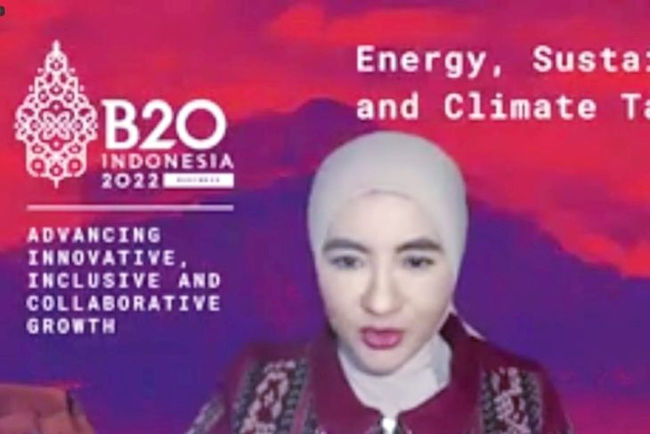
The energy transition process must take place in order to maintain sustainability, chair of the Energy, Sustainability, and Climate Business 20 (TF ESC-B20) Task Force, Nicke Widyawati, has said.

Chair of Task Force Energy, Sustainability, and Climate B20, Nicke Widyawati, during the 4th Task Force Energy, Sustainability, and Cimate Call Meeting of B20 Indonesia 2022 held in Jakarta on Tuesday (May 24, 2022). (ANTARA/HO-Pertamina)

During a “BloombergNEF (BNEF) Net Zero Summit” discussion initiated by the Coordinating Ministry for Maritime Affairs and Investment and the Asia Natural Gas and Energy Association (ANGEA), Widyawati, who is also the CEO and president director of state-owned energy company Pertamina, said that the energy transition process is a part of B20 activities.

During the discussion, she emphasized that the energy transition cannot be achieved in a short time.

“The process requires various kinds of technology, costs, and human resources that can reach the standards of renewable energy,” she explained.

When the energy transition process occurs, the demand for energy will also increase, she pointed out. Thus, energy security on a large scale will need to be maintained.

Widyawati then described several strategies carried out by Pertamina to overcome the challenges faced in balancing efforts to realize the energy transition for sustainability, including net zero emissions, with measures to maintain energy security.

“To achieve net zero emission (NZE) aspirations while maintaining energy security in Indonesia, Pertamina has developed some comprehensive strategies that are delivered through two main pillars and three medium-term strategies,” she informed.

The two main pillars are focusing on decarbonizing business activities and assets and developing new renewable green energy businesses.

Meanwhile, the first of the three medium-term strategies carried out by Pertamina to support NZE realization involves developing its carbon accounting standards to meet national and international standards.

The second strategy involves stakeholder engagement to fully support the achievement of national NZE targets, which will be supported by the company’s long-term investments.

The third strategy involves the company’s environmentally friendly sustainability business initiatives that will focus on biofuels, renewable energy sources, carbon capture storage (CCS/CCUS), batteries and electric cars, hydrogen, as well as self-sustaining carbon businesses.

Moreover, Pertamina has also developed a strategy to support the energy transition by allocating its capital expenditure (capex) for low emission energy and developing new renewable energy (NRE).

“We have set a goal to increase the green business portion in Pertamina’s revenue, which is from 5 percent in 2022 to 13 percent by 2030,” Widyawati said while providing details on the company’s share of capital costs for green energy.

The company has also predicted that its fossil fuel revenues will decline significantly from 86 percent in 2022 to 66 percent by 2040.

Furthermore, she highlighted that the goal of optimizing the capital allocation for green businesses has been coordinated by Pertamina with the government to ensure that the measures taken align with the national energy mix target for new renewable energy.

To balance financing, Pertamina has also made a long-term investment strategy, which has included the allocation of 14 percent of its capex for green energy business activities.

In addition, the company will continue to invest in fossil fuels and petrochemicals as the backbone of its current business in an effort to ensure that the energy transition process does not disrupt energy security.

Apart from the capital investment strategy, Pertamina is also collaborating with various parties to accelerate the achievement of green energy targets.

Contact: Heppy Wulansari, Pjs. Vice President Corporate Communication, PT Pertamina (Persero)
Mobile: +62 811-296-949, Email: heppy@pertamina.com, URL: https://www.pertamina.com
Written by: Yuni Arisandy Sinaga, Editor: Sri Haryati (c) ANTARA 2022

PGE to increase GPP capacity in South Sumatra for NZE

PT Pertamina Geothermal Energy (PGE) expressed readiness to increase the geothermal power plant (GPP) capacity in South Sumatra in a bid to support the realization of net zero emission (NZE) in Indonesia.

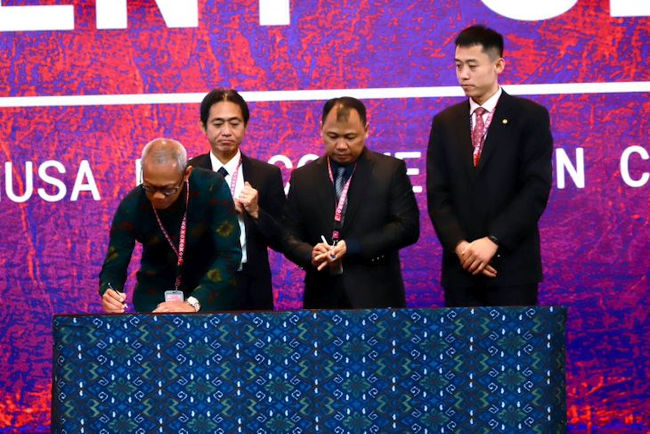
President Director of Pertamina Geothermal Energy (PGE) Ahmad Yuniarto signs an agreement for “Engineering, Procurement, Construction, and Commissioning (EPCC) for the construction of the Fluid Collection and Reinjection System (FCRS) and Geothermal Power Plant at Lumut Balai Unit 2 in South Sumatra” with Mitsubishi, and Sepco/WIKA at the Business 20 (B20) Investment Forum held in Bali on November 11, 2022. (ANTARA/HO-PT Pertamina)

This step to increase the GPP capacity is taken through the inking of an agreement for Engineering, Procurement, Construction, and Commissioning (EPCC) for the construction of the Fluid Collection and Reinjection System (FCRS) and Geothermal Power Plant at the Lumut Balai Unit 2 in South Sumatra.

The agreement signing was conducted by PGE with Mitsubishi Corporation Consortium, PT Wijaya Karya, and SEPCO III Electric Power Construction Co. Ltd on the sidelines of the B20 Indonesia Net Zero Summit 2022 event held in Bali on Friday (November 11).

The project for the construction of FCRS and geothermal power plant in South Sumatra is funded by Japanese Official Development Assistance (ODA) Loans under the Government to Government (G-to-G) Loan scheme with the Government of Indonesia.

The project site is located in the districts of Muara Enim and Ogan Komering Ulu in South Sumatra Province.

The contractual scope of the project will be a turn-key basis on which PGE partners will carry out the design, manufacturing, civil works construction, commissioning, performance testing and warranty for the facility that consists of a Geothermal Power Unit and an FCRS, with a net capacity at high-voltage terminals of 55 Megawatts (MW).

The geothermal facility is designed to be operational for more than three decades and will be operated and maintained by PGE.

The electricity generated from the clean, renewable and environmentally friendly energy facility will be channeled through the installations of the state-owned electricity company PLN, so that it has the potential to increase the number of new residents receiving electricity to reach around 55 thousand households in South Sumatra.

Moreover, the working area at the Lumut Balai GPP Unit has proven to have good-quality environmental management with the achievement of Pertamina Environment Regulation Compliance Assurance (PERCA) and the Blue category for Company Performance Rating Program in Environmental Management (PROPER) from the Ministry of Environment and Forestry.

In accordance with the theme of the 2022 Indonesia Net Zero Summit “Industrial Decarbonization at All Cost,” the effort to increase GPP capacity is one of Pertamina’s concrete measures in supporting sustainable development proclaimed by the Indonesian government.

The effort was also aimed at mitigating the impacts of global warming by reducing carbon emissions in the environment.

Greenhouse gas reductions from the GPP Project at Lumut Balai Unit 1 and 2 are included in the Clean Development Mechanism (CDM) as an implementation of the Kyoto Protocol. It has also been registered with the UNFCCC, with the potential for reducing greenhouse gas emissions of around 581,518 tons of CO2 equivalent per year.

GPP capacity of 55 MW, which will be generated from Unit 2 of the GPP in the province, will increase PGE’s total installed GPP capacity, after earlier some 55 MW generated from the Lumut Balai Unit 1 Project that became operational in 2019.

The new unit will further strengthen PGE’s position as one of the largest players in Indonesia’s geothermal development, with a total installed capacity of 727 MW.

PGE’s President Director Ahmad Yuniarto explained that in carrying out its business, PGE remains committed to the development of geothermal energy and ensures that the implementation of the Environment, Social and Governance (ESG) aspects is an integrated part of the company’s geothermal energy business line.

The implementation of the ESG aspects is the company’s effort to provide added value and to support the national programs related to the use of environmentally-friendly new and renewable energy, especially geothermal energy, he remarked.

PGE’s commitment in developing geothermal energy can contribute to achieving several targets in sustainable development goals (SDGs): Goal No.7 on clean and affordable energy, Goal No.12 on responsible construction and production, Goal No.13 on handling climate change, and Goal No.15 on land ecosystems.

PGE currently manages 13 Geothermal Working Areas, with an installed capacity of +1.8 Gigawatts (GW).

A total of 672 MW of geothermal capacity is operated and managed directly by PGE, and some 1,205 MW is managed under the Joint Operation Contract scenario.

Geothermal energy capacity from power plants in PGE’s working areas contributes 82 percent of the total geothermal energy capacity produced in Indonesia and has the potential to contribute to the reduction of carbon dioxide emissions of around 9.7 million tons of CO2 per year.

Contact: Muhammmad Baron, Corporate Secretary, PT Pertamina Geothermal Energy
Mobile: +62 8 1117 1720, Email: muhammad.baron@pertamina.com, URL: https://www.pertamina.com
Written by: Yuni Arisandy Sinaga, Editor: Fardah Assegaf (c) ANTARA 2022