Brawijaya University drives Malang’s UNESCO Creative City status

Brawijaya University (UB) has revealed its key role in helping Malang City, East Java, earn recognition as a UNESCO Creative City in the field of media arts.
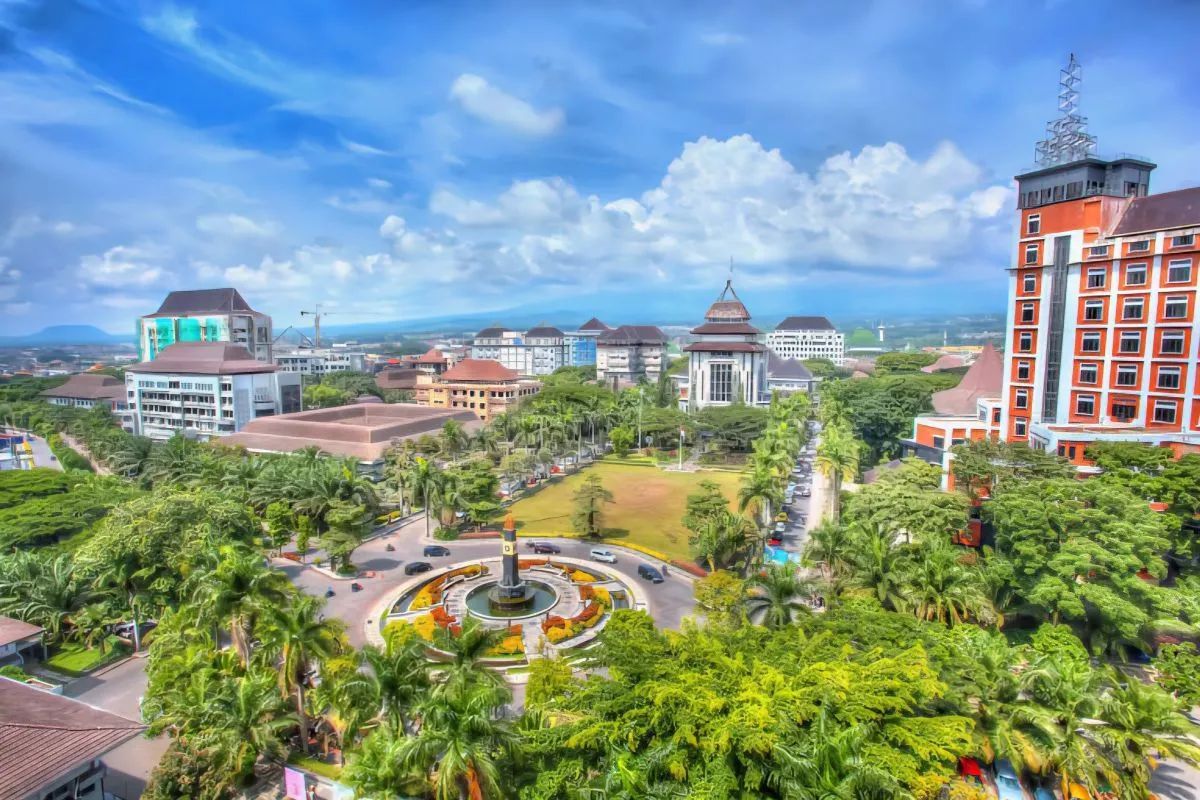
Illustration: An aerial view of Brawijaya University in Malang City, East Java.
(ANTARA/HO-Brawijaya University)

UB Lecturer in Chinese Language and Culture, Yang Nadia Miranti, said the university played a leading role in facilitating the visit of Professor Xiang “Hardy” Yong, UNESCO Chair on Creativity and Sustainable Development in Rural Areas and Dean of the Institute for Cultural Industries at Peking University, to explore Malang’s cultural industry potential.

“UB’s academic diplomacy with Peking University was vital,” Miranti said in a statement that ANTARA released here Saturday. She added that Professor Hardy and UB’s Faculty of Humanities visited several sites in Malang in February 2025 to assess local creative assets.

Professor Hardy, accompanied by UB representatives and Malang municipal officials, toured the Malang Creative Center, Kayutangan Heritage Village, and Polowijen Cultural Village. The visits led to discussions that produced an official recommendation letter, a key document supporting Malang’s nomination to UNESCO.

The letter affirmed Malang’s strong commitment to developing a thriving media arts ecosystem. According to Miranti, the recommendation provided international academic validation for UNESCO’s evaluation committee and opened new opportunities for collaboration with other creative cities such as Changsha in China and Gwangju in South Korea.

Malang’s creativity, she added, reflects a rich blend of Indonesian and Chinese cultural elements seen in its cuisine, arts, and architecture. “Malang embodies the spirit of the UNESCO Creative Cities Network—a place where media arts foster cultural resilience, economic vitality, and social cohesion,” Miranti said.

Professor Hardy also proposed establishing a Media Arts Innovation Council and developing a Media Arts Impact Index in partnership with UB to measure creative cities’ contributions to the Sustainable Development Goals.

UB and Peking University would soon launch a UNESCO Chair Workstation, initiate a student mobility program in 2026, and support Malang’s plans to build sister-city and sister-village partnerships with counterparts in China, he was quoted by Miranti as saying.

For more information please click: https://ub.ac.id
Brawijaya University: https://prasetya.ub.ac.id

Editor : Rahmad Nasution

Copyright © ANTARA 2025
Two new microalgae genera discovered in Indonesian waters

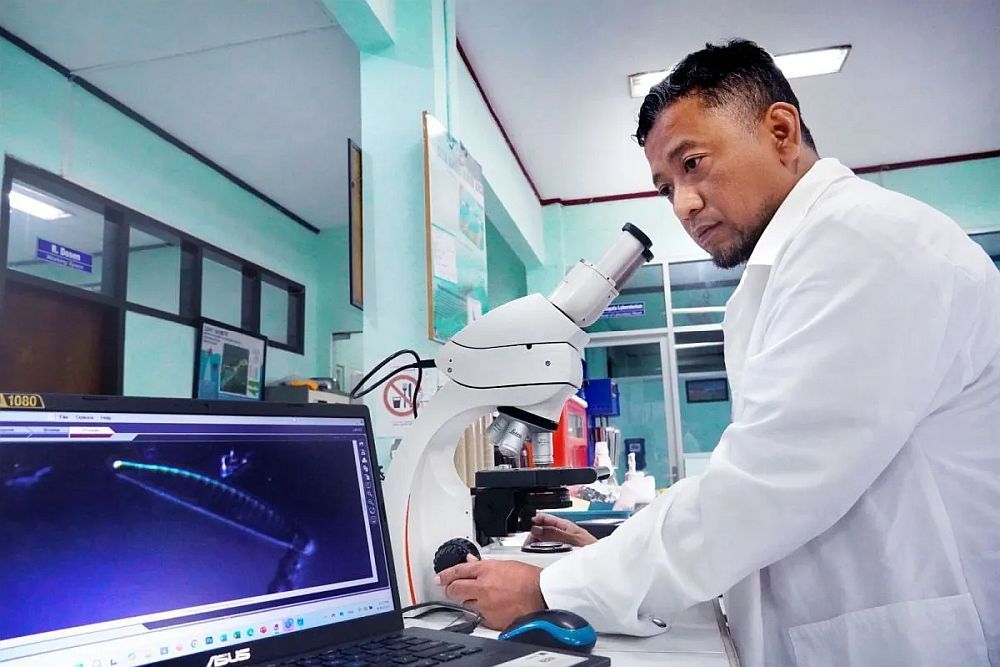
A research team from Brawijaya University (UB) has identified two new microalgae genera in the waters around Bawean Island, Gresik Regency, East Java, and Tomini Bay, Central Sulawesi.Lecturer of the Faculty of Fisheries and Marine Sciences (FPIK) Oktiyas Muzaky Luthfi, S.T., M.Sc. while conducting research on an object. (ANTARA/HO-Humas Universitas Brawijaya)
“The newly identified microalgae genera are Paracatenula and Wallaceago,” head of the research team and lecturer at UB’s Faculty of Fisheries and Marine Sciences, Oktiyas Muzaky Luthfi stated in Malang, East Java, on Friday.

The genus name Wallaceago was chosen to honor Alfred Russel Wallace — a renowned naturalist, explorer, geographer, anthropologist, and expert on species distribution.

Each of the two new genera also includes newly identified species: Paracatenula porostriata and Wallaceago porostriatus.

Discovered near Bawean Island, Paracatenula porostriata is characterized by a circular shell structure with small pores and a flat valve.

Meanwhile, Wallaceago porostriatus, found in Tomini Bay, has valves that are partially diamond-shaped with fine lines on the lower surface.

These discoveries have already been published in an international scientific journal.

In addition to Paracatenula and Wallaceago, the UB team also identified several new species within the genera Catenula and Catenulopsis.

According to a summary of the published journal, four new species were found in the genus Catenula: Catenula boyanensis, Catenula komodensis, Catenula decusa, and Catenula densestriata.

These species were discovered in Bawean Island, Tiga Warna Beach in Malang, East Java, and Tomini Bay, Central Sulawesi.

One more species identified under the genus Catenulopsis was named Catenulopsis baweana.

“We discovered it in Bawean, which is why it is named baweana,” Luthfi explained.

The research and identification process took place from 2021 to 2024, using both light microscopy and scanning electron microscopy (SEM) for morphological analysis.

Researchers explored the diversity of diatoms from sediment and fragments of dead coral in reef environments.

The study involved collaboration with several universities from different countries, including the University of Szczecin and the University of Rzeszów in Poland, as well as the University of Michigan in the United States.

Luthfi emphasized that the discovery is important for sustaining life on Earth, as microalgae not only form the foundation of the food chain but also play a vital role in oxygen production.

“Microalgae are responsible for generating 20 percent of the Earth’s oxygen,” he noted.

He remarked that this discovery provides a foundation for monitoring marine environments, studying tropical aquatic ecology, and conducting paleoecological research.

“This proves that Indonesia’s oceans harbor an abundance of microscopic life that we have yet to fully understand,” he concluded.

For more information please click: https://ub.ac.id
Brawijaya University: https://prasetya.ub.ac.id

Editor : A Malik Ibrahim, Copyright (c) ANTARA 2025

Brawijaya University Lecturer Develops IoT-based Chicken Coop Monitoring System

A Lecturer at the Faculty of Animal Science at Brawijaya University, Danung Nur Adli Spt., MSc., MPt, has developed an integrated chicken coop monitoring system to increase the potential productivity of broiler chickens. The system uses the Internet of Things (IoT) and mobile apps.

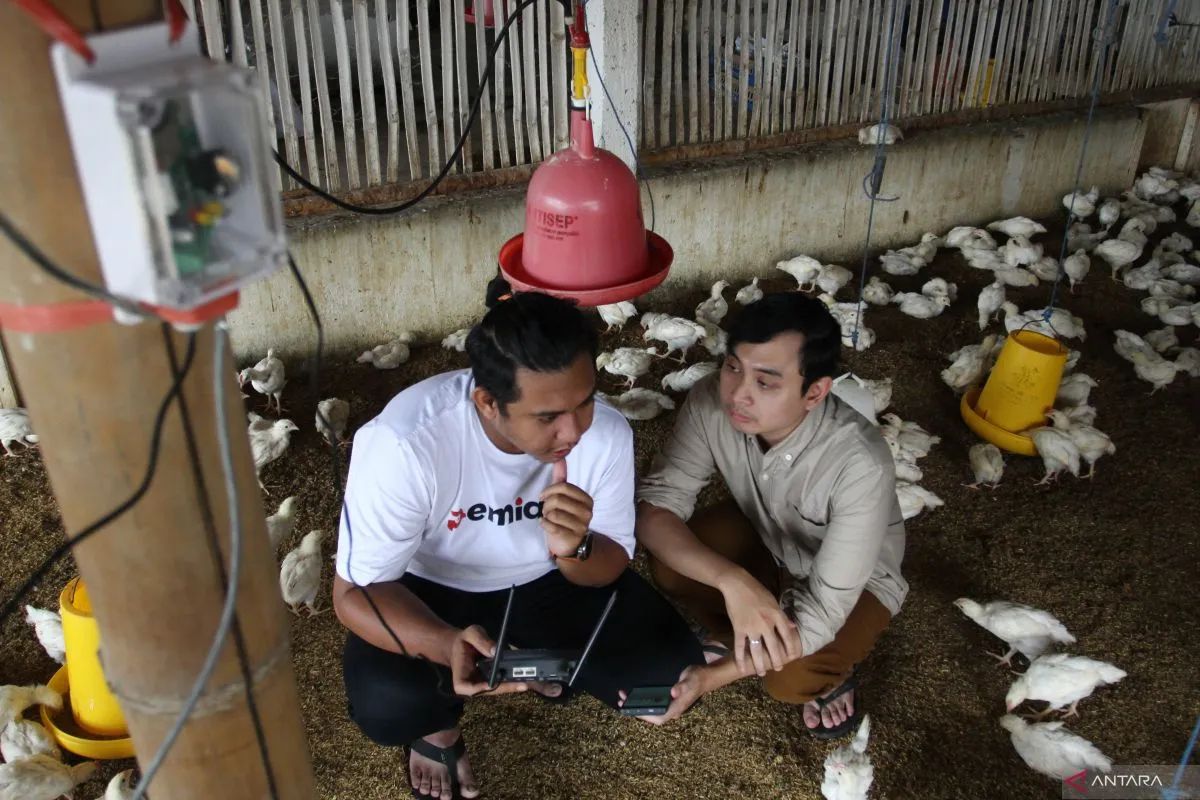
A lecturer at the Faculty of Animal Science at Brawijaya University, Danung Nur Adli (right), explains the functioning of an IoT-based chicken coop temperature monitoring system that he developed, in Malang, East Java, on Tuesday (March 11, 2025). (ANTARA FOTO/ARI BOWO SUCIPTO)
Malang, East Java – Danung Nur Adli (right), a Lecturer at the Faculty of Animal Science at Brawijaya University, explains the functions of his IoT-based chicken coop temperature monitoring system. (ANTARA FOTO/ARI BOWO SUCIPTO)

The innovation was initiated in 2019, when Danung began designing ways to use technology in traditional ‘open’ model chicken coops to develop the economic value of male chicks that are often viewed as waste.

“We didn’t know what to do with the male chicks. They were usually raised to be sold as broiler chickens,” Danung said in Malang, East Java, on Friday. “We have designed a real-time technology service for chickens, whose goal is to increase the productivity of broiler chickens.”

Danung’s IoT-based chicken coop is also designed as an alternative to more sophisticated technologies, such as the TempTron, a temperature and humidity control device. Given the high cost to build a TempTron, which is specifically designed to maintain the stability of temperature and humidity in a closed chicken coop or ‘close’ house, Danung decided to design his innovation for farmers who use traditional open-type coops to raise chicken.

“So, we designed a microcontroller, then a sensor that works using a modem to transmit data about temperature and humidity,” he said. “Chickens eat less when the air temperature is high. This requires a quick decision. If too late, it can affect their immunity, raising the potential to get sick, while the increase in cells per body weight also decreases,” he explained.

The mechanism allows each farmer to get real-time data on the temperature and humidity in their chicken coops within an estimated two to three minutes via their mobile phone.  Using the data, farmers can immediately take corrective action. For example, if the air temperature is hot, they can provide drinking water or nutritional intake to their chickens.

In 2024, Danung’s system received a funding grant for further development from Brawijaya University. His design also caught the attention of Communication and Digital Affairs Minister Meutya Hafid when she visited the East Java campus some time ago.

Currently, Danung’s chicken coop system is being used at several farms in Malang Regency, such as in Karangploso and Singosari. The innovation for livestock has received a positive response from chicken farmers as well, especially those from the millennial generation.

For marketing the system, Danung is collaborating with Luthfan Bayu Zulkarnaen, a colleague and co-founder of Pemiara.id, a supplier of male chickens. “Bayu also helps to report on temperature developments, and provides input on what corrective actions to take,” Danung said.

For more information please click: https://ub.ac.id
Brawijaya University: https://prasetya.ub.ac.id

Editor: Primayanti, Copyright (c) ANTARA 2025

Brawijaya University develops data system for climate change monitoring

Brawijaya University collaborated with several international institutions to develop the Magnetic Data Acquisition System (MAGDAS) to monitor climate change globally and mitigate disasters in the future.

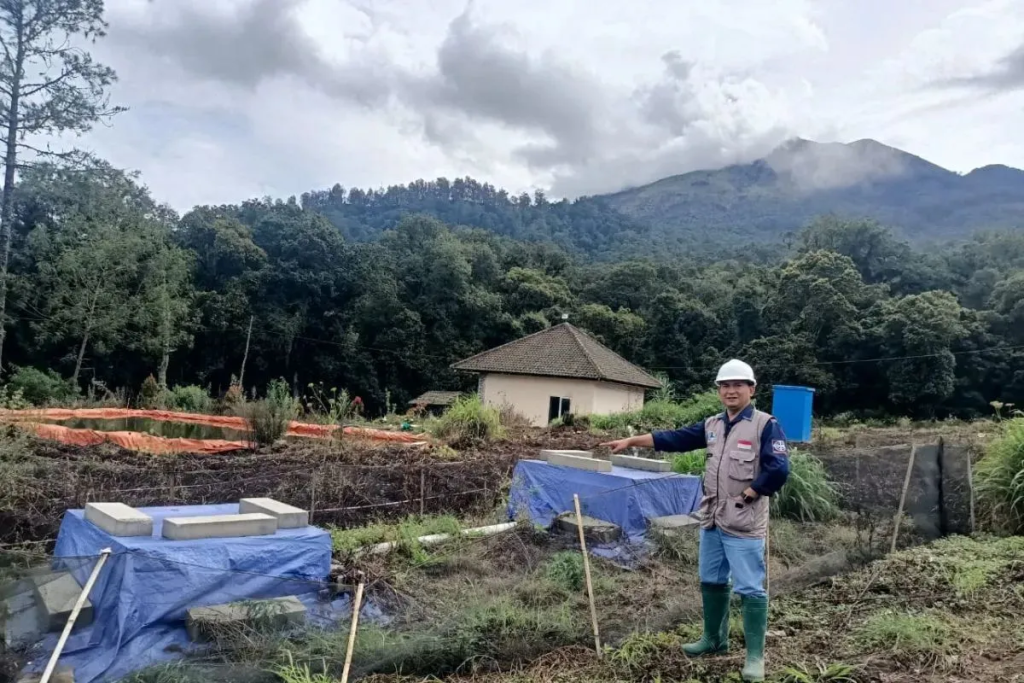
Disaster mitigation and natural resource exploration expert from Brawijaya University, Prof. Sukir Maryanto, in the MAGDAS Cangar Station in East Java. (ANTARA/HO-Brawijaya University)

Some institutions partaking in this initiative include the International Research Center for Space and Planetary Environmental Science (i-SPES) from Kyushu University in Japan, the National Research Institute of Astronomy and Geophysics (NRIAG) of Egypt, and several universities in Malaysia.

Disaster mitigation and natural resource exploration expert from Brawijaya University, Prof. Sukir Maryanto, explained that one of the data system stations is located in the Volcano & Geothermal field laboratory in the Agro Techno Park Cangar Complex, Sumberbrantas Village, Batu City, East Java.

“It will be developed to mitigate tectonic and volcanic earthquake disasters,” he noted in a statement on Thursday (Dec 5).

Construction for the Cangar Station, which is the collaboration between BRAVO GRC, Brawijaya University, and i-SPES Kyushu University, began in March 2024.

The installation of this data system involved a team from Kyushu University and two scientists from Egypt, with one acting as a researcher at i-SPES and the other a partner from the NRIAG in Egypt.

Later, after becoming fully functional, the MAGDAS in Cangar Station will be integrated with a system network centered at Kyushu University, Japan, Prof. Sukir added.

“The construction of the MAGDAS station in Cangar has a significant impact on research and collaboration both at the national and international levels,” he remarked.

The plan is that in March 2025, an induction-based magnetometer sensor developed by Nagoya City University, Japan, will be installed on the recommendation of the MAGDAS host at Kyushu University.

Currently, two new devices have been installed at Cangar Station, including the 3D Fluxgate Magnetometer from i-SPES Kyushu University and a seismic sensor from BRAVO GRC Brawijaya University.

The seismic sensor functions to detect seismic waves that occur on Earth.

Prof. Sukir expressed hope that these two parameters can be studied in an integrated manner at Cangar Station so that science can be developed to connect phenomena on Earth and in space.

“The new magnetometer sensor will be installed side by side with the existing MAGDAS and seismic sensors,” he explained.

“Data from magnetic and seismic sensors need to be studied intensively because phenomena on the ground and phenomena in the air are not necessarily the same,” he pointed out.

Sukir also showed real-time recordings from MAGDAS in Cangar, which include data from Peru, Japan, the Philippines, and Malaysia, as well as various magnetic components with different variations.

For more information, please click: https://ub.ac.id
Brawijaya University: https://prasetya.ub.ac.id 

Editor: Yuni Arisandy Sinaga, Copyright (c) ANTARA 2024

Brawijaya University Prof Develops Early Harvest, High-yield Corn Seeds

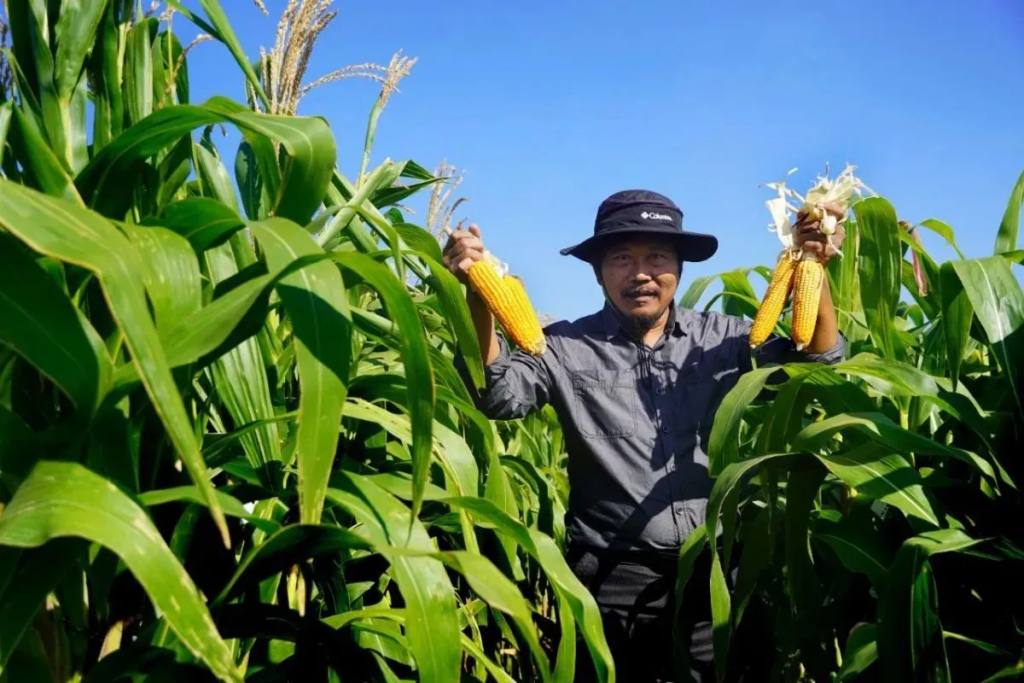
An expert from the Faculty of Agriculture of Brawijaya University, Prof Arifin, has developed hybrid corn seeds for animal feed that have a higher yield and faster harvest cycle.

“If the average corn productivity is only 9 tons per hectare, using Brawijaya Nusa corn seeds could lead to a productivity increase of over 30 percent,” Arifin explained to the media on Friday. Two types of hybrid seeds, namely Nusa 1 and Nusa 3, have been developed as part of the innovation. Both have higher productivity compared to regular corn seeds.

“Brawijaya Nusa corn seeds can produce up to 12.9 tons (of corn) per hectare and 13.7 tons per hectare compared to corn seeds in general, which are only 9 tons per hectare,” he said. Initially, five types of seeds were proposed, but only two passed the release test by the Ministry of Agriculture. The seeds were found suitable for dry land areas, such as in NTT, particularly Sumba and Timor.

“NTT has the potential for growing corn, but its current productivity is significantly low. To meet the national average of 5.8 to 5.9 tons per hectare in the next few years, productivity is needed as it currently stands at only 2.3 tons per hectare.,” he pointed out. Therefore, the innovative technology from the Maize Research Center (MRC) is expected to boost the national production of corn for animal feed.

The development of hybrid seeds commenced in 2022 in NTT. Following this, Arifin and his team implemented the technology for seed production and cultivation among the local farmers. This year, the farmers started to see added value from the field corn seeds.

Arifin emphasized the importance of partnering with the private sector to ensure the successful management of business operations involving seeds, varieties, and technology developed by the university. He highlighted the need to engage farmers in this collaboration for effective management.

He added that the corn developed in NTT is a sweet and glutinous type of field corn. “We refer to it as field corn because 70 percent of it is used for cattle feed, but that doesn’t mean it’s unsuitable for human consumption. Similar to people in Africa, Indonesians rely on corn as a staple food, particularly in Madura and the eastern regions of the country,” he explained.

For more information, please click: https://ub.ac.idr 
Brawijaya University: https://prasetya.ub.ac.id 

Editor: A Malik Ibrahim, Copyright (c) ANTARA 2024

Brawijaya Academic makes Mulch from Banana Waste and Water Hyacinth

Dr Rita Parmawati, a lecturer from the Faculty of Agriculture of Brawijaya University has developed an organic mulch tape made from banana waste, water hyacinth, and paitan leaves (Crotalaria sp). The mulch tape can prevent weed growth and reduce soil surface evaporation rate.

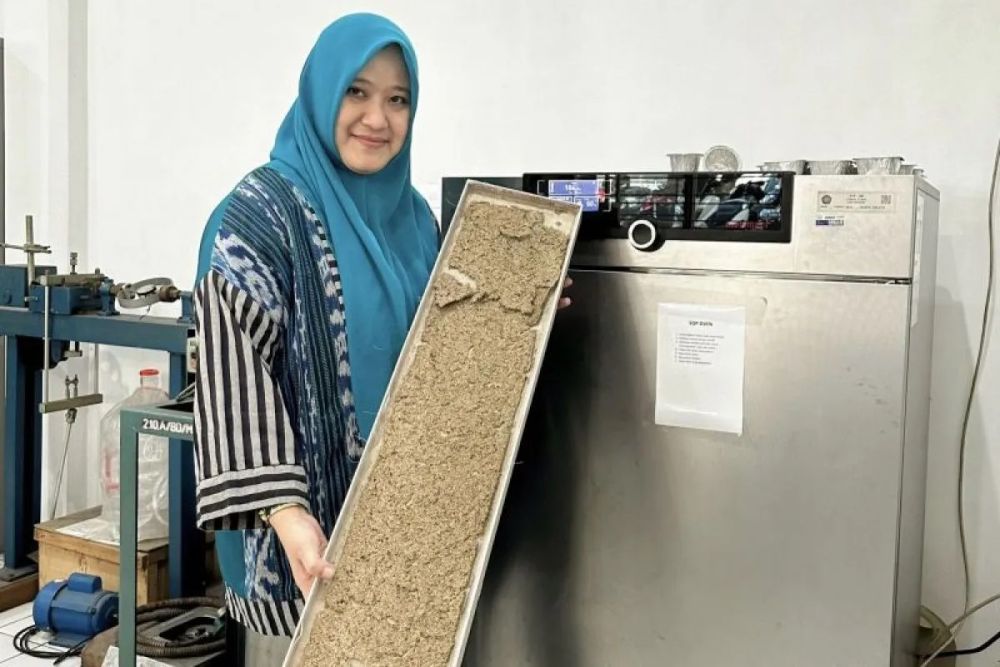
lecturer from the Faculty of Agriculture of Brawijaya University, Dr. Rita Parmawati, SP, ME, IPU, IPU, ASEAN Eng. (ANTARA/HO-Universitas Brawijaya)
Brawijaya lecturer Dr Rita Parmawati, SP, ME, IPU, ASEAN Eng, with the organic mulch tape from banana waste, water hyacinth and paitan leaf. (ANTARA/HO-Universitas Brawijaya)

“Organic mulch tape is a technology that replaces plastic mulch, which is considered environmentally unfriendly because it cannot decompose properly. The disadvantages of using plastic mulch are reduced plant growth and yields, increased pest attacks, greater microplastic contamination, waterlogging, loss of soil structure, and reduced activity of soil microorganisms,” explained Dr Parmawati.

According to the lecturer, the new technology will be applied when the second planting season approaches in Malaka District, East Nusa Tenggara (NTT), which has abundant banana waste. “We utilize this banana waste together with water hyacinth and paitan leaves to be crushed, chopped, and moulded into a 25-centimetre-wide sheet,” she said.

She explained that mulch tape suppresses weed growth and reduces surface evaporation by up to 40 percent. When exposed to the sun, the organic mulch tape decomposes into fertilizer.

The process of applying the mulch tape is currently being carried out on a laboratory scale. It is at the socialization stage with the Regent of Malaka Regency, several farmer groups, and heads of departments in Malaka District.

Malaka District was chosen to apply the organic mulch tape technology because, according to Statistics Indonesia (BPS) data, it has low agricultural growth. Rice productivity in the area decreased from 2020 to 2022 due to issues in the supply of rice seeds and other problems involving weeds, evaporation, soil temperature, and irrigation systems.

“We will go to Malaka at the end of July. To make mulch tape for 10 hectares of land, we are working with the PT Widjaya Teknik Indonesia (Witech) factory,” she explained.

To ensure the technology’s sustainability, the local community will be helped in making organic mulch tape, starting with the introduction of materials, chopping, making tape pulp, drying, and pressing.

For more information, please click: https://ub.ac.id

Brawijaya University: https://prasetya.ub.ac.id

Editor: Azis Kurmala, Copyright (c) ANTARA 2024

Brawijaya University researcher develops honey-processing tech

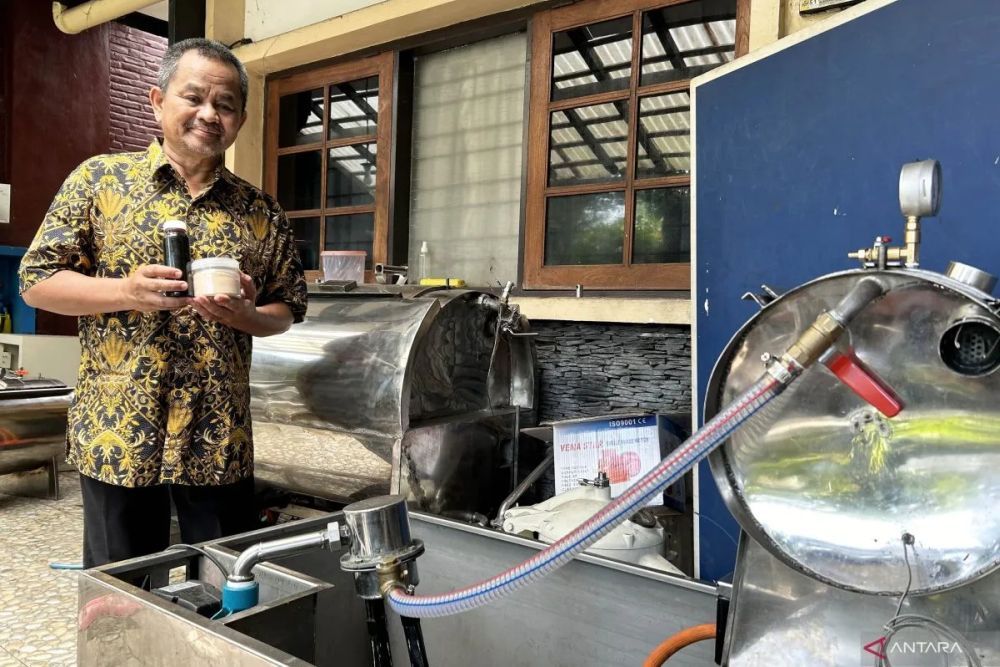
A researcher from the Faculty of Agricultural Technology of Brawijaya University, Anang Lastriyanto, has developed a technology for processing honey that is expected to provide added value to the product.

A researcher from the Faculty of Agricultural Technology of Brawijaya University, Anang Lastriyanto, with honey and powdered honey produced with the technology he developed, in Malang city, East Java, on Wednesday (April 3, 2024).
Anang Lastriyanto, a researcher from the Faculty of Agricultural Technology, Brawijaya University, produces honey and powdered honey with technology he has developed. (Image: ANTARA FOTO, 16/Apr/24)

According to Lastriyanto, his research took 3.5 years to produce powdered honey through an integrated process. “Not many people can create this technology on how to process honey into powder,” he says.

The first stage of the research, which was funded by the Indonesia Endowment Fund for Education Agency, involved developing the initial steps for the honey-processing process and producing a prototype of the tools used.

In the first year, honey was processed using pasteurization and rapid cooling or vacuum cooler methods, he informed. The development of the honey-processing process continued in the second year with the aim of increasing production to an industrial scale.

To increase production, pasteurization was used in processing, but the end product contained foam, indicating that the honey was not of good quality. “Honey becomes foamy when heated, so quality assurance and processing time are not necessarily guaranteed,” he explained.

However, Lastriyanto said, through rapid cooling after pasteurization, the problem of foam production during heating was resolved. In addition, the water content in the processed honey was reduced.

Thus, in the two years of research a number of processes were introduced, starting with pasteurization, rapid cooling, foam removal, and water content reduction. The four processes were integrated into a honey-processing technology, or “4 in 1” process.

“4 in 1 is a process of heating, cooling quickly, removing foam, and reducing water,” he said. He explained that in the third year of the technology’s development, the focus was on producing powdered honey, of which the most important process is formulation.

“In the process of (making) powdered honey, the most important thing is the formulation. We are targeting this formulation for acacia honey. Because breeders of acacia forest honey are facing hardship to market their products since prices have fallen,” he said.

The formulation process was carried out through a gradual process of research and evaluation of results. The formulation, which is currently being patented, was then continued with the heating process of the formulated honey.

Once heated, the mixture expands and then dries into lumps. The chunks are cooled, and then ground into powdered honey. “When exposed to heat, the mixture expands. The honey is protected by the (formulated) ingredients and becomes encapsulated,” he said.

Ultimately, in the course of his 3.5-year research, Lastriyanto managed to produce integrated processed honey, powdered honey, as well as a machine to process honey.

In the long term, powdered honey is expected to become a raw material for the industrial sector, both for domestic and international markets. The final product can also be used to supply needs in countries in Africa and Southeast Asia.

Brawijaya University: https://prasetya.ub.ac.id
Written: Vicki Febrianto/Yashinta Difa, Editor: A Malik Ibrahim, COPYRIGHT © ANTARA 2024

Brawijaya Academic develops DAD App to promote safety at Indonesian Rail Crossings

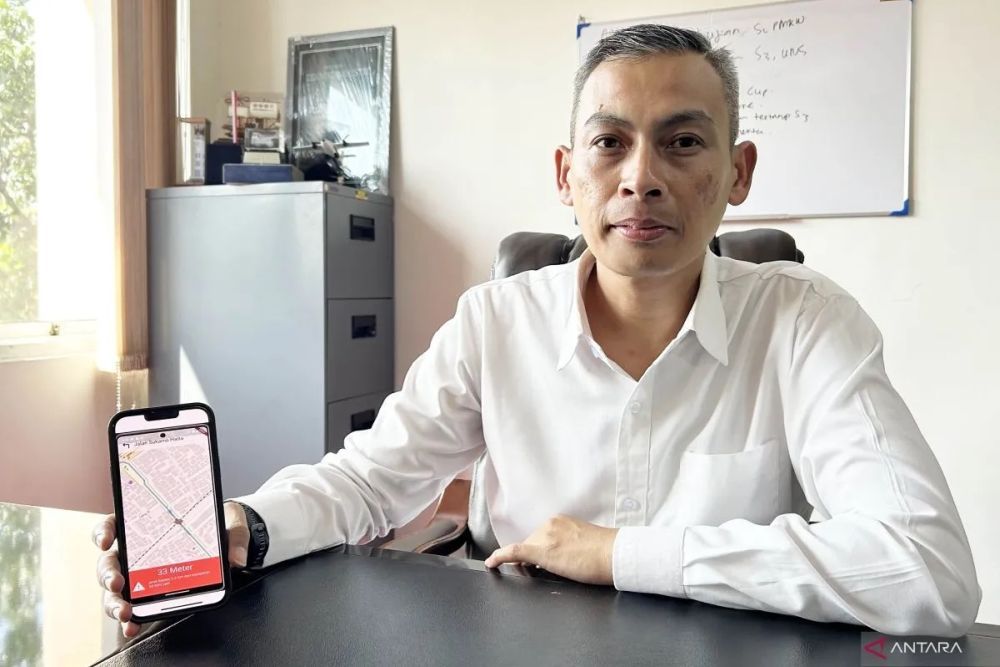
Brawijaya University‘s Prof. Sugiono has developed an application to address safety at public railway crossings in Indonesia. The Double Awareness Driving (DAD) App, which can run on both visual and audio maps, has been developed to increase ‘double awareness’ of crossing safety – for drivers of motor vehicles on the one side, and drivers of trains on the other.

Professor Sugiono shows his Double Awareness Driving (DAD) application, created to raise a ‘double awareness’ of safety for drivers at rail crossings in Indonesia. [IMAGE: ANTARA]

“We want to build awareness in two directions. So far, such a ‘double awareness’ solution, if I may say so, is still partial,” said Prof. Ir. Sugiono, ST., MT., Ph.D., Professor of Transport Ergonomics at Brawijaya’s Industrial Engineering Department.

In the first stage, the DAD App will serve drivers as well as pedestrians at certain railway crossings, especially those without gate barriers. The App works like Google Maps, providing information to travelers on the railway crossings they will encounter from the beginning of their journey until they arrive at their destination.

“For example, the App user will receive optimal route information from point A to point B, along with the railway crossings that he will cross on the route,” said Sugiono. Based on this information, drivers and pedestrians can remain alert and careful at railway crossings, he said, particularly at rail crossings without gates.

Besides providing information on routes and crossings at the start of a journey, the App processes information in real-time. “500 meters before the crossing, the alert is still green. Then, 500-100 meters approaching the crossing, it will become yellow, and at 100 meters, it will be red and sound an alarm. This increases awareness when crossing,” he said.

In the second stage, the DAD App will not only increase awareness among motorists but will be implemented for train operators as well. “The App’s next stage is intended to improve on the existing solution, which focuses on the crossing area. Train operators have not yet been comprehensively involved,” said Sugiono.

According to the Professor, train operators will benefit from real-time information for the crossings they will pass. Presently, operators rely on orders or signal lights when entering a crossing. “Operators also need information, as they base duties on the signal. With DAD, the operator can make decisions when conditions are dangerous,” he said.

The ultimate goal of the DAD App is to form an Early Warning System. Currently, the University is in the process of patenting the application, which in future will be offered for integration into Google Maps. “If we cooperate with Google Maps, it will be easier as they use satellites, so even without an internet network, our App will be okay,” he said.

In 2022, the number of accidents that occurred at railway crossings reached 289, as many as 6.02 incidents some weeks. Based on Brawijaya’s records, there are 2,259 crossings in Indonesia without crossbars or officers, with as many as 87 percent or 251 accidents occurring at these unmanned crossings. DAD’s efforts are expected to reduce these numbers.

About Brawijaya University
Universitas Brawijaya (UB) was established by the President of the Republic of Indonesia in 1961, transforming into a state university in 1963. Today UB is one of the leading universities in Indonesia with more than 60,000 students in various vocational, bachelor, master, doctoral, professional, and medical specialist programs. Learn more at https://ub.ac.id/.

By Vicki Febrianto and Yashinta Difa.
Edited by Azis Kurmala.
Copyright (c) ANTARA 2023.

Indonesia’s first 8K uncompressed video conference inaugurates 100 Gbps network for education at UB-Universitas Brawijaya

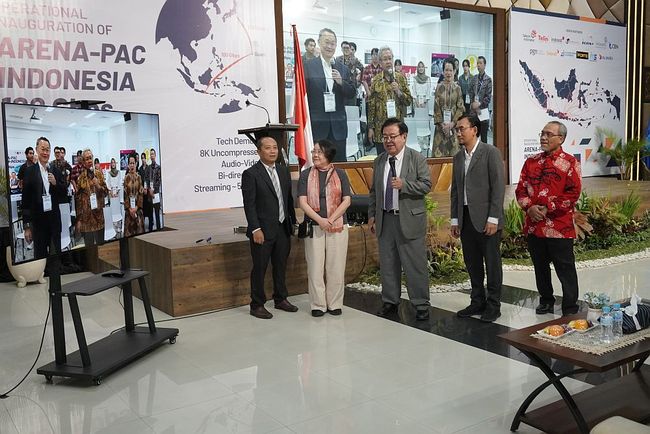
Universitas Brawijaya (UB), the Arterial Research and Educational Network in the Asia Pacific (ARENA-PAC) and Indonesia Research and Education Network (IDREN) held a ceremony at UB in Malang, East Java, to mark the operation of a 100 Gbps high-speed network for education in Indonesia on August 9.

Universitas Brawijaya (UB), Arterial Research and Educational Network in the Asia Pacific (ARENA-PAC) and Indonesia Research and Education Network (IDREN) held a ceremony to mark the operation of a 100 Gbps high-speed network for education in Indonesia on August 9, 2023.

The ceremony also connected to a remote venue in Keio University, Japan, using an uncompressed 8K video conference, marking the first such ultra-high resolution video conference in Indonesia, and demonstrating the high capacity and low latency of the research and education network that spans across the Pacific.

Representatives of the three organizations, Prof. Widodo of UB, Prof. Jun Murai of ARENA-PAC, and Dr. Achmad Affandi of IDREN, attended the ceremony at UB. The ambassador of Republic Indonesia to Japan, HE Heri Akhmadi, and Vice President of Keio University, Prof. Eiji Okada, attended remotely from Japan. In the audience in both venues, students witnessed this memorable ceremony, delighting in the interaction.

Rector of UB Prof Widodo said the inauguration was a follow-up to MoU signed between the three organizations in 2022. Emphasizing that this network is all about collaboration, he said, “This network infrastructure is not only about data transfer, but also a channel to be able to collaborate, innovate faster and be ready to jump in the digital era which will be dedicated to education and research.”

Held at the Algoritma Auditorium, Faculty of Computer Science UB in Malang, East Java, Prof. Widodo said the network connects IDREN with UB as the gateway to Guam and Tokyo, as well as several other locations. In addition, the collaboration is also a big leap for Indonesia to be connected to the current global research and education network.

Prof. Jun Murai of ARENA-PAC in his keynote said, “We sent a message to global leaders that research and educational networks are important.” He emphasized the need to work together for the next stage of global internet from research and educational networks point of view, working with commercial internet service providers, technology, and application people for many scientific purposes such as high energy physics, medical, and astronomy.

He appreciates Indonesian universities and the IDREN mechanism, which he sees as unique in that universities work with internet service providers that commit to support IDREN.

About UB
Universitas Brawijaya (UB) was established by the President of the Republic of Indonesia on July 11, 1961. Today UB is one of the leading universities in Indonesia with more than 60,000 students in various vocational, bachelor, master, doctoral, professional, and medical specialist programs. Learn more at https://ub.ac.id.

About ARENA-PAC
The Arterial Research and Educational Network in the Asia Pacific (ARENA-PAC) is a backbone network for research and education, established on an international submarine cable network constructed to expand the Internet in Asia Pacific. ARENA-PAC comprises several long-term 10 and 100Gbps IRU circuits between a central exchange point in Guam and sites in Tokyo, Philippines, and Indonesia. See www.arena-pac.net.

About IDREN
The Indonesian Research and Education Network (IDREN) is a dedicated network infrastructure that connects research and education institutions and communities in Indonesia. This network is dedicated to the necessary data communication connectivity to enable a community of researchers, academics, and developers to collaborate together. https://idren.id.

Written by A Malik Ibrahim; Editor: Fiqih Arfani; (c) ANTARA 2023.

Brawijaya-Japan cooperate to establish Research Center of Robotic, AI

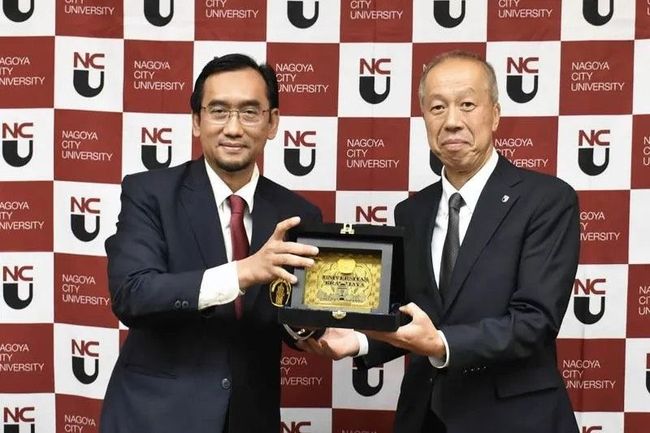
Brawijaya University and some Japanese universities cooperate to establish the Research Center of Robotic and Artificial Intelligence (AI).

Rector of Brawijaya University Prof. Widodo with President of Nagoya City University Prof. Kiyofumi Asai (ANTARA/HO-Brawijaya University).

The university’s deputy rector for planning, cooperation, and international affairs, Andi Kurniawan, underscored the important role of Brawijaya University to conduct such cooperation with its Japanese partners, such as the Nagoya City University (NCU).

The cooperation, which also includes the development of study program related to data science and material science, is expected to provide mutual benefits for the two universities.

“We work with universities that really consider Brawijaya as an important partner, so that collaboration for growing together can be delivered,” Kurniawan remarked in a statement, Monday (June 5).

In terms of AI, he noted that the cooperation will be implemented in research on life sciences, especially those related to medical plants.

Lecturer at the Faculty of Computer Science Novanto Yudistira explained that in future, the implementation of AI would be carried out for big data at the molecular level of medical plants.

With the utilization of AI, Brawijaya University is expected to conduct exploration of seven thousand medical plants.

During a visit to NCU, Yudistira noted that the rector of Brawijaya University also presented a research titled “Bioinformatic and Holistic Paradigm of the Complexity of Indonesia Traditional Medicine for Promoting Human Health” that sheds light on Indonesia’s biodiversity to open up opportunities in developing research on traditional medicine.

“However, we should find a solution regarding the standardization of product safety,” he noted.

In terms of robotics, Brawijaya University and Waseda University in Japan are creating a humanoid robot that will be named King of Brawijaya.

The collaboration with Waseda University, which is ranked 200 among the best universities in the world based on the QS Star version, had been established since 2019.

In addition, several professors at Waseda University, such as Prof. Shuji Hashimoto, who is known as one of the members of the Gundam robot manufacturing team and Prof. Pitoyo Hartono, an Indonesian diaspora member, who became a professor in Japan, have forged several collaborative relations by becoming guest lecturers or supervisors at Brawijaya University.

Under the collaboration, students of Brawijaya University can learn from the research and the professors mainly from Waseda and Chukyo universities, who are main experts and involved in the projects for making Gundam robots.

Apart from research, the output of the collaboration will also be directed to publish some international journals and encourage journals in Brawijaya University to become reputable journals.

Earlier, Brawijaya University had collaborated with other universities in Japan, such as Nagoya University, Chukyo University, Keio University, and Waseda University.

–Antara