Brawijaya University drives Malang’s UNESCO Creative City status

Brawijaya University (UB) has revealed its key role in helping Malang City, East Java, earn recognition as a UNESCO Creative City in the field of media arts.

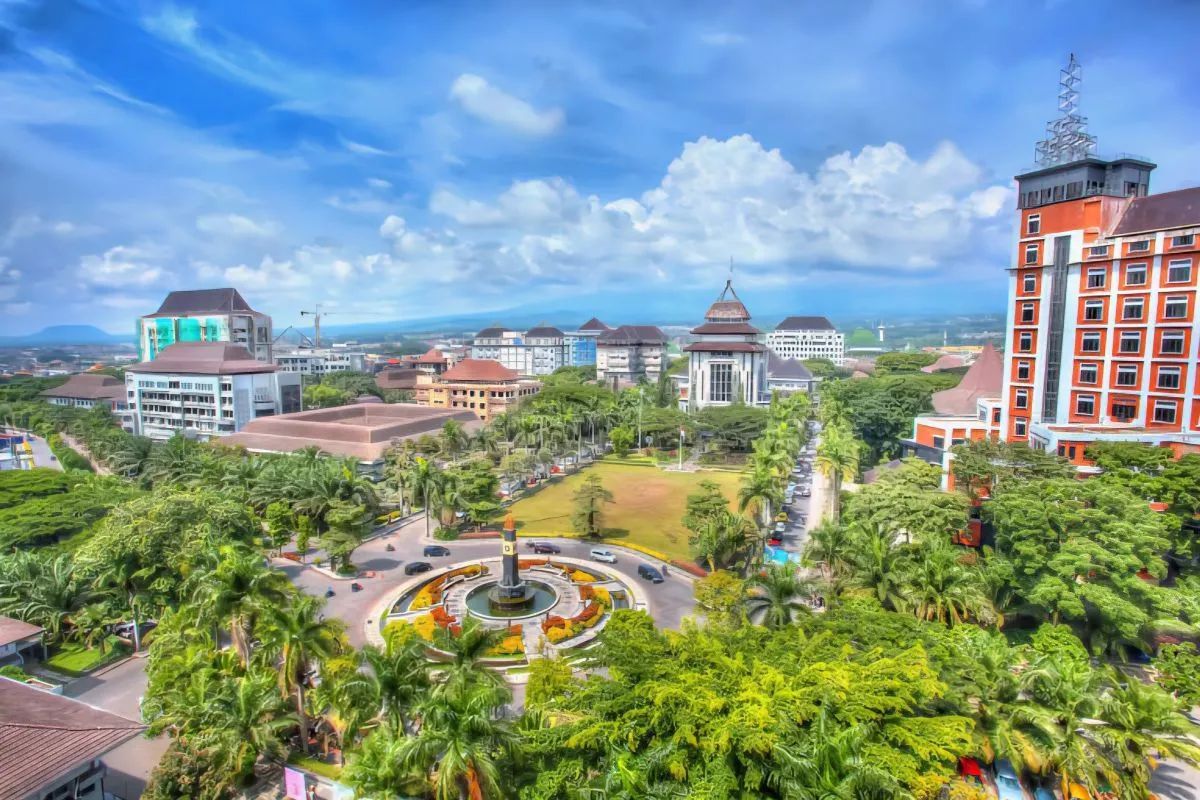
Illustration: An aerial view of Brawijaya University in Malang City, East Java.
(ANTARA/HO-Brawijaya University)

UB Lecturer in Chinese Language and Culture, Yang Nadia Miranti, said the university played a leading role in facilitating the visit of Professor Xiang “Hardy” Yong, UNESCO Chair on Creativity and Sustainable Development in Rural Areas and Dean of the Institute for Cultural Industries at Peking University, to explore Malang’s cultural industry potential.

“UB’s academic diplomacy with Peking University was vital,” Miranti said in a statement that ANTARA released here Saturday. She added that Professor Hardy and UB’s Faculty of Humanities visited several sites in Malang in February 2025 to assess local creative assets.

Professor Hardy, accompanied by UB representatives and Malang municipal officials, toured the Malang Creative Center, Kayutangan Heritage Village, and Polowijen Cultural Village. The visits led to discussions that produced an official recommendation letter, a key document supporting Malang’s nomination to UNESCO.

The letter affirmed Malang’s strong commitment to developing a thriving media arts ecosystem. According to Miranti, the recommendation provided international academic validation for UNESCO’s evaluation committee and opened new opportunities for collaboration with other creative cities such as Changsha in China and Gwangju in South Korea.

Malang’s creativity, she added, reflects a rich blend of Indonesian and Chinese cultural elements seen in its cuisine, arts, and architecture. “Malang embodies the spirit of the UNESCO Creative Cities Network—a place where media arts foster cultural resilience, economic vitality, and social cohesion,” Miranti said.

Professor Hardy also proposed establishing a Media Arts Innovation Council and developing a Media Arts Impact Index in partnership with UB to measure creative cities’ contributions to the Sustainable Development Goals.

UB and Peking University would soon launch a UNESCO Chair Workstation, initiate a student mobility program in 2026, and support Malang’s plans to build sister-city and sister-village partnerships with counterparts in China, he was quoted by Miranti as saying.

For more information please click: https://ub.ac.id
Brawijaya University: https://prasetya.ub.ac.id

Editor : Rahmad Nasution

Copyright © ANTARA 2025

Two new microalgae genera discovered in Indonesian waters

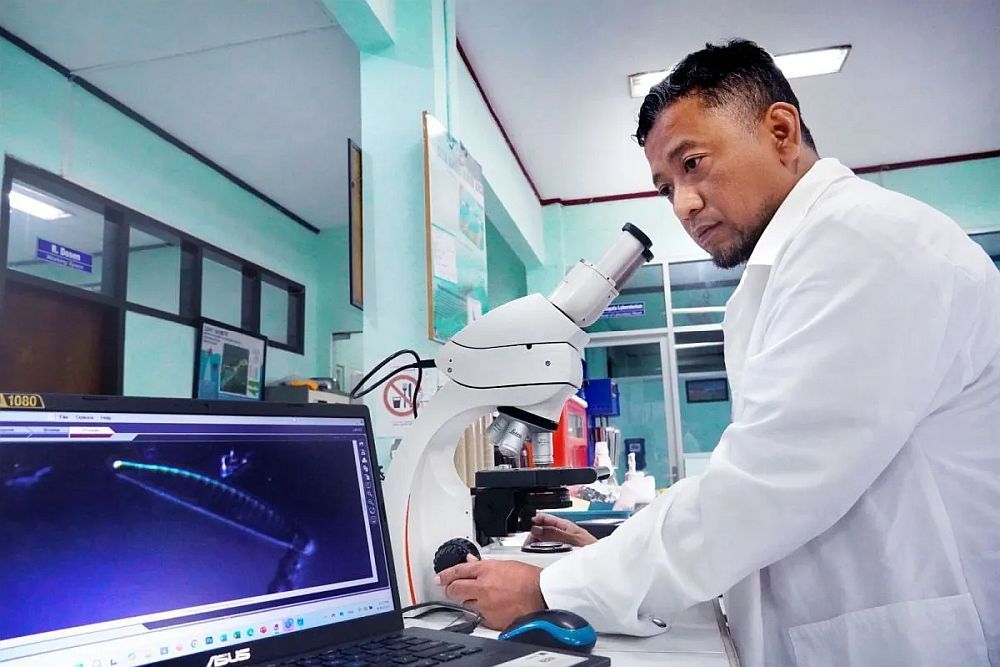
A research team from Brawijaya University (UB) has identified two new microalgae genera in the waters around Bawean Island, Gresik Regency, East Java, and Tomini Bay, Central Sulawesi.Lecturer of the Faculty of Fisheries and Marine Sciences (FPIK) Oktiyas Muzaky Luthfi, S.T., M.Sc. while conducting research on an object. (ANTARA/HO-Humas Universitas Brawijaya)


“The newly identified microalgae genera are Paracatenula and Wallaceago,” head of the research team and lecturer at UB’s Faculty of Fisheries and Marine Sciences, Oktiyas Muzaky Luthfi stated in Malang, East Java, on Friday.

The genus name Wallaceago was chosen to honor Alfred Russel Wallace — a renowned naturalist, explorer, geographer, anthropologist, and expert on species distribution.

Each of the two new genera also includes newly identified species: Paracatenula porostriata and Wallaceago porostriatus.

Discovered near Bawean Island, Paracatenula porostriata is characterized by a circular shell structure with small pores and a flat valve.

Meanwhile, Wallaceago porostriatus, found in Tomini Bay, has valves that are partially diamond-shaped with fine lines on the lower surface.

These discoveries have already been published in an international scientific journal.

In addition to Paracatenula and Wallaceago, the UB team also identified several new species within the genera Catenula and Catenulopsis.

According to a summary of the published journal, four new species were found in the genus Catenula: Catenula boyanensis, Catenula komodensis, Catenula decusa, and Catenula densestriata.

These species were discovered in Bawean Island, Tiga Warna Beach in Malang, East Java, and Tomini Bay, Central Sulawesi.

One more species identified under the genus Catenulopsis was named Catenulopsis baweana.

“We discovered it in Bawean, which is why it is named baweana,” Luthfi explained.

The research and identification process took place from 2021 to 2024, using both light microscopy and scanning electron microscopy (SEM) for morphological analysis.

Researchers explored the diversity of diatoms from sediment and fragments of dead coral in reef environments.

The study involved collaboration with several universities from different countries, including the University of Szczecin and the University of Rzeszów in Poland, as well as the University of Michigan in the United States.

Luthfi emphasized that the discovery is important for sustaining life on Earth, as microalgae not only form the foundation of the food chain but also play a vital role in oxygen production.

“Microalgae are responsible for generating 20 percent of the Earth’s oxygen,” he noted.

He remarked that this discovery provides a foundation for monitoring marine environments, studying tropical aquatic ecology, and conducting paleoecological research.

“This proves that Indonesia’s oceans harbor an abundance of microscopic life that we have yet to fully understand,” he concluded.

For more information please click: https://ub.ac.id
Brawijaya University: https://prasetya.ub.ac.id

Editor : A Malik Ibrahim, Copyright (c) ANTARA 2025

Moolec Science Enters Into Transformational Transaction Expanding Across Multiple Technology Platforms

Moolec Science SA (NASDAQ:MLEC) (The Company or Moolec), a science-based food ingredient company focused on producing animal proteins and nutritional oils in plants, today announced that it has entered into a Business Combination Agreement (the BCA) with Bioceres Group Limited (Bioceres Group) and other related entities in an all-stock transaction (the Business Combination).

Subject to the terms and conditions of the BCA, which was signed on April 17, 2025, several parties will transfer their respective holdings in Bioceres Group, Nutrecon LLC (“Nutrecon”), and Gentle Technologies Corp (“Gentle Tech”, and together with Bioceres Group and Nutrecon, the “Contributed Entities”), resulting in an enlarged corporate structure with Moolec as the parent company. In exchange, Moolec will issue a combination of up to 87 million newly issued shares and 5 million warrants to the shareholders of the Contributed Entities, as more fully described below in the Timing and Approvals section.

Federico Trucco, Bioceres Group’s board member and CEO of Bioceres Crop Solutions Corp commented: “The need to accelerate agricultural innovation to address current and future challenges, such as enhancing on-farm profitability and reducing environmental impact, is increasingly evident. Molecular farming, as exemplified by Moolec Science, offers a compelling solution to the challenge of balancing productivity and sustainability. For instance, what soybean yield technology can rival the direct production of 300kg of animal protein from a 3-ton-per-hectare crop?” He then finished: “Moolec’s recent transformational transaction represents the kind of bold action needed to drive radical change in agriculture. Integrating technologies and capabilities, along with a holistic perspective on agricultural evolution, are essential for moving beyond incremental improvements. Scale and visibility, both of which are key aspects of this transaction, are crucial to achieving this goal. Bioceres is enthusiastic to be part of a larger, more ambitious Moolec, one that expands its focus from science in food ingredients to a comprehensive ‘cradle-to-cradle’ approach.”

Juan Sartori, Founder and Chairman of Union Group remarked: “This is not just a strategic alignment of businesses, it’s the creation of a new kind of company for the 21st century. By combining science, scale, and sustainability, Moolec is positioned to lead a global transformation in how we produce food, materials, and energy. I’m proud to support this vision and the exceptional teams bringing it to life.”

Following the closing of the Business Combination, Moolec will become uniquely positioned in the agricultural value-chain, with a powerful and validated technology discovery and development engine that can address in a cost-competitive way multiple upstream and downstream needs. Moolec’s new value proposition will be centered around modifying or improving seeds and microbes to positively impact the way we utilize land and water resources, while preserving and/or improving human health.

Alejandro Antalich, Chairman of Synbio Powerlabs® added: “This combination marks a defining moment for the bioeconomy. By integrating next-gen ingredients, biological ag solutions, and deep-tech manufacturing capabilities under one roof, we are building a company with unmatched scientific depth and commercial reach. Together, we aim to accelerate the shift toward a more sustainable and resilient food system, one that works in harmony with nature, rather than against it.”

As stated in their most recent annual reports, the companies and brands, which will be controlled or co-controlled by Moolec at the closing of the Business Combination, manage a portfolio of more than 800 patents (or patent applications) and over 550 product registrations, which translates into more than half a billion dollars of goods and services sold in their last fiscal year, to customers in more than 50 different countries.

José López Lecube, CFO and Director of Moolec commented: “This transformative transaction marks a new stage for Moolec, positioning the company for growth within a broader organization that facilitates synergies on multiple levels. Becoming part of a larger organization will enable cost efficiencies and significant revenue increase as well as product portfolio diversification. It will also enlarge our investor base, providing the company with new stakeholders who support Moolec’s new and more diversified business.”

Finally, as reported Mr. Gastón Paladini will step down as Chief Executive Officer (CEO), Director and Chairman of the Board, effective immediately following Moolec’s Extraordinary General Meeting (“EGM”) to be held on April 22, 2025.

Key highlights:
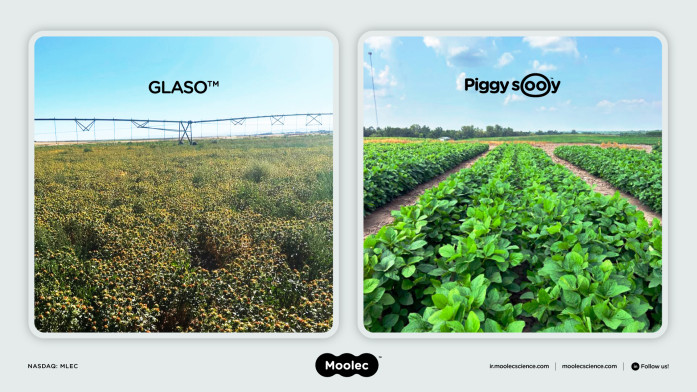
Ingredient Innovation: Moolec will continue to develop its flagship molecular farming products such as Piggy Sooy™ and GLASO™, while integrating Mycofood™ under the Eternal® brand from Nutrecon.

Biological Ag Expansion: Through Bioceres Group, Moolec will now offer upstream technologies for regenerative agriculture, including biological inputs and climate-resilient seeds like Rizobacter®ProFarm®, and the HB4® trait.

Advanced R&D and Services: Leveraging expanded infrastructure, Moolec will offer R&D, CDMO, and regulatory services under the Agrality® and Synbio Powerlabs® brands, which are controlled or co-controlled by Bioceres Group and Nutrecon, respectively.

Emerging Tech & Equipment: The Company will also expand its reach into emerging technologies for grain and biomass transformation, especially in the biomaterials space, as well as new concepts on farm equipment, integrating material science, electric mobility, and autonomy. These emerging opportunities are being pursued by Gentle Tech and Bioceres Group subsidiaries.

Operational Synergies: The Business Combination is expected to result in significant cost synergies and an integrated management structure, which will be presented at or prior to closing of the Business Combination.

Timing and Approvals
The Business Combination was unanimously approved by the Board of Directors of all the entities participating in the deal. It is expected to close during the second quarter of 2025 or thereafter, and it is subject to finalizing Moolec’s reverse stock split process and re-domicile to the Cayman Islands among other customary closing conditions and regulatory approvals. This includes the approval by Moolec’s shareholders at a special meeting of shareholders of proposals relating to the Business Combination. Given that the transaction was originally proposed by about 70% of Moolec’s current shareholders, the Company expects strong shareholder support for the Business Combination approval.

The Business Combination will be consummated through an equity exchange. Bioceres Group’s shareholders will surrender their share ownership in Bioceres Group and will receive in exchange up to 80,590,280 shares of Moolec. The shareholders of 100% of Nutrecon and 50% of Gentle Tech will surrender their ownership in these two entities and will receive in exchange 6,475,000 shares of Moolec and 5,000,000 warrants of Moolec at a strike price of $2.00 per warrant, subject to adjustment based on the results of the reverse stock split process.

The intrinsic value of the exchange ratio and the $2 strike price of warrants represent both a compelling premium to Moolec’s current stock price, and a unique opportunity to assemble one of the most formidable public companies in the agricultural industry.

Description of Contributed Entities and Assets
The Contributed Entities consist of Bioceres Group and its subsidiaries, Nutrecon and its subsidiaries and Gentle Tech and its subsidiaries.

Bioceres Group
Bioceres Crop Solutions Corp. (NASDAQ: BIOX)
Fully integrated provider of crop productivity solutions, including patented technologies for seeds and microbial agricultural inputs, as well as next generation crop nutrition and protection solutions. The company developed HB4® technology, which confers tolerance to climate changes in soybeans and wheat by allowing these crops to tolerate drought and soil salinity conditions. It also owns and licenses more than 570 products with approximately 750 patents and patent applications in the United States, Canada, Brazil, Argentina and other countries.

Bioceres Tech Services (Agrality® & Inmet)

Agrality® is a global agricultural services provider catering to agro-industrial companies worldwide. Their comprehensive service offerings encompass seed manufacturing and R&D, field-testing, and regulatory capabilities, ensuring their clients receive end-to-end solutions. Agrality’s key assets include advanced seed production facilities, enabling high-quality seed development and production.

Inmet specializes in the bio-transformation of agro-industrial residues, offering sustainable solutions for waste management in the agricultural sector. They utilize innovative technologies to convert agricultural waste into valuable products. Additionally, Inmet is involved in the production and assessment of bioplastics, contributing to the development of eco-friendly alternatives to conventional plastics.

Nutrecon (Synbio Powerlabs®)
Headquartered in Helsinki, Finland, Synbio Powerlabs® is an innovative early-stage biotechnology company specialized in research, development, and production of sustainable fungi-derived ingredients. With state-of-the-art laboratories and a pilot-to-industrial scale precision fermentation facility, the company operates uniquely as both a Research and Technology Organization (“RTO”) and a Contract Development and Manufacturing Organization (“CDMO”). This dual role enables Synbio Powerlabs® to seamlessly bridge the gap between cutting-edge biotechnology research and real-world industrial applications, accelerating the commercialization of novel bio-based products. Its flagship product line, marketed under the Eternal® brand, features a diverse portfolio of high-quality, sustainable ingredients derived from fungi, serving multiple industries and applications.

Gentle Tech (G-FAS & Gentle Farming)
A frontier tech company developing sustainable, autonomous agricultural equipment. Focused on reducing environmental impact through innovations in materials science, information technologies, and alternative energy to maximize efficiency and minimize the carbon footprint. The business model includes G-FAS (selling ultra-light weight harvesting heads directly to farmers) and Gentle Farming (developing machinery for autonomy and intelligent management).

Forward Looking Statements
This press release contains “forward-looking statements.” Forward-looking statements may be identified by the use of words such as “forecast,” “intend,” “seek,” “target,” “anticipate,” “believe,” “expect,” “estimate,” “plan,” “outlook,” and “project” and other similar expressions that predict or indicate future events or trends or that are not statements of historical matters. Such forward-looking statements with respect to performance, prospects, revenues, and other aspects of the business of Moolec are predictions, projections and other statements about future events that are based on current expectations and assumptions and, as a result, are subject to risks and uncertainties. Although we believe that we have a reasonable basis for each forward-looking statement contained in this press release, we caution you that these statements are based on a combination of facts and factors, about which we cannot be certain. We cannot assure you that the forward-looking statements in this press release will prove accurate. These forward-looking statements are subject to a number of significant risks and uncertainties that could cause actual results to differ materially from expected results, including, among others, changes in applicable laws or regulations, the possibility that Moolec may be adversely affected by economic, business and/or other competitive factors, costs related to the scaling up of Moolec’s business and other risks and uncertainties, including those included under the header “Risk Factors” in Moolec’s Annual Report on Form 20-F filed with the U.S. Securities and Exchange Commission (“SEC”), as well as Moolec’s other filings with the SEC. Should one or more of these risks or uncertainties materialize, or should any of our assumptions prove incorrect, actual results may vary in material respects from those projected in these forward-looking statements. We undertake no obligation to update or revise any forward-looking statements, whether as a result of new information, future events or otherwise, except as may be required under applicable securities laws. Accordingly, you should not put undue reliance on these statements.

Contact Information
Press & Media: comms@moolecscience.com
Investor Relations: ir@moolecscience.com

SOURCE: Moolec Science SA

Related Documents:Moolec Science Enters into Transformational Transaction Expanding Across Multiple Technology Platforms.pdf

New Office Bearers Announced by CropLife Asia

CropLife Asia, the regional voice of the plant science industry, today announced a new lineup for the organization’s Office Bearers within the Board of Directors. Among the changes to the roster of Office Bearers as the installation of Ms. Simone Barg of BASF as CropLife President.

Ms. Simone Barg, Senior Vice President, Agricultural Solutions Asia-Pacific with BASF, is an experienced senior leader with a growth mindset focused on customers and people. Currently based in Singapore, Ms. Barg has served with BASF for over two decades and successfully managed the company’s businesses in various industries, B2B and B2C, specialty and commodity chemicals and extensive transformational programs.

The new roster for the CropLife Asia Office Bearers is as follows:

  • Ms. Simone Barg (BASF) – President
  • Mr. Paul Luxton (Syngenta) – Vice-President
  • Ms. Malu Nachreiner (Bayer Crop Science) – Treasurer
  • Mr. Robert Kaan (Corteva Agriscience) – Secretary

“As the population in Asia continues to grow, the challenge facing agriculture is its ability to produce safe, affordable and nutritious food sustainably,” said Simone Barg, President of CropLife Asia. “This starts with supporting farmers gain access to the tools, technology and innovations in plant science. I am honored to represent CropLife Asia as President. Together with our member partners, governments, ag industry partners, and farmers, we seek to establish agricultural systems enabled through innovative crop science and technologies that would contribute to improving food security and the living standards of all in an economically, socially and environmentally sustainable manner.”

About CropLife Asia

CropLife Asia is a non-profit society and the regional organization of CropLife International, the voice of the global plant science industry. We advocate a safe, secure food supply, and our vision is food security enabled by innovative agriculture. CropLife Asia supports the work of 15 member associations across the continent and is led by six member companies at the forefront of crop protection, seeds and/or biotechnology research and development. For more information, visit us at www.croplifeasia.org

For more information please contact:
Duke Hipp
Director, Public Affairs & Strategic Partnerships
CropLife Asia
Tel: +65 6221 1615
duke.hipp@croplifeasia.org 

Brawijaya University Lecturer Develops IoT-based Chicken Coop Monitoring System

A Lecturer at the Faculty of Animal Science at Brawijaya University, Danung Nur Adli Spt., MSc., MPt, has developed an integrated chicken coop monitoring system to increase the potential productivity of broiler chickens. The system uses the Internet of Things (IoT) and mobile apps.

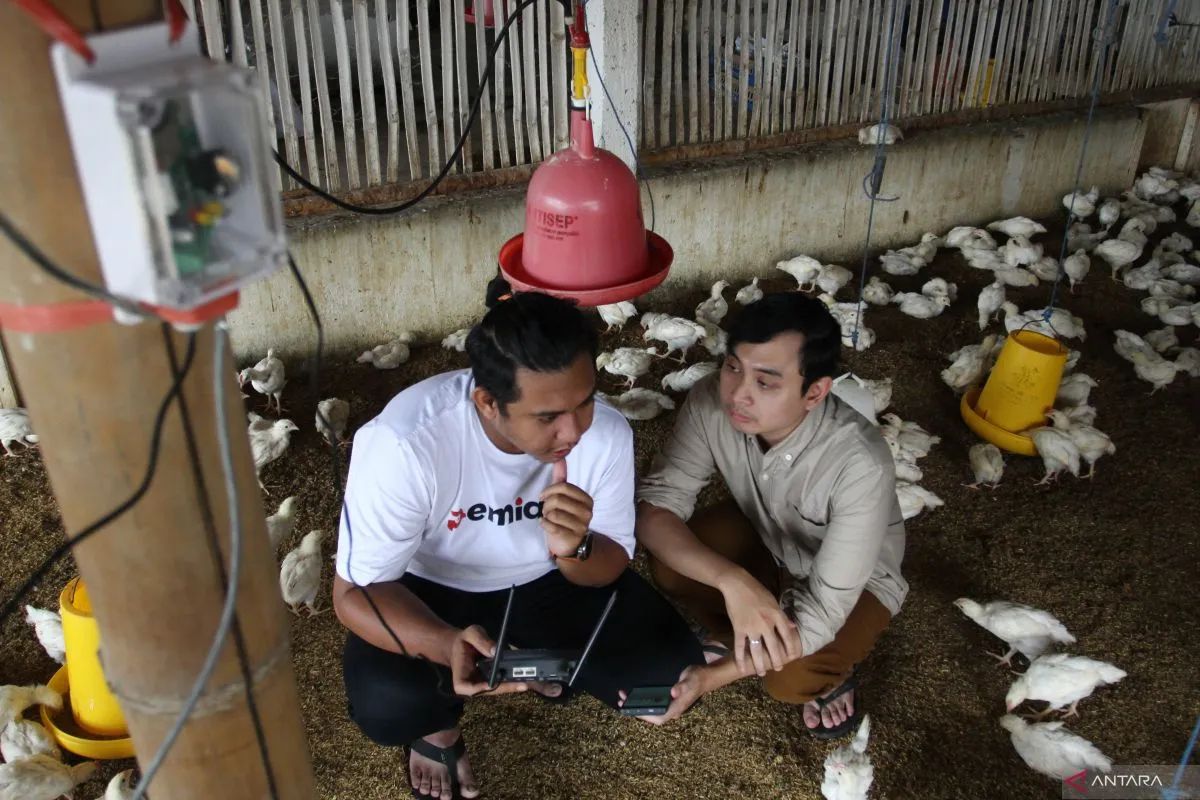
A lecturer at the Faculty of Animal Science at Brawijaya University, Danung Nur Adli (right), explains the functioning of an IoT-based chicken coop temperature monitoring system that he developed, in Malang, East Java, on Tuesday (March 11, 2025). (ANTARA FOTO/ARI BOWO SUCIPTO)
Malang, East Java – Danung Nur Adli (right), a Lecturer at the Faculty of Animal Science at Brawijaya University, explains the functions of his IoT-based chicken coop temperature monitoring system. (ANTARA FOTO/ARI BOWO SUCIPTO)

The innovation was initiated in 2019, when Danung began designing ways to use technology in traditional ‘open’ model chicken coops to develop the economic value of male chicks that are often viewed as waste.

“We didn’t know what to do with the male chicks. They were usually raised to be sold as broiler chickens,” Danung said in Malang, East Java, on Friday. “We have designed a real-time technology service for chickens, whose goal is to increase the productivity of broiler chickens.”

Danung’s IoT-based chicken coop is also designed as an alternative to more sophisticated technologies, such as the TempTron, a temperature and humidity control device. Given the high cost to build a TempTron, which is specifically designed to maintain the stability of temperature and humidity in a closed chicken coop or ‘close’ house, Danung decided to design his innovation for farmers who use traditional open-type coops to raise chicken.

“So, we designed a microcontroller, then a sensor that works using a modem to transmit data about temperature and humidity,” he said. “Chickens eat less when the air temperature is high. This requires a quick decision. If too late, it can affect their immunity, raising the potential to get sick, while the increase in cells per body weight also decreases,” he explained.

The mechanism allows each farmer to get real-time data on the temperature and humidity in their chicken coops within an estimated two to three minutes via their mobile phone.  Using the data, farmers can immediately take corrective action. For example, if the air temperature is hot, they can provide drinking water or nutritional intake to their chickens.

In 2024, Danung’s system received a funding grant for further development from Brawijaya University. His design also caught the attention of Communication and Digital Affairs Minister Meutya Hafid when she visited the East Java campus some time ago.

Currently, Danung’s chicken coop system is being used at several farms in Malang Regency, such as in Karangploso and Singosari. The innovation for livestock has received a positive response from chicken farmers as well, especially those from the millennial generation.

For marketing the system, Danung is collaborating with Luthfan Bayu Zulkarnaen, a colleague and co-founder of Pemiara.id, a supplier of male chickens. “Bayu also helps to report on temperature developments, and provides input on what corrective actions to take,” Danung said.

For more information please click: https://ub.ac.id
Brawijaya University: https://prasetya.ub.ac.id

Editor: Primayanti, Copyright (c) ANTARA 2025

Brawijaya University develops data system for climate change monitoring

Brawijaya University collaborated with several international institutions to develop the Magnetic Data Acquisition System (MAGDAS) to monitor climate change globally and mitigate disasters in the future.

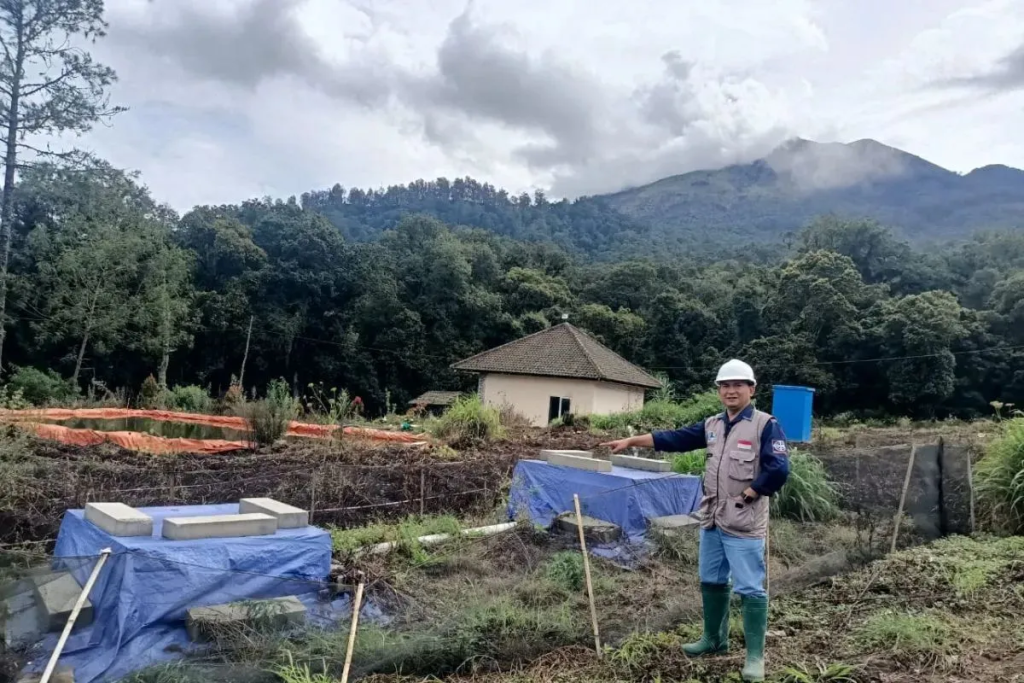
Disaster mitigation and natural resource exploration expert from Brawijaya University, Prof. Sukir Maryanto, in the MAGDAS Cangar Station in East Java. (ANTARA/HO-Brawijaya University)

Some institutions partaking in this initiative include the International Research Center for Space and Planetary Environmental Science (i-SPES) from Kyushu University in Japan, the National Research Institute of Astronomy and Geophysics (NRIAG) of Egypt, and several universities in Malaysia.

Disaster mitigation and natural resource exploration expert from Brawijaya University, Prof. Sukir Maryanto, explained that one of the data system stations is located in the Volcano & Geothermal field laboratory in the Agro Techno Park Cangar Complex, Sumberbrantas Village, Batu City, East Java.

“It will be developed to mitigate tectonic and volcanic earthquake disasters,” he noted in a statement on Thursday (Dec 5).

Construction for the Cangar Station, which is the collaboration between BRAVO GRC, Brawijaya University, and i-SPES Kyushu University, began in March 2024.

The installation of this data system involved a team from Kyushu University and two scientists from Egypt, with one acting as a researcher at i-SPES and the other a partner from the NRIAG in Egypt.

Later, after becoming fully functional, the MAGDAS in Cangar Station will be integrated with a system network centered at Kyushu University, Japan, Prof. Sukir added.

“The construction of the MAGDAS station in Cangar has a significant impact on research and collaboration both at the national and international levels,” he remarked.

The plan is that in March 2025, an induction-based magnetometer sensor developed by Nagoya City University, Japan, will be installed on the recommendation of the MAGDAS host at Kyushu University.

Currently, two new devices have been installed at Cangar Station, including the 3D Fluxgate Magnetometer from i-SPES Kyushu University and a seismic sensor from BRAVO GRC Brawijaya University.

The seismic sensor functions to detect seismic waves that occur on Earth.

Prof. Sukir expressed hope that these two parameters can be studied in an integrated manner at Cangar Station so that science can be developed to connect phenomena on Earth and in space.

“The new magnetometer sensor will be installed side by side with the existing MAGDAS and seismic sensors,” he explained.

“Data from magnetic and seismic sensors need to be studied intensively because phenomena on the ground and phenomena in the air are not necessarily the same,” he pointed out.

Sukir also showed real-time recordings from MAGDAS in Cangar, which include data from Peru, Japan, the Philippines, and Malaysia, as well as various magnetic components with different variations.

For more information, please click: https://ub.ac.id
Brawijaya University: https://prasetya.ub.ac.id 

Editor: Yuni Arisandy Sinaga, Copyright (c) ANTARA 2024

Moolec Has Received USDA Approval for the First Genetically Modified Pea in History

Moolec Science SA (NASDAQ:MLEC) (the Company), a leader in Molecular Farming technology, announced today that the U.S. Department of Agriculture’s (USDA) Animal and Plant Health Inspection Service (APHIS) has completed its Regulatory Status Review (RSR) for the Company’s genetically engineered (GE) peas which produce iron through bovine meat proteins. This is the third regulatory clearance from USDA-APHIS achieved by Moolec in an 18-month window, alongside its genetically engineered safflower and soybean for GLASO™ and Piggy Sooy™ products, respectively. Access the official USDA-APHIS publication here.

“With USDA approval for our GE pea, Moolec has now secured regulatory clearance for all of our key crops in the US: safflower, soybean, and pea,” said Gastón Paladini, CEO and Co-Founder of Moolec. “We are proud to be the only Molecular Farming company with three US regulatory approvals and a major commercial contract. This milestone underscores our leadership in the landscape with tangible, science-backed results.”

Moolec’s genetically engineered peas produce high yields of bovine myoglobin, a protein that boosts iron content, making it an ideal alternative for consumers seeking plant-based sources of iron. This product has the potential to revolutionize both the food ingredient market and the $65 billion pea industry by offering a nutritious, iron-rich alternative to traditional meat products.

Amit Dhingra, Chief Science Officer for the Company, stated, “The USDA-APHIS Regulatory Status Review for pea marks a significant milestone for Moolec. As the first review for GE pea, it represents a historic development. It validates Moolec’s strategic approach and exemplifies our commitment advancing sustainable food production through science and innovation. This approval is a critical step toward enhancing global food supply and meeting the growing demand for innovative, nutritious food solutions for the world.”

This approval not only showcases Moolec’s innovation in Molecular Farming but also highlights the company’s commitment to meeting the highest regulatory and safety standards. Moolec has also developed an Identity Preservation Program to ensure sustainable farming practices, promote stewardship for its crops and product quality for partners, clients and consumers alike.

According to USDA-APHIS regulation found at 7 CFR part 340, developers may submit a request for a RSR when they believe a GE plant is not subject to the regulation. APHIS reviews the GE plant and considers whether it might pose an increased plant pest risk compared to its non-GE comparator. If APHIS does not identify a greater pest risk relative to the comparator, the GE plant is not subject to this regulation. Regulation 7 CFR part 340 governs the importation, interstate movement, and the environmental release of certain organisms that have been modified or produced by genetic engineering.

The USDA-APHIS review process is a critical component of ensuring that genetically engineered crops can be grown safely, and this approval opens the floor for expanded field trials, seed scaling, and eventual commercialization. With increasing interest in science-based ingredients, this approval positions the company to lead a new wave of innovation in the food and agriculture sectors.

About Moolec Science SA
Moolec is a science-based ingredient company leader in the use of Molecular Farming technology for food and dietary supplementation markets. The Company’s mission is to create unique food ingredients by engineering plants with animal protein genes. Its purpose is to redefine the way the world produces animal proteins for the good of the planet. Moolec’s technological approach aims to have the cost structure of plant-based solutions with the nutrition and functionality of animal-based ones. Moolec’s technology has been under development for more than a decade and is known for pioneering the production of a bovine protein in a crop for the food industry. The Company’s product portfolio and pipeline leverage the agronomic efficiency of broadly used target crops like soybean, pea, and safflower to produce oils and proteins. Moolec also has an industrial and commercial R&D capability to complement the company’s Molecular Farming technology. Moolec secures a growing international patent portfolio (25+, both granted and pending) for its Molecular Farming technology. The Company is run by a diverse team of PhDs and Food Insiders, and operates in the United States, Europe, and South America. For more information, visit moolecscience.com and ir.moolecscience.com.

Forward-Looking Statements
This publication contains “forward-looking statements.” Forward-looking statements may be identified by the use of words such as “forecast,” “intend,” “seek,” “target,” “anticipate,” “believe,” “expect,” “estimate,” “plan,” “outlook,” and “project” and other similar expressions that predict or indicate future events or trends or that are not statements of historical matters. Such forward-looking statements with respect to performance, prospects, revenues, and other aspects of the business of Moolec are predictions, projections and other statements about future events that are based on current expectations and assumptions and, as a result, are subject to risks and uncertainties. Although we believe that we have a reasonable basis for each forward-looking statement contained in this publication, we caution you that these statements are based on a combination of facts and factors, about which we cannot be certain. We cannot assure you that the forward-looking statements in this publication will prove accurate. These forward-looking statements are subject to a number of significant risks and uncertainties that could cause actual results to differ materially from expected results, including, among others, changes in applicable laws or regulations, the possibility that Moolec may be adversely affected by economic, business and/or other competitive factors, costs related to the scaling up of Moolec’s business and other risks and uncertainties, including those included under the header “Risk Factors” in Moolec’s Annual Report on Form 20-F filed with the U.S. Securities and Exchange Commission (“SEC”), as well as Moolec’s other filings with the SEC. Should one or more of these risks or uncertainties materialize, or should any of our assumptions prove incorrect, actual results may vary in material respects from those projected in these forward-looking statements. We undertake no obligation to update or revise any forward-looking statements, whether as a result of new information, future events or otherwise, except as may be required under applicable securities laws. Accordingly, you should not put undue reliance on these statements.

Contact Information
Press & Media
comms@moolecscience.com

Investor Relations
ir@moolecscience.com

Related Files
Moolec Has Received USDA Approval For The First Genetically Modified Pea In History

SOURCE: Moolec Science

Brawijaya University Prof Develops Early Harvest, High-yield Corn Seeds

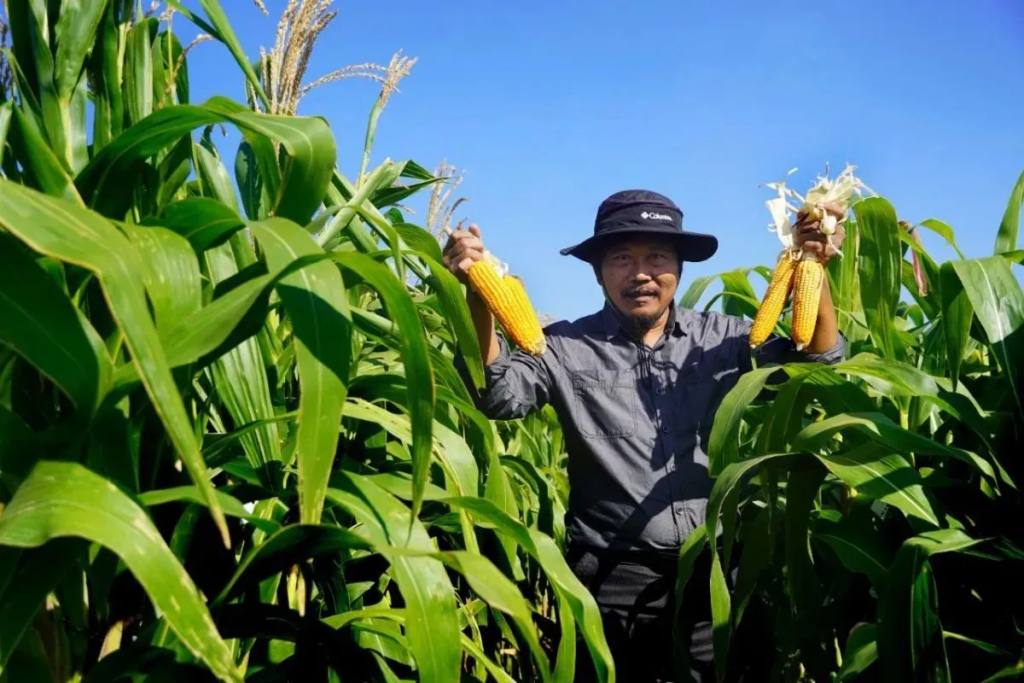
An expert from the Faculty of Agriculture of Brawijaya University, Prof Arifin, has developed hybrid corn seeds for animal feed that have a higher yield and faster harvest cycle.

“If the average corn productivity is only 9 tons per hectare, using Brawijaya Nusa corn seeds could lead to a productivity increase of over 30 percent,” Arifin explained to the media on Friday. Two types of hybrid seeds, namely Nusa 1 and Nusa 3, have been developed as part of the innovation. Both have higher productivity compared to regular corn seeds.

“Brawijaya Nusa corn seeds can produce up to 12.9 tons (of corn) per hectare and 13.7 tons per hectare compared to corn seeds in general, which are only 9 tons per hectare,” he said. Initially, five types of seeds were proposed, but only two passed the release test by the Ministry of Agriculture. The seeds were found suitable for dry land areas, such as in NTT, particularly Sumba and Timor.

“NTT has the potential for growing corn, but its current productivity is significantly low. To meet the national average of 5.8 to 5.9 tons per hectare in the next few years, productivity is needed as it currently stands at only 2.3 tons per hectare.,” he pointed out. Therefore, the innovative technology from the Maize Research Center (MRC) is expected to boost the national production of corn for animal feed.

The development of hybrid seeds commenced in 2022 in NTT. Following this, Arifin and his team implemented the technology for seed production and cultivation among the local farmers. This year, the farmers started to see added value from the field corn seeds.

Arifin emphasized the importance of partnering with the private sector to ensure the successful management of business operations involving seeds, varieties, and technology developed by the university. He highlighted the need to engage farmers in this collaboration for effective management.

He added that the corn developed in NTT is a sweet and glutinous type of field corn. “We refer to it as field corn because 70 percent of it is used for cattle feed, but that doesn’t mean it’s unsuitable for human consumption. Similar to people in Africa, Indonesians rely on corn as a staple food, particularly in Madura and the eastern regions of the country,” he explained.

For more information, please click: https://ub.ac.idr 
Brawijaya University: https://prasetya.ub.ac.id 

Editor: A Malik Ibrahim, Copyright (c) ANTARA 2024

Moolec Confirms US Harvest and Promising Yields for Plant-Grown Products GLASO(TM) and Piggy Sooy(TM) in October

Moolec Science SA (NASDAQ:MLEC) (The Company, Moolec), a science-based food ingredient company, announced today the harvest confirmation of US campaigns for genetically engineered plant-grown products GLASO™ and Piggy Sooy™ during October 2024.

GLASO™ and Piggy Sooy™ US Harvest Announcement

GLASO™ (gamma-linolenic acid -GLA- in safflower oil) campaign located in Idaho consists of 600 planted acres of genetically modified safflower, mainly for commercial purposes. As a result of the harvest, Moolec is expecting to produce between 300 to 400 tons of safflower seeds that contain high levels of GLA. To allocate most of the upcoming GLASO™ production, Moolec has secured an offtake agreement with a major global CPG company, targeting the US market in 2025. Following a successful and rigorous audit from Moolec’s CPG customer, production is set to begin in late 2024.

The Company is also developing a broader commercial strategy to reach larger markets and clients. Moolec’s GLASO™ product contains almost 3 times more GLA than conventional sources such as borage and primrose oil, making it the most concentrated GLA oil available on the market.

Piggy Sooy™ (porcine myoglobin in soybean seeds) field trials are being carried out in 3 different US locations: Ohio, Missouri and Iowa. Main purposes for the campaign are product development (sampling), seed increase and gathering of environmental and regulatory data to continue Moolec’s US-FDA approval pathway. The Team also projects a remarkable first open field performance for its bioengineered soybean Piggy Sooy™ after recent approval for cultivation from USDA-APHIS. This has set an unprecedented milestone in biotechnology last April, with Moolec becoming the first Molecular Farming company to obtain this kind of clearance for food crops growing animal proteins in US territory.

Chief Technology Officer and Co-Founder Martín Salinas stated: “Our commitment to scaling Moolec’s Molecular Farming Technology is demonstrated by our GLASO™ campaign and the field trials of Piggy Sooy™. These efforts not only reinforce our position as pioneers in the industry but also lay the foundation for sustainable solutions in agriculture and biotechnology.” He then finished by remarking: “One acre of Piggy Sooy™ could potentially produce pork meat proteins equivalent to 10 pigs, reducing water footprint, land usage and CO2 emissions. This is a clear demonstration on how we promote environmental improvements throughout all our operations. Our aim is to heal the meat production system.”

Contact Information
Press & Media
comms@moolecscience.com

Investor Relations
ir@moolecscience.com

Related Files
Moolec Confirms US Harvest And Promising Yields For Plant-Grown Products GLASO™ And Piggy Sooy™ In October – 2024.09.05

SOURCE: Moolec Science

CropLife Asia Champions Agricultural Innovation & Technology as Essential Tools in Combating Hunger & Food Insecurity in Asia

With the recent release of the United Nations (UN) 2024 State of Food Security and Nutrition in the World (SOFI) report, CropLife Asia and its member companies are highlighting the increasingly critical role agricultural innovation and technology play in enabling and empowering regional farmers to produce the safe, nutritious and affordable food that drives food security in Asia.

According to the 2024 SOFI report, between 713 and 757 million people may have faced hunger globally in 2023 (or one out of 11 people). Meanwhile, Asia remains home to both the largest number of those facing hunger globally at 384.5 million as well as the most people experiencing moderate-to-severe food insecurity (1.18 billion) – up from 1.7 billion people the previous year[i]. The challenge of achieving the Sustainable Development Goal of Zero Hunger (SDG2) remains daunting with 582 million people projected to be chronically undernourished by 2030[ii]. Furthermore, a healthy diet remains unaffordable for 2.83 billion people worldwide as highlighted in the SOFI report. The cost of a healthy diet has risen since 2017 globally, peaking at an average of 3.96 PPP dollars per person per day in 2022 which is a 11 percent increase compared to 2021[iii]. Compared to the global average, the cost of a healthy diet is the second highest in Asia at 4.20 PPP dollars.[iv]“The growing population here in Asia and around the world, climate change impacts and geopolitical conflicts have only exacerbated an already challenging food insecurity landscape,” said Dr. Siang Hee Tan, Executive Director, CropLife Asia. “With agricultural innovations and plant science technologies, it is possible for farmers to produce more nutritious food with fewer resources and less impact to the world around us. That helps our smallholder farmers, national economies and trade, and most crucially, our collective regional food security. More than ever, we need science-based regulatory systems around Asia to provide timely reviews of the latest agricultural innovations and technologies that can help our smallholder farmers at such a consequential time for our region.”Plant science technologies such as plant biotechnology, gene-editing and crop protection products play a key role in supporting crop productivity, ensuring a stable food supply, managing and protecting natural resources as well as driving national economies. For example, biotech crops have increased global food, feed and fibre production by nearly 1 billion tonnes from 1996 to 2020.[v] During the same period, insect resistant crop technology used in maize has increased yields by an average of 17.7 percent relative to conventional production systems. The livestock industry is heavily dependent on maize as animal feed, making it a critical component of the agricultural economy.Gene-editing techniques such as CRISPR-Cas can be used in agriculture to build tolerant traits that can respond better to heat, drought and flooding, improve photosynthesis to boost yields and redesign crops to serve as more nutritious and sustainable food sources.About CropLife AsiaCropLife Asia is a non-profit society and the regional organization of CropLife International, the voice of the global plant science industry. We advocate a safe, secure food supply, and our vision is food security enabled by innovative agriculture. CropLife Asia supports the work of 15 member associations across the continent and is led by six member companies and one associate member company at the forefront of crop protection, seeds and/or biotechnology research and development. For more information, visit us at www.croplifeasia.orgFor more information please contact:Duke HippDirector, Public Affairs & Strategic Partnerships CropLife Asiaduke.hipp@croplifeasia.org[i] FAO, IFAD, UNICEF, WFP and WHO. 2024. The State of Food Security and Nutrition in the World 2024 – Financing to end hunger, food insecurity and malnutrition in all its forms. Rome. https://doi.org/10.4060/cd1254en[ii] FAO, IFAD, UNICEF, WFP and WHO. 2024. The State of Food Security and Nutrition in the World 2024 – Financing to end hunger, food insecurity and malnutrition in all its forms. Rome. https://doi.org/10.4060/cd1254en[iii] FAO, IFAD, UNICEF, WFP and WHO. 2024. The State of Food Security and Nutrition in the World 2024 – Financing to end hunger, food insecurity and malnutrition in all its forms. Rome. https://doi.org/10.4060/cd1254en[iv] FAO, IFAD, UNICEF, WFP and WHO. 2024. The State of Food Security and Nutrition in the World 2024 – Financing to end hunger, food insecurity and malnutrition in all its forms. Rome. https://doi.org/10.4060/cd1254en[v] Brookes G. (2022). Farm income and production impacts from the use of genetically modified (GM) crop technology 1996-2020. GM Crops & Food, 13(1), 171-195. https://doi.org/10.1080/21645698.2022.2105626