The U.N. Climate Change Conference next week needs to urgently address major gaps in funding and technology and adopt fresh approaches to meet the challenges of developing countries with vulnerable communities such as Bangladesh, Summit Power International Limited (SPIL), the country’s largest private sector power generation company, said today.
Singapore-headquartered SPIL, the leading foreign direct investor in Bangladesh’s power sector, said it hoped the widely anticipated COP29 Climate Change Conference starting 11 November in Azerbaijan will lead to an actionable agenda that can balance global net zero targets with the needs of poorer countries seeking to eradicate poverty and create jobs on an accelerated scale.
SPIL operates 18 power plants with a combined capacity of 2,255 MW or approximately 17% of the total installed private power generation capacity in the country of 173 million people. As a responsible company with a strong track record of providing energy and power to Bangladesh, SPIL is acutely aware of the international initiatives to de-carbonise.
At COP21 in 2015, 196 countries signed the Paris Agreement with collective commitments to limit global warming. However, subsequent global financing initiatives have been deadlocked. Among the key initiatives of COP29 is a New Collective Quantified Goal to deliver substantive climate financing to regions that need it most.
Beyond the pledges, global climate goals must also take into consideration challenges unique to each country, especially the lesser developed, said SPIL. Prior to COP29, SPIL had outlined its internal Climate Action Plan to support Bangladesh’s stated goal (declared at the COP26 in Glasgow in 2021) to achieve up to 40% of clean energy use in its power generation mix by 2041.
“Both the national and SPIL’s own de-carbonisation targets have to be viewed against the backdrop of the pandemic and subsequent supply chain disruptions as well as the conflict in Ukraine which drove up prices of fossil fuels. Bangladesh, which has to contend with cyclones and flooding on a regular basis, has felt the impact of such disruptions more acutely than most other countries.
“We hope COP29 – whose leaders have promised engagement, ambition, and action – will address decisively real-world issues from the perspective of developing nations and responsible corporates involved in the energy eco-system, such as SPIL. We look forward to holistic approaches that avoid a one-size-fits-all mindset,” SPIL said.
SPIL’s Founder and Chairman, Mr Muhammed Aziz Khan, a Singapore citizen, said: “We hope COP29 adopts approaches fairly and equitably to address the social and economic impact, particularly for vulnerable communities and workers in fossil fuel industries in developing countries. A just energy transition must promote circular economy principles that benefit local populations to ensure resilience.
Second, international organisations, governments, and corporations must provide funding and technology to support the energy transition. For developing countries such as Bangladesh, such approaches must combine development finance and foreign direct investments.
Third, different regions will have different timelines to progress towards net zero. For the near term, Bangladesh’s power sector – which has been facing issues of imbalance of supply and demand and delays in payments – needs to reduce dependence on coal or heavy fuel oil and increase usage of natural gas which is less carbon-intensive, even as it pursues initiatives in renewable energy.”
As part of its Climate Action Plan, SPIL has committed not to develop new fuel-fired power plants in Bangladesh. It will also reduce its Scope 1 and Scope 2 emissions by 10% by 2030 as compared to its 2021 baseline and plans to derive 40% of its energy generation portfolio from clean energy sources by 2040. SPIL has also formed a Sustainability Task Force under the leadership of the CEO.
As part of its Climate Action Plan, SPIL has committed not to develop new liquid fuel-fired power plants in Bangladesh. It will also reduce its Scope 1 and Scope 2 emissions by 10% by 2030 as compared to its 2021 baseline and plans to derive 40% of its energy generation portfolio from clean energy sources by 2040. SPIL has also formed a Sustainability Task Force under the leadership of the CEO.
While recognising geographical limitations in Bangladesh for large-scale solar or wind farms, SPIL has outlined plans to invest or obtain international financial support for up to USD 3 billion in renewable energy projects in the country.
About Summit Power International Limited (“SPIL”) SPIL is the largest Independent Power Producer (IPP) in Bangladesh, reflecting 17% of the country’s total private installed capacity and 7% of the country’s total installed capacity. SPIL owns and operates a total of 18 power plants with a combined generation capacity of 2,255MW. It also operates Bangladesh’s second Floating Storage and Regasification Unit (FSRU) and LNG import terminal with daily regasification capacity of 500 million cubic feet.
SPIL is a privately-held Singapore-registered company that is 78%-owned by the family of Mr Muhammed Aziz Khan. In 2016 SPIL acquired Bangladesh-registered Summit Corporation Ltd (SCL) in a transaction that was financed primarily by International Finance Corporation, the World Bank’s private sector arm. SCL holds various infrastructure assets in Bangladesh. In 2019, JERA Co., Inc., Japan’s largest power generation company, acquired a 22%-stake in SPIL and remains its second largest shareholder to date.
Summit LNG Terminal II Co Ltd (SLNG II), a unit of Summit Group, has urged the Government of Bangladesh to reverse its decision to terminate the third Floating Storage and Regasification Unit (FSRU) project in the country.
SLNG II said it had received a notice from the Bangladesh Oil, Gas & Mineral Corporation (Petrobangla) on 7 October notifying the termination of the project situated at Moheshkhali in Cox’s Bazar.
The Moheshkhali terminal (“2nd FSRU”) in southeast Bangladesh is the second floating gas terminal project undertaken by Summit Group with a planned regasification capacity of 600 million standard cubic feet per day.
In response to media queries, SLNG II wishes to clarify the following: 1) In late 2020, the Government of Bangladesh made a strategic decision to transition from coal-fired power generation to natural gas, a cleaner energy source. The initiative was also aimed at boosting gas supply to ensure energy security and support industrial growth. Summit Group submitted a proposal on 11 October 2021, to implement a FSRU on a Build, Own, Operate, and Transfer (BOOT) basis. The proposal was approved by the Cabinet Committee on Economic Affairs on 14 June 2023.
The approval followed two years of extensive negotiations and consultations with international law firms to address the contractual and technical challenges.
2) Summit, in collaboration with Petrobangla and Rupantarita Prakritik Gas Company Limited (“RPGCL”), finalized the Terminal Use Agreement (“TUA”) and Implementation Agreement (“IA”) on 12 October 2023. These were legally vetted and approved by the Cabinet Committee on 12 December 2023.
3) SLNG II signed the TUA and IA on 30 March 2024 with Petrobangla and Government of Bangladesh (“GoB”) for the 2nd FSRU. On the same day SLNG II also signed a long-term Sale and Purchase Agreement (“SPA”) to supply 1.5 million tonnes of liquefied natural gas (“LNG”) to Petrobangla, starting in October 2026.
4) To fulfil the initial conditions precedent (“CPs”) of the agreements signed on 30 March 2024, SLNG II has to date committed investments of approximately USD 15 million to implement the 2nd FSRU.
5) The termination notice received on 7 October 2024 was issued on the basis that the agreements signed on 30 March 2024 had not become effective as a performance bond was not submitted within 90 days as stipulated, i.e. on 28 June 2024. SLNG II said that as that date fell on a Friday (not a banking day in Bangladesh), the performance bond was delivered on the next possible working day, with acknowledgement by Petrobangla.
6) SLNG II’s lawyers have confirmed that SLNG II had not breached any CPs of the agreements of 30 March 2024. Even if any CP was delayed, Petrobangla did not notify SLNG II within the agreed 30-day window and had therefore deemed the CP as accepted.
“SLNG II is owned by Summit Power International Limited (“SPIL”), the largest private sector investor in energy in Bangladesh with a proven track record of developing long-term infrastructure projects in a responsible and transparent manner. SPIL has stated that our investments have helped to catalyse foreign direct investment (“FDI”) into Bangladesh.
We respectfully urge the Government of Bangladesh to uphold the sanctity of contracts and to ensure that investors’ rights are protected and treated fairly and equitably,” SPIL said.
Media Contact WeR1 Consultants Pte Ltd Isaac Tang and Shindy Kaur WhatsApp (Text): (+65) 9748 0688 summit@wer1.net
ValuuCompass, the Emerging Global Standard for Sustainability Addresses Complex Challenges for Businesses
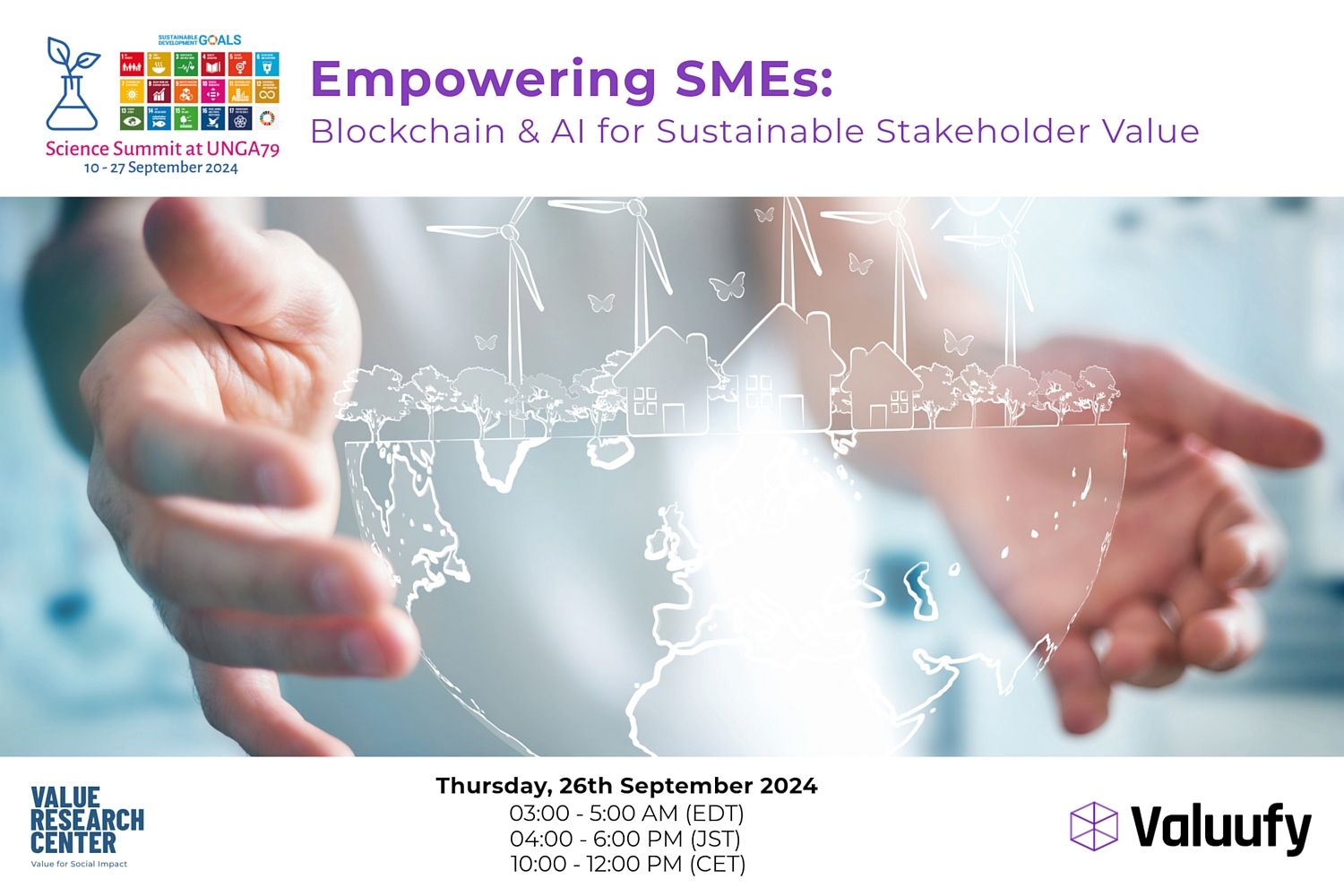
Valuufy, a pioneering force in sustainability assessment, announces its CEO Kyle Barnes will present at the prestigious Science Summit at the United Nations General Assembly (SSUNGA79) on September 26 as part of a larger panel session on the important role of SMEs in global sustainability efforts. This marks the third consecutive year that the Value Model has been included in this global forum.
Valuufy’s presentation will showcase how SMEs can become a more powerful force in global sustainability efforts. The session, “Empowering SMEs: Blockchain & AI for Sustainable Stakeholder Value”, will also demonstrate how the ValuuCompass enables businesses of all sizes to measure, understand, and enhance value creation across all stakeholder groups.
This is the third time the Value Model (which evolved into the ValuuCompass) has been presented at the SSUNGA, reinforcing the global relevance and potential of the ValuuCompass in addressing complex sustainability challenges, and offering a potential outline for how a post-SDGs could function.
“The ValuuCompass aims to become a global standard for sustainability by 2030, and this platform allows us to get important feedback at one of the world’s most important sustainability-focused events. We’re excited to explore how blockchain and AI can help smaller businesses navigate the complex world of sustainability and position themselves as leaders in the post-SDG era,” shares Kyle Barnes, CEO of Valuufy.
“We are honored to introduce the ValuuCompass as a powerful tool for driving sustainable business practices, especially for SMEs at this year’s Science Summit for the United Nations General Assembly.”
The ValuuCompass was developed by the Value Research Center at Doshisha University and is a practical tool that helps organizations measure their impact on seven key stakeholders: the organization itself, shareholders, employees, customers, partners, society, and the planet.
“We know that a post-SDG world needs to act for people, planet, and prosperity and Valuufy speaks to this imperative. Its participation in SSUNGA79 builds on the discussions from previous years’ presentations, which introduced the Value Model and explored its role in creating a sustainable post-SDG future,” acknowledges Heather Young, SSUNGA Japan Co-Chair.
This year’s focus on empowering SMEs with blockchain and AI technologies demonstrates Valuufy’s commitment to making sustainable practices accessible and impactful for businesses of all sizes, and will include speakers across academia and business to explore how best to integrate the collective actions of SMEs to ensure global sustainability success.
The virtual session is scheduled for Thursday, September 26, 2024, from 16:00 to 18:00 JST. There is no cost to attend, but registration is required: https://sched.co/1l8mc
About Valuufy Valuufy seeks to transform how the world understands and acts on sustainability. Founded in 2024, Valuufy, Inc is a registered Japanese startup in Kyoto, Japan, born of 10 years’ academic value research at Doshisha University and the Value Research Center. Led by an international team with expertise in value research, sustainability strategies, innovative technologies, business development, and ESG assessments, Valuufy provides a suite of products and services to promote value creation activities across stakeholders for businesses of all sizes. Valuufy aims to set new standards in transparent, data-driven decision-making in the realm of sustainability and value creation. For more on Valuufy’s products and services and its impact on shaping the future of sustainability strategies, visit www.valuufy.com.
Focusing on Eight Major Steps to build a connected, innovative and green Belt and Road
The ninth Belt and Road Summit, co-organised by the Hong Kong Special Administrative Region Government (HKSAR) and the Hong Kong Trade Development Council(HKTDC), opened today at the Hong Kong Convention and Exhibition Centre.
The theme is Building a Connected, Innovative and Green Belt and Road. As one of the celebrations for the 75th anniversary of the founding of the People’s Republic of China, the Summit brings together over 90 policymakers and business leaders from Belt and Road countries and regions. It centres on the eight major steps President Xi Jinping announced last year to support the high-quality development of the Belt and Road Initiative (BRI) and explores cooperation opportunities for the next golden decade of the BRI.
The Opening Session featured opening remarks by John Lee, Chief Executive of the HKSAR, and welcome remarks by Dr Peter K N Lam, Chairman of the HKTDC. Special addresses were delivered by Li Yongjie, Deputy China International Trade Representative of the Ministry of Commerce of the People’s Republic of China; Gou Ping, Vice Chairman of the State-owned Assets Supervision and Administration Commission of the State Council of the People’s Republic of China; and Xiao Weiming, Deputy Secretary-General of the National Development and Reform Commission of the People’s Republic of China. A keynote address was delivered by H.E. Nguyen Hoa Binh, Permanent Deputy Prime Minister of Vietnam.
John Lee said during his opening remarks: “Green development is increasingly important in Belt and Road collaboration. Hong Kong contributes to the cause of sustainability by not only developing green tech, but also by leveraging our expertise in financial services and driving the development of green finance. Earlier this year, we launched the world’s first multi-currency, tokenised green bond, part of our commitment to Hong Kong’s rise as a green finance hub.”
Dr Lam said: “Innovation and sustainability are key drivers of growth today. We will discuss how we can work more closely together to create a more innovative and greener Belt and Road. With its unique strengths and advantages, Hong Kong is ideally placed to foster collaboration. As the most international city in the Guangdong-Hong Kong-Macao Greater Bay Area and gateway to the vast Mainland China market, Hong Kong can facilitate many opportunities across Asia and beyond. ASEAN – our second-largest trading partner – will be a market highlight at this year’s Summit, following the recent mission we organised to Laos, Cambodia and Vietnam led by Hong Kong SAR Chief Executive John Lee.”
In her remarks, Li Yongjie said: “Under the framework of The Mainland and Hong Kong Closer Economic Partnership Arrangement (CEPA), the Ministry of Commerce (MOFCOM) supports Hong Kong to enhance its status as an international financial, shipping and trading centre, and to play the role of a hub and platform in the Belt and Road Initiative. The MOFCOM will support Hong Kong in signing free trade agreements and investment protection agreements with more countries and regions, and to join Regional Comprehensive Economic Partnership as soon as possible. The MOFCOM will also support mainland and Hong Kong enterprises to strengthen information exchange, deepen cooperation on Belt and Road projects, enhance Hong Kong’s participation in the Belt and Road Initiative, and strengthen Hong Kong’s status as an international trade centre.”
H.E. Nguyen Hoa Binh said during his speech: “The global economy is experiencing significant transformations in its structure and growth model, requiring both governments and the business community to collaborate in promoting initiatives on economic cooperation and integration that support peace, cooperation and development at regional and global levels. I am confident that with the commitment and sound policies of our governments, along with the support and active engagement of the business community and by embracing a spirit of equality, openness and mutual benefit while upholding international law, the Belt and Road Initiative will continue to flourish.”
Deepening multilateral cooperation for a win-win future Following the successful outcomes of Chief Executive John Lee’s ASEAN visit in July, organised by the HKTDC, the Summit aims to further deepen relations between Hong Kong and ASEAN as well as other emerging markets along the Belt and Road.
The Policy Dialogue, hosted by Algernon Yau, Secretary for Commerce and Economic Development of the HKSAR, focused on Multilateral Cooperation for an Interconnected World. Invited ministerial-level officials from ASEAN and Central Asia who explored opportunities for multilateral cooperation include: H.E. Lim Lork Piseth, Secretary of State, Ministry of Commerce, Cambodia; Rachmat Kaimuddin, Deputy Coordinating Minister, Maritime Affairs and Investment in Infrastructure and Transportation, Indonesia; Arman Kassenov, Vice-Minister of National Economy, the Republic of Kazakhstan.
One highlight of the first day was the Business Plenary chaired by Professor KC Chan, Chairman of WeLab Bank. This session featured Ding Yanzhang, Chairman of Power Construction Corporation of China; Clara Chan, Chief Executive Officer of Lee Kee Group; Dato’ Seri Cheah Cheng Hye, Co-Chairman and Co-Chief Investment Officer of Value Partners Group; Shinta Widjaja Kamdani, Chief Executive Officer of Sintesa Group. They discussed Hong Kong’s role in promoting multilateral business cooperation as well as strategies that global companies are adopting in response to the latest international situation. In the evening, a cocktail reception took place with welcoming and opening remarks from Dr Peter K N Lam, and Sun Yu, Vice Chairman and Chief Executive of Bank of China (HK) Limited. Algernon Yau, Secretary for Commerce and Economic Development of the Hong Kong SAR, also delivered special remarks.
The Keynote Luncheon featured a welcome address by Paul Chan, Financial Secretary of the HKSAR Government, opening remarks by Chen Liang, Chairman of the Board of Directors and Chairman of the Management Committee of China International Capital Corporation Limited, and a keynote speech by Dilma Rousseff, President of New Development Bank.
Comprehensive analyses of topical issues on the first day of the thematic breakout session As the Belt and Road Initiative enters its next golden decade, there is increasing demand for efficient, one-stop legal and dispute resolution services. A thematic breakout session titled Building a Green, Sustainable and Innovative Silk Road through Hong Kong’s Legal and Dispute Resolution Services was co-hosted with the Department of Justice of the HKSAR. The session began with welcome remarks from Paul TK Lam, Secretary for Justice of the HKSAR Government, featuring business leaders from the Hong Kong International Arbitration Centre and law firms. Another thematic breakout session on the first day was co-hosted with the Insurance Authority, titled Role of Captive Insurance in Supporting Belt and Road Initiative.
Additionally, the Summit co-hosted the Mainland-Hong Kong Trade In Services Symposium with the Ministry of Commerce of the People’s Republic of China (MOFCOM). This symposium analysed the latest developments across various sectors, driving service innovation along the Belt and Road, with representatives from leading companies in telecommunications, AI and professional services. The Symposium also features a pavilion brought by MOFCOM, which brings together exhibitors in the fields of green technology, business services and cultural trade to showcase China’s achievements in trade in services to global buyers, and to build a platform for collaboratively exploring the international market.
Debut Green Chapter highlights Hong Kong’s green advantages This year’s Summit introduces a new Green Chapter, featuring a series of thematic breakout sessions related to green construction, innovation and finance, allowing participants to explore ways of developing green businesses leveraging Hong Kong as a platform.
The Charting Green Development for a Connected World session discussed strategies for optimising green infrastructure development. It was co-hosted by the China International Contractors Association. The speakers at this session were: Chen Zhong, Vice General Manager of China Communications Construction Group Limited; Harry Lai, Executive Director of Hong Kong Green Building Council; Wu Yun, Deputy General Manager of China Energy Engineering Group Co., Ltd; Rex Wong, CEO of Kam Shing Group; and Mi Zhihui, Vice President of Shanghai Municipal Engineering Design Institute (Group) Co., Ltd.
Second Business Plenary to explore opportunities in the Middle East Tomorrow’s Business Plenary will be chaired by Ronnie C. Chan, Honorary Chair of Hang Lung Properties Limited. The business plenary, which will explore opportunities in the Middle East and other Belt and Road markets, will feature: Mohamed Abduljabbar Alkoheji, Second Vice-Chairman of the Bahrain Chamber of Commerce and Industry; Bonnie Y Chan, Chief Executive Officer of Hong Kong Exchanges and Clearing Limited; Peter Fekete, Group CEO of 4iG from Hungary; Eric Ip, Group Managing Director of Hutchison Port Holdings Limited from Hong Kong; Iqbal Khan, Chief Executive Officer of Fajr Capital from UAE; and Bui Kim Thuy, Deputy CEO of VinFast from Vietnam.
Two new thematic breakout sessions will also take place tomorrow – Multi-dimensional Connectivity under the Belt and Road Initiative and People-to-people Exchanges through Business and Cultural Collaboration – discussing progress in transport connectivity and ways in which economic and cultural exchanges can enhance mutual understanding. The Green Chapter will also have two sessions tomorrow on Smart and Green Silk Road and Developing Viable Sustainable Infrastructure Projects. Two sessions from the Finance Chapter will discuss how businesses can seize financial services opportunities in the Belt and Road via Hong Kong to expand in ASEAN and the Middle East and the impact of financial innovation and technology on BRI development. A Youth Chapter session brings together young business leaders to talk about the ways in which youth can harness opportunities presented by the BRI.
19 MoUs signed on Day 1 19 Memoranda of Understanding (MoUs) signed on the first day of the Summit. Signatories of the 4 G2G MoUs and 15 B2B MoUs comprised government and businesses from the Middle East and ASEAN, including the United Arab Emirates, Indonesia, Malaysia and Vietnam as well as Australia. Areas covered include infrastructure, energy and sustainable development. This year’s Summit continues to offer investment and business matching services, including one-to-one project matching meetings and project investment sessions. The business matching service provides a full range of options, in both physical form on 11-12 September and online on 16-17 September, with more than 280 investment projects expected to be matched and more than 800 one-to-one project matching meetings taking place.
The Summit continues to feature an exhibition area showcasing more than 100 exhibitors across three distinct zones: the Hong Kong Zone, Global Investment Zone and InnoTech Zone. The Hong Kong Zone highlights the services and business advantages of Hong Kong service providers. The Global Investment Zone presents large-scale investment projects, cultural and technological developments as well as global investment opportunities. The InnoTech Zone showcases cutting-edge innovations, AI, digital technologies and solutions from around the world.
The Strategic Partner for the 9th Belt and Road Summit is Bank of China International Capital Corporation Ltd. The Banking Partner is Bank of China (Hong Kong) Limited. The Global Connectivity Partner is the Hongkong and Shanghai Banking Corporation Limited. The New Economy Partner is Standard Chartered. The Diamond Sponsor is Huatai International Financial Holdings Company, while China Mobile International Limited, China National Petroleum Corporation, China Telecom Global and China Unicom Global Limited are Platinum Sponsors.
About HKTDC The Hong Kong Trade Development Council (HKTDC) is a statutory body established in 1966 to promote, assist and develop Hong Kong’s trade. With 50 offices globally, including 13 in Mainland China, the HKTDC promotes Hong Kong as a two-way global investment and business hub. The HKTDC organises international exhibitions, conferences and business missions to create business opportunities for companies, particularly small and medium-sized enterprises (SMEs), in the mainland and international markets. The HKTDC also provides up-to-date market insights and product information via research reports and digital news channels. For more information, please visit: www.hktdc.com/aboutus.
With the recent release of the United Nations (UN) 2024 State of Food Security and Nutrition in the World (SOFI) report, CropLife Asia and its member companies are highlighting the increasingly critical role agricultural innovation and technology play in enabling and empowering regional farmers to produce the safe, nutritious and affordable food that drives food security in Asia.
According to the 2024 SOFI report, between 713 and 757 million people may have faced hunger globally in 2023 (or one out of 11 people). Meanwhile, Asia remains home to both the largest number of those facing hunger globally at 384.5 million as well as the most people experiencing moderate-to-severe food insecurity (1.18 billion) – up from 1.7 billion people the previous year[i]. The challenge of achieving the Sustainable Development Goal of Zero Hunger (SDG2) remains daunting with 582 million people projected to be chronically undernourished by 2030[ii]. Furthermore, a healthy diet remains unaffordable for 2.83 billion people worldwide as highlighted in the SOFI report. The cost of a healthy diet has risen since 2017 globally, peaking at an average of 3.96 PPP dollars per person per day in 2022 which is a 11 percent increase compared to 2021[iii]. Compared to the global average, the cost of a healthy diet is the second highest in Asia at 4.20 PPP dollars.[iv]“The growing population here in Asia and around the world, climate change impacts and geopolitical conflicts have only exacerbated an already challenging food insecurity landscape,” said Dr. Siang Hee Tan, Executive Director, CropLife Asia. “With agricultural innovations and plant science technologies, it is possible for farmers to produce more nutritious food with fewer resources and less impact to the world around us. That helps our smallholder farmers, national economies and trade, and most crucially, our collective regional food security. More than ever, we need science-based regulatory systems around Asia to provide timely reviews of the latest agricultural innovations and technologies that can help our smallholder farmers at such a consequential time for our region.”Plant science technologies such as plant biotechnology, gene-editing and crop protection products play a key role in supporting crop productivity, ensuring a stable food supply, managing and protecting natural resources as well as driving national economies. For example, biotech crops have increased global food, feed and fibre production by nearly 1 billion tonnes from 1996 to 2020.[v] During the same period, insect resistant crop technology used in maize has increased yields by an average of 17.7 percent relative to conventional production systems. The livestock industry is heavily dependent on maize as animal feed, making it a critical component of the agricultural economy.Gene-editing techniques such as CRISPR-Cas can be used in agriculture to build tolerant traits that can respond better to heat, drought and flooding, improve photosynthesis to boost yields and redesign crops to serve as more nutritious and sustainable food sources.About CropLife AsiaCropLife Asia is a non-profit society and the regional organization of CropLife International, the voice of the global plant science industry. We advocate a safe, secure food supply, and our vision is food security enabled by innovative agriculture. CropLife Asia supports the work of 15 member associations across the continent and is led by six member companies and one associate member company at the forefront of crop protection, seeds and/or biotechnology research and development. For more information, visit us at www.croplifeasia.org. For more information please contact:Duke HippDirector, Public Affairs & Strategic Partnerships CropLife Asiaduke.hipp@croplifeasia.org[i] FAO, IFAD, UNICEF, WFP and WHO. 2024. The State of Food Security and Nutrition in the World 2024 – Financing to end hunger, food insecurity and malnutrition in all its forms. Rome. https://doi.org/10.4060/cd1254en[ii] FAO, IFAD, UNICEF, WFP and WHO. 2024. The State of Food Security and Nutrition in the World 2024 – Financing to end hunger, food insecurity and malnutrition in all its forms. Rome. https://doi.org/10.4060/cd1254en[iii] FAO, IFAD, UNICEF, WFP and WHO. 2024. The State of Food Security and Nutrition in the World 2024 – Financing to end hunger, food insecurity and malnutrition in all its forms. Rome. https://doi.org/10.4060/cd1254en[iv] FAO, IFAD, UNICEF, WFP and WHO. 2024. The State of Food Security and Nutrition in the World 2024 – Financing to end hunger, food insecurity and malnutrition in all its forms. Rome. https://doi.org/10.4060/cd1254en[v] Brookes G. (2022). Farm income and production impacts from the use of genetically modified (GM) crop technology 1996-2020. GM Crops & Food, 13(1), 171-195. https://doi.org/10.1080/21645698.2022.2105626
The Malaysian CropLife & Public Health Association (MCPA), a national association representing the plant science and public health industries of Malaysia, calls for action against illegal pesticides after the tragic poisoning incidents of two young boys and the hospitalization of a teenager upon consumption of rat poison-laced snacks, as reported in the media. These heartbreaking events underscore the urgent need for stringent measures against the use and sale of illegal pesticides.
“The use of illegal and unregistered pesticides poses significant risks not just to public health but also to the environment and economies. We strongly condemn the use of such products,” said Ms. Marie Goh Chooi Fong, Associate Director, Malaysian CropLife & Public Health Association (MCPA).
“Furthermore, the proliferation of unregistered and illegal pesticides through online platforms is a growing concern. We urge the authorities to intensify efforts to govern the online sale of pesticides. Ensuring that all pesticides sold online are properly registered and comply with safety standards is crucial to prevent further tragedies,” she added.
Pesticides are some of the most tested and regulated products in the world. Likewise, in Malaysia, the pesticide industry is rigorously regulated by the Pesticides Board (PB) of the Department of Agriculture (DOA). Only pesticides that comply with stringent safety, toxicology, bio-efficacy, and other standards are approved by PB for sale. MCPA members, as registrants, strictly adhere to the Act, rules, and guidelines provided by PB to ensure safety while supporting national needs, including food security. Additionally, MCPA members adhere to the International Code of Conduct on Pesticides Management (ICOC) by the Food and Agriculture Organization (FAO) of the United Nations (UN).
MCPA and its members have been actively promoting Good Agriculture Practice (GAP) and stewardship programs for decades. These stewardship programs include educating users and promoting practices that encourage the responsible, safe and efficient use of pesticides. This is undertaken within the context of promoting an Integrated Pest Management (IPM) strategy and forms an important part of the industry’s life-cycle approach to product stewardship. MCPA also partners with the food value chain and government agencies to ensure food safety.
MCPA remains committed to supporting farmers and advancing the use of innovative agricultural technologies for a safe, affordable and secure food supply.
About Malaysian CropLife & Public Health Association (MCPA)
MCPA is a non-profit trade association, the voice of the plant science and public health industry in Malaysia. We advocate a safe, secure food supply, and our vision is food security enabled by innovative agriculture. MCPA is one of the 15 national associations under CropLife Asia, based in Singapore. For more information, visit us at www.mcpa.org.my.
For more information please contact: Marie Goh Chooi Fong Associate Director Malaysian CropLife & Public Health Association (MCPA) marie@mcpa.org.my
The Melanesian Spearhead Group (MSG) team, led by Director General Leonard Louma and Executive Advisor Christopher Nisbert, emphasized that Papua is stable, and conducive overall. Economic and social activities are well and normal. The statement was released after MSG officials visited the Land of Cenderawasih, as Papua is known, traveling overland from Port Moresby, Papua New Guinea (PNG) to Jayapura on Monday, 17 June.
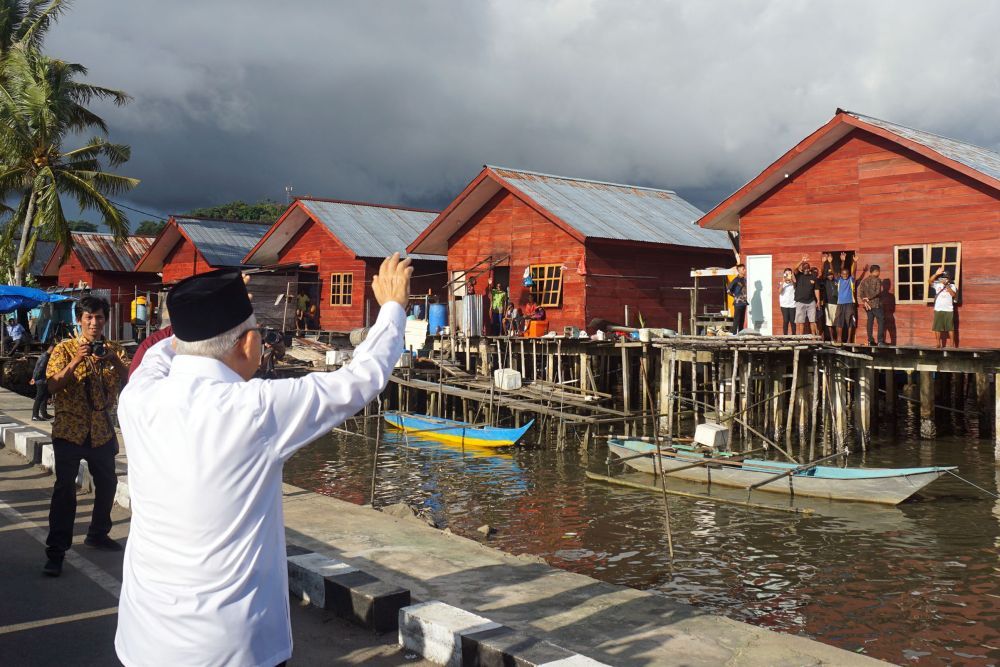
Vice President Ma’ruf Amin waves to residents in the Malawei Fishing Village, Sorong Manoi District, Sorong City, West Papua, on 6 June 2024. The Indonesian government targeted building 350 houses for indigenous Papuan fishers in 2014, but only 40 houses have been completed due to technical constraints, including environmental impact assessments (AMDAL permits). The remaining houses will be completed in 2024/25.(ANTARA FOTO/Olha Mulalinda/Spt.)
Usman Kansong, Head of the Public Communication Task Force for Papua Welfare, appreciated the MSG team’s visit. “This is a positive step, and I would like to express my appreciation for MSG because its two leaders were able to witness the real conditions in Bumi Cenderawasih, and various developments that the government has undertaken in Papua,” he said in Jakarta on Tuesday, 18 June.
During their visit, both Leonard Louma and Christopher Nisbert agreed that Indonesia could serve as a good example of how a country manages its borders. These best practices could be emulated in border areas in the MSG region. They also believe that Indonesia’s role in the ASEAN region will be crucial and beneficial for MSG member countries, providing various advantages and benefits in multiple fields.
Specifically, Leonard Louma revealed that he would promote cooperation in the plantation sector within MSG that involves Indonesia, including a vanilla plantation program in Vanuatu and the Solomon Islands. Therefore, he believes it is necessary to create an economic corridor in the form of an MSG vanilla association to strengthen the vanilla commodity in the region.
Indonesia’s involvement is crucial because it is believed to help open the ASEAN market. This is highly beneficial as MSG is working to build communication and involve Indonesia regionally. During his visit, Leonard Louma also discussed the potential for cooperation in education between MSG and Indonesia, suggesting that student and faculty exchanges can be realized soon.
Separately, Senior Advisor Theo Litaay of the Presidential Staff Office deemed the MSG leaders visit to Indonesia a significant breakthrough that benefits the region across various economic, socio-cultural, and political sectors. “Such regional cooperation will expand economic growth towards the Pacific. The region will benefit from economic growth in Southeast Asia as a driver for development. That is from a regional perspective,” he said.
Leonard Louma and Christopher Nisbert, with their entourage, arrived in Indonesia from Port Moresby via overland journey to the Skouw-Wutung border on Monday, 17 June. They arrived at the border post around 10:00 AM local time, accompanied by Indonesian Consul General Tangkuman Alexander, and left the post with Representatives of the Border Affairs and Cooperation Agency of Papua Province as they continued their journey to the city of Jayapura, observing developments in Papua.
Both MSG leaders attended the MSG Security Strategy (MSG SS) on Wednesday, 19 June, in Jakarta, organized by the Indonesian Ministry of Foreign Affairs. The MSG SS aims to gather various input from Non-Governmental Organizations (NGOs), including civil society, regarding key priorities in addressing security challenges in the region.
* Note: The Melanesian Spearhead Group is an intergovernmental organization, composed of the four Melanesian states of Fiji, Papua New Guinea, Solomon Islands and Vanuatu, and the Kanak and Socialist National Liberation Front of New Caledonia. In June 2015, Indonesia was recognized as an associate member.
For more information, please contact the Director General of Public Information and Communication, Usman Kansong (+62 81 678 5320), or visit https://infopublik.id for up-to-the-minute news.
CropLife Asia and the EU-ASEAN Business Council have jointly released a report on the sustainability of food systems in ASEAN. The report titled “Report on ASEAN Food Systems Sustainability,” draws on discussions from the first ASEAN Food Systems Sustainability Workshop that was held in Jakarta in November 2023. This report provides an analysis of the current challenges and opportunities facing agriculture and crop production in Southeast Asia, underscoring the need for region-specific solutions in light of global sustainability trends.
“This report is a call to action for countries in Southeast Asia to ensure national agricultural strategies address national needs and realities,” said Dr. Siang Hee Tan, Executive Director, CropLife Asia. “Realizing safe, secure and sustainable regional food systems requires balancing increased productivity with environmental protection and economic viability for our smallholder farmers. We can and must work together to make certain Southeast Asia’s smallholders have access to innovative technologies enabling greater food production with fewer natural resources and less impact to the world around us.”
The report sheds light on the effects of rising population growth and food demand in Southeast Asia. The region is expected to have nearly 30 million more people in 2030 compared to the European Union. This projection highlights the need for innovative approaches that help provide a reliable and affordable food supply. Another key finding from the report is the growing climate change impact to the region’s agricultural sector including lower yields, increased risks from extreme weather events and the continued spread of pests and diseases. The region’s unique tropical climate as well as soil condition further contributes to these agricultural challenges.
“We live in a world where food security, improving the nutritional value of the food we produce, and raising rural incomes are all of increasing importance and are all equally key sustainability measures. And, we have to do this whilst also taking care of and protecting our natural environment. As this report highlights, these things can be done together, in balance,” said Chris Humphrey, Executive Director, EU-ASEAN Business Council.
The report also provides insight into the key crop export landscape in ASEAN and how the stringent agricultural and environmental policies of the EU Green Deal could hinder productivity and sustainability in the region. Additionally, the report emphasizes the role and relevance in the region of agricultural innovations including digital solutions for food distribution, training farmers in efficient farming techniques and the use of gene-editing and crop protection technologies.
CropLife Asia is a non-profit society and the regional organization of CropLife International, the voice of the global plant science industry. We advocate a safe, secure food supply, and our vision is food security enabled by innovative agriculture. CropLife Asia supports the work of 15 member associations across the continent and is led by six member companies and one associate member company at the forefront of crop protection, seeds and/or biotechnology research and development. For more information, visit us at www.croplifeasia.org.
About EU-ASEAN Business Council
The EU-ASEAN Business Council (EU-ABC) is the primary voice for European businesses within the ASEAN region and is the only organisation that operates in the intersection of the private and public sectors between ASEAN and Europe. We are formally recognised by both the European Commission, and we are an accredited entity under Annex 2 of the ASEAN Charter.
Independent of both bodies, the Council has been established to help promote the interests of European businesses operating within ASEAN and to advocate for changes in policies and regulations which would help promote trade and investment between Europe and the ASEAN region. As such, the Council works on a sectorial and cross-industry basis to help improve the investment and trading conditions for European businesses in the ASEAN region through influencing policy and decision makers throughout the region and in the EU, as well as acting as a platform for the exchange of information and ideas amongst its members and regional players within the ASEAN region
For more information please contact: Duke Hipp Director, Public Affairs & Strategic Partnerships CropLife Asia duke.hipp@croplifeasia.org
BEAST is Back ~ BEAST 2024 takes place on 25th May in the City of Bandung
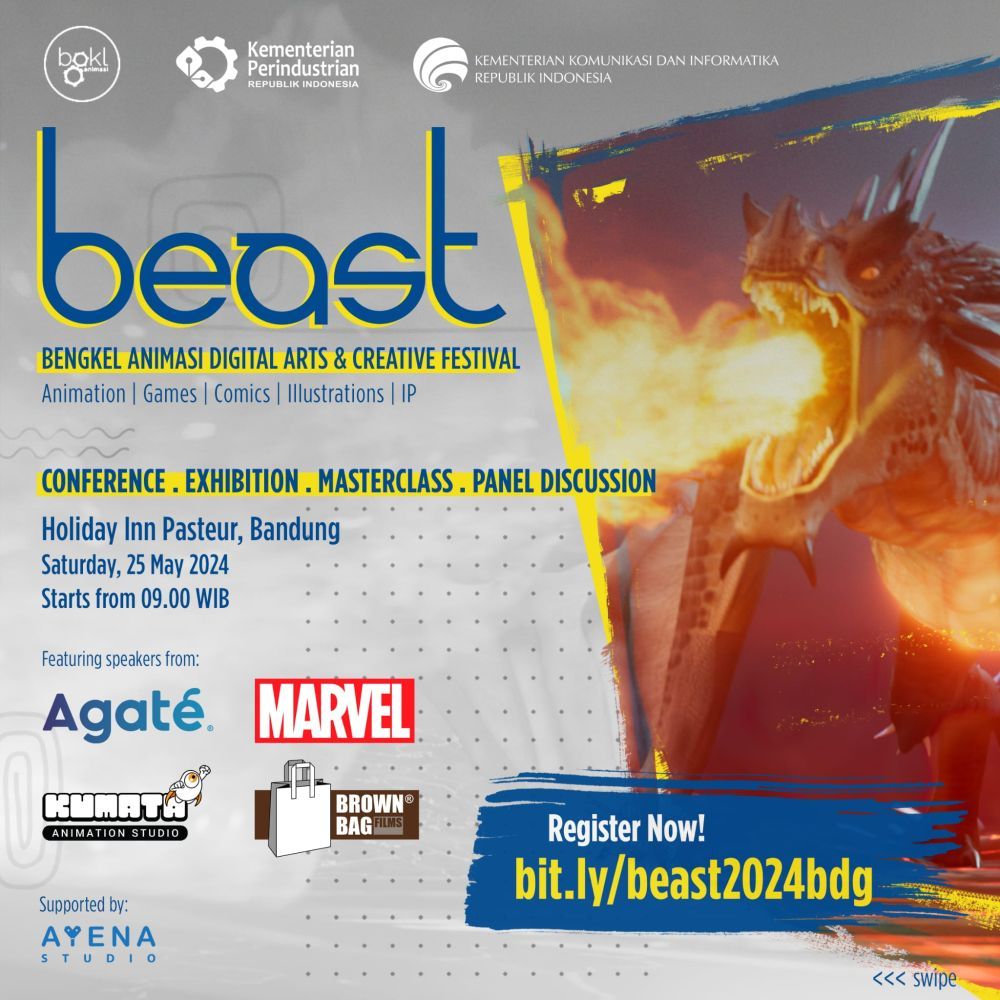
Bengkel Animasi is collaborating with the Ministry of Industry and the Ministry of Communication and Information to organize BEAST (Bengkel Animasi Digital Arts & Creative Festival) 2024, on Saturday, 25th May in the City of Bandung.
Bengkel Animasi is collaborating with the Ministry of Industry and Ministry of Communication and Information to organize BEAST 2024 (Bengkel Animasi Digital Arts & Creative Festival) on May 25.
BEAST 2024 is back post-pandemic to be held on-site and is intended to become a place for all of the digital arts and creative industry stakeholders to exchange information and create collaboration, ranging from animation & games companies, professionals, educational institutions, students and government representatives.
BEAST 2024 is presenting speakers from the Animation, Comics, Games, Illustration and Intellectual Property industry: Ronny Gani (CEO of Bengkel Animasi & Senior Animator on Avengers, Pacific Rim, Transformers), Shieny Aprilia (CEO of Agate International), Daryl Wilson (CEO of Kumata Animation Studio), Anintyas Wening (Operational Manager of Brown Bag Films Bali), and Bryan Valenza (Exclusive Color Artist at Marvel Entertainment).
These professionals will share their experiences from their career journeys working in established international companies. This will help increase the audiences’ knowledge and perspective in developing their business and skills.
Ronny Gani, CEO and Co-founder Bengkel Animasi explains, “Digital Art and Creative industry has experience a significant growth within the last few years. A lot of local companies question whether to create their own products or to provide services for international clients. Through BEAST, we want to synergize all of the industry stakeholders, especially for the business and human resources. We hope that the industry growth can be more optimal, and most importantly, human and talent resources regeneration can take forth on to the youth in becoming future professionals that are able to compete internationally. That is the motivation for us in Bengkel Animasi, a company that focuses in developing the future talents, through multiple programs; training centers, events organization, and 3D animation service provider.”
Daryl Wilson, CEO of Kumata Studio and the chairman of AINAKI (Asosiasi Industri Animasi Indonesia), who is also going to be one of the speaker at BEAST 2024, explains: “Indonesia will experience a significant increase of demographic within the next 10-15 years, and will require a lot of new opportunities. Given the nature of its production that requires a lot of human resources, animation industry will be able to create huge new jobs and opportunities, while also creates new Intellectual Property (IP) products and provides animation service production to domestic and international markets.
AINAKI is supporting Bengkel Animasi with their BEAST events, as it will create networking opportunities amongst the stake holders. Based on AINAKI’s research, there was a 26% growth within the last 6 years, whereas the amount of animation studios are increasing more than 200% in each year. Therefore, AINAKI is committed to collaborate with more entities in order to grow the animation sector in accomplishing Indonesia Emas that is set out by the government.”
Anintyas Wening, Operational Manager of Brown Bag Films Bali, who is also a speaker at BEAST 2024 says, “Brown Bag Films Bali believes that BEAST has a significant impact in the growth of Indonesia’s animation industry. We are looking forward in sharing our experience and insights at the event in order to provide knowledge and strengthening the animation ecosystem in Indonesia.”
BEAST 2024 registration is available at: bit.ly/beast2024bgd
CropLife Asia, the regional voice of the plant science industry, today announced a new lineup for the organization’s Office Bearers within the Board of Directors. Following the CropLife Asia 2024 Annual General Meeting, changes include the installation of Mr. Rahoul Vijay Kumar Sawani as President of CropLife Asia with immediate effect.
Mr. Rahoul Sawani serves as President, Asia Pacific with Corteva Agriscience. Appointed to this position in 2022, Mr. Sawani is responsible for delivering the company’s regional strategy and overseeing the growth of the business in the Asia-Pacific region. Highly experienced in the agricultural sector, Mr. Sawani has held various positions in across the plant science industry in his 18-year career and was previously Vice-President, South Asia with Corteva Agriscience.
The new roster for the CropLife Asia Office Bearers is as follows:
Rahoul Sawani, President, Asia-Pacific, Corteva Agriscience – President
Pramod Thota, President FMC Asia-Pacific, Vice-President, FMC Corporation – Vice-President
Alexander Berkovskiy, Regional Director, AMEA, Syngenta – Treasurer
“As climate change intensifies and farmers in Asia face increasing challenges with crop production, plant science plays an important role in ensuring a robust, resilient and sustainable food system for the region. We’re grateful to have experienced and strong leaders comprising our CropLife Asia Board of Directors at such a consequential time for our region,” said Dr. Siang Hee Tan, Executive Director of CropLife Asia.
About CropLife Asia
CropLife Asia is a non-profit society and the regional organization of CropLife International, the voice of the global plant science industry. We advocate a safe, secure food supply, and our vision is food security enabled by innovative agriculture. CropLife Asia supports the work of 15 member associations across the continent and is led by six member companies at the forefront of crop protection, seeds and/or biotechnology research and development. For more information, visit us at www.croplifeasia.org.
For more information please contact: Duke Hipp Director, Public Affairs & Strategic Partnerships CropLife Asia Tel: (65) 6221 1615 duke.hipp@croplifeasia.org