
Nano-sized probes reveal how cellular structure responds to pressure

By giving living cells a ‘nano-poke’ and monitoring the resulting changes in the intra-cellular environment, researchers have gotten their first glimpse of how whole cells respond to external mechanical pressure.
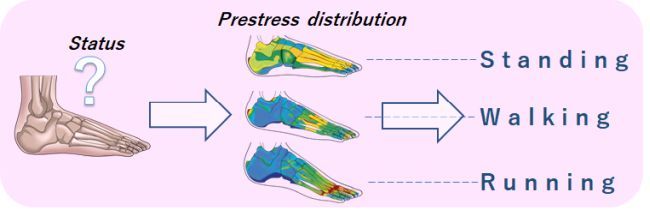
How foot stress (prestress) distribution varies with foot function.

A team lead by scientists from the National Institute for Materials Science in Tsukuba, Japan, used a technique called atomic force microscopy to apply force across the surface of various cells. The method uses nanoscale probes, with tips just a few billionths of a metre in size, to measure and map how force gets distributed across the cellular surface and throughout the cell. The researchers used machine learning to analyse and model the forces they measured. They also used fixing and staining techniques to study how the force distortion affected the cell’s internal structures and the microtubules and actin filaments that make up its ‘skeleton’.

“Cells are smart materials that can adapt to various chemical and mechanical stimuli from their surroundings,” says Jun Nakanishi, one of the corresponding authors of the study and the leader of the Mechanobiology Group at the National Institute for Materials Science. That ability to adapt relies on rapid feedback mechanisms to keep the cell intact and healthy, and there’s growing evidence that the failure of this cellular response underlies a range of ailments, including diabetes, Parkinson’s disease, heart attacks, and cancer.

So far, studies of these cellular responses have been limited by the techniques used – for example, some methods require that cells be pre-fitted with sensors, so they can only measure a small part of the response. “We invented a unique way to ‘touch’ a cell with nanoscale ‘hand’, so that the force distribution over a complete cell could be mapped with nanometer resolution,” says Hongxin Wang, who is the first author of the study and JSPS postdoc in the Mechanobiology Group.

The study revealed that tensional and compressional forces are distributed across actin fibres and microtubules within the cell to keep its shape, similar to how the poles and ropes of a camping tent work. When the researchers disabled the force-bearing function of actin fibres, they found that the nucleus itself is also involved in counterbalancing external forces, highlighting the role of the internal structure of the nucleus in the cellular stress response.

The research team also compared the responses of healthy and cancerous cells. Cancer cells proved more resilient to external compression than the healthy cells, and they were less likely to activate cell death in response.

The findings not only illuminate the complex intracellular mechanics of the stress response, but the discovery of different responses in cancer cells could offer a new way to distinguish healthy and cancerous cells – a diagnostic tool based on cellular mechanics.

Hospitals currently use the size, shape, and structure of a cell in diagnosing cancer. However, these features don’t always provide enough information to tell the difference between healthy and diseased cells. “Our findings provide another way of checking cell conditions by measuring force distribution, which could dramatically improve diagnostic accuracy,” says Han Zhang, another corresponding author of the study and the senior researcher of the Electron Microscopy Group, NIMS.

The study was published in the journal Science and Technology of Advanced Materials.

Further information:

Jun Nakanishi
Email: NAKANISHI.Jun@nims.go.jp 
National Institute for Materials Science (NIMS)

Han Zhang
Email: ZHANG.Han@nims.go.jp 
National Institute for Materials Science (NIMS)

Hongxin Wang
Email: WANG.Hongxin@nims.go.jp 
National Institute for Materials Science (NIMS)

Paper: https://doi.org/10.1080/14686996.2023.2265434 

About Science and Technology of Advanced Materials (STAM)

Open access journal STAM publishes outstanding research articles across all aspects of materials science, including functional and structural materials, theoretical analyses, and properties of materials. https://www.tandfonline.com/STAM

Dr Yasufumi Nakamichi
STAM Publishing Director
Email: NAKAMICHI.Yasufumi@nims.go.jp 

Press release distributed by Asia Research News for Science and Technology of Advanced Materials.

Machine learning techniques improve X-ray materials analysis

Researchers of RIKEN at Japan’s state-of-the-art synchrotron radiation facility, SPring-8, and their collaborators, have developed a faster and simpler way to carry out segmentation analysis, a vital process in materials science. The new method was published in the journal Science and Technology of Advanced Materials: Methods.

The SPring-8 facility has a storage ring with a circumference of 1.5 km

Segmentation analysis is used to understand the fine-scale composition of a material. It identifies distinct regions (or ‘segments’) with specific compositions, structural characteristics, or properties. This helps evaluate the suitability of a material for specific functions, as well as its possible limitations. It can also be used for quality control in material fabrication and for identifying points of weakness when analyzing materials that have failed.

Segmentation analysis is very important for synchrotron radiation X-ray computed tomography (SR-CT), which is similar to conventional medical CT scanning but uses intense focused X-rays produced by electrons circulating in a storage ring at nearly the speed of light. The team have demonstrated that machine learning is capable in conducting the segmentation analysis for the refraction contrast CT, which is especially useful for visualizing the three-dimensional structure in samples with small density differences between regions of interest, such as epoxy resins.

“Until now, no general segmentation analysis method for synchrotron radiation refraction contrast CT has been reported,” says first author Satoru Hamamoto. “Researchers have generally had to do segmentation analysis by trial and error, which has made it difficult for those who are not experts.”

The team’s solution was to use machine learning methods established in biomedical fields in combination with a transfer learning technique to finely adjust to the segmentation analysis of SR-CTs. Building on the existing machine learning model greatly reduced the amount of training data needed to get results.

“We’ve demonstrated that fast and accurate segmentation analysis is possible using machine learning methods, at a reasonable computational cost, and in a way that should allow non-experts to achieve levels of accuracy similar to experts,” says Takaki Hatsui, who led the research group.

The researchers carried out a proof-of-concept analysis in which they successfully detected regions created by water within an epoxy resin. Their success suggests that the technique will be useful for analyzing a wide range of materials.

To make this analysis method available as widely and quickly as possible, the team plans to establish segmentation analysis as a service offered to external researchers by the SPring-8 data center, which has recently started its operation.

Further information
Public Relations Office, RIKEN
Tel: 050-3495-0305
Email: ex-press@riken.jp 
2-1 Hirosawa, Wako, Saitama, 351-0198, Japan
https://www.riken.jp/en/ 

Paper: https://doi.org/10.1080/27660400.2023.2270529 

About Science and Technology of Advanced Materials: Methods (STAM-M)

STAM Methods is an open access sister journal of Science and Technology of Advanced Materials (STAM), and focuses on emergent methods and tools for improving and/or accelerating materials developments, such as methodology, apparatus, instrumentation, modeling, high-through put data collection, materials/process informatics, databases, and programming. https://www.tandfonline.com/STAM-M 

Dr Yasufumi Nakamichi
STAM Publishing Director
Email: NAKAMICHI.Yasufumi@nims.go.jp

Press release distributed by Asia Research News for Science and Technology of Advanced Materials.

A bio-inspired twist on robotic handling

The subtle adhesive forces that allow geckos to seemingly defy gravity, cling to walls and walk across ceilings have inspired a team of researchers in South Korea to build a robotic device that can pick up and release delicate materials without damage. The team, based at Kyungpook National University and Dong-A University, has published their research work in Science and Technology of Advanced Materials, an international science journal. The researchers are hoping it can be applied to the transfer of objects by robotic systems.

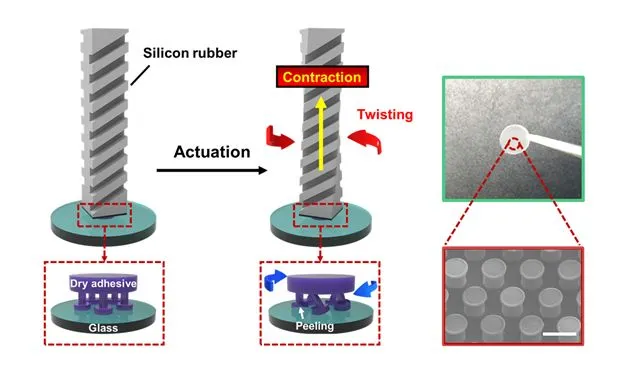
The structure and operation of the soft robotic device with dry adhesive.

The dry but sticky secret of a gecko’s foot lies in its coating of tiny hairs- made of protein- called micro setae. These hairs are around 100 micrometers long and 5 micrometers in diameter. Each hair divides into a number of branches that end in flat triangular pads called spatulae. The spatulae are so small that their molecules interact with those of the surface the gecko is climbing. This creates weak forces of attraction between these molecules, known as van der Waals force. This force is strong enough to hold the gecko in place.

The gecko’s innate adhesive ability has drawn the attention of many researchers and has inspired the use of its adhesion mechanism in robotics. An artificial, mushroom-shaped dry adhesive, that mimics this mechanism, has been used to robotically pick up materials. However, the force needed to detach the adhesive from the material’s surface can lead to its damage, especially if the material is fragile, such as glass. “There have been problems in getting the adhesive to detach easily,” explained Seung Hoon Yoo, first author of the research article. “In order to exploit these adhesive powers in robotic systems, it is imperative that the robot can not only pick up an object, but also readily detach from it to leave the object in its desired location”.

In their study, the team resolved this detachment problem by using a vacuum-powered device, made of soft silicon rubber. In order to detach the dry adhesive without damaging the fragile object being moved, a new detachment method was introduced. This method involves a twisting and lifting motion that pulls the dry adhesive off of the glass surface without causing any damage to it. The researchers found that the addition of this twisting motion caused a ten-fold reduction in the force required for detachment, which could be vital when handling delicate materials.

On conducting tests in which their transfer system was attached to a robotic arm, the researchers demonstrated that it could pick up a delicate glass disc from a sloping surface, move it to a different location and gently set it down without causing any damage to it.

“We expect our research will garner significant interest from the industry, since many companies are very interested in using dry adhesives for temporary attachment and movement of components, especially in robotic applications,” said Sung Ho Lee, one of the study’s authors. He added that his team hopes to serve as a bridge between research and industry by applying it to real industrial applications and developing more advanced models.

About Science and Technology of Advanced Materials (STAM)

Open access journal STAM publishes outstanding research articles across all aspects of materials science, including functional and structural materials, theoretical analyses, and properties of materials. https://www.tandfonline.com/STAM

Press release distributed by Asia Research News for Science and Technology of Advanced Materials.
GPT-4 artificial intelligence shows some competence in chemistry

The latest ‘large language model’ artificial intelligence system, GPT-4, could aid chemistry researchers, but limitations reveal the need for improvements.

GPT-4, the latest version of the artificial intelligence system from OpenAI, the developers of Chat-GPT, demonstrates considerable usefulness in tackling chemistry challenges, but still has significant weaknesses. “It has a notable understanding of chemistry, suggesting it can predict and propose experimental results in ways akin to human thought processes,” says chemist Kan Hatakeyama-Sato, at the Tokyo Institute of Technology. Hatakeyama-Sato and his colleagues discuss their exploration of the potential of GPT-4 in chemical research in the journal Science and Technology of Advanced Materials: Methods.

Researchers investigated the chemistry knowledge and capabilities of GPT-4, the latest version of OpenAI’s artificial intelligence model. (Credit: Growtika via Unsplash)

GPT-4, which stands for Generative Pre-trained Transformer 4, belongs to a category of artificial intelligence systems known as large language models. These can gather and analyse vast quantities of information in search of solutions to challenges set by users. One advance for GPT-4 is that it can use information in the form of images in addition to text.

Although the specific datasets used for training GPT-4 have not been disclosed by its developers, it has clearly learned a significant amount of detailed chemistry knowledge. To analyse its capabilities, the researchers set the system a series of chemical tasks focused on organic chemistry – the chemistry of carbon-based compounds. These covered basic chemical theory, the handling of molecular data, predicting the properties of chemicals, the outcome of chemical processes and proposing new chemical procedures.

The results of the investigation were varied, revealing both strengths and significant limitations. GPT-4 displayed a good understanding of general textbook-level knowledge in organic chemistry. It was weak, however, when set tasks dealing with specialized content or unique methods for making specific organic compounds. It displayed only partial efficiency in interpreting chemical structures and converting them into a standard notation. One interesting feat was its ability to make accurate predictions for the properties of compounds that it had not specifically been trained on. Overall, it was able to outperform some existing computational algorithms, but fell short against others.

“The results indicate that GPT-4 can tackle a wide range of tasks in chemical research, spanning from textbook-level knowledge to addressing untrained problems and optimizing multiple variables,” says Hatakeyama-Sato. “Inevitably, its performance relies heavily on the quality and quantity of its training data, and there is much room for improvement in its inference capabilities.”

The researchers emphasise that their work was only a preliminary investigation, and that future research should broaden the scope of the trials and dig deeper into the performance of GPT-4 in more diverse research scenarios.

They also hope to develop their own large language models specializing in chemistry and explore their integration with existing techniques.

“In the meantime, researchers should certainly consider applying GPT-4 to chemical challenges, possibly using hybrid methods that include existing specialized techniques,” Hatakeyama-Sato concludes.

Further information:

Kan Hatakeyama-Sato, Email: hatakeyama.k.ac@m.titech.ac.jp, Tokyo Institute of Technology
Teruaki Hayakawa, Email: hayakawa.t.ac@m.titech.ac.jp, Tokyo Institute of Technology

Paper: https://doi.org/10.1080/27660400.2023.2260300

About Science and Technology of Advanced Materials: Methods (STAM-M)

STAM Methods is an open access sister journal of Science and Technology of Advanced Materials (STAM), and focuses on emergent methods and tools for improving and/or accelerating materials developments, such as methodology, apparatus, instrumentation, modeling, high-through put data collection, materials/process informatics, databases, and programming. https://www.tandfonline.com/STAM-M

Dr Yasufumi Nakamichi, STAM Publishing Director, Email: NAKAMICHI.Yasufumi@nims.go.jp

Press release distributed by Asia Research News for Science and Technology of Advanced Materials.
Closing the loop between artificial intelligence and robotic experiments

The powers of artificial intelligence (AI) and robotic experiment systems have come together in pioneering proof-of-concept work at the National Institute for Materials Science (NIMS) in Japan. The researchers describe the development and demonstration of their “closed loop” automation software in the journal Science and Technology of Advanced Materials: Methods.

“The overall aim of our work is to allow experiments exploring materials science to be designed and then proceed automatically, with no human intervention,” says physicist and software engineer Ryo Tamura at the NIMS Center for Basic Research on Materials. The AI first performs the information gathering and experimental design tasks normally done by humans, and then controls the robotic systems that can execute the required physical tasks.

The team demonstrated the potential of their system by using it to identify electrolytes that would be suitable for mediating the movement of ions in lithium-metal batteries.

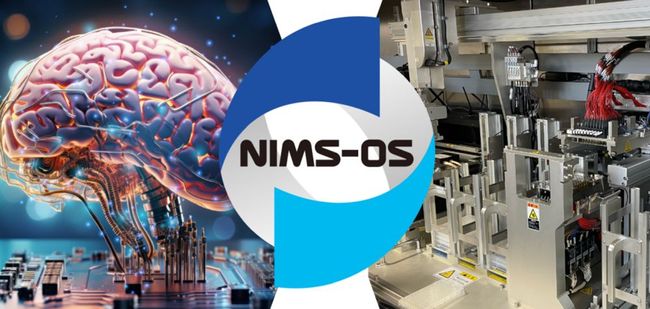
The software, called the NIMS Orchestration System (NIMS-OS), contains two basic types of modules. The first uses AI algorithms to explore archived data on the properties of materials. It selects promising materials and proposes experimental procedures that would allow them to achieve a desired aim. The second type of module generates the instructions needed to control a robotic system that will put the instructions into practice.

To make the whole process as easy to use as possible for a wide range of researchers the team also designed an easy-to-use graphical user interface to control it.

“The results of initial work by the robotic system via NIMS-OS can be fed back to refine the AI algorithms that control it, through several cycles of test and improvement,” says Tamura.

In the proof-of-concept task that explored options for making electrolytes that maximize the performance of an electrode in a lithium-metal battery, NIMS-OS utilized systems that were robotically assembled into electrochemical cells and subjected to charging and discharging cycles to analyze their performance. The results clearly identified the better electrolyte composition and indicated there is room for improvement on the electrolytes that are currently widely used commercially.

“Our NIMS-OS is now publicly available as open-source software at the widely used GitHub website,” says Tamura. “We now plan to develop it further to allow it to work together with many different types of robotic experiment systems.”

Further information
Ryo Tamura
National Institute for Materials Science (NIMS)
Email: tamura.ryo@nims.go.jp
Paper: https://doi.org/10.1080/27660400.2023.2232297

About Science and Technology of Advanced Materials: Methods (STAM-M)

STAM Methods is an open access sister journal of Science and Technology of Advanced Materials (STAM), and focuses on emergent methods and tools for improving and/or accelerating materials developments, such as methodology, apparatus, instrumentation, modeling, high-throughput data collection, materials/process informatics, databases, and programming. https://www.tandfonline.com/STAM-M

Dr Yasufumi Nakamichi
STAM Publishing Director
Email: NAKAMICHI.Yasufumi@nims.go.jp

Press release distributed by Asia Research News for Science and Technology of Advanced Materials.
Machine intelligence for designing molecules and reaction pathways

Two key challenges in chemistry innovation are solved simultaneously by exploring chemical opportunities with artificial intelligence.

Researchers in Japan have developed a machine learning process that simultaneously designs new molecules and suggests the chemical reactions to make them. The team, at the Institute of Statistical Mathematics (ISM) in Tokyo, published their results in the journal Science and Technology of Advanced Materials: Methods.

Designing the network of bonds linking atoms into molecules and suggesting chemical routes to make the molecules can now be done simultaneously.

Many research groups are making significant progress in using artificial intelligence (AI) and machine learning methods to design feasible molecular structures with desired properties, but progress in putting the design concepts into practice has been slow. The greatest impediment has been the technical difficulties in finding chemical reactions that can make the designed molecules with efficiencies and costs that could be practicable for real-world uses.

“Our novel machine learning algorithm and associated software system can design molecules with any desired properties and suggest synthetic routes for making them from an extensive list of commercially available compounds,” says statistical mathematician Ryo Yoshida, leader of the research group.

The process uses a statistical approach called Bayesian inference which works with a vast set of data about different options for starting materials and reaction pathways. The possible starting materials are all combinations of the millions of compounds that can be readily purchased. The computer algorithm assesses the huge range of feasible reactions and reaction networks to discover a synthetic route towards a compound with the properties it has been instructed to aim for. Expert chemists can then review the results to test and refine what the AI proposes. AI makes the suggestions while humans decide which is best.

“In a case study for designing drug-like molecules, the method showed overwhelming performance,” says Yoshida. It also designed routes towards industrially useful lubricant molecules.

“We hope that our work will accelerate the process of data-driven discovery of a wide range of new materials,” Yoshida concludes. In support of this aim, the ISM team has made the software implementing their machine learning system available to all researchers on the GitHub website.

The current success focused only on the design of small molecules. The team now plan to investigate adapting the procedure to design polymers. Many of the most important industrial and biological compounds are polymers, but it has proved difficult to make new versions proposed by machine learning due to challenges in finding reactions to build the designs. The simultaneous design and reaction discovery options offered by this new technology might break through that barrier.

Further information
Ryo Yoshida
The Institute of Statistical Mathematics
Email: yoshidar@ism.ac.jp

Paper: https://doi.org/10.1080/27660400.2023.2204994

About Science and Technology of Advanced Materials: Methods (STAM-M)
STAM Methods is an open access sister journal of Science and Technology of Advanced Materials (STAM), and focuses on emergent methods and tools for improving and/or accelerating materials developments, such as methodology, apparatus, instrumentation, modeling, high-through put data collection, materials/process informatics, databases, and programming. https://www.tandfonline.com/STAM-M

Dr Yasufumi Nakamichi
STAM Publishing Director
Email: NAKAMICHI.Yasufumi@nims.go.jp

Press release distributed by Asia Research News for Science and Technology of Advanced Materials.
Face-down: Gravity’s effects on cell movement

  • Specially coated surfaces help scientists investigate what happens when cell clusters are turned upside down.

Researchers at the National Institute for Materials Science (NIMS) and colleagues in Japan have developed a specially coated, light-responsive surface that helps test how the direction of gravity impacts cell movements. The findings, published in the journal Science and Technology of Advanced Materials, could lead to a better understanding of what happens to cells in people who are bedridden for prolonged periods and of the impact of gravity’s direction on cancer cell migration.

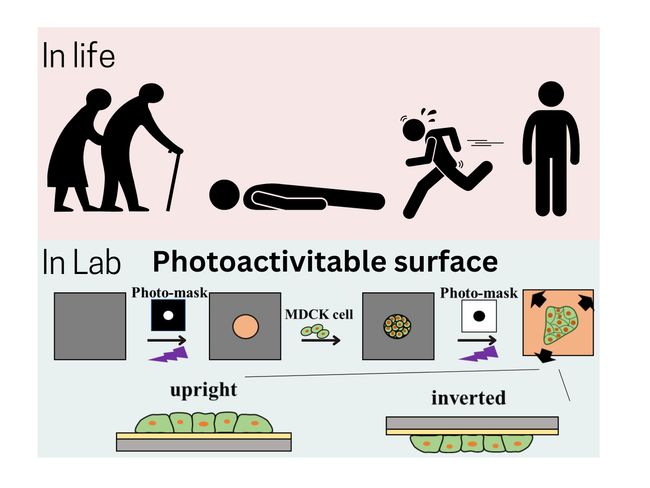
The human body takes many different positions over its lifespan. Scientists wanted to find a way to study how cell movement is impacted when the direction of gravity changes as our body positions change. (Image created using materials from STAM Vol.24, Issue 1, Article 2206525 (2023) and Canva.)

The special surfaces are made by coating glass slides with a combination of molecules that are responsive to light. Shining light on a central, circular area of the slide breaks up the molecules, clearing away a coating-free zone that cells can stick to. Once stabilized in this area, the scientists then use light to clear away an area surrounding the central circle. This encourages the cells to move in an outward direction to fill the square. The team investigated what happens to cell movement when the slide is placed upright, with the cells lying on top and the direction of gravity impacting the cells from top to bottom. They then conducted a similar test with the slide flipped over while supported on either side so that the cells are inverted and the direction of gravity is from the bottom of the cells to their tops.

“We found that the direction of gravity hindered collective cell migration in the inverted position by reducing the number of outward-moving leader cells at cluster edges and by redistributing shape-forming filaments, composed of actin and myosin, so that they kept the cells bundled together,” explains biomaterials researcher, Shimaa Abdellatef, who is a postdoc at NIMS.

The coated, light-responsive surfaces provide an advantage over currently available methods that study the impacts of gravity’s direction, as they require physical contact with the surface to which cells are attached. The new approach enables remote induction of cell migration.

“We plan to apply our approach to analyse the responses of cancer cells to the direction of gravity,” says NIMS nanoscientist, Jun Nakanishi, who led the study. “We expect to find differences between healthy and diseased cells, which could provide important information about cancer progression in bedridden patients.”

Further information
Jun Nakanishi
National Institute for Materials Science (NIMS)
Email:NAKANISHI.Jun@nims.go.jp

Shimaa A. Abdellatef
National Institute for Materials Science (NIMS)
Email: ABDELALEEM.shimaa@nims.go.jp

Paper: https://doi.org/10.1080/14686996.2023.2206525

About Science and Technology of Advanced Materials (STAM)
Open access journal STAM publishes outstanding research articles across all aspects of materials science, including functional and structural materials, theoretical analyses, and properties of materials. https://www.tandfonline.com/STAM

Dr Yasufumi Nakamichi
STAM Publishing Director
Email: NAKAMICHI.Yasufumi@nims.go.jp

Press release distributed by Asia Research News for Science and Technology of Advanced Materials.

Polymer protection for vaccines and drugs

A biocompatible polymer could help deliver vaccines and drugs with reduced risk of the rare dangerous adverse reaction called anaphylaxis. Researchers at the National Institute of Advanced Industrial Science and Technology (AIST) in Japan have developed the polymer and performed preliminary tests, which they report in the journal Science and Technology of Advanced Materials.

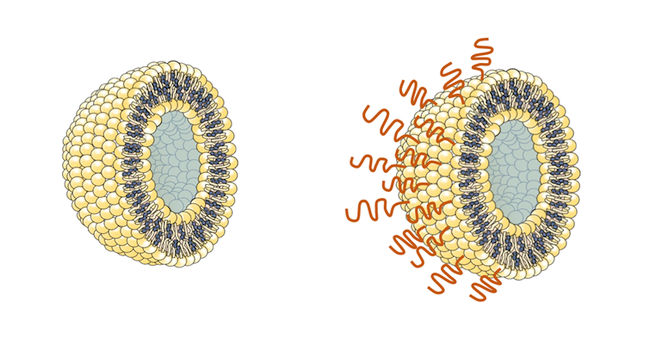
Until now, the polymer of choice for encasing and delivering vaccines has been poly(ethylene glycol) (PEG). This synthetic, flexible, water-soluble material has been used to surround some COVID-19 vaccines carried within the tiny spherical packages known as liposomes.

Unfortunately, some recipients have suffered an anaphylactic reaction to PEG, in which the immune system mounts an allergic response to the foreign material. Symptoms of anaphylaxis range from minor skin irritations, to breathing difficulty, nausea and, in the worst cases, unconsciousness and sudden death.

The alternative polymer is a form of fatty biomolecule called a lipid, and is conjugated to 2-methacryloyloxyethyl phosphorylcholine (MPC) polymer.

This new substance spontaneously binds to the outside of liposome particles when mixed with them in water. Crucially, the polymer is not recognized by the antibodies that the body can generate in response to PEG, and tests suggest it does not stimulate any other antibodies that could cause an allergic reaction. This should allow coated liposomes containing a vaccine to be retained in the body for a longer time without being cleared by the immune system, in addition to avoiding anaphylaxis.

“We have also found that the polymer avoids other interactions with proteins in the blood that might otherwise interfere with its effects, and it also prevents liposomes from aggregating together,” says molecular engineer Yuji Teramura of the AIST team.

Tests confirm the coated liposomes can remain stable in storage for 14 days, sufficient for real clinical applications.

“All the indications suggest that our technology should be suitable for delivering vaccines into patients who develop anaphylaxis in response to PEG,” Teramura concludes.

The polymer must now be thoroughly tested in various real vaccine applications. The team is moving into this next crucial phase of the development process, prior to eventual clinical trials in humans.

Provided the animal and subsequent clinical trials go well, the technology should offer opportunities for delivering drugs into the body, in addition to vaccines. Delivery systems such as liposomes are sometimes needed to protect drugs from biochemical processes that might degrade them. This can ensure that they reach the target disease tissues while remaining in their active form.

Further information
Yuji Teramura
National Institute of Advanced Industrial Science and Technology (AIST)
Email: y.teramura@aist.go.jp

About Science and Technology of Advanced Materials (STAM)

Open access journal STAM publishes outstanding research articles across all aspects of materials science, including functional and structural materials, theoretical analyses, and properties of materials. https://www.tandfonline.com/STAM

Dr Yasufumi Nakamichi
STAM Publishing Director
Email: NAKAMICHI.Yasufumi@nims.go.jp

Press release distributed by Asia Research News for Science and Technology of Advanced Materials.
Revealing crystal structures robotically

  • Machine learning and robotic process automation combine to speed up and simplify a process used to determine crystal structures.

Researchers at the National Institute for Materials Science (NIMS) in Japan have automated a complex and labour-intensive process for analysing the results of X-ray diffraction studies, which are used to determine the structure of crystalline materials. The team described the development and application of their technique in the journal Science and Technology of Advanced Materials: Methods.

By combining machine learning with robotic process automation, researchers automated a mathematical procedure that determines the structure of crystalline materials. (Credit: ktsdesign/123rf)

X-rays fired at a crystal interact with the geometric arrangement of its particles and are diffracted in many directions in a complex pattern of rays that depends on the crystal’s precise structure. Experts analyse the pattern and intensity of the diffracted X-rays to determine the crystal’s internal arrangement. This is a powerful and widely used process for revealing the three-dimensional atomic structure of new materials.

A well-established mathematical procedure, called Rietveld analysis, is used for interpreting X-ray diffraction data, but it is time-consuming and requires manual trial-and-error refinement of the results.

“To reduce human costs and resources, we have developed a robotic process automation (RPA) system that we apply to an existing Rietveld analysis program called RIETAN-FP,” says Ryo Tamura of the NIMS team. “By using our new procedure, with the help of machine learning, we have succeeded in performing Rietveld analysis automatically,” Tamura adds.

The automation can be run on a personal computer and can reduce human error as well as greatly speed up the data analysis.

Tamura explains that the field of materials science already relies on numerous graphical user interface (GUI) applications to calculate a material’s properties, control experimental equipment, or analyse material data. He says that combining this new RPA and machine learning ability with these applications achieves a “closed loop” to automatically design and analyse materials with minimal human intervention.

The researchers verified the accuracy of their procedure by analysing samples of powdered compounds whose crystal structures are already known. The ability to determine the structures from powdered samples is one of the great strengths of Rietveld analysis. It avoids the need to grow large single crystals, which can be extremely difficult to obtain for some materials.

“Automating Rietveld analysis brings a very powerful new tool into the entire field of materials science,” Tamura concludes.

The researchers are now working to further refine their procedure to make it suitable for more complex crystal structures. Another aim is to explore the use of their machine learning RPA strategy for more general applications in materials science. The possibilities include numerous simulation methods used for calculating material properties, and also applications for controlling experimental equipment. The success achieved thus far with X-ray diffraction could just be the start for Rietveld robotics.

Further information
Ryo Tamura
National Institute for Materials Science
Email: tamura.ryo@nims.go.jp

About Science and Technology of Advanced Materials: Methods (STAM Methods)
STAM Methods is an open access sister journal of Science and Technology of Advanced Materials (STAM), and focuses on emergent methods and tools for improving and/or accelerating materials developments, such as methodology, apparatus, instrumentation, modeling, high-through put data collection, materials/process informatics, databases, and programming. https://www.tandfonline.com/STAM-M

Dr. Yasufumi Nakamichi
STAM Methods Publishing Director
Email: NAKAMICHI.Yasufumi@nims.go.jp

Press release distributed by Asia Research News for Science and Technology of Advanced Materials.
New data extracted from old for materials databases

A new approach uses data from one type of test on small metal alloy samples to extract enough information for building databases that can be used to predict the properties and potentials of new materials. The details were published in the journal Science and Technology of Advanced Materials: Methods.

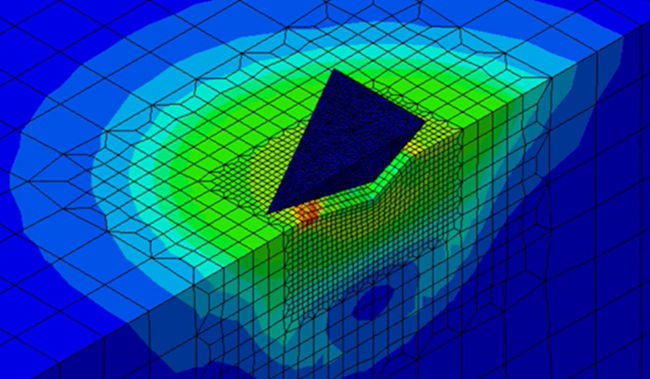
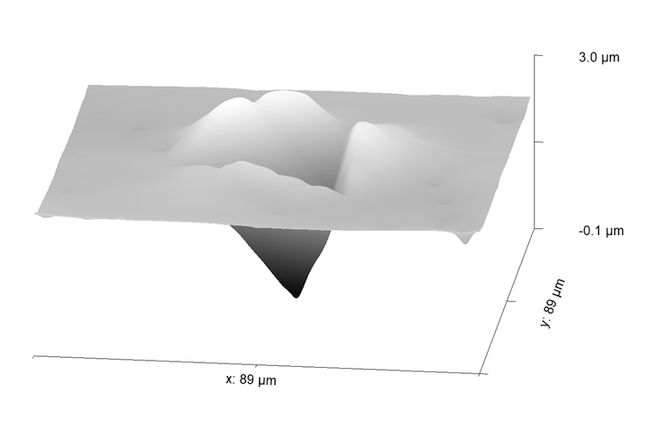
The test is called instrumented indentation. It involves driving an indenter tip into a material to probe some of its properties, such as hardness and elastic stiffness. Scientists have been using the data extracted from instrumented indentation to estimate the stress-strain curve of materials using computational simulations. This curve, and the data it provides, is important for understanding a material’s properties. That data is also used for building massive materials databases, which can be used, in conjunction with artificial intelligence, for predicting new materials.

A problem scientists face is that this approach for estimating material properties is limited when it comes to materials called ‘high work-hardening alloys’: metal alloys, like steel, that are strengthened through physical processes like rolling and forging. Only so much information can be estimated from the curve of these materials. To get the necessary additional information needed to determine their properties, more experiments would need to be done, which costs time, effort and money.

Ta-Te Chen of the University of Tsukuba and Ikumu Watanabe of the National Institute for Materials Science in Japan have developed a new computational approach to extract that additional information from instrumented indentation tests on work-hardening alloys.

“Our approach builds on an already-existing model, making it ready for use in industry. It is also applicable to existing data, including hardness,” says Watanabe.

The approach involves combining the results from two computational models, the power-law and linear hardening models, which produce their own individual stress-plastic strain curves from information gathered from indentation tests. Combining the data from both curves provides the extra data that, when added to the original stress-strain curve, shows a more holistic picture of the work-hardening alloys’ properties.

The scientists validated their approach by using it on a high-work-hardening stainless steel.

We have extended this approach to also evaluate mechanical properties at elevated temperatures, which can contribute to the development of high-temperature alloys,” says Chen.

Further information
Ikumu Watanabe
National Institute for Materials Science
Email: WATANABE.Ikumu@nims.go.jp

About Science and Technology of Advanced Materials: Methods (STAM Methods)

STAM Methods is an open access sister journal of Science and Technology of Advanced Materials (STAM), and focuses on emergent methods and tools for improving and/or accelerating materials developments, such as methodology, apparatus, instrumentation, modeling, high-through put data collection, materials/process informatics, databases, and programming. https://www.tandfonline.com/STAM-M

Dr. Yasufumi Nakamichi
STAM Methods Publishing Director
Email: NAKAMICHI.Yasufumi@nims.go.jp

Press release distributed by Asia Research News for Science and Technology of Advanced Materials.