Cloudbreak Pharma Soars 80%+ on Multiple Catalysts, Driving Value Re-Rating

Since 2025, driven by both policy tailwinds and fundamental strengths, the innovative drug sector in the Hong Kong stock market has experienced a valuation recovery. Although it experienced some correction in the second half due to external environmental factors, its overarching growth logic remains intact. Institutional analysis indicates that innovative drugs continue to represent the clearest industry trend within the pharmaceutical sector, with promising development prospects ahead.

Among the players, Cloudbreak Pharma (2592.HK), a biotech company focused on ophthalmology, has recently demonstrated strong stock performance. As of December 9, its share price closed at HK$8.24, having accumulated a gain of over 80% in approximately two weeks, and making it a standout “star stock” in the capital markets. This impressive performance is not coincidental but rather the inevitable result of multiple positive catalysts converging, including breakthroughs in its core product pipeline, enhancements to its global intellectual property (IP) layout, and an upgrade of its core management team.

Securing Another Victory in Patent Layout, Accelerating Commercialization of Core ProductOn November 27, Cloudbreak Pharma’s wholly-owned subsidiary, ADS Therapeutics LLC, successfully secured two core patents in Japan and Europe. Both patents relate to ophthalmic topical compositions and their uses for the core product CBT-009, laying a legal foundation for its global commercialization.

As a novel atropine ophthalmic formulation for treating myopia in children and adolescents aged 5 to 19, CBT-009, with its unique non-aqueous formulation design, demonstrates potential advantages over traditional aqueous formulations in terms of drug stability, safety, and patient tolerability, positioning it as a potential best-in-class product. Currently, the product’s development is progressing steadily. It received U.S. FDA approval to initiate Phase 3 clinical trial in September 2024. Juvenile animal toxicity studies in China commenced in February 2025, and preparations for Phase 3 clinical trial are actively underway.

The grant of these patents in Japan and Europe not only strengthens the global IP portfolio for CBT-009, but will also accelerate its commercialization process. Leveraging patent protection, the Company has the potential to establish partnerships with global pharmaceutical giants to advance the product’s production and distribution in key markets like Japan and Europe, accelerating global market penetration. Given the severity of the global adolescent myopia issue, CBT-009 is expected to become a core engine for the Company’s future performance growth.

Pipeline Progress Across Multiple Fronts; CBT-004 Advances Towards Phase 3Beyond CBT-009, another promising drug candidate from Cloudbreak Pharma, CBT-004, has also reached a significant milestone. As a potential first-in-class drug for vascularized pinguecula, CBT-004 uses Multi-Kinase Inhibitor targeting Vascular Endothelial Growth Factor Receptor (VEGFR) and Platelet-Derived Growth Factor Receptor (PDGFR). According to the Company’s latest disclosures, CBT-004 yielded positive results in a Phase 2 clinical trial evaluating its safety and efficacy in treating pinguecula. The Company has begun advancing its Phase 3 clinical development and is scheduled to meet with the United States Food and Drug Administration (the “FDA”) on December 10 (Pacific Standard Time, PST) at an End-of-Phase 2 meeting to establish a regulatory pathway for potential approval.

It is understood that there are currently no approved drugs globally specifically for treating vascularized pinguecula. Existing treatment options mostly offer temporary symptomatic relief, leaving significant unmet clinical needs. Should CBT-004 successfully complete development and gain approval, it would become the first targeted therapy, rapidly capturing market share with its unique efficacy advantages. This would create a new revenue stream for the Company while further solidifying its leading position in the field of ophthalmic innovative drugs.

Strengthened Executive Team Elevates Commercialization CapabilitiesThe success of innovative drugs relies not only on R&D prowess but also on robust commercialization capabilities to realize their value. On December 1, 2025, Cloudbreak Pharma announced the official appointment of Mr. Michael Rowe as its new Chief Business Officer (CBO), injecting key momentum into the Company’s global commercial strategy.

Public information shows that Mr. Michael Rowe possesses substantial hands-on commercialization experience across senior management, marketing, sales management, and clinical operations. He is particularly skilled in driving organizational efficiency and achieving breakthroughs in innovative business areas. His industry resources and operational capabilities are expected to bring comprehensive enhancements to the Company.

This executive appointment coincides with Cloudbreak Pharma’s core products entering a critical preparatory phase for commercialization. Mr. Michael Rowe’s joining will strengthen the Company’s business development capabilities in European and American markets, accelerating the construction of its global commercial footprint. Currently, through collaborations with companies such as Grand Pharmaceutical Group and Santen, Cloudbreak Pharma has established a commercialization foundation in Greater China and the Asia-Pacific region (excluding China). With the new CBO onboard, the Company is poised to further expand its global partnership network, optimize commercialization strategies, and provide robust support for the market entry of its multiple core products.

With Sustained High Industry Growth, Valuation Re-rating Potential RemainsIn recent years, the global incidence of ophthalmic diseases has continued to rise. Conditions like pterygium and adolescent myopia affect hundreds of millions of patients, while the supply of innovative drugs in related treatment areas remains severely inadequate, indicating a vast unmet market need. Concurrently, governments worldwide are increasing support for pharmaceutical innovation, providing a favorable policy environment for high-quality innovative drug companies. Within the Hong Kong stock market, the innovative drug sector is experiencing a favorable trend of valuation re-rating. Companies with solid R&D pipelines, clear commercialization pathways, and core competitiveness are seeing gradually rising valuation expectations.

As an innovative drug company dedicated to ophthalmology, Cloudbreak Pharma has built a rich pipeline covering 8 drug candidates targeting major diseases in both the anterior and posterior segments of the eye, forming a diversified product matrix. With steady progress in R&D and an increasingly refined global commercialization strategy, the Company already exhibits scarce growth attributes. The recent short-term surge in its stock price, catalyzed by multiple positive factors, is merely the beginning of value release. As these favorable initiatives are further implemented and pipeline value continues to be realized, Cloudbreak Pharma is poised to achieve dual enhancement in both performance and valuation.

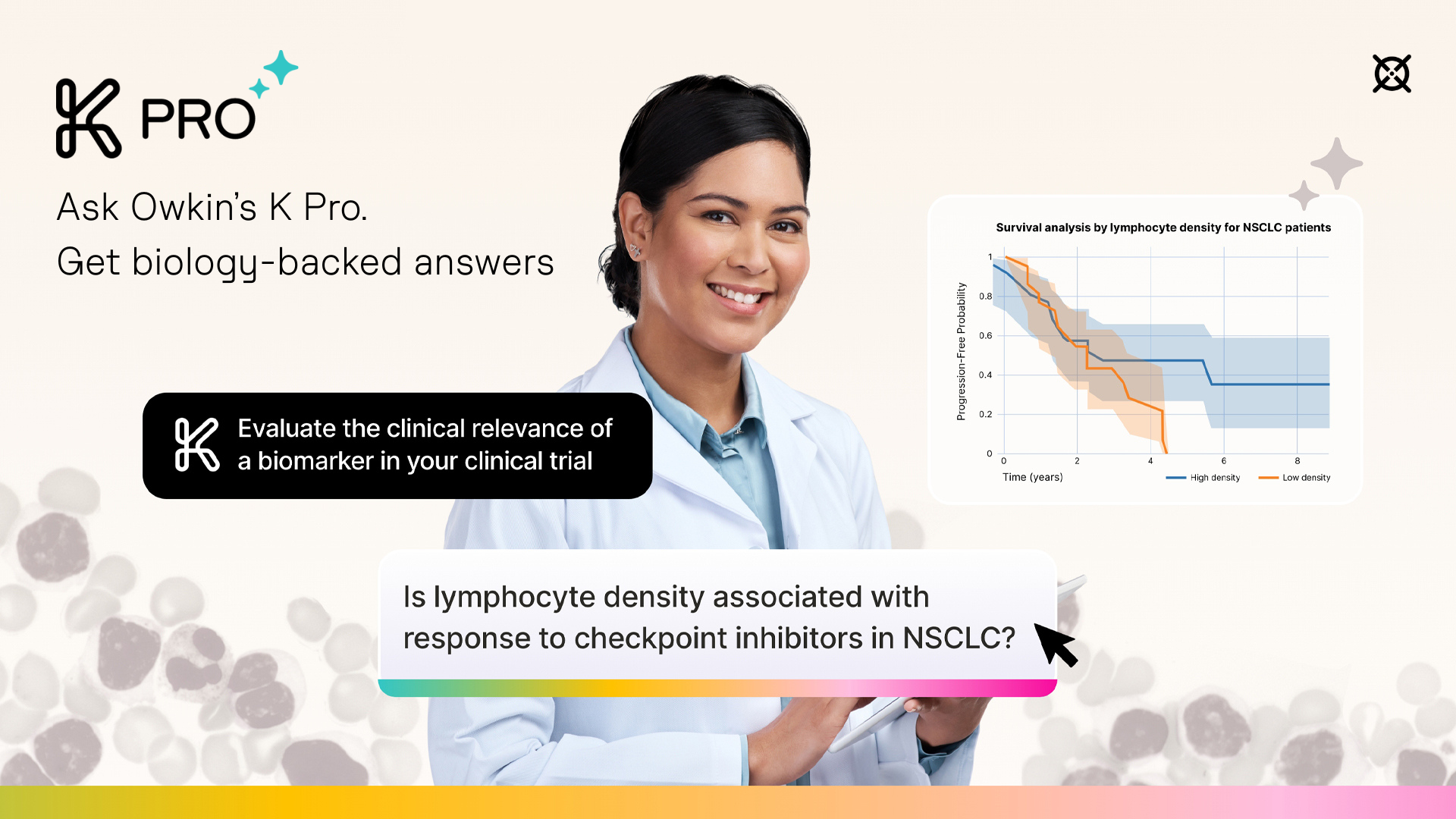
Owkin Launches K Pro: The First Agentic AI Co-Pilot for Biopharma Powered by Biological Reasoning Models

  • Enterprise platform, queried through natural language, to help pharma, biotech, and investors make better decisions.
  • High-quality biological patient data, enriched and integrated for use by AI agents.

Owkin today announces the launch of K Pro, its co-pilot bringing advanced agentic AI to biomedical research and drug development. K Pro helps pharmaceutical companies and biotechs make smarter decisions across the discovery and development pipeline, increase clinical success rates, and deliver decision-grade, data-driven biological insights fast enough to change program trajectories.

Owkin K Pro

Owkin K Pro
Owkin K Pro – the Agentic AI Co-Pilot for Biopharma

Built on a decade of Owkin’s AI innovation and in close collaboration with leading academic and industry partners, K Pro is a scientist-first co-pilot, accessible to both researchers and executives. Through natural language interaction, users can ask complex biological questions and receive actionable, clinically relevant answers, unifying fragmented workflows into an insight-driven research experience.

At its core, K Pro integrates Owkin Zero, a fine-tuned biological LLM that performs biological reasoning with higher performance than other leading LLMs (read the full paper). Leveraging high-quality, multimodal biomedical datasets, K Pro gives researchers access to one of the deepest, curated, AI-ready multimodal oncology datasets available (including MOSAIC). Biopharma and academic clients can securely upload their proprietary datasets to leverage K Pro’s advanced AI reasoning and data analysis.

Thomas Clozel, MD, Owkin Co-founder and CEO, said: “K Pro brings us closer to intelligence that evolves with the complexity of biology. By combining advanced biological reasoning with an agentic co-pilot architecture, it represents a key step towards our mission of achieving Biological Artificial Super Intelligence (BASI), AI capable of modelling and engineering biology beyond what humans are capable of to deliver transformative therapies to patients faster.”

K Pro has already accelerated internal drug target identification by 70% (from 12+ months to 3 months); built an IND-ready asset positioning strategy in hours instead of months of traditional analysis; and written a specialist review in one day, which was later published in a peer-reviewed scientific journal.

K Pro builds upon Owkin’s proven approach to agentic AI biomedical discovery, validated through collaborations with leading pharmaceutical companies including AstraZeneca, Bristol Myers Squibb and Sanofi.

Ben Mellows, managing director at the biotech company Micregen, used Owkin K to formulate his investor pitch and shared his experience: “We wanted to get our product pitch across to investors. That process could take weeks to work through with all of our experts, but Owkin K really helped. It assimilated all the information we provided evidencing how our regenerative stem cell-derived platform and products could have a major impact on healthcare and delivered a clear story tailored to investors from different backgrounds. The literature set is huge. I would say the task would have been nearly impossible to achieve at the scale that Owkin K handled in just a few work sessions.”

Owkin’s AI has already delivered results for pharmaceutical clients, including: preventing Phase 2 clinical trial futility by identifying high-risk combination therapy populations; discovering new multimodal disease endotypes; reducing trial duration by three years (35%) by identifying the right patient segment to inform enrolment and identifying novel oncology targets.

About Owkin:
Owkin is an AI company on a mission to solve the complexity of biology. It is building the first Biology Super Intelligence (BASI) by combining powerful biological large language models, multimodal patient data, and agentic software. At the heart of this system is Owkin K, an AI co-pilot and its new LLM finetuned on biology called Owkin Zero, used by researchers, clinicians, and drug developers to better understand biology, validate scientific hypotheses, and deliver better diagnostics and therapies faster.

About the State of Agentic AI in Biopharma Report:
To ensure K Pro addresses the real-world challenges facing pharma, Owkin partnered with STAT Brand Studio to produce the State of the Nation report, surveying over 200 pharma executives (full report here). Nearly half of respondents identified overcoming data challenges as the area where agentic AI could deliver the greatest value. Early discovery, clinical trial optimisation, and translational research were also highlighted as top priorities, underscoring the immediate need for agentic AI solutions that translate complex biomedical data into actionable insights.

Contact Information
Alistair Jennings
Marketing Director: Content
alistair.jennings@owkin.com
+447983972126.

SOURCE: Owkin

AGFA HealthCare Strengthens Market Position in KLAS Enterprise Imaging Report 2025

AGFA HealthCare has been recognized by KLAS Research for significant satisfaction gains. Customer satisfaction with AGFA’s Enterprise Imaging VNA and XERO® Viewer has increased significantly over the past 18 months, with both solutions named Best in KLAS 2025 winners.

KLAS Report – Enterprise Imaging 2025

Report highlights:

  • Significant Gains: customer satisfaction with AGFA’s VNA increased by 13 points on a 100-point scale over the past 18 months – the largest improvement in the segment. Both VNA and Viewer were named Best in KLAS 2025 winners.
  • Top Scores: XERO® Viewerachieved a 90.0 score, and the Enterprise Imaging VNA reached 87.4 points.
  • Customer Endorsements: respondents praised AGFA for better QA and upgrades, stronger EHR integration and web viewing, and more open dialogue. Customers also noted improved responsiveness, executive check-ins, and proactive account teams.
  • Future Outlook: customers are optimistic about the roadmap, with particular confidence in cloud and AI developments.

In September 2025, one interviewed customer – from a position of Chief of Radiology – said:

“AGFA HealthCare’s support and overall customer service are getting better, and we are seeing AGFA HealthCare becoming more involved. They seem to be cleaning up some of the challenges they have had in years past and looking ahead with cloud and AI. We have talked with them about their RUBEE platform, and while I am not sure what the future holds, it is good to see the direction they are going.”

A PACS Administrator interviewee, commented in September 2025.

“The market is moving toward the cloud, though I don’t know that we are ready to make that jump. It is early to say, but I can see us looking at disaster recovery and maybe more things down the road. AGFA HealthCare has been good at talking with us about our path and sharing what they are doing. It doesn’t feel like those conversations are from a sales point of view. It is more that AGFA HealthCare is making sure we know our options. They have also talked about AI and the platform, and we will explore that as we start to add AI in the future.”

Discover the next generation of Enterprise Imaging. Meet our team at RSNA 2025 and experience how AGFA HealthCare’s award-winning solutions and “flow” can transform imaging in your organization.

Learn more in the KLAS Enterprise Imaging 2025 Report.

About AGFA HealthCare

At AGFA HealthCare, we are transforming the delivery of care – supporting healthcare professionals across the globe with secure, effective, and sustainable imaging data management. As a company, we are dedicated to our customers, and we have harnessed a value framework of Mission, Vision and Customer Delivery Principles into our routine operations. Through these principles, we commit a consistent high-yield code of conduct to our associates – channeling our experience and aspirations to all of our stakeholders. Our Empowerer profile supports our focus on creating an exceptional experience through the power of technology and is an integral foundation to our company standards. AGFA HealthCare is a division of the Agfa-Gevaert Group. For more information on AGFA HealthCare, please visit www.agfahealthcare.com and follow us on LinkedIn.

AGFA and the Agfa rhombus are registered trademarks of Agfa-Gevaert N.V. Belgium or its affiliates. XERO and RUBEE are registered trademarks of AGFA HealthCare NV or its affiliates. All rights reserved. Best in KLAS is a registered trademark of KLAS Enterprises, LLC. All information contained herein is intended for guidance purposes only, and the characteristics of the products and services described in this publication can be changed at any time without notice. Products and services may not be available for your local area. Please contact your local sales representative for availability information. AGFA HealthCare diligently strives to provide as accurate information as possible but shall not be responsible for any typographical error.

Contact Information
Jessica Baldry
Global Marketing & Communications Manager, AGFA HealthCare 
jessica.baldry@agfa.com
+44 7583 203971

Kara Clarke
Director of Marketing North America 
kara.clarke@agfa.com

Viviane Dictus
Corporate Press Relations 
viviane.dictus@agfa.com
+32 3 444 71 24

SOURCE: AGFA HealthCare

OBI-902 has been granted by US FDA for Orphan Drug Designation for the Treatment of Cholangiocarcinoma

  • OBI-902 is the first ADC utilizing OBI’s proprietary GlycOBI glycan-based ADC enabling technology for evaluation of safety and efficacy in patients with Cancer.

OBI Pharma, a clinical-stage oncology company (4174.TWO) received notification from the US FDA stating that the request for Orphan Drug Designation of OBI-902 TROP2 ADC for the treatment of Cholangiocarcinoma has been granted. OBI-902 is the first OBI-developed ADC that incorporates our proprietary site-specific glycan-conjugated ADC enabling technology.

Cholangiocarcinoma is a rare and lethal malignancy with fewer than 50,000 patients in the United States and a 5-year survival rate ranging from 2% and 23% depending on disease stage, histological subtype, and localization[1]. At present, there are no FDA approved ADC therapies for cholangiocarcinoma.

To encourage the industry to develop new treatment options for rare diseases, the US FDA grants Orphan Drug Designation to experimental therapies that have the potential to treat these diseases. In the United States, a rare disease is defined as any condition that affects fewer than 200,000 patients. After granting Orphan Drug Designation, the US FDA qualifies companies or drug developers incentives such as tax credits for clinical trials, exemption from user fees, and marketing exclusivity[2].

In August 2025, OBI launched a phase I/II clinical trial in the United States and Taiwan, recruiting patients with advanced solid tumors. The objectives of the trial are to study the safety, pharmacokinetics, and preliminary efficacy profile of OBI-902 in these patient populations.

Heidi Wang, Ph.D, OBI Pharma’s Chief Executive Officer noted, “Based on our preclinical data, OBI-902 has several important advantages over other TROP2 ADCs either approved or in development; including high stability in blood circulation, excellent bystander effect that extends the killing to neighboring cancer cells lacking TROP2 expression, potential ability to overcome drug resistance, and outstanding activity in animal and organoid models of cancer. Importantly, this marks the first time an ADC that incorporates OBI’s proprietary GlycOBI® ADC technology is being evaluated in patients, including those diagnosed with cholangiocarcinoma. We look forward to investigating this potential best-in-class TROP2 ADC in the clinic.”

About OBI-902
OBI-902 is a TROP2-targeted antibody-drug conjugate (ADC) that carries a potent topoisomerase I inhibitor payload to kill tumor cells and with a drug-antibody ratio (DAR) of 4. TROP2 is highly expressed in a variety of solid tumors such as breast, lung, biliary, bile duct (cholangiocarcinoma), ovarian, gastric, and many other cancer types, rendering it an ideal target for cancer therapy.

OBI-902 is a novel site-specific glycan-conjugated ADC using OBI’s proprietary GlycOBI platform, which provides improved stability and enhanced hydrophilicity. OBI-902 demonstrated remarkable antitumor efficacy, improved pharmacokinetic characteristics, and a favorable safety profile in various animal models. The IND of OBI-902 was cleared by the US FDA on April 30, 2025.

Since December 2021, OBI has been granted by Biosion, Inc. (www.biosion.com) an exclusive, worldwide (except in China) license to a TROP2 targeting antibody amino acid sequence. Biosion holds exclusive rights to that antibody sequence in China. OBI holds worldwide commercial rights to OBI-902, except for the rights pertaining to the antibody in China.

About GlycOBI®
OBI has developed a unique clinical stage, glycan-based site-specific ADC technology (GlycOBI®), which is in a ‘Plug and Play’ format and compatible with any antibodies, linkers, and payloads in drug-antibody ratio (DAR) up to 16. Utilizing OBI’s proprietary dual-function enzyme (EndoSymeOBI®) and linker technology (HYPrOBI®), homogenous ADCs are manufactured with an efficient and scalable process under GMP conditions. The conjugation process of GlycOBI® avoids disrupting the antibody structure and ensures the ADC has similar biophysical characteristics to the native antibody. Furthermore, OBI’s linker technology has improved conjugation efficiency of the payload, reduced aggregation propensity, which provides advantages on manufacturing ADC products. GlycOBI® conjugated ADCs have overcome the limitations of traditional ADCs and achieved better antitumor activity and stability in various in vivo animal studies. GlycOBI®, EndoSymeOBI®, and HYPrOBI® are part of the armamentarium of OBI’s Obrion™ ADC Enabling Technologies that also include ThiOBI® and GlycOBI DUO™. OBI-902 is the first ADC utilizing OBI’s Obrion™ ADC enabling technology for evaluation of safety and efficacy in Cancer, currently under Phase I/II clinical trial in the US and Taiwan.

About OBI Pharma
OBI is a clinical stage global oncology company that is headquartered in Taiwan and established in 2002. Its mission, together with its wholly owned subsidiary OBI Pharma USA, Inc., is to develop novel therapeutic agents for patients with high unmet medical needs.

OBI’s primary focus is the development of novel ADCs, including the first-generation cysteine-based TROP2 ADC, OBI-992. Using the company’s proprietary ADC enabling technology, GlycOBI®, powered by EndoSymeOBI® and HYPrOBI®; OBI has created its next-generation novel ADC pipeline, including monospecific: OBI-902 (TROP2), OBI-904 (Nectin-4), bispecific single payload (HER2 x TROP2), and bispecific, dual payload (cMET x HER3) ADCs. To broaden the applicability of linker technology, HYPrOBI®, OBI further developed a novel ThiOBI® platform to enable irreversible cysteine-based conjugation. Additionally, OBI’s pipeline includes the first-in-class AKR1C3-targeted small-molecule prodrug OBI-3424, which selectively releases a potent DNA-alkylating antitumor agent in the presence of the aldo-keto reductase 1C3 (AKR1C3) enzyme that is highly expressed in tumors. Additional information can be found at www.obipharma.com.

GlycOBI®, EndoSymeOBI®, ThiOBI® and HYPrOBI®are registered trademarks of OBI Pharma. Obrion™ and GlycOBI DUO™ are trademarks under registration.

1 National Institute of Health for Rare Diseases. Sept. 2025
https://rarediseases.info.nih.gov/diseases/9304/cholangiocarcinoma

2 US FDA website. Designating an Orphan Product: Drugs and Biological Products Sept.25 https://www.fda.gov/industry/medical-products-rare-diseases-and-conditions/designating-orphan-product-drugs-and-biological-products

Forward-Looking Statements
Statements included in this press release that are not a description of historical facts are forward-looking statements within the meaning of the Private Securities Litigation Reform Act of 1995. Such forward-looking statements include, but are not limited to, statements about future clinical trials, results and the timing of such trials and results. Such risk factors are identified and discussed from time to time in OBI Pharma’s reports and presentations, including OBI Pharma’s filings with the Taiwan Securities and Futures Bureau.

COMPANY CONTACT:
Kevin Poulos, Chief Business Officer
OBI Pharma USA, Inc.
+1 (619) 537 7698, ext. 102
kpoulos@obipharma.com

SOURCE: OBI Pharma USA, Inc.

Kangji Medical and Knight Bidco Jointly Dispatch Scheme Document for Privatisation Proposal

Kangji Medical Holdings Limited (Kangji Medical or the Company, HKG: 9997) and Knight Bidco Limited (the Offeror) today announced that a circular in relation to the proposed privatisation of Kangji Medical (the “Scheme Document) has been published, setting out the terms and conditions of the proposed privatisation of Kangji Medical (the Proposal) by way of a scheme of arrangement.

The document is now available on the Stock Exchange of Hong Kong’s website. (website link

The Proposal represents an attractive opportunity for Scheme Shareholders to realise their investment in the Company with certainty amidst market volatility, potential geopolitical risk, industry and macro uncertainty.

Recommendation
The Independent Board Committee (“IBC”), having considered the Proposal, the Scheme, and the Special Deal, and having taken into account the advice of the Independent Financial Adviser, considers that the Proposal, the Scheme, and the Special Deal are fair and reasonable insofar as the Independent Shareholders are concerned.

Accordingly, the IBC recommends that the Independent Shareholders vote in favour of various resolutions to render the Scheme effective.

Further information on the reasons for the IBC’s recommendation, and the Independent Financial Adviser’s report are available in the Scheme Document.

Action required by Scheme Shareholders
All shareholders are advised to review the Scheme Document. Shareholders should refer to the Scheme Document for further information regarding the Proposal, the Scheme and the Special Deal, as well as the Notices of the Court Meeting and the EGM, together with the forms of proxy in relation thereto.

In accordance with the directions of the Grand Court, the Court Meeting will be held at 10:00 a.m. (Hong Kong time) on 10 November 2025 at United Conference Centre, 10/F, United Centre, 95 Queensway, Admiralty, Hong Kong. The EGM will be held at the same place and on the same date at 10:30 a.m.

Kangji Medical shareholders should carefully read the Scheme Document in its entirety before making a decision with respect to the Scheme.

Background to the Proposal

On 17 July 2025, the Offeror requested the Board to put forward the Proposal to the Shareholders for the privatisation of the Company by way of a scheme of arrangement under section 86 of the Companies Act. Upon completion of the Proposal, the Company will become a wholly-owned subsidiary of the Offeror and the listing of the Shares will be withdrawn from the Stock Exchange.

Kangji Medical Holdings Limited
Kangji Medical is a medical device group founded in 2004 with headquarters at Hangzhou, Zhejiang Province, China. It was listed at the mainboard of the Stock Exchange of Hong Kong in June 2020 (Stock Code: 9997.HK). The Company specialize in the design, development, manufacture and sale of minimally invasive surgery instruments and accessories (“MISIA”) . It strives for the mission of “providing physicians with high-quality products and services, and dedicating to improve people’s health”. The Company offers a comprehensive product portfolio to provide physicians and hospitals one-stop and tailored surgical solutions primarily for four major surgical specialties, including obstetrics and gynecology, general surgery, urology, and thoracic surgery. It also committed to developing an internationally recognized minimally invasive surgery instruments and accessories platform with global coverage.

About Knight Bidco Limited
Each of the Offeror, MidCo and TopCo is a newly incorporated company in the Cayman Islands with limited liability and an investment holding company set up solely for the purposes of implementing the Proposal. As at the Latest Practicable Date, the Offeror is wholly owned by MidCo, which in turn is wholly owned by TopCo. As at the Latest Practicable Date, TopCo is held by the Consortium Members, as to approximately 25.53% by Fortune Spring ZM, approximately 14.47% by Fortune Spring YG, approximately 24.38% by TPG Asia VII, approximately 5.01% by Keyhole, approximately 5.69% by Knight Success, approximately 4.56% by NewQuest V and approximately 20.36% by Al-Rayyan Holding. As at the Latest Practicable Date, save as disclosed in the section headed “11. Shareholding Structure of the Company” in Part VII – Explanatory Memorandum of the Scheme Document, none of TPG Asia VII, Keyhole, Knight Success, NewQuest V and Al-Rayyan Holding is a Shareholder.

Kangji Medical is controlled by Mr. Zhong and his spouse Ms. Shentu who together hold 52.98% of the shares in Kangji Medical. Following the privatisation of Kangji Medical, Mr. Zhong and Ms. Shentu will remain the largest shareholders in the ultimate parent company of the Offeror, holding 40.00% of the shares in TopCo via Fortune Spring ZM and Fortune Spring YG. Further details are available in the Scheme Document.

Each of the Founder Entities is a business company incorporated in the British Virgin Islands.

Knight Success is a newly incorporated company in Singapore with limited liability and an investment holding company. Keyhole is an exempted company incorporated in the Cayman Islands with limited liability and an investment holding company. TPG Asia VII is a company incorporated in Singapore with limited liability. Each of Knight Success and Keyhole is either wholly owned or controlled by TPG Asia VII, which is in turn controlled by TPG Asia GenPar VII Advisors, Inc. and ultimately controlled by TPG Inc., a publicly traded Delaware corporation (NASDAQ).

TPG is a leading global alternative asset management firm founded in 1992 with more than US$269 billion of assets under management as of 30 June 2025. For many years, TPG has been investing in transformation, growth, and innovation and aims to build dynamic products and strategies for its investors while also instituting discipline and operational excellence across its investment strategies and performance of its portfolios.

NewQuest V is a company incorporated in Singapore with limited liability and an investment holding company. NewQuest V is wholly owned by NewQuest Asia Fund V, L.P., which is in turn controlled by NewQuest Asia Fund V GP Ltd. and ultimately controlled by TPG Inc., a publicly traded Delaware corporation (NASDAQ).

Established in 2011, NewQuest is one of Asia’s leading secondary private equity platforms with the most experienced secondary team in Asia across five offices. Since its founding, NewQuest has focused on working with GPs to create bespoke, tailored solutions to meet liquidity and other strategic needs of private asset owners and their stakeholders. Starting from a strategic partnership forged in 2018, NewQuest became wholly owned by TPG in January 2022.

Al-Rayyan Holding is a limited liability company established in 2012 under the regulations of the Qatar Financial Centre Authority in the State of Qatar, and is a 100%-owned indirect subsidiary of QIA, the sovereign wealth fund of the State of Qatar. QIA was founded in 2005 to invest and manage the state reserve funds. QIA is among the largest and most active sovereign wealth funds globally. QIA invests across a wide range of asset classes and regions as well as in partnership with leading institutions around the world to build a global and diversified investment portfolio with a long-term outlook. As at the Latest Practicable Date, Al-Rayyan Holding and its concert parties (other than those who are, or deemed to be, acting in concert with Al-Rayyan Holding solely in connection with the Consortium) are not interested in any Shares.

All capitalized terms which are used in this press release but not otherwise defined herein shall have the meanings ascribed to them in the Scheme Document dated 13 October 2025. This press release should be read in conjunction with the Scheme Document, a copy of which is available on (website link).

Everest Medicines Announces 2025 Interim Results: ‘Dual-Engine’ Strategy Driving Strong Synergies Between Commercialization and R&D

On August 29, Everest Medicines (HKG: 1952) announced its interim results for the six months ended June 30, 2025. The Company’s total revenue for the first half of 2025 reached RMB 446 million, representing 48% year-over-year growth, while operating expenses as a percentage of revenue decreased by 40.1 percentage points, reflecting strong operational efficiency. Non-IFRS loss narrowed by 31%, and gross margin excluding non-cash items was 76.4%. As of the end of June, the Company maintained a solid cash balance of RMB 1.6 billion. Additionally, with the successful completion of a share placement on August 1, which generated net proceeds of HK$1.553 billion, Everest’s total cash position increased further, providing a strong foundation for commercialization expansion and R&D investment. Supported by the excellent performance of its core products, Everest remains confident in achieving its full-year revenue guidance of RMB 1.6 to 1.8 billion and expects to turn operating cash flow positive in Q4.

BOCOM International released its latest report today, noting that the strong sales performance of Everest Medicines’ Nefecon(R) far exceeded expectations. The institution significantly raised its revenue forecasts for 2026–2027 and lifted its target price to HK$84. The report highlighted a rich pipeline of catalysts from the second half of 2025 through 2026, including the approval, commercialization, and reimbursement negotiations of etrasimod in China, as well as potential BD opportunities for the Company’s proprietary pipeline. BOCOM International believes the current valuation remains attractive and reiterated its “Buy” rating.

“In the first half of 2025, Everest Medicines accelerated its transformation into a leading global biopharmaceutical company by deepening our ‘dual-engine’ strategy. We have built a commercialization platform anchored by two blockbusters covering high-potential markets and powered by the in-house discovery and clinical translation of in vivo CAR-T and mRNA therapeutic cancer vaccine platforms.” said Rogers Yongqing Luo, Chief Executive Officer of Everest Medicines.

Core Products Deliver Strong Growth, Driving Commercial Platform Momentum
NEFECON(R), the blockbuster product in the renal portfolio, delivered particularly strong performance. As the first and only fully approved etiological treatment for IgA nephropathy (IgAN) in China, the United States, and Europe, NEFECON(R) generated revenue of RMB 303 million in the first half of 2025, representing 81% year-over-year growth. However, our first half revenue was artificially low due to a supply constraint that was rooted in both strong market demand and a delay in regulatory approval of a supplemental application for production scale up designed to ensure supply stability. This has been fully resolved since our supplemental application was approved by the China CDE on Aug 1, 2025. Following the supplemental application was approved by the China CDE in August, supply capacity increased significantly. Cumulative sales from January to August reached RMB 825 million, including RMB 520 million in August alone, reflecting strong market demand. Full-year sales are expected to reach RMB 1.2–1.4 billion, with continued strong growth projected in 2026, potentially reaching RMB 2.4–2.6 billion.

Another Core product XERAVA(R), As the world’s first fluorocycline antibiotic recorded RMB 143 million in the first half of 2025, up 6% year-over-year. In-hospital sales increased 37% year-over-year, driven by Everest’s core hospital strategy.

Additionally, VELSIPITY(R) (etrasimod), a best-in-disease therapy for moderately to severely active ulcerative colitis (UC), is positioned as Everest’s next growth engine, with its NDA in mainland China expected to be approved in the first half of 2026. The localized production project for VELSIPITY(R) was officially launched at the Jiashan manufacturing site in March 2025, providing strong support for its future commercialization.

Global Proprietary Pipeline Value Emerging,Strong Prospects for Blockbuster Potential
Everest continues to focus on achieving key breakthroughs in its proprietary pipeline, while accelerating the clinical development and global expansion of innovative assets with global rights. EVER001 (civorebrutinib), the next-generation covalent reversible BTK inhibitor, has delivered encouraging Phase 1b/2a clinical data in primary membranous nephropathy (pMN). With potential applications in IgAN, minimal change disease (MCD), and FSGS, covering a patient population of more than 10 million worldwide, EVER001 represents a significant market opportunity, with projected global peak sales exceeding RMB 10 billion. A global Phase II basket trial is expected to be initiated in the first half of 2026.

Leveraging its industry-leading mRNA therapeutic cancer vaccine platform and in vivo CAR-T platform, the Company is building a globally competitive R&D pipeline. EVM18, the in vivo CAR-T program, has completed multiple non-human primate (NHP) trials and achieved preclinical proof-of-concept, with first-in-human data expected by the end of 2025. EVM16, the personalized therapeutic mRNA cancer vaccine, has initiated its first-in-human trial in China, with patient dosing completed. In the investigator-initiated trial (IIT), dose escalation in the low- and mid-dose cohorts has been completed, with encouraging preliminary data observed. EVM14, an off-the-shelf tumor-associated antigen (TAA) vaccine, has received IND approval from the U.S. FDA and acceptance from China’s NMPA. The Phase I trial in the U.S. is currently underway, with first patient enrollment expected by September 2025. EVM15, the immune-modulatory cancer vaccine, has completed preclinical proof-of-concept and identified its clinical candidate.

Strategic Repositioning to Bolster Global Competitiveness
During the reporting period, the Hong Kong Stock Exchange approved the removal of the “B” marker from Everest’s stock short name, reflecting recognition of the Company’s strong R&D pipeline, commercialization capabilities, and overall business fundamentals. In addition to the successful top-up placement, Everest invested approximately US$30.9 million in I-Mab (Nasdaq: IMAB) in August 2025. Following the transaction, Everest increased its ownership in I-Mab to approximately 16.1%, becoming its single largest shareholder, further strengthening its global presence in next-generation immuno-oncology therapies.

Analysts noted that Everest’s “dual-engine” strategy is rapidly delivering results. On the one hand, the Company’s powerful commercial platform—anchored by NEFECON(R) and VELSIPITY(R) and supported by XERAVA(R), Cefepime-taniborbactam, EVER001, and other high-potential assets—is expected to generate synergies with total peak sales exceeding RMB 25 billion globally. On the other hand, Everest’s in vivo CAR-T and mRNA therapeutic cancer vaccine platforms provide significant long-term growth potential through global development and partnership opportunities.

Lepu Biopharma (2157.HK) announces 2025 interim results

  • ADC pipeline with multiple products entering key clinical stages
  • Revenue increased by 350% year-on-year

Focusing on the field of tumor treatment, innovative biopharmaceutical company Lepu Biopharma Co., Ltd. (Lepu Biopharma or the Company, HKG: 2157) announced its interim results for the first half of 2025. During the reporting period, the Company’s business showed strong growth momentum, achieving profitability for the first time. Core product sales and international licensing business progressed in tandem, with multiple ADC pipeline products entering key clinical stages and global commercialization efforts accelerating.

Lepu Biopharma is an innovation-driven biopharmaceutical company focusing on oncology therapeutics, in particular, targeted therapy and oncology immunotherapy, with a strong China foundation and global vision. Lepu Biopharma is dedicated to developing innovative ADCs through our comprehensive and advanced ADC technology development platform and we aim to develop optimal and innovative drugs to better serve the unmet medical needs of cancer patients. The Company is committed to continuously developing a market-differentiating pipeline by fully integrating independent innovation capabilities and strategic collaborations. The Company has established and is progressively expanding our internal manufacturing capabilities, driven by the business needs stemming from the upcoming commercialization of our ADC candidates.

Currently, Lepu Biopharma has strategically designed our pipeline with a range of oncology products. For clinical-stage candidates, the Company has one clinical/commercialization-stage drug candidate; nine clinical-stage drug candidates, including one co-developed through a joint venture; and three clinical-stage combination therapies of our candidates. One of our drug candidates has obtained marketing approval with respect to two of its targeted indications, with clinical trials for other indications ongoing. Among the nine clinical-stage drug candidates, seven are targeted therapeutics and two are immunotherapeutics, which are an oncolytic virus drug and T cell agonistic antibody.

As of the end of the reporting period, Lepu Biopharma has achieved significant milestones in the monetisation of our R&D capabilities through commercialization and BD activities: PUYOUHENG (Pucotenlimab Injection) has completed the full commercialization process and is currently under a rapid sales growth, and four other products, CMG901, MRG007 and two pre-clinical TCE assets have also been licensed out through our BD activities. Notably, CMG901’s global rights have been licensed to AstraZeneca, and MRG007’s rights for regions outside Greater China have been licensed to ArriVent. Two pre-clinical TCE assets have entered into a collaboration with Excalipoint.

Revenue scale achieved a 3.5-fold leapfrog growth, with comprehensive improvement in financial indicators
In the first half of 2025, the Company made significant progress in advancing its product pipeline and business operations, recording a total revenue of approximately RMB466 million, which was an increase of 350% of the same period in 2024 at RMB133 million. For licensing activities, the Company has recognized approximately RMB309 million in revenue primarily from the out-licensing of MRG007. The Company recorded a revenue of approximately RMB151 million for the sales of PUYOUHENG (Pucotenlimab Injection), marking a significant increase of 58.8% from the sales recorded in the same period in 2024. In addition, the Group recognized approximately RMB6.3 million in revenue for the provision of CDMO services.

During the reporting period, the Company achieved profitability for the first time, with a profit of approximately RMB 29.3 million, marking a turnaround from a loss in the same period of 2024. Net cash generated from operating activities was approximately RMB 46.7 million, and cash and cash equivalents increased to approximately RMB 473 million, representing a positive net operating cash flow compared to the same period in 2024. Research and development expenses amounted to approximately RMB 202 million, representing a decrease of 6.6% compared to the same period in 2024. While ensuring the advancement of core pipelines, cost control measures have shown tangible results.

The Company actively develops cooperative relationships with various business channel partners. As of June 30, 2025, the Company completed the tendering process on the procurement platform in 28 provinces of the PRC. We have covered approximately 118 cities in the PRC through various sales channels, and we will further expand our sales network.

ADC pipeline enters the critical phase with multiple products, potential for combination therapy highlighted, and fruitful international licensing results
In the first half of 2025, the Company remained focused on the research and development of its drug candidates, while continuously assessing market demand and competitive landscape relating to the range of oncology therapeutics and the broad spectrum of indications covered by its drug candidates, in order to maximize the competitiveness of its products pipeline. In particular, MRG003 for NPC nears approval and other key drug candidates advance to pivotal clinical stage.

MRG003(EGFR-ADC
NPC: MRG003 is under NDA review for the treatment of R/M NPC and has also been granted priority review by the CDE of NMPA. The authority is currently proceeding with the clinical and pharmaceutical evaluation of MRG003. The encouraging data of the pivotal Phase IIb clinical study for the treatment of R/M NPC was read out as “late breaking abstract (LBA)” for oral presentation at the ASCO Congress 2025. The Company is also currently conducting the Phase III clinical trial of combination therapy with MRG003 and pucotenlimab on R/M NPC. The encouraging data in phase II clinical trial of combination therapy on R/M NPC will be presented at the ESMO Congress 2025.

HNSCC: As of June 30, 2025, the Company is conducting a randomized, open-label, multicenter Phase III clinical study on HNSCC. In terms of combination therapy with MRG003 and pucotenlimab, we are currently conducting the Phase II clinical trial on HNSCC, and the encouraging data in phase II clinical trial will be presented at the ESMO Congress 2025. The  European Medicines Agency (EMA) granted Clinical Trial Authorization (CTA) approvals for the Phase II clinical trial targeting LA-SCCHN in June 2025, and the Company will initiate the clinical trial in the second half of 2025.

MRG004A (TF-ADC): The Company has completed the Phase I clinical study on solid tumors in China and the encouraging Phase Ib expansion data on PC will be presented at the ESMO Congress 2025. Protocol communication with CDE for the pivotal clinical trial of MRG004A has been completed, and we have entered the Phase III clinical trial stage in August 2025. In addition, MRG004A was granted BTD by the CDE in August 2025, which offers a brand-new treatment option to patients with pancreatic cancer.

MRG006A (GPC3-ADC): MRG006A is a GPC3-targeted ADC with FIC potential globally. We received IND clearance from the FDA in January 2025. We are currently advancing Phase I clinical trial in China. In pre-clinical studies, MRG006A resulted in a robust and dose-dependent tumor growth inhibition on multiple CDX models and HCC PDX models. In the meantime, MRG006A also demonstrated good tolerability in the exploratory toxicology study.

MRG007 (CDH17-ADC): We received the IND approval from the NMPA in June 2025 and are currently conducting a Phase Ia clinical trial for the treatment of unresectable locally advanced or metastatic solid tumors. MRG007 has shown robust antitumor activity in preclinical models of GI cancers and a favorable therapeutic index based on IND enabling studies. The pre-clinical data of MRG007 was presented at the AACR Annual Meeting in April 2025. In January 2025, the Company entered into an exclusive licensing agreement with ArriVent, pursuant to which the Company has granted ArriVent exclusive rights to develop, manufacture and commercialize MRG007 outside of Greater China. Under the terms of the agreement, the Company is eligible to receive up to US$1.2 billion in total in upfront payment and development, regulatory and sales milestones, together with tiered royalties on net sales. As of June 30, 2025, the upfront payment has been received.

CG0070 (Oncolytic virus): CG0070 was granted BTD by the CDE in January 2025. CG0070 is currently in a MRCT Phase III clinical study conducted by the Company’s U.S. partner, CG Oncology. The latest encouraging data observed has been orally presented in the 120th American Urological Association Annual Meeting in April 2025. The Company has completed the Phase I clinical trial in China and are currently engaged in protocol communication with the CDE regarding the domestic bridging pivotal linical trial.

Combination therapy layout: As of June 30, 2025, the Company has completed the Phase II trial of combination therapy with MRG002 and pucotenlimab in the treatment of HER2-expressing solid tumors, which has moved to first-line treatment, and protocol communication for phase III clinical trial has been completed. The Company has observed encouraging data on UC. In terms of combination therapy with MRG003 and pucotenlimab, the Company is currently conducting the Phase II clinical trial on HNSCC, which has moved to first-line treatment, and the encouraging data in phase II clinical trial will be presented at the ESMO Congress 2025. The European Medicines Agency (EMA) granted Clinical Trial Authorization (CTA) approvals for the Phase II clinical trial targeting LA-SCCHN in June 2025, and we will initiate the clinical trial in the second half of 2025, which has been moved up to first-line treatment for advanced disease.

Preclinical: Laying the groundwork for innovative platforms and innovative targets
The Company continuously strives to build up and develop novel technology platforms as innovative engines for the Company. The Company has developed multiple innovative linker-payload platforms for ADC drug candidates, including the Hi-TOPi ADC platform and other early-stage platforms. During the reporting period, our innovative ADC platforms have achieved significant progress. Based on these innovation platforms, the Company has generated two ADC candidates, which are MRG006A with global first-in-class potential and MRG007 with global best-in-class potential, all of which have shown encouraging pre-clinical data and received IND approvals in China. Pre-clinical data of MRG007 was presented at the AACR Annual Meeting in April 2025.

On August 1, 2025, the Company entered into a licensing transaction for the license-out and/or transfer of certain intellectual property rights relating to two preclinical assets developed by the Company’s proprietary T cell engager-TOPAbody platform with Excalipoint through entering into the Intellectual Property Assignment and License Agreement.

The Company shall receive (i) an upfront payment in cash of US$10 million in aggregate, development and commercial milestone payments in cash of up to US$847.5 million in aggregate and sales royalties, holding a 10% interest, marking international recognition of the platform’s value.

Future Outlook: Accelerating the Commercialization of Core Products and Advancing Global Strategic Development
In respect of drug R&D, the Company will further focus on advancing strategic research and development priorities in next generation ADC drugs and IO bi/tri specific antibodies, while accelerating the commercialization of late-stage products. For our registrational stage product MRG003, the relevant authority is currently proceeding with the clinical and pharmaceutical evaluation in an orderly manner. The Company will concentrate our resources and endeavour to expedite the approval process. Meanwhile, our other key drug candidates are entering pivotal clinical stages. Protocol communication for the pivotal clinical trial of MRG004A has been completed, and we have entered the Phase III clinical trial stage in August 2025. In addition, we are currently conducting protocol communication with the CDE regarding the domestic pivotal clinical trial of CG0070. The Company will also explore further potential clinical value of our other innovative drug candidates, such as MRG006A and MRG007. Concurrently, the potential efficacy of combination therapies within our pipeline is being continuously explored, with greater clinical benefits striving to be delivered to a broader patient population.

In terms of domestic commercialization, the Company will take further actions to enhance the market accessibility of PUYOUHENG (Pucotenlimab Injection), accelerating market penetration at all levels to further increase market share and enhance the Company’s brand image and market recognition. At the same time, the Company will commence the preparation process for the commercial launch of MRG003 and continue to expand our marketing and commercialization teams.

On the international front, the Company will ramp up our efforts to expand into the global market. We will expand our international network and explore new business development cooperation opportunities. The Company will remain committed to seeking more strategic partners worldwide to develop our ADC products and other innovative candidates through partnerships, licensing agreements, or joint ventures.

Innovative Vaccine Engine Continues to Drive Growth: CanSinoBIO Enters a New Growth Cycle

In the first half of 2025, the structural transformation of the pharmaceutical industry continued to deepen. Driven by favorable policies, product upgrades, and technological innovation, the vaccine industry maintained a stable and positive growth momentum. As a leading enterprise in China’s innovative vaccine sector, CanSino Biologics Inc.(Stock Code: 688185.SH, 6185.HK, “CanSinoBIO” or “the Company”) once again delivered a solid performance.

According to its 2025 interim report, CanSinoBIO achieved revenue of RMB 382 million in the first half, up 26% from a year earlier, extending its growth streak. Although the company has yet to turn profitable, losses have narrowed significantly, with the reduction exceeding 94% compared to the same period last year. This reflects improved operational quality and lays a solid foundation for steady full-year growth. With core products selling strongly and multiple pipeline programs advancing, CanSinoBIO’s long-term growth story is steadily taking shape.

Meningococcal Vaccine Portfolio Continues to Scale Up, Unlocking Growth Drivers
CanSinoBIO’s two currently marketed meningococcal conjugate vaccines—the quadrivalent meningococcal conjugate vaccine (MCV4, Menhycia) and the bivalent meningococcal conjugate vaccine (MCV2, Menphecia)—remain the company’s key revenue drivers. In particular, the sustained scaling-up of MCV4 demonstrates strong market competitiveness and is central to CanSinoBIO’s growth narrative.

In 2024, Menhycia and Menphecia together generated nearly RMB 800 million in sales revenue, representing year-on-year growth of over 40%. In the first half of 2025, driven by deeper channel penetration and higher terminal market coverage, the sales of both vaccines continued to grow steadily. During the same period, the company’s meningococcal vaccine portfolio generated sales of over RMB 364 million, representing more than 38% year-on-year growth and providing a solid foundation for earnings.

As the only MCV4 in China, Menhycia effectively covers four meningococcal serogroups—ACYW135—and leverages the high-safety CRM197 carrier protein technology. With outstanding clinical immunogenicity and safety, it has become the preferred choice for many parents seeking meningococcal vaccination for their children.

Furthermore, Menhycia’s market potential is still being unlocked. The vaccine has been submitted to the National Medical Products Administration (NMPA) for an expanded age indication—from the current “children aged 3 months to 3 years (47 months)” to “children aged 3 months to 6 years (83 months).” If approved, this will directly broaden its coverage, strengthen penetration in the non-national immunization program market, and inject greater certainty into CanSinoBIO’s growth over the next two to three years, further consolidating the company’s leadership in the meningococcal vaccine field.

iPneucia Officially Launched, Setting a New Benchmark for Differentiated Pneumococcal Vaccine
In June, CanSinoBIO’s self-developed product—the 13-valent pneumococcal conjugate vaccine  (PCV13, iPneucia)—was officially approved for market launch, marking the company’s entry into the RMB 10 billion-plus pneumococcal vaccine market and the beginning of a new growth cycle.

Pneumococcal diseases remain a serious global public health concern, with particularly high morbidity and mortality rates among children under five years old. Addressing the remaining immunization gaps in China, the launch of iPneucia fills the domestic technological void in high-end 13-valent pneumococcal conjugate vaccines, demonstrating CanSinoBIO’s leadership in differentiated innovation.

Compared with existing competing products in the market, iPneucia achieves breakthroughs in three major dimensions. First, it offers more targeted protection, focusing on four high-risk serotypes—19F, 19A, 7F, and 3—that together account for over 60% of pneumococcal disease cases among Chinese children. Clinical trial data show that its Geometric Mean Concentration (GMC) of antibodies is significantly higher than that of competing products. Second, in carrier protein technology, it adopts the globally pioneering CRM197+TT dual-carrier technology, overcoming the immune interference limitations of single-carrier vaccines. This both reduces the risk of immune suppression when co-administered with other vaccines and significantly enhances immunogenicity. Finally, in manufacturing safety, iPneucia uses an animal component–free fermentation process, reducing risks associated with animal-derived biological factors. It also employs no formaldehyde detoxification and adds no phenol during production, significantly improving vaccine safety.

With these three advantages, iPneucia could potentially become another “ace” for CanSinoBIO in the infant bacterial vaccine market, following Menhycia. Notably, iPneucia shares a highly overlapping target population with Menhycia, creating strong channel synergies that will accelerate commercialization and enable the company to quickly capture market share in the RMB 10 billion-plus pneumococcal vaccine segment.

Combination Vaccine Strategy Progresses Steadily
Beyond this, CanSinoBIO’s long-term potential lies in its continued build-out of a “Combination Vaccine” portfolio. Compared with traditional monovalent vaccines, multi-conjugate vaccine and polyvalent vaccine can prevent multiple diseases with a single injection, significantly improving vaccination efficiency and willingness—representing a key global direction in vaccine technology development.

Following the quadrivalent vaccine Menhycia and multi-valent vaccine iPneucia, CanSinoBIO’s DTcP-Hib-MCV4 pentavalent vaccine—a representative combination vaccine—has attracted strong market attention. In February this year, it received clinical trial approval, marking a “zero-to-one” breakthrough for the company in the high-end combination vaccine sector.

The DTcP-Hib-MCV4 pentavalent vaccine can simultaneously prevent pertussis, diphtheria, tetanus, Haemophilus influenzae type b (Hib) disease, and infection by the four meningococcal serogroups (ACYW135), achieving “protection against five diseases with a single shot”. This significantly reduces the number of injections and improves compliance among infants. More importantly, its core component Menhycia has already undergone commercial validation in China and enjoys a strong reputation, providing robust support for the combination vaccine’s development. This “point-to-surface” product upgrade logic enables CanSinoBIO to advance in the combination vaccine market with greater efficiency and confidence. With the government placing high importance on combination vaccine R&D and offering policy support, CanSinoBIO is well-positioned to capture this high-value market.

R&D-Driven Growth with a Clear Product Pipeline and Strong Reserves
While consolidating its existing market advantages, CanSinoBIO continues to strengthen its mid-to-long-term growth momentum through robust R&D capabilities and differentiated pipeline planning.

Its DTcP for infants and young children has entered priority review and is expected to fill a domestic market gap. The Tdcp for people aged 6 years old and above has completed Phase III subject enrollment, enabling full life-cycle immunization coverage. The tetanus vaccine’s registration application has been accepted, and it is expected to offer superior safety and immunogenicity data compared with existing products. The Recombinant Poliomyelitis Vaccine, funded by Gates Foundation, has initiated clinical trials in Indonesia and has also received domestic clinical trial approval. Globally innovative Protein Based Pneumococcal Vaccine (PBPV) and inhaled tuberculosis vaccines have entered clinical research and proof-of-concept validation.

The company has now built a rich pipeline covering multiple technology platforms and full life-cycle segments, including meningococcal vaccines, pneumococcal vaccines, diphtheria tetanus pertussis vaccine, polio vaccines, tuberculosis vaccines, and zoster vaccine. Several major products are entering critical stages of registration review or clinical trials. Meanwhile, CanSinoBIO’s continuous breakthroughs in key technology platforms support a strategic shift from reliance on single products to sustained pipeline output.

Overall, in the first half of 2025, CanSinoBIO maintained the strong growth momentum seen since 2024, proving that its closed-loop capabilities from product R&D to commercialization have become increasingly mature. Against the backdrop of ongoing national policy support for innovative vaccines and domestic high-end vaccine substitution, CanSinoBIO—leveraging its solid R&D foundation, differentiated pipeline layout, and efficient commercialization execution—is accelerating the realization of its long-term growth potential and moving steadily toward becoming a global leader in innovative vaccines.

Everest Medicines’ New Drug Application for Etrasimod Accepted in Taiwan, Marking Another Milestone in Asia Market Access

Everest Medicines (HKG: 1952.HK, Everest) today announced that the Taiwan Food and Drug Administration (TFDA) has officially accepted the New Drug Application (NDA) for VELSIPITY(R) (etrasimod) for the treatment of patients with moderately to severely active ulcerative colitis (UC).

Building on prior approvals in Singapore, Hong Kong SAR, and Macao SAR, as well as NDA acceptance in South Korea, this marks significant progress in the commercialization of VELSIPITY(R) across Asia. In December 2024, China’s National Medical Products Administration (NMPA) officially accepted the NDA for VELSIPITY(R).

As a next-generation selective S1P receptor modulator, once-daily oral etrasimod demonstrates robust efficacy across multiple endpoints, including clinical remission, mucosal healing, endoscopic normalization and histological remission. Its clinical value has been robustly demonstrated in multiple global Phase III studies, including ELEVATE UC 52, ELEVATE UC 12 and ENLIGHT (ES101002) studies.

“The NDA acceptance for VELSIPITY(R) in Taiwan, China marks another key progress in our commercialization pathway across Asia. As the number of UC patients in Asia continues to rise, there remains a significant unmet medical need.  In China alone, there were approximately 800,000 patients with UC in 2024, and the number is estimated to reach 1 million by 2030. UC patients face the dual challenges of long-term treatment and maintaining quality of life.” said Rogers Yongqing Luo, Chief Executive Officer of Everest Medicines. “This NDA acceptance underscores the clinical value of VELSIPITY(R). We remain committed to accelerating access to this innovative therapy in Mainland China and other Asian markets, supporting long-term disease management while enhancing patients’ quality of life.”

The clinical part submitted to TFDA is mainly based on results from the ELEVATE UC Phase 3 registrational program (ELEVATE UC 52 and ELEVATE UC 12) and the ENLIGHT study (ES101002). The ELEVATE UC Phase 3 registrational program evaluated the safety and efficacy of etrasimod 2 mg once-daily on clinical remission in UC patients with moderately to severely active UC who had previously failed or were intolerant to at least one conventional, biologic, or Janus kinase (JAK) inhibitor therapy. Both studies achieved all primary and key secondary efficacy endpoints, with a favorable safety profile consistent with previous studies of etrasimod.

The ENLIGHT study (ES101002) conducted by Everest, is a multicenter, randomized, double-blind and placebo-controlled Phase 3 trial of etrasimod in Asian countries, including China Mainland, China Taiwan and South Korea. This is the largest Phase 3 trial of moderately to severely active ulcerative colitis in Asia completed to date, with 340 eligible subjects randomized to treatment with etrasimod or placebo. The results demonstrate that treatment with etrasimod 2 mg resulted in a clinically meaningful and statistically significant improvement in the primary and all secondary endpoints. These findings provide strong evidence supporting the use of etrasimod in adult Asian patients with moderately to severely active ulcerative colitis.

As Everest’s third commercialized product, VELSIPITY(R) has been officially approved by the Guangdong Provincial Medical Products Administration for adult patients with moderately to severely active UC. It is now available at medical institutions designated under the Connect Policy in the Greater Bay Area. Additionally, Everest has launched a factory construction project at its Jiashan site to support local production of VELSIPITY(R).

NMPA Accepted Essex’s Biologics License Application for EB12-20145P (HLX04-O) for the Treatment of Wet Age-Related Macular Degeneration

Essex Bio-Technology Limited (Essex or the Group, HKG: 1061) is pleased to announce that a Biologics License Application (BLA) for EB12-20145P (HLX04-O), a recombinant anti-VEGF humanized monoclonal antibody injection, has recently been accepted by the Centre for Drug Evaluation (CDE) of the National Medical Products Administration (NMPA) in China. The product is jointly developed by the Group and Shanghai Henlius Biotech, Inc. (Henlius, HKG: 2696) for the treatment of wet age-related macular degeneration (wet-AMD) in China.

The phase 3 clinical trial of EB12-20145P (HLX04-O) among Chinese patients (“AURA-1”) has successfully reached the primary endpoint in April this year. AURA-1 is a multi-centre, randomised, double-blind, active-controlled, and non-inferiority phase 3 clinical trial which aimed to compare the efficacy and safety of EB12-20145P (HLX04-O) with that of ranibizumab administered by intravitreal injection (“IVT”) in newly diagnosed wet-AMD patients.

In addition to AURA-1, the BLA of which has been validated by the NMPA, an international, multi-centre phase 3 clinical study of EB12-20145P (HLX04-O) in patients with wet-AMD is ongoing successively in several European countries, Australia, the United States, and China (“AURA-2”) with last patient last visit completed by January 2025. Moving forward, Essex will continue to strive for excellence by embracing innovation to develop first-in-class and best-in-class products, providing solutions for Tomorrow’s healthcare problems, Today.

About wet-AMD
Age-related macular degeneration (“AMD”) is one of the leading causes of visual impairment and blindness in the elderly worldwide [1]. According to the World Health Organization (WHO), about 30 million people have suffered from AMD globally, and about half a million people become blind due to AMD each year [2]. Wet age-related macular degeneration (“wet-AMD”) is characterised by the formation of subretinal choroidal neovascularization (CNV) and is responsible for approximately 90% of cases of AMD-related blindness. Due to an aging population, wet-AMD has become a serious social medical problem and indicated a huge burden of unmet need [3]. With the development of treatment for fundus diseases, anti-VEGF drugs are becoming the first-line therapy for the management of wet-AMD [4], and the efficacy and safety of vitreous injection of bevacizumab for wet-AMD have been verified in multiple clinical studies [5-11].

About Essex
Essex is a bio-pharmaceutical company that develops, manufactures, and commercialises genetically engineered therapeutic b-bFGF, with six commercialised biologics currently marketed in China. Additionally, the Company has a diverse portfolio of commercialised preservative-free unit-dose eye drops, Shilishun (Iodized Lecithin Capsules) and others, which are principally prescribed for wound healing and diseases in Ophthalmology and Dermatology.

These products are marketed and sold through approximately 14,000 hospitals, supported by the Company’s 44 regional offices in China. Leveraging its in-house R&D platform in growth factor and antibody technology, Essex maintains a robust pipeline of projects in various clinical stages, covering a wide range of fields and indications.

Reference
[1] 2020(1).
[2] Resnikoff S, Pascolini D, Etya’ale D, Kocur I, Pararajasegaram R, Pokharel GP, Mariotti SP. Global data on visual impairment in the year 2002. Bull World Health Organ. 2004 Nov;82(11):844-51.
[3] Wong WL, Su X, Li X, et al. Global prevalence of age-related macular degeneration and disease burden projection for 2020 and 2040: a systematic review and meta-analysis. Lancet Glob Health. 2014;2(2): e106-116.
[4] Li X R, Liu J P. Recognition of anti-VEGF therapy base on the mechanism of VEGF in wet age-related macular degeneration[J]. Zhonghua Shiyan Yanke Zazhi/Chinese Journal of Experimental Ophthalmology, 2012, 30(4):289-292.
[5] Tufail A, Patel PJ, Egan C, Hykin P, da Cruz L, Gregor Z, Dowler J, Majid MA, Bailey C, Mohamed Q, Johnston R, Bunce C, Xing W; ABC Trial Investigators. Bevacizumab for neovascular age related macular degeneration (ABC Trial): multi-centre randomized double masked study. BMJ. 2010 Jun 9;340:c2459.
[6] Martin DF, Maguire MG, Ying GS, Grunwald JE, Fine SL, Jaffe GJ. Ranibizumab and bevacizumab for neovascular age-related macular degeneration. N Engl J Med. 2011 May 19;364(20):1897-908.
[7] Chakravarthy U, Harding SP, Rogers CA, Downes SM, Lotery AJ, Wordsworth S, Reeves BC. Ranibizumab versus bevacizumab to treat neovascular age-related macular degeneration: one-year findings from the IVAN randomized trial. Ophthalmology. 2012 Jul;119(7):1399-411.
[8] Kodjikian L, Souied EH, Mimoun G, Mauget-Faÿsse M, Behar -Cohen F, Decullier E, Huot L, Aulagner G; GEFAL Study Group. Ranibizumab versus Bevacizumab for Neovascular Age-related Macular Degeneration: Results from the GEFAL Noninferiority Randomized Trial. Ophthalmology. 2013 Nov;120(11):2300-9.
[9] Krebs I, Schmetterer L, Boltz A, Told R, Vécsei-Marlovits V, Egger S, Schönherr U, Haas A, Ansari-Shahrezaei S, Binder S; MANTA Research Group. A randomized double-masked trial comparing the visual outcome after treatment with ranibizumab or bevacizumab in patients with neovascular age-related macular degeneration. Br J Ophthalmol. 2013 Mar;97(3):266-71.
[10] Berg K, Pedersen TR, Sandvik L, Bragadóttir R. Comparison of ranibizumab and bevacizumab for neovascular age-related macular degeneration according to LUCAS treat-and-extend protocol. Ophthalmology. 2015 Jan;122(1):146-52.
[11] Schauwvlieghe AM, Dijkman G, Hooymans JM, Verbraak FD, Hoyng CB, Dijkgraaf MG, Peto T, Vingerling JR, Schlingemann RO. Comparing the Effectiveness of Bevacizumab to Ranibizumab in Patients with Exudative Age-Related Macular Degeneration. The BRAMD Study. PLoS One. 2016 May 20;11(5): e0153052.