Kangji Medical Receives Privatisation Proposal from a Consortium Led by Kangji Medical’s Chairman, Zhong Ming, TPG and QIA to Advance Long-Term Strategic Vision

Kangji Medical Holdings Limited and Knight Bidco Limited today jointly announced the pre-conditional proposal for the privatisation of Kangji Medical Holdings Limited by way of a scheme of arrangement (the Proposal).

Proposed privatisation of Kangji Medical Holdings Limited

  • The Cancellation Price of HK$9.25 per share represents a 21.7% premium over the closing price on 30 June, 2025, being the Undisturbed Date, a 47.3% premium over the 360-trading day average closing price up to and including the Undisturbed Date, and exceeds the highest closing price as quoted on the Stock Exchange since 2022
  • The proposed privatisation will be effected by way of a scheme of arrangement; the Offeror Concert Parties collectively hold 74.75% shares in the Company; an Irrevocable Undertaking has been received from one institutional shareholder to vote in favour of the Proposal
  • The Proposal presents shareholders with certainty over their ability to monetise their interests in Kangji Medical Holdings Limited, following a period of sustained pressure on trading prices and limited liquidity

Aug 12 2025, Kangji Medical Holdings Limited (Kangji Medical or the Company, HKG: 9997.HK) and Knight Bidco Limited (the Offeror) today jointly announced a privatisation proposal. The parties intend to implement the privatisation of the Company by way of a scheme of arrangement, with a view to enabling the Company to focus on long-term strategic decisions, such as longer-term business investment in R&D and operations enhancements.

Upon completion of the Proposal, the Company will become a wholly-owned subsidiary of the Offeror, and the listing of the Shares will be withdrawn from the Stock Exchange.

The Offeror is owned by a consortium comprising Mr. Zhong and Ms. Shentu (the Founders), the TPG Entities, NewQuest V and Al-Rayyan Holding.  

Rationale for the Proposal

Due to the long-term underperformance in the trading prices and trading liquidity of the Shares, the ability of the Company to raise funds from the equity market has been significantly limited. In addition, the Company has to incur administrative, compliance and other listing related costs and expenses for maintaining the listing status. Accordingly, there are limited benefits for the Company to maintain its listing status.

In light of intensifying competition in domestic market and ongoing regulatory uncertainties, and in order to achieve sustainable growth, the Company’s long-term strategy requires significant investment which could create short-term pressure on the Company’s financial performance. It is anticipated that additional resources need to be allocated to areas including sales and marketing, investment in research, development, and commercialisation, and the Company’s market expansion outside of China.

Considering this, and the listing-related costs, there are limited benefits for Kangji Medical to maintain its listing status. In addition, the implementation of the Proposal will alleviate pressure on Kangji Medical’s short-term financial performance, which enables better focus on strategic objectives. It is anticipated that additional resources will need to be allocated for its future sustainable growth.

Furthermore, the Proposal provides minority shareholders an attractive opportunity to realise compelling returns amid market volatility, industry and macro uncertainties, and the limited liquidity of the Shares.

Knight Bidco Limited’s proposal offers a timely solution to Kangji Medical and its shareholders. Its proposal to privatise Kangji Medical will:

(a) reduce Kangji Medical’s administrative, compliance and other listing related costs;
(b) relieve Kangji Medical from the pressure associated with short-term performance metrics and enable Kangji Medical to focus on long-term strategic decisions (such as longer-term investment in R&D and operations enhancements which might incur short-term losses); and
(c) present shareholders with certainty over their ability to monetise their interests in Kangji Medical at an attractive premium to the undisturbed share price.

In summary, the Offeror believes that a take-private transaction is the strategic alternative that provides immediate and most compelling value for all shareholders, while also avoiding exposure to uncertain market conditions.

Overview of the Proposal

The proposal sets out a Cancellation Price of HK$9.25 per share, valuing the company at approximately US$1.4 billion on an equity value basis.[1]

The Offeror has indicated the Cancellation Price is final and will not be increased further.

The Cancellation Price reflects:

  • A 21.7% premium over the closing price on the Undisturbed Date (being 30 June, 2025).
  • A 47.3% premium over the closing price of 360-trading day average price up to and including the Undisturbed Date.
  • An 84.6% premium over the 52-week closing low (HK$5.01) up to and including the Undisturbed Date.
  • A Cancellation Price above the highest closing price as quoted on the Stock Exchange since 2022 (HK$8.66).

The Cancellation Price has taken into account, among other things, the recent and historical prices of the Shares traded on the Stock Exchange, publicly available financial information of the Company and with reference to other similar privatisation transactions in Hong Kong in recent years.

The Proposal is subject to satisfaction of the Pre-Conditions by the Pre-Condition Long Stop Date (being 31 January, 2026) and the Conditions by the Long Stop Date (being 30 April, 2026). The Company will appoint an independent financial adviser (the “IFA”) to advise the committee of directors who are considered independent for the purposes of the Proposal (the “Independent Directors”) for the purposes of making a recommendation to shareholders in connection with the Proposal. Details of the Proposal including the Independent Directors’ final recommendation on the Proposal and the IFA’s advice will be included in the Scheme Document, expected to be dispatched to shareholders in due course.

Scheme Meeting

Details of the Scheme Meeting to be convened will be contained in the Scheme Document which is expected to be dispatched to shareholders in due course.

There are several pre-conditions and conditions as set out in the Joint Announcement, including regulatory approvals, shareholders approval and compliance with other legislative requirements.

Irrevocable Undertaking

An Irrevocable Undertaking has been received from one institutional shareholder to vote in favour of the Proposal. Further details are available in the Joint Announcement.

Trading in the Shares of the Company has been suspended on the Stock Exchange since 9:00 a.m. on 18 July, 2025, pending the release of this Announcement. The Company has applied to the Stock Exchange for the resumption of trading of Shares with effect from 9 a.m. on August 13, 2025.

J.P. Morgan acted as the exclusive financial advisor to the Offeror.

Kangji Medical Holdings Limited

Kangji Medical is a medical device group founded in 2004 with headquarters at Hangzhou, Zhejiang Province, China. It was listed at the mainboard of the Stock Exchange of Hong Kong in June 2020 (Stock Code: 9997.HK). The Company specializes in the design, development, manufacture and sale of minimally invasive surgery instruments and accessories (“MISIA”). It strives for the mission of “providing physicians with high-quality products and services, and dedicating to improve people’s health”. The Company offers a comprehensive product portfolio to provide physicians and hospitals one-stop and tailored surgical solutions primarily for four major surgical specialties, including obstetrics and gynecology, general surgery, urology, and thoracic surgery. It is also committed to developing an internationally recognized minimally invasive surgery instruments and accessories platform with global coverage.

About Knight Bidco Limited

Each of the Offeror, MidCo and TopCo is a newly incorporated company in the Cayman Islands with limited liability and an investment holding company set up solely for the purposes of implementing the Proposal. As at the date of the announcement, the Offeror is wholly owned by MidCo, which in turn is wholly owned by TopCo. As at the date of this announcement, TopCo is held by the Consortium Members, as to approximately 25.53% by Fortune Spring ZM, approximately 14.47% by Fortune Spring YG, approximately 24.38% by TPG Asia VII, approximately 5.01% by Keyhole, approximately 5.69% by Knight Success, approximately 4.56% by NewQuest V and approximately 20.36% by Al-Rayyan Holding. As at the date of this announcement, save as disclosed in the section headed “Shareholding Structure of the Company” in the Joint Announcement, none of TPG Asia VII, Keyhole, Knight Success, NewQuest V and Al-Rayyan Holding is a Shareholder.

Kangji Medical is controlled by Mr. Zhong and his spouse Ms. Shentu who together hold 52.98% of the shares in Kangji Medical. Following the privatisation of Kangji Medical, Mr. Zhong and Ms. Shentu will remain the largest shareholders in the ultimate parent company of the Offeror, holding 40.00% of the shares in TopCo via Fortune Spring ZM and Fortune Spring YG. Further details are available in the Joint Announcement.

Each of the Founder Entities is a business company incorporated in the British Virgin Islands.

Knight Success is a newly incorporated company in Singapore with limited liability and an investment holding company. Keyhole is an exempted company incorporated in the Cayman Islands with limited liability and an investment holding company. TPG Asia VII is a company incorporated in Singapore with limited liability. Each of Knight Success and Keyhole is either wholly owned or controlled by TPG Asia VII, which is in turn controlled by TPG Asia GenPar VII Advisors, Inc. and ultimately controlled by TPG Inc., a publicly traded Delaware corporation (NASDAQ).

TPG is a leading global alternative asset management firm founded in 1992 with more than US$269 billion of assets under management as of 30 June 2025. For many years, TPG has been investing in transformation, growth, and innovation and aims to build dynamic products and strategies for its investors while also instituting discipline and operational excellence across its investment strategies and performance of its portfolios.

NewQuest V is a company incorporated in Singapore with limited liability and an investment holding company. NewQuest V is wholly owned by NewQuest Asia Fund V, L.P., which is in turn controlled by NewQuest Asia Fund V GP Ltd. and ultimately controlled by TPG Inc., a publicly traded Delaware corporation (NASDAQ).

Established in 2011, NewQuest is one of Asia’s leading secondary private equity platforms with the most experienced secondary team in Asia across five offices. Since its founding, NewQuest has focused on working with GPs to create bespoke, tailored solutions to meet liquidity and other strategic needs of private asset owners and their stakeholders. Starting from a strategic partnership forged in 2018, NewQuest became wholly owned by TPG in January 2022.

Al-Rayyan Holding is a limited liability company established in 2012 under the regulations of the Qatar Financial Centre Authority in the State of Qatar, and is a 100%-owned indirect subsidiary of QIA, the sovereign wealth fund of the State of Qatar. QIA was founded in 2005 to invest and manage the state reserve funds. QIA is among the largest and most active sovereign wealth funds globally. QIA invests across a wide range of asset classes and regions as well as in partnership with leading institutions around the world to build a global and diversified investment portfolio with a long-term outlook. As at the date of this announcement, Al-Rayyan Holding and its concert parties (other than those who are, or deemed to be, acting in concert with Al-Rayyan Holding solely in connection with the Consortium) are not interested in any Shares.

image

[1] Based on  HK$9.25 Cancellation Price per share, 1,207,994,000 shares outstanding, and USD/HKD of 7.85

All capitalized terms which are used in this press release but not otherwise defined herein shall have the meanings ascribed to them in the Joint Announcement dated 12 August, 2025. This press release should be read in conjunction with the Joint Announcement, a copy of which is available on https://www1.hkexnews.hk/listedco/listconews/sehk/2025/0812/2025081201338.pdf.

Everest Medicines Announces Full Approval of NEFECON(R) in Taiwan

Everest Medicines (HKG: 1952) recently announced the Taiwan Food and Drug Administration (TFDA) has approved the supplementary application for NEFECON(R). NEFECON(R) is indicated to reduce the loss of kidney function in adults with primary immunoglobulin A nephropathy (IgAN) who are at risk for disease progression, irrespective of proteinuria levels.

With this label update, the previous requirement in accelerated approval stage to submit full confirmatory trial analysis to demonstrate clinical benefit has been formally removed. Additionally, data demonstrating NEFECON(R)’s efficacy in delaying kidney function decline has been included in the approved product label. IgAN is highly prevalent among Asian populations, with a 56% higher risk of progression to end-stage renal disease compared to other groups and often progresses more rapidly.

Taiwan region became the last region across all Everest’s territories to grant full approval for NEFECON(R), together with Mainland China, Singapore, Macao SAR, Hong Kong SAR and South Korea. This further demonstrates NEFECON(R)’s foundational first-line cornerstone treatment for IgAN patients.

“NEFECON(R) has received full approval in Taiwan, further validating its outstanding clinical value and offering physicians a more solid clinical foundation for treatment decisions.” Rogers Yongqing Luo, Chief Executive Officer of Everest Medicines, said. “As the first and only fully approved etiological treatment for IgAN, NEFECON(R) has now achieved full approval across Asia. This milestone will benefit a broader patient population by enabling more individuals with IgAN to access this etiological treatment earlier, helping to slow disease progression and improve quality of life. We will continue to expand the accessibility and affordability of NEFECON(R) across Asia, aiming to benefit more IgAN patients and improve their quality of life.”

The approval is based on the global Phase 3 NefIgArd clinical trial, which showed that compared to placebo, it not only brought about a durable reduction in proteinuria and reduced the frequency of microscopic hematuria but also demonstrated clinically relevant and statistically significant treatment benefits in estimated glomerular filtration rate (eGFR), reducing the decline in kidney function by 50% over a period of 2 years, comprising 9 months of treatment and 15 months of observation, and potentially delaying the progression to dialysis or kidney transplantation by 12.8 years.

Additionally, the complete 2-year data of the NefIgArd study further analyzed the potential differences in the response to NEFECON(R) treatment between Asians (n=83) and Caucasians (n=275). The results showed that compared to placebo, treatment with NEFECON(R) for 9 months in both Asians and Caucasians can significantly delay the decline of eGFR, protect kidney function, and bring about a sustained reduction in proteinuria and reduce the risk of microscopic hematuria.

NEFECON(R) has been recommended by several authoritative treatment guidelines, including the “KDIGO 2024 Clinical Practice Guideline for the Management of Immunoglobulin A Nephropathy (IgAN) and Immunoglobulin A Vasculitis (IgAV) (Public Review Draft)”, and the “Clinical Practice Guideline for IgA Nephropathy and IgA Vasculitis in Chinese Adults (For Public Review)”. NEFECON(R) was included in China’s National Reimbursement Drug List (NRDL) in November 2024, and the supplemental application for the production expansion of NEFECON(R) has been officially approved by NMPA in August 2025.

NEFECON(R) is currently the world’s first IgAN treatment to have received full approval from the National Medical Products Administration (NMPA) in China, the U.S. Food and Drug Administration (FDA), the European Medicines Agency (EMA), the Medicines and Healthcare products Regulatory Agency(MHRA)in the United Kingdom , as well as in other Asian territories where Everest Medicines holds the rights, including Hong Kong SAR, Macao SAR, Taiwan region (China), Singapore, and South Korea.

NEFECON(R) Receives NMPA Approval for Production Expansion in China,as Everest Medicines Accelerates Accessibility and Capacity Efforts

Everest Medicines (HKG: 1952) today announced that the supplemental application for the production expansion of NEFECON® has been officially approved by China’s National Medical Products Administration (NMPA). This approval for production expansion will further boost capacity and increase product supply, enabling a more efficient response to the growing clinical demand in China and across Asia.

NEFECON® is the first and only etiological treatment for IgA nephropathy (IgAN) to receive full approval in China, the United States, and Europe, serving as a foundational first-line therapy for patients with IgAN. Since its initial approval in China in November 2023, NEFECON® was subsequently included in the National Reimbursement Drug List (NRDL) in November 2024, and received full approval from the NMPA in May 2025, irrespective of proteinuria levels, benefiting most individuals living with IgAN.

NEFECON® specifically modulates the mucosal immune system in the gut to reduce the formation of pathogenic galactose-deficient IgA1 (Gd-IgA1) that trigger IgAN. Results from the Phase 3 clinical study NefIgArd demonstrated that NEFECON® reduces the decline in kidney function by 50%. Results from Phase 3 clinical study NefIgArd of the Chinese population shows that NEFECON® reduces kidney function decline by 66%, and delays disease progression to dialysis or kidney transplantation by 12.8 years.

“The expansion of our NEFECON® production capacity will help better meet the growing clinical treatment needs of IgAN patients in China.” Said Rogers Yongqing Luo, Chief Executive Officer of Everest Medicines. “China has one of the highest rates of primary glomerular disease in the world, with more than 5 million patients estimated to be living with IgAN and over 100,000 new cases diagnosed each year. Chinese IgAN patients generally experience faster disease progression and poorer prognosis, highlighting a significant unmet medical need.

As the only etiological treatment for IgAN currently recommended by both international and Chinese guidelines, the expansion of NEFECON® production will further accelerate the uptake of etiological treatment, enabling more patients to access standardized treatment earlier to delay disease progression and protect kidney function. We will continue to enhance the accessibility and affordability of NEFECON®, supporting its advancement from ‘changing the treatment landscape’ to ‘redefining the standard of care’.”

NEFECON®, as the only in-disease IgAN treatment has been included in the KDIGO 2024 Clinical Practice Guideline for the Management of Immunoglobulin A Nephropathy (IgAN) and Immunoglobulin A Vasculitis (IgAV) (public review draft), making it the only targeted therapy endorsed by both international and Chinese guidelines. NEFECON® has been approved across all Everest Medicines’ territories, including mainland China, Hong Kong SAR, Macau SAR, Taiwan region, China, as well as Singapore and South Korea, and continues to expand its therapeutic impact across Asia.

As production capacity continues to grow and supply capabilities improve, NEFECON® is well positioned to benefit a broader patient population by accelerating the uptake of etiological treatment, enabling more patients to access standardized care earlier to delay disease progression and preserve kidney function.

Everest Medicines Expands Strategic Investment in I-MAB to Advance the Global Value of Its Proprietary Next-Generation Cancer Immunotherapies

Everest Medicines (HKG: 1952) today announced a strategic equity investment in I-Mab (NASDAQ: IMAB), under which Everest will invest US$30.9 million (equivalent to approximately HK$242.6 million) in cash. Upon completion of the subscription and inclusive of shares already held, Everest will own approximately 16.1% of I-Mab’s total outstanding shares.

Under the terms of the agreement of this offering, Everest will subscribe for 15,846,154 newly issued American depositary shares (ADSs) of I-Mab at a price of US$1.95 per ADS, for a total consideration of US$30.9 million. Upon completion, Everest will hold a total of 15,846,154 ADSs and 6,078,571 ordinary shares, representing approximately 16.1% of I-Mab’s total issued share capital, inclusive of 6,078,571 ordinary shares it already owns. In addition to Everest, several leading global institutional investors are participating in this offering, including Janus Henderson Investors, Adage Capital Partners LP, Woodline Partners, and Exome Asset Management.

This strategic investment marks a significant step in Everest’s ongoing efforts to strengthen its position in next-generation cancer immunotherapy. It also reflects the strong clinical and business development complementarity and synergy between the two companies. I-Mab’s Claudin 18.2 x 4-1BB bispecific antibody, givastomig, demonstrated an impressive overall response rate (ORR) of 83% in combination with immunotherapy in a Phase 1b trial for first-line gastric cancer. I-Mab’s differentiated 4-1BB receptor-targeting platform and bispecific antibody pipeline are highly complementary with Everest’s existing mRNA cancer vaccine and in vivo CAR-T platforms.

In addition, I-Mab’s unique clinical translational capabilities, particularly in the U.S., combined with Everest’s clinical capabilities in Asia, could help accelerate the development and global expansion of pipeline products for both companies.

“This strategic equity investment furthers our plan to be an active player in next-generation oncology programs across global markets. Everest and its Board of Directors believe this investment recognizes I-Mab’s unique clinical translational capabilities in the U.S., which are complementary and synergistic with the Company’s strong Asia presence,” said Rogers Yongqing Luo, Chief Executive Officer of Everest Medicines. “As a biotech pioneer in China, Everest has built internally developed pipeline assets including mRNA therapeutic cancer vaccines and in vivo CAR-T therapies targeting cancer and autoimmune diseases. Our areas of focus meaningfully intersect with I-Mab’s differentiated 4-1BB platform and bispecific antibody pipeline, including oncology candidates Givastomig (Claudin 18.2 x 4-1BB bispecific antibody) and Ragistomig (PD-L1 x 4-1BB bispecific antibody), both promising programs that we are closely watching. Furthermore, both companies may be able to leverage their combined expertise to run clinical programs in both China and the U.S. Everest is proud to develop innovative and valuable therapies that can benefit cancer patients globally.”

The strategic equity investment not only strengthens Everest Medicines’ position in next-generation immuno-oncology, but also extends the global development path of its proprietary AI-powered mRNA platform. As a key pillar of Everest’s “dual-engine” strategy of in-licensing and internal innovation, the company has made solid progress in building and internationalizing its AI+mRNA platform. Multiple pipeline programs are advancing in preclinical research, with a strong focus on oncology and autoimmune diseases. Looking ahead, Everest will accelerate global clinical development and regulatory efforts, while actively exploring collaborations with leading international biopharmaceutical companies to maximize the value of its platform and bring breakthrough therapies to patients worldwide.

Biolog Enters the European Diagnostic Market, Bringing 45 Years of Anaerobic Culture Excellence

  • Biolog, a leading provider of microbial identification and phenotypic characterization tools and services, announced today that both its anaerobic media and anaerobic chambers have received CE marking, clearing the way for broader international use

    Biolog, a leading provider of microbial identification and phenotypic characterization tools and services, announced today that both its anaerobic media and anaerobic chambers have received CE marking, clearing the way for broader international use. The media and chambers were part of Biolog’s acquisition of Anaerobe Systems earlier this year with the objective of bringing class-leading tools for microbiology to the rapidly growing clinical, microbiome, and agricultural markets.Biolog Enters the European Diagnostic Market, Bringing 45 Years of Anaerobic Culture ExcellenceToday, Biolog’s TruPRAS™ media is the only commercial media manufactured under true pre-reduced, anaerobically sterilized conditions, preventing the formation of harmful byproducts that can be toxic to anaerobic organisms. This line of media products, which has been approved for In Vitro Diagnostic (IVD) use by the USA FDA for years, has now also achieved CE marking under the requirements of the EU IVDR regulation 2017/746. With zero recalls or field actions throughout their extensive history, these products enable transport of specimens and growth of fastidious anaerobes that play important roles in disease pathology – supporting clinical diagnostics in medical laboratories.”The IVDR/CE mark is a major milestone that recognizes the high standard of our anaerobic media and its value in supporting critical diagnostic workflows,” said Robert Wicke, CEO at Biolog. “We’re proud that clinical labs throughout Europe can now benefit from the same reliable performance that researchers and clinicians in the U.S. have trusted for decades.”Biolog’s anaerobic chambers have also received the CE mark, affirming their safety and performance for use in any research settings throughout the world. With unique InstaSleeve™ technology, these ergonomic, gloveless chambers offer superior processing dexterity while working in a fully anaerobic environment and are a preferred tool for microbiologists in both clinical and academic settings. In addition, Biolog is releasing an upgrade to enable hypoxic or microaerophilic conditions in the same chamber, for organisms that require specific, low concentrations of oxygen to thrive.”This dual achievement reinforces Biolog’s commitment to advancing global access to high-quality tools for anaerobic microbiology,” said Wicke. “Whether you’re working with challenging clinical isolates or conducting fundamental research, Biolog now provides dependable CE-marked solutions that meet your needs.”About BiologBiolog offers tools, services, and support for comprehensive cellular characterization and multi-omic identification of bacteria, yeast, and fungi. Our products also enable phenotypic profiling of microbial and mammalian cells for a range of applications, including supporting the culture of fastidious anaerobes with our line of gloveless chambers and pre-reduced media. Learn more at biolog.comContact InformationJohn Proctor, Ph.D.CCOjproctor@biolog.com(408)306-0414.SOURCE: Biolog, Inc.

Avantor Relocates Korea Office in Suwon to Support Growth and Enhance Collaboration

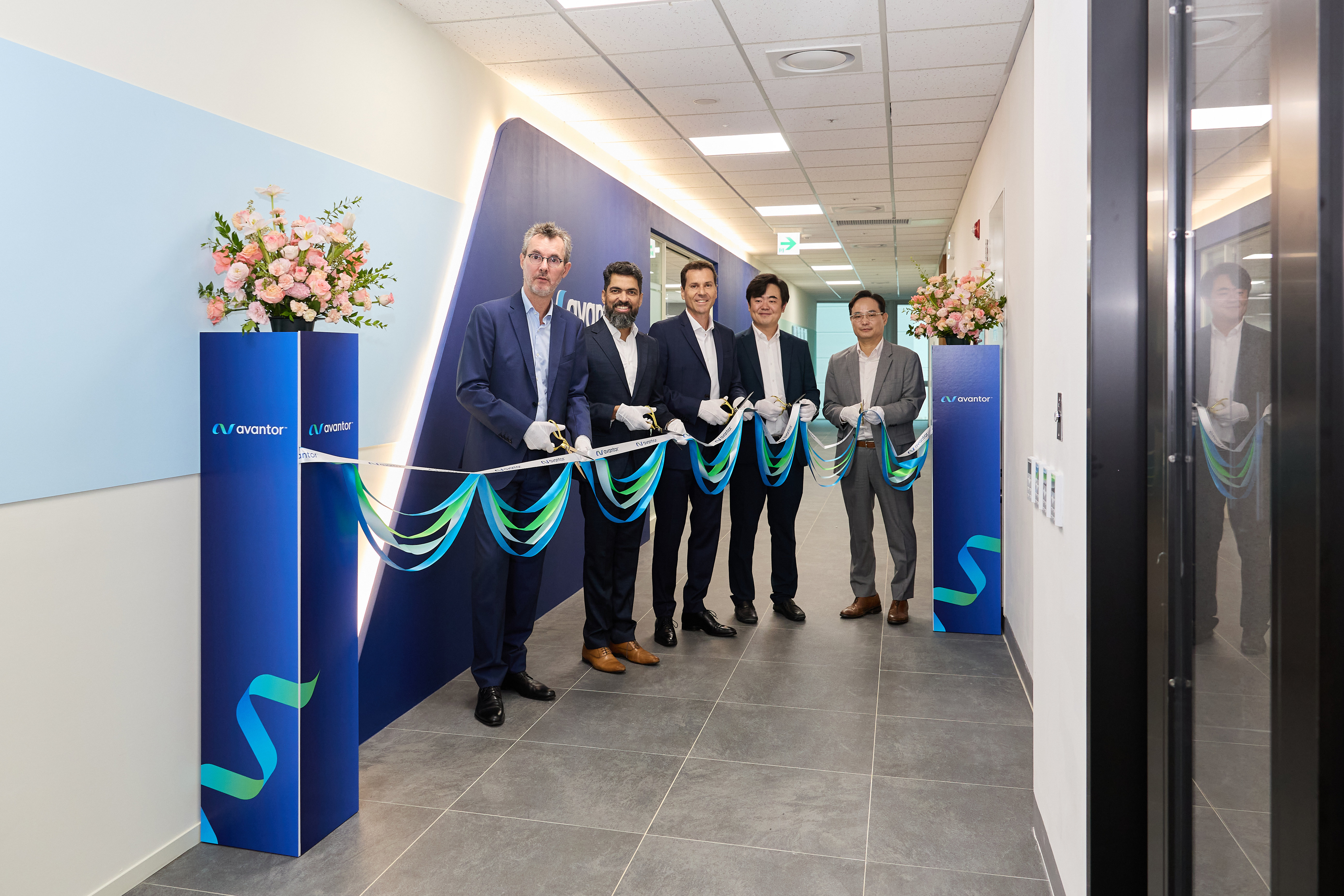
Avantor, Inc., a leading global provider of mission-critical products and services to customers in the life sciences and advanced technologies industries, has inaugurated its new office in Suwon, Korea. The office relocation reflects Avantor’s continued investment in the Asia Pacific region and its commitment to providing a modern, collaborative workspace for associates.

The new office space is designed to enhance collaboration, drive innovation and build closer customer relationships. With this relocation, Avantor is better positioned to continue serving the fast-evolving Korean market while advancing its global mission of setting science in motion to create a better world.

Company leaders, including Benoit Gourdier, Executive Vice President, Biopharma Production Segment; Christophe Couturier, Executive Vice President, AMEA Region; and Narayana Rao Rapolu, Senior Vice President, Global Bioprocessing Commercial, joined the office opening, underscoring Korea’s strategic importance within Avantor’s global operations.

“Establishing our new office in Suwon is a strategic move that strengthens our presence in one of Asia’s most dynamic markets,” said Christophe Couturier, Executive Vice President, AMEA Region. “This space enables our teams to stay closely connected to our customers’ evolving needs and reinforces our ability to deliver tailored solutions that drive meaningful outcomes in the Asia Pacific region.”

About Avantor

Avantor® is a leading life science tools company and global provider of mission-critical products and services to the life sciences and advanced technology industries. We work side-by-side with customers at every step of the scientific journey to enable breakthroughs in medicine, healthcare, and technology. Our portfolio is used in virtually every stage of the most important research, development and production activities at more than 300,000 customer locations in 180 countries. For more information, visit avantorsciences.com and find us on LinkedInX (Twitter) and Facebook.

Regional Media Contact:

Swati Chhabra
Manager – Corporate Communications, AMEA
Avantor
+91 9958404334
swati.chhabra@avantorsciences.com

Global Media Contact
Eric Van Zanten
Head – External Communications
Avantor
eric.vanzanten@avantorsciences.com

CMS Collaborates with SGX to Explore New Paradigms for Industrial Globalization and Pharmaceutical Expansion Overseas across Emerging Markets

On July 15 2025, to mark the successful secondary listing of China Medical System Holdings Limited (“CMS” or the “Group”) on the Main Board of the Singapore Exchange (“SGX”), SGX and CMS co-hosted the “Singapore and Emerging Markets Pharmaceutical Industry Growth Forum & CMS SGX Secondary Listing Appreciation Dinner”. Held in a grand fashion, the event was held at the Group’s CDMO manufacturing facility, PharmaGend, which is located in Tuas, Singapore.

The event brought together about 150 representatives from local government agencies, multinational pharmaceutical companies, innovative biotech companies, leading investment institutions, and the KOLs in the pharmaceutical industry. Through a series of insightful keynote speeches and panel discussions, guests engaged in in-depth exchanges and shared ideas on various topics, such as the pharmaceutical industry’s development in Singapore and emerging markets across the Asia-Pacific region, the breakthroughs and overseas expansion of Chinese innovative drugs, the globalization strategies, commercialization pathways, as well as ecosystem collaboration of innovative pharmaceutical companies.

The forum began with opening remarks by Ms. Caihan Chia, Head of Greater China Capital Markets and Chief Representative of Beijing Representative Office at SGX, and Ms. Louise Ho, Assistant Vice President of Healthcare Division and China Desk at the Singapore Economic Development Board. These were followed by keynote addresses from Mr. Siang Sheng Foo, Head of Investment Banking at Singapore CGS International Securities, Mr. Shriharsha Sarkar, Partner for Asia Healthcare at L.E.K. Consulting, and Ms. Kah Yean Neo, Senior Director at Singapore’s Agency for Science, Technology and Research (A*STAR).

Ms. Caihan Chia stated that in recent years, SGX has become increasingly attractive to Chinese enterprises through policy refinements, including tax incentives, capital support from the secondary market, and streamlined regulatory procedures. The successful listing of CMS showcases the growing interest among Chinese companies in the Singapore market. As one of leading healthcare companies, CMS’s listing highlights the growing demand for medical innovation and medical service accessibility across Asia. With CMS seeking to expand its business in Southeast Asia, its listing on SGX will serve as a strategic springboard to connect with international investors and further reinforce Singapore’s role as a vital capital hub.

Emerging Markets: A New Growth Engine for the Global Pharmaceutical Industry

Emerging markets, such as Southeast Asia and the Middle East, are becoming new growth drivers for the global pharmaceutical industry. A combination of factors, including large populations, early signs of ageing, the rise of the middle class, growing health awareness, and the increasing burden of chronic diseases, is driving higher demand for medicines and improved accessibility. According to IQVIA, by 2028, the combined pharmaceutical market size of four major emerging regions – Asia-Pacific, India, Africa & the Middle East, and Latin America – is expected to reach USD 336 – 384 billion, comparable to the USD 410 billion market size projected for Western Europe.

Singapore possesses geographical and institutional advantages for accessing Southeast Asia, the Middle East, and other emerging markets. With its robust financial system, open and inclusive policy environment, and thriving pharmaceutical industry, Singapore is increasingly becoming a global hub for capital and innovation. It has also become the preferred location for regional headquarters for many Chinese enterprises expanding into Southeast Asia.

Seizing Opportunity: Strategic Pathways for Chinese Innovative Pharma to Expand into Emerging Markets

In Southeast Asia’s six major economies (SEA6), limited healthcare coverage means that out-of-pocket payments constitute the primary source of drug expenditure. While generics dominate, branded originator drugs continue to hold significant market share in private hospitals, retail pharmacies, and clinics. Patient demand for biologics and biosimilars continues to grow.

In terms of commercialization models, traditional distribution model, which relies on third-party logistics (3PL), is gradually giving way to models with stronger commercial capabilities and strategic licensing partnerships. To achieve sustainable success in Southeast Asia, pharmaceutical companies must build competitive product portfolios, leverage experienced local sales teams, and consider establishing localized manufacturing capabilities, widely seen as key strategic advantages.

The CMS’s Approach: Building Dual Hubs in China and Singapore to Drive End-to-End Innovation

With over 30 years of experience in the Chinese market, CMS has accumulated a differentiated product portfolio and mature commercialization capabilities. Today, the Group is expanding its strategic vision across the Asia-Pacific region, using China as a foundation and Singapore as its regional hub. Through an end-to-end value chain of “R&D–manufacturing–commercialization–investment”, CMS is driving innovation to deliver high-quality pharmaceutical products and services to patients worldwide.

Mr. Lam Kong, Chairman, Chief Executive and President of CMS, delivered a keynote speech titled “New CMS, New Ascent: Three Strategies to Drive the Second Growth Curve.” He shared that since launching its “New CMS” transformation strategy in 2018, the Group has propelled growth through three engines — product innovation, commercial transformation, and international expansion. This has enabled the Group’s transition from “China’s largest CSO” to “a pharmaceutical company in transformation,” and finally, to “an end-to-end innovative pharmaceutical enterprise”, with a sustainable second growth curve.

In product innovation, driven by a three-dimensional approach of “Licensing, Strategic partnerships, and in-house R&D”, the Group has built a pipeline of nearly 40 FIC/BIC innovative drugs, five of which have been approved in China and are in large-scale clinical use. In the area of commercialization, CMS remains focused on cardio-cerebrovascular, gastroenterology, ophthalmology, and skin health specialties, while enhancing anti-cyclical resilience through a diversified ecosystem of “New retail, E-commerce, and Consumer healthcare”. Its skin health subsidiary, Dermavon, has become a niche market leader in China and is now progressing toward a spin-off for an independent listing on the Hong Kong Stock Exchange. In the area of globalization, CMS is creating a dual-track model centred in China and Singapore, using a strategy of “bringing in” to accelerate overseas product launches in China, and a strategy of “moving outward” to establish an end-to-end presence in emerging markets. The successful listing on SGX will enhance its regional synergy and close the loop in the “R&D – Manufacturing – Commercialization – Investment” global value chain, unlocking growth from emerging markets and creating a multi-regional growth framework.

CMS formally launched its industrial globalization strategy in 2022. At this event, CMS’s international business clusters made their debut, showcasing its forward-looking, full industry chain layout and leadership in setting a new paradigm for Chinese pharmaceutical companies expanding overseas.

PharmaGend

Established in 2023, PharmaGend aims to become Southeast Asia’s largest and most reliable CMO/CDMO. It has a site spanning 30,000 square meters and is capable of manufacturing dosage forms such as tablets and capsules, which has been certified by the FDA and HSA, demonstrating its high-standard pharmaceutical manufacturing capabilities for global export. It has future plans to expand production lines for injections, ointments, and nasal sprays. 

Rxilient

Established in 2021, Rxilient operates by a professional and experienced localized team, and has fully established BD, registration, marketing, andcommercialization capabilities. Leveraging its unique local expertise and advantages, Rxilient can bring innovative drugs to emerging markets led by Southeast Asia and the Middle East. It has submitted marketing applications for nearly 20 drugs and medical devices across Southeast Asia, the Middle East, and regions such as Hong Kong, Macao, and Taiwan, covering the therapeutic areas of dermatology, ophthalmology, oncology, autoimmune, and central nervous system. As more drugs receive regulatory approval in these countries, Rxilient anticipates sustained and significant revenue growth.

CMS R&D

Established in Singapore in 2024, CMS R&D has been working on more than 10 early-stage innovative drug projects. Leveraging China’s mature early-stage R&D and clinical resources, it aims to synchronize China speed with global standards to advance more Chinese innovative drugs toward globalization.

HiGend

Established in 2025, HiGend is a global early-stage bio-pharma incubation platform which uses a “hub-and-spoke” model, integrating China’s innovation capabilities to accelerate global R&D and commercialization.

Subsequently, three panel discussions were held in succession, which facilitated an in-depth exchange between industry and capital, driving the forum to its climax. Distinguished guests from various parties freely shared insights on the continuous development and diversification of the pharmaceutical ecosystem, and jointly explored the future of pharmaceutical expansion into emerging markets.

Panel Discussion 1 – Challenges and Breakthroughs: The Enduring Power of Organizational and Strategic Long-Term Vision

The emerging markets of today share numerous similarities with China’s pharmaceutical landscape twenty years ago, which are currently experiencing a critical period of accelerated demand release for pharmaceuticals, constituting medium- to long-term structural opportunities. Undoubtedly, these markets are diverse and complex — each country has its own unique characteristics in terms of drug regulation, healthcare insurance mechanisms, and market acceptance. However, CMS’s core strength lies in its systematic commercialization capabilities, which it is now extending to emerging markets. CMS’s senior management team, alongside its business partners, jointly reviewed and discussed the key factors contributing to its commercial excellence, as well as the pathways driving the Group’s second growth curve.

The first panel discussion was moderated by Mr. Brian Yang, Vice President for Business Development at Rxilient. Participants included Mr. Karl Luschmann, Managing Director of Pharma Stulln GmbH, and Ms. Linlang Wang (formerly the first product manager of the Augentropfen Stulln Mono Eye Drops (“Stulln”) in China), General Manager of CMS’s ophthalmology business, CMS Vision, among others. Collectively, they reviewed the core strategies behind the rapid, year-on-year growth of Stulln in the Chinese market- a focus on clinical value and continuous innovation in commercialization models. CMS adhered to prioritizing clinical efficacy, amassing substantial evidence to demonstrate the clinical value of Stulln in treating asthenopia, and leveraging medical advancements to drive product commercialization. Meanwhile, CMS also continuously revamped its commercialization model by establishing a full-channel retail system that integrates in-hospital and out-of-hospital sales, developing an “online + offline” omnichannel marketing system, and adopting a diversified product portfolio strategy in consumer attributes. These concerted efforts facilitated the sustained, rapid growth and wide recognition of Stulln within the Chinese market.

Mr. Victor Yin, Country Manager of Incyte Bioscience China, Mr. Huang Anjun, CEO of Dermavon (CMS’s skin health business), and Mr. Lawrence He, CEO of Rxilient, jointly retraced the entire journey of launching ruxolitinib cream — a blockbuster prescription drug with consumer attributes. From the signing of the collaboration agreement and pilot launch in Hainan Boao Lecheng pilot zone, to marketing approvals in Macao, followed by Hong Kong, introduction into designated hospitals in the Greater Bay Area in China, and the NDA has been submitted in China, Singapore, and other countries or regions. Leveraging mature clinical development experience and capabilities, proven commercialization competence, a compliant operational system, and efficient execution, the group earned high recognition and trust from Mr. Victor Yin.

Together, the parties have helped bring new hope to vitiligo patients in both China and Southeast Asia simultaneously.

These successful commercialization experiences not only provide valuable business model references for international pharmaceutical companies entering the Chinese market, but also offer significant insights for Chinese pharmaceutical companies looking to expand into emerging markets overseas.

Panel Discussion 2 – Breaking Through: Diverse Explorations for Chinese Innovative Pharmaceutical Companies to Expand into Emerging Markets

Over the past three years, Chinese pharmaceutical companies have secured over USD 10 billion in upfront payments through license-out deals. However, the majority of these transactions remain concentrated in mature markets led by Europe and the United States. Looking ahead, the next engine of growth may shift toward emerging markets such as Southeast Asia, the Middle East, and Latin America — regions with a combined population of approximately 1.8 billion and per capita healthcare spending is merely one-fifth that of Western markets. While pharmaceutical demand is accelerating in these areas, challenges persist, including limited payment capacity and significant differences in regulatory systems. Whether Chinese pharmaceutical companies can effectively replicate and localize their domestic development and innovation models in these blue ocean markets, will determine the scale and sustainability of their second growth curve.

The second panel discussion, moderated by Mr. Brian Yang, featured esteemed representatives from leading Chinese innovative pharmaceutical companies that are closely collaborating with CMS, including Tibet Nordicon Pharma, NeuroDawn Pharmaceutical (Ningdan Pharmaceutical), Mabgeek Biotech, and Jingze BioPharmaceutical. Using examples such as XinHuoSu (for acute decompensated heart failure), Y-3 for Injection (under development for stroke treatment), ABP-671 (under development for gout) etc., participants held in-depth discussions on topics, including “What constitutes truly clinically valuable innovation” and “How to implement commercialization pathways within emerging markets”

True innovation value stems from professionalism and dedicated focus. It requires researchers to remain committed to a specific field over the long term, and to validate new targets and drug structures through reverse translational research, thereby identifying their potential clinical value. Since China officially joined the International Council for Harmonization of Technical Requirements for Pharmaceuticals for Human Use (ICH) in 2017 and became a member of its steering committee, the quality of Chinese innovative pharmaceutical products has improved rapidly and has gradually gained global recognition. In addition to entering mature markets led by Europe and the U.S., Chinese innovators are increasingly turning their attention to emerging blue ocean markets such as Southeast Asia, actively exploring parallel regulatory filings in both emerging and mature markets. For innovative pharmaceutical companies, globalization strategies should be integrated into the early stages of pipeline development cycles and macro-level strategy. It is also crucial to seek out a business partner that possesses the entire value-chain capabilities — including experienced local clinical registration teams, manufacturing capacity, and commercialization operations—in order to drive efficient product launches and expand access to high-quality medical solutions across a broader range of geographies.

Panel Discussion 3 – Setting Sail: Pharmaceutical Expansion into Emerging Markets

The third panel discussion was moderated by Mr. Frank Hong, Managing Director of Legend Capital, engaging multiple leading pharmaceutical analysts from renowned investment banks and representatives from investment institutions in an insightful sharing and in-depth discussion on the international expansion of innovative drug products and pharmaceutical industry globalization. Participants pointed out that China’s pharmaceutical industry is currently at a strategic inflection point for global expansion. The Intellectual Property (IP) licensing model has preliminarily demonstrated the global competitiveness of Chinese innovation. However, for most domestic pharmaceutical companies, this process remains in the “isolatedbreakthrough” phase. To achieve the transition from a practice of “one-time licensing” to “sustained global engagement,” Chinese pharmaceutical companies must look to multinational pharmaceutical giants as a benchmark — internationalizing their commercialization, manufacturing, and R&D capabilities to build a replicable, scalable, and sustainable global industrial ecosystem.

Achieving this goal is no easy task. While many Chinese pharmaceutical companies have begun exploring emerging markets, they often face challenges such as fragmented distribution channels and difficulty in standardizing operational systems. Only by maintaining conviction and building a fully integrated, internationalized ecosystem across the entire value chain can companies transform one-off licensing revenues into long-term brand equity and control of the value chain, ultimately earning a sustained voice and competitive edge in the global arena.

Though the forum’s spotlight has dimmed, the consensus reached continues to shine like a beacon: Southeast Asia, the Middle East, and other emerging markets are quickly becoming the next major destinations for the global pharmaceutical industry. CMS’s fully localized framework covering “Research, Manufacturing, Commercialization, and Investment” has paved the way for industrial expansion overseas, constructing a bridge to globalization. With an open and win-win attitude, the Group welcomes innovators, regulators, and capital from around the world to work together in bringing more Chinese and global innovative drugs to emerging markets, fostering international growth. CMS sincerely invites partners across all sectors to seize the growth opportunities of the Asia-Pacific region and jointly promote innovation in the pharmaceutical industry across emerging markets, so that more innovative therapies may benefit patients around the world.

Media Contact:

Company: China Medical System Holdings Ltd.
Contact: CMS Investor Relations
Email: ir@cms.net.cn
Website: https://web.cms.net.cn/en/home/

Source: China Medical System Holdings Ltd.

AATec Medical and Northway Biotech Announce Partnership to Develop Industrial Production Process for ATL-105 Targeting Lung Disease

  • Partnership established to develop and scale production of ATL-105, a novel recombinant version of alpha-1 antitrypsin
  • Lead indication is non-CF bronchiectasis; ATL-105 targets disease drivers through a broad multimodal mechanism of action

AATec Medical GmbH (AATec), a biotech company developing a multi-product platform for the treatment of respiratory diseases, and Northway Biotech (Northway Biotech or NBT), a global Contract Development and Manufacturing Organization (CDMO), today announced a partnership for manufacturing process development and analytical development of AATec’s lead product candidate, ATL-105, a proprietary, inhaled therapy based on recombinant alpha-1 antitrypsin (AAT) for non-cystic fibrosis bronchiectasis (NCFB).

AATec Medical and Northway Biotech Announce Partnership

AATec Medical and Northway Biotech Announce Partnership

Under the agreement, Northway Biotech will leverage its expertise in biologics manufacturing to develop and scale the production process for ATL-105 using the Pichia pastoris expression system.

“With this partnership, we are establishing a robust and scalable production process for ATL- 105, laying the foundation for consistent quality for clinical development and commercial use,” says Rüdiger Jankowsky, PhD, co-founder and CEO of AATec, and adds: “ATL-105 represents a new generation of inhaled biologics, combining anti-protease, anti-inflammatory, and antiinfective properties in one molecule. Delivered directly to the lungs, it enables fast, targeted action with minimal systemic exposure. We believe ATL-105 can redefine care in respiratory diseases with high medical need, such as non-CF bronchiectasis.”

“We are excited to support AATec in progressing towards clinical trials”, shares Prof. Vladas Algirdas Bumelis, CEO and Chairman of Northway Biotech. “AATec is advancing a promising therapeutic solution addressing significant unmet medical needs, supported by a highly capable and dedicated team. With our decades of expertise in microbial systems, we are well-positioned to scale this program efficiently and deliver quality at every step.”

“We have recognized the opportunity to support a program that could meaningfully advance care for patients with respiratory diseases,” adds André Markmann, PhD, VP of Business Development at Northway Biotech. “Inhaled protein therapies are gaining significant traction, and ATL-105 stands out as one of the most promising approaches in this area.”

AATec develops ATL-105 to treat NCFB, a chronic inflammatory respiratory condition which affects millions of people worldwide. This debilitating disease is marked by dilated bronchi, persistent inflammation, frequent airway infections and impaired mucus clearance. In addition to NCFB, ATL-105 has therapeutic potential for a broader range of inflammatory and infectious respiratory diseases, such as COPD, ARDS and other indications, reflecting the versatility of its anti-inflammatory, immunomodulatory, and anti-infective properties.

About AATec Medical
AG AATec Medical GmbH is a biotechnology company developing a product platform based on a novel recombinant version of alpha-1 antitrypsin (AAT) for the treatment of respiratory inflammatory diseases, airway infections and rare diseases. The company has successfully demonstrated proof-of-principle in several indications and is currently preparing for a proof-ofconcept clinical trial with the first product candidate ATL-105 for inhaled application in non-CF bronchiectasis. AATec was founded by a seasoned interdisciplinary team with long-standing experience in clinical research, biopharmaceutical development and product industrialization. For further information, please visit https://www.aatec-medical.com/ and follow AATec on LinkedIn.

About Northway Biotech
Northway Biotech is a leading CDMO specializing in protein-based biologics and gene therapies, offering comprehensive, end-to-end biopharmaceutical development and manufacturing services. With deep expertise in cell line development, process optimization, and cGMP manufacturing, Northway Biotech supports programs from early-stage development through to commercial production. Founded in 2004, the privately held company operates state-of-the-art facilities in Lithuania and the United States, delivering high-quality, compliant solutions tailored to each client’s unique needs. For further information, please visit https://www.northwaybiotech.com.

Northway Biotech Contact:
Prof. Vladas Algirdas Bumelis
CEO and Chairman of the Board
vladas.bumelis@northwaybiotech.com

AATec Medical Contact:
Dr. Rüdiger Jankowsky, CEO
info@aatec-medical.com

Media Contact:
MC Services
Katja Arnold, Julia von Hummel
aatec-medical@mc-services.eu
Phone: +49 (0)89 2102280

SOURCE: Northway Biotech

Everest Medicines Unveils Breakthroughs in AI+mRNA Platform, Reinforces Global Leadership in Next-Gen mRNA Innovation

Everest Medicines (HKG: 1952) recently unveiled major breakthroughs in its proprietary AI-powered mRNA platform during its 2025 R&D Day held in Shanghai. The event showcased the company’s progress in building a fully integrated and independently operated mRNA platform and highlighted significant breakthroughs across several pipeline programs in cancer and autoimmune diseases.

These achievements not only mark the accelerated implementation of Everest Medicines’ “dual-engine” strategy, but also reflect the company’s evolution from an initial license-in model to a balanced approach that integrates in-house discovery with global partnerships and in-licensing—focusing on high-value therapeutic areas and the development of first-in-class or best-in-class assets.

Everest is among a select group of biopharmaceutical companies worldwide with full in-house capabilities across the entire mRNA development chain. The company has successfully localized and industrialized its mRNA platform, building a fully integrated and scalable end-to-end system that spans AI-powered antigen design, mRNA sequence optimization, proprietary LNP delivery technologies, and GMP-compliant manufacturing.

Everest has developed an advanced LNP platform with over 500 proprietary lipid formulations, underpinned by a strong patent portfolio focused on ionizable and stealth lipids. This platform supports flexible delivery for a wide range of modalities, including vaccines and in vivo CAR-T therapies. Preclinical data have demonstrated the platform’s high efficacy, safety, and tunable delivery across hepatic and extrahepatic tissues, enabling both passive and active targeting strategies. The platform also boasts clinical validation through Everest’s COVID-19 vaccine candidate, PTX-COVID19-B, which in a global Phase 2 head-to-head trial showed comparable immunogenicity and tolerability to Pfizer/BioNTech’s Comirnaty®.

At the R&D Day, Everest unveiled development updates on three key assets powered by its AI+mRNA platform. EVM16 is a novel personalized mRNA cancer vaccine developed in-house using the company’s third-generation AI-based neoantigen prediction algorithm, EVER-NEO-1. This algorithm identifies patient-specific mutations and encodes them into customized mRNA sequences, which are delivered via LNPs to stimulate targeted T-cell responses. Preclinical studies in melanoma models demonstrated strong antitumor efficacy and synergy with PD-1 inhibitors. In March 2025, the first patient was dosed in an investigator-initiated trial (IIT), with early results showing robust, mutation-specific T-cell responses even at low initial doses—highlighting both the vaccine’s strong immunogenicity and the reliability of Everest’s proprietary EVER-NEO-1 AI algorithm.

EVM14 is an off-the-shelf therapeutic mRNA vaccine targeting five tumor-associated antigens, applicable to multiple squamous carcinomas including non-small cell lung cancer and head and neck cancer. Preclinical research indicates EVM14 may enhance immune memory and reduce tumor recurrence. The program has received FDA Investigational New Drug (IND) clearance and is progressing toward IND submission in China. The first clinical batch of EVM14 were released from Everest’s Jiashan manufacturing facility in June 2025 and are expected to arrive at U.S. clinical trial centers by mid-August.

For its in vivo CAR-T program, Everest is leveraging a proprietary targeted lipid nanoparticle (tLNP) delivery system, which enables the in vivo generation of CAR-T cells without the need for lymphodepletion. In preclinical studies conducted in both humanized mouse models and non-human primates (NHPs), the approach demonstrated high T-cell transduction efficiency, robust CAR expression, and effective B-cell clearance. This therapy offers a scalable, off-the-shelf alternative to conventional CAR-T treatments, with controllable dosing and an improved safety profile—positioning it as a potential game-changer in both oncology and autoimmune indications.

Everest Medicines’ AI+mRNA platform is advancing the development of a broad pipeline of therapeutic candidates, with strong potential demonstrated in cancer and autoimmune diseases. These advancements further demonstrate the effectiveness of Everest’s dual-engine strategy, underscoring the company’s ability to execute on its vision of combining in-house innovation with strategic external partnerships.

According to Everest Medicines CEO Rogers Yongqing Luo, personalized mRNA vaccines and in vivo CAR-T therapies are emerging as promising solutions to address critical challenges in cancer treatment, such as poor immune memory and high recurrence rates. He noted that mRNA technology—characterized by rapid design, scalable production, and cross-indication versatility—is reshaping the landscape of precision medicine. Everest plans to continue leveraging its end-to-end mRNA platform to advance key pipeline programs, including cancer vaccines and mRNA-based cell therapies, while expanding opportunities for application and global collaboration.

Rogers also revealed that the company has initiated discussions with several top 20 global pharmaceutical companies and is leveraging international resources to accelerate the global development of its innovative assets.

As Everest continues to advance both clinically and technologically, the integration of its mRNA platform with its core assets in nephrology and immunology is expected to drive a robust three-pillar growth strategy—anchored in platform innovation, differentiated products, and targeted market expansion. Backed by strong momentum across three globally competitive assets and a clinically validated, IP-rich platform, Everest is well positioned to redefine its long-term valuation narrative and emerge as a global leader in next-generation therapeutics.

Silo Pharma Enters Letter of Intent for JV with Hoth Therapeutics to Develop Obesity Treatment Targeting $16 Billion Global Market

Silo Pharma, Inc. (Nasdaq: SILO) (“Silo” or the “Company”), a developmental stage biopharmaceutical company focused on novel therapeutics and drug delivery systems, today announced that it has entered into a non-binding letter of intent to form a strategic 50:50 joint venture with Hoth Therapeutics, Inc. (Nasdaq: HOTH) to develop and commercialize a potential treatment for obesity and metabolic disease based on technology Hoth has exclusively licensed from the U.S. Department of Veterans Affairs (VA) that was co-developed by the VA and Emory University.

The novel therapeutic platform centers on glial cell line-derived neurotrophic factor (GDNF), a VA-invented biologic with demonstrated anti-obesity effects and metabolic regulation in preclinical models. The platform is protected under U.S. Patent No. 10,052,362 and targets multiple high-burden conditions, including non-alcoholic fatty liver disease (NAFLD), type 2 diabetes, and central obesity.

“With obesity at epidemic levels and no curative therapies available, we believe the VA’s biologic GDNF is potentially a game-changer,” said Eric Weisblum, CEO of Silo Pharma. “We believe that our potential JV collaboration with Hoth aligns with our mission to accelerate groundbreaking science into human trials.”

“This VA-originated obesity technology has the potential to disrupt a $16 billion market and deliver life-changing impact for millions, including veterans disproportionately affected by metabolic disorders,” added Robb Knie, CEO of Hoth Therapeutics. “We are proud to partner with Silo Pharma in an effort to bring this innovation to the public.”

Deal Highlights:

  • Exclusive U.S. License from the U.S. Department of Veterans Affairs covering all fields of use 
  • 50/50 joint venture structure with equal equity and governance participation 
  • Lead indication: Obesity and NAFLD — conditions with prevalence among both civilian and veteran populations

Unmet Need:

Obesity affects over 40% of U.S. adults and is a leading risk factor for diabetes, cardiovascular disease, and liver failure. Veterans are especially impacted due to chronic inflammation, PTSD-linked metabolic disruption, and access challenges to effective care. There are no approved curative biologics targeting the neuroinflammatory root of obesity, a gap that this VA-originated technology is uniquely positioned to fill.

Strategic Alignment:

The partnership leverages:

  • The clinical infrastructure and public mission of the VA
  • Hoth’s regulatory and development expertise
  • Silo’s translational capabilities and capital efficiency

About Silo Pharma

Silo Pharma Inc. (Nasdaq: SILO) is a developmental stage biopharmaceutical company focused on addressing underserved conditions, including stress-induced psychiatric disorders, chronic pain, and central nervous system (CNS) diseases. The Company’s portfolio includes innovative programs such as SPC-15 for PTSD, SP-26 for fibromyalgia and chronic pain, and preclinical assets targeting Alzheimer’s disease and multiple sclerosis. Silo’s research is conducted in collaboration with leading universities and laboratories. silopharma.com

Forward-Looking Statements
This news release contains “forward-looking statements” within the meaning of the “safe harbor” provisions of the Private Securities Litigation Reform Act of 1995. These statements are identified using words “could”, “believe”, “anticipate”, “intend”, “estimate”, “expect”, “may”, “continue”, “predict”, “potential”, and similar expressions that are intended to identify forward-looking statements. Such statements involve known and unknown risks, uncertainties, and other factors that could cause the actual results of Silo Pharma, Inc. (“Silo” or “the Company”) to differ materially from the results expressed or implied by such statements, including changes to anticipated sources of revenues, future economic and competitive conditions, difficulties in developing the Company’s technology platforms, retaining and expanding the Company’s customer base, fluctuations in consumer spending on the Company’s products and other factors. Accordingly, although the Company believes that the expectations reflected in such forward-looking statements are reasonable, there can be no assurance that such expectations will prove to be correct. The Company disclaims any obligations to publicly update or release any revisions to the forward-looking information contained in this press release, whether as a result of new information, future events, or otherwise, after the date of this press release or to reflect the occurrence of unanticipated events except as required by law.

Source: SILO Pharma Inc.
Contact: 800-705-0120
investors@silopharma.com