CMS Collaborates with SGX to Explore New Paradigms for Industrial Globalization and Pharmaceutical Expansion Overseas across Emerging Markets

On July 15 2025, to mark the successful secondary listing of China Medical System Holdings Limited (“CMS” or the “Group”) on the Main Board of the Singapore Exchange (“SGX”), SGX and CMS co-hosted the “Singapore and Emerging Markets Pharmaceutical Industry Growth Forum & CMS SGX Secondary Listing Appreciation Dinner”. Held in a grand fashion, the event was held at the Group’s CDMO manufacturing facility, PharmaGend, which is located in Tuas, Singapore.

The event brought together about 150 representatives from local government agencies, multinational pharmaceutical companies, innovative biotech companies, leading investment institutions, and the KOLs in the pharmaceutical industry. Through a series of insightful keynote speeches and panel discussions, guests engaged in in-depth exchanges and shared ideas on various topics, such as the pharmaceutical industry’s development in Singapore and emerging markets across the Asia-Pacific region, the breakthroughs and overseas expansion of Chinese innovative drugs, the globalization strategies, commercialization pathways, as well as ecosystem collaboration of innovative pharmaceutical companies.

The forum began with opening remarks by Ms. Caihan Chia, Head of Greater China Capital Markets and Chief Representative of Beijing Representative Office at SGX, and Ms. Louise Ho, Assistant Vice President of Healthcare Division and China Desk at the Singapore Economic Development Board. These were followed by keynote addresses from Mr. Siang Sheng Foo, Head of Investment Banking at Singapore CGS International Securities, Mr. Shriharsha Sarkar, Partner for Asia Healthcare at L.E.K. Consulting, and Ms. Kah Yean Neo, Senior Director at Singapore’s Agency for Science, Technology and Research (A*STAR).

Ms. Caihan Chia stated that in recent years, SGX has become increasingly attractive to Chinese enterprises through policy refinements, including tax incentives, capital support from the secondary market, and streamlined regulatory procedures. The successful listing of CMS showcases the growing interest among Chinese companies in the Singapore market. As one of leading healthcare companies, CMS’s listing highlights the growing demand for medical innovation and medical service accessibility across Asia. With CMS seeking to expand its business in Southeast Asia, its listing on SGX will serve as a strategic springboard to connect with international investors and further reinforce Singapore’s role as a vital capital hub.

Emerging Markets: A New Growth Engine for the Global Pharmaceutical Industry

Emerging markets, such as Southeast Asia and the Middle East, are becoming new growth drivers for the global pharmaceutical industry. A combination of factors, including large populations, early signs of ageing, the rise of the middle class, growing health awareness, and the increasing burden of chronic diseases, is driving higher demand for medicines and improved accessibility. According to IQVIA, by 2028, the combined pharmaceutical market size of four major emerging regions – Asia-Pacific, India, Africa & the Middle East, and Latin America – is expected to reach USD 336 – 384 billion, comparable to the USD 410 billion market size projected for Western Europe.

Singapore possesses geographical and institutional advantages for accessing Southeast Asia, the Middle East, and other emerging markets. With its robust financial system, open and inclusive policy environment, and thriving pharmaceutical industry, Singapore is increasingly becoming a global hub for capital and innovation. It has also become the preferred location for regional headquarters for many Chinese enterprises expanding into Southeast Asia.

Seizing Opportunity: Strategic Pathways for Chinese Innovative Pharma to Expand into Emerging Markets

In Southeast Asia’s six major economies (SEA6), limited healthcare coverage means that out-of-pocket payments constitute the primary source of drug expenditure. While generics dominate, branded originator drugs continue to hold significant market share in private hospitals, retail pharmacies, and clinics. Patient demand for biologics and biosimilars continues to grow.

In terms of commercialization models, traditional distribution model, which relies on third-party logistics (3PL), is gradually giving way to models with stronger commercial capabilities and strategic licensing partnerships. To achieve sustainable success in Southeast Asia, pharmaceutical companies must build competitive product portfolios, leverage experienced local sales teams, and consider establishing localized manufacturing capabilities, widely seen as key strategic advantages.

The CMS’s Approach: Building Dual Hubs in China and Singapore to Drive End-to-End Innovation

With over 30 years of experience in the Chinese market, CMS has accumulated a differentiated product portfolio and mature commercialization capabilities. Today, the Group is expanding its strategic vision across the Asia-Pacific region, using China as a foundation and Singapore as its regional hub. Through an end-to-end value chain of “R&D–manufacturing–commercialization–investment”, CMS is driving innovation to deliver high-quality pharmaceutical products and services to patients worldwide.

Mr. Lam Kong, Chairman, Chief Executive and President of CMS, delivered a keynote speech titled “New CMS, New Ascent: Three Strategies to Drive the Second Growth Curve.” He shared that since launching its “New CMS” transformation strategy in 2018, the Group has propelled growth through three engines — product innovation, commercial transformation, and international expansion. This has enabled the Group’s transition from “China’s largest CSO” to “a pharmaceutical company in transformation,” and finally, to “an end-to-end innovative pharmaceutical enterprise”, with a sustainable second growth curve.

In product innovation, driven by a three-dimensional approach of “Licensing, Strategic partnerships, and in-house R&D”, the Group has built a pipeline of nearly 40 FIC/BIC innovative drugs, five of which have been approved in China and are in large-scale clinical use. In the area of commercialization, CMS remains focused on cardio-cerebrovascular, gastroenterology, ophthalmology, and skin health specialties, while enhancing anti-cyclical resilience through a diversified ecosystem of “New retail, E-commerce, and Consumer healthcare”. Its skin health subsidiary, Dermavon, has become a niche market leader in China and is now progressing toward a spin-off for an independent listing on the Hong Kong Stock Exchange. In the area of globalization, CMS is creating a dual-track model centred in China and Singapore, using a strategy of “bringing in” to accelerate overseas product launches in China, and a strategy of “moving outward” to establish an end-to-end presence in emerging markets. The successful listing on SGX will enhance its regional synergy and close the loop in the “R&D – Manufacturing – Commercialization – Investment” global value chain, unlocking growth from emerging markets and creating a multi-regional growth framework.

CMS formally launched its industrial globalization strategy in 2022. At this event, CMS’s international business clusters made their debut, showcasing its forward-looking, full industry chain layout and leadership in setting a new paradigm for Chinese pharmaceutical companies expanding overseas.

PharmaGend

Established in 2023, PharmaGend aims to become Southeast Asia’s largest and most reliable CMO/CDMO. It has a site spanning 30,000 square meters and is capable of manufacturing dosage forms such as tablets and capsules, which has been certified by the FDA and HSA, demonstrating its high-standard pharmaceutical manufacturing capabilities for global export. It has future plans to expand production lines for injections, ointments, and nasal sprays. 

Rxilient

Established in 2021, Rxilient operates by a professional and experienced localized team, and has fully established BD, registration, marketing, andcommercialization capabilities. Leveraging its unique local expertise and advantages, Rxilient can bring innovative drugs to emerging markets led by Southeast Asia and the Middle East. It has submitted marketing applications for nearly 20 drugs and medical devices across Southeast Asia, the Middle East, and regions such as Hong Kong, Macao, and Taiwan, covering the therapeutic areas of dermatology, ophthalmology, oncology, autoimmune, and central nervous system. As more drugs receive regulatory approval in these countries, Rxilient anticipates sustained and significant revenue growth.

CMS R&D

Established in Singapore in 2024, CMS R&D has been working on more than 10 early-stage innovative drug projects. Leveraging China’s mature early-stage R&D and clinical resources, it aims to synchronize China speed with global standards to advance more Chinese innovative drugs toward globalization.

HiGend

Established in 2025, HiGend is a global early-stage bio-pharma incubation platform which uses a “hub-and-spoke” model, integrating China’s innovation capabilities to accelerate global R&D and commercialization.

Subsequently, three panel discussions were held in succession, which facilitated an in-depth exchange between industry and capital, driving the forum to its climax. Distinguished guests from various parties freely shared insights on the continuous development and diversification of the pharmaceutical ecosystem, and jointly explored the future of pharmaceutical expansion into emerging markets.

Panel Discussion 1 – Challenges and Breakthroughs: The Enduring Power of Organizational and Strategic Long-Term Vision

The emerging markets of today share numerous similarities with China’s pharmaceutical landscape twenty years ago, which are currently experiencing a critical period of accelerated demand release for pharmaceuticals, constituting medium- to long-term structural opportunities. Undoubtedly, these markets are diverse and complex — each country has its own unique characteristics in terms of drug regulation, healthcare insurance mechanisms, and market acceptance. However, CMS’s core strength lies in its systematic commercialization capabilities, which it is now extending to emerging markets. CMS’s senior management team, alongside its business partners, jointly reviewed and discussed the key factors contributing to its commercial excellence, as well as the pathways driving the Group’s second growth curve.

The first panel discussion was moderated by Mr. Brian Yang, Vice President for Business Development at Rxilient. Participants included Mr. Karl Luschmann, Managing Director of Pharma Stulln GmbH, and Ms. Linlang Wang (formerly the first product manager of the Augentropfen Stulln Mono Eye Drops (“Stulln”) in China), General Manager of CMS’s ophthalmology business, CMS Vision, among others. Collectively, they reviewed the core strategies behind the rapid, year-on-year growth of Stulln in the Chinese market- a focus on clinical value and continuous innovation in commercialization models. CMS adhered to prioritizing clinical efficacy, amassing substantial evidence to demonstrate the clinical value of Stulln in treating asthenopia, and leveraging medical advancements to drive product commercialization. Meanwhile, CMS also continuously revamped its commercialization model by establishing a full-channel retail system that integrates in-hospital and out-of-hospital sales, developing an “online + offline” omnichannel marketing system, and adopting a diversified product portfolio strategy in consumer attributes. These concerted efforts facilitated the sustained, rapid growth and wide recognition of Stulln within the Chinese market.

Mr. Victor Yin, Country Manager of Incyte Bioscience China, Mr. Huang Anjun, CEO of Dermavon (CMS’s skin health business), and Mr. Lawrence He, CEO of Rxilient, jointly retraced the entire journey of launching ruxolitinib cream — a blockbuster prescription drug with consumer attributes. From the signing of the collaboration agreement and pilot launch in Hainan Boao Lecheng pilot zone, to marketing approvals in Macao, followed by Hong Kong, introduction into designated hospitals in the Greater Bay Area in China, and the NDA has been submitted in China, Singapore, and other countries or regions. Leveraging mature clinical development experience and capabilities, proven commercialization competence, a compliant operational system, and efficient execution, the group earned high recognition and trust from Mr. Victor Yin.

Together, the parties have helped bring new hope to vitiligo patients in both China and Southeast Asia simultaneously.

These successful commercialization experiences not only provide valuable business model references for international pharmaceutical companies entering the Chinese market, but also offer significant insights for Chinese pharmaceutical companies looking to expand into emerging markets overseas.

Panel Discussion 2 – Breaking Through: Diverse Explorations for Chinese Innovative Pharmaceutical Companies to Expand into Emerging Markets

Over the past three years, Chinese pharmaceutical companies have secured over USD 10 billion in upfront payments through license-out deals. However, the majority of these transactions remain concentrated in mature markets led by Europe and the United States. Looking ahead, the next engine of growth may shift toward emerging markets such as Southeast Asia, the Middle East, and Latin America — regions with a combined population of approximately 1.8 billion and per capita healthcare spending is merely one-fifth that of Western markets. While pharmaceutical demand is accelerating in these areas, challenges persist, including limited payment capacity and significant differences in regulatory systems. Whether Chinese pharmaceutical companies can effectively replicate and localize their domestic development and innovation models in these blue ocean markets, will determine the scale and sustainability of their second growth curve.

The second panel discussion, moderated by Mr. Brian Yang, featured esteemed representatives from leading Chinese innovative pharmaceutical companies that are closely collaborating with CMS, including Tibet Nordicon Pharma, NeuroDawn Pharmaceutical (Ningdan Pharmaceutical), Mabgeek Biotech, and Jingze BioPharmaceutical. Using examples such as XinHuoSu (for acute decompensated heart failure), Y-3 for Injection (under development for stroke treatment), ABP-671 (under development for gout) etc., participants held in-depth discussions on topics, including “What constitutes truly clinically valuable innovation” and “How to implement commercialization pathways within emerging markets”

True innovation value stems from professionalism and dedicated focus. It requires researchers to remain committed to a specific field over the long term, and to validate new targets and drug structures through reverse translational research, thereby identifying their potential clinical value. Since China officially joined the International Council for Harmonization of Technical Requirements for Pharmaceuticals for Human Use (ICH) in 2017 and became a member of its steering committee, the quality of Chinese innovative pharmaceutical products has improved rapidly and has gradually gained global recognition. In addition to entering mature markets led by Europe and the U.S., Chinese innovators are increasingly turning their attention to emerging blue ocean markets such as Southeast Asia, actively exploring parallel regulatory filings in both emerging and mature markets. For innovative pharmaceutical companies, globalization strategies should be integrated into the early stages of pipeline development cycles and macro-level strategy. It is also crucial to seek out a business partner that possesses the entire value-chain capabilities — including experienced local clinical registration teams, manufacturing capacity, and commercialization operations—in order to drive efficient product launches and expand access to high-quality medical solutions across a broader range of geographies.

Panel Discussion 3 – Setting Sail: Pharmaceutical Expansion into Emerging Markets

The third panel discussion was moderated by Mr. Frank Hong, Managing Director of Legend Capital, engaging multiple leading pharmaceutical analysts from renowned investment banks and representatives from investment institutions in an insightful sharing and in-depth discussion on the international expansion of innovative drug products and pharmaceutical industry globalization. Participants pointed out that China’s pharmaceutical industry is currently at a strategic inflection point for global expansion. The Intellectual Property (IP) licensing model has preliminarily demonstrated the global competitiveness of Chinese innovation. However, for most domestic pharmaceutical companies, this process remains in the “isolatedbreakthrough” phase. To achieve the transition from a practice of “one-time licensing” to “sustained global engagement,” Chinese pharmaceutical companies must look to multinational pharmaceutical giants as a benchmark — internationalizing their commercialization, manufacturing, and R&D capabilities to build a replicable, scalable, and sustainable global industrial ecosystem.

Achieving this goal is no easy task. While many Chinese pharmaceutical companies have begun exploring emerging markets, they often face challenges such as fragmented distribution channels and difficulty in standardizing operational systems. Only by maintaining conviction and building a fully integrated, internationalized ecosystem across the entire value chain can companies transform one-off licensing revenues into long-term brand equity and control of the value chain, ultimately earning a sustained voice and competitive edge in the global arena.

Though the forum’s spotlight has dimmed, the consensus reached continues to shine like a beacon: Southeast Asia, the Middle East, and other emerging markets are quickly becoming the next major destinations for the global pharmaceutical industry. CMS’s fully localized framework covering “Research, Manufacturing, Commercialization, and Investment” has paved the way for industrial expansion overseas, constructing a bridge to globalization. With an open and win-win attitude, the Group welcomes innovators, regulators, and capital from around the world to work together in bringing more Chinese and global innovative drugs to emerging markets, fostering international growth. CMS sincerely invites partners across all sectors to seize the growth opportunities of the Asia-Pacific region and jointly promote innovation in the pharmaceutical industry across emerging markets, so that more innovative therapies may benefit patients around the world.

Media Contact:

Company: China Medical System Holdings Ltd.
Contact: CMS Investor Relations
Email: ir@cms.net.cn
Website: https://web.cms.net.cn/en/home/

Source: China Medical System Holdings Ltd.
Starting its Industrial Investment in Biotech Companies, China Medical System (HKG:867) has Accelerated its Flywheel of Innovation

China Medical System Holdings Limited (HKG:867) (CMS or the Company) has been active in the market this year. From the acquisition of Luqa to enter the medical aesthetic market early this year, the Company has attracted the attention of the market. Recently, it announced a series of agreements signed with Trinomab Biotech Co., Ltd. (Trinomab). CMS will make an equity investment in Trinomab, and establish a joint venture (JV) with Trinomab, contributed with cash and related products technologies by CMS and Trinomab respectively. The Joint Venture will entrust CMS with the clinical development and commercialization of all its products in Mainland China, Hong Kong, Macau and Taiwan, and Trinomab with the production of all its products. This collaboration marks the beginning of the CMS’s industrial investment in cutting-edge biotech companies.

1. What has CMS seen in Trinomab?

The announcement has drawn even more attention from the market and people are curious about why Trinomab has successfully attracted CMS to make collaboration with it.

Established in 2015, Trinomab was jointly founded by the worldwide known expert Dr. Liao Huaxin and the entrepreneur Mr. Zheng Weihong. It is an innovative global biopharmaceutical company dedicated to the R&D of original natural fully human monoclonal antibodies and providing corresponding scientific services.

Trinomab has a new-generation, world-class, core patented technology platform highly regarded in the industry, the natural fully human monoclonal antibody R&D integrated technology platform HitmAb, which is dedicated to the development of original and efficient natural fully human monoclonal antibodies with independent intellectual property rights, suitable for the infectious diseases, autoimmune diseases and malignant tumors, etc.

As the fourth-generation antibody technology, “natural fully human monoclonal antibodies” refers to fully human antibodies derived from natural human B-cell clones or its gene expression. It is marked by high safety, having broad spectrum to foreign pathogens and strong affinity with pathogen targets, which can solve the problem of anti-drug antibody reaction in the clinical use of antibody drugs developed by traditional technologies.

Based on the HitmAb platform, Trinomab has developed more than 20 new native natural fully human monoclonal antibodies, including those against infectious diseases (e.g., rabies virus, tetanus toxin, cytomegalovirus, respiratory syncytial virus, varicella-zoster virus, novel coronavirus, etc.) and cancers among which, certain antibody products are in the process of rapid industrialization.

For example, the Fully Human Hla Antibody of Trinomab contributed to the Joint Venture is a natural fully human antibody against Staphylococcus Aureus (SA) infection, developed via the HitmAb platform, and is now in the preclinical stage. This product neutralizes the alpha-hemolysin (Hla) released by SA to avoid immune downregulation to B cells and to improve immune response. For severe and high-risk patients with SA colonization, compared with antibiotics which are commonly used clinically, Fully Human Hla Antibody of Trinomab has good safety and the preclinical studies have shown good Hla toxin neutralizing activity. It is expected to solve the problems of high mortality, resistance to treatment and side effects from SA infection.

With its HitmAb platform technology, Trinomab is constantly discovering new antibodies to advance the iteration of antibody drugs. In addition to keeping projects that are in line with its own strategy for self-development, Trinomab co-develops the rest with partners in the industry, which gives CMS (0867.HK) the opportunity to make this collaboration. From the announcement of CMS, we can find that other than to the product to be incorporated into the Joint Venture, the two sides will negotiate to promote the priority collaboration on other specific products, so we can expect more projects to be incorporated into the Joint Venture in the future.

In General, Trinomab owns a cutting-edge technology platform and can continue to promote the R&D and production of innovative drugs through the technology platform. While having great development potential, the strength of Trinomab’s team is also quite impressive. So why did Trinomab still gladly accept the olive branch passed by CMS?

We believe that although Trinomab has considerable advantages in technology platform and drug R&D, promoting the clinical development and commercialization of new drugs is a major challenge of the channel resources for pharmaceutical companies, and at present, Trinomab does not have the advantages in the clinical and commercialization capabilities, and the accumulation of these capabilities and resources does not happen overnight. Therefore, CMS, which has rich domestic channel resources and strong commercialization ability, chooses to join hands with Trinomab to achieve a win-win combination, which opens up a fast track of commercialization for its subsequent products, and will play an important role in promoting the overall healthy development of Trinomab.

2. Taking this collaboration as a model, CMS will initiate the industrial investment in biotech companies and accelerate the “flywheel” of innovative R&D

From the above, we can see that CMS is precisely interested in the core technology platform of Trinomab. This kind of collaboration is not without a precedent. As early as in 2018-2019, Trinomab had reached cooperation agreements with Changchun BCHT Biotechnology Co. and Wuxi Biologics, etc. It can be seen that the Trinomab’s capability of monoclonal antibody drug R&D based on its patented antibody R&D platform has been fully recognized and supported by well-known companies in the industry.

CMS has been working in the industry for many years and has been highly focused on the two core segments of the pharmaceutical industry chain – R&D and marking. CMS’ promotion capability is undeniable, with an academic network covering about 57,000 hospitals and medical institutions nationwide and a professional academic promotion team of about 3,300 staffs. And the Company has created leading market positions for its many branded drugs. It also achieved fruitful results in the past through equity investments in overseas biotech companies or strategic cooperation with leading pharmaceutical companies for collaborative R&D. In the past three years, CMS has rapidly acquired more than 20 innovative products with unique and differentiated competitive advantages, such as Diazepam Nasal Spray, Tildrakizumab, Cyclosporine Eye Drops 0.09%, etc., demonstrating its strong innovation ability.

The collaboration with Trinomab is an active exploration of CMS’ industrial investment in innovative biopharmaceutical companies. In the past, the Company has always been focusing on overseas markets, but with this collaboration, it also marks the official opening of CMS’ industrial investment in domestic cutting-edge biotech companies.

So, what are the features and advantages of this investment?

a. Exploring a new model for industrial investment and building a unique competitive product innovation capability

Unlike simply building its own R&D team or purely introducing products for sale, CMS has been focusing more on the two core parts of the pharmaceutical industry chain, product competence and promotion capability in its past development. Base on this, in the past, to achieve effective integration of pharmaceutical companies and related resources, the Company’s product pipeline was often more product-based, that is, to invest in a company for a certain product. It can be seen that so far CMS has invested in the equity of 8 overseas biotech companies and has made strategic cooperation with 6 leading overseas pharmaceutical companies.

CMS has developed strong product selection capability and is able to continuously find innovative drugs with market potential in this path. However, due to the emphasis on product selection, there is no direct relationship between new products, or between the companies the Company invested in, making it difficult to achieve a unified effect. Based on this, CMS further optimized its investment layout and began to focus on cutting-edge technology platforms to explore new products. The benefits of doing so include not only expanding the number and scope of selected products and achieving effective synergy within the platforms, but also forming an organic iteration of innovative products and achieving deep control of the industrial ecology.

From the collaboration with Trinomab, through equity investment + establishment of the joint venture, CMS has made early involvement in the domestic leading technology platform and innovative resources, and advanced its current pipeline of mainly mid- and late-stage products to the early stage, so as to rapidly enrich the innovation pipeline, and realize the expansion from the “point” of investing in innovative drugs as the core to the “extension” of investing in innovative technology platforms, in order to form an industrial investment model that can be rapidly duplicated in the future. Under this model, CMS will actively explore leading technology platforms for cooperation, so as to continuously strengthen its core competitiveness in innovative R&D and introduce cutting-edge innovation results, to build a unique product innovation capability.

b. Achieving complementary advantages and giving full play to CMS’ clinical development and commercialization strengths

Behind the Company’s industrial investment in domestic cutting-edge biotech companies lies not only its own financial or product selection strength, but also the strengths in innovative R&D and product commercialization.
From the perspective of clinical promotion ability, the completion of clinical enrollment of 220 patients for the blockbuster innovative drug Tildrakizumab in just around two months fully proves that CMS has the hard strength to quickly enroll patients and promote the clinical development with the synergy of its network and expert resources.

In addition, in terms of commercialization ability, the Company has been in the industry for more than 20 years, with its accumulated extensive industry resources, CMS is able to undertake the commercialization of innovative products and achieve rapid sales growth in its efficient operation system, and ultimately achieve an efficient cash flow cycle. CMS’ commercialization ability is not purely based on its sales capability, as we can see the Company’s selling expense ratio has been maintained at about 22% for years, which is relatively low compared with the industry level, it can be illustrated that CMS is not only very compliant in sales and promotion, but also attached great importance to differentiation advantages and market demands of products rather than blinded innovation, so as to build strengths in its products and brands and achieve win-win for its own economic benefit and the society.

c. Featured with light assets and high efficiency, CMS is aimed at creating VIC model 2.0

At present, there are mainly three models of the innovative drugs R&D in China, namely, big pharma model (independent R&D), biotech model (license in/out) and VIC model (active capital investment).

The big pharma model is often applied to large pharmaceutical companies, as it requires pharmaceutical companies to have sufficient profit-making products to support their investment in R&D. The model requires companies to focus more on the creation of R&D pipeline, as well as the cultivation of research and sales teams, which is apparently an asset-heavy business model.

The biotech model is an R&D model based on drug licensing and development. Under this model, pharmaceutical companies have the key R&D technologies, so they can generate revenue through “License out” clinical stage products, and diversify their R&D pipeline through “License in”.

The VIC model is a combination of “VC (venture capital) + IP (intellectual property) + CRO (R&D outsourcing)”, which is also known as the active new drug investment model. Under this model, the party that owns the IP receives venture capital, sets up a project-based company, and collaborates with a CRO in R&D. Similar to this model, CMS’ industrial investment in innovative biotech companies is featured by being relatively asset-light, low-cost and highly efficient, which can save investment and achieve high cost-effectiveness. For example, with this model, CMS does not need to build its own labs, factories, etc. It acts more as an industry integrator and predator to explore innovative products and technology platforms, and uses its own advantages to integrate resources and continuously realize the incubation and commercialization of innovative products.

The difference between CMS’ industrial investment model and VIC model is that the leading party of VIC model is the capital, whose understanding of the industry and contribution to product innovation is very limited. In contrast, CMS’ industrial investment is a more advanced version of the VIC model, in which the leading party is CMS. With accumulated resources in the industry for a long time and deeper understanding of products, CMS is more capable of promoting the R&D and commercialization of innovative drugs, and is able to create a systematic, replicable and long-term competitive industrial investment model of innovative drugs. CMS will also build a highly competitive barrier for itself in the industry, and with the maturing of the platform ecology, its business will be expanded and the business potential will be unleashed continuously.

3. Conclusion

Based upon the current situation of China Medical System (0867.HK), its existing business has maintained a solid development momentum, with its FY20 annual report showing that the turnover up by 14.4% year-on-year to RMB 6.946 billion, net profit up by 30.7% to RMB 2.556 billion; bank balance, cash and realizable acceptance bills totaled RMB 3.114 billion as of December 31, 2020. The excellent performance shows that the Company has the necessary strength to support its industrial investment in innovative drugs and actively explore innovative platforms and projects in the industry.

At the same time, this model is being continuously optimized in order to make it replicable. With the emergence of the platform ecology of the Company, top advantageous resources in the industry will be absorbed, and the platform will eventually become an important birthplace of innovative products. And the value generated from continuous commercialization will in turn feed the entire ecology, and the flywheel of the Company’s growth will also be fully accelerated.

From another perspective, CMS is not the “star” chased by capital, but more like a “producer” in the pharmaceutical innovation industry, who constantly incubates quality projects to meet the market demand and realize the continuous leap of its own value through the integration and optimization of industry resources.
Gelonghui Statement: The views in this article are from the original author and do not represent the views and position of Gelongghui. As a special reminder, investment decisions need to be based on independent thinking, the content of this article is for reference only, not as actual operational advice. Trade at your own risk.

Gelonghui Statement: The views in this article are from the original author and do not represent the views and position of Gelongghui. As a special reminder, investment decisions need to be based on independent thinking, the content of this article is for reference only, not as actual operational advice. Trade at your own risk.

From Gelonghui
www.gelonghui.com

China Medical System (0867) Ushers in a Revaluation with its Continuous Growth and Synergy between Innovative Business and New Businesses

Turnover and net profit increased at the same time, innovative pipeline continued to expand, and the synergy between its businesses became increasingly obvious …..China Medical System Limited (CMS), which has just released its annual results, has brought too many surprises to the market.

In recent years, CMS has successfully completed its transformation from an “old CMS” driven by sales and promotion to a “new CMS” driven by innovative R&D by deepening its innovative pipeline and promoting the synergistic development of multiple business lines. Now, with its strength in business development and sales promotion, the innovative pipeline and new businesses continued to expand, which has become a powerful driving force to lift the Company’s valuation ceiling.

According to zhitongcaijing.com app, on March 16, CMS released its 2020 annual results. The financial report shows that the Company’s overall performance achieved solid growth in 2020, with annual turnover up 14.4% y-o-y to RMB6.946 billion, net profit up 30.7% y-o-y to RMB2.556 billion.

In fact, the Company’s ability to grow against the odds in an environment affected by the global public health event in 2020 was made possible by the stable revenue from its existing core products. In addition, the Company has actively participated in innovation and acquired products with differentiation advantage. With the smooth progressing of registration and clinical processes for a number of its high-quality products, and the approaching of the commercial launch of its blockbuster innovative drugs, certainty for its future growth continues to improve. In addition, CMS is also expanding the healthcare business as well as the dermatology and medical aesthetic business, aimed at forming a synergistic development between the old and new business lines to bring new growth engine for the Company and promote the continuous release of intrinsic value in the future.

Behind its solid growth, lies the strength of its core products.

CMS’ overall performance relies on the Company’s strong abilities in academic promotion and retail network, and more importantly, on the strength of its core products.

According to the annual report, the Company has four core product lines: cardio-cerebrovascular line, digestion line, ophthalmology line and dermatology line. In terms of product sales, the cardio-cerebrovascular line and digestion line, the Company’s most important core product lines, continued to maintain growth in 2020, with revenue up by 18.9% and 18.5% respectively. Whilst, in the second half of the year, the ophthalmology and dermatology lines saw extremely strong revenue growth, reversing the slightly downward trend seen in the first half of the year under the impact of the pandemic, achieving revenue increases of 16.3% and 20.3%, respectively.

The key reasons for the stable growth of the Company’s core product lines are the low impact of policies and the stability of the products’ markets.

On the policy side, so far, the expansion of “centralized procurement” has no impact on CMS yet. Take Plendil and Deanxit, the Company’s heavyweight products in its cardio-cerebrovascular product line, for example, in China, no generic Plendil has passed the consistency evaluation, and there is only one generic Deanxit.

According to the current rules of “with three or more generic drugs that have passed consistency evaluation” in the selection of drugs for centralized procurement, it can be seen that national centralized procurement policy will not affect the performance of the Company in the short run.

As for the product market, many of CMS’ core products are drugs for chronic diseases with strong brand stickiness. Patients often need long-term or lifelong medication with low product replacement rate and low daily treatment cost. So they are not only less affected by public health events, but even if they are included in national centralized procurement in the future, the impact may be lower than the market expectation due to the product’s high retail market share and strong patient stickiness.

In fact, in addition to promoting the stable growth of its core products, CMS has also made great progress in the field of innovative R&D.

Innovative pipeline R&D continues to advance with “fresh blood” continuously injected

As a pharmaceutical company with international development capabilities, CMS has developed an innovative drug pipeline through its excellent BD capabilities and the integration of international resources, which is another important path to meet the huge unmet medical needs. Today, CMS, which has responded quickly and actively laid out its innovative pipeline, is already reaping the fruits of its innovative R&D.

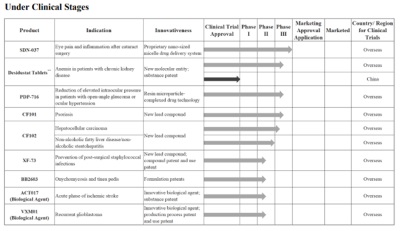
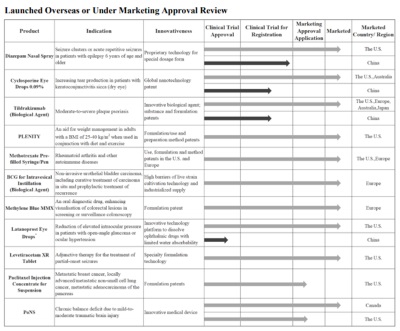
According to the data, CMS has altogether over 20 innovative drugs, all of which are innovative products with high innovation levels, good market potential and competitive differentiation advantages. Among them, 9 products have been approved for marketing in the U.S. and/or Europe, and 3 products are in the process of registration clinical trials in China.

Take the core product Diazepam Nasal Spray as an example, by the end of 2020, CMS has completed dosing and blood sample collection of all subjects in the comparative PK study, and the product is expected to be launched in China this year.

Notably, Diazepam Nasal Spray is also the first out-of-hospital emergency drug approved by the U.S. FDA for acute repetitive seizures in patients with epilepsy 6 years of age and older. If the product is successfully marketed in China, it is speculated that it will become the home remedy for children with epilepsy based on parents’ protective mindset towards their children. The market of Diazepam Nasal Spray is very promising after its launch. It is estimated that there are about 6 million active epilepsy patients in China, and about 400,000 new patients each year. Among patients who receive formal treatment, 20-30% still cannot be effectively controlled, and the number of recurrent seizures is frequent, averaging as many as nearly 70 times per year.

Assuming that 15% of the 2 million patients who receive formal treatment need Diazepam Nasal Spray to control recurrent and frequent seizures, and an average of 40 seizures attacks per person per year, the annual demand is estimated at 12 million units. Currently, the selling price of Diazepam Nasal Spray is approximately $300 per unit in the U.S., and assuming a selling price of RMB300 per unit in China, the annual sales market potential of the product would be RMB3.6 billion.

Recently, the registration bridging Phase III trial in China of Tildrakizumab, a novel monoclonal antibody specifically targeting IL-23, has completed enrollment of all 220 subjects within only 2.5 months (including holidays of the New Year and Chinese Lunar New Year), highlighting another yet-to-be-discovered innovative advantage of CMS’s rapid clinical advancement capability based upon its professional sales and promotion network as well as expert resources.

In addition to Diazepam Nasal Spray and Tildrakizumab, there are seven other products in the Company’s innovative pipeline, including Cyclosporine Eye Drops 0.09%, all of which have been approved for marketing in Europe and/or the U.S., and the Company is now actively promoting the marketing of these products in China.

In addition to advancing the research and development of the existing innovative pipeline, the Company also realized sustained expansion of the innovative pipeline in 2020.

According to zhitongcaijing.com app, in January 2020, CMS strategically cooperated with Zydus and acquired the exclusive license of innovative product Desidustat Tablets; in June, the Company made equity investment in Gelesis and acquired innovative product PLENITY; in September, the Company strategically cooperated with medac and acquired innovative products Methotrexate Pre-filled Syringe/Pen and BCG for Intravesical Instillation; in December, the Company acquired innovative product Methylene Blue MMX through strategic cooperation with Cosmo. All of the above products are introduced based on the actual needs of the Chinese market, and the market space of each product is at least RMB one to several billion.

In terms of the Company’s development plan, in the short term of about 3 years, CMS will have 6-7 blockbuster innovative drugs marketed in China, with a market potential totaling over RMB 20 billion. The Company expects to introduce at least 5 innovative drugs per year on average and is expected to become one of the Chinese pharmaceutical companies with the most innovative drugs in the long term.

High-quality innovative drugs with huge market demand, combined with strong drug commercialization and academic promotion capabilities, will be a big boost to the Company’s revenue and profits in the short- to mid-term once these innovative drugs are approved for marketing in China.

Deep plowing the healthcare industry to create trending healthcare products through industrial synergy

In 2020, with the growing demand for healthcare, driven by policy, Internet technology and the impact of COVID-19, the healthcare industry in China is facing a great window for development, which also brings new development opportunities for CMS.

CMS’s rich overseas channel resources and good reputation, mature product introduction system, responsive international supply chain system and strong sales promotion network have formed a significant industrial synergy with the healthcare segment, supporting the healthcare segment to continuously create “best-selling” products and establish strong market advantages.

According to zhitongcaijing.com app, CMS has cooperated with major e-commerce platforms to open cross-border e-commerce “CMS Health Overseas Flagship Stores” to create a one-stop shopping platform for high-quality overseas healthcare products.

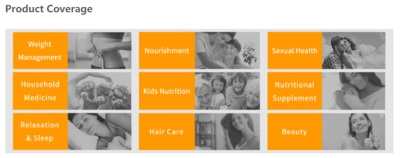
On November 1 last year, CMS Health Overseas Flagship Stores were launched in JD Worldwide and Youzan Mall; by the end of last year, 18 products from 4 well-known European brands had been launched. It is expected that by the end of 2021, the flagship stores will have more than 300 cooperative products, covering nine core areas.

In addition, CMS is continuously injecting new energy into its healthcare business. It is reported that as of press date, its flagship store has nearly 60 products, the surprisingly rapid development of the business clearly shows the extremely strong execution of CMS.

Diving deep into the golden track of dermatology and medical aesthetics, CMS continues to strengthen its ability to integrate upstream and downstream industry chain

In addition to the healthcare business, the dermatology and medical aesthetic business is also a key area for CMS to develop vigorously. CMS has been involved in skin treatment and has established certain expert network resources. In order to further enter the medical aesthetic product line and achieve deeper development in skin management and medical aesthetics, on February 1 this year, CMS completed the acquisition of Luqa, a dermatology and medical aesthetics specialty company, to go further into the golden track of medical aesthetics.
Luqa’s key prescription medicines and medical devices cover Aethoxysklerol, Stratamark/Strataderm, and Zalain, and Aethoxysklerol is one of the leading brands that has long been clinically used for the sclerotherapy of varicose veins; Luqa’s medical aesthetic products feature Mesohyal and Mesoeclat from Mesoestetic of Spain, and Neauvia hyaluronic acid series.

CMS’ acquisition of Luqa is noted by the market because of the strong synergy effect between upstream and downstream industries.

From the upstream of the industry chain, Luqa has rich leading European medical aesthetic resources, while CMS has more than 20 years of experience, resources and channels of investment in products in overseas markets, and has a good reputation overseas, especially in Europe, the acquisition to achieve the interchange of resources in the upstream of the industry line, which will undoubtedly promote the integration and fission of resources more effectively and achieve the effect of “1+1>2”. With the addition of Luqa, it is expected that more leading skin management and medical aesthetic products will be included, enriching CMS’ product lineup and expanding the area of its business.

In the downstream part of the industry chain, CMS has rich resources of dermatology experts, who will be able to give advice, build brand and create reputation for dermatology and medical aesthetic products from a professional perspective, while Luqa’s sales channels covering a wide range of medical institutions and agency network will complement CMS’s advantages and help CMS to form a more comprehensive and in-depth downstream network layout in the future.

In terms of the overall medical aesthetic market, China’s medical aesthetic industry grew at a CAGR of 22.5% from 2014-2019, which made China one of the fastest-growing countries in the world and is expected to maintain a high growth rate of over 20% in the coming years. In the growing dermatology and medical aesthetic market, there is not yet a leading company in China. The resource synergy between Luqa and CMS will help CMS to have strong competitive advantages in both product and sales. With these advantages, CMS is expected to become the first high-end beauty and health management company in China.

However, the market has not yet reasonably valuated CMS, who has strong innovative R&D strength and multi-industry synergy.

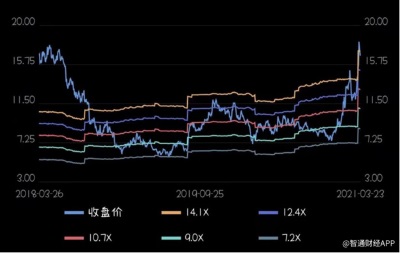
According to zhitongcaijing.com app, although the valuation of CMS has increased recently due to strong performance, the dynamic PE reflected by the Company’s share price is only about 12.34x as of the press date. While the already undervalued pharmaceutical and healthcare stocks in the Hong Kong Stock Exchange are still trading at the PE of nearly 20x, which verified that CMS is obviously undervalued.

In fact, there is a certain lag in the market for the valuation of CMS. From the perspective of business development, it is not only the existing drugs that are currently driving the Company’s valuation growth, but also the Company’s innovative pipeline, healthcare business and dermatology and medical aesthetic business, which are all immune to China’s “centralized procurement” and will bring strong performance momentum to the Company in the future, and are also powerful engines to drive the Company’s valuation growth.

From the perspective of innovative drug development alone, as mentioned earlier, CMS will have 6-7 blockbuster new drugs marketed in China in 1-3 years, with a combined annual market potential of over RMB 20 billion. According to an institution’s previous estimation, the target price will raise to HK$19.80 using the PE valuation method, based on a conservative estimate of the value of seven blockbuster innovative products, as well as the value of seven generic drugs and without considering the value of the Company’s healthcare business and Luqa’s brand value for the time being.

zhitongcaijing.com app observed that on March 18, the share price of CMS jumped 15.01% to close at HK$18.24 per share. It can be seen that the market’s attitude towards the “new CMS” has started to improve significantly. Taking into account the positive impact of the healthcare and dermatology and medical aesthetic segment, CMS is expected to see further valuation growth in the mid to long term.

In the dermatology and medical aesthetic sector, for example, in China’s A-share, the average valuation of stocks under the Choice medical aesthetic concept stock has exceeded 140 times. As a scarce quality target in the concept of dermatology and medical aesthetic in the Hong Kong Stock Exchange, after the acquisition of Luqa, CMS has the conditions and advantages for its entry into the medical aesthetic industry through the great synergy in skin management and medical aesthetic field, and the Company’s valuation is also expected to rise accordingly.

According to zhitongcaijing.com app, Citi has recently released a research report, raising the target price of CMS by 134% to HK$26 from HK$11.1, with a “buy” rating.

By: zhitongcaijing.com app