OBI-902 has been granted by US FDA for Orphan Drug Designation for the Treatment of Cholangiocarcinoma

  • OBI-902 is the first ADC utilizing OBI’s proprietary GlycOBI glycan-based ADC enabling technology for evaluation of safety and efficacy in patients with Cancer.

OBI Pharma, a clinical-stage oncology company (4174.TWO) received notification from the US FDA stating that the request for Orphan Drug Designation of OBI-902 TROP2 ADC for the treatment of Cholangiocarcinoma has been granted. OBI-902 is the first OBI-developed ADC that incorporates our proprietary site-specific glycan-conjugated ADC enabling technology.

Cholangiocarcinoma is a rare and lethal malignancy with fewer than 50,000 patients in the United States and a 5-year survival rate ranging from 2% and 23% depending on disease stage, histological subtype, and localization[1]. At present, there are no FDA approved ADC therapies for cholangiocarcinoma.

To encourage the industry to develop new treatment options for rare diseases, the US FDA grants Orphan Drug Designation to experimental therapies that have the potential to treat these diseases. In the United States, a rare disease is defined as any condition that affects fewer than 200,000 patients. After granting Orphan Drug Designation, the US FDA qualifies companies or drug developers incentives such as tax credits for clinical trials, exemption from user fees, and marketing exclusivity[2].

In August 2025, OBI launched a phase I/II clinical trial in the United States and Taiwan, recruiting patients with advanced solid tumors. The objectives of the trial are to study the safety, pharmacokinetics, and preliminary efficacy profile of OBI-902 in these patient populations.

Heidi Wang, Ph.D, OBI Pharma’s Chief Executive Officer noted, “Based on our preclinical data, OBI-902 has several important advantages over other TROP2 ADCs either approved or in development; including high stability in blood circulation, excellent bystander effect that extends the killing to neighboring cancer cells lacking TROP2 expression, potential ability to overcome drug resistance, and outstanding activity in animal and organoid models of cancer. Importantly, this marks the first time an ADC that incorporates OBI’s proprietary GlycOBI® ADC technology is being evaluated in patients, including those diagnosed with cholangiocarcinoma. We look forward to investigating this potential best-in-class TROP2 ADC in the clinic.”

About OBI-902
OBI-902 is a TROP2-targeted antibody-drug conjugate (ADC) that carries a potent topoisomerase I inhibitor payload to kill tumor cells and with a drug-antibody ratio (DAR) of 4. TROP2 is highly expressed in a variety of solid tumors such as breast, lung, biliary, bile duct (cholangiocarcinoma), ovarian, gastric, and many other cancer types, rendering it an ideal target for cancer therapy.

OBI-902 is a novel site-specific glycan-conjugated ADC using OBI’s proprietary GlycOBI platform, which provides improved stability and enhanced hydrophilicity. OBI-902 demonstrated remarkable antitumor efficacy, improved pharmacokinetic characteristics, and a favorable safety profile in various animal models. The IND of OBI-902 was cleared by the US FDA on April 30, 2025.

Since December 2021, OBI has been granted by Biosion, Inc. (www.biosion.com) an exclusive, worldwide (except in China) license to a TROP2 targeting antibody amino acid sequence. Biosion holds exclusive rights to that antibody sequence in China. OBI holds worldwide commercial rights to OBI-902, except for the rights pertaining to the antibody in China.

About GlycOBI®
OBI has developed a unique clinical stage, glycan-based site-specific ADC technology (GlycOBI®), which is in a ‘Plug and Play’ format and compatible with any antibodies, linkers, and payloads in drug-antibody ratio (DAR) up to 16. Utilizing OBI’s proprietary dual-function enzyme (EndoSymeOBI®) and linker technology (HYPrOBI®), homogenous ADCs are manufactured with an efficient and scalable process under GMP conditions. The conjugation process of GlycOBI® avoids disrupting the antibody structure and ensures the ADC has similar biophysical characteristics to the native antibody. Furthermore, OBI’s linker technology has improved conjugation efficiency of the payload, reduced aggregation propensity, which provides advantages on manufacturing ADC products. GlycOBI® conjugated ADCs have overcome the limitations of traditional ADCs and achieved better antitumor activity and stability in various in vivo animal studies. GlycOBI®, EndoSymeOBI®, and HYPrOBI® are part of the armamentarium of OBI’s Obrion™ ADC Enabling Technologies that also include ThiOBI® and GlycOBI DUO™. OBI-902 is the first ADC utilizing OBI’s Obrion™ ADC enabling technology for evaluation of safety and efficacy in Cancer, currently under Phase I/II clinical trial in the US and Taiwan.

About OBI Pharma
OBI is a clinical stage global oncology company that is headquartered in Taiwan and established in 2002. Its mission, together with its wholly owned subsidiary OBI Pharma USA, Inc., is to develop novel therapeutic agents for patients with high unmet medical needs.

OBI’s primary focus is the development of novel ADCs, including the first-generation cysteine-based TROP2 ADC, OBI-992. Using the company’s proprietary ADC enabling technology, GlycOBI®, powered by EndoSymeOBI® and HYPrOBI®; OBI has created its next-generation novel ADC pipeline, including monospecific: OBI-902 (TROP2), OBI-904 (Nectin-4), bispecific single payload (HER2 x TROP2), and bispecific, dual payload (cMET x HER3) ADCs. To broaden the applicability of linker technology, HYPrOBI®, OBI further developed a novel ThiOBI® platform to enable irreversible cysteine-based conjugation. Additionally, OBI’s pipeline includes the first-in-class AKR1C3-targeted small-molecule prodrug OBI-3424, which selectively releases a potent DNA-alkylating antitumor agent in the presence of the aldo-keto reductase 1C3 (AKR1C3) enzyme that is highly expressed in tumors. Additional information can be found at www.obipharma.com.

GlycOBI®, EndoSymeOBI®, ThiOBI® and HYPrOBI®are registered trademarks of OBI Pharma. Obrion™ and GlycOBI DUO™ are trademarks under registration.

1 National Institute of Health for Rare Diseases. Sept. 2025
https://rarediseases.info.nih.gov/diseases/9304/cholangiocarcinoma

2 US FDA website. Designating an Orphan Product: Drugs and Biological Products Sept.25 https://www.fda.gov/industry/medical-products-rare-diseases-and-conditions/designating-orphan-product-drugs-and-biological-products

Forward-Looking Statements
Statements included in this press release that are not a description of historical facts are forward-looking statements within the meaning of the Private Securities Litigation Reform Act of 1995. Such forward-looking statements include, but are not limited to, statements about future clinical trials, results and the timing of such trials and results. Such risk factors are identified and discussed from time to time in OBI Pharma’s reports and presentations, including OBI Pharma’s filings with the Taiwan Securities and Futures Bureau.

COMPANY CONTACT:
Kevin Poulos, Chief Business Officer
OBI Pharma USA, Inc.
+1 (619) 537 7698, ext. 102
kpoulos@obipharma.com

SOURCE: OBI Pharma USA, Inc.

Kangji Medical and Knight Bidco Jointly Dispatch Scheme Document for Privatisation Proposal

Kangji Medical Holdings Limited (Kangji Medical or the Company, HKG: 9997) and Knight Bidco Limited (the Offeror) today announced that a circular in relation to the proposed privatisation of Kangji Medical (the “Scheme Document) has been published, setting out the terms and conditions of the proposed privatisation of Kangji Medical (the Proposal) by way of a scheme of arrangement.

The document is now available on the Stock Exchange of Hong Kong’s website. (website link

The Proposal represents an attractive opportunity for Scheme Shareholders to realise their investment in the Company with certainty amidst market volatility, potential geopolitical risk, industry and macro uncertainty.

Recommendation
The Independent Board Committee (“IBC”), having considered the Proposal, the Scheme, and the Special Deal, and having taken into account the advice of the Independent Financial Adviser, considers that the Proposal, the Scheme, and the Special Deal are fair and reasonable insofar as the Independent Shareholders are concerned.

Accordingly, the IBC recommends that the Independent Shareholders vote in favour of various resolutions to render the Scheme effective.

Further information on the reasons for the IBC’s recommendation, and the Independent Financial Adviser’s report are available in the Scheme Document.

Action required by Scheme Shareholders
All shareholders are advised to review the Scheme Document. Shareholders should refer to the Scheme Document for further information regarding the Proposal, the Scheme and the Special Deal, as well as the Notices of the Court Meeting and the EGM, together with the forms of proxy in relation thereto.

In accordance with the directions of the Grand Court, the Court Meeting will be held at 10:00 a.m. (Hong Kong time) on 10 November 2025 at United Conference Centre, 10/F, United Centre, 95 Queensway, Admiralty, Hong Kong. The EGM will be held at the same place and on the same date at 10:30 a.m.

Kangji Medical shareholders should carefully read the Scheme Document in its entirety before making a decision with respect to the Scheme.

Background to the Proposal

On 17 July 2025, the Offeror requested the Board to put forward the Proposal to the Shareholders for the privatisation of the Company by way of a scheme of arrangement under section 86 of the Companies Act. Upon completion of the Proposal, the Company will become a wholly-owned subsidiary of the Offeror and the listing of the Shares will be withdrawn from the Stock Exchange.

Kangji Medical Holdings Limited
Kangji Medical is a medical device group founded in 2004 with headquarters at Hangzhou, Zhejiang Province, China. It was listed at the mainboard of the Stock Exchange of Hong Kong in June 2020 (Stock Code: 9997.HK). The Company specialize in the design, development, manufacture and sale of minimally invasive surgery instruments and accessories (“MISIA”) . It strives for the mission of “providing physicians with high-quality products and services, and dedicating to improve people’s health”. The Company offers a comprehensive product portfolio to provide physicians and hospitals one-stop and tailored surgical solutions primarily for four major surgical specialties, including obstetrics and gynecology, general surgery, urology, and thoracic surgery. It also committed to developing an internationally recognized minimally invasive surgery instruments and accessories platform with global coverage.

About Knight Bidco Limited
Each of the Offeror, MidCo and TopCo is a newly incorporated company in the Cayman Islands with limited liability and an investment holding company set up solely for the purposes of implementing the Proposal. As at the Latest Practicable Date, the Offeror is wholly owned by MidCo, which in turn is wholly owned by TopCo. As at the Latest Practicable Date, TopCo is held by the Consortium Members, as to approximately 25.53% by Fortune Spring ZM, approximately 14.47% by Fortune Spring YG, approximately 24.38% by TPG Asia VII, approximately 5.01% by Keyhole, approximately 5.69% by Knight Success, approximately 4.56% by NewQuest V and approximately 20.36% by Al-Rayyan Holding. As at the Latest Practicable Date, save as disclosed in the section headed “11. Shareholding Structure of the Company” in Part VII – Explanatory Memorandum of the Scheme Document, none of TPG Asia VII, Keyhole, Knight Success, NewQuest V and Al-Rayyan Holding is a Shareholder.

Kangji Medical is controlled by Mr. Zhong and his spouse Ms. Shentu who together hold 52.98% of the shares in Kangji Medical. Following the privatisation of Kangji Medical, Mr. Zhong and Ms. Shentu will remain the largest shareholders in the ultimate parent company of the Offeror, holding 40.00% of the shares in TopCo via Fortune Spring ZM and Fortune Spring YG. Further details are available in the Scheme Document.

Each of the Founder Entities is a business company incorporated in the British Virgin Islands.

Knight Success is a newly incorporated company in Singapore with limited liability and an investment holding company. Keyhole is an exempted company incorporated in the Cayman Islands with limited liability and an investment holding company. TPG Asia VII is a company incorporated in Singapore with limited liability. Each of Knight Success and Keyhole is either wholly owned or controlled by TPG Asia VII, which is in turn controlled by TPG Asia GenPar VII Advisors, Inc. and ultimately controlled by TPG Inc., a publicly traded Delaware corporation (NASDAQ).

TPG is a leading global alternative asset management firm founded in 1992 with more than US$269 billion of assets under management as of 30 June 2025. For many years, TPG has been investing in transformation, growth, and innovation and aims to build dynamic products and strategies for its investors while also instituting discipline and operational excellence across its investment strategies and performance of its portfolios.

NewQuest V is a company incorporated in Singapore with limited liability and an investment holding company. NewQuest V is wholly owned by NewQuest Asia Fund V, L.P., which is in turn controlled by NewQuest Asia Fund V GP Ltd. and ultimately controlled by TPG Inc., a publicly traded Delaware corporation (NASDAQ).

Established in 2011, NewQuest is one of Asia’s leading secondary private equity platforms with the most experienced secondary team in Asia across five offices. Since its founding, NewQuest has focused on working with GPs to create bespoke, tailored solutions to meet liquidity and other strategic needs of private asset owners and their stakeholders. Starting from a strategic partnership forged in 2018, NewQuest became wholly owned by TPG in January 2022.

Al-Rayyan Holding is a limited liability company established in 2012 under the regulations of the Qatar Financial Centre Authority in the State of Qatar, and is a 100%-owned indirect subsidiary of QIA, the sovereign wealth fund of the State of Qatar. QIA was founded in 2005 to invest and manage the state reserve funds. QIA is among the largest and most active sovereign wealth funds globally. QIA invests across a wide range of asset classes and regions as well as in partnership with leading institutions around the world to build a global and diversified investment portfolio with a long-term outlook. As at the Latest Practicable Date, Al-Rayyan Holding and its concert parties (other than those who are, or deemed to be, acting in concert with Al-Rayyan Holding solely in connection with the Consortium) are not interested in any Shares.

All capitalized terms which are used in this press release but not otherwise defined herein shall have the meanings ascribed to them in the Scheme Document dated 13 October 2025. This press release should be read in conjunction with the Scheme Document, a copy of which is available on (website link).

Cornerstone Robotics Closes Oversubscribed New Financing Round of Approximately US$200 million

HONG KONG, Nov 11, 2025 – (ACN Newswire) – Cornerstone Robotics (the “Company”), a leading global innovator in surgical robotics, is pleased to announce the closing of an oversubscribed new financing round of approximately US$200 million. This financing round attracts investment from a global strategic investor, some global institutional or sovereign wealth funds, and existing shareholders. The proceeds from this round will primarily be used to accelerate commercialisation and drive continued technological innovation by Cornerstone Robotics.

Top-tier Global Investors Join to Accelerate Global Expansion

With its industry-leading technologies and strong growth potential in the field of surgical robotics, Cornerstone Robotics has attracted a global strategic investor in this financing round. The Company also welcomed some global institutional or sovereign wealth funds, whose participation will further support Cornerstone Robotics’ market access and strategic partnerships globally. Existing shareholders have also increased their investment, reaffirming their strong confidence in the Company’s technological capabilities and future roadmap, commercialization progress, and long-term growth potential. Together, this powerful investor lineup strengthens Cornerstone Robotics’ global foundation and accelerates its mission to make safe, efficient, and accessible surgical robotic technologies available to healthcare providers worldwide.

Advancing Global Surgical Robotics

Since its establishment in 2019, Cornerstone Robotics has adhered to its vision of “leading medical innovation for a healthier world”. Through full-stack in-house R&D and deep vertical integration, the Company has become a leading global innovator in surgical robotics and related technologies.

The Company’s flagship product, the Sentire® Endoscopic Surgical System, has received approval from China’s National Medical Products Administration (NMPA) and has entered clinical use in leading hospitals across the Chinese mainland, Hong Kong, and Europe. By collaborating with top international medical and academic institutions, Cornerstone Robotics is deepening its commitment to advancing clinical training, technology adoption, and scholarly exchange, empowering global medical accessibility to reach a new age.

Professor Samuel Au, Founder and CEO of Cornerstone Robotics, said: “The year 2025 marks an important milestone in the development journey of Cornerstone Robotics. We extend our heartfelt gratitude to our new and existing shareholders for their trust and support. This represents not only recognition of the successful clinical application of our innovations, but also strong confidence in Cornerstone Robotics’ long-term growth. Moving forward, we will remain committed to innovation-driven development and deepen our global presence, bringing safe, high-quality, and accessible surgical robotic solutions to patients and healthcare providers around the world.”

UBS Group served as the Company’s financial advisor in this transaction, Global Law Office served as the Company’s transaction legal counsel, and JunHe served as the Company’s intellectual property legal counsel.

About Cornerstone Robotics

Cornerstone Robotics (CSR) is a leading medical innovator in surgical robotics and related technologies. We advance surgical care with cutting-edge robotic systems that make high-quality healthcare more accessible and efficient globally. Founded in 2019, Cornerstone Robotics has assembled a global team of surgical robotics experts, clinical professionals, and multidisciplinary innovators, driving rapid growth with key hubs in Hong Kong, Shenzhen, Beijing, Shanghai, London, and Portsmouth.
For more information, please visit our website at https://en.csrbtx.com.

TruMerit’s Peter Preziosi Elected President of the Conference of NGOs in Consultative Relationship With the United Nations

TruMerit President and CEO Peter Preziosi has been elected President of the Conference of Non-Governmental Organizations in Consultative Relationship with the United Nations, also known as CoNGO.

CoNGO | TruMerit

CoNGO | TruMerit
Conference of Non-Governmental Organizations in Consultative Relationship with the United Nations, also known as CoNGO and TruMerit

CoNGO is an international non-governmental organization founded in 1948 that relates to the United Nations through its General Consultative Status granted by the United Nations Economic and Social Council (ECOSOC). It has 525 member organizations from around the world and 106 associate members.

Dr. Preziosi was elected to serve for the 2025-29 term this week at the 28th CoNGO General Assembly, which took place in New York with the virtual participation of organizations from around the world. He succeeds the Rev. Dr. Liberato C. Bautista, the main representative to the UN for the General Board of Church and Society of The United Methodist Church, who has served as CoNGO’s President since 2017 and also held the post from 2007 to 2011.

TruMerit has been a member of CoNGO since 2018 and is active in the organization’s affairs, having served as the organization’s Secretary to the CoNGO Board and as chair of its Membership Committee.

Dr. Preziosi is the first Registered Nurse to serve as CoNGO President. He is a nonprofit executive who since early 2023 has led TruMerit, formerly known as CGFNS International, a health workforce development organization committed to advancing the ethical mobility and professional growth of health workers worldwide. Previously, he was employed by the World Health Organization to help establish its technology-driven global learning center, the WHO Academy.

Dr. Bautista, the former President of CoNGO, extended his warm congratulations to Dr. Preziosi on his election. “His experience at TruMerit and at WHO, coupled with his profound dedication to multilateralism and his engagement with civil society, provide a basis for optimism regarding CoNGO’s future. In an era where the voice and influence of civil society are of paramount importance in shaping a shared future that upholds human dignity and rights, as well as planetary sustainability, Dr. Preziosi’s leadership is expected to enhance CoNGO’s role as a pivotal supporter and advocate for democratic and equitable participation within the United Nations and beyond,” he stated.

“CoNGO has long been a vital convener of NGOs, a bridge between civil society and an advocate for their engagement at the United Nations, as well as a steadfast champion of inclusive multilateralism – a concept that, unfortunately, is increasingly under attack,” said Preziosi.

“In response, let us assert civil society participation at the United Nations not as a plea, but as a principle – one that is essential to legitimate, effective, and ethical multilateralism, and thereby is critical to the attainment of the Sustainable Development Goals and adherence to the rule of law,” he said.

About CoNGO (Conference of Non-Governmental Organizations in Consultative Relationship with the United Nations)
The Conference of Non-Governmental Organizations in Consultative Relationship with the United Nations (CoNGO) is an independent, international membership association founded in 1948, the year of the Universal Declaration of Human Rights. As a non-governmental organization (NGO) in general consultative status with the UN Economic and Social Council, our work relates to the entire United Nations System: the Secretariat, Agencies, Treaty Bodies, Regional Commissions, Institutes, Summits and World Conferences.

CoNGO wholeheartedly endorses the goals and values enshrined in the United Nations Charter and is a strong advocate for multilateralism to resolve global political, environmental, health, and other threats. Close to 30 CoNGO Substantive Committees (called NGO Committees) related to CoNGO in New York, Geneva, Vienna, and regions worldwide demonstrate our commitment to supporting the mission of the United Nations, systemwide. CoNGO has a membership of diverse NGOs working in consultation with the United Nations, in collaboration with each other, and in cooperation with other like-minded stakeholders. ngocongo.org

About TruMerit
TruMerit is a worldwide leader in healthcare workforce development. Formerly known as CGFNS International, the organization has a nearly 50-year history supporting the career mobility of nurses and other healthcare workers – and those who license and hire them – by validating their education, skills, and experience as they seek authorization to practice in the United States and other countries. As TruMerit, this mission has been expanded to building workforce capacity that meets the needs of people in a rapidly evolving global health landscape. Through its Global Health Workforce Development Institute, the organization is advancing evidence-based research, thought leadership, and advocacy in support of healthcare workforce development solutions, including globally recognized practice standards and certifications that will enhance career pathways for healthcare workers. www.trumerit.org

Contact Information
David St. John
dstjohn@trumerit.org.

SOURCE: TruMerit

Indonesia’s Legacy in the Global Vaccine Landscape: Bio Farma and DCVMN Strengthen Health Resilience through Global Partnership

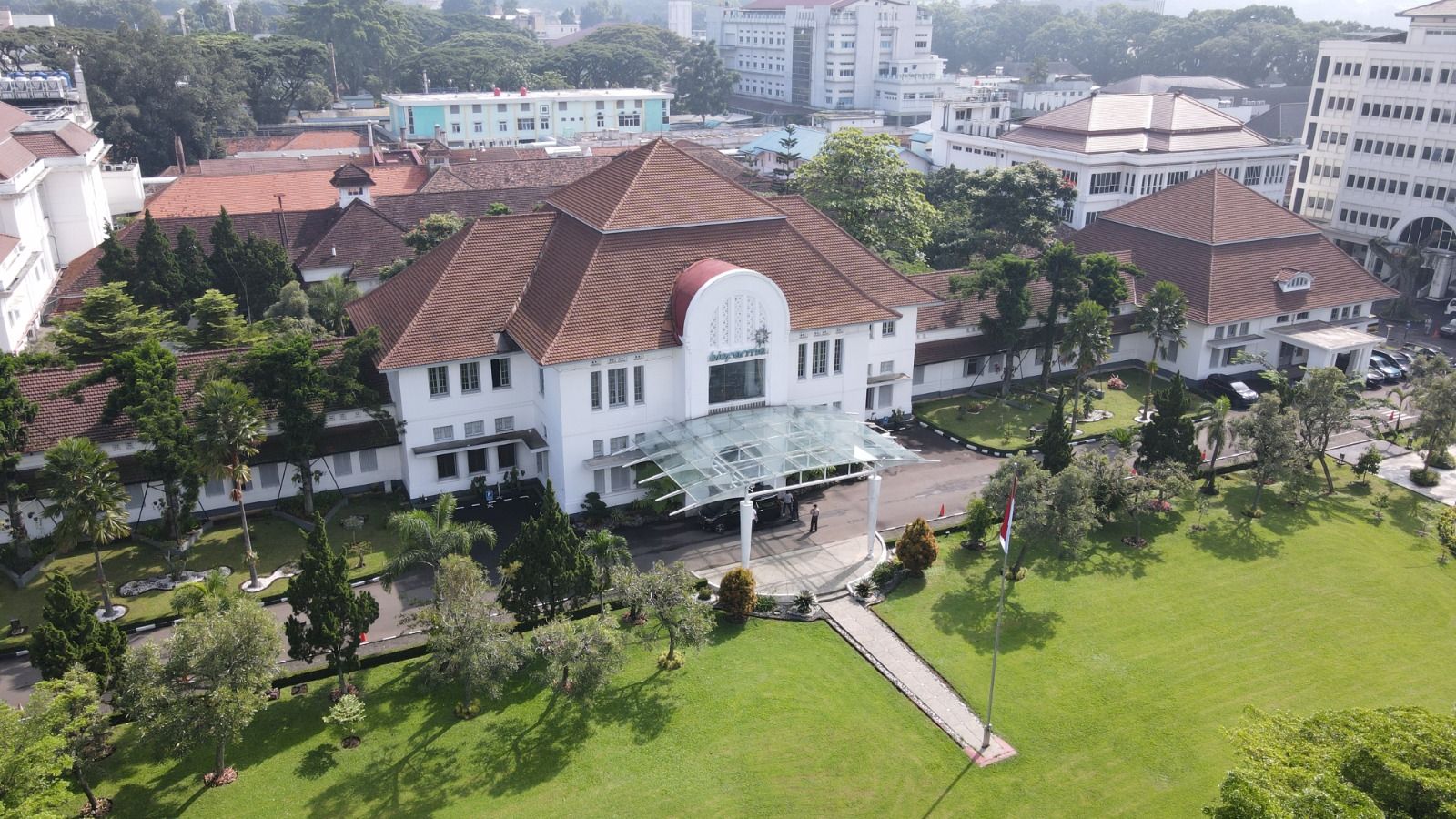
BANDUNG, INDONESIA, Oct 21, 2025 – (ACN Newswire) – Through PT Bio Farma (Persero), Indonesia has played a strategic and sustained role in the Developing Countries Vaccine Manufacturers’ Network (DCVMN), working to ensure equitable access to safe, high-quality, and affordable vaccines. Since DCVMN’s founding in 2000, Bio Farma has been a key driver in advancing vaccine self-reliance and public health capacity in developing countries.

Collaboration between Bio Farma and DCVMN has been established since the inception of the network. At the first DCVMN Annual General Meeting in Noordwijk in 2000, Bio Farma was one of ten founding members dedicated to advancing vaccine collaboration. In April 2001, Bio Farma in Bandung hosted the 2nd AGM, where the network formalized the DCVMN’s structure and governance. Chaired by then-President Director Thamrin Poeloengan, this meeting established Indonesia as a hub for vaccine collaboration and knowledge-sharing among developing countries.

Shadiq Akasya, current President Director of Bio Farma, stated that the company’s participation in DCVMN reflects Indonesia’s commitment to contributing to global health beyond national interests.

“Bio Farma’s involvement in DCVMN since its establishment is not merely about representation, but about making a tangible contribution toward global vaccine self-reliance. Through collaboration and innovation, we are committed to delivering equitable and sustainable health solutions for all,” said Shadiq.

“We believe that the true strength of the developing countries’ vaccine industry lies in collaboration. Through our active role in DCVMN, we aim to ensure that every nation has access to safe, high-quality, and affordable vaccines, a real manifestation of Indonesia’s contribution to global health security,” he added.

In 2004, Bio Farma, together with other DCVMN members, played a vital role in expanding access to the pentavalent (DPT-HepB-Hib) vaccine through a technology-transfer collaboration with the Netherlands Vaccine Institute. This achievement demonstrated that Bio Farma’s contributions within the DCVMN network are not symbolic but deeply technical and practical.

Global trust in Bio Farma has continued to grow. In 2012, Indonesia once again hosted the 13th DCVMN AGM in Bali. Mahendra Suhardono, one of Bio Farma’s directors at the time, was elected President of the Executive Committee for the 2013 – 2014 term.

Indonesia’s leadership was further recognized when Bio Farma was entrusted to serve as Chair of the Board of DCVMN for the 2023-2025 period, acting as a bridge between network members and global strategic priorities, while showcasing Indonesia’s capacity to lead the vaccine industry in developing countries.

Bio Farma’s commitment to innovation goes far beyond collaboration. In 2020, its nOPV2 vaccine became the first to receive an Emergency Use Listing from the World Health Organization, enabling faster deployment of vaccines during global health emergencies. This achievement reflected not only Bio Farma’s scientific and technical excellence but also effective coordination and communication among multiple international stakeholders, including funders, scientists, academic researchers, policymakers, global vaccine advocates, and vaccine manufacturers. Such collaboration enabled the rapid development, approval, and rollout of nOPV2 during a critical moment for global public health.

This milestone demonstrated that a developing-country manufacturer can achieve world-class innovation, meeting the highest international standards of safety, quality, and efficacy recognized by the WHO. Beyond being a scientific breakthrough, nOPV2 represents technological self-reliance and global confidence in Indonesia’s capability to contribute meaningfully to international health security. Bio Farma’s success serves as an inspiration to all DCVMN members to continue strengthening their research, development, and production capacity in pursuit of achieving vaccine self-sufficiency and global health resilience across developing countries.

With a production capacity of more than 3.5 billion doses per year, Bio Farma supplies vaccines to over 150 countries and holds WHO Prequalification certification for 12 types of vaccines. As the Center of Excellence for the Organization of Islamic Cooperation (OIC) in vaccine development, production, and distribution, Bio Farma continues to strengthen Indonesia’s strategic role in the global health landscape.

The upcoming 26th DCVMN Annual General Meeting, to be held in Bali on 29–31 October 2025, marks an important moment for Indonesia to reaffirm its leadership in global health diplomacy. Through this forum, Bio Farma is committed to advancing innovation, collaboration, and vaccine self-reliance worldwide, toward a more resilient and equitable global health ecosystem.

About DCVMN

The Developing Countries Vaccine Manufacturers Network (DCVMN) is a global alliance of 46 vaccine manufacturers from 17 developing countries, established in 2000 to strengthen public health through equitable access to high-quality vaccines.

DCVMN promotes collaboration among its members through advocacy, capacity building, professional training, and joint research initiatives, aimed at enhancing global immunization programs.

Working closely with international organizations such as WHO, UNICEF, GAVI, CEPI, PATH, CHAI, and the Gates Foundation, DCVMN strives to ensure that every nation has the capability to produce and supply affordable, life-saving vaccines. For further information, please visit www.dcvmn.org.

About Bio Farma

PT Bio Farma (Persero) is Indonesia’s state-owned life science company and the largest vaccine manufacturer in Southeast Asia.

Founded in 1890 and headquartered in Bandung, Bio Farma produces and supplies vaccines to more than 150 countries, while playing an active role in biotechnology research, innovation, and global health security.

As a member of DCVMN, Bio Farma continues to contribute to international collaboration to ensure equitable vaccine access and improved global public health. For further information, please visit www.biofarma.co.id.

Contact Us
PT Bio Farma (Persero)
Corporate Communication
Jl. Pasteur No.28 Bandung,
Jawa Barat Indonesia 40161
Website: www.biofarma.co.id
Email: corcom@biofarma.co.id 

DCVMN
Route de Crassier, 7
CH-1262 Nyon, Switzerland
Website: www.dcvmn.org 
Email: info@dcvmn.net

Everest Medicines Announces Publication of Etrasimod’s Asian Multicenter Phase III ENLIGHT UC study (ES101002) Results in The Lancet Gastroenterology & Hepatology

HONG KONG, Oct 9, 2025 – (ACN Newswire) – Everest Medicines today announced that the results of its Asian multicenter Phase III ENLIGHT UC study (ES101002) of etrasimod (VELSIPITY(R)) for the treatment of subjects with moderately to severely active ulcerative colitis (UC) have been published in the prestigious international journal The Lancet Gastroenterology & Hepatology, marking the global recognition of this next-generation selective S1P receptor modulator’s efficacy in Asian patients.

The published results are from the ENLIGHT UC study (ES101002), a multicenter, randomized, double-blind, placebo-controlled Phase III trial of etrasimod conducted across Asia. ENLIGHT is the largest completed Phase III trial to date in Asian patients with moderately to severely active UC, enrolling 340 eligible subjects who were randomized to receive once-daily etrasimod or placebo for 12 weeks of induction treatment. All patients had an inadequate response or intolerance to at least one conventional, biologic, or Janus kinase (JAK) inhibitor therapy.

The study results showed that, during both the 12-week induction phase and the 40-week maintenance phase, etrasimod demonstrated statistically significant and clinically meaningful improvements across all primary and secondary efficacy endpoints. The safety profile of etrasimod was consistent with previous studies, with no new safety signals observed.

Prof. Wu Kaichun at the First Affiliated Hospital of AFMU who is the principal investigator for etrasimod’s Asia clinical trial said: “As the largest Phase III trial of UC in Asia, the results fill the gap in clinical data on active UC in Asia. The results confirm that etrasimod shows good efficacy and safety in Asian patients including Chinese patients, with positive effects on improving clinical symptoms and promoting endoscopic improvement.”

“Publication of the ENLIGHT UC study in The Lancet Gastroenterology & Hepatology underscores etrasimod’s strong clinical value in the treatment of moderately to severely active UC and providing stronger clinical evidence to support patients across Asia.” said Rogers Yongqing Luo, Chief Executive Officer of Everest Medicines.“The company initiated local production of etrasimod in March and remains committed to accelerating the regulatory approval process in Mainland China and other Asian markets, helping more patients achieve higher-quality, longer-lasting disease remission.”

VELSIPITY(R) has been approved in Singapore, Macao SAR, and Hong Kong SAR. Its NDA has also been accepted in South Korea and Taiwan, China. In December 2024, China’s National Medical Products Administration (NMPA) officially accepted the NDA for VELSIPITY(R), with approval expected in the first half of 2026. As Everest’s third commercialized product, VELSIPITY(R) has been approved by the Guangdong Provincial Medical Products Administration for adult patients with moderately to severely active UC, and is now available at medical institutions designated under the Connect Policy in the Greater Bay Area. The localized production project for VELSIPITY(R) was officially launched at the Jiashan manufacturing site in March 2025, providing strong support for its future commercialization.

As a core product of Everest Medicines, etrasimod is an innovative and advanced therapy that provides rapid onset of action, clinical remission and endoscopic improvement through an oral, once-daily regimen. Following its inclusion in the American Gastroenterological Association (AGA) Clinical Practice Guideline as a first-line treatment for ulcerative colitis in December 2024, etrasimod was included in the American College of Gastroenterology (ACG) Clinical Guideline Update in June 2025, strongly recommended for both induction and maintenance of remission in patients with moderately to severely active UC.

From the market perspective, the number of UC patients in Asia is rising rapidly, while treatment options remain relatively limited. In China alone, the UC patient population was estimated at approximately 800,000 in 2024 and is projected to reach 1.5 million by 2031. With its proven efficacy and safety, VELSIPITY(R) is expected to quickly enter and reshape the market landscape. To ensure accessibility and supply stability, Everest has launched a localized production project at its Jiashan manufacturing site, with an expected annual production capacity of up to 50 million tablets to enhance supply stability and cost efficiency.

Notably, in late August Everest launched a proactive build-up of its commercial team for etrasimod, with the team expected to expand significantly around the time of approval. This deployment will not only ensure the efficient commercialization of VELSIPITY(R) upon launch, but also lay a solid foundation for future inclusion in the National Reimbursement Drug List (NRDL) and large-scale uptake.

Industry observers widely expect VELSIPITY(R) to become Everest’s next blockbuster product, with analysts projecting peak sales of up to RMB 5 billion. As VELSIPITY(R) realizes its commercial potential, Everest’s revenue mix and growth trajectory are expected to strengthen further, providing greater visibility and confidence for long-term investors.

HTD1801, a First-in-Class Anti-inflammatory Metabolic Modulator, Demonstrates Durable 52-Week Efficacy and Safety in Two Phase III Trials in Type 2 Diabetes Mellitus

– These 52-week data reinforce HTD1801’s potential as a truly differentiated therapeutic to concurrently address metabolic dysregulation, inflammation, and renal progression in type 2 diabetes mellitus

HONG KONG, Oct 31, 2025 – (ACN Newswire) – HighTide Therapeutics, Inc. (2511.HK), a biopharmaceutical company specializing in the development of multifunctional, multi-targeted therapies for chronic metabolic diseases, announced positive 52-week safety and efficacy results from the open-label extension (OLE) phases of two Phase III trials (SYMPHONY-1 and SYMPHONY-2) evaluating HTD1801 in patients with type 2 diabetes mellitus (T2DM).

The 52-week data from these two Phase III clinical trials demonstrate the durability of response and highlight the comprehensive long-term clinical benefits of HTD1801 in patients with T2DM. HighTide plans to submit a new drug application (NDA) for HTD1801 as a treatment for T2DM to the Center for Drug Evaluation (CDE) of China’s National Medical Products Administration (NMPA) later this year.

SYMPHONY-1 (NCT06350890) and SYMPHONY-2 (NCT06353347) are randomized, double-blind, placebo-controlled, Phase III clinical trials designed to evaluate the efficacy and safety of HTD1801 in adults with T2DM and inadequate glycemic control despite diet and exercise (SYMPHONY-1; N=408) or with Metformin (SYMPHONY-2; N=551). The primary endpoint in both studies was the change in glycated hemoglobin (HbA1c) from baseline with HTD1801 compared to placebo after 24 weeks of treatment. Patients were eligible to continue in a 28-week OLE during which all patients received HTD1801; Durability of response across efficacy endpoints was evaluated based on the change from baseline to Week 52.

Efficacy observed during the 24-week double-blind period was durable and maintained with longer-term treatment through 52 weeks in both studies

SYMPHONY-1 (HTD1801 as monotherapy): At week 24, the reduction from baseline in HbA1c with HTD1801 (-1.3%) was superior to placebo. HbA1c reductions were maintained in patients who continued receiving HTD1801 (-1.2% at Week 52). Placebo patients who switched to HTD1801 saw a reduction in HbA1c of -1.3% at Week 52, substantiating the double-blind phase findings.

SYMPHONY-2 (HTD1801 as an add-on therapy to Metformin): At week 24, the reduction from baseline in HbA1c with HTD1801 (-1.2%) was superior to placebo. HbA1c reductions were sustained in patients who continued receiving HTD1801 (-1.1% at Week 52). Placebo patients who switched to HTD1801 saw a reduction in HbA1c of -1.2% at Week 52, also substantiating the double-blind phase findings.

In both studies, the durability of effect on other cardiometabolic and renal endpoints was maintained at 52 weeks, suggesting comprehensive advantages of HTD1801 beyond glycemic control with long-term treatment.

In both studies, the proportion of patients receiving HTD1801 during the double-blind phase who achieved target HbA1c<7.0% was sustained through Week 52. The lipid-lowering effects observed during the double-blind phase, including significant reductions in low-density lipoprotein cholesterol (LDL-C) and non-high-density lipoprotein cholesterol (non-HDL-C), were also maintained. Long-term HTD1801 treatment also led to continued reductions in key inflammatory biomarkers, including gamma-glutamyl transferase (GGT) and high-sensitivity C-reactive protein (hs-CRP), both associated with cardiovascular risk in patients with T2DM.

Notably, while estimated glomerular filtration rate (eGFR) remained stable in the overall population, the improvement of eGFR in patients with mild renal impairment at Week 24 was preserved at Week 52. These data highlighting the potential renal benefit of HTD1801 will be presented at a forthcoming scientific meeting.

Favorable safety and tolerability profile

Overall, long-term safety and tolerability were favorable and consistent with the double-blind phase. The types and severity of AEs did not increase with continued HTD1801 treatment compared to newly initiated HTD1801 treatment.

“The robust 52-week results from these trials reinforce that HTD1801 may represent a novel and truly differentiated therapeutic option for patients with T2DM,” said Dr. Linong Ji, Lead Principal Investigator, former Vice President of the International Diabetes Federation (IDF), and Director of the Peking University Diabetes Center and the Department of Endocrinology and Metabolism at Peking University People’s Hospital. “As a first-in-class new molecular entity, HTD1801 is an anti-inflammatory metabolic modulator (AIMM) with a dual mechanism of action, AMP kinase activation and NLRP3 inflammasome inhibition, distinct from existing therapies. Its unique profile is designed not only to lower blood glucose, but also to improve lipid metabolism, exert anti-inflammatory effects, and potentially enhance renal function, supporting its potential as a backbone therapy to address the cardiovascular-kidney-metabolic (CKM) syndrome by targeting the underlying drivers of diabetes and diabetes-related complications. In addition, the unique mechanism allows for potential of combination treatments”

“We extend our deepest gratitude to the patients who participated in these pivotal studies,” said Dr. Liping Liu, Founder, Chairperson, and CEO of HighTide Therapeutics. “Given the progressive nature of T2DM, durability of effect is a key determinant of long-term therapeutic success. The sustained beneficial effects of HTD1801 on metabolic, inflammatory, and renal parameters help reduce the risk of both microvascular and macrovascular complications. We look forward to sharing results from our Phase III head-to-head study with dapagliflozin, and will continue to explore HTD1801’s potential to deliver patients with chronic metabolic diseases a truly comprehensive, long-term treatment solution.”

About Type 2 Diabetes Mellitus (T2DM)

According to the International Diabetes Federation (IDF), 589 million adults (ages 20-79) were living with diabetes in 2024, and this number is projected to grow to 853 million (representing 1 in 8 adults) by 2050, of these, around 90% are T2DM cases. China has the largest population of diabetes patients worldwide, estimated to be 148 million in 2024, and projected to grow to 168 million in 2050. Diabetes is a global societal burden leading to over 6 million deaths per year. To address this urgent challenge, there is a critical need for innovative therapies that can deliver comprehensive clinical benefits for patients worldwide.

About HTD1801

HTD1801 is a first-in-class new molecular entity that targets the residual risks underlying cardiovascular–kidney–metabolic (CKM) diseases. It is an orally delivered, anti-inflammatory metabolic modulator (AIMM) that, as a single molecule, exerts a unique dual mechanism of action through activation of AMP Kinase and inhibition of the NLRP3 inflammasome, two complementary pathways that mitigate metabolic dysfunction. Multiple global clinical studies have demonstrated the comprehensive benefits of HTD1801, including improved insulin sensitivity, glycemic control, lipid lowering, renal protection, weight reduction, hepatic improvement, and anti-inflammatory effects. Collectively, these findings support the potential of HTD1801 to serve as a foundation therapy in CKM disease management.

WORK Medical enters strategic partnerships in bid to explore RWA initiatives

– The medical products maker hopes to leverage RWA technology to transform and leverage its current product infrastructure and budding AI business

Key Takeaways:

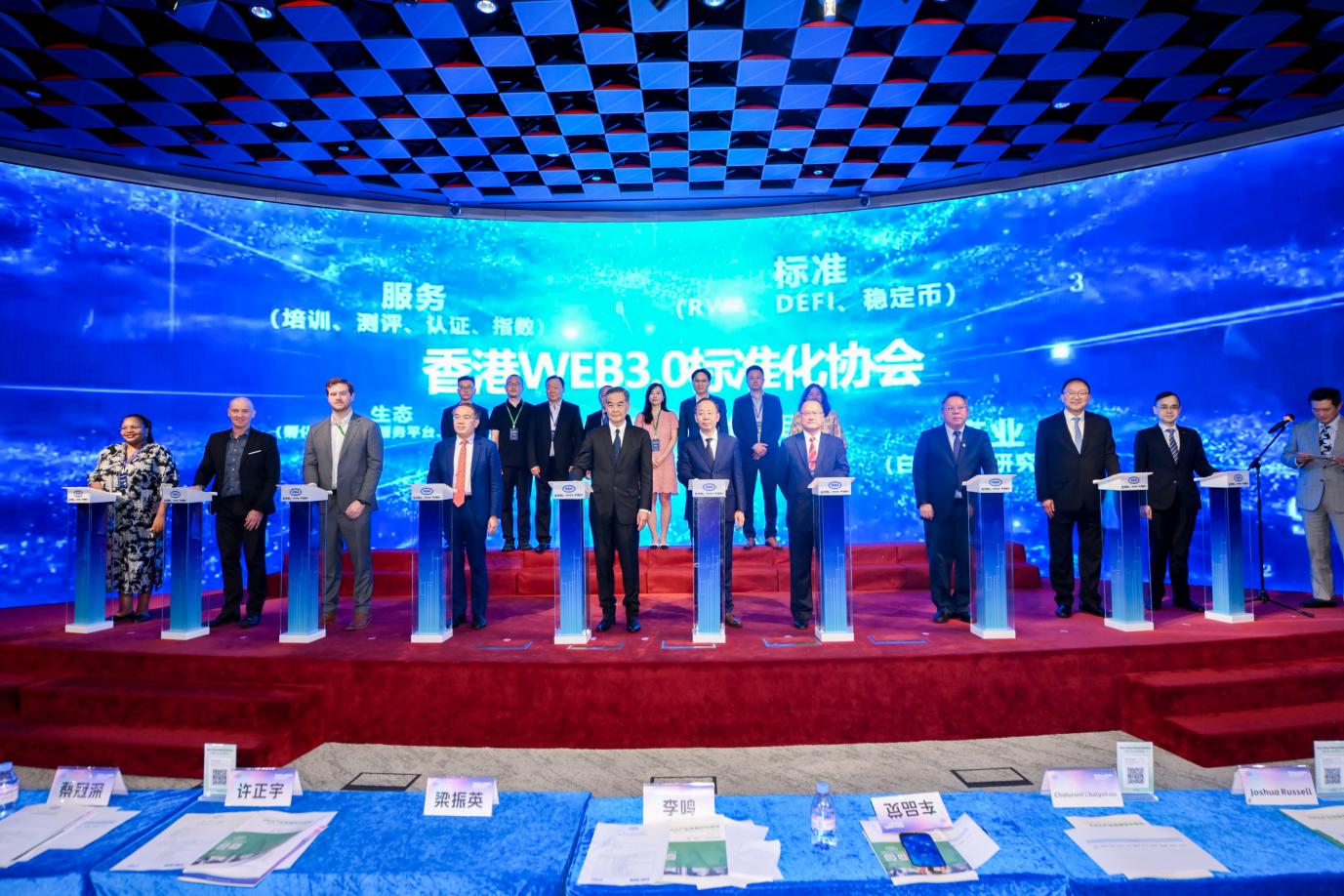
  • WORK Medical has formed a new alliance with the Hong Kong Web3.0 Standardization Association and was appointed as the organization’s “council vice chairman.”
  • The company has also entered into a collaboration with Ruijin Hospital’s Wuxi Branch to accelerate the development of a next-generation, AI-driven smart clinical ecosystem

HONG KONG, Sep 24, 2025 – (ACN Newswire) – Hong Kong kicked off a new era in its embrace of virtual assets on Aug. 1 with the official launch of a regulatory and licensing framework for virtual currencies known as stablecoins. A steady stream of Chinese companies has begun experimenting in the city with virtual assets and their underlying blockchain technology since then, covering a wide range of industries.

Medical products seller WORK Medical Technology Group Ltd. (WOK.US) became the latest to join that parade, as it unveiled a major new initiative to explore real world asset (RWA) tokenization and related blockchain technology in a partnership with the Hong Kong Web3.0 Standardization Association, which promotes the high-quality development of the global Web3.0 industry through standardization research and efforts.

The deal comes just over a year after WORK Medical listed on the Nasdaq, and is part of the company’s evolving “Healthcare + Payment + Technology = RWA + Web3 + AI” strategy. WORK Medical also plans to strategically collaborate with one or more qualified firms from the financial sector, which would provide a key compliance channel for its asset tokenization ambitions.

Tokenized RWA, or real-world assets with value that have been digitalized, is projected to surge to over $50 billion by the end of this year, according to a report published in May by digital currency market-making firm Keyrock and tokenization platform Centrifuge. The report also pointed out that tokenized RWA will be dominated by U.S. treasuries, whose value alone will push the sector size to over $28 billion.  

Three areas for collaboration

WORK Medical laid out three main areas for collaboration with its new Hong Kong partner. The first area involves the tokenization of “high-quality assets owned or invested in by WORK Medical,” the company said. It pointed out it can leverage both its status as a Nasdaq-listed company, as well as its expertise and assets related to its medical device business, including AI healthcare assets. It wasn’t more specific, but assets it could probably tokenize might include its receivables, investment products and intellectual property.

The second area WORK Medical’s new partnership will explore is equity investments, which could include co-investments or participation in funds and other financial vehicles to accelerate its move into RWA for potential tokenization and achieve shared strategic goals.

The third area involves development of RWA technology, which would leverage the Hong Kong Web30 Association’s recently launched RWA registration platform. That platform facilitates collaboration on a range of related functions, including blockchain-based title verification, asset issuance, and cross-chain transactions, while ensuring regulatory compliance and asset security.

The company’s recent activities indicate it is already accumulating the expertise to develop and manage such assets. In February, it announced a partnership with another medical device company that included the potential establishment of “joint investment funds to align industrial and financial resources.” It said that partnership could also involve investment in healthcare infrastructure, development of advanced technologies and global acquisitions.

WORK Medical’s new partnership puts it at the head of a nascent but rapidly growing wave of Chinese companies looking for new business opportunities in the fast-emerging business of digitalized RWAs. Any company owning or possessing rights to RWAs, both their own and assets owned by others, can technically enter the space.

Building smart clinical ecosystem

On Monday, WORK Medical also announced another new partnership with the Wuxi Branch of the Ruijin Hospital-Shanghai Jiao Tong University School of Medicine. Under the partnership, WORK Medical will support Xin Rui Hospital’s efforts to advance hospital informatization. It will also assist in efforts to integrate AI with the hospital’s multimodal medical data, such as text, imaging, and lab results.

https://www.globenewswire.com/news-release/2025/09/22/3153945/0/en/WORK-Medical-Technology-Group-LTD-Partners-with-Wuxi-Branch-of-Ruijin-Hospital-Shanghai-Jiao-Tong-University-School-of-Medicine-to-Develop-AI-Applications-in-Healthcare.html

The two sides plan to enhance WORK Medical’s multimodal AI solutions from single-image to complex data types by leveraging Xin Rui Hospital’s clinical and expert resources. The collaboration aims to develop AI models for diverse healthcare scenarios, establishing a framework for data governance, model training, and clinical translation. 

WORK Medical Chairman and CEO Wu Shuang said the two new partnerships – with the Hong Kong Web3.0 Standardization Association for RWA innovation and with Xin Rui Hospital for AI-driven healthcare – are strategic moves aimed at unlocking new growth avenues and building long-term value.

The company’s inaugural annual earnings report for its fiscal year through September 2024, issued earlier this year, also contains hints that it was dabbling in financial markets, not only through its IPO but also through other investing activities, in the year before its listing.

https://www.prnewswire.com/news-releases/work-medical-technology-group-ltd-reports-financial-results-for-fiscal-year-2024-302377075.html

WORK Medical’s new alliance could take it in a completely new direction from its core business of producing and selling masks and other medical products like artery compression tourniquets. As the Covid pandemic receded and demand for masks declined, leading to falling prices, the company’s revenue from its mask business fell 69% in its fiscal year through September 2024 to $1.6 million from $5.1 million the previous year. That was partly offset by an 18% increase in its revenue for other medical devices, which rose to $9.4 million from $8 million.

Its latest financial report also shows that WORK Medical has engaged in commodities trading, which generated $400,000 in income in its latest fiscal year through September 2024. The company also derived a sizable $15.7 million in cash from financing activities for the fiscal year, up sharply from a year earlier and greater than the $11.5 million in revenue it generated from sales of its core medical products for the year.

In the finance sector, supply chain financier Linklogis late last month also formed a partnership with XRP Ledger, the organization overseeing the ripple cryptocurrency, aimed at exploring the digitalization and tokenization of RWA.

Source: The Bamboo Works

By Doug Young

Counterfeit Products Sold Online in Malaysia Threaten Halal Compliance, Consumer Health, and the E-Commerce Sector, Says Muslim Consumers Association (PPIM)

The Muslim Consumers’ Association of Malaysia today expressed deep concern over the emergence of counterfeit health products sold online with fake halal certificates.

Nadzim Johan, Chief Activist of Persatuan Pengguna Islam Malaysia (PPIM), urged the authorities to investigate and take immediate action against the companies involved.

Nadzim warned that if not addressed promptly, these illegal practices could endanger public health and erode the confidence of Muslims in Malaysia regarding syariah compliance and guidance. He also stressed that this issue threatens local syariah-compliant businesses operating on e-commerce platforms.

PPIM has held urgent discussions with Holista Colltech Limited (“Holista”) concerning a recent police report filed by the company in Malaysia.

The report was lodged regarding counterfeit PRISTIN® Omega-3 fish oil products being sold on two popular e-commerce platforms, Lazada and Shopee.

Holista, headquartered in Petaling Jaya and listed on the Australian Securities Exchange, filed the report with the Royal Malaysia Police after obtaining samples of the counterfeit products.

Independent laboratory testing revealed that the counterfeit products were made from low-grade palm oil instead of fish-derived Omega-3.

Holista is Malaysia’s market leader in Omega-3 supplements, sold under two flagship brands – PRISTIN® GOLD OMEGA-3 FISH OIL 1200MG SOFTGEL and PRISTIN® OMEGA-3 FISH OIL 1200MG. Both products are halal-certified.

Nadzim emphasized that Holista’s genuine products are only available through pharmacies licensed by the Ministry of Health Malaysia and via Holista’s official online stores, Alterni.com and Holista.global.

“We are deeply concerned about the emergence of such counterfeit products. With the rapid growth of e-commerce in Malaysia, we fear that other counterfeit cases may exist and remain undetected by the authorities,” said Nadzim.

He further highlighted three critical issues:

1. Halal certification is a core element of the Islamic faith. Any blatant misuse of the halal logo undermines the trust of Muslims in Malaysia and globally in the certification of products, their sources, and production processes.

2. Such counterfeit products deliberately evade regulatory oversight governing supplement safety and compliance. Not only do they fail to support health, but they actively endanger consumers.

3. As a Muslim-majority country with a large young population, Malaysia is a thriving e-commerce market, respected globally for its adherence to Islamic practices and halal compliance. Violations of this nature will have severe repercussions for syariah-compliant businesses if not dealt with decisively.

PPIM has called on the Malaysian Communications and Multimedia Commission (MCMC) – which oversees online activities – and the Department of Islamic Development Malaysia (JAKIM), under the Ministry of Religious Affairs, to investigate the e-commerce platforms used for selling these counterfeit products and to identify the companies or individuals involved.

Nadzim added that industry players, including pharmacy chains and the Malaysian Dietary Supplement Association, should also hold urgent discussions to address growing concerns among consumers, particularly Muslims.

About PPIM

Persatuan Pengguna Islam Malaysia (PPIM) was established in June 1997 by a group of doctors, university lecturers, Islamic academician and individuals, in view of the problems faced by Muslim consumers in identifying Halal products. PPIM is an educational organisation for Muslims about Halal products. Its official website provides Halal and Haram products list, FAQs, forum, downloads, consumer complaint and latest news.

PPIM Media contact person:
Puan Zura
Email address: ppimmedia1@gmail.com,
Mobile number: 013-6116666

EASD 2025 | HighTide Therapeutics Announces Oral Presentation of Phase 3 Data in Patients with Type 2 Diabetes

HONG KONG, Sep 17, 2025 – (ACN Newswire) – HighTide Therapeutics, Inc. (2511.HK), a clinical stage biopharmaceutical company specializing in the development of multifunctional multi-targeted therapies for metabolic diseases, announced that data from the Phase 3 SYMPHONY 2 trial evaluating the safety and efficacy of HTD1801 in patients with type 2 diabetes mellitus (T2DM) is being presented at the 61st Annual Meeting of the European Association for the Study of Diabetes (EASD) in Vienna.

HTD1801, is a first-in-class anti-inflammatory metabolic modulator that activates AMPK and inhibits the NLRP3 inflammasome. These pathways converge at the nexus of metabolic dysregulation beyond glucose control and chronic inflammation. This randomized, double-blind, placebo-controlled study evaluated the efficacy and safety of HTD1801 compared to placebo in patients with T2DM inadequately controlled with metformin. The primary endpoint of Symphony 2 was change from baseline in HbA1c to Week 24 compared to placebo. Secondary endpoints explored effects on cardiovascular, metabolic, and renal comorbidities to assess it’s potential as a comprehensive Cardiovascular-Kidney-Metabolic therapy.

Eligible patients were randomized 2:1 to HTD1801 1000 mg BID (N=365) or placebo (N=184). The study met the primary endpoint at Week 24, with HTD1801-treated patients achieving an LS mean change in HbA1c of -1.21% compared to -0.68% with placebo (LS mean diff: -0.53, p<0.0001). 33% of HTD1801-treated patients achieved HbA1c <7% at Week 24 vs 11% with placebo (p<0.0001). Improvements in HbA1c with HTD1801 were parallelled with significant improvements in postprandial and fasting glucose at Week 24. In patients with mild renal impairment, HTD1801 improved eGFR, suggesting reno-protective potential. Significant reductions in lipids and inflammatory markers were also observed with HTD1801. Safety and tolerability were favorable and consistent with previous clinical trials of HTD1801. Serious AEs occurred in 4% vs 6% of patients with HTD1801 vs placebo, respectively. No patient experienced severe hypoglycemia during the study. An open-label extension is ongoing to confirm the durability of these benefits of HTD1801.

Abstract Title: Symphony 2: A Randomized, Placebo-Controlled Phase 3 Study of Berberine Ursodeoxycholate in Patients with Type 2 Diabetes Inadequately Controlled with Metformin
Presentation Number: 62
Presentation Date/Time: Tuesday September 16, 2025 / 2:45pm CEST
Format: Oral Presentation
Presenting Author: Linong Ji

“HTD1801 is an innovative small-molecule drug with a novel dual mechanism of action, simultaneously activating AMPK and inhibiting the NLRP3 inflammasome.”said professor Linong Ji, the leading principal investigator for this Phase 3 clinical trial and former Vice President of the International Diabetes Federation (IDF), Director of the Peking University Diabetes Center and Director of the Department of Endocrinology and Metabolism, Peking University People’s Hospital, “In completed Phase 3 clinical trials, it demonstrated consistent and clinically meaningful glucose-lowering effects with a favorable safety profile. Beyond glycemic control, HTD1801 has also shown multiple additional benefits, including lipid reduction, attenuation of inflammation, and improvements in renal function. As an orally administered antidiabetic agent, HTD1801 uniquely provides both cardiometabolic risk factor modification and renal protection, underscoring its substantial potential and competitive advantage for further clinical development.”

“The SYMPHONY 2 trial is our second Phase 3 study in type 2 diabetes to achieve its primary endpoint, underscoring the consistency and robustness of HTD1801’s clinical profile,” said Liping Liu, Founder, Chairwoman and CEO of HighTide Therapeutics. “We are particularly pleased that HTD1801 demonstrated not only glycemic benefit but potential cardiovascular and renal benefit in T2DM patients. With successful Phase 3 trials now in hand, we are well-positioned to submit our NDA in China later this year – marking a major step toward bringing a novel therapy to millions of patients who continue to face significant unmet needs in diabetes care.”

About HTD1801

HTD1801 is a first-in-class new molecular entity, addressing the residual risks of cardiovascular-kidney-metabolic (CKM) diseases. HTD1801 is an orally delivered, anti-inflammatory metabolic modulator that, as a single molecular entity, exhibits a unique dual mechanism of action through AMPK activation and NLRP3 inflammasome inhibition, both pathways working to mitigate dysfunctions associated with metabolic diseases. Multiple global clinical trial results have demonstrated comprehensive benefits of HTD1801, including improved insulin resistance, glycemic control, lipid lowering, renal benefit, weight loss, hepatic benefits, and anti-inflammatory effects. Therefore, HTD1801 has the potential to become a foundational CKM therapy.

About HighTide Therapeutics

HighTide Therapeutics, Inc. (2511.HK) is an innovative biopharmaceutical company specializing in metabolic diseases. The company is dedicated to developing first-in-class breakthrough therapies, providing therapeutic solutions with comprehensive benefits for patients worldwide. HighTide Therapeutics has established a globally positioned product pipeline with 100% self-developed intellectual property. The company has conducted clinical studies for multiple indications across various countries and regions, and the outcomes of these studies have been well recognized by global academic community and regulatory bodies worldwide. HTD1801, HighTide Therapeutics’ lead asset, is a first-in-class dual-target new molecular entity. It has received two Fast Track designations and one Orphan Drug designation from the US Food and Drug Administration (FDA), and has been included twice in the National Major Science and Technology Project for Significant New Drug Development in China.

For more information, please visit www.hightidetx.com, Contact: pr@hightidetx.com