HKTDC releases research report on biomedicine, Industry development drives GBA global tech leadership

HONG KONG, Sep 15, 2025 – (ACN Newswire) – Hong Kong’s healthcare sector surged by nearly 30% in the last decade, with the total number of related businesses now exceeding 3,000. Details of this rapid and sustained growth are among the findings of a new study by HKTDC Research, titled “I&T Cooperation in the Guangdong-Hong Kong-Macao Greater Bay Area: Hong Kong Partners with Mainland Cities in Advancing Biomedical Upgrade in the GBA”.

This report was produced alongside “Seizing GBA Opportunities: Biomedical Co-operation and Development”, a joint research initiative with the Department of Commerce of Guangdong Province.

Overall, the research demonstrates that not only is Hong Kong successfully collaborating with key Guangdong GBA cities and Macao in biomedical innovation, but also that this collective endeavour is on course for sustained growth.

The successes to date have also been reflected primarily in the overall increase in the sector’s value in regional terms.

Hong Kong in step with GBA biomedical partners

Just as Hong Kong has developed a sizable pharmaceutical and medical device cluster over recent years – with 3,020 related companies in 2023 as opposed to 2,340 in 2013 – so, too, has Guangdong looked to develop related resources.

Acknowledging the benefits of such a partnership, HKTDC Research Director Irina Fan said: “Thanks to extensive government support, technological innovation has been a key driver of Hong Kong’s economic growth, allowing it to effectively align with the national prioritisation of new quality productive forces. Earlier this year, the Guangdong Government announced action plans to grow its biomedical and healthcare industry cluster by around 50% by 2027, increasing its value from RMB 664 billion in 2023 to more than a trillion. Tellingly, a key element of this plan is to boost development by leveraging the existing strengths of the Hong Kong platform.”

“Being able to share this expertise with our partner cities in the GBA, with a particular focus on biomedicals, is a huge opportunity for all concerned and one set to deliver immense benefits nationally and even globally.”

Hong Kong: Driving biotech innovation

Among the many advantages global biotech businesses might seek to leverage is the comprehensive array of funding opportunities Hong Kong has access to, thanks to its status as a leading international financial centre.

As of June 2025, total market capitalisation of the Hong Kong-listed healthcare sector was US$441 billion – accounting for ~8.1% of the total market cap of Hong Kong-listed companies – which is three times the US$144 billion figure recorded at the end of 2017, pre-dating the launch of the HKEX Chapter 18A regime.

Since the Chapter 18A listing rules came into effect – which allows biotech firms without recorded revenue or profits to list – 73 biotech companies have listed, collectively raising US$16 billion as of mid-2025.

Expanding on the range of benefits Hong Kong can offer to biotech businesses based in partner GBA cities, Wing Chu, HKTDC Deputy Director of Research (Officer-in-Charge), said: “Beyond its financial resources, Hong Kong has several technical capabilities that will make a real difference to GBA businesses, as they look to expand their activities throughout the mainland and into many of the overseas markets. In particular, the city’s advanced clinical trial services, all of which yield internationally accepted data, make Hong Kong the ideal launchpad for any regional healthcare venture looking to go global.”

At present, the clinical data derived through Hong Kong-based trials has been approved for use by many of the world’s leading regulatory bodies, including the US Food and Drug Administration, the EU’s European Medicines Agency and Mainland China’s National Medical Products Administration (NMPA).

In addition, many of Hong Kong’s foremost healthcare institutions, including Queen Mary Hospital, Prince of Wales Hospital, Hong Kong Eye Hospital and Hong Kong Sanatorium & Hospital, have secured NMPA accreditation.

The GBA: A world-leading biotech innovation hub

In terms of international recognition, the World Intellectual Property Organization designated the Shenzhen-Hong Kong-Guangzhou cluster as the world’s leading innovation hub in its 2025 Global Innovation Index. This, in part at least, was in recognition of the lead role biotechnology plays within this cutting-edge cluster.

It is also important to acknowledge the extraordinary growth of Hong Kong’s biotech and health start-up sectors, which have developed far more rapidly than many comparable sectors.

Indeed, between 2018 and 2024, the number of Hong Kong-based biotech and healthtech start-ups more than quadrupled from 110 to 510, while the sectors’ share of the city’s total start-up ecosystem rose from 4% to 11%. This included a range of pioneering businesses in sectors, such as drug development, gene editing technology, medical device innovation and precision medical solutions.

Outlining how future intra-regional cooperation could benefit all parties, Cherry Yeung, HKTDC Research Senior Economist with oversight of these new reports, said: “Hong Kong is already seamlessly connected with many of the pharmaceutical manufacturers and markets in Mainland China, thanks to its strengths in R&D and international trade. For their part, the GBA cities deliver considerable production as well as resource support, creating a real synergy across the board. With Guangdong committed to further expanding its biomedical sector, this will foster a new generation of cross-industry collaboration.”

Photo download: http://bit.ly/4nc0SAc

Production and Trading of Drugs and Medical Supplies (Source: Census and Statistics Department of Hong Kong)
Between 2018 and 2024, the number of Hong Kong-based biotech and healthtech start-ups more than quadrupled from 110 to 510, while the sectors’ share of the city’s total start-up ecosystem rose from 4% to 11% (Source: InvestHK)


Media enquiries

Please contact the HKTDC’s Communication and Public Affairs Department:

Johnny TsuiTel: (852) 2584 4395Email: johnny.cy.tsui@hktdc.org

About HKTDC

The Hong Kong Trade Development Council (HKTDC) is a statutory body established in 1966 to promote, assist and develop Hong Kong’s trade. With over 50 offices globally, including 13 in Mainland China, the HKTDC promotes Hong Kong as a two-way global investment and business hub. The HKTDC organises international exhibitionsconferences and business missions to create business opportunities for companies, particularly small and medium-sized enterprises (SMEs), in the mainland and international markets. The HKTDC also provides up-to-date market insights and product information via research reports and digital news channels. For more information, please visit: www.hktdc.com/aboutus

Sichuan Neautus TCM Files for Hong Kong IPO to Accelerate Domestic and Global Expansion

Company leverages dual-market strategy and technology-driven standardization to strengthen its leadership in China’s TCM sector and enter international markets.

Sichuan Neautus Traditional Chinese Medicine Co., Ltd. has submitted a listing application to the Hong Kong Stock Exchange. The IPO is intended to raise capital to support the company’s expansion both domestically and internationally amid rapid modernization of China’s traditional Chinese medicine (TCM) industry.

Founded in 2021, Chengdu, China, Neautus has grown into a leading player in the herbal decoction pieces market, with annual revenue exceeding RMB 1.2 billion.

Dual Growth Engines
Neautus operates a “dual-engine” growth model, balancing institutional sales and consumer demand.

The company supplies more than 1,000 major hospitals in China and is continuing to grow.  And through its B2B platform, “Jinfang Caotang,” which is an online platform aimed at meeting the demands of approximately 90,000 TCM clinics in China, the company has seen significant success. Since the launch of “Jinfang Caotang,” the platform has attracted over 5,200 registered TCM clinics within a year, signaling high growth.

In the consumer market, Neautus specializes in ready-to-consume herbal supplements aimed at a diverse demographic of Traditional Chinese Medicine (TCM) users in China. Additionally, the company has expanded its reach into overseas markets, including Hong Kong, Taiwan, Vietnam, and Malaysia.

Technology-Driven Standardization
Neautus is the first company worldwide to apply DNA barcoding technology to identify herbal materials, a standard recognized by both the Chinese and British Pharmacopoeias. This achievement earned the company the National Science and Technology Progress Award (Second Class).  In recent years, Neautus has also obtained a series of high-level certifications—from “Chengdu Digital Workshop” to Sichuan Province’s  “Advanced Smart Factory”—highlighting its advancement toward Intelligentization 2.0.

Market Tailwinds and Global Expansion
Supported by national policies promoting standardization, Frost & Sullivan projects China’s TCM market will exceed RMB 599.3 billion by 2030. IPO proceeds will fund overseas capacity, international certifications, cross-border e-commerce, regional acquisitions, and entry into European and U.S. markets. The company is also planning on developing AI-assisted diagnostic tools via its “Jinfang Cloud” platform.

IPO Outlook
The IPO underscores Sichuan Neautus’s role in transforming the TCM industry from traditional manufacturing to value-driven healthcare innovation, while further strengthening its position as an industry leader and advancing the sector toward higher standards and quality.

About Sichuan Neautus Traditional Chinese Medicine Co., Ltd.
Sichuan Neautus Traditional Chinese Medicine Co., Ltd. specializes in high-quality herbal decoction pieces and health supplements, combining technology, traceability, and research to serve domestic and international markets.

Elevating Imaging, Empowering Flow – AGFA HealthCare at RSNA 2025

Enabling clinicians to stay in flow-anytime, anywhere-with an intelligent, cloud-powered Enterprise Imaging Platform that is streaming-enabled, deeply integrated, and tailored to your workspace.

CARLSTADT, NEW JERSEY, Sept 9, 2025 – (ACN Newswire) – At RSNA 2025, AGFA HealthCare will unveil its latest suite of imaging innovations designed to transform the clinical experience-delivering seamless workflows, smarter automation, and tailored diagnostic environments, whether at their workstation, remotely, or across the enterprise.

Built around the real-world needs of radiologists, IT teams, and healthcare enterprises, AGFA HealthCare’s Enterprise Imaging Platform is more than a solution-it’s a connected ecosystem designed to keep clinicians in flow. By unifying teams and technologies, it simplifies complexity and strengthens collaboration across the care continuum.

“Our innovations are thoughtfully designed to align with how clinicians think, work, and collaborate, delivering a diagnostic experience that is precise, intuitive, and connected.” says Nathalie McCaughley, President, AGFA HealthCare. “Whether radiologists are reading from a hospital workstation, a home office, or across a distributed network, our platform provides the confidence and continuity they need, without adding complexity. That’s what it means to empower clinical flow.”

What’s New at RSNA 2025: Imaging Innovation, Tailored to You

  • Streaming Client – Anytime, Anywhere: AGFA HealthCare’s zero-footprint Streaming Client brings a full diagnostic experience to the browser-with blazing speed, clinical fidelity, and personalized workflow tools. Radiologists can read from any location with the same precision and familiarity they expect on-site.
  • RUBEE® Orchestrator – Smarter Worklists, Sharper Focus: Workflow Orchestration, powered by RUBEE®, ensures the right case gets to the right radiologist at the right time. Credential-aware distribution, live SLA dashboards, and personalized worklists help radiology teams stay aligned, efficient, and focused.
  • RUBEE® for AI – Embedded Intelligence that Supports Clinical Control: With a flexible, vendor-neutral model, RUBEE® for AI delivers seamless access to curated or third-party algorithms and AI results directly into the diagnostic workflow. Deeply embedded for rapid decision support that enhances, not replaces human expertise. It empowers radiologists to work with greater efficiency, consistency, and confidence.
  • Enterprise Imaging Cloud – Imaging Without Barriers: Delivered as a fully managed SaaS model, Enterprise Imaging Cloud simplifies IT operations, accelerates deployments, and ensures 99.99% uptime. It is security you can trust, scale without effort, and built-in peace of mind.

At RSNA 2025, AGFA HealthCare is showcasing what imaging can truly become when it’s designed around the clinicians who use it. With one Enterprise Imaging Platform, every innovation is purpose-built to reduce friction, restore focus, and keep clinicians confidently in flow. It’s a connected experience that adapts to your teams, simplifies IT, and moves care forward. This is imaging – personalized, integrated, and built for what’s next. This is Life in Flow.

See the future of imaging at RSNA 2025 – Booth #2565. To schedule a demo or register for pre-conference webinars, visit: agfahealthcare.com/rsna

About AGFA HealthCare

At AGFA HealthCare, we are transforming the delivery of care – supporting healthcare professionals across the globe with secure, effective, and sustainable imaging data management. As a company, we are dedicated to our customers, and we have harnessed a value framework of Mission, Vision and Customer Delivery Principles into our routine operations. Through these principles, we commit a consistent high-yield code of conduct to our associates – channeling our experience and aspirations to all of our stakeholders. Our Empowerer profile supports our focus on creating an exceptional experience through the power of technology and is an integral foundation to our company standards. AGFA HealthCare is a division of the Agfa-Gevaert Group. For more information on AGFA HealthCare, please visit www.agfahealthcare.com.

AGFA and the Agfa rhombus are registered trademarks of Agfa-Gevaert N.V. Belgium or its affiliates. RUBEE is a registered trademark of AGFA HealthCare NV or its affiliates. All rights reserved. All information contained herein is intended for guidance purposes only, and the characteristics of the products and services described in this publication can be changed at any time without notice. Products and services may not be available for your local area. Please contact your local sales representative for availability information. AGFA HealthCare diligently strives to provide as accurate information as possible but shall not be responsible for any typographical error.

Contact Information
Jessica Baldry
Global Marketing & Communications Manager, AGFA HealthCare
jessica.baldry@agfa.com
+44 7583 203971

Kara Clarke
Director of Marketing North America
kara.clarke@agfa.com

Viviane Dictus
Corporate Press Relations
viviane.dictus@agfa.com
+32 3 444 71 24

Everest Medicines Announces 2025 Interim Results: ‘Dual-Engine’ Strategy Driving Strong Synergies Between Commercialization and R&D

On August 29, Everest Medicines (HKG: 1952) announced its interim results for the six months ended June 30, 2025. The Company’s total revenue for the first half of 2025 reached RMB 446 million, representing 48% year-over-year growth, while operating expenses as a percentage of revenue decreased by 40.1 percentage points, reflecting strong operational efficiency. Non-IFRS loss narrowed by 31%, and gross margin excluding non-cash items was 76.4%. As of the end of June, the Company maintained a solid cash balance of RMB 1.6 billion. Additionally, with the successful completion of a share placement on August 1, which generated net proceeds of HK$1.553 billion, Everest’s total cash position increased further, providing a strong foundation for commercialization expansion and R&D investment. Supported by the excellent performance of its core products, Everest remains confident in achieving its full-year revenue guidance of RMB 1.6 to 1.8 billion and expects to turn operating cash flow positive in Q4.

BOCOM International released its latest report today, noting that the strong sales performance of Everest Medicines’ Nefecon(R) far exceeded expectations. The institution significantly raised its revenue forecasts for 2026–2027 and lifted its target price to HK$84. The report highlighted a rich pipeline of catalysts from the second half of 2025 through 2026, including the approval, commercialization, and reimbursement negotiations of etrasimod in China, as well as potential BD opportunities for the Company’s proprietary pipeline. BOCOM International believes the current valuation remains attractive and reiterated its “Buy” rating.

“In the first half of 2025, Everest Medicines accelerated its transformation into a leading global biopharmaceutical company by deepening our ‘dual-engine’ strategy. We have built a commercialization platform anchored by two blockbusters covering high-potential markets and powered by the in-house discovery and clinical translation of in vivo CAR-T and mRNA therapeutic cancer vaccine platforms.” said Rogers Yongqing Luo, Chief Executive Officer of Everest Medicines.

Core Products Deliver Strong Growth, Driving Commercial Platform Momentum
NEFECON(R), the blockbuster product in the renal portfolio, delivered particularly strong performance. As the first and only fully approved etiological treatment for IgA nephropathy (IgAN) in China, the United States, and Europe, NEFECON(R) generated revenue of RMB 303 million in the first half of 2025, representing 81% year-over-year growth. However, our first half revenue was artificially low due to a supply constraint that was rooted in both strong market demand and a delay in regulatory approval of a supplemental application for production scale up designed to ensure supply stability. This has been fully resolved since our supplemental application was approved by the China CDE on Aug 1, 2025. Following the supplemental application was approved by the China CDE in August, supply capacity increased significantly. Cumulative sales from January to August reached RMB 825 million, including RMB 520 million in August alone, reflecting strong market demand. Full-year sales are expected to reach RMB 1.2–1.4 billion, with continued strong growth projected in 2026, potentially reaching RMB 2.4–2.6 billion.

Another Core product XERAVA(R), As the world’s first fluorocycline antibiotic recorded RMB 143 million in the first half of 2025, up 6% year-over-year. In-hospital sales increased 37% year-over-year, driven by Everest’s core hospital strategy.

Additionally, VELSIPITY(R) (etrasimod), a best-in-disease therapy for moderately to severely active ulcerative colitis (UC), is positioned as Everest’s next growth engine, with its NDA in mainland China expected to be approved in the first half of 2026. The localized production project for VELSIPITY(R) was officially launched at the Jiashan manufacturing site in March 2025, providing strong support for its future commercialization.

Global Proprietary Pipeline Value Emerging,Strong Prospects for Blockbuster Potential
Everest continues to focus on achieving key breakthroughs in its proprietary pipeline, while accelerating the clinical development and global expansion of innovative assets with global rights. EVER001 (civorebrutinib), the next-generation covalent reversible BTK inhibitor, has delivered encouraging Phase 1b/2a clinical data in primary membranous nephropathy (pMN). With potential applications in IgAN, minimal change disease (MCD), and FSGS, covering a patient population of more than 10 million worldwide, EVER001 represents a significant market opportunity, with projected global peak sales exceeding RMB 10 billion. A global Phase II basket trial is expected to be initiated in the first half of 2026.

Leveraging its industry-leading mRNA therapeutic cancer vaccine platform and in vivo CAR-T platform, the Company is building a globally competitive R&D pipeline. EVM18, the in vivo CAR-T program, has completed multiple non-human primate (NHP) trials and achieved preclinical proof-of-concept, with first-in-human data expected by the end of 2025. EVM16, the personalized therapeutic mRNA cancer vaccine, has initiated its first-in-human trial in China, with patient dosing completed. In the investigator-initiated trial (IIT), dose escalation in the low- and mid-dose cohorts has been completed, with encouraging preliminary data observed. EVM14, an off-the-shelf tumor-associated antigen (TAA) vaccine, has received IND approval from the U.S. FDA and acceptance from China’s NMPA. The Phase I trial in the U.S. is currently underway, with first patient enrollment expected by September 2025. EVM15, the immune-modulatory cancer vaccine, has completed preclinical proof-of-concept and identified its clinical candidate.

Strategic Repositioning to Bolster Global Competitiveness
During the reporting period, the Hong Kong Stock Exchange approved the removal of the “B” marker from Everest’s stock short name, reflecting recognition of the Company’s strong R&D pipeline, commercialization capabilities, and overall business fundamentals. In addition to the successful top-up placement, Everest invested approximately US$30.9 million in I-Mab (Nasdaq: IMAB) in August 2025. Following the transaction, Everest increased its ownership in I-Mab to approximately 16.1%, becoming its single largest shareholder, further strengthening its global presence in next-generation immuno-oncology therapies.

Analysts noted that Everest’s “dual-engine” strategy is rapidly delivering results. On the one hand, the Company’s powerful commercial platform—anchored by NEFECON(R) and VELSIPITY(R) and supported by XERAVA(R), Cefepime-taniborbactam, EVER001, and other high-potential assets—is expected to generate synergies with total peak sales exceeding RMB 25 billion globally. On the other hand, Everest’s in vivo CAR-T and mRNA therapeutic cancer vaccine platforms provide significant long-term growth potential through global development and partnership opportunities.

Hua Medicine Announces 2025 Interim Results

SHANGHAI, Aug 28, 2025 – (ACN Newswire) – Hua Medicine (the “Company”, HKEx: 2552) announced the unaudited consolidated results of the Company and its subsidiaries for the six months ended June 30, 2025 (the “Reporting Period”), as well as the Company’s business progress during the first half of the year and future outlook. During the Reporting Period, the commercialization of the Company’s core product, HuaTangNing (dorzagliatin tablets), accelerated. The Company’s independent operational capabilities improved significantly. R&D progress advanced smoothly and the Company’s financial performance achieved breakthrough growth, laying a solid foundation for long-term sustainable development.

  • Sales of HuaTangNing increased by 108% year-on-year, with net sales increasing by 112% year-on-year. Reimbursement coverage continued to expand, with a significant increase in prescription volumes across Tier 2 and Tier 3 hospitals, as our comprehensive commercialization strategy achieved significant results.
  • Following the termination of the exclusive promotion service agreement with Bayer, the Company recognized a one-time release of previously deferred income of RMB 1,243.5 million, achieving a profit of RMB 1,183.9 million for the first half of the year. This is the Company’s first profit during the performance period.
  • A real-world study (BLOOM) involving 80 centers and 2,000 patients with Type 2 diabetes conducted in China further demonstrated the broad applicability and safety of dorzagliatin.
  • A registration application has been submitted in Hong Kong for Dorzagliatin 75mg (brand name: MYHOMSIS®), aiming to extend its presence across Greater China and Southeast Asia.
  • Gross profit margin improved significantly, as production scale and operational efficiency continued to be optimized.

“The first half of 2025 was a critical stage in Hua Medicine’s transformation and development. Following the full takeover of the commercialization of HuaTangNing, the Company achieved double-digit growth in sales and revenue through its independently established sales team, thereby validating the effectiveness of the new business model. We have also submitted a new drug application in Hong Kong, China, laying the foundation for dorzagliatin to expand from China to Southeast Asia and the global market,” said Dr. Li Chen, founder and CEO of Hua Medicin “Dorzagliatin has continued to demonstrate broad therapeutic potential in real-world studies, and new evidence has been found in basic research regarding diabetes remission, cognitive improvement, lipid improvement, and muscle gain, further consolidating Hua Medicine’s global leadership in GKA research and development and treatment. In the future, Hua Medicine will continue to focus on diabetes and the entire field of metabolic diseases, driving innovation through research and development and market expansion to bring the benefits of China’s original innovative drugs to more patients worldwide.”   

Business Highlights and Operational Progress

Commercialization transformation achieved remarkable results, with doubling of sales and profits.

Effective from January 1, 2025, the Company terminated its exclusive promotion service agreement with Bayer and fully took over the commercialization of HuaTangNing (å”å ‚å®’®) in China. During the Reporting Period, with unit prices remaining consistent with the same period in 2024, sales of HuaTangNing reached 1,764,000 packs, a year-on-year increase of 108%. Net sales reached RMB217.4 million, a year-on-year increase of 112%. Leveraging strong commercial execution and continuously improving operational efficiency, the Company is moving toward profitability. Hua Medicine has successfully transitioned to a fully independent commercialization phase, confirming growing market demand and the efficient execution capabilities of its independent sales team.

Sales of HuaTangNing continued to benefit from its inclusion in China’s National Reimbursement Drug List (NRDL), which took effect in January 2024. Reimbursement coverage under the NRDL has significantly increased accessibility, especially in Tier 2 and Tier 3 hospitals, and played a critical role in accelerating patient adoption.

Due to expanded production scale and improved cost efficiency, the Company’s gross profit margin increased to 54.2%, higher than 46.5% in the same period last year.

With sales revenue growing 112% year-on-year, the Company’s sales expenses during the Reporting Period were RMB64.2 million for the six months ended June 30, 2025, growing only 5% compared to the same period last year. The composition of our selling expenses for the six months ended June 30, 2025 changed significantly from the same period in 2024 due to the Company incurring selling expenses directly as a result of assuming sole commercialization responsibilities for HuaTangNing in China, while no longer owing promotion expenses to the former commercialization partner. These figures also reflect a significant positive trend towards profitability and demonstrate our business strategy of optimizing profitability by controlling commercialization sales expenses of HuaTangNing and maximizing production efficiency, where our selling expenses in the first half of 2025 represent approximately 29.5% of total revenue whereas in the first half of 2024, our selling expenses represented approximately 59.5% of total revenue. 

After terminating the exclusive promotion service agreement with Bayer, the Company recognized a one-time release of previously deferred income of RMB1,243.5 million and transitioned to self-driven growth. Hua Medicine achieved a pre-tax profit of RMB 1,183.9 million for the first half of the year, marking a key milestone of Hua Medicine towards sustainable profitability.

As of June 30, 2025, the cash balance was RMB1,022.8 million, laying a solid foundation for the Company’s future R&D and commercialization initiatives.

Clinical research continues to deepen, with new evidence supporting treatment potential

Hua Medicine is conducting multiple post-marketing studies to evaluate the long-term safety and effectiveness of dorzagliatin across diverse patient populations, both in monotherapy as well as in combination with other popular approved anti-diabetic drugs, such as GLP-1 receptor agonists, insulin, DPP-IV inhibitors and SGLT-2 inhibitors. These studies are generating new clinical insights into glucose control, cognitive outcomes, and potential for diabetes remission.

A real-world study (BLOOM) is being conducted in 2,000 patients with Type 2 diabetes across 80 centers in China. BLOOM has already completed one-year follow-up in over 1,000 participants. In the real-world setting, BLOOM further demonstrates the broad applicability and safety of dorzagliatin. Patients receiving dorzagliatin in routine clinical practice present with a heterogeneous mix of comorbidities, including various cardiovascular and renal disorders and are managed with multiple concomitant medications. In addition to metformin, more than 60% of patients concurrently used SGLT-2 inhibitors, insulin, GLP-1 receptor agonists, or DPP-IV inhibitors and other anti-diabetic drugs with dorzagliatin. In monotherapy or in combination with the popular above-mentioned anti-diabetic drugs, dorzagliatin was generally well tolerated, and its safety profile remained consistent with previously established data.

Hua Medicine presented new data at the 2025 American Diabetes Association (ADA) conference, reinforcing dorzagliatin’s potential as a disease-modifying therapy. Insights into the novel mechanism of action (MOA) of dorzagliatin as a therapeutic GKA were published in Diabetes.

Research and Development Pipeline and Future Outlook

The company filed its application for registration of dorzagliatin 75mg in Hong Kong as MYHOMSIS®, aiming to extend its presence across Greater China and southeast Asia.

We are continuing expansion on our product pipeline through development of fixed dose combination of metformin and dorzagliatin for patients who have failed to control blood glucose levels while using high dose metformin (daily dose>1500 mg). In the loose dose combination study-DAWN Trial, dorzagliatin add-on to metformin provided HbA1c reduction of greater than 1% and post meal glucose reduction of greater than 5 mmol/L. These desirable glycemic control levels coupled with a very safe 0.8% hypoglycemic rate would suggest strong potential demand for a branded oral anti-diabetic medication using a convenient fixed dose combination of dorzagliatin and metformin. The Pre-IND submission has been achieved in August 2025, and we are expected to initiate the bioequivalence study in early 2026.

We are also advancing the combination of dorzagliatin with GLP-1RA, SGLT-2 inhibitors, insulin and DPP-IV inhibitors through combined effects in collecting real world evidence and proof of concept studies in animal models. The synergy between dorzagliatin with these agents has the potential to expand our indications into other diseases in metabolic disorders, such as obesity and MASH.

We continue to enhance our collaborations with leading international research institutions. A Phase I investigator-initiated trial supported by the Group and conducted at the University of Pennsylvania – designed to evaluate the efficacy and safety of dorzagliatin in patients with cystic fibrosis-related diabetes (CFRD) – has received clearance from the U.S. FDA.

We will continue our engagement in diabetes prevention, opportunities in metabolic disorder related neurodegeneration disease and eventually find a new way to increase healthy life span and longevity in humans.

We continue to invest in digital technology platforms to create synergies across functions and enhance branding opportunities using AI technology.

As illustrated in our product pipeline chart, we will continue to advance our R&D efforts for both dorzagliatin and our 2nd generation GKA on our own as well as in collaboration with academic and strategic partners. We are working on the registration of dorzagliatin in Hong Kong and continue to seek partnerships in Southeast Asia and Belt and Road nations. In addition, we will continue our business development efforts on our 2nd generation GKA for the global markets based on the initial success of the Phase 1 single-ascending dose study in the United States and the initiation of our Phase 1 multiple ascending dose study planned for late 2025 or early 2026.

Financial Summary

As of June 30, 2025

– Bank balances and cash amounted to approximately RMB 1,022.8 million.

– Total revenue was approximately RMB217.4 million, representing a year-on-year increase of 112%. Sales of HuaTangNing (å”å ‚å®’®) reached 1,764,000 packs, representing a year-on-year increase of 108%.

– Total gross profit was approximately RMB117.8 million, representing a year-on-year increase of 147%. Gross margin was approximately 54.2%, increased by approximately 7.7 percentage points, as compared with the six months ended June 30, 2024.

– Total other income amounted to approximately RMB1,254.6 million , of which Bayer’s one-time release of previously deferred income was RMB1,243,5 million.

– Total expenditures were approximately RMB187.1 million, of which research and development expenditure was approximately RMB65.8 million.

– Profit before tax was approximately RMB1,183.9 million, representing  approximately 932% for the six months ended June 30, 2025

Forward-Looking Statements

This document contains statements regarding Hua Medicine’s future expectations, plans, and prospects for the Company and its products. These forward-looking statements pertain only to events or information as of the date they are made and may change due to future developments. Unless required by law, we are not obligated to update or publicly revise any forward-looking statements or unexpected events after the date of such statements, regardless of new information, future events, or other circumstances. Please read this document carefully and understand that our actual future performance or results may differ materially from expectations due to various risks, uncertainties, or other legal requirements.

About Hua Medicine

Hua Medicine (The “Company”) is an innovative drug development and commercialization company based in Shanghai, China, with companies in the United States and Hong Kong. Hua Medicine focuses on developing novel therapies for patients with unmet medical needs worldwide. Based on global resources, Hua Medicine teams up with global high-calibre people to develop breakthrough technologies and products, which contribute to innovation in diabetes care. Hua Medicine’s cornerstone product HuaTangNing (dorzagliatin tablets), targets the glucose sensor glucokinase, restores glucose sensitivity in T2D patients, and stabilizes imbalances in blood glucose levels in patients. HuaTangNing was approved by the National Medical Products Administration (NMPA) of China on September 30th, 2022. It can be used alone or in combination with metformin for adult T2D patients. For patients with chronic kidney disease (CKD), no dose adjustment is required. It is an oral hypoglycemic drug that can be used for patients with Type 2 diabetes with renal function impairment.

For more information

Hua MedicineWebsite: www.huamedicine.comInvestors E-mail: ir@huamedicine.comMedia E-mail: pr@huamedicine.com

Press Disclaimer

For accuracy and completeness in context, information related to products marketed in China in this material, especially those identified or required, should comply with documents approved by Chinese regulatory authorities.

Additionally, such information should not be interpreted as a recommendation or promotion of any drug or treatment, nor should it replace medical advice from healthcare professionals. For medical-related matters, please consult a healthcare professional.

Lepu Biopharma (2157.HK) announces 2025 interim results

  • ADC pipeline with multiple products entering key clinical stages
  • Revenue increased by 350% year-on-year

Focusing on the field of tumor treatment, innovative biopharmaceutical company Lepu Biopharma Co., Ltd. (Lepu Biopharma or the Company, HKG: 2157) announced its interim results for the first half of 2025. During the reporting period, the Company’s business showed strong growth momentum, achieving profitability for the first time. Core product sales and international licensing business progressed in tandem, with multiple ADC pipeline products entering key clinical stages and global commercialization efforts accelerating.

Lepu Biopharma is an innovation-driven biopharmaceutical company focusing on oncology therapeutics, in particular, targeted therapy and oncology immunotherapy, with a strong China foundation and global vision. Lepu Biopharma is dedicated to developing innovative ADCs through our comprehensive and advanced ADC technology development platform and we aim to develop optimal and innovative drugs to better serve the unmet medical needs of cancer patients. The Company is committed to continuously developing a market-differentiating pipeline by fully integrating independent innovation capabilities and strategic collaborations. The Company has established and is progressively expanding our internal manufacturing capabilities, driven by the business needs stemming from the upcoming commercialization of our ADC candidates.

Currently, Lepu Biopharma has strategically designed our pipeline with a range of oncology products. For clinical-stage candidates, the Company has one clinical/commercialization-stage drug candidate; nine clinical-stage drug candidates, including one co-developed through a joint venture; and three clinical-stage combination therapies of our candidates. One of our drug candidates has obtained marketing approval with respect to two of its targeted indications, with clinical trials for other indications ongoing. Among the nine clinical-stage drug candidates, seven are targeted therapeutics and two are immunotherapeutics, which are an oncolytic virus drug and T cell agonistic antibody.

As of the end of the reporting period, Lepu Biopharma has achieved significant milestones in the monetisation of our R&D capabilities through commercialization and BD activities: PUYOUHENG (Pucotenlimab Injection) has completed the full commercialization process and is currently under a rapid sales growth, and four other products, CMG901, MRG007 and two pre-clinical TCE assets have also been licensed out through our BD activities. Notably, CMG901’s global rights have been licensed to AstraZeneca, and MRG007’s rights for regions outside Greater China have been licensed to ArriVent. Two pre-clinical TCE assets have entered into a collaboration with Excalipoint.

Revenue scale achieved a 3.5-fold leapfrog growth, with comprehensive improvement in financial indicators
In the first half of 2025, the Company made significant progress in advancing its product pipeline and business operations, recording a total revenue of approximately RMB466 million, which was an increase of 350% of the same period in 2024 at RMB133 million. For licensing activities, the Company has recognized approximately RMB309 million in revenue primarily from the out-licensing of MRG007. The Company recorded a revenue of approximately RMB151 million for the sales of PUYOUHENG (Pucotenlimab Injection), marking a significant increase of 58.8% from the sales recorded in the same period in 2024. In addition, the Group recognized approximately RMB6.3 million in revenue for the provision of CDMO services.

During the reporting period, the Company achieved profitability for the first time, with a profit of approximately RMB 29.3 million, marking a turnaround from a loss in the same period of 2024. Net cash generated from operating activities was approximately RMB 46.7 million, and cash and cash equivalents increased to approximately RMB 473 million, representing a positive net operating cash flow compared to the same period in 2024. Research and development expenses amounted to approximately RMB 202 million, representing a decrease of 6.6% compared to the same period in 2024. While ensuring the advancement of core pipelines, cost control measures have shown tangible results.

The Company actively develops cooperative relationships with various business channel partners. As of June 30, 2025, the Company completed the tendering process on the procurement platform in 28 provinces of the PRC. We have covered approximately 118 cities in the PRC through various sales channels, and we will further expand our sales network.

ADC pipeline enters the critical phase with multiple products, potential for combination therapy highlighted, and fruitful international licensing results
In the first half of 2025, the Company remained focused on the research and development of its drug candidates, while continuously assessing market demand and competitive landscape relating to the range of oncology therapeutics and the broad spectrum of indications covered by its drug candidates, in order to maximize the competitiveness of its products pipeline. In particular, MRG003 for NPC nears approval and other key drug candidates advance to pivotal clinical stage.

MRG003(EGFR-ADC
NPC: MRG003 is under NDA review for the treatment of R/M NPC and has also been granted priority review by the CDE of NMPA. The authority is currently proceeding with the clinical and pharmaceutical evaluation of MRG003. The encouraging data of the pivotal Phase IIb clinical study for the treatment of R/M NPC was read out as “late breaking abstract (LBA)” for oral presentation at the ASCO Congress 2025. The Company is also currently conducting the Phase III clinical trial of combination therapy with MRG003 and pucotenlimab on R/M NPC. The encouraging data in phase II clinical trial of combination therapy on R/M NPC will be presented at the ESMO Congress 2025.

HNSCC: As of June 30, 2025, the Company is conducting a randomized, open-label, multicenter Phase III clinical study on HNSCC. In terms of combination therapy with MRG003 and pucotenlimab, we are currently conducting the Phase II clinical trial on HNSCC, and the encouraging data in phase II clinical trial will be presented at the ESMO Congress 2025. The  European Medicines Agency (EMA) granted Clinical Trial Authorization (CTA) approvals for the Phase II clinical trial targeting LA-SCCHN in June 2025, and the Company will initiate the clinical trial in the second half of 2025.

MRG004A (TF-ADC): The Company has completed the Phase I clinical study on solid tumors in China and the encouraging Phase Ib expansion data on PC will be presented at the ESMO Congress 2025. Protocol communication with CDE for the pivotal clinical trial of MRG004A has been completed, and we have entered the Phase III clinical trial stage in August 2025. In addition, MRG004A was granted BTD by the CDE in August 2025, which offers a brand-new treatment option to patients with pancreatic cancer.

MRG006A (GPC3-ADC): MRG006A is a GPC3-targeted ADC with FIC potential globally. We received IND clearance from the FDA in January 2025. We are currently advancing Phase I clinical trial in China. In pre-clinical studies, MRG006A resulted in a robust and dose-dependent tumor growth inhibition on multiple CDX models and HCC PDX models. In the meantime, MRG006A also demonstrated good tolerability in the exploratory toxicology study.

MRG007 (CDH17-ADC): We received the IND approval from the NMPA in June 2025 and are currently conducting a Phase Ia clinical trial for the treatment of unresectable locally advanced or metastatic solid tumors. MRG007 has shown robust antitumor activity in preclinical models of GI cancers and a favorable therapeutic index based on IND enabling studies. The pre-clinical data of MRG007 was presented at the AACR Annual Meeting in April 2025. In January 2025, the Company entered into an exclusive licensing agreement with ArriVent, pursuant to which the Company has granted ArriVent exclusive rights to develop, manufacture and commercialize MRG007 outside of Greater China. Under the terms of the agreement, the Company is eligible to receive up to US$1.2 billion in total in upfront payment and development, regulatory and sales milestones, together with tiered royalties on net sales. As of June 30, 2025, the upfront payment has been received.

CG0070 (Oncolytic virus): CG0070 was granted BTD by the CDE in January 2025. CG0070 is currently in a MRCT Phase III clinical study conducted by the Company’s U.S. partner, CG Oncology. The latest encouraging data observed has been orally presented in the 120th American Urological Association Annual Meeting in April 2025. The Company has completed the Phase I clinical trial in China and are currently engaged in protocol communication with the CDE regarding the domestic bridging pivotal linical trial.

Combination therapy layout: As of June 30, 2025, the Company has completed the Phase II trial of combination therapy with MRG002 and pucotenlimab in the treatment of HER2-expressing solid tumors, which has moved to first-line treatment, and protocol communication for phase III clinical trial has been completed. The Company has observed encouraging data on UC. In terms of combination therapy with MRG003 and pucotenlimab, the Company is currently conducting the Phase II clinical trial on HNSCC, which has moved to first-line treatment, and the encouraging data in phase II clinical trial will be presented at the ESMO Congress 2025. The European Medicines Agency (EMA) granted Clinical Trial Authorization (CTA) approvals for the Phase II clinical trial targeting LA-SCCHN in June 2025, and we will initiate the clinical trial in the second half of 2025, which has been moved up to first-line treatment for advanced disease.

Preclinical: Laying the groundwork for innovative platforms and innovative targets
The Company continuously strives to build up and develop novel technology platforms as innovative engines for the Company. The Company has developed multiple innovative linker-payload platforms for ADC drug candidates, including the Hi-TOPi ADC platform and other early-stage platforms. During the reporting period, our innovative ADC platforms have achieved significant progress. Based on these innovation platforms, the Company has generated two ADC candidates, which are MRG006A with global first-in-class potential and MRG007 with global best-in-class potential, all of which have shown encouraging pre-clinical data and received IND approvals in China. Pre-clinical data of MRG007 was presented at the AACR Annual Meeting in April 2025.

On August 1, 2025, the Company entered into a licensing transaction for the license-out and/or transfer of certain intellectual property rights relating to two preclinical assets developed by the Company’s proprietary T cell engager-TOPAbody platform with Excalipoint through entering into the Intellectual Property Assignment and License Agreement.

The Company shall receive (i) an upfront payment in cash of US$10 million in aggregate, development and commercial milestone payments in cash of up to US$847.5 million in aggregate and sales royalties, holding a 10% interest, marking international recognition of the platform’s value.

Future Outlook: Accelerating the Commercialization of Core Products and Advancing Global Strategic Development
In respect of drug R&D, the Company will further focus on advancing strategic research and development priorities in next generation ADC drugs and IO bi/tri specific antibodies, while accelerating the commercialization of late-stage products. For our registrational stage product MRG003, the relevant authority is currently proceeding with the clinical and pharmaceutical evaluation in an orderly manner. The Company will concentrate our resources and endeavour to expedite the approval process. Meanwhile, our other key drug candidates are entering pivotal clinical stages. Protocol communication for the pivotal clinical trial of MRG004A has been completed, and we have entered the Phase III clinical trial stage in August 2025. In addition, we are currently conducting protocol communication with the CDE regarding the domestic pivotal clinical trial of CG0070. The Company will also explore further potential clinical value of our other innovative drug candidates, such as MRG006A and MRG007. Concurrently, the potential efficacy of combination therapies within our pipeline is being continuously explored, with greater clinical benefits striving to be delivered to a broader patient population.

In terms of domestic commercialization, the Company will take further actions to enhance the market accessibility of PUYOUHENG (Pucotenlimab Injection), accelerating market penetration at all levels to further increase market share and enhance the Company’s brand image and market recognition. At the same time, the Company will commence the preparation process for the commercial launch of MRG003 and continue to expand our marketing and commercialization teams.

On the international front, the Company will ramp up our efforts to expand into the global market. We will expand our international network and explore new business development cooperation opportunities. The Company will remain committed to seeking more strategic partners worldwide to develop our ADC products and other innovative candidates through partnerships, licensing agreements, or joint ventures.

Innovative Vaccine Engine Continues to Drive Growth: CanSinoBIO Enters a New Growth Cycle

In the first half of 2025, the structural transformation of the pharmaceutical industry continued to deepen. Driven by favorable policies, product upgrades, and technological innovation, the vaccine industry maintained a stable and positive growth momentum. As a leading enterprise in China’s innovative vaccine sector, CanSino Biologics Inc.(Stock Code: 688185.SH, 6185.HK, “CanSinoBIO” or “the Company”) once again delivered a solid performance.

According to its 2025 interim report, CanSinoBIO achieved revenue of RMB 382 million in the first half, up 26% from a year earlier, extending its growth streak. Although the company has yet to turn profitable, losses have narrowed significantly, with the reduction exceeding 94% compared to the same period last year. This reflects improved operational quality and lays a solid foundation for steady full-year growth. With core products selling strongly and multiple pipeline programs advancing, CanSinoBIO’s long-term growth story is steadily taking shape.

Meningococcal Vaccine Portfolio Continues to Scale Up, Unlocking Growth Drivers
CanSinoBIO’s two currently marketed meningococcal conjugate vaccines—the quadrivalent meningococcal conjugate vaccine (MCV4, Menhycia) and the bivalent meningococcal conjugate vaccine (MCV2, Menphecia)—remain the company’s key revenue drivers. In particular, the sustained scaling-up of MCV4 demonstrates strong market competitiveness and is central to CanSinoBIO’s growth narrative.

In 2024, Menhycia and Menphecia together generated nearly RMB 800 million in sales revenue, representing year-on-year growth of over 40%. In the first half of 2025, driven by deeper channel penetration and higher terminal market coverage, the sales of both vaccines continued to grow steadily. During the same period, the company’s meningococcal vaccine portfolio generated sales of over RMB 364 million, representing more than 38% year-on-year growth and providing a solid foundation for earnings.

As the only MCV4 in China, Menhycia effectively covers four meningococcal serogroups—ACYW135—and leverages the high-safety CRM197 carrier protein technology. With outstanding clinical immunogenicity and safety, it has become the preferred choice for many parents seeking meningococcal vaccination for their children.

Furthermore, Menhycia’s market potential is still being unlocked. The vaccine has been submitted to the National Medical Products Administration (NMPA) for an expanded age indication—from the current “children aged 3 months to 3 years (47 months)” to “children aged 3 months to 6 years (83 months).” If approved, this will directly broaden its coverage, strengthen penetration in the non-national immunization program market, and inject greater certainty into CanSinoBIO’s growth over the next two to three years, further consolidating the company’s leadership in the meningococcal vaccine field.

iPneucia Officially Launched, Setting a New Benchmark for Differentiated Pneumococcal Vaccine
In June, CanSinoBIO’s self-developed product—the 13-valent pneumococcal conjugate vaccine  (PCV13, iPneucia)—was officially approved for market launch, marking the company’s entry into the RMB 10 billion-plus pneumococcal vaccine market and the beginning of a new growth cycle.

Pneumococcal diseases remain a serious global public health concern, with particularly high morbidity and mortality rates among children under five years old. Addressing the remaining immunization gaps in China, the launch of iPneucia fills the domestic technological void in high-end 13-valent pneumococcal conjugate vaccines, demonstrating CanSinoBIO’s leadership in differentiated innovation.

Compared with existing competing products in the market, iPneucia achieves breakthroughs in three major dimensions. First, it offers more targeted protection, focusing on four high-risk serotypes—19F, 19A, 7F, and 3—that together account for over 60% of pneumococcal disease cases among Chinese children. Clinical trial data show that its Geometric Mean Concentration (GMC) of antibodies is significantly higher than that of competing products. Second, in carrier protein technology, it adopts the globally pioneering CRM197+TT dual-carrier technology, overcoming the immune interference limitations of single-carrier vaccines. This both reduces the risk of immune suppression when co-administered with other vaccines and significantly enhances immunogenicity. Finally, in manufacturing safety, iPneucia uses an animal component–free fermentation process, reducing risks associated with animal-derived biological factors. It also employs no formaldehyde detoxification and adds no phenol during production, significantly improving vaccine safety.

With these three advantages, iPneucia could potentially become another “ace” for CanSinoBIO in the infant bacterial vaccine market, following Menhycia. Notably, iPneucia shares a highly overlapping target population with Menhycia, creating strong channel synergies that will accelerate commercialization and enable the company to quickly capture market share in the RMB 10 billion-plus pneumococcal vaccine segment.

Combination Vaccine Strategy Progresses Steadily
Beyond this, CanSinoBIO’s long-term potential lies in its continued build-out of a “Combination Vaccine” portfolio. Compared with traditional monovalent vaccines, multi-conjugate vaccine and polyvalent vaccine can prevent multiple diseases with a single injection, significantly improving vaccination efficiency and willingness—representing a key global direction in vaccine technology development.

Following the quadrivalent vaccine Menhycia and multi-valent vaccine iPneucia, CanSinoBIO’s DTcP-Hib-MCV4 pentavalent vaccine—a representative combination vaccine—has attracted strong market attention. In February this year, it received clinical trial approval, marking a “zero-to-one” breakthrough for the company in the high-end combination vaccine sector.

The DTcP-Hib-MCV4 pentavalent vaccine can simultaneously prevent pertussis, diphtheria, tetanus, Haemophilus influenzae type b (Hib) disease, and infection by the four meningococcal serogroups (ACYW135), achieving “protection against five diseases with a single shot”. This significantly reduces the number of injections and improves compliance among infants. More importantly, its core component Menhycia has already undergone commercial validation in China and enjoys a strong reputation, providing robust support for the combination vaccine’s development. This “point-to-surface” product upgrade logic enables CanSinoBIO to advance in the combination vaccine market with greater efficiency and confidence. With the government placing high importance on combination vaccine R&D and offering policy support, CanSinoBIO is well-positioned to capture this high-value market.

R&D-Driven Growth with a Clear Product Pipeline and Strong Reserves
While consolidating its existing market advantages, CanSinoBIO continues to strengthen its mid-to-long-term growth momentum through robust R&D capabilities and differentiated pipeline planning.

Its DTcP for infants and young children has entered priority review and is expected to fill a domestic market gap. The Tdcp for people aged 6 years old and above has completed Phase III subject enrollment, enabling full life-cycle immunization coverage. The tetanus vaccine’s registration application has been accepted, and it is expected to offer superior safety and immunogenicity data compared with existing products. The Recombinant Poliomyelitis Vaccine, funded by Gates Foundation, has initiated clinical trials in Indonesia and has also received domestic clinical trial approval. Globally innovative Protein Based Pneumococcal Vaccine (PBPV) and inhaled tuberculosis vaccines have entered clinical research and proof-of-concept validation.

The company has now built a rich pipeline covering multiple technology platforms and full life-cycle segments, including meningococcal vaccines, pneumococcal vaccines, diphtheria tetanus pertussis vaccine, polio vaccines, tuberculosis vaccines, and zoster vaccine. Several major products are entering critical stages of registration review or clinical trials. Meanwhile, CanSinoBIO’s continuous breakthroughs in key technology platforms support a strategic shift from reliance on single products to sustained pipeline output.

Overall, in the first half of 2025, CanSinoBIO maintained the strong growth momentum seen since 2024, proving that its closed-loop capabilities from product R&D to commercialization have become increasingly mature. Against the backdrop of ongoing national policy support for innovative vaccines and domestic high-end vaccine substitution, CanSinoBIO—leveraging its solid R&D foundation, differentiated pipeline layout, and efficient commercialization execution—is accelerating the realization of its long-term growth potential and moving steadily toward becoming a global leader in innovative vaccines.

Australian Breakthrough by Cholrem: Cyclodextrin Therapy Reverses Heart Disease, Hailed as Greatest Advance Since Statins

Australian Company Announces Landmark Paper Showing Cyclodextrin Therapy Reverses Heart Disease, Hailed as ‘Greatest Development Since Statins’

Cholrem Pty Ltd, an Australian pharmaceutical research company, has published a landmark study in Cardiology Research and Cardiovascular Medicine, revealing that its proprietary cyclodextrin-based therapy Cavadex reverses atherosclerotic cardiovascular disease (ASCVD), the world’s leading cause of death.

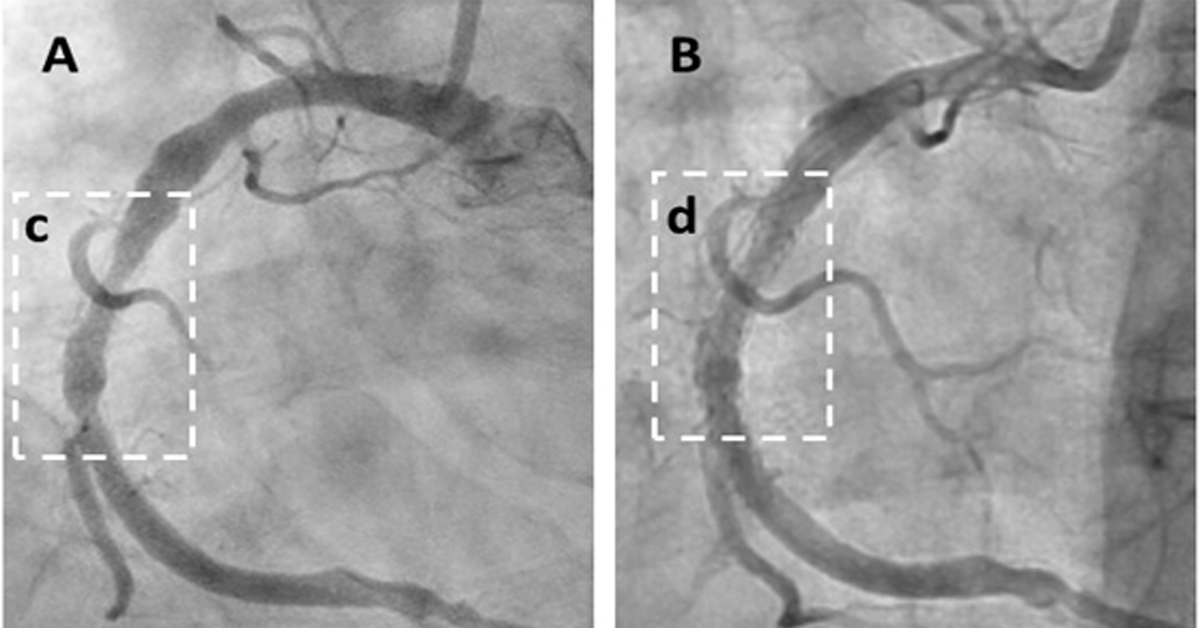
Angiogram: Plaque Reduced Within 6 Weeks

Angiogram: Plaque Reduced Within 6 Weeks

The peer-reviewed case series demonstrates rapid symptom relief and significant regression of arterial plaque, marking a potential paradigm shift in heart disease treatment. The study followed 20 high-risk patients with advanced angina, with 18 (90%) reporting substantial symptom improvement (P0.0001) compared to expected outcomes. Objective imaging confirmed unprecedented results, including Coronary Artery Calcium (CAC) score reductions (e.g., from 591 to 521) and a 70% coronary artery blockage reduced to 27%. Cavadex, formulated with 2-hydroxypropyl-β-cyclodextrin (HPβCD), stimulates the body’s natural vascular repair, offering a faster, more effective approach than existing therapies.

The late Professor Laurie G. Howes, a renowned Australian cardiologist and study co-author, called Cavadex “the greatest pharmacological development in cardiology since statins.” U.S. cardiologist Dr. James C. Roberts, who has treated hundreds with the therapy, noted, “We’re seeing rapid, profound improvements in high-risk patients, with objective plaque regression and an excellent safety profile, leveraging a TGA- and FDA-approved molecule.”

Cholrem, founded by Kyle Hodgetts – a heart disease patient who pioneered Cavadex after conventional treatments failed – has supplied over 20,000 units globally. Despite HPβCD’s non-patentable status limiting industry investment, Cholrem is driving this breakthrough forward. The company urges global medical communities to launch large-scale trials to validate these findings for millions suffering from heart disease.

About Cholrem Pty Ltd: Cholrem is dedicated to advancing cyclodextrin-based therapies to combat ASCVD, the world’s top killer, with a mission to deliver innovative, life-saving treatments. Cardiology Research and Cardiovascular Medicine Published Paper: https://www.gavinpublishers.com/article/view/cyclodextrin-therapy-for-atherosclerotic-cardiovascular-disease-a-case-series-on-plaque-regression-and-symptomatic-improvement

Related Video
https://www.youtube.com/watch?v=5JqIanZxmuQ

Contact Information
Kyle Hodgetts
Cholrem Pty Ltd Founder & CEO
info@cholrem.com
+61 424830574

Related Video
https://www.youtube.com/watch?v=5JqIanZxmuQ

SOURCE: Cholrem Pty Ltd

Everest Medicines’ New Drug Application for Etrasimod Accepted in Taiwan, Marking Another Milestone in Asia Market Access

Everest Medicines (HKG: 1952.HK, Everest) today announced that the Taiwan Food and Drug Administration (TFDA) has officially accepted the New Drug Application (NDA) for VELSIPITY(R) (etrasimod) for the treatment of patients with moderately to severely active ulcerative colitis (UC).

Building on prior approvals in Singapore, Hong Kong SAR, and Macao SAR, as well as NDA acceptance in South Korea, this marks significant progress in the commercialization of VELSIPITY(R) across Asia. In December 2024, China’s National Medical Products Administration (NMPA) officially accepted the NDA for VELSIPITY(R).

As a next-generation selective S1P receptor modulator, once-daily oral etrasimod demonstrates robust efficacy across multiple endpoints, including clinical remission, mucosal healing, endoscopic normalization and histological remission. Its clinical value has been robustly demonstrated in multiple global Phase III studies, including ELEVATE UC 52, ELEVATE UC 12 and ENLIGHT (ES101002) studies.

“The NDA acceptance for VELSIPITY(R) in Taiwan, China marks another key progress in our commercialization pathway across Asia. As the number of UC patients in Asia continues to rise, there remains a significant unmet medical need.  In China alone, there were approximately 800,000 patients with UC in 2024, and the number is estimated to reach 1 million by 2030. UC patients face the dual challenges of long-term treatment and maintaining quality of life.” said Rogers Yongqing Luo, Chief Executive Officer of Everest Medicines. “This NDA acceptance underscores the clinical value of VELSIPITY(R). We remain committed to accelerating access to this innovative therapy in Mainland China and other Asian markets, supporting long-term disease management while enhancing patients’ quality of life.”

The clinical part submitted to TFDA is mainly based on results from the ELEVATE UC Phase 3 registrational program (ELEVATE UC 52 and ELEVATE UC 12) and the ENLIGHT study (ES101002). The ELEVATE UC Phase 3 registrational program evaluated the safety and efficacy of etrasimod 2 mg once-daily on clinical remission in UC patients with moderately to severely active UC who had previously failed or were intolerant to at least one conventional, biologic, or Janus kinase (JAK) inhibitor therapy. Both studies achieved all primary and key secondary efficacy endpoints, with a favorable safety profile consistent with previous studies of etrasimod.

The ENLIGHT study (ES101002) conducted by Everest, is a multicenter, randomized, double-blind and placebo-controlled Phase 3 trial of etrasimod in Asian countries, including China Mainland, China Taiwan and South Korea. This is the largest Phase 3 trial of moderately to severely active ulcerative colitis in Asia completed to date, with 340 eligible subjects randomized to treatment with etrasimod or placebo. The results demonstrate that treatment with etrasimod 2 mg resulted in a clinically meaningful and statistically significant improvement in the primary and all secondary endpoints. These findings provide strong evidence supporting the use of etrasimod in adult Asian patients with moderately to severely active ulcerative colitis.

As Everest’s third commercialized product, VELSIPITY(R) has been officially approved by the Guangdong Provincial Medical Products Administration for adult patients with moderately to severely active UC. It is now available at medical institutions designated under the Connect Policy in the Greater Bay Area. Additionally, Everest has launched a factory construction project at its Jiashan site to support local production of VELSIPITY(R).

NMPA Accepted Essex’s Biologics License Application for EB12-20145P (HLX04-O) for the Treatment of Wet Age-Related Macular Degeneration

Essex Bio-Technology Limited (Essex or the Group, HKG: 1061) is pleased to announce that a Biologics License Application (BLA) for EB12-20145P (HLX04-O), a recombinant anti-VEGF humanized monoclonal antibody injection, has recently been accepted by the Centre for Drug Evaluation (CDE) of the National Medical Products Administration (NMPA) in China. The product is jointly developed by the Group and Shanghai Henlius Biotech, Inc. (Henlius, HKG: 2696) for the treatment of wet age-related macular degeneration (wet-AMD) in China.

The phase 3 clinical trial of EB12-20145P (HLX04-O) among Chinese patients (“AURA-1”) has successfully reached the primary endpoint in April this year. AURA-1 is a multi-centre, randomised, double-blind, active-controlled, and non-inferiority phase 3 clinical trial which aimed to compare the efficacy and safety of EB12-20145P (HLX04-O) with that of ranibizumab administered by intravitreal injection (“IVT”) in newly diagnosed wet-AMD patients.

In addition to AURA-1, the BLA of which has been validated by the NMPA, an international, multi-centre phase 3 clinical study of EB12-20145P (HLX04-O) in patients with wet-AMD is ongoing successively in several European countries, Australia, the United States, and China (“AURA-2”) with last patient last visit completed by January 2025. Moving forward, Essex will continue to strive for excellence by embracing innovation to develop first-in-class and best-in-class products, providing solutions for Tomorrow’s healthcare problems, Today.

About wet-AMD
Age-related macular degeneration (“AMD”) is one of the leading causes of visual impairment and blindness in the elderly worldwide [1]. According to the World Health Organization (WHO), about 30 million people have suffered from AMD globally, and about half a million people become blind due to AMD each year [2]. Wet age-related macular degeneration (“wet-AMD”) is characterised by the formation of subretinal choroidal neovascularization (CNV) and is responsible for approximately 90% of cases of AMD-related blindness. Due to an aging population, wet-AMD has become a serious social medical problem and indicated a huge burden of unmet need [3]. With the development of treatment for fundus diseases, anti-VEGF drugs are becoming the first-line therapy for the management of wet-AMD [4], and the efficacy and safety of vitreous injection of bevacizumab for wet-AMD have been verified in multiple clinical studies [5-11].

About Essex
Essex is a bio-pharmaceutical company that develops, manufactures, and commercialises genetically engineered therapeutic b-bFGF, with six commercialised biologics currently marketed in China. Additionally, the Company has a diverse portfolio of commercialised preservative-free unit-dose eye drops, Shilishun (Iodized Lecithin Capsules) and others, which are principally prescribed for wound healing and diseases in Ophthalmology and Dermatology.

These products are marketed and sold through approximately 14,000 hospitals, supported by the Company’s 44 regional offices in China. Leveraging its in-house R&D platform in growth factor and antibody technology, Essex maintains a robust pipeline of projects in various clinical stages, covering a wide range of fields and indications.

Reference
[1] 2020(1).
[2] Resnikoff S, Pascolini D, Etya’ale D, Kocur I, Pararajasegaram R, Pokharel GP, Mariotti SP. Global data on visual impairment in the year 2002. Bull World Health Organ. 2004 Nov;82(11):844-51.
[3] Wong WL, Su X, Li X, et al. Global prevalence of age-related macular degeneration and disease burden projection for 2020 and 2040: a systematic review and meta-analysis. Lancet Glob Health. 2014;2(2): e106-116.
[4] Li X R, Liu J P. Recognition of anti-VEGF therapy base on the mechanism of VEGF in wet age-related macular degeneration[J]. Zhonghua Shiyan Yanke Zazhi/Chinese Journal of Experimental Ophthalmology, 2012, 30(4):289-292.
[5] Tufail A, Patel PJ, Egan C, Hykin P, da Cruz L, Gregor Z, Dowler J, Majid MA, Bailey C, Mohamed Q, Johnston R, Bunce C, Xing W; ABC Trial Investigators. Bevacizumab for neovascular age related macular degeneration (ABC Trial): multi-centre randomized double masked study. BMJ. 2010 Jun 9;340:c2459.
[6] Martin DF, Maguire MG, Ying GS, Grunwald JE, Fine SL, Jaffe GJ. Ranibizumab and bevacizumab for neovascular age-related macular degeneration. N Engl J Med. 2011 May 19;364(20):1897-908.
[7] Chakravarthy U, Harding SP, Rogers CA, Downes SM, Lotery AJ, Wordsworth S, Reeves BC. Ranibizumab versus bevacizumab to treat neovascular age-related macular degeneration: one-year findings from the IVAN randomized trial. Ophthalmology. 2012 Jul;119(7):1399-411.
[8] Kodjikian L, Souied EH, Mimoun G, Mauget-Faÿsse M, Behar -Cohen F, Decullier E, Huot L, Aulagner G; GEFAL Study Group. Ranibizumab versus Bevacizumab for Neovascular Age-related Macular Degeneration: Results from the GEFAL Noninferiority Randomized Trial. Ophthalmology. 2013 Nov;120(11):2300-9.
[9] Krebs I, Schmetterer L, Boltz A, Told R, Vécsei-Marlovits V, Egger S, Schönherr U, Haas A, Ansari-Shahrezaei S, Binder S; MANTA Research Group. A randomized double-masked trial comparing the visual outcome after treatment with ranibizumab or bevacizumab in patients with neovascular age-related macular degeneration. Br J Ophthalmol. 2013 Mar;97(3):266-71.
[10] Berg K, Pedersen TR, Sandvik L, Bragadóttir R. Comparison of ranibizumab and bevacizumab for neovascular age-related macular degeneration according to LUCAS treat-and-extend protocol. Ophthalmology. 2015 Jan;122(1):146-52.
[11] Schauwvlieghe AM, Dijkman G, Hooymans JM, Verbraak FD, Hoyng CB, Dijkgraaf MG, Peto T, Vingerling JR, Schlingemann RO. Comparing the Effectiveness of Bevacizumab to Ranibizumab in Patients with Exudative Age-Related Macular Degeneration. The BRAMD Study. PLoS One. 2016 May 20;11(5): e0153052.