Olympus Launches Venture Capital Fund to Strengthen Medtech Leadership

  • Initial fund targets medical devices, digital solutions, and diagnostics

Olympus Corporation (Tokyo: 7733), a global leader in medical technology, has announced the establishment of Olympus Innovation Ventures to invest in pioneering startups with innovative technologies that improve clinical outcomes, reduce healthcare costs and enhance the quality of life for patients.

Olympus Innovation Ventures, a fully-owned subsidiary of Olympus Corporation of the Americas, is a venture capital fund focused on startups poised to improve patient outcomes, radically advance the detection and treatment of disease, and transform the surgery suite. The new fund expands upon Olympus’ strategy to strengthen endoscopy and pioneer next-generation tools and procedures for minimally invasive surgery.

Olympus’ venture fund is stage-agnostic, prioritizing early- and growth-stage companies globally with solutions in therapeutic areas including gastroenterology, respiratory, and urology. Olympus has allocated $50 million for initial commitments and follow-on investments in portfolio companies. In addition to capital, Olympus will help its portfolio companies succeed by contributing its clinical and technical expertise, access to healthcare professionals and hospitals, and ability to launch and scale innovative solutions in the global market.

Olympus has been a leader in optical and medical innovation for over 100 years, introducing a mass-produced microscope to Japan in 1919 and the world’s first gastrocamera for practical use in 1950. Olympus’ tools have aided the minimally invasive surgery revolution and have evolved to detect and treat disease. Yasuo Takeuchi, CEO of Olympus Corporation, says “Our investment underscores our commitment to make people’s lives safer, healthier, and more fulfilling. Our goal is for this fund to continue our history of innovation and support our long-term growth and transformation.”

Touchdown Ventures, a firm specializing in corporate venture capital, will help manage the Olympus Innovation Ventures fund. Touchdown will work closely with senior executives of Olympus in all aspects of operating the fund.

“We are excited about what Olympus can bring to entrepreneurs through the company’s technical strengths, industry relationships, vast distribution, and deep subject matter expertise,” noted Scott Lenet, co-founder and President of Touchdown Ventures. “The entire Olympus Innovation Ventures team is working to be the partner of choice for innovators and create a competitive advantage for their startups.”

Nacho Abia, Chief Operating Officer of Olympus Corporation, said “This effort is another way Olympus is demonstrating its commitment to excellence and creating tangible value for providers and patients. We believe we will play a meaningful role in the advancement of minimally invasive care and new ways to detect, monitor and treat conditions and diseases.”

For more information, please visit http://olympusamerica.com/venture-capital. Olympus Innovation Ventures can be contacted at ventures@olympus.com.

For the contact:
Olympus Corporation of the Americas
Christos Monovoukas
Vice President, Global Business Development
Christos.Monovoukas@Olympus.com

Touchdown Ventures
Deborah Zajac
Director, Investments
deborah@touchdownvc.com

About Olympus
Olympus is passionate about creating customer-driven solutions for the medical, life sciences, and industrial equipment industries. For more than 100 years, Olympus has focused on making people’s lives healthier, safer and more fulfilling by helping to detect, prevent, and treat disease; furthering scientific research; and ensuring public safety. As a leading medical technology company, our Medical business uses innovative capabilities in medical technology, therapeutic intervention, and precision manufacturing to help healthcare professionals deliver diagnostic, therapeutic, and minimally invasive procedures to improve clinical outcomes, reduce overall costs, and enhance the quality of life for patients and their safety. Olympus’ Medical portfolio includes endoscopes, laparoscopes, and video imaging systems, as well as surgical energy devices, system integration solutions, medical services, and a wide range of endotherapy instruments for endoscopic and therapeutic applications. For more information, visit www.olympus-global.com.

About Touchdown Ventures
Touchdown Ventures partners with corporations to manage their venture capital programs. Touchdown works closely with each corporation to achieve the financial and strategic benefits from venture capital investments. The firm is a Registered Investment Adviser and maintains offices in Los Angeles, Philadelphia, and San Francisco. More information on Touchdown can be found at www.touchdownvc.com

Olympus Contact (Tokyo)
Yuka Horimoto
+81-90-2490-1071
yuka.horimoto@olympus.com

Olympus Contact (USA)
Susan Scerbo
+1-610-909-9153
sue.scerbo@olympus.com

Touchdown Ventures Contact
Deborah Zajac
Director, Investments
+1-917-558-4403
deborah@touchdownvc.com

Avance Clinical Client News: XWPharma Initiates First-in-Human Studies of XW10508, in Development for Fast-acting Relief of Treatment-Resistant Depression and Chronic Pain

Avance Clinical, the largest premium Australian CRO for international biotechs, is pleased to share the news that its client XWPharma Ltd. has announced dosing of subjects in its first-in-human study evaluating XW10508, the Company’s novel, patented, glutamatergic NMDA antagonist and AMPA activator in development as an oral, once-daily therapy for the treatment of treatment-resistant depression and chronic pain.

Avance Clinical is an award-winning Australian owned Contract Research Organisation (CRO) that has been providing high-quality clinical research services fit for global regulatory standards to the local and international drug development industry for 24 years.

Avance Clinical CEO Yvonne Lungershausen congratulated XWPharma saying: “Avance Clinical has an international reputation for expediting clinical trials in Australia which has an exceptionally supportive regulatory environment for biotechs”.

“A key benefit for clients is that an IND is not required which means this is the fastest startup destination for international biotechs,” said Lungershausen.

According to XWPharma:
XW10508 is an oral, once-daily therapy and novel analog of esketamine, designed for improved tolerability, intended to provide prompt efficacy following initiation of treatment, and featuring potential abuse-deterrent properties.

Phase 1 trial is a multi-part study in healthy subjects to assess safety, tolerability and pharmacokinetics of XW10508 in immediate release and modified release formulations at ascending doses.

Over 264 million people worldwide suffer from major depressive disorders and roughly one-third of these patients are considered treatment-resistant, having failed two or more antidepressants. Additionally, one in five people worldwide experience chronic pain, while 8% of Americans suffer from chronic pain that frequently limits life or work activities. XW10508 is a new chemical entity derived from esketamine, designed for extended release, that is intended to deliver efficacy associated with esketamine in these populations without triggering the transient side effects that often accompany intranasal or intravenous administration.

“We are pleased to be dosing subjects in this Phase 1 study of XW10508, as we continue to execute on multiple programs across our innovative CNS drug pipeline,” said Leonard Blum, President and CEO of XWPharma. “Despite available therapies for treatment-resistant depression and chronic pain, many patients are unable to find adequate relief. In the case of depression, standard of care therapy can require the patient to take four to eight weeks of therapy before noting benefits. There remains a glaring need for an agent that can provide a rapid response after the initiation of treatment, particularly for patients in crisis. The abuse potential and safety risks associated with many highly effective pain treatments also drive demand for new solutions.”

The company’s Chief Medical Officer, Daniel Canafax, added, “Intravenous ketamine has been used with success in clinical practice for many years to treat depression and various pain states. The drug is given under physician supervision because of acute side effects including dissociation and sedation. Our vision is XW10508 will not produce these side effects by avoiding the high concentrations after IV ketamine while maintaining the drug exposure that produces antidepressant and analgesic effects.”

The Company anticipates initial results from this study in early 2022, which will allow for rapid progression into a Phase 2a test of safety and efficacy in patient cohorts.

For additional information about XWPharma, visit: www.xwpharma.com

About XWPharma www.xwpharma.com
XWPharma is a biopharmaceutical company dedicated to the discovery and development of novel therapeutics, utilizing its proprietary platform chemistry. XWPharma’s expertise in drug design is focused on providing potential first- and best-in-class medicines with differentiated features to address the unmet medical needs of patients suffering from debilitating neurological diseases.

William Xiang
Strategy & Operations | XWPharma
phone: +886 966 647 577
email: william.xiang@xwpharma.com

About Avance Clinical www.avancecro.com
Avance Clinical is the largest premium full-service Australian CRO delivering quality clinical trials, with globally accepted data, in Australia and New Zealand for international biotechs. The company’s clients are biotechs in their early phases of drug development that need fast, agile, and adaptive solution-oriented clinical research services.

Frost & Sullivan awards
Avance Clinical, a Frost & Sullivan Asia-Pacific CRO Market Leadership Award recipient for the past 2 years, has been providing CRO services in the region for 24 years.

Preclinical through to Phase 1 and 2
Avance Clinical offers pre-clinical services with their experienced ClinicReady team right through to Phase 1 and 2 clinical services leveraging significant Government incentive rebates of up to 43.5% and rapid start-up regulatory processes. With experience across more than 105 indications, the CRO can deliver world-class results and high-quality internationally accepted data for FDA and EMA review. Avance Clinical delivers customised solutions designed around specific client needs rather than a one size fits all approach.

Technology
As a company, Avance Clinical has focused on state-of-the-art technology and gold standard systems across all functional areas to provide clients with the most effective processes. Medidata, Oracle, and Medrio are just some of the technology partners.

Learn about the Australian Advantage here https://www.avancecro.com/the-australian-advantage/

For more information about the benefits of running your next study with Avance Clinical contact us: https://www.avancecro.com/contact-us/

Media Contact:
Chris Thompson
media@avancecro.com

Legend Capital invests in Series A funding round of BioMap, a biological computing platform

BioMap, a biological computing platform enterprise, has recently completed the Series A funding round worth over a hundred million US dollars, which Legend Capital participated in. The funds will be used to for R&D and talent recruitment.

BioMap is positioned as an innovative medicine R&D platform driven by a biological computing engine. It was co-founded by Robin Li in November 2020 and he currently serves as the Chairman. Through advanced computing and biotechnology, BioMap draws maps on disease targets and drug design to realize the Global First-in-class original drugs. In the future, BioMap will also focus on the field of the immune mechanisms of tumors, autoimmune diseases and fibrotic diseases.

Richard Li, the President of Legend Capital, said: “It is our second cooperation with Baidu this year after the investment in Baidu’s AI chip unit Kunlun in March. We hope to continue to maintain close cooperation with Baidu in the field of scientific and technological innovation in the future. We take a positive long-term view of the integration of IT and life science and technology. BioMap empowers life science with AI, and accelerates the R&D of new drugs and diagnostic products through the integration and innovation of AI technology and cutting-edge biotechnology. In the future, Legend Capital hopes to realize the full potential of the advantages of our enterprise ecosystem in the field of healthcare, and promote BioMap’s cooperation with leading companies in related fields, so as to provide intelligent computing platform support for the healthcare industry, give impetus to industrial upgrading and benefit more patients. “

Legend Capital has been focusing resources to research the deep integration of the healthcare industry and technology. In recent years, it has continued to explore the field of medical AI. In addition to BioMap, Legend Capital has also invested in AI microbial pharmaceutical company Xbiome, AI innovative drug development platform StoneWise, AI medical image assisted diagnosis company Deepwise, Lunit, AI medical pathology diagnosis company Deep Informatics, gene big data company Genowis, AI medical chronic disease management system company Ayshealth Technology, etc.

Two Immigrants, One Unique Plan For A Biopharma

  • This is the story of how the scientific careers of an intrapreneur (Redkar) and an entrepreneur (Yu) came together to cofound and colead Apollomics.
  • By Rob Wright, Chief Editor, Life Science Leader

HONG KONG – (ACN Newswire) – The American Dream is why the United States is considered the “land of opportunity,” and why for centuries immigrants have flocked to our shores seeking their fortunes. Guo-Liang Yu, Ph.D., (China), and Sanjeev Redkar, Ph.D., (India), came to the U.S. in the 1980s. By anyone’s reasonable measure, both have achieved the American Dream. However, their dream as scientists remained at arm’s length. Their desire? Create a pharmaceutical company that leverages the best of what the U.S. and China have to offer toward discovering and developing new oncology therapeutics, while using the smallest drug development program possible to do so. This is the story of how the scientific careers of an intrapreneur (Redkar) and an entrepreneur (Yu) came together to cofound and co-lead Apollomics.

From Immigrant To Biopharma Intrapreneur

After arriving in the U.S. in 1989, Redkar completed his M.S. and Ph.D. degrees in chemical engineering and took a job as a research scientist with Matrix Pharmaceutical in the San Francisco Bay area. While those were formative years, it wasn’t until 1998 when he joined SuperGen that the scientist embarked on his intrapreneurial journey. “We had a lab where we were coming up with novel formulations for cancer drugs,” he recalls. “We formed an internal group, and I started filing and prosecuting a lot of patents.” Prosecuting in the sense that he worked closely with company lawyers to figure out what was needed to get SuperGen’s IP protected. Realizing he had much to learn, he took a week-long intensive course on patents. This helped him understand the importance of the Manual of Patent Examining Procedure (MPEP), which is the “Bible” for patent attorneys and agents. Being able to apply this skill is one reason he holds more than 200 patents today.

Redkar’s stint at SuperGen (later renamed Astex Pharmaceuticals) lasted almost 18 years. “We had a lot of commercial programs for the oncology drugs we were bringing to market, so I got to work closely with my commercial colleagues, an experience I’d advocate for all scientists.” This experience was, in part, why he went back to get an MBA in 2008. “If I wanted to be a leader in biopharma, I knew I needed to become more of a generalist in my knowledge base and experience.”

After holding senior level positions in various areas such as preclinical development, operations, and manufacturing, something interesting happened in 2011. “I had built a group in Pleasanton, CA and had begun filing patents to fill the R&D pipeline of Montigen Pharmaceuticals, a company we had acquired within SuperGen.” His group also had a lab in Utah, and the two began collaborating on small molecule discovery. But then SuperGen merged with Astex.

Pharmaceuticals leaving the company with four R&D operations. The decision was made to consolidate those four down to two, which meant closing the 20-person lab Redkar had built. “At that point I thought, maybe I should try my stint as an entrepreneur,” he states. His idea was to find a compound that would fit into that lab, thereby keeping most of the team intact, while building a company around it.

Working his network, Redkar came across a cytidine deaminase inhibitor (E-7727) owned by Eisai that made it possible to deliver cytosine-based nucleoside drugs in an oral pill. Eisai had decided to cut the program and were not going to make the payment to keep patent protection in place. Redkar saw potential. “We had worked on an oral cytidine hypomethylating agent for a long time, and we could combine it with E-7727 into one pill and form a small company around it.” He negotiated the terms with Eisai, and with the Astex CEO’s blessing, began creating a pitch deck. There was an understanding that he would found the new company outside of Astex, and Astex could choose whether or not to invest.

Redkar began forming a team, building out a board, keeping his CEO in the loop while also continuing to do his day job and pitching investors. “I thought I could put together a development program for about $500,000.” Considering Eisai had done a lot of work already on the asset, Redkar felt he could convince the FDA to utilize that information, along with the data from his company’s drug, to prove the drug’s safety in a combined form. That way, the company could work toward gaining an approval using a small Phase 3 trial of maybe 100 patients.

About a month into the process, Redkar received a call from Astex’ CEO asking, “What if Astex pays the half a million? If the program is as good as you say it is, convince some folks internally, convince the FDA, and then we can help you form the company.” His first entrepreneurial journey suddenly shifted back to that of the intrapreneur, having to convince colleagues that this two-drug oral combination was something of value. “People were not easily convinced, because we were working on a lot of new drugs and new pathways.” Fast-forward to the summer of 2020 and the drug, INQOVI, finally gained FDA approval for myelodysplastic syndromes (MDS) and chronic myelomonocytic leukemia (CMML). Although Redkar had left the company in 2016 to start his entrepreneurial journey in earnest, he takes delight in seeing his former colleagues succeed at bringing a new oral treatment to patients using only a 133-patient registration study.

Guo-Liang Yu – The Making Of An Entrepreneur

Guo-Liang Yu, Ph.D., cofounder, Chairman and CEO of Apollomics, came to the U.S. in 1984 to complete a Ph.D. “I joined Dr. Elizabeth Blackburn’s lab, and contributed quite a bit to her and Carol Greider winning the Nobel Prize in physiology or medicine in 2009.” Following a post-doc at Harvard, Yu was poised to become an academician, but got recruited to become a gene hunter at Human Genome Sciences (HGS) in 1993.

At HGS, Yu and colleagues sought to find genes with interesting biological function. Those newly identified molecules would then serve as drug targets to treat various diseases. He also continued his education, as HGS, being in Rockville, MD, was not far from Johns Hopkins University. “I took night classes for business law and marketing for a year to gain a better understanding for how businesses work.” He became very interested in patents, inventors, and inventions, and his “education” in that respect would continue as he worked at HGS. “When we were sequencing genes at HGS, we were taught to file patents on any molecule that looked interesting, along with how to do additional experiments to have strong claims protection.” As a result, today Yu is associated with more than 500 patents and has become an expert at strategizing IP protection. “When younger companies come to me for help, I always encourage them to build a strong patent portfolio.”

One of the molecules was Benlysta, which eventually was approved by the FDA. “Today, it remains the only drug discovered through the human genome project and is the only treatment for systemic lupus erythematosus (SLE),” he attests. Yu credits HGS as his first exposure to entrepreneurship. “I witnessed how HGS needed a multinational like GSK and support of the chemical market to bring a treatment to market.” And being that HGS was still very much a startup when he first joined, he also got to observe how management made decisions.

Preferring the Bay area, Yu moved back West and joined Mendel Biotechnology in 1998, before starting his first company, Epitomics, in 2001. “That was my first actual entrepreneurial experience that involved raising money, building a budget, delivering on what was promised operationally, and figuring out how to grow the company.” The company had two primary activities, building research tools and diagnostic reagents and developing therapeutic antibodies. The life science part was sold to Abcam in 2012 for about $170 million, while the therapeutic arm was spun out as Apexigen, an immuno-antibody company that is still in existence.

Having provided a fine return for investors and himself, Yu was recruited to join a CRO, Crown Biosciences in 2013. “At the time, many Chinese scientists who had trained in the U.S. were going back to China and building CROs to provide services to larger companies looking to enter the market,” he explains. But according to Yu, being good at science and being good at business are two different things, and as Crown wasn’t doing well financially, the board hired him in hopes he could turn it around. The process took about three years. Yu’s plan was to do what he had done with Epitomics – spin out a therapeutics company. But that new company would need a CEO.

Biopharma Startup Requires The Connecting Of “Preneurs”

Redkar and Yu met while each was serving on the advisory board of the University of Pacific (UOP) School of Pharmacy. Yu had told the dean of the college he was looking for a CEO for a startup, and asked if there was someone he could recommend. “He said, ‘Why don’t you see if Sanjeev is willing to jump out of a large pharma to become an entrepreneur,” Yu recalls.

At the time, Redkar was looking to pivot from being an intrapreneur to an entrepreneur, and Yu already was the cofounder on more than two dozen companies. The two began discussing entrepreneurship, and the topic of Crown Biosciences eventually came up. Crown had some oncology assets and was interested in seeing how these could be developed outside of China. Having spent his entire career focused on oncology, Redkar’s interest was piqued. “I spent the next three months reviewing information, got my China visa, and went over for a visit,” he elaborates. Seeing what he thought were gaps, Redkar spent the next four months creating a plan for how these compounds could be developed, along with how he’d pitch investors. He gave a convincing presentation to Crown’s board in 2015, and the decision was made to spin out the company. Redkar would be given some seed funding to lead the effort to build a team in the U.S.

But leaving an 18-year career as an intrapreneur was not an easy decision, because by now Astex had been acquired by Otsuka, and he had gained a fondness for how this company valued people. Plus, Otsuka was doing well financially. “I knew that becoming the CEO of a startup was going to involve a huge step down in salary and benefits,” he shares. He also understood that taking this position would place him in in a more generalist role, and if things didn’t work out, it may have been difficult to go back and apply for jobs as a domain expert. He deliberated for about a month, speaking to mentors, entrepreneurs, board members, and his family as he weighed the decision.

Resigning from Otsuka at the end of 2015, Redkar attended the annual J.P. Morgan healthcare conference (JPM) in January 2016. There, Yu introduced him to some people from OrbiMed, a life science venture capital group. Subsequently, Redkar conducted a formal presentation of the startup to OrbiMed. “I had begun putting together a development plan, but at that point, I was a single-person company.” He remembers the presentation involving about 15 to 20 people from OribMeds’ India, Asia, and New York offices, and how they deliberated about investing in a one-person company, something they, “normally never do.” But given Yu’s consistent success, they decided to make an exception, and agreed to provide the company $10 million to fund its series A. At the time, the company was registered in the Cayman Islands as CB Therapeutics (the CB coming from Crown Biosciences), and one of Redkar’s first tasks was to register the company in the U.S. Unfortunately, that name was taken. “I quickly had to decide upon a new name, which is how we ended up with CBT Pharmaceuticals.”

From One-Person Company To $125 Million Series C

Working as CEO, Redkar grew the company to seven employees and several pipeline assets by the end of 2017. At the same time, Yu was running Crown Biosciences, but near the end of 2017 the company was acquired. Redkar seized on this opportunity to get Yu more actively involved in CBT. “He was chairing our board, but I asked if he’d come on as CEO,” Redkar says. In turn, Redkar would take the position of president, and the two would apply a co-leadership approach. “I wasn’t really sure how this would work, but we determined that I would focus on all development and operational activities, while Yu would spearhead the funding along with building out an office in Hangzhou China. We’d collaborate on building the company’s strategic path.”

That plan worked out well, as early 2109 brought an announced $100 million series B – and a new name. “We were trying to come up with a better name for the company, and we recalled that our first combination trial was called APOLLO, derived from the Greek God of healing,” explains Redkar. That was written on the whiteboard. “Apollymi means to destroy,” he adds. That, along with others, also were added to the whiteboard. “Omics is a term used for large amounts of biological data, a coming together, if you will.” The three words were combined to come up with Apollomics, signify a group of people coming together to destroy cancer.

Now, with a new name and $100 million in the bank, the next steps were to hire a CFO and chief medical officer. These positions were filled in 2019, and by Q3 of 2020, the company had grown to approximately 50 employees, with about 30 in the U.S. and 20 in China. It even completed a $125 million series C financing in Nov. 2020, and has plans for building out R&D and manufacturing operations in China.

“Our dream is to build Apollomics into a cross-border innovation engine between China and the U.S., by conducting small clinical trials with equal representation between the two countries so a package can be registerable anywhere in the world,” Redkar says. For example, in January 2020, Apollomics announced an exclusive collaboration and license agreement with GlycoMimetics to develop and commercialize Uproleselan and GMI-1687 in greater China. GlycoMimetics already had received an FDA breakthrough therapy designation for uproleselan for relapsed/refractory acute myeloid leukemia (AML) in 2017 and has started a Phase 3 global clinical trial for uproleselan for that breakthrough indication. “We’ve negotiated with China’s National Medical Products Administration [NMPA] to do a Phase 3 bridging study for the same compound [APL-106 in the Apollomics portfolio] in combination with chemotherapy in r/r AML, with plans to borrow data readouts from the GlycoMimetics global trial to bridge our Phase 3, significantly speeding China development.”

Sounds like the entrepreneur is borrowing from his intrapreneurial toolbox. One compound at a time, Redkar and Yu move ever closer to achieving what every scientist dreams of – making a positive difference for humankind. And if you think about it, doesn’t that seem well aligned with what many Americans dream of?

“So even though we face the difficulties of today and tomorrow, I still have a dream. It is a dream deeply rooted in the American dream.” — Martin Luther King, Jr.

Sidebar 1: Leveraging The Best Of The U.S. And China

“We wanted to create a biopharmaceutical company with a slightly different business model,” says Guo-Liang Yu, Ph.D., cofounder and CEO of Apollomics. The company wanted to be in the U.S., as that is where the best scientific expertise and thinking still resides. But with China having more than 500 million people residing below poverty, that is where the most significant impact on global health can be had. However, Yu realized that, given the current state of geopolitical affairs, it would be difficult to run a business in China. Besides, Yu hoped that by having operations in both countries, the Chinese team could learn the best practices of their U.S. counterparts, and then apply those in developing products best suited for the Chinese market.

Given the current market, raising money does not seem to be a challenge for Yu. All of the funds Apollomics has raised thus far (i.e., $235 million) is of Chinese origin, although in U.S. dollars. “Sanjeev [Redkar] is handling the clinical operations and U.S. buildout, while I’ve been taking care of most of the finances and the China buildout,” Yu says.

One challenge they are experiencing is the big difference in market perceptions of value between the two countries. In the U.S., very few biotechs are willing or able to move into clinical development with multiple assets. “Most senior leaders and board members will typically agree that we should focus all our resources on the most promising asset.” But Yu says that’s not the culture of a Chinese biotech. “If you look at all the public Chinese biotechs, they have at least a dozen assets/molecules moving toward clinical development.” From his U.S.-trained perspective, having too many assets moving toward the clinic sends the signal that you really don’t have a strong lead candidate to begin with. “It is just a show, and something I still struggle with, as I have to think about how I’m being perceived as an entrepreneur to Chinese investors who might not yet see things the same as their U.S. counterparts.” So, one of the challenges is that by having operations in both countries, the company will be compared to other Chinese biotechs with lengthy pipelines, many of which Yu says don’t even make sense scientifically. “In China, some companies will count their assets as a means of deriving valuation to investors,” he explains. Regardless, he says the Apollomics approach is to put most of the company’s resources into its lead product, as that is the product that will either make or break the company.

Sidebar 2: Entrepreneurs Need To Be Good Storytellers

Guo-Ling Yu, Ph.D., is a highly successful entrepreneur who has served as co-founder of more than two dozen companies and made successful exits from at least two that provided handsome returns for investors and himself. But a venture never gets off the ground without money. And getting investors to want to give money requires an entrepreneur to be a good storyteller. With complicated science, sometimes this means having to “dumb things down.” Yu says when preparing to pitch his approach is to think from a layperson’s point of view and use a variety of metaphors. He then tests them to see which resonate best. This requires practice. “Try thinking about how you can ask a question so the other side can answer using the metaphor. That way you are facilitating communication and understanding instead of just forcing people to listen to what you have to say.”

Yu adds that leading in an entrepreneurial setting requires a whole different set of skills – and a willingness to change old habits. “You need to find a way to treat employees so that, if there are business challenges, they don’t immediately want to jump ship. And you need to make sure they are having fun while still putting in the long hours and workweeks that a startup requires.”

One more trait of a good entrepreneur is the ability to teach everyone in the company the importance of being frugal. Yu’s approach was to be overly transparent. For example, he remembers raising $1 million dollars for his very first startup, Epitomics. “I called a staff meeting and said, “I have good news and bad news. The good news is we now have $3 million. The bad news is that we as a company now have to generate a certain level of revenue and results if we hope to stay alive.” According to Yu, most scientists don’t often worry about the revenue component, because that’s not their responsibility. But in a startup, you need to train your scientists why they need to care about it, because biotech is a game of survival, and money needs to be stretched as far as possible to get to the next raise.

Finally, Yu says that being a good entrepreneur requires a change in mindset, from inductive thinking to deductive thinking. “Inductive thinking is: We have this technology, now what can we develop to sell to the market,” Yu explains. “Deductive thinking is: Here’s a market with an unmet need. Now, how can that need be satisfied?” In other words, inductive thinking is a solution in search of a problem, while deductive thinking begins with the end in mind.

BTPP 1: Have You Heard Of The Chinese Biopharmaceutical Association (CBA)?

The Chinese Biopharmaceutical Association (CBA) is one of the largest Chinese American professional associations in the U.S. (www.cba-usa.org). It was founded in 1995 by Guo-Liang Yu, Ph.D., who today is the cofounder and CEO of Apollomics, an oncology therapeutic discovery and development company (to be featured in an upcoming issue of Life Science Leader). But back then, he was still at his first job, working as a “gene hunter” at Human Genome Sciences (HGS) in Rockville, MD. “At the time, HGS had a good group of Chinese scientists who had come from all over the country. Plus, with AstraZeneca, MedImmune, and the FDA and NIH nearby, it was a very nice biopharmaceutical community.” As such, Yu began discussing with his friends and colleagues the idea of forming some sort of association. “We could help one another as we became entrepreneurs, along with helping to bridge the gap between the U.S. and China, and academia and industry.” Twenty-five years later, CBA remains headquartered in Maryland, but now boasts more than 700 active members, over 8,000 registered individual members, and more than 100 institutional members. While most hail from the nearby geography, the association now has chapters in Canada and China. “When you set up such an organization, it is really important to put some thought around the bylaws.” For example, Yu only stayed one term as president, and insisted that each subsequent president do the same. “A CBA president needs to give to the community and grow themselves as leaders, but by limiting that responsibility to just a year, many more will gain the opportunity to learn, grow and lead,” he contends. “Every single CBA president has become successful, and many have gone on to found companies, with at least three now having gone public,” Yu contends.

BTPP 2: We Need To Expand How We Value Companies

During an interview for an upcoming feature in Life Science Leader, Sanjeev Redkar, Ph.D., cofounder and president of Apollomics (a biopharmaceutical company discovering and developing oncology treatments), discussed the topic of an exit strategy. “Are you looking to exit or leave a legacy?” I queried. “To build something,” he replied. But the question must have touched a nerve, as Redkar began to opine about how biopharmaceutical companies are valued. “We always evaluate companies based on their PE ratios, speed to market, return, stock price, and all that, but there is no value assigned to the social impact a company has,” he contends. Take J&J for example, which employs about 100,000 people globally. Depending on the size of the families associated with all those employees, that could equate to J&J helping to feed half a million people. “If J&J’s stock price goes up by 5%, and another public company employing 50 people goes up by 5%, the market treats them the same. But the social impact had by J&J is much more significant. As a society, this is something we need to figure out.” Redkar says that if you go to any financial or investment website, none will have anything recognizing the social impact those companies have on people. “Maybe we need a PE ratio to the number of employees employed,” he considers. “Sure, we’ve talked about being green, and there are metrics to measure a company’s sustainability, but that misses much of what I see as ‘social impact.’”

By Rob Wright, Chief Editor, Life Science Leader
Follow Rob On Twitter @RfwrightLSL

Be sure to not miss the upcoming feature about Apollomics and Sanjeev Redkar by subscribing to Life Science Leader today. For more information, please find the links below:

– This article: https://www.lifescienceleader.com/doc/two-immigrants-one-unique-plan-for-a-biopharma-0001
– The full publication, digital edition: http://digitaledition.qwinc.com/publication/?m=53489&i=690286

Source: Life Science Leader, Magazine Article | February 1, 2021

Agilex Biolabs Client Shasqi Announces Click Chemistry Breakthrough with First-Ever Human Application in Launch of Clinical Program

Agilex Biolabs, Australia’s most advanced FDA-inspected specialist bioanalytical laboratory for clinical trials, congratulates client company Shasqi on the announcement of the first-ever application of click chemistry in humans, with the launch of the Company’s lead clinical candidate, SQ3370. Shasqi is the first Y Combinator-backed biotech company to reach clinical development.

San Francisco-based Shasqi said in the announcement:

First Patients Dosed in Phase 1 Clinical Study of SQ3370 for Advanced Solid Tumor Malignancies

Shasqi is First Y-Combinator Biotech Company to Reach First-in-Human Clinical Studies

Shasqi, a clinical-stage biotechnology company developing precision activated oncology therapeutics with its proprietary Click Activated Protodrugs Against Cancer (CAPACtm) Platform, announced today the first-ever application of click chemistry in humans, with the launch of the Company’s lead clinical candidate, SQ3370. Shasqi is the first Y Combinator-backed biotech company to reach clinical development.

The first two patients have been dosed in Shasqi’s Phase 1 clinical study of SQ3370 for the treatment of advanced solid tumors. SQ3370 is a novel investigational product that activates a non-toxic protodrug into a powerful chemotherapy agent, doxorubicin, precisely at a pre-injected tumor. SQ3370 is designed to allow substantially higher drug doses to be given to the patient, increasing tumor destruction while minimizing toxicity in the rest of the body.

“Shasqi is founded on the belief that one day we will be able to beat cancer without poisoning our bodies. We are excited to reach this milestone with our CAPAC Platform and the launch of Shasqi’s first clinical program,” said Jose M. Mejia Oneto, M.D., Ph.D., Founder and CEO of Shasqi.

The CAPAC Platform is a new therapeutic modality based on click chemistry, which leverages biocompatible chemical reactions, to activate protodrugs at a selected tumor that has been pre-injected with a biopolymer. The CAPAC platform is agnostic to tumor characteristics that can vary from patient to patient, such as biomarker expression and enzymatic activity, rendering it applicable to a broad array of tumor types. Additionally, the CAPAC Platform is highly modular and can be applied to a wide variety of cancer therapeutics in addition to doxorubicin.

“Doxorubicin has been proven effective for dozens of cancers, but severe side effects limit its use. Guiding it directly to the tumor while avoiding damage to the rest of the body may allow us to use doxorubicin and potentially many other drugs in a completely new and effective way for patients,” commented Wayne Saville, M.D., Chief Medical Officer of Shasqi. “Shasqi has taken a novel concept through a rigorous preclinical regulatory path all the way to treating patients in near-record time.”

“Shasqi was Y Combinator’s first therapeutic biotechnology investment and now the first of our life sciences companies to reach clinical development,” said Jared Friedman, Partner, Y Combinator. “We are extremely impressed by the team’s rapid advancement and capital-efficient execution. SQ3370 and CAPAC are not just a standard new small molecule, but rather a broad and powerful new platform leveraging state of the art science and materials to transform the treatment of cancer.”

SQ3370-001 (NCT04106492) is a multicenter, first-in-human, dose-escalation, Phase 1 clinical trial evaluating the safety and tolerability, pharmacokinetics, immune effects, and preliminary anti-tumor efficacy of SQ3370 in patients with locally advanced or metastatic solid tumor malignancies ineligible for standard-of-care therapy. The study is being conducted in the United States and Australia at multiple cancer centers, including MD Anderson Cancer Center and Stanford University. The study is expected to be completed in 2021. More information about the trial is available at: https://clinicaltrials.gov/ct2/show/NCT04106492.

See the announcement here. https://tinyurl.com/y2splohj

Agilex Biolabs is known internationally for its continued investment in the latest technology, and for attracting some of the leading scientists from Australia and around the world.

Agilex Biolabs, the only FDA-inspected lab of its type in the region, also features a rebate of up to 43.5% on clinical trial bioanalytical services spend as part of the Australian Government clinical trial attraction program.

Agilex Biolabs’ world-class bioanalytical facilities have OECD GLP Recognition with NATA (Australian Government OECD GLP Compliance monitoring authority) and ISO 17025 Accreditation for global recognition.

The company has recently expanded its labs by more than 30% to accommodate biotech demand from APAC and the USA. Watch the New Labs Walkthrough Video Here https://www.agilexbiolabs.com/new-labs-video

Agilex Biolabs specialises in bioanalysis of small molecules and biologics for PK, immunogenicity, biomarkers and immunological pharmacodynamics assessments utilising LC-MS/MS, immunoassay (Mesoscale, Gurolab, Luminex) and flow cytometry (BD FACSymphony A3, 20 colour cell analyser).

Agilex also offers pharmacodynamics services that include immunobiology services using the latest state-of-the-art technology to support immunology, cell biology and mode of action assays, including:
– Immunophenotyping
– Receptor occupancy
– Cytokine release assays (whole blood or PBMC stimulation assays) and cytokine/biomarker profiling
– PBMC assays and cellular mechanism of action assays (eg: ADCC)

Agilex Biolabs has more than 90 staff including 65 dedicated laboratory staff, and annually support more than 80 clinical trials. This year they will analyse more than 60,000 samples for pharma/biotechs companies from US, Europe and APAC.

Please Book a Briefing with us before you start your next clinical trial. https://calendly.com/agilexbiolabs/15min

About Agilex Biolabs https://www.agilexbiolabs.com/

Agilex Biolabs, Australia’s leading bioanalytical laboratory, has more than 20 years’ experience in performing regulated bioanalysis, including quality method development, method validation and sample analysis services. We have successfully supported hundreds of preclinical and clinical trials around the world where customers choose Australia for the streamlined regulatory process and access to the world’s most attractive R&D rebate of more than 40% on clinical trial work conducted in Australia.

We offer services for both small molecules and biologics for PK, immunogenicity (PD) and biomarker bioanalysis utilising the two platforms of LC-MS/MS and Immunoassay.

Agilex Biolabs Media Contact:
Media@AgilexBiolabs.com
Kate Newton

Shasqi media contact:
David Rosen, Argot Partners
media@shasqi.com
+1 (212) 600-1902

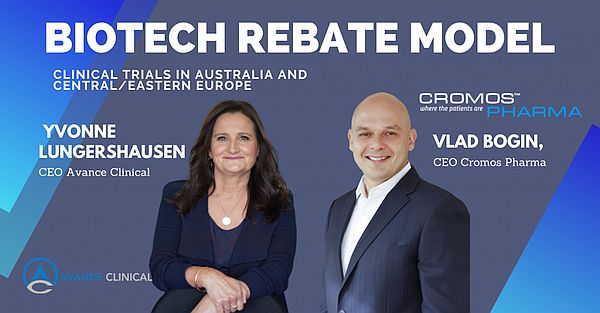
Biotechs get scalable early to late phase clinical offering from Avance Clinical and Cromos Pharma – announced at Bio-Europe 2020

The collaboration allows biotechs to quickly start their pre-IND early phase studies in Australia, then expand to Central/Eastern Europe to access the large patient populations for their Phase 2 and 3 studies.

Two dominant regional contract research organizations (CRO), Avance Clinical and Cromos Pharma, with operations in Australia and Central/Eastern Europe, respectively, are successfully collaborating on a scalable clinical solution for biotechs.

Importantly, the AU/EU model allows biotechs to keep their data and trial management in Australia, and take advantage of the Australian cash rebate of up to 43.5% on clinical trial costs, throughout all study phases, across both regions.

“We are very excited about this model that seamlessly incorporates two of the most compelling and complementary international clinical research hubs for our biotech clients from early to late phase studies,” said Yvonne Lungershausen, CEO of Avance Clinical.

“Our eClinical and early phase expertise is well augmented by Cromos Pharma’s track record in late stage trials and rapid enrollment capabilities,” she continued.

“We have been collaborating with Avance Clinical and referring clients to each other for years,” remarked Vlad Bogin, CEO of Cromos Pharma.

“But it was a true Eureka moment when we realized that combining Australia’s 43.5% tax rebate with Central/Eastern Europe’s unbeatable recruitment rates is a paradigm shift in how clinical trials should be conducted,” he concluded.

Cromos Pharma can access hundreds of millions of patients via more than 2,500 sites in Central/Eastern Europe.

About Cromos Pharma, www.cromospharma.com

Cromos Pharma provides tailored and effective clinical trial solutions to support the development of drugs that transform healthcare. An international CRO with over 15 years’ experience, we offer fully integrated services performing all aspects of clinical trials in all clinical phases and in a wide range of therapeutic areas. Cromos Pharma delivers rapid recruitment and excellent patient retention as well as expert study design and management. Cromos Pharma has strong regional experience in Central and Eastern Europe with global coverage provided by its US bases in Portland, Oregon and Miami, Florida. Cromos Pharma’s European HQ is in Dublin, Ireland. At Cromos Pharma, we know how important your product is. When the stakes are this high, you need a high-performance partner.
Key benefits:
– International expertise combined with in-depth regional knowledge in Central and Eastern Europe (300+ clinical trials conducted in 70+ indications).
– Extensive PI/site and patient network (40,000+ patients enrolled from nearly 2,500 trial sites).
– Unparalleled patient recruitment – our team met or shortened project timelines in 95% of conducted trials.
– Responsible recruitment is supported by Cromos Pharma’s “No Patients-No Payments” initiative – a unique risk-sharing program.
– Extremely short startup timelines (e.g. Georgia where we assure a study launch in less than 2 months).
– Expertise in innovative, generics and biosimilar global studies (NDAs, ANDAs, BLAs, 505b2).
– Regulatory inspections and audits that attest to the highest quality of data: EMA in 2019 (1-week oncology site inspection); FDA in 2017 (2-week oncology site inspection).
– Clinical Development Strategy – we provide expert guidance on study design, favorable venues, local and global landscape to improve study outcomes.

About Avance Clinical, www.avancecro.com

Australia’s Avance Clinical has more than 20-years of experience and is now one of Australia’s leading Contract Research Organizations for biotechs. Avance Clinical is committed to providing high-quality clinical research services with its highly-experienced team.
The collective pool of knowledge and experience at Avance Clinical continually grows through the careful selection of experts who also demonstrate passion in their chosen field.
Avance Clinical offers high-quality services in an established clinical trial ecosystem, that includes world-class Investigators and Sites able to access specialized patient groups.
Other benefits include:
1. The Government R&D grant means up to 43.5% rebate on clinical trial spend
2. eClinical solutions capabilities – speed and continuity
3. Site Initiation Visit (SIV) and Study Start achieved in 5 – 6 weeks
4. No IND required for clinical trials
5. Full GMP material is not mandated for Phase I clinical trials
6. Established clinical trial environment with world-class Investigators and sites
7. Established healthy subject databases and specialized patient populations
8. Five independent Phase 1 facilities across Australia including hospital-based units for critical care
9. Major hospitals with world-class infrastructures and dedicated Clinical Trial Units with a long track-record in FDA compliant research
10. Seasonal studies: Northern hemisphere Sponsors can conduct their studies year-round by taking advantage of Australia’s counter-flu and allergy seasons

Media Contacts:
Avance Clinical
Chris Thompson: media@avancecro.com

Cromos Pharma
Nicola Donnelly: media@cromospharma.com