Yowie Group Donates to WIRES Wildlife Rescue to Aid in Australian Bushfire Relief

Yowie Group, the confectionary company bringing families sweet treats combined with an educational experience, today announced the donation of $20,000 to WIRES Wildlife Rescue as a result of their charity donation competition. Over the holiday season, Yowie gave their fans the opportunity to vote for an eco-conservation organization of their choice. The majority of fans directed their votes to WIRES, an Australian wildlife rescue organization, in the wake of the bushfire crisis.

WIRES Wildlife Rescue is the largest wildlife rescue and rehabilitation charity in Australia. It is a non-profit organization providing rescue and rehabilitation for all native Australian fauna. All animal rescuers and caretakers are volunteers. Recently, Australia has faced its worst national emergency to date, with bushfires impacting and destroying ecosystems and species across multiple states.

“With headlines reaching the United States about the tragic bushfires in Australia, Yowie fans were quick to want to help the animals from down under,” said Cynthia Thayer, Global CMO of Yowie Group. “We are happy to be donating to WIRES on behalf of our consumers.”

With the fires destroying unprecedented amounts of habitat, food shortages have increased and lack of suitable habitat will be a significant long-term challenge for surviving wildlife. The money donated to WIRES by Yowie Group will be directed toward the relief and recovery of the animals and ecosystems affected by the bushfires.

For more information about Yowie Group or WIRES, please visit yowieworld.com or wires.org.au.

About Yowie

Yowie is best known for its flagship product, the Yowie surprise inside chocolate. Each Yowie product is created in the shape of the Yowie characters (Yowie is what they call Bigfoot in Australia) and contains limited-edition collectible animal toys and a full color leaflet featuring a picture of the real-life animal, its profile and level of endangerment. Our social media channels and website allow collectors to learn more about the animals and their world while having loads of fun through games and competitions. The combination of tasty, clean-label treats, fun animal toys and an educational experience encourages kids to learn about wildlife and the threats endangered animals face. Yowie surprise inside chocolates, Yowie Bites and Yowie Gummies are available in more than 30,000 retail outlets across the U.S. For more information visit www.yowieworld.com.

Contact:
Katie Morales
yowie@interdependence.com
949-777-2439

SOURCE: Yowie Group

DNX Biopharmaceuticals Announces Collaboration with Lung Cancer Initiative at Johnson & Johnson

DNX Biopharmaceuticals, a biopharmaceutical company developing long-acting therapeutic proteins for the treatment of patients with life-long diseases and a resident of Johnson & Johnson Innovation – JLABS @ Shanghai, announced today that it has entered into a strategic collaboration with the Lung Cancer Initiative at Johnson & Johnson*. Under terms of the agreement, the Lung Cancer Initiative has taken an exclusive license to research, develop and commercialize novel molecules from within the DNX portfolio. Financial terms of the collaboration were not disclosed.

“We are delighted to be collaborating with the Lung Cancer Initiative at Johnson & Johnson,” said Rajiv Datar, Ph.D., co-founder and CEO of DNX. “We look forward to progressing DNX’s novel molecules into clinical development.”

“Our collaboration with the Lung Cancer Initiative at Johnson & Johnson was fostered by being an awardee of the Lung Cancer Innovation QuickFire Challenge and receiving residency at Johnson & Johnson Innovation – JLABS @ Shanghai,” commented Dr. Carl Edwards III, CSO of DNX. “We are now looking forward to establishing our Asia-Pacific Research and Development capabilities in Shanghai, which will be wholly dedicated to Cancer Immunotherapy.”

About DNX Biopharmaceuticals, Inc.

Founded in 2014 and headquartered in San Diego, California, USA, DNX is a biopharmaceutical company developing non-immunogenic, long-acting biologic therapies for the treatment of patients with life-long diseases linked to inflammation, autoinflammation and oncology. As an awardee of the Lung Cancer Innovation QuickFire Challenge, DNX received residency at Johnson & Johnson Innovation – JLABS @ Shanghai. At JLABS Shanghai, DNX will pursue an ongoing R&D effort that leverages its intrinsically disordered protein technologies designed to explore the tumor microenvironment, leading to the identification of novel pathways that can be targeted with molecules to substantially influence “anti-tumoral” therapeutic responses. Ongoing nonclinical efforts have identified several novel candidates that may act as “Immune Checkpoint Inhibitors” alone or in combination with existing standard of care anti-PD-1 and CTLA-4 therapies to reverse CD8+ T cell functions, all with the aim of improving clinical outcomes across the vast range of cancer conditions. For more information, please visit www.dnxbio.com.

*Johnson & Johnson Enterprise Innovation Inc. is the legal entity to the agreement.

Media Contact:
Claude Gingras, CFO
Claude.Gingras@dnxbio.com

Related Links
– J&J Announcement of the Winners of the Lung Cancer QuickFire Award
https://www.newsfilecorp.com/redirect/XmpnIyDP

To view the source version of this press release, please visit https://www.newsfilecorp.com/release/52493

Trintech Announces Four SAP-Certified Integrations with SAP S/4HANA and SAP NetWeaver

Trintech, a leading global provider of integrated Record to Report software solutions for the office of finance, today announced successful certifications by the SAP Integration and Certification Center (SAP ICC). Trintech’s Cadency® 8.0 and Cadency RPA and Journal Management (ERP Bots) have been SAP-certified for integration with both SAP S/4HANA® and powered by SAP NetWeaver®. The latest certifications for Trintech also support deployment and compatibility with all earlier versions of SAP® software. The latest certifications include:

– Trintech Cadency V8.0 for SAP ERP (Connectors to extract data out of SAP ERP and import into Cadency)
– Trintech Cadency V8.0 for SAP S/4HANA (Connectors to extract data out of SAP S/4HANA and import into Cadency)
– Trintech RPA and Journal Management V8.0 for SAP ERP (ERP Bots for automating Close and JE tasks within SAP ERP with bi-directional connectivity with Cadency)
– Trintech RPA and Journal Management V8.0 for SAP S/4HANA (ERP Bots for automating Close and JE tasks within SAP S/4HANA with bi-directional connectivity with Cadency)

“Trintech continues to reinforce its partnership with SAP by delivering new integration capabilities to provide customers with even more value in their financial transformation journeys,” said Michael Ross, Chief Product Officer at Trintech. “These integrations bring enhanced control, automation and data integrity to finance and accounting departments around the world, while also helping to ensure that data flowing to and from their SAP solutions is as seamless as possible.”

Bi-directional in nature, Cadency reduces the cost, time and risk of data integration with SAP, by automatically retrieving the data required for the reconciliation and close processes, as well as directly validating and posting journal entries in real-time. Solutions that are SAP-certified can be more quickly and easily integrated into SAP solution environments and can reduce overall IT investment costs and risks.

Trintech currently has hundreds of customers running SAP solutions alongside its enterprise solution, Cadency such as, Siemens, HP, GSK, and Ingram Micro. Although many of Trintech’s customers have deployed SAP, Cadency is ERP agnostic, offering the ability to support all instances of ERPs and GL systems, including SAP, Oracle®, NetSuite® and many more for complete visibility across all business units, geographies and sources.

About Cadency

Cadency is the only System of Financial Controls that combines all financial close activities into a single, streamlined process, including operational matching, intercompany transaction management, balance sheet reconciliations, journal entry management, close task management, compliance and reporting. Through the combination of a System of Financial Controls, strong integration, and advanced automation, organizations will achieve a System of Accounting Intelligence that will ultimately allow them to shift their focus away from repetitive tasks to higher value work that helps drive the strategic directions of their organizations.

About Trintech

Trintech Inc., a pioneer of Financial Corporate Performance Management (FCPM) software, combines unmatched technical and financial expertise to create innovative, cloud-based software solutions that deliver world-class financial operations and insights. From high volume transaction matching and streamlining daily operational reconciliations, to automating and managing balance sheet reconciliations, intercompany accounting, journal entries, disclosure reporting and bank fee analysis, to governance, risk and compliance – Trintech’s portfolio of financial solutions, including Cadency® Platform, Adra® Suite, and targeted tools, ReconNET™, T-Recs®, and UPCS®, help manage all aspects of the financial close process. Over 3,500 clients worldwide – including the majority of the Fortune 100 – rely on the company’s cloud-based software to continuously improve the efficiency, reliability, and strategic insights of their financial operations.

Headquartered in Dallas, Texas, Trintech has offices located across the United States, United Kingdom, Australia, Singapore, Germany, France, Ireland, the Netherlands and the Nordics, as well as strategic partners in South Africa, Latin America and Asia Pacific. To learn more about Trintech, visit www.trintech.com or connect with us on LinkedIn, Facebook and Twitter.

SAP, SAP S/4HANA, SAP Netweaver and other SAP products and services mentioned herein as well as their respective logos are trademarks or registered trademarks of SAP SE in Germany and other countries. Please see https://www.sap.com/copyright for additional trademark information and notices. All other product and service names mentioned herein are the trademarks of their respective owners.

Media Contact:
Kelli Shoevlin
1 (972) 739-1680
Kelli.Shoevlin@trintech.com

SOURCE: Trintech, Inc.

Haejeon Secures Contract with Samsung C&T for Dam Project in Mali, West Africa

MALI, W. AFRICA – (ACN Newswire) – Haejeon Industrial Co Ltd has secured a $18.3M contract with industry partner Samsung C & T Corp in a joint venture to lead development efforts on a large dam construction project in Mali, West Africa. The agreement follows Haejeon’s innovative, leading-edge technologies in the water resources development and irrigation fields, as well as its familiarity with water scarcity concerns in the African region.

Haejeon will spearhead installation of the dam, intended to manage river flow and resolve an ongoing regional drought crisis. The company brings years of manufacturing and construction experience to this vital infrastructure project, and a team of expert engineers in water retention, dam floodgates, and dam hoists.

Haejeon will leverage its successes in the design, manufacturing, and construction fields for this project. “We will move forward as a company specializing in the global floodgate and power plant industries, securing competitiveness based on bold action,” remarked Kim Hyungsik, CEO of Haejeon Industrial Company.

With a reputation as Korea’s top-rated dam floodgate manufacturing and installation company, Haejeon has demonstrated the know-how and ability to execute all processes from plant equipment supply to manufacturing and installation, and was awarded an ‘Export Tower’ in recognition of their export performance by ‘Trade Day’ 2018.

Haejeon has contributed to many internationally recognized infrastructure efforts, including construction of a 350 meter wide dam for agricultural and residential use in Africa, leading floodgate installation work on the Sepian-Senam Noi dam auxiliary dam in southeastern Atap province for hydroelectric power plants, and leading floodgate installation work in Jeonbuk Province, where they were recognized as a leading innovator in 2018.

The company’s floodgate installations have proven critical to emergency water level controls that prevent flooding, flood damage, and damage to existing main dam infrastructure, while it has exhibited a high degree of technological prowess in the drainage locks and dam floodgates business in building, installing and maintaining the floodgates for dams and reservoirs.

Haejeon is currently expanding its business operations across Korea, Laos, Pakistan, and Sri Lanka. For details, please visit: http://www.haejeon.com

Haejeon Industrial Co., Ltd.

PR Contact: Taedo Bang

Phone: +82-63-466-9440

Email: taedozzang@hanmail.net

Using Bone’s Natural Electricity to Promote Regeneration

Tsukuba, Japan – (ACN Newswire) – Some materials show promise promoting bone regeneration by enhancing its natural electrical properties, according to a review in the journal Science and Technology of Advanced Materials.

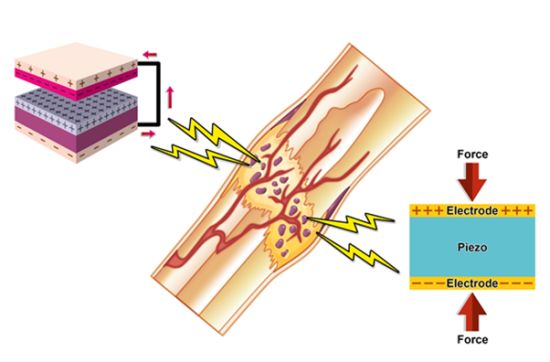
Some solids, including bone, enamel and quartz, form an electric field when deformed. This property, called the piezoelectric effect, happens when a mechanical force pushes atoms closer together or further apart, upsetting the electric balance and causing positive and negative charges to appear on opposite sides of a material.

Scientists discovered that bone was a piezoelectric material in 1957. Since then, they have found that piezoelectricity occurs when bone collagen fibres slide against each other. This leads to the accumulation of charges and the generation of a tiny current, which opens up calcium ion channels in bone cells called osteocytes. This triggers a cascade of signalling pathways that ultimately promote bone formation.

“Piezoelectricity is one of several mechanical responses of the bone matrix that allows bone cells to react to changes in their environment,” explain biomedical engineer Zong-Hong Lin of Taiwan’s National Tsing Hua University and medical doctor Fu-Cheng Kao of Taiwan’s Chang Gung Memorial Hospital, who led the review.

Researchers are seeking to leverage this property to improve bone regeneration and repair. For example, they are exploring materials to fabricate tiny, self-powered electric generators that can be implanted inside or outside bone to stimulate its natural healing processes.

Some teams have significantly accelerated the proliferation and differentiation of mouse embryonic bone-forming cells when using a so-called triboelectric nanogenerator. An electric current is generated when two materials are separated and then brought back into contact. These nanogenerators have been tested with materials such as polydimethylsiloxane, indiumtin oxide, aluminium, and polytetrafluoroethylene. They are showing potential for treating osteoporosis and osteoporosis-related fractures.

Piezoelectric nanogenerators, on the other hand, are made by connecting an electrode to a piezoelectric material on a flexible substrate, and generate a current when force is applied. These nanogenerators have also been shown to promote the proliferation of human bone-forming cells.

Besides nanogenerators, piezoelectric polymers, which have good biocompatibility with human tissues, are showing promise as absorbable screws and pins in severe bone fractures, helping avoid a second surgery for their removal.

Piezoelectric ceramics provide stronger electric currents compared to polymers, but can be toxic. Non-lead-based ceramics, like barium titanate, hydroxyapatite, and zinc oxide are leading candidates for bone scaffolds that promote bone growth and regeneration and for artificial bone substitutes.

Lin and his colleagues expect further research will lead to piezoelectricity-based applications for tissue engineering and bone regeneration.

Further information

Zong-Hong Lin

Taiwan’s National Tsing Hua University

linzh@mx.nthu.edu.tw

Paper

https://doi.org/10.1080/14686996.2019.1693880

About Science and Technology of Advanced Materials Journal

Open access journal STAM publishes outstanding research articles across all aspects of materials science, including functional and structural materials, theoretical analyses, and properties of materials.

Shunichi Hishita

STAM Publishing Director

HISHITA.Shunichi@nims.go.jp

Press release distributed by ResearchSEA for Science and Technology of Advanced Materials.

Blue Orca’s Short Selling Plan Failed Because the Quality China Medical System (867.HK) Can Withstand Severe Tests

While the world attention is on the fight against Coronavirus in China, Blue Orca is concerned about other things at the same time. This time, this foreign short selling agency aimed at a high-quality Chinese pharmaceutical company.

According to Zhitongcaijing APP, recently, Blue Orca targeted China Medical System (867.HK), a well-known Chinese pharmaceutical company, by releasing a short selling report against the company on the morning of February 6, pointing out that this Chinese pharmaceutical company “is simply uninvestable”.

Influenced by this report, the share price of China Medical System fell sharply by 12.7% from its peak at HK$ 10.72 to HK$ 9.36. However, due to the insufficient evidence of the allegations and the suspicion that Blue Orca had engaged in malicious short selling, a short selling report was not enough to shake investors’ confidence in this high-quality company. The company’s share price rebounded sharply after hitting the bottom of HK$ 9.35 at 11:03 a.m.. Moreover, before the suspension of trading, it rebounded by 9% to HK$ 10.2 in just 14 minutes at 11:17 a.m.

In recent years, it has been common for foreign short selling agencies to short sell Chinese companies, even for high-performing stocks such as BoSiDeng and ANTA Sports. In 2019, only Blue Orca itself has issued short selling reports against companies such as Kasen International, Ausnutria and NOVA Group.

However, by analyzing the market data on trading days before the release of Blue Orca’s short selling report, Zhitongcaijing APP found that the short selling ratio of China Medical System had increased significantly, thus making this short selling incident worth pondering. Consequently, it’s necessary for investors to rationally analyze this short selling report and correctly understand the intrinsic value of China Medical System.

Part 1 “Untenable” reasons for short selling
Short selling agencies commonly create notions of “guilt” at the beginning of their reports to guide investors decisions about a company regardless the authenticity of the evidence and data. Therefore, Blue Orca wrote “China Medical System is simply uninvestable” at the beginning of the report.

Next, the report listed four reasons why Blue Orca believed that the company had “fraud and corruption”: 1. The company’s filings in China indicated net profit was 49% less than the number reported in its annual report; 2. There were problems in Malaysia’s tax benefit; 3. The company secretly funded the R&D expenses for chairman’s private company; 4. Drug development pipeline: trading transactions between the company and the chairman.

For challenges raised by Blue Orca, investors are most concerned about the truth. Faced with the aggressiveness of Blue Orca, China Medical System promptly clarified and refuted the relevant charges. Investors can conclude from the company’s announcement in response to the short selling report that the allegations made by Blue Orca were untenable. Zhitongcaijing APP also summarized the following information according to the company’s reply.

Regarding the company’s financial inflation: the business of Malaysia subsidiary actually exists.

Blue Orca doubted the existence of China Medical System’s subsidiary in Malaysia and believed that China Medical System used its subsidiary’s tax benefits to inflate its profits.

In fact, as an international pharmaceutical company, the business of China Medical System is divided into international business and domestic business. The international business section includes CMS Pharma (Malaysia) and Sky United Trading Limited, and the domestic business includes Shenzhen Kangzhe and Tianjin Kangzhe.

According to the clarification announcement of China Medical System, the company’s international business functions are now mainly undertaken by its Malaysian subsidiary. These functions include: investment and introduction of new products, screening and evaluation of production plants, quality and supply chain management and control, the strategy formulation of macro promotion of products, and all risks related to the functions. The business and performance of the subsidiary really exist and enjoy local preferential tax policies. In addition, the company also stated that it has repeatedly discussed with professional tax consultants the issue of ensuring that the pricing of related transactions is reasonable and in line with the provisions of the domestic taxation bureau.

It’s pretty simple to verify the authenticity of the company’s performance, since the financial statements of China Medical System have continually been audited by one of the “Big Four” international accounting firms. Therefore, if there were inflated profits, Blue Orca would not have been the first to notice the problem.

In addition, to verify the company’s profit, Zhitongcaijing APP reviewed its dividend payout in recent years. In recent years, the company has maintained a dividend payout ratio of 40%, with a dividend of RMB 729 million in 2018, accounting for 41% of the company’s current free cash flow. This mainly thanks to the company’s stable profitability. In light of this, if there was a large range of actual profit fluctuation, the company could not distribute such high dividends. The Blue Orca’s allegation against China Medical System can also be refuted from this side.

China Medical System secretly funded research expenses for its chairman’s private company and that the chairman then “resold intellectual property rights” to the company? False.

Taking advantage of information asymmetry to win the trust of investors has always been a common practice for short selling agencies, and Blue Orca made the most of it in this allegation.

Blue Orca devoted the biggest portion of its report to “struggle” with the industrial and commercial information of Kangzhe R&D and used it as evidence against China Medical System. This is exactly how they took advantage of information asymmetry.

As can be seen from China Medical System’s clarification announcement, Kangzhe R&D does incur operating expenses, and thus chose not to disclose relevant information to the public when submitting operating expenses data to China’s State Administration for Industry and Commerce (SAIC) in accordance with relevant regulations.

In addition, Blue Orca also cited a series of cases about companies such as Helius and Faron, so as to allege the chairman of China Medical System of using the resources of China Medical System for his personal gain, rather than participating in drug development.

The core of Blue Orca’s allegation is that “the chairman [was] seeking personal gain,” but if there was no such personal gain, this charge is meaningless.

In fact, none of the projects mentioned by Blue Orca being “suspected of reselling” required the company to pay down payments, the relevant payments for registration, sales milestone fees, or R&D expenses. Even though the projects, such as the Faron and Helius, were not finally approved, China Medical System did not bear any risks and costs.

According to the short selling report, it is clear that Blue Orca did not understand the practice of Lam Gang, the Chairman of China Medical System. After all, it is not in line with the “principle of a rational person” to bear the risks for the benefit of shareholders. This misunderstanding, however, is because Blue Orca does not understand what a “a doctor’s sense of mission” entails.

In fact, some people, including Chairman Lam Gang, from the management were former doctors. Therefore, contrary to the allegations of Blue Orca, it is precisely that Lam Gang understands doctors and patients with the feelings of medical practitioners and hopes to introduce highly innovative, professional and clinically demanding drugs into Chinese market for the benefit of Chinese patients and families. Therefore, in the early stage of innovative drug investment, Lam Gang always bore higher risks himself. Furthermore, among early projects invested by him, NRL-1 (Diazepam Nasal Spray) has been approved for launch in the United States, and Helius project is also ready for application to the FDA again for marketing authorization. Therefore, it cannot be concluded that investments made by Lam Gang have all ended in failure.

In addition, in the context of the deepening of China’s medical system reform and the increasing support for the development of innovative drugs, the company’s development strategy has expanded from products that have already launched to the market to unlaunched innovative products in China. Therefore, the active arrangement of innovative drugs is pivotal to the rational transformation and upgrading of pharmaceutical enterprises, which is in stark contrast to the “misleading development” mentioned in Blue Orca’s report.

In conclusion, the allegation of Blue Orca against China Medical System was insufficient in both the viewpoint and the proof, so it could hardly function as a rigorous short selling report, thus not worthy of investors’ reference.

However, the purpose of Blue Orca may not be simply issuing a short selling report that was not rigorous.

Part 2: A premeditated “short selling operation”
It is worth our attention to consider that agencies issue short selling reports for their own profits rather than for those of the investors.

In the 41 pages extensive short selling report, Blue Orca had to mention in the disclaimer that “we will make money if the price of China Medical System stock declines.” This is a common trick of short selling agencies: issuing short selling reports, triggering panic sales by investors, and then leaving after quickly making a large amount of money.

The data presented by the Zhitongcaijing APP clearly showed that from December last year to January 7 this year, the historical average short selling ratio of the company remained around 5%, with a minimum of only 0.17%, and the amount of short selling totaled only HK$ 22,200. This normal short selling reflects investors’ bullish sentiment towards China Medical System.

However, on January 9, the company’s short selling ratio suddenly rose to 53.62%, with an amount of HK$ 70,929,600. In the following month, the company’s short selling ratio mostly fluctuated between 10-30%.

On February 3, before the report was released, the company’s short selling ratio rose sharply to 38.32%, with amount of HK$ 50,866,700. In the next three days, while the ratio decreased, it still remained over 30%. Therefore, combined with Blue Orca’s report and the short selling performance of the market, we cannot rule out that this was a “planned” short selling operation.

But for investors, it is also a good time to buy when the stock price of a company that suffered from short selling fluctuates. If investors want to make profits after this short selling incident, they need to have a clear understanding of the intrinsic value of China Medical System.

Part 3: Investment opportunities: when undervalued companies are sold short
To invest in a mature and innovative pharmaceutical company in the Hong Kong stock market, there are two core elements of value judgment: business with stable cash flow and reasonable arrangement of innovative drugs.

Investors need to start from these two core elements to understand the foundation of stable valuation of the company, and its development potential behind the rich pipeline of innovative drugs. These are also the core logic from which investors analyze the internal value of China Medical System.

Since IPO, the steady performance of the company has always been a highlight attracting investors.

According to Zhitongcaijing APP, China Medical System has been maintaining a high-speed revenue growth since it was listed on the main board of Hong Kong Stock Exchange in 2010. By the end of 2018, the company’s turnover excluding the effects of two-invoice system reached RMB 6.135 billion, with CAGR of 28.1% in the past 10 years and the CAGR of the company’s net profit reached 32.9% in the same period.

In terms of key financial indicators, the return on equity (ROE) of the company has remained above 20% since 2010; in 2018, the dividend yield of the company reached 4.9%.

In recent years, with the deepening of national pharmaceutical reform, the pharmaceutical industry has gradually entered a stage of comprehensive adjustment. The reason why China Medical System could maintain steady performance growth throughout the changing policy context was that the policy has few impacts on the company.

In the period of “two-invoice system,” since “the first invoice can be directly given to a national exclusive agent of imported drugs since it can be treated as the original manufacture,” China Medical System is regarded as a standard “two-invoice system enterprise,” which means it is not subject to two-invoice system basically. Since 2017, the two-invoice system policy has been implemented in China, and China Medical System’s performance growth tended to be stable. The company’s revenue excluding the effects of two-invoice system increased by 14% and 10% in 2017 and 2018 respectively, and by 14% in the first half of 2019.

Moreover, in 2019, the supply side related policy, which “expand the scope of centralized procurement” with “price reduction”, had minor impact on China Medical System in the short term. It is worth noting that the majority of nine major products, which account for more than 90% of the company’s total revenue, are exclusive products, meaning they face no competition from generics. Only Plendil and Deanxit may be affected. However, currently in domestic market, none of the domestic generics for Plendil has passed the consistency evaluation while only one competing generic has passed for Deanxit. Based on the product selection rules of “there shall be three or more generic drugs to pass consistency evaluation” in the third round of centralized procurement, the impact of centralized procurement on Plendil and Deanxit will be delayed. This is undoubtedly good news for China Medical System as it is actively making arrangement of new products.

The ability to avoid risks and stabilize performance growth in the changing “deepening area” of pharmaceutical reform fully demonstrates that China Medical System has a strong capability to judge industry trends and make development plans.

While vigorously developing its existing business, China Medical System is actively making arrangement of innovative drugs and generics with sufficient market competitiveness.

As a pharmaceutical company with international development ability, China Medical System is moving towards another important path to meet huge unmet medical needs with its excellent drug searching ability and the integration of international resources to cultivate its innovative drugs pipelines. Up to now, the pipeline of China Medical System includes 19 innovative drugs in various fields including ophthalmology, dermatology, nervous system, anti-tumor, immune system, digestive system, anti-infection and endocrine system. Six of the products have been approved for launching overseas, one is under the FDA’s review process, and the other five products have entered the phase III clinical trial stage. With this arrangement, China Medical System will be able to constantly launch innovative products to the market in the short, medium and long terms.

A number of innovative products that either have been launched in the Europe and the United States or prepared for marketing application are as follows:

Name / Indication / Overseas Registration / Market Potential
ILUMYA(Tildrakizumab) / Moderate to severe plaque psoriasis / Approved for marketing in the U.S. / RMB5-6 billion
CEQUA(Cyclosporin A Ophthalmic Solution) / Increasing tear production in patients with dry eyes / Approved for marketing in the U.S. / About RMB3 billion
NRL-1(Diazepam Nasal Spray) / Patients of 6 years of age and older with acute repetitive seizures /
Approved for marketing in the U.S. / Over RMB3 billion
Taclantis(Paclitaxel Injection Concentrate for Suspension) / Metastatic breast cancer, locally advanced or metastatic non-small cell lung cancer and metastatic adenocarcinoma of the pancreas / NDA submitted to the FDA / Over RMB3 billion

According to Zhitongcaijing APP, the main advantages of Tildrakizumab are to provide psoriasis patients with the most cost-effective option, a novel monoclonal antibody drug specifically targeting IL-23, as well as to reduce patients’ pain with less injection times. Its market potential can reach RMB5-6 billion.

The main advantages of Cyclosporin A Ophthalmic Solution are: it’s the globally first cyclosporine ophthalmic eye drops, which is clear and preservative-free, and adopted Nanometer miceller formulation technology to improve in tissue. Its market potential can reach about RMB3 billion.

The important advantages of NRL-1 (Diazepam Nasal Spray) is that it’s convenient to use at home as it quickly takes effect for the treatment of acute and repetitive seizures. Its potential market potential can reach over RMB3 billion.

The important advantages of Paclitaxel Suspension Injection Concentrate are: Cremophor and albuimin-free, one-step dilution and no premedication. Its market potential can reach over RMB3 billion.

Combined with the company’s academic promotion ability, both revenue and profits of the company will be greatly increased after these blockbuster drugs are approved for marketing in China.

In China, there is a huge market demand for imported generics with proven quality and affordable prices. Therefore, while actively making arrangement of innovative drugs, China Medical System is also making arrangement of generics clusters with high market competitiveness.

According to Zhitongcaijing APP, China Medical System’s development strategy for generics is to establish strategic cooperation with the global leading pharmaceutical companies via the light assets mode, so as to make arrangement of generic drug clusters with high market competitiveness.

In August 2019, China Medical System announced that it signed in-licensing agreements with Sun Pharma to acquire seven generic products and one highly competitive complex generic drug. In September of the same year, the company signed an in-licensing agreement with Biocon for three generics. If these drugs enter the Chinese market in the future and participate in centralized procurement, they will create a huge incremental market for the company.

As a well-known pharmaceutical company in China, enjoying a nationwide sales network guarantees the stable valuation of China Medical System.

Data shows that the number of hospitals covered by direct network of the company increased from 17,000 in 2014 to 57,000 in the first half of 2019. The network fully covered all provincial-level and the majority of prefecture-level districts, and almost covered all class III & class II hospitals as well as the major therapeutic departments of class III hospitals in China.

It is worth noting that China Medical System has adopted the academic promotion with line division mode which is similar to international pharmaceutical companies. From 2013 to 2018, selling expense ratio of China Medical System remained below 23%. After excluding the effects “two-invoice system” in 2018, the selling expense ratio was only 22.4%, even lower than the standard of selling expense ratio of international pharmaceutical companies.

These data indicated that China Medical System has strong capabilities of marketing and product commercialization, which can certainly provide strong support for its commercialization of innovative products in the future.

However, it has been undervalued by the market for a long time.

Zhitongcaijing APP observed that as of the close of trading on February 7, the share price of China Medical System was HK$ 10.2 and PE (TTM) was 10.99. Compared with the company’s valuation data in the past three years, it is easy to see that the present share price of China Medical System has been far away from the median of the valuation, and obviously been undervalued. In addition, as mentioned above, the dividend yield of the company in 2018 reached as high as 4.9%, which gives another proof that the company has a high investment value based on its attractive valuation, and its reliable performance growth.

Just as a Chinese idiom “pure gold fears no fire”, the turnover of China Medical System achieved the stable growth and the key financial indicators maintained reliable. In addition, the company also possessed the strong risk resisting capabilities at a time of pharmaceutical reform in China, and the strong strength and sustainable development driving force in the development of the specific business and innovation deployment. With these capabilities, the company does not fear malicious provocation by short selling agencies. At present, China Medical System stands at a status of serious undervaluation, which is a rare target with low valuation in the pharmaceutical sector of the stock market in Hong Kong. If investors can seize this opportunity, they will surely receive rich investment returns as the business performance is continually growing and the pipelines of innovative drugs are gradually launching to the market.

By Zhitongcaijing

China Medical System (867.HK) Armed against Short Selling! The Biggest CSO Took Control of Full Industrial Chain Auto Draft

The short-selling company Blue Orca Capital would not have expected that its confrontation with China Medical System Holdings Limited (“China Medical System”) actually helped the company. The confrontation allowed investors and the whole pharmaceutical industry in China to see the biggest CSO has quietly reached the end of its transformation into a new empire that has established full control over an industrial chain, from sales and marketing to production and quality, and has jumped from the domestic market to a company driven by global R&D innovative resources.

By reviewing the seemingly detailed report from Blue Orca Capital (“Orca”) and a brief but solid response from China Medical System issued on 7th February, as well as an interview with Mr. Lam Kong, Chairman of the board of China Medical System, Healthcare Executive tried to review the path of China Medical System’s most essential product upgrading experience, especially the globalized market and operation capacity of R&D resources from its large overseas companies groups, which was disclosed to the public for the first time. Throughout its development in the recent decade, China Medical System, as a leading CSO, has been revolutionizing itself since it was listed on the stock exchange. The journey of detaching itself from CSO and marching into the full industrial chain was full of tensions and challenges.

01. Malicious digging exposed a brand-new China Medical System
On the morning of 6th February, Orca released a 41-page short selling report against China Medical System. The report indicated that the profitability of China Medical System was fictitious and the actual net profit was 49% lower than the reported number. It also raised doubts that China Medical System was involved in private deals and corruption.

At 11:17 a.m. on that same day, China Medical System called for an immediate suspension in the stock market, which did not prevent a slump in its stock price of 12.7% in just 9 minutes. However, the price soon bounced back by 9% in the next 14 minutes. The closing price before the suspension was only 1.9% lower than that of the previous day. Despite the rollercoaster, the overall price still remained stable compared to that of companies involved in other short selling cases.

Companies listed in the Hong Kong Stock Exchange are regularly targeted by short sellers and these incidents have been growing more frequently since 2019. Orca has already attacked Pinduoduo, ANTA Sports and Kasen in the past year but these companies’ stock prices all surged after they resumed trading. ANTA, in particular, short sellers were frustrated when Anta’s share price hit a record high after rounds of short selling. Generally, companies pinned by the short sellers usually have much higher profit margin or much lower costs than that of their peer companies, or they have high continuous growth rate or burn rate. In the pharmaceutical industry, the short sellers once targeted Genscript, the parent company of Nanjing Legend, and BeiGene, which were both investing high in R&D and bearing high risks.

China Medical System was also in a key stage of transformation and the company has thus far proceeded with a stable operation and good profit margin. On the night of 7th February, China Medical System made a clarification announcement, providing responses to all Orca allegations, concluding that these allegations were “groundless and seriously misleading”.

Healthcare Executive quickly reached out to Mr. Lam Kong, the Chairman of the Board of China Medical System and set up an interview. Surprisingly, this company with relatively low profile decided to disclose an unprecedented amount of details, many of which were revealed for the first time. The abundant evidence provided by China Medical System not only crushed any allegation made by the short sellers, but also indicated that after many years of strategic transformation, a new China Medical System was appearing and that this new China Medical System had new ambitions and aspirations.

Throughout the company’s history, China Medical System was referred to as “the leading CSO”. But what is a CSO? It allows pharmaceutical promotion and sales activities based on powerful pharmaceutical promotion capacity and network coverage. Lam Kong barely explained the title, but it was clear that the association of CSO with China Medical System has obscured the development logic of the company over the past few years. This was the first time Mr. Lam Kong shared the innovative development of China Medical System with the public and unveiled the global competitiveness of China Medical System hidden under the “iceberg” of pharmaceutical marketing services.

02. The strongest fightback: up to 40% dividend for 10 consecutive years
Orca asserted that China Medical System overwhelmingly exaggerated its financial performance with an inflated profit of 49%. China Medical System replied in the “Clarification Announcement” that the company has maintained a constant 40% dividend payout ratio with its continued investment and low debt status since it was listed. It would be impossible for the company to realize such a high payout rate if the reported 49% profit were false.

China Medical System landed on Hong Kong’s capital market in 2010. According to the financial reports, from 2010 to 2018, the company’s annual profit rose from RMB 206 million to RMB 1,844 million, a compound annual growth rate of 32.9%. Throughout the decade, the company maintained a payout ratio of 40% of the net profit, with the accumulated dividend of RMB 3.08 billion.

“It was like I earned 100 yuan, to which you said 49% of what I earned never existed, and that in actuality I only ever earned 51 yuan. Then, from that 51 yuan, I paid 40 yuan to the stakeholders as dividend. My question to you would then be, do you really think China Medical System is that foolish? How would it be possible to run the company and complete investments with the remaining 11 yuan? Why would I do this?”, said Lam Kong.

In fact, the cash flow and the gearing ratio of China Medical System have both been maintained at a good level. According to the previous financial reports, only the gearing ratio in 2016 and 2017 reached 16.5% and 20.7% while those in other years stayed below 15%. Through these periods, China Medical System was buying products. In particular, in 2016, it spent $310 million on the commercialization right of AstraZeneca’s exclusive product Plendil in China, which has become a classic case in the industry. As Lam Kong put it, “High payout ratio, low gearing ratio, and abundant cash cooperation cases overseas, these are enough to prove the profitability of China Medical System”.

From the short selling report, one of the major reasons behind the allegation of inflated profit was, “China launched the Centralized Procurement of Drugs with targeted volume in 2018. The policy directly forces down the price and weakens the value of marketing network. The profits of other agents all decreased while China Medical System’s profitability was still reported to be promising with continuous growth, which was very confusing.”

This type of “presumed-guilty argument” is absurd. Based on Healthcare Executive’s observation of the industry, the pharmaceutical industry in China is undergoing a drastic change. Although price-reducing policies like centralized procurement of drugs squeezed the profit of mature original drugs and generic drugs, the innovation encouraging and medical insurance policies are stimulating industrial growth. In the past year, multinational pharmaceutical companies with innovative drugs like Merck, Roche and AstraZeneca have undergone unprecedented growth. The sales of drugs that have not been listed in the centralized procurement are still increasing. By the advantages of its products, China Medical System is clearly more similar to multinational pharmaceutical companies.

So far, the products that contribute the major profits of China Medical System have not been affected by the centralized procurement. According to the upgraded procurement policy, it only applies to the products with at least one original and no less than two generics. Among the major products that China Medical System promotes and sells, Deanxit is the only product for which there is one generic competitor that has passed consistency evaluation. No other product has so far been affected. This also shows how unique and forward-looking the company is in its choice-making regarding products selection. It is expected that in the following 1 to 2 years, the products of China Medical System will not be listed in the centralized procurement.

Orca also reported that China started the two-invoice system in 2017, which directly affected China Medical System which lies between the manufacturers and agents and that the company’s position in this value chain was significantly challenged. But in fact, the two-invoice policy indicates that the national exclusive agents of imported drugs are deemed as manufacturers. The imported drugs, self-produced products and the products produced by the subsidiaries of the China Medical System would not be affected. For some non-self-produced products, the only difference is changing from low ex-price to high, which only affects the way of financial recording but not the profit. The allegation made by Orca not only seems too general, but also reflects its lack of knowledge about the pharmaceutical industry.

03. Products upgrade reflects an “alternative” path of R&D
After the release of Orca’s report, the three cases of overseas innovative drug investment, though little attention was paid to them previously, also came into public notice. This allowed the public to understand how China Medical System introduces products and the logic it employs regarding product upgrade and iteration.

Lam Kong explained that China Medical System is taking an “alternative” path of innovative drug R&D. It is defined as “alternative” because the common R&D path for pharmaceutical companies is simply R&D (research and development) but China Medical System is taking the path of S&D (search and development). China Medical System is enriching the product lines of innovative drugs by seeking high-quality innovative drug projects worldwide and participating in the early-stage research and development. In fact, in the recent two years, this pattern has been adopted by more and more companies for innovative drugs. China Medical System, on the other hand, has been pursuing this method of development for a considerable period of time.

The three “corruptive deals” raised by Orca were the products deals with three startup R&D companies, Helius, Faron and Neurelis, which Orca revealed all ended in failure.

China Medical System replied that the company’s requirement for its products is in global perspectives, to meet the clinical needs. It is well-known that this kind of products possess relatively high R&D risks in the early stages. The listed company is usually very cautious about this kind of investments due to concerns of stability. Therefore, as the major stakeholder of China Medical System, Lam Kong spent his own money to pay upfront for purchasing these products. And he also undertook the risks of investment failure. Lam Kong would not transfer the product (including the intellectual property and sales rights) to China Medical System until the product had achieved substantial progress. Lam Kong even joked that it was really rare to see such a good stakeholder being so loyal to the company, personally taking responsibility for all of the risks while giving all of the benefits to the listed company.

Besides, these investment cases are not exactly the “disastrous investment” described in the short selling report. In 2015, when Lam Kong was investing in Neurelis, the drug had not yet reached the clinical stage and was highly uncertain. As China Medical System announced on 13th January 2020, the U.S. FDA has approved Neurelis’ diazepam nasal spray for marketing in the U.S. market by epileptic patients of 6 years of age and older, who suffer from intermittent and stereotypic epileptic seizures. This product has recently received the clinical trial notice from NMPA. After five long years of tireless efforts, Lam Kong had achieved his first overseas investment success.

It is clear that Lam Kong had already made attempts in introducing R&D innovative products overseas while the company remained focused on the sale and promotion of drugs in 2015. His vision and strategic pace were a step ahead of the industrial development. According to him, the transformation of China Medical System started as early as 2013.

In February 2013, China Medical System had already acquired the exclusive sales rights for at least 9 products including Deanxit, Ursotalk, Ganfule, Stulln and Xinhuosu. By then, Lam Kong noticed that the market for Ganfule, a product treating liver cancer, was constrained by upstream manufacturers. To make a comprehensive market plan for Ganfule, China Medical System spent RMB 81.10 million acquiring the manufacturing plant of Ganfule, Lengshuijiao Pharmaceuticals, and thereby obtained full control of the product. Since then, the company has continued to pursue product rights, including those for Lamisil, Parlodel, MOVICOL, Combizym, Hirudoid, Stulln and DanShenTong. The company even started a war with Tibet Pharmaceuticals for the controlling rights of Xinhuosu, eventually bringing this product into its product line as well.

From then on, China Medical System has gradually introduced a pattern of introducing products covering exclusive sales rights, rights control, equity cooperation and self-production, enabling the company to gain more and more control over the product. This has become known as the “China Medical System pattern” within the industry. This pattern was best exemplified when the company bought Plendil from AstraZeneca in 2016, proving that China Medical System had established a deep cooperation with major multinational companies.

Since 2015, Lam Kong has noticed the innovative trend in the Chinese pharmaceutical market and got down to the business of introducing innovative drugs, which opened the second stage of the transformation. This process was conducted by the personal and stakeholder investment, like the Neurelis project mentioned above.

In 2017, as the overseas business development team was growing mature, considering the high risks of on-going R&D drugs, Lam Kong and China Medical System each handled half through equity investment. Once the investment succeeded, China Medical System could obtain 100% of the drug’s rights and take over the global R&D resource and talent resources. According to the annual report, in 2018, China Medical System strategically invested in several R&D companies from the U.K., France, Switzerland and America and acquired the rights of 5 major innovative drugs in China and part of Asia-Pacific markets. The company also purchased the exclusive rights of two products in China from an Israel biopharma company.

In 2019, the centralized procurement policy was released and quickly spread. Though China Medical System’ products were not yet affected, Lam Kong still expected to increase the pace of business innovation and introduce more good quality products to the Chinese market. China Medical System started to purchase some products approved by the FDA but not yet launched in China. For example, it bought the exclusive licensing rights of two innovative drugs and five generic drugs from Sun Pharma in India and signed another contract with Sun Pharma for the licensing rights of five innovative drugs including Paclitaxel injection concentrate in November.

This is the strategic map of the acquisition journey China Medical System has followed. It is also a history of how its products structure has evolved in response to changes in relevant policies. By investing in the overseas innovative R&D companies, China Medical System was also able to arrange its resources for global innovative research institutes and talents while also extending its business to cover the full medical industrial chain including R&D, production and marketing. Starting from a CSO company, China Medical System has been detaching itself from CSO and transforming to a “well-established, innovation-driven specialty pharma with a focus on sales & marketing in China.”

To Lam Kong, the logic is very simple, “The purpose of research is for the products, rather than the research itself. There are many ways to meet the unmet clinical needs and get the valuable drugs. Overseas business development is also a capability.” Driven by the innovation and the policy of centralized procurement, China Medical System has always been leading the way in the development of the pharmaceutical industry under tight regulations. Making preparations before everything becomes apparent makes a wise man.

04. Under the iceberg: establish a global industrial chain system
Over the past half month, China Medical System spent the busiest Spring Festival ever with its global partners. After the outbreak of the new coronavirus, China Medical System immediately called upon its global partners and purchased 200,000 N95 masks and 50,000 children masks from overseas. The supplies were transported and successfully passed through customs thanks to its global business supply chain. With its digital marketing platform, 20,000 N95 masks were delivered to 10,000 doctors in just one day.

China Medical System’s global supply chain system is currently demonstrating its power. In such an urgent time, there are surely not many companies that are able to personally distribute global supplies to the hands of doctors.

“Many only see our CSO businesses in China, but that is just a tip of the iceberg. Like an iceberg, a major part of our businesses, like our capability for global arrangement and the control of a full industrial chain, is actually located “under” the visible plane”, said Lam Kong. He also commented that those who are engaged in the overseas business development all know that buying drugs overseas is not simply about “buying.” Besides overseas MAH conversion, reselection of manufacturing factories, re-control of the factory quality and so on, the understanding of overseas business cultures and law systems directly affects the success and efficiency of the negotiation. Quality management, production management and control management, as well the entire global logistics supply chain, present big challenges to a company’s capabilities.

For example, Lamisil that China Medical System introduced from Novartis in 2014 has completed the localization and now is produced by China Medical System in its production site in Hunan. The localization covers a series of complicated procedures including MAH conversion.

“What the public knows about China Medical System is only our CSO businesses in China. But the whole China Medical System group also includes the global industrial chain formed by our overseas groups, like those in Malaysia. The entirety of China Medical System is not a CSO company”, said Lam Kong.

According to the interim report of 2019, by 30th June 2019, China Medical System had owned 13 innovative products in the fields of ophthalmology, dermatology, neurology, oncology, immunology, gastroenterology, anti-infection and endocrinology. Some of products have acquired marketing authorization from the FDA, EMA and Health Canada, respectively. The domestic R&D, development and sales of these products are also underway.

Products are the soul of pharmaceutical companies. A portfolio of products with differentiated advantage is the most important factor for a pharmaceutical company to become a global innovative one. Driven by policy and technology, the Chinese pharmaceutical industry is undergoing a great, game-changing transformation and upgrade. The industrial development focus on the clinical needs and the transformation will be no less than an earthquake in the industry before it is done.

Hardship brings success. Leading the transformation along with a decade of deployment, this new iteration of China Medical System is thriving. When a brand new China Medical System appears in the Chinese medical industry, the biggest inspiration is its inner logic and path: one is to develop innovative products that could offer Chinese patients new treatment solutions through a global vision, and the other is to deepen the national academic network to consolidate the academic differentiation of the current products.

By Yong Tan and Xinyuan Yang of Healthcare Executive

Hua Medicine appoints Dr. Fuxing Tang, a former U.S. FDA Officer, as Chief Technology Officer

Hua Medicine, a leading clinical stage biotechnology company based in Shanghai, is pleased to announce that Dr. Fuxing Tang has joined Hua Medicine as Chief Technology Officer, VP of Formulation R&D and Product Development. He will also head up research and development functions for Hua Medicine in the United States.

Dr. Fuxing Tang obtained his Ph.D. in Pharmaceutical Sciences from the University of Florida. In addition, Dr. Tang conducted postdoctoral research in peptide delivery in Professor Ronald Borchardt’s group, which is well known for their work in Caco-2 cells. Before joining Hua Medicine, Dr. Tang worked in the pharmaceutical industry and regulatory affairs for 20 years. Dr. Tang worked as reviewer in the Office of Regulatory Science of the U.S. Food and Drug Administration, and worked in TEVA and Allergan as Global Director of Biopharmaceutical Sciences. Dr. Tang started his career at Forest labs, Inc. During his tenure at Forest labs, Inc/Allergan, Dr. Tang was instrumental in building various biopharmaceutical functions and in charge of multi-functions of ADME, preformulation, drug product process optimization and product post-approval manufacture process optimization.

Dr. Tang and his team made significant contributions in multiple successful IND/NDA filings and supported post-approval manufacturing for drug products such as Lexapro, Namenda, Namzaric, Linezess, Vraylar, Viberzi, among others, of which Lexapro, Namenda are blockbuster products with peak annual sales of US$2 billion. At Allergan/TEVA, Dr. Tang and his team supported drug development for both NDA and ANDA. Dr. Tang and his team significantly contributed to multiple first-to-files ANDA approvals such as doxycycline and abuse-deterrent-formulation (ADF) morphine sulfate.

Dr. Tang authored/coauthored more than 20 peer-reviewed research articles/patents across various fields, including organic synthesis, gene delivery, pre-formulation, formulation, and ADME studies.

“We are very excited to welcome Dr. Tang to join the Hua team, leading and accelerating new products development based on our glucokinase platform.” said Dr. Li Chen, CEO of Hua Medicine. “Dr. Tang is highly experienced in a broad range of drug discovery and development, and contributed to many important innovative and generic drug developments. He will help Hua Medicine expand dorzagliatin product pipeline globally and our engagement in R&D innovation in the United States.”

“I’m very excited to join Hua Medicine, a leading biotech company not only developing innovative medicine for patients worldwide, but also providing leadership in creating ecosystem in pharma R&D in China. By successfully developing dorzagliatin as a global First-in-Class diabetes medicine in China, Hua Medicine has greatly advanced the concept of “fix the sensor and remodel the glucose homeostasis” to treat diabetes,” said Dr. Tang. “It offers tremendous opportunity to expand its indications and production pipeline through innovation in the pharmaceutical sciences which will help many patients worldwide.”

Hua Medicine announced in November 2019 that the 24-week top-line results from its Phase III Monotherapy Trial (HMM0301) of HMS5552 (dorzagliatin) achieved its primary efficacy endpoint with desirable safety profiles. As HMM0301 will soon be completing its 52-week study, and Phase III Combination Trial (HMM0302) of HMS5552 add on to metformin is near completion of its 24-week study, Hua Medicine is expanding its pipeline into multiple combinations of dorzagliatin with existing oral and injectable anti-diabetic medicines. These efforts will significantly increase the value of dorzagliatin as a novel cornerstone therapy to stop diabetes and its complications.

About Dorzagliatin

Dorzagliatin is a first-in-class, dual-acting glucokinase activator, designed to control the progressive degenerative nature of diabetes by restoring glucose homeostasis in people with type 2 diabetes. By addressing the defect of the glucose sensor function of glucokinase, dorzagliatin has the potential to restore the impaired glucose homeostasis state of people with type 2 diabetes and serve as a first-line standard-of-care therapy for the treatment of the disease, or as a cornerstone therapy when taken in combination with currently approved anti-diabetes drugs.

About Hua Medicine

Hua is a leading, clinical-stage innovative drug development company in China focused on developing novel therapies for the treatment of diabetes. Founded by an experienced group of entrepreneurs and international investment firms, Hua advanced a first-in-class oral drug for the treatment of type 2 diabetes into NDA-enabling stage and is currently evaluating the therapy in adults with diabetes in two Phase III trials in China and various earlier stage clinical trials in China and the United States. Dorzagliatin has achieved its first primary endpoint in a Phase III monotherapy trial. The company has also initiated product life-cycle management studies of this novel diabetes therapy and advanced its use in personalized diabetes care. Hua Medicine is working closely with disease experts and regulatory agencies in China and across the world to advance diabetes care solutions for patients worldwide.

JumpStart, Subsidiary of NetDragon, Collaborates with Beach House Pictures To Develop First-Ever Neopets Animated TV Series

Beach House Pictures is developing a new Neopets TV series, based on JumpStart Games’ successful kids property, shown above, and adding to a wave of new games, content and licensed merchandise launching for the brand

NetDragon Websoft Holdings Limited (“NetDragon” or “the Company”, Hong Kong Stock Code: 777), a global leader in building internet communities, is pleased to announce that its subsidiary, JumpStart, a leader in learning-based games for children, collaborated with Beach House Pictures, a Blue Ant Studios company on an exclusive deal to develop the first-ever Neopets animated TV series based on the hugely successful virtual pet universe that is a global sensation beloved by generations of kids the world over. This collaboration definitely marks another milestone of NetDragon and JumpStart teams’ efforts in rebranding and promotion of Neopets since it joined the JumpStart family in 2014.

As part of the agreement, Beach House Pictures is developing new characters and stories, tapping into the Blue Ant Studios animation team in Canada, to expand the storytelling and bring added dimension to the Neopets kid- and family-friendly brand. Beach House Pictures and Blue Ant Studios will be looking for co-production and platform partners over the coming months.

This agreement is the latest development for Neopets as the brand expands on multiple platforms and increases its reach in the global kids and family market. In 2020, JumpStart is unveiling the reimagined Neopets website, releasing an all-new mobile game for smartphones and tablets, and providing fans opportunities to bring the brand home through a curated line of licensed merchandise. First launched in 1999, Neopets has delighted millions of kids with game play centred around expressing themselves through the care of their virtual pets and being part of a global community in the digital world of Neopia.

Donovan Chan, Creative Director, Beach House Pictures, a Blue Ant Studios company, said, “Bringing a new Neopets series to the market has been a passion of mine for many years and seeing it come to life is a dream come true. We’re looking forward to collaborating with the Blue Ant Studios team in Canada and JumpStart to create stories and characters for devoted, long-time fans, while introducing Neopets to a new generation of kids.”

Jim Czulewicz, CEO of JumpStart said, “Extending Neopets into an animated series is the perfect way to give our millions of fans another new platform to discover and enjoy the brand. Beach House Pictures’ passion for the Neopets brand, and its track record of producing premium content for international audiences, makes them a great partner to build on a new wave of Neopet products and storytelling we are launching in 2020.”

Neopets is a virtual world where players can be their real selves and make friends while they explore stories, play games and care for their virtual pets like family. Players personalize their pets as they collect, purchase, and trade highly valuable items – all while engaging with a global community. Launched in 1999, Neopets became part of the JumpStart family in April 2014, where the brand continues to amass loyal fans globally. Available in multiple languages, Neopets regularly adds new content and activities to its collection of hundreds of games and puzzles, including annual events, tournaments, and narratives. As with all JumpStart products, Neopets is a completely safe and secure online community.

About NetDragon Websoft Holdings Limited
NetDragon Websoft Holdings Limited (HKSE: 0777) is a global leader in building internet communities with a long track record of developing and scaling multiple internet and mobile platforms that impact hundreds of millions of users. These include China’s number one online gaming portal, 17173.com, and China’s most influential smartphone app store platform, 91 Wireless, which was sold to Baidu for US$1.9 billion in 2013 as the largest Internet M&A transaction in China.

Established in 1999, NetDragon is one of the most reputable and well-known online game developers in China with a history of successful game titles including Eudemons Online, Heroes Evolved and Conquer Online. In recent years, NetDragon has also started to scale its online education business on the back of management’s vision to create the largest global online learning community, and to bring the “classroom of the future” to every school around the world. For more information, please visit www.netdragon.com.

About JumpStart
JumpStart is the leader in learning-based games for kids. Since 1991, JumpStart has set the standard in kids’ educational games by making learning genuinely fun. JumpStart produces creative, educational mobile and multiplayer online games under its flagship brands – JumpStart, Jumpstart Academy, Math Blaster and School of Dragons – as well as with partners such as DreamWorks Animation. Over its 20-year history JumpStart has remained dedicated to producing high quality learning-based products, earning the trust of millions of teachers, parents, and respected organizations such as Common Sense Media and the National Parenting Center. Formerly owned by Knowledge Holding, Inc., JumpStart is now a subsidiary of NetDragon, a global leader in building internet communities. JumpStart is based in Los Angeles, California.

About Blue Ant Studios
Blue Ant Studios is a leading international studio and production business. The business’ production companies are based in the US, Canada, Australia, New Zealand and Singapore and produce content in multiple genres, including Scripted, Documentary, Kids, Adult Animation, Factual Entertainment and Natural History. Blue Ant Studios works with all the major international streaming, cable and broadcasting companies as well as regional players in the markets it operates in. Blue Ant Studios, a subsidiary of Blue Ant Media, is based in Los Angeles with offices in New York.

About Beach House Pictures
Beach House Pictures (BHP), a Blue Ant Studios production company, is one of Asia’s largest independent rocks. Headquartered in Singapore and operating in the US and China, Beach House Pictures specializes in factual and unscripted programming for international streamers and cable networks, creating the high-profile series Ed Stafford: First Man Out, Wild City, Masterchef Singapore, Raffles: Remaking an Icon and China From Above. Other BHP divisions include children’s arm Beach House Kids who are behind scripted series My Buddy Bonemasher and the live action puppetry show Teddies; Beach House Entertainment produces formats and general entertainment programs like Record Rides and Cesar’s Recruit; Beach House Labs who experts in digital and branded content; and Beach House Academy, which offers outreach programs and skills training to established and aspiring producers throughout Asia. BHP launched its foray into scripted production in 2019, acquiring the rights to iconic Asian properties such as the 1970s action heroine Cleopatra Wong and Mr. Midnight, a best-selling kids horror fiction book series.

For investor enquiries, please contact:
NetDragon Websoft Holdings Limited
Ms. Maggie Zhou
Senior Director of Investor Relations
Tel.: +852 2850 7266 / +86 591 8390 2825
Email: maggie@nd.com.cn
Website: ir.netdragon.com

AIM ImmunoTech Files Three Provisional Patent Applications Surrounding Ampligen(R) for Use Against the SARS-like Wuhan 2019 Novel Coronavirus

OCALA, FL / ACCESSWIRE – (ACN Newswire) – AIM ImmunoTech Inc. (NYSE American:AIM) today announced the filing of three provisional patent applications related to its drug candidate Ampligen in the company’s efforts toward joining the global health community in the fight against the deadly Wuhan coronavirus that has so far infected approximately 40,000 people and killed almost one thousand, primarily in China.

Coronaviruses are a large family of viruses, including the deadly Severe Acute Respiratory Syndrome (SARS). After a 2002 SARS outbreak in the Guangdong province of southern China caused more than 8,000 cases and more than 800 deaths, the United States’ National Institutes of Health contracted studies to evaluate potential treatments for SARS. Ampligen achieved a 100% survival rate – as compared to 100% mortality – at clinically achievable human dosage levels in animal experiments. The SARS virus is very similar in key RNA sequences to the Wuhan coronavirus, and the company expects Ampligen to be similarly effective with the Wuhan coronavirus.

AIM – which is an immuno-pharma company focused on the research and development of therapeutics to treat immune disorders, viral diseases and multiple types of cancers – is already focused on avenues to provide the company’s Ampligen technology to the countries primarily afflicted by the pandemic.

AIM believes that Ampligen has the potential to be both an early-onset treatment for and prophylaxis against the Wuhan coronavirus, which originated in China before quickly spreading to other countries. The company’s three provisional patent applications include: 1) Ampligen as a therapy for the Wuhan coronavirus; 2) Ampligen as part of a proposed intranasal universal coronavirus vaccine that combines Ampligen with inactivated Wuhan coronavirus, conveying immunity and cross-protection and; 3) a high-volume manufacturing process for Ampligen. Under the Patent Cooperation Treaty of 1970, which provides international protections for patents, the three provisional patent applications can convert to international patent applications based on the date of their filings. Alternatively, direct national filings in many countries are possible under the Paris Convention for the Protection of Industrial Property of 1883 – an international agreement. China, the epicenter of the epidemic, is a signatory of both the treaty and the agreement.

“Our analysis of the RNA sequences of the SARS virus and the Wuhan coronavirus and our research lead AIM to believe Ampligen has significant therapeutic potential as both an early-onset treatment and prophylaxis against this new and deadly virus,” said AIM CEO Thomas K. Equels. “If clinical trials follow the results of SARS animal testing, this means helping people who are already sick as well as a prophylaxis for people directly exposed to the virus as it spreads, which is especially important for the medical professionals in hospital-like settings working to contain the global emergency, and those people quarantined in camps and on cruise ships. AIM’s universal coronavirus vaccine concept is primarily meant to inoculate against the Wuhan coronavirus, but, through Ampligen’s unique capabilities, could also protect against other forms of coronavirus and future mutations of the Wuhan coronavirus. AIM is a small immunological research company, but we want to do our part. We believe humanity must stand together to defeat such viral threats. This is our effort to make a difference in this worldwide threat posed by the Wuhan coronavirus.”

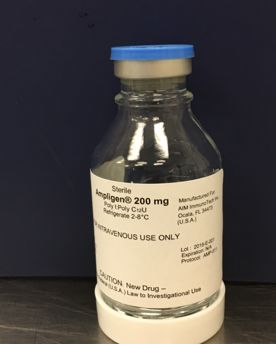
Ampligen is the only known specific Toll-Like Receptor 3 agonist based on synthetic double-stranded RNA with a well-developed intravenous, intraperitoneal and intranasal safety profile while demonstrating strong antiviral activity against a broad spectrum of viruses. The drug is also being used in multiple ongoing immuno-oncology clinical studies. AIM has recently produced more than 10,000 vials of Ampligen.

About AIM ImmunoTech Inc

AIM ImmunoTech Inc. is an immuno-pharma company focused on the research and development of therapeutics to treat immune disorders, viral diseases and multiple types of cancers. AIM’s flagship products include the Argentina-approved drug rintatolimod (trade names Ampligen(R) or Rintamod(R)) and the FDA-approved drug Alferon N Injection(R). Based on results of published, peer-reviewed pre-clinical studies and clinical trials, AIM believes that Ampligen(R) may have broad-spectrum anti-viral and anti-cancer properties. Clinical trials of Ampligen(R) include studies of cancer patients with renal cell carcinoma, malignant melanoma, colorectal cancer, advanced recurrent ovarian cancer and triple negative metastatic breast cancer. These and other potential uses will require additional clinical trials to confirm the safety and effectiveness data necessary to support regulatory approval and additional funding. Rintatolimod is a double-stranded RNA being developed for globally important debilitating diseases and disorders of the immune system.

Cautionary Statement

Some of the statements included in this press release may be forward-looking statements that involve a number of risks and uncertainties. For example, the filing of provisional patent applications provides no assurance that patents will ultimately be granted. No assurance can be made as to any future clinical trials related to the matter herein. No assurance can be given as to whether the current or planned trials will be successful or yield favorable data and the trials are subject to many factors including lack of regulatory approval(s), lack of study drug, or a change in priorities at the institutions sponsoring other trials. In addition, initiation of planned clinical trials may not occur secondary to many factors including lack of regulatory approval(s) or lack of study drug. Even if these clinical trials are initiated, we cannot assure that the clinical studies will be successful or yield any useful data or require additional funding. Among other things, for forward-looking statements, we claim the protection of the safe harbor for forward-looking statements contained in the Private Securities Litigation Reform Act of 1995. Any forward-looking statements set forth in this press release speak only as of the date of this press release. We do not undertake to update any of these forward-looking statements to reflect events or circumstances that occur after the date hereof. This press release and prior releases are available at www.aimimmuno.com. The information found on our website is not incorporated by reference into this press release and is included for reference purposes only.

Contacts:

Crescendo Communications, LLC

Phone: 212-671-1021

Email: aim@crescendo-ir.com

AIM ImmunoTech Inc

Phone: 800-778-4042

Email: IR@aimimmuno.com

SOURCE: AIM ImmunoTech Inc.