Champion REIT Announces 2020 Annual Results

  • The office portfolio delivered a mild growth in rental income
  • Retail environment continued to be impacted by COVID-19 pandemic
  • Remain cautious on the outlook for 2021
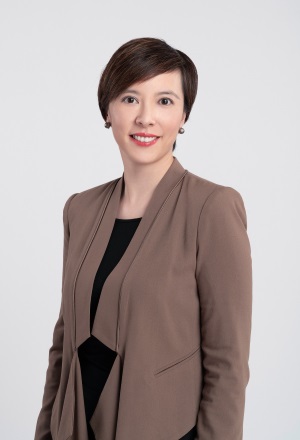
Ms. Ada Wong, CEO of Champion REIT

Champion Real Estate Investment Trust (HKG:2778), the owner of Three Garden Road and Langham Place, announces its financial results for year ended 31 December 2020.

Summary of financial results

FY 2020 FY 2019 Change
Total Rental Income (HK$ mil) 2,633 2,778 – 5.2%
Net Property Income (HK$ mil) 2,347 2,481 – 5.4%
Distributable Income (HK$ mil) 1,554 1,648 – 5.7%
Distribution per unit (HK$) 0.2500 0.2662 – 6.1%

31 Dec 2020 31 Dec 2019 Change
Gross Value of Portfolio (HK$ mil) 67,318 81,178 – 17.1%
Net Asset Value per unit (HK$) 8.61 11.04 – 22.0%
Gearing Ratio 23.0% 18.0% + 5.0pp

Overview
The unprecedented and protracted COVID-19 pandemic had put our business as well as that of our tenants in a precarious situation. Against the backdrop of a global economic downturn, Champion REIT recorded a decline in distributable income by 5.7% to HK$1,554 million and distribution per unit (“DPU”) dropped 6.1% to HK$0.2500.

Three Garden Road
Three Garden Road maintained the rental income at the stable level of HK$1,518 million in 2020, (2019: HK$1,512 million) and achieved a mild positive rental reversion. Average passing rent increased to HK$110.4 per sq. ft. (based on lettable area) as at 31 December 2020. Occupancy of the property was 86.8% as at 31 December 2020.

Langham Place Office Tower
Despite the challenging business environment, total rental income of Langham Place Office Tower remained stable at HK$378 million in 2020 (2019: HK$375 million), and passing rent of the property slightly increased to HK$47.7 per sq. ft. (based on gross floor area) as at 31 December 2020. Occupancy of the property was 88.7% as at 31 December 2020.

Langham Place Mall
The operating environment was extremely challenging for the Hong Kong retail market in 2020. Given the significant drop in tenants sales, total rental income of the Langham Place Mall recorded a 17.3% decline to HK$738 million, mainly dragged by a significant decline in turnover rent. The average passing rent dropped to HK$179.3 per sq. ft. (based on lettable area) as at 31 December 2020. Amid the challenging environment, the mall remained fully occupied as at 31 December 2020.

Distribution
Distributable income of the Trust declined 5.7% to HK$1,554 million (2019: HK$1,648 million) and DPU dropped 6.1% to HK$0.2500 (2019: HK$0.2662). Based on the closing unit price of HK$4.53 recorded on 31 December 2020, the total DPU represented a distribution yield of 5.5%.

Asset Value
The appraised value of the Trust’s property portfolio was HK$67.3 billion as at 31 December 2020, sliding 17.1% from HK$81.2 billion as at 31 December 2019.

Outlook
We remain cautious on the outlook of our business for 2021. Although the availability of COVID-19 vaccines gives hope for people’s daily lives and economic activities to return to normal, the process is likely lengthy. The real estate industry could potentially be disrupted in the post-pandemic era because of behavioural changes, such as work-from-home policy. Issues on various fronts – namely social distancing measures, Sino-US trade under a new US president, pending resumption of global travel and local unemployment – will all have a bearing on the office rental and retail markets.

In the coming year, we will endeavour to maintain occupancy for all the properties in the portfolio. We will also continue to adopt flexible leasing strategies to retain existing tenants and attract new tenants. The overall operating environment of our business will remain very difficult in 2021, we will continue to work closely with tenants and stakeholders in collaboration for the sustainable development of the Trust. Furthermore, we will take a prudent approach in identifying diversification opportunities globally for external growth for the Trust.

About Champion REIT (Stock Code: 2778)
Champion Real Estate Investment Trust is a trust formed to own and invest in income producing office and retail properties. The Trust focuses on Grade-A commercial properties in prime locations. It currently offers investors direct exposure to 2.93 million sq. ft. of prime office and retail properties by way of two landmark properties, Three Garden Road and Langham Place, one on each side of the Victoria Harbour. Since 2015, the Trust has been included in the Constituent of Hang Seng Corporate Sustainability Benchmark Index of Hang Seng Indexes.
Website: www.championreit.com

Yutong Bus to serve FIFA Club World Cup Qatar 2020

On 4 February 2021, the 17th edition of the FIFA Club World Cup(TM) officially kicked off in Qatar, with top football clubs from five continents gathered in Doha. Among them are UEFA Champions League winners FC Bayern Munchen and host country representatives Al-Duhail SC, with other teams including SE Palmeiras from Brazil, Ulsan Hyundai FC from the Korea Republic, Mexican team Tigres UANL and Egyptian side Al Ahly SC. They will present a feast of football for fans around the world.

Joining hands with Mowasalat (Karwa), Qatar’s major transportation service provider, Yutong Bus will be devoted to serving FIFA Club World Cup Qatar 2020. Yutong Bus’s star product ZK6122H9 will also provide full service to launch international events, bringing players a safe, comfortable and high-end event travel experience.

Professional Quality, Choice of Champions

Taking into consideration the special geographic conditions of Qatar, and to better serve the FIFA Club World Cup Qatar 2020, Yutong Bus has specifically customized the buses. It has improved the air conditioning systems and vehicle heat-shielding performance to adapt to the local hot climate. Yutong also upgraded the vehicle sealing and chassis protection, etc., to guarantee the lasting operation of the vehicles in windy and sandy weather, and to ensure the sustainable operation.

What’s worth mentioning is that Yutong Bus cooperated with Mowasalat (Karwa) on the vehicle design and made adjustments and optimizations with regard to driver protection, interior layout and color collocation. It then optimized the buses’ design accordingly to satisfy the needs of clients.

Win-Win Cooperation brings ‘Better Bus Better Life’

The order was placed by Mowasalat (Karwa), the Qatar public transport company. This marks the second cooperation between Yutong and Mowasalat (Karwa) after Yutong received an order of 1002 buses in November, 2020.

It is Yutong Bus’s strong professional technical strength, high-quality products and services, and rich experience in operation assurance in the field of new energy buses, that won trust from its partner and guaranteed the second cooperation with Mowasalat (Karwa).

Yutong has always provided more than just buses, but opportunities for a Win-Win cooperation. The company has signed an agreement with Qatar to establish KD factory for electric buses in this country, to serve Qatar’s environmentally friendly vehicle transformation strategy, enhance the supporting capabilities of the auto industry, drive the development of the auto industry cluster, and help optimize local transportation upgrades.

In retrospect of the year 2020, the passenger car industry faced severe challenges. Yet as an industry shepherd, Yutong Bus has made outstanding progress, including active deployment in emerging fields, such as hydrogen-fueled buses and autonomous driving; and continues to consolidate its leading advantages in the fields of traditional buses and electric buses.

Yutong Bus maintained a fast-growing global presence in 2020 including 760 units of buses delivered to Kazakhstan, 130 units to Mexico as the world’s largest order of dual-powered trolleybus, 102 units to Norway and held the official opening of its spare parts centre in Lens, France. Those orders demonstrate the strong brand strength, but also reflect Yutong’s industry responsibility to actively promote the recovery of global transportation.

Adhering to the brand concept of ‘Better Bus, Better Life’, Yutong Bus continues to broaden the road to internationalization, and hopes to gain greater world recognition and trust with the strength and reputation of its brand.

Media contact:
Hao Yanyan, PR Specialist, Yutong Bus
E: haoyy@yutong.com, U: https://en.yutong.com/

Source: Zhengzhou Yutong Bus Co., Ltd. (Yutong Bus, SHA: 600066)

Longhua District Carries out Future City Scenes Experiment

On the morning of February 4, a press conference themed ‘Foreseeing the Future in Longhua, Shenzhen’ was held in Shenzhen Citizen Center. Longhua District will launch an all-round future city scenes experiment, make every effort to build a future city development experimental field and ideal society showcase window, and take the lead in exploring the system and path to adapt to the future development of high-density urban areas.

This year is the opening year of the 14th Five-Year Plan. With the new starting point, Longhua District is launching the all-round future city scene experiment, another important innovation building Shenzhen into a socialism pilot demonstration area and global benchmark city.

Longhua District will promote the application and integration of future city scenes in a comprehensive and systematic manner based on the following five strategic positionings: Firstly, it will focus on the positioning of a leading area with high-quality development and build a new scene of digital economic empowerment; Secondly, it will focus on the positioning of a law-based demonstration city and building a scene of advanced grassroots rule of law; Thirdly, it will focus on the positioning of an urban civilization model and build a new scene of digital culture and innovation; Fourthly, it will focus on the positioning of a benchmark for people’s livelihood and happiness and build a new scene of intelligent public service; Fifthly, it will focus on the positioning of a pioneer for sustainable development and build a new scene of integration of “ecology, production and living”. Li Junqi, chairman of Foxconn Industrial Internet Co., Ltd, a listed company located in Longhua District, said, “Longhua is our birthplace, and we will continue to lead innovation in Longhua.”

Longhua District has announced the global launch of its eight themed clusters of application scenes for the experimental scenes of the future city: the overall “smart” governance scene of the North Station International Business District, the public life scene of the Heron Lake Central City, the future industrial innovation scene of the Jiulongshan Digital City, the future ecological scene of the Guanlan River Basin, the future traffic scene of Longhua Avenue, the digital fashion scene in the Dalang Fashion Town, the talent service scene in the Talent District, and the digital culture scene in the Guanlan Culture Town.

Lei Weihua, Chief Executive of Longhua District, indicated that Longhua will carry out the all-round future city scene experiment with stronger confidence and greater determination, and also sincerely invite all entrepreneurs and friends to actively participate in and make contributions to the building of the “twin districts” and the implementation of comprehensive reform pilot in Shenzhen.

Media contact:
Longhua District People’s Government
Email: fzhggj@szlhq.gov.cn
From: www.szlhq.gov.cn/ydmh/xxgk/xwzx_138039/gzdt_138040/content/post_8538875.html

SOURCE: Longhua District People’s Government

Moonstake Wallet To Start Staking Support as the World’s First Validator for Centrality

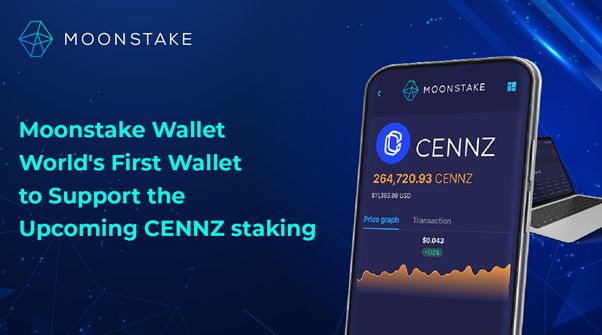
In anticipation of Centrality’s staking support, Moonstake has successfully launched the world’s first CENNZ validator. Moonstake will be the first wallet in the world to support CENNZ staking.

Moonstake successfully completed the API connection to CENNZnet and has been preparing for development for staking support. Moonstake’s wallet supports holding, sending and receiving CENNZ, Centrality’s native token and it will soon provide staking functions. Once staking support is available, Moonstake users will be able to stake through the Moonstake wallet and receive CPAY as staking rewards.

Moonstake started in the staking business last year with the aim to create the largest staking network in Asia. Since then, Moonstake has developed the most user-friendly wallets for both Web Wallet and Mobile Wallet (iOS/Android) that are compatible with over 2000 cryptocurrencies. After a full-scale operation launched in August 2020, Moonstake’s total staking assets have grown rapidly to reach USD 500 Million in staked assets in 6 months. So far, Moonstake has supported Cosmos, IRISnet, Ontology, Harmony, Tezos, Cardano, Qtum, Polkadot for staking and soon for Centrality.

Previously, Moonstake and Centrality entered into a strategic partnership in August last year. Aaron McDonald, CEO of Centrality has joined Moonstake as an advisor and both parties are actively developing for the implementation of CENNZ (Centrality’s token) through Moonstake staking platform. Through a joint webinar last year both parties have shared actively about the progress of the partnership and product development including announcement of the launch of CENNZ staking on Moonstake and to provide updates. Based on joint marketing and technical collaboration, Moonstake Wallet achieved another milestone as a world’s first wallet to support mainnets of CENNZ and CPAY and allow users with the ability to send, receive, and hold ERC-20 based CENNZ and CPAY tokens.

Centrality is the leading FinTech venture platform. It received a research grant from the New Zealand government and is working with the New Zealand government to build a decentralized system through the public-private integrated organization “Digital Identity NZ” together with NZ Tech and Singlesource. Centrality has partnered with world leading players such as Amazon (AWS), Microsoft Partner, McDonald’s China, and it is expected that cooperation with these companies will trigger companies to adopt blockchain. In August of this year, Centrapay, a venture company from Centrality, announced the technology offering to purchase Coca-Cola products at BTC using Sylo’s smart wallet.

The CENNZnet token swap was successfully closed at the end of October and over the 8 week swapping period more than 831 million $CENNZ were sent to the transition contract. Upon this swap, users are allowed to move the old Ethereum-based (ERC20) tokens onto the native CENNZnet and uniting CENNZ and CPAY token holders onto CENNZnet. Once the full amount of CENNZ has been converted, the new CENNZnet native tokens will be automatically returned to your CENNZnet wallet.

With ERC20 tokens, users will not be able to get rewards for staking on CENNZnet. With the completion of this swap, CENNZ is now being used as a more user-friendly ecosystem of DApps and allowing us to move on to a new stage of growth. The newly minted CENNZnet CENNZ token marks a new era for the platform and with 2021 being the year of venture growth and more DApps building in the Centrality ecosystem.

Moonstake is looking forward to supporting the CENNZ community by providing the best staking service and accelerating the staking ecosystem to further enhance the staking of CENNZ as a first validator in the world.

About Moonstake

Moonstake was recently established to develop a staking pool protocol to satisfy increasing demands in regional and global blockchain markets. Moonstake develops a staking pool protocol and provides business services through partners and companies.

Moonstake aims to be the largest staking pool network in Asia by providing an active environment for crypto asset holders. Establishing a clear partnership roadmap with Moonstake represents another significant milestone for continuing to strengthen ties with leading platforms across Asia’s burgeoning Distributed Ledger Technology (DLT) ecosystem. Partnership has been announced with Emurgo, Ontology and NEO to boost staking adoption, Binarystar, Japan’s biggest blockchain hub, OIO Holdings Limited (SGX: OIO), a Singapore Catalist-Listed company. Industry’s reputed advisors, such as Lisk and Lawrence Lim of RAMP DEFI support Moonstake’s innovative journey.

With a full-scale operation launched in August 2020, we expanded our business and as of now, our total staking assets exceeded over USD 500 Million. https://www.moonstake.io/

About Centrality

Centrality is the world’s leading fintech venture platform based in New Zealand. They have received a research grant from the New Zealand government and are working with the New Zealand government to build a decentralized system through the public-private integrated organization “Digital Identity NZ” together with NZ Tech and Singlesource. https://centrality.ai/

China Medical System (0867.HK) Acquires a Dermatology Specialty Company: A Tough Player the Race

On February 1, China Medical System (0867.HK) announced that its subsidiary had acquired Luqa Ventures Co., Limited (“Luqa”), a dermatology specialty company. This acquisition expanded its product portfolio to include Luqa’s dermatology products and marked the first foray into the medical aesthetic industry for China Medical System.

Why medical aesthetics? What is the significance of this acquisition?

1. Consolidating the Skin Management Business and Entering the Medical Aesthetic Market: Acquiring Luqa to Explore a New Growth Engine

According to its official website, established in 2010, Luqa is an innovative enterprise with skin treatment and medical aesthetic solutions as its core business.

Its founder, Mr. Luo Benwei, is experienced in medicine and was involved in Asia’s skin management and medical aesthetic industry before establishing Luqa. In 2005, as Almirall’s youngest international business development manager, Mr. Luo successfully drove the company’s products into markets in Africa, the Middle East, West Asia and East Asia.

China Medical System recognized Luqa’s many advantages, including: its abundant overseas resources of medical aesthetic solutions, insights and experiences in introducing quality medical aesthetic solutions to new markets; its network of domestic medial aesthetic service providers; and its unique portfolio, especially the innovative products and solutions in the dermatology and medical aesthetic field.

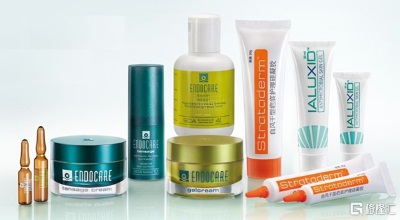
Luqa’s current product lineup covers prescription drugs, medical devices, and medical aesthetic solutions and skin care products. Regarding its prescription drugs and medical devices, Luqa currently provides the cleansing sclerosant Aethoxysklerol, which is used for the treatment of the sclerotherapy of small to large varicose veins, varicose of central veins of spider veins and reticular veins, the self-drying silicone scar therapy gels Stratamark/Strataderm, which is indicated for prevention and improvement of hypertrophic scar, the imidazole topical antifungal drug Zalain, and other blockbuster products.

In terms of medical aesthetic solutions and skin care, Luqa features high-end products from authoritative European brands. Mesoestetic, the leading medical aesthetic brand from Spain, is a major supplier of its medical aesthetic solutions, including the various skin booster series mesohyal and anti-ageing solution mesoeclat. Luqa also features products from Neauvia, a famous hyaluronic acid filler manufacturer from Switzerland. Luqa’s medical skin care line offers products from Mesoestetic and two personal care brands of Ferrer, a well-known Spanish pharmaceutical company.

As most of these products have already launched in their domestic markets, they constantly create value while still having considerable market potential. With this acquisition, Luqa’s financial results will be consolidated into China Medical System, which are expected to be a new growth engine for China Medical System.

Data speculations can be made based on potential market opportunities available for these products.

Aethoxysklerol, for example, is a cleansing sclerosant that can act locally on the vascular endothelium for the treatment of the sclerotherapy of small to large varicose veins, varicose of central veins of spider veins and reticular veins. As a high-incidence disease of common concern, there are approximately 100 million patients with varicose veins in the lower extremities in China according to a 2018 survey. Assuming a consultation rate of 30% and an active treatment rate of 40%, it can be concluded that there are approximately 12 million patients under treatment. Further assuming 25% of those patients can be treated with Aethoxysklerol leaves about 3 million target patients. Based on the average price of about RMB 480 for a single unit and 2 units consumed per capita, the cost per capita reaches about RMB 1000. The product’s market potential is thus expected to reach RMB 3 billion.

Stratamark/Strataderm, for example, Stratamark is widely used in Europe and the United States to prevent and treat stretch marks caused by pregnancy, weight gain or loss and adolescent growth spurts, etc. with a clinically proven safety and efficacy. In two randomized clinical trials conducted in Europe and Australia which enrolled a total of 577 subjects, Stratamark is proven to be safe and effective in the prevention and treatment of stretch marks and related skin itching and discomfort. It has been shown that once daily application leads to 70.2% stretch mark prevention and 80% improved in existing stretch marks. Currently, there is no clinically proven effective alternative in China.

Looking more closely at pregnancy related stretch marks clearly demonstrates the expected market potential of Stratamark. According to Statistical Bulletin on the Development of Health Care in China in 2019, the number of births in 2019 was 14.65 million, and the corresponding pregnant women are about 14.65 million. Although epidemiological studies have shown the incidence of stretch marks is 50-90%, for the following explanation we will use the median estimate of 70%. Following, we can further assume that about 25% of pregnant women are willing to try Stratamark. The treatment starts four months after pregnancy and lasts at least 3 months, that is, each person consumes 3 units and each unit is worth RMB 1000. The market potential of Statamark is therefore expected to reach RMB 7.7 billion in China.

There are also considerable demands for Statamark for people who evidence stretch marks due to adolescent growth spurts. Relevant research shows that the prevalence of pubertal (10-19 years old) stretch marks is 72%-77% for females and 6%-86% for males. In 2019, China’s population amounted to 1.4 billion, of which pubertal females accounted for 5.1% (71.32 million) and pubertal males accounted for 5.9% (82.51 million). According to the average incidence of stretch marks due to adolescent growth spurts (74.5% for females and 46% for males), the total number of teens with stretch marks is about 90 million. Since detailed statistics about the current treatment of adolescent growth spurt stretch marks in the Chinese market does not exist, we will assume that 1% of the affected population will choose the product, i.e. 900,000 people. The recommended dose is 3 units per course, and each unit is worth RMB 1000. Thus, the market potential of the product for treatment of adolescent growth spurt stretch marks is expected to reach RMB 2.7 billion.

With the conservative estimate of overall market potential exceeding RMB 10 billion, Stratamark has a very promising market outlook.

In sum, this acquisition is of great significance to China Medical System. Firstly, Luqa’s dermatology portfolio will synergize with China Medical System’s current dermatology line, thereby facilitating the latter’s further expansion in the dermatology field. Secondly, Luqa’s presence is expected to bring strong growth momentum to the financial performance of China Medical System.. Thirdly, Luqa has an excellent team, strong product portfolios and extensive partnerships, which will integrate with China Medical System.’s resources and help further broaden the market and boost the comprehensive competitiveness of both sides.

2. Entering the Hundred-billion-dollar Sized Market, What China Medical System. Has to Offer

Because today people value beauty, the medical aesthetic industry is not only rapidly growing but also has great potential. According to Frost & Sullivan, China’s medical aesthetic market size was RMB 176.9 billion in 2019, with a CAGR of 22.5% from 2014 to 2019. This makes the Chinese market for medical aesthetic solutions the fastest growing in the world, and it is expected to maintain a high growth rate of more than 20% in the coming years. In fact, China is also expected to overtake the United States to become the world’s largest medical aesthetic market in 2021.

We can also be optimistic about the overall market penetration rate. According to Zhao Yue, an industry analyst from Sealand Securities, compared with the United States and South Korea, China’s per capita consumption and treatment penetration rate of every 1000 people in the medical aesthetic market still has space to more than quadruple. As such, the market size in China is expected to reach RMB 360 billion in the next 3 years and RMB 2 trillion in the long run.

Therefore, this acquisition is undoubtedly an attempt to capitalize on the resources of China Medical System and Luqa to seize the huge and historic market opportunity.

China Medical System’ product lines include the cardio-cerebrovascular line, digestive line, ophthalmic line, dermatology line, etc. Among these, the product layout of the dermatology line has the natural advantage when considering an entrance into the medical aesthetic field. Currently, China Medical System has both marketed products and innovative candidates that are expected to market in short-, medium- and long-term, including Hirudoid (mucopolysaccharide polysulfate cream), which has already been marketed in China, and the innovative biologic Tildrakizumab, which is in domestic registrational clinical trials. The market potential of each of these products is also considerable.

Hirudoid is mainly used for the treatment of blunt traumata with or without hematomas, and superficial phlebitis that cannot be treated by compression. The product was classified in the national reimbursement drug list in January 2020. Its sales in Japan amount to RMB 3 billion. Considering that the population of China is several times larger than that of Japan, the domestic market potential is expected to exceed RMB 4 billion.

Tildrakizumab has been approved for marketing in the United States, Europe, Australia and Japan for the treatment of adult patients with moderate to severe plaque psoriasis. In China, the substance and formulation patents for Tildrakizumab have been approved. In December 2020, China Medical System announced the completion of the first patient dosing in the registrational clinical trial in China. It is expected that the product will be officially launched in China in 2022. China Medical System defines it as a novel monoclonal antibody targeting IL-23 with the best cost-effectiveness. Its peak market potential may reach RMB 6 billion.

Therefore the Luqa acquisition further deepened China Medical System’s deployment of the dermatology product line, creating unique product portfolios and strengths, which will also empower the company to form differentiated competitiveness and allow the company to develop at a blistering pace in the race.

Compared with mature markets, such as those in Europe and the United States, China’s medical aesthetic industry started late, so related products and medical devices are mainly imported from abroad. Currently, among the upstream medical aesthetic drugs and medical devices, Botox, hyaluronic acid and laser equipment are the most used. Brands from the United States, Germany, the United Kingdom and South Korea lead the Botox market. In the domestic hyaluronic acid market, imported products still occupy the main market share. According to data from CHYXX, in 2018, brands from South Korea, the United States, and Sweden occupied more than 70% of the market share. In addition, the market of medical aesthetic devices is also dominated by foreign brands, including products from Germany, the United States, Israel and other countries. Therefore, it is clear that China Medical System’s acquisition of Luqa marks its entrance into the medical aesthetic market and foreshadows how the company will introduce relevant leading overseas technologies and products into the Chinese market.

China Medical System, through past development, has accumulated rich resources and market development experience in the introduction of overseas pharmaceutical products. The company has a sustainable and stable business backed by strong financial support, and its product layout in dermatology could synergize with the medical aesthetic solutions. This acquisition integrates these strengths with Luqa’s resources in the European medical aesthetic market, which will help China Medical System to introduce leading overseas resources and technologies into the domestic market, offer comprehensive medical aesthetic solutions for Chinese patients, and expand its competitiveness in the Chinese market through its globalized supply network.

In addition, the acquisition will also help to further broaden the downstream market and maximize both companies’ advantages. On the one hand, China Medical System has been cultivating the domestic pharmaceutical market for more than 20 years and has accumulated rich experience and resources in both traditional channels (such as hospitals, medical institutions, pharmacies) and e-commerce channels. According to the company’s 2020 interim report, China Medical System’ promotional network covered 57,000 hospitals and medical institutions nationwide, including all provincial cities and most prefecture-level cities in China. On the other hand, as a leading brand in the domestic dermatology and medical aesthetic market, Luqa has established in-depth ties with hospitals, medical aesthetic institutions and retailers in various regions, and has a nationwide distribution network. The integration will not only help to further place products into new markets, but also expand the cooperation with existing channels in multiple product categories, which will enhance the company’s added value and unleash stronger growth momentum. At the same time, the cooperation will also help to unleash the strengths of both company’s resources and the effectiveness of their teams, further enhancing their market influence through brand synergy. Ultimately this cooperation will form a positive cycle that will continue to consolidate their core competitive advantages.

This complementary combination will be a force to be reckoned with in China’s rapidly-growing medical aesthetic market.

3. How does China Medical System’s Internal Competitiveness Benefit from the Acquisition?

With this acquisition, the huge synergy between the two parties, with regards to skin management and medical aesthetic solutions, will help China Medical System’s business development and business models to stand out among the many market players. We believe China Medical System will build a high-end, differentiated medical aesthetic brand and product cluster with a promising future.

Due to the industry’s high profitability and growth, medical aesthetic companies tend to be valued higher. Bloomage Biotech has a dynamic PE of 146 times and a total market value of RMB 89.3 billion, while Imeik has a dynamic PE of over 300 times and a total market value of RMB 95.3 billion.

In comparison, the current dynamic PE of China Medical System is only about 12 times, with a total market value of HK$27.5 billion (RMB 22.9 billion). With the incorporation of quality assets and the boost brought by future performance and the transformation of business structure, the revaluation and valuation improvement of China Medical System is expected to begin. Earlier, a Botox made in Korea and approved for the Chinese market caused the share price of its exclusive agent, Sihuan Pharm, to skyrocket by 160% in four trading days. China Medical System thus has every reason to have even greater expectations.

The medical aesthetic industry is a segment worthy of long-term attention, which is prone to produce big winners. After the acquisition of Luqa, China Medical System has formed a stronger sustainable development capacity and core competitive strengths, and is expected to take the lead in China’s medical aesthetic industry. With huge long-term growth potential, its development and value creation is accelerating.

Gelonghui Statement: The views in this article reflect those of the original author and do not represent the views and position of Gelonghui. As a special reminder, investment decisions need to be based on independent thinking. The content of this article should be used for reference only and not as actual operational advice. Trade at your own risk.

The Executive Talk: Do Day Dream PCL (SET:DDD)

Do Day Dream PCL (SET:DDD) Chief Financial Officer, Mr. Piyawat Ratchapolsitte discusses the company’s strategy and outlook in The Executive Talk (TET) by ShareInvestor.com.

TET: What is the current business model and outlook?

Apart from the beauty products business that has been growing continuously, we have added new businesses to enhance product variety and diversify risks. In 2018, a subsidiary; Dream Dermatology Co., Ltd. was established to engage in distributing a cosmetic dermatology brand Oxe’Cure that was acquired from Well Grow Med Co., Ltd. We have executed marketing activities and rebranded the product to improve the business gradually. Meanwhile, we have always been on the lookout for new opportunities to add to the portfolio. At the beginning of 2020, we expanded to the beauty equipment business, with the acquisition of shares of Kuron Co., Ltd. who owns the brands Lesasha and Sparkle.

For Lesasha, the hair styling equipment brand, it is considered the leading hair equipment brand in Thailand, earning us higher revenue contribution from Thai customers, given the fact that the majority of users are Thai people, compared to skin care products, where the majority of customers are Chinese.

Another popular brand under Kuron Co., Ltd. is Sparkle, a toothpaste for whitening teeth, which has solid and loyal customer base, with a rather consistent sales revenue, owing to almost 20 years in the market. Furthermore, we are of the view that Sparkle is a very good brand. Starting from the name itself, which is amazing and reflective of the product’s key attributes. Hence, what we are going to do is to strengthen the brand and expand customer base, while keeping risks low because we already have quite a strong base.

TET: How has the new business unit strengthened or built synergy for the organization?

What we have always been trying to communicate is that Do Day Dream PCL is not just about Snail White, but it is the first brand we marketed and it has been performing well. At the end, our identity is health and beauty products, so we are always open for opportunities for anything that has to do with health and beauty.

Food supplements are also in our interest because we believe that people have become much more health conscious. The same applies to beauty services. It can be noticed that during the COVID-19 pandemic, even though massage shops were forced to close down temporarily, when they opened back up, lots of customers could not wait to get the services because we still prefer to get these services outside of home. Hence, the service business is hardly likely to be disrupted since humans are still key components to provide services, unlike product distribution via conventional channels that has been disrupted by online channels. Services related to health and beauty are something that we are interested in and it might take some thinking to figure out what will be suitable for our company.

TET: How has the COVID-19 pandemic impacted the organization and what are the measures coping with it?

We need to look at the COVID-19 impact from 2 perspectives. The first one is that Snail White brand has adapted to the situation by launching products that cater to health concerns such as alcohol gel under the brand SOS and NAMU Life Anti-Pollution cream, a skin care product that helps guard against different types of pollution.

The other perspective is the impact on equipment products because 70% of the sales revenue comes from department stores. When they were forced to close down, we need to rely on online distribution channels, which was doing rather well because we have proactively laid foundation for online sales for some time.

Not only that, we have set up a dedicated team to accommodate end-user customers from online channels to approach customers more effectively. In the meantime, we invested in the system to specifically support the online channel, which has been very well received, boosting online sales to almost double during the COVID-19 pandemic.

TET: What are your views on the growth of skin care business?

We believe that the beauty business is still a growing industry, depending on which aspect. Previously, we used to see a double digit growth, but with more competitors in the market, it is less likely to happen again today due to a lower growth rate. We can say that there is still growth momentum because consumer behaviors still suggest continuous consumption, meaning that even they are still using our products, chances are they might change or try out new things.

Therefore, it is not rational to stick with only one brand and expect that people will only buy this one brand. Likewise, it is very hard to expect 1 or 2 billion Baht sales because it is a low loyalty market and it will keep getting lower. If consumers discover something worth trying out, they will do so.

Moreover, consumers have started to buy products in smaller portions that can be carried everywhere. And if they do not like to product, they can change right away. We also find that products that come in packets are also valuable purchases.

TET: With more competitors and players in the market, what are the Company’s differentiation strategies?

With a lot of new brands being introduced into the market, I think that consumers’ key concern is credibility. We are fortunate in a way that we have been in the market for 8-9 years, which have earned us customers’ trust. Another factor for customers’ advocacy is the excitement. If the brand is not different from other existing brands, it is most likely going to be swallowed up by the market. Therefore, our priority is to create a sense of freshness at all times. Previously, a product life cycle might be 1-3 years, but now it is going to be shorter, and we need to renew them regularly.

TET: How is the nature of the competition? What are the new factors that will change the course of competition?

Certainly there are more competitors, and brand owners will be more attentive to consumers, with the main aim of satisfying their needs, instead of intermediaries’ needs. Furthermore, one thing that is going to change for certain is to overcome the influence of intermediaries to increase profit margins, allowing for more utilization and customization of the products, which will satisfy both the consumers and brand owners.

TET: How does the Company place emphasis on the environmental policy?

The tangible example is the development of the sunscreen product under the brand Oxe’Cure, which does not contain any chemicals that can harm the skin and the environment, to ensure consumers that the products are chemicals-free and the environment remains intact. However, this is quite challenging because we need to develop the formula that does not make the skin look too white and can absorb into the skin more effectively.

TET: What are the challenges facing business operations?

One of the most significant challenges facing the business is that we need to adapt ourselves to the rapidly changing consumers’ behaviors because consumers nowadays can access the online media much more easily, leading to abrupt emergence of several trends, while at the same time more prone to sensitive issues. So, we need to adapt fast and be careful not to upset people.

Especially now that there are a number of social issues, we have the lessons learned from other brands regarding the use of media and wordings. If we take side with any party, there might be negative feedback, which is greatly challenging because things get dispersed very fast. Moreover, with the availability of media platform, people have become more courageous to express opinions. So we see this as a matter that needs caution.

We also believe that consumer data is highly critical, meaning that we need to understand the data of the true users of our products; whether they are men or women. Previously, we were of the view that our customers are mostly women, but it was just a hypothesis. Hence, consumer data is something that requires much more attention, and it is a challenge not just for us but for every company to determine how well you understand your customers.

The Customer Relationship Management: CRM is another key focus area, given that we did not have any touchpoints with end-users previously, so we need to develop one to have customers register with our system, not with the distributors. With customers’ data, we can offer and sell more products as well.

We might begin from launching a Line Official Account, to serve as a channel for customers to buy products or view product offerings. When the database is created, the next step is to develop products that truly satisfy customers’ needs.

Besides, being able to know who our genuine customers are also enables us to choose the right kind of media to use. For instance, if the major customer base is 18 years of age, then we should choose media platforms used by teenagers such as Twitter or TikTok. Or if it turns out that 80% of the customers live in provincial areas, then there is no need to put up advertising signs in Bangkok.

Even though the development of a big data is not easy, but if we can get started it can help a lot. Meanwhile, when we can get hold of the data, we need to process and analyze it. It might seem a little overwhelming, but it is a necessary course of action.

About The Executive Q&A Series

The Executive Q&A Series is presented by ShareInvestor, Asia’s leading financial internet media and technology company and the largest investor relations network in the region. For more information, email admin.th@shareinvestor.com. Website: www.ShareInvestorThailand.com

Montieth & Company and SPRG launch new PR agency

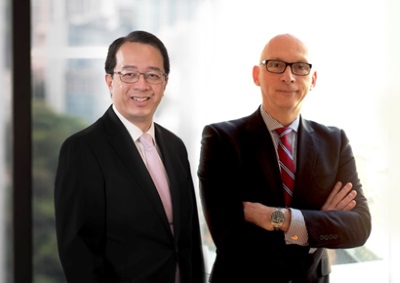
(from left) Richard Tsang, Chairman, SPRG and Co-Chairman, Montieth SPRG, and Montieth Illingworth, CEO and Global Managing Partner, Montieth & Company and Co-Chairman, Montieth SPRG

Strategic Public Relations Group (“SPRG”), one of the largest public relations networks in Asia-Pacific, and Montieth & Company (“M&Co”), a global communications consultancy, have joined forces to launch a new agency in Hong Kong: Montieth SPRG.

Montieth SPRG is the result of a collaboration between the two agencies that dates back to 2006 and represents the next evolution of global communications. The new company will provide fully integrated, cross-border communications strategies that move seamlessly and nimbly across media markets and achieve high-impact results and influence. Montieth SPRG will deliver key corporate initiatives that encourage audience engagement, raise/build brand awareness and drive growth. In its initial phase, the firm will serve clients from the Americas and EMEA that seek to penetrate new markets in Asia-Pacific and expand across the region. Core offerings include marketing communications and media relations, issues and crisis management and financial communications/IR.

Richard Tsang, Chairman, SPRG and Co-Chairman, Montieth SPRG said: “SPRG and M&Co have been working together for 15 years now. We hope to offer the best solutions to global companies looking for a compelling and competitive edge in the region’s markets. In M&Co, we have a true partner in innovation and together we will help our clients from different sectors to take advantage of their biggest opportunities in Asia-Pacific.”

Montieth Illingworth, CEO and Global Managing Partner, Montieth & Company and Co-Chairman, Montieth SPRG said: “SPRG’s depth of experience and expertise in the region is invaluable. This is an opportunity for Montieth & Company to serve our North American and EMEA clients in some of the world’s fastest growing economies. The Asia-Pacific region has vigorously tackled the pandemic and the benefits are evident.”

The latest UN figures show that China has become the number one market for foreign direct investment . GDP growth for Asia is projected to reach 8.3% this year according to the IMF, settling to 5.9% in 2022 . Among the beneficiaries will include those in the financial services, e-commerce, AI, gaming and infrastructure industries.

About Montieth SPRG

Montieth SPRG brings together Montieth & Company (“M&Co”), a leading global PR agency with SPRG, Asia’s leading communications firm. Montieth SPRG serves global organizations in the Americas and EMEA across sectors that want to expand into Asia-Pacific. The firm’s highly integrated, flexible and efficient services and solutions produce high-value results that raise/build brand awareness and drive growth.
www.montiethsprg.asia

About Montieth & Company

Montieth & Company (“M&Co”) is a global communications consultancy which operates through three global hubs, New York, London, and Hong Kong, and projects into over 20 media markets. Its multi-lingual team deliver targeted media relations counsel, support and execution for a variety of clients. The agency receives regular recognition for its work and has been ranked as one of the top 50 PR firms by The New York Observer.
www.montiethco.com

About SPRG

SPRG is one of the largest public relations networks in Asia-Pacific and the largest public relations consultancy in Hong Kong. It has over 290 professionals working from 15 wholly-owned offices and an associated company in Australia. SPRG has garnered over 420 prominent awards in the client campaign and agency categories and was ranked Global Top 100 PR agency by PRWeek and PRovoke.
www.sprg.asia

Contact
Dayvic Leung
Senior Manager, Montieth SPRG
dayvic@montiethsprg.com.hk
(+852) 2114 4935

Two Immigrants, One Unique Plan For A Biopharma

  • This is the story of how the scientific careers of an intrapreneur (Redkar) and an entrepreneur (Yu) came together to cofound and colead Apollomics.
  • By Rob Wright, Chief Editor, Life Science Leader

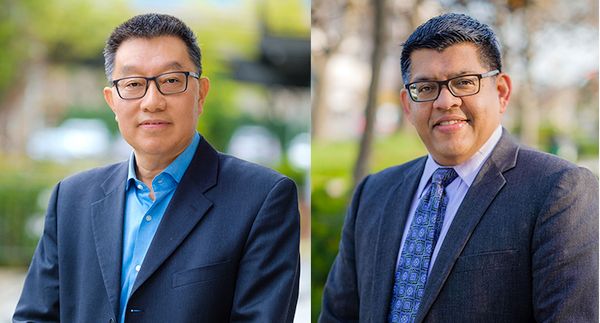
HONG KONG – (ACN Newswire) – The American Dream is why the United States is considered the “land of opportunity,” and why for centuries immigrants have flocked to our shores seeking their fortunes. Guo-Liang Yu, Ph.D., (China), and Sanjeev Redkar, Ph.D., (India), came to the U.S. in the 1980s. By anyone’s reasonable measure, both have achieved the American Dream. However, their dream as scientists remained at arm’s length. Their desire? Create a pharmaceutical company that leverages the best of what the U.S. and China have to offer toward discovering and developing new oncology therapeutics, while using the smallest drug development program possible to do so. This is the story of how the scientific careers of an intrapreneur (Redkar) and an entrepreneur (Yu) came together to cofound and co-lead Apollomics.

From Immigrant To Biopharma Intrapreneur

After arriving in the U.S. in 1989, Redkar completed his M.S. and Ph.D. degrees in chemical engineering and took a job as a research scientist with Matrix Pharmaceutical in the San Francisco Bay area. While those were formative years, it wasn’t until 1998 when he joined SuperGen that the scientist embarked on his intrapreneurial journey. “We had a lab where we were coming up with novel formulations for cancer drugs,” he recalls. “We formed an internal group, and I started filing and prosecuting a lot of patents.” Prosecuting in the sense that he worked closely with company lawyers to figure out what was needed to get SuperGen’s IP protected. Realizing he had much to learn, he took a week-long intensive course on patents. This helped him understand the importance of the Manual of Patent Examining Procedure (MPEP), which is the “Bible” for patent attorneys and agents. Being able to apply this skill is one reason he holds more than 200 patents today.

Redkar’s stint at SuperGen (later renamed Astex Pharmaceuticals) lasted almost 18 years. “We had a lot of commercial programs for the oncology drugs we were bringing to market, so I got to work closely with my commercial colleagues, an experience I’d advocate for all scientists.” This experience was, in part, why he went back to get an MBA in 2008. “If I wanted to be a leader in biopharma, I knew I needed to become more of a generalist in my knowledge base and experience.”

After holding senior level positions in various areas such as preclinical development, operations, and manufacturing, something interesting happened in 2011. “I had built a group in Pleasanton, CA and had begun filing patents to fill the R&D pipeline of Montigen Pharmaceuticals, a company we had acquired within SuperGen.” His group also had a lab in Utah, and the two began collaborating on small molecule discovery. But then SuperGen merged with Astex.

Pharmaceuticals leaving the company with four R&D operations. The decision was made to consolidate those four down to two, which meant closing the 20-person lab Redkar had built. “At that point I thought, maybe I should try my stint as an entrepreneur,” he states. His idea was to find a compound that would fit into that lab, thereby keeping most of the team intact, while building a company around it.

Working his network, Redkar came across a cytidine deaminase inhibitor (E-7727) owned by Eisai that made it possible to deliver cytosine-based nucleoside drugs in an oral pill. Eisai had decided to cut the program and were not going to make the payment to keep patent protection in place. Redkar saw potential. “We had worked on an oral cytidine hypomethylating agent for a long time, and we could combine it with E-7727 into one pill and form a small company around it.” He negotiated the terms with Eisai, and with the Astex CEO’s blessing, began creating a pitch deck. There was an understanding that he would found the new company outside of Astex, and Astex could choose whether or not to invest.

Redkar began forming a team, building out a board, keeping his CEO in the loop while also continuing to do his day job and pitching investors. “I thought I could put together a development program for about $500,000.” Considering Eisai had done a lot of work already on the asset, Redkar felt he could convince the FDA to utilize that information, along with the data from his company’s drug, to prove the drug’s safety in a combined form. That way, the company could work toward gaining an approval using a small Phase 3 trial of maybe 100 patients.

About a month into the process, Redkar received a call from Astex’ CEO asking, “What if Astex pays the half a million? If the program is as good as you say it is, convince some folks internally, convince the FDA, and then we can help you form the company.” His first entrepreneurial journey suddenly shifted back to that of the intrapreneur, having to convince colleagues that this two-drug oral combination was something of value. “People were not easily convinced, because we were working on a lot of new drugs and new pathways.” Fast-forward to the summer of 2020 and the drug, INQOVI, finally gained FDA approval for myelodysplastic syndromes (MDS) and chronic myelomonocytic leukemia (CMML). Although Redkar had left the company in 2016 to start his entrepreneurial journey in earnest, he takes delight in seeing his former colleagues succeed at bringing a new oral treatment to patients using only a 133-patient registration study.

Guo-Liang Yu – The Making Of An Entrepreneur

Guo-Liang Yu, Ph.D., cofounder, Chairman and CEO of Apollomics, came to the U.S. in 1984 to complete a Ph.D. “I joined Dr. Elizabeth Blackburn’s lab, and contributed quite a bit to her and Carol Greider winning the Nobel Prize in physiology or medicine in 2009.” Following a post-doc at Harvard, Yu was poised to become an academician, but got recruited to become a gene hunter at Human Genome Sciences (HGS) in 1993.

At HGS, Yu and colleagues sought to find genes with interesting biological function. Those newly identified molecules would then serve as drug targets to treat various diseases. He also continued his education, as HGS, being in Rockville, MD, was not far from Johns Hopkins University. “I took night classes for business law and marketing for a year to gain a better understanding for how businesses work.” He became very interested in patents, inventors, and inventions, and his “education” in that respect would continue as he worked at HGS. “When we were sequencing genes at HGS, we were taught to file patents on any molecule that looked interesting, along with how to do additional experiments to have strong claims protection.” As a result, today Yu is associated with more than 500 patents and has become an expert at strategizing IP protection. “When younger companies come to me for help, I always encourage them to build a strong patent portfolio.”

One of the molecules was Benlysta, which eventually was approved by the FDA. “Today, it remains the only drug discovered through the human genome project and is the only treatment for systemic lupus erythematosus (SLE),” he attests. Yu credits HGS as his first exposure to entrepreneurship. “I witnessed how HGS needed a multinational like GSK and support of the chemical market to bring a treatment to market.” And being that HGS was still very much a startup when he first joined, he also got to observe how management made decisions.

Preferring the Bay area, Yu moved back West and joined Mendel Biotechnology in 1998, before starting his first company, Epitomics, in 2001. “That was my first actual entrepreneurial experience that involved raising money, building a budget, delivering on what was promised operationally, and figuring out how to grow the company.” The company had two primary activities, building research tools and diagnostic reagents and developing therapeutic antibodies. The life science part was sold to Abcam in 2012 for about $170 million, while the therapeutic arm was spun out as Apexigen, an immuno-antibody company that is still in existence.

Having provided a fine return for investors and himself, Yu was recruited to join a CRO, Crown Biosciences in 2013. “At the time, many Chinese scientists who had trained in the U.S. were going back to China and building CROs to provide services to larger companies looking to enter the market,” he explains. But according to Yu, being good at science and being good at business are two different things, and as Crown wasn’t doing well financially, the board hired him in hopes he could turn it around. The process took about three years. Yu’s plan was to do what he had done with Epitomics – spin out a therapeutics company. But that new company would need a CEO.

Biopharma Startup Requires The Connecting Of “Preneurs”

Redkar and Yu met while each was serving on the advisory board of the University of Pacific (UOP) School of Pharmacy. Yu had told the dean of the college he was looking for a CEO for a startup, and asked if there was someone he could recommend. “He said, ‘Why don’t you see if Sanjeev is willing to jump out of a large pharma to become an entrepreneur,” Yu recalls.

At the time, Redkar was looking to pivot from being an intrapreneur to an entrepreneur, and Yu already was the cofounder on more than two dozen companies. The two began discussing entrepreneurship, and the topic of Crown Biosciences eventually came up. Crown had some oncology assets and was interested in seeing how these could be developed outside of China. Having spent his entire career focused on oncology, Redkar’s interest was piqued. “I spent the next three months reviewing information, got my China visa, and went over for a visit,” he elaborates. Seeing what he thought were gaps, Redkar spent the next four months creating a plan for how these compounds could be developed, along with how he’d pitch investors. He gave a convincing presentation to Crown’s board in 2015, and the decision was made to spin out the company. Redkar would be given some seed funding to lead the effort to build a team in the U.S.

But leaving an 18-year career as an intrapreneur was not an easy decision, because by now Astex had been acquired by Otsuka, and he had gained a fondness for how this company valued people. Plus, Otsuka was doing well financially. “I knew that becoming the CEO of a startup was going to involve a huge step down in salary and benefits,” he shares. He also understood that taking this position would place him in in a more generalist role, and if things didn’t work out, it may have been difficult to go back and apply for jobs as a domain expert. He deliberated for about a month, speaking to mentors, entrepreneurs, board members, and his family as he weighed the decision.

Resigning from Otsuka at the end of 2015, Redkar attended the annual J.P. Morgan healthcare conference (JPM) in January 2016. There, Yu introduced him to some people from OrbiMed, a life science venture capital group. Subsequently, Redkar conducted a formal presentation of the startup to OrbiMed. “I had begun putting together a development plan, but at that point, I was a single-person company.” He remembers the presentation involving about 15 to 20 people from OribMeds’ India, Asia, and New York offices, and how they deliberated about investing in a one-person company, something they, “normally never do.” But given Yu’s consistent success, they decided to make an exception, and agreed to provide the company $10 million to fund its series A. At the time, the company was registered in the Cayman Islands as CB Therapeutics (the CB coming from Crown Biosciences), and one of Redkar’s first tasks was to register the company in the U.S. Unfortunately, that name was taken. “I quickly had to decide upon a new name, which is how we ended up with CBT Pharmaceuticals.”

From One-Person Company To $125 Million Series C

Working as CEO, Redkar grew the company to seven employees and several pipeline assets by the end of 2017. At the same time, Yu was running Crown Biosciences, but near the end of 2017 the company was acquired. Redkar seized on this opportunity to get Yu more actively involved in CBT. “He was chairing our board, but I asked if he’d come on as CEO,” Redkar says. In turn, Redkar would take the position of president, and the two would apply a co-leadership approach. “I wasn’t really sure how this would work, but we determined that I would focus on all development and operational activities, while Yu would spearhead the funding along with building out an office in Hangzhou China. We’d collaborate on building the company’s strategic path.”

That plan worked out well, as early 2109 brought an announced $100 million series B – and a new name. “We were trying to come up with a better name for the company, and we recalled that our first combination trial was called APOLLO, derived from the Greek God of healing,” explains Redkar. That was written on the whiteboard. “Apollymi means to destroy,” he adds. That, along with others, also were added to the whiteboard. “Omics is a term used for large amounts of biological data, a coming together, if you will.” The three words were combined to come up with Apollomics, signify a group of people coming together to destroy cancer.

Now, with a new name and $100 million in the bank, the next steps were to hire a CFO and chief medical officer. These positions were filled in 2019, and by Q3 of 2020, the company had grown to approximately 50 employees, with about 30 in the U.S. and 20 in China. It even completed a $125 million series C financing in Nov. 2020, and has plans for building out R&D and manufacturing operations in China.

“Our dream is to build Apollomics into a cross-border innovation engine between China and the U.S., by conducting small clinical trials with equal representation between the two countries so a package can be registerable anywhere in the world,” Redkar says. For example, in January 2020, Apollomics announced an exclusive collaboration and license agreement with GlycoMimetics to develop and commercialize Uproleselan and GMI-1687 in greater China. GlycoMimetics already had received an FDA breakthrough therapy designation for uproleselan for relapsed/refractory acute myeloid leukemia (AML) in 2017 and has started a Phase 3 global clinical trial for uproleselan for that breakthrough indication. “We’ve negotiated with China’s National Medical Products Administration [NMPA] to do a Phase 3 bridging study for the same compound [APL-106 in the Apollomics portfolio] in combination with chemotherapy in r/r AML, with plans to borrow data readouts from the GlycoMimetics global trial to bridge our Phase 3, significantly speeding China development.”

Sounds like the entrepreneur is borrowing from his intrapreneurial toolbox. One compound at a time, Redkar and Yu move ever closer to achieving what every scientist dreams of – making a positive difference for humankind. And if you think about it, doesn’t that seem well aligned with what many Americans dream of?

“So even though we face the difficulties of today and tomorrow, I still have a dream. It is a dream deeply rooted in the American dream.” — Martin Luther King, Jr.

Sidebar 1: Leveraging The Best Of The U.S. And China

“We wanted to create a biopharmaceutical company with a slightly different business model,” says Guo-Liang Yu, Ph.D., cofounder and CEO of Apollomics. The company wanted to be in the U.S., as that is where the best scientific expertise and thinking still resides. But with China having more than 500 million people residing below poverty, that is where the most significant impact on global health can be had. However, Yu realized that, given the current state of geopolitical affairs, it would be difficult to run a business in China. Besides, Yu hoped that by having operations in both countries, the Chinese team could learn the best practices of their U.S. counterparts, and then apply those in developing products best suited for the Chinese market.

Given the current market, raising money does not seem to be a challenge for Yu. All of the funds Apollomics has raised thus far (i.e., $235 million) is of Chinese origin, although in U.S. dollars. “Sanjeev [Redkar] is handling the clinical operations and U.S. buildout, while I’ve been taking care of most of the finances and the China buildout,” Yu says.

One challenge they are experiencing is the big difference in market perceptions of value between the two countries. In the U.S., very few biotechs are willing or able to move into clinical development with multiple assets. “Most senior leaders and board members will typically agree that we should focus all our resources on the most promising asset.” But Yu says that’s not the culture of a Chinese biotech. “If you look at all the public Chinese biotechs, they have at least a dozen assets/molecules moving toward clinical development.” From his U.S.-trained perspective, having too many assets moving toward the clinic sends the signal that you really don’t have a strong lead candidate to begin with. “It is just a show, and something I still struggle with, as I have to think about how I’m being perceived as an entrepreneur to Chinese investors who might not yet see things the same as their U.S. counterparts.” So, one of the challenges is that by having operations in both countries, the company will be compared to other Chinese biotechs with lengthy pipelines, many of which Yu says don’t even make sense scientifically. “In China, some companies will count their assets as a means of deriving valuation to investors,” he explains. Regardless, he says the Apollomics approach is to put most of the company’s resources into its lead product, as that is the product that will either make or break the company.

Sidebar 2: Entrepreneurs Need To Be Good Storytellers

Guo-Ling Yu, Ph.D., is a highly successful entrepreneur who has served as co-founder of more than two dozen companies and made successful exits from at least two that provided handsome returns for investors and himself. But a venture never gets off the ground without money. And getting investors to want to give money requires an entrepreneur to be a good storyteller. With complicated science, sometimes this means having to “dumb things down.” Yu says when preparing to pitch his approach is to think from a layperson’s point of view and use a variety of metaphors. He then tests them to see which resonate best. This requires practice. “Try thinking about how you can ask a question so the other side can answer using the metaphor. That way you are facilitating communication and understanding instead of just forcing people to listen to what you have to say.”

Yu adds that leading in an entrepreneurial setting requires a whole different set of skills – and a willingness to change old habits. “You need to find a way to treat employees so that, if there are business challenges, they don’t immediately want to jump ship. And you need to make sure they are having fun while still putting in the long hours and workweeks that a startup requires.”

One more trait of a good entrepreneur is the ability to teach everyone in the company the importance of being frugal. Yu’s approach was to be overly transparent. For example, he remembers raising $1 million dollars for his very first startup, Epitomics. “I called a staff meeting and said, “I have good news and bad news. The good news is we now have $3 million. The bad news is that we as a company now have to generate a certain level of revenue and results if we hope to stay alive.” According to Yu, most scientists don’t often worry about the revenue component, because that’s not their responsibility. But in a startup, you need to train your scientists why they need to care about it, because biotech is a game of survival, and money needs to be stretched as far as possible to get to the next raise.

Finally, Yu says that being a good entrepreneur requires a change in mindset, from inductive thinking to deductive thinking. “Inductive thinking is: We have this technology, now what can we develop to sell to the market,” Yu explains. “Deductive thinking is: Here’s a market with an unmet need. Now, how can that need be satisfied?” In other words, inductive thinking is a solution in search of a problem, while deductive thinking begins with the end in mind.

BTPP 1: Have You Heard Of The Chinese Biopharmaceutical Association (CBA)?

The Chinese Biopharmaceutical Association (CBA) is one of the largest Chinese American professional associations in the U.S. (www.cba-usa.org). It was founded in 1995 by Guo-Liang Yu, Ph.D., who today is the cofounder and CEO of Apollomics, an oncology therapeutic discovery and development company (to be featured in an upcoming issue of Life Science Leader). But back then, he was still at his first job, working as a “gene hunter” at Human Genome Sciences (HGS) in Rockville, MD. “At the time, HGS had a good group of Chinese scientists who had come from all over the country. Plus, with AstraZeneca, MedImmune, and the FDA and NIH nearby, it was a very nice biopharmaceutical community.” As such, Yu began discussing with his friends and colleagues the idea of forming some sort of association. “We could help one another as we became entrepreneurs, along with helping to bridge the gap between the U.S. and China, and academia and industry.” Twenty-five years later, CBA remains headquartered in Maryland, but now boasts more than 700 active members, over 8,000 registered individual members, and more than 100 institutional members. While most hail from the nearby geography, the association now has chapters in Canada and China. “When you set up such an organization, it is really important to put some thought around the bylaws.” For example, Yu only stayed one term as president, and insisted that each subsequent president do the same. “A CBA president needs to give to the community and grow themselves as leaders, but by limiting that responsibility to just a year, many more will gain the opportunity to learn, grow and lead,” he contends. “Every single CBA president has become successful, and many have gone on to found companies, with at least three now having gone public,” Yu contends.

BTPP 2: We Need To Expand How We Value Companies

During an interview for an upcoming feature in Life Science Leader, Sanjeev Redkar, Ph.D., cofounder and president of Apollomics (a biopharmaceutical company discovering and developing oncology treatments), discussed the topic of an exit strategy. “Are you looking to exit or leave a legacy?” I queried. “To build something,” he replied. But the question must have touched a nerve, as Redkar began to opine about how biopharmaceutical companies are valued. “We always evaluate companies based on their PE ratios, speed to market, return, stock price, and all that, but there is no value assigned to the social impact a company has,” he contends. Take J&J for example, which employs about 100,000 people globally. Depending on the size of the families associated with all those employees, that could equate to J&J helping to feed half a million people. “If J&J’s stock price goes up by 5%, and another public company employing 50 people goes up by 5%, the market treats them the same. But the social impact had by J&J is much more significant. As a society, this is something we need to figure out.” Redkar says that if you go to any financial or investment website, none will have anything recognizing the social impact those companies have on people. “Maybe we need a PE ratio to the number of employees employed,” he considers. “Sure, we’ve talked about being green, and there are metrics to measure a company’s sustainability, but that misses much of what I see as ‘social impact.’”

By Rob Wright, Chief Editor, Life Science Leader
Follow Rob On Twitter @RfwrightLSL

Be sure to not miss the upcoming feature about Apollomics and Sanjeev Redkar by subscribing to Life Science Leader today. For more information, please find the links below:

– This article: https://www.lifescienceleader.com/doc/two-immigrants-one-unique-plan-for-a-biopharma-0001
– The full publication, digital edition: http://digitaledition.qwinc.com/publication/?m=53489&i=690286

Source: Life Science Leader, Magazine Article | February 1, 2021

Blockpass Provides Powerful On-chain KYC(TM) Utility for EasyFi DeFi Lending Platform

Blockpass, the pioneer of On-chain KYC, is proud to announce a groundbreaking partnership with EasyFi Network – a scalable, open and inclusive Layer 2 DeFi lending protocol for digital assets, built on Matic Network. The partnership features a powerful use case for on-chain KYC data via a network consisting of Blockpass, Chainlink, Matic and EasyFi, enabling the realization of decentralized and compliant lending and borrowing of digital assets over public networks.

EasyFi is a protocol built to solve some of the inherent challenges faced by the first generation of DeFi solutions with respect to transaction speeds and costs which create a bottleneck when operating at scale. Its secure protocol aims to cover all manner of bases, including micro-lending, under-collateralized loans, credit delegation, credit default swaps and more. Enabling lower cost transactions, a deeper liquidity pool and real-world integrations, EasyFi hopes to be the catalyst for the mass adoption of DeFi.

Blockpass is a digital identity verification provider which offers a one-click compliance gateway to financial services and other regulated industries. Through Blockpass, users can create, store, and manage a data-secure digital identity that can be used for an entire ecosystem of services, token purchases and access to regulated industries. For businesses and merchants, Blockpass is a comprehensive KYC & AML SaaS that requires no integration and no setup cost. You can set up a service in minutes, test the service for free and start verifying and on-boarding users.


“2021 has gotten off to a promising and rapid start with the revelation of on-chain KYC. We’re incredibly excited to be seeing such amazing use cases for the technology before the end of the first month is even up,” said Adam Vaziri, CEO of Blockpass. “We’re really looking forward to working with the team at EasyFi, who are just as passionate about creating useful, simple and compliant solutions in this space; this is just the beginning of the on-chain KYC revolution!”

Ankitt Gaur, Founder & CEO, EasyFi Network, noted, “We are very excited to see the vision of “Identity Quad” coming to reality where Identity is managed by one participant (Blockpass), relayed by another (Chainlink), enabled by third pillar (Matic) and offered for consumption by (Easyfi) leading to adoption. In an attempt to achieve the above we are very happy to be partnering with Blockpass and looking forward to working with them to deliver seamless on-chain identity solutions to our layer 2 lending protocol. Our collaboration moves a needle toward under-collateralization and uncollateralized loans which are part of our endeavour to make DeFi users to do more with their Digital Assets thus fitting our #DoMoreWithDeFi vision perfectly.”

Blockpass has grown significantly in size and use since its inception, both in the number and range of users and organizations it has partnered with, and the scope of its work. Blockpass continues to develop its digital identity protocol with updates and additions to improve the compliance experience. The existential need for DeFi projects to be regulatory compliant and the recent integrations with Chainlink and Matic have led to a surge in interest for Blockpass’ On-chain KYC(TM) solution.

With a current 90%+ discount on its services, a fact made possible due to the unique reusable nature of its verification method, and put in place to help as many people as possible access KYC in the current pandemic, there has never been a better time to explore the potential of Blockpass. The Blockpass App is available from the App Store and Google Play.

About Blockpass

Blockpass, the pioneer of On-chain KYC(TM), is a fast, fully comprehensive KYC & AML screening software-as-a-service for blockchains, Crypto, Defi and other regulated industries. With Blockpass, you get an unmatched set of benefits for any compliance service that includes pay-as-you-go, no setup cost, no integration necessary, free testing, immediate launch and at the lowest cost. Blockpass’ KYC Connect(TM) platform enables businesses to select requirements for customer onboarding that can include ID authentication, face-matching, address checking, AML ongoing monitoring and/or screening of sanctions lists, politically exposed persons (PEP), and adverse media. Through Blockpass, end-users easily create a verified portable identity that they can control and re-use to onboard with any service instantly. By integrating with Chainlink Network – a decentralized oracle solution – in early January, Blockpass introduced the first On-chain KYC(TM) solution that will service many blockchains in the years to come.

For more information and updates, please visit and sign up to the following:
Promotional video: https://youtu.be/SvO2cw3e-SI
Website: http://www.blockpass.org
Email: sales@blockpass.org

About EasyFI

EasyFi is a universal layer 2 lending protocol built for DeFi focused on scalability, composability, and adoption. It has been designed as an open and inclusive financial network infrastructure to run on public networks to facilitate an end to end lending & borrowing of digital assets and related financial products. EasyFi is being built upon the ethos of permissionless networks & automation of smart contracts.

– Website: https://easyfi.network/index.html
– Official Twitter: https://twitter.com/EasyfiNetwork
– Official Telegram: https://t.me/easyfiNetwork

Solargram Farms Announces Approval and Receipt of Health Canada Sales and Processing License and Captiva Verde Land Corp Added to Psychedelic Index

Captiva Verde Land Corp. (CSE: PWR), is excited to announce that Solargram Farms Corporation (“Solargram”), a holder of a Canadian Federal Health Canada License to cultivate, test, harvest and sell cannabis, has now additionally been approved for a Canadian Federal Health Canada Sales and Processing License.

Health Canada Sales and Processing License Approval

Immediately following the large outdoor Solargram harvest on October 30, 2020, Solargram, with its cannabis consultant Deloitte, submitted its sales and processing license application to Health Canada for review. The processing and sales licensing application is a rigorous, multi-phased acceptance process that enables Solargram to monetize selling and distributing its authorized products into provincially run, Canadian retail distribution networks. Solargram has now received its Canadian Federal Sales and Processing License, all within the early first quarter of 2021 as anticipated.

Solargram is in negotiations with several Canadian Crown Provincial wholesalers as well as with strategically selected Licensed Producers across Canada in preparation for sales production and the commencement of monetization.

Captiva Verde (CSE: PWR) added to The Psychedelic Index

The Psychedelic Index is the first (and currently only) index that tracks publicly traded psychedelic companies across a variety of international stock exchanges. As the most comprehensive psychedelic index available, Captiva Verde (CSE: PWR) is one 1 of the 34 companies that make up the index.

On Behalf of the Board of Directors:
Jeffrey Ciachurski
Chief Executive Officer and Director
Cell: (949) 903-5906
E-mail: westernwind@shaw.ca

Cautionary Note Regarding Forward-Looking Information

This release includes certain statements that may be deemed “forward-looking statements”. All statements in this release, other than statements of historical facts, that address events or developments that the Company expects to occur, are forward-looking statements. Although the Company believes the expectations expressed in such forward-looking statements are based on reasonable assumptions, such statements are not guarantees of future performance and actual results may differ materially from those in the forward-looking statements. Factors that could cause the actual results to differ materially from those in forward-looking statements include regulatory actions, market prices, and continued availability of capital and financing, and general economic, market or business conditions. Except as required by applicable securities laws, the Company undertakes no obligation to update these forward-looking statements in the event that management’s beliefs, estimates or opinions, or other factors, should change.

To view the source version of this press release, please visit https://www.newsfilecorp.com/release/72870.