Mooreast Outlines Strategies to Enhance Mooring Solutions for the Floating Renewable Energy Sector

Mooreast Holdings Ltd (SGX:1V3) announced plans to expand its mooring and rigging solutions product portfolio and to enhance partnerships with international players in order to extend its value proposition to the global floating offshore renewable energy sector.

The Board of Directors of Mooreast Holdings Ltd. would like to update shareholders on several developments in the Group’s business and growth strategies since the release of its financial performance for the year ended 31 December 2021 (FY2021) in February 2022. The full announcement to the SGX is appended below:

Having successfully completed its Initial Public Offering (IPO) on the Singapore Exchange Catalist Board on 24 November 2021, the Group intends to leverage its listed status and stronger balance sheet to strengthen its foothold within the global floating offshore renewable energy sector. These post-IPO strategies include:

(I) expanding its product portfolio of mooring and rigging solutions to better support renewable energy customers;(ii) establishing collaborations with international companies involved in the sector; and (iii) enhancing capabilities within its newly established Yard Division at its new premises at 51 Shipyard Road in Singapore.

New Products for the Renewable Sector

Mooreast has been actively developing and marketing a suite of innovative mooring and rigging solutions catering to various markets, with particular focus on floating renewable platforms.

– Anchors :
In Q2/2022, the Group, through its subsidiary Mooreast Europe, secured a EUR1 million (approx S$1.46 million) order for MA9P anchors, the latest model designed and produced by Mooreast, for one of Bluewater Energy Services’ projects. Bluewater Energy Services, founded in 1978, is headquartered in The Netherlands. With the anchors expected to be delivered by the end of August 2022, the contract underscores the rapid market acceptance of our proprietary design, which debuted in January 2022. The Group foresees its MA9 anchors becoming a core model for the floating wind energy market due to their versatility and high holding capacity.

– Floating Solar Farm Solution :
The Group has also successfully completed a tank test for Moorfloat, a proprietary solution catered to serve floating solar farms. Conducted by the National Maritime Research Institute in Japan, Moorfloat was tested to be able to withstand wave conditions of up to 3 metres, making it a resilient platform for developers to install offshore solar panels.

The breakthrough Moorfloat design overcomes several mooring limitations faced by many floating solar projects currently. Its modular design facilities also make it easy to transport. The floater can be used in remote areas, as well as an alternative to other floating infrastructure projects for on-grid and off-grid renewable energy generation. The Group aims to have a full-scale demonstration ready by end of 2022.

– Chain Stopper :
The Group has also developed a Dual Axis Chain Stopper, a critical component which integrates the floater with the mooring system. Mooreast’s Dual Axis design allows greater degrees of freedom for the mooring line. This feature minimizes fatigue and wear on mooring chains, making it suitable for long-term mooring applications and reliability. The Group has already received in-principle approval from the American Bureau of Shipping, one of the leading classification societies in the world, and has already started marketing the product to customers in the offshore energy market.

– Other Products :
Among other products, Mooreast is also developing an in-line tensioner, which allows the use of simple fixed stoppers and floating wind developers to tension mooring lines without mobilising expensive offshore assets such as a floating crane, thereby reducing installation costs.

From Products to Total Solutions

These products underscore the Group’s ability to add value to our mooring projects. By developing or assembling a host of innovative products, backed by strong engineering basis and analysis capabilities, Mooreast is positioning itself as a holistic, total solutions provider for a variety of floating platforms used to support offshore renewable energy generation.

This approach is being adopted amid growing emphasis globally to harness open water bodies further from shore for renewable energy. While such projects can reduce the environmental impact of terrestrial and near-shore projects, they require greater technical skills to meet more demanding conditions as well as increasing environmental standards.

Assessment of Recent Commercialisation of Offshore Wind Energy Projects

Offshore wind energy is expected to make up an increasing portion of the world’s energy mix. A reported 4.2 GW of new offshore wind capacity, an all-time high, will be added to Europe in 2022[1], and capacity addition is set to continue increasing in the next few years. In April 2022, Taiwan’s biggest offshore wind farm began generating power[2], and more offshore wind installations are in the pipeline. These projects underscore the shifting demand toward offshore renewable wind energy, as this sector crosses the tipping point for commercialisation.

Developers are moving their wind turbines offshore, beginning with coastal shores and progressively moving into deeper waters, where floating platforms are a more viable solution to building fixed structures into the seabed. These developers will require offshore and mooring experience to anchor these floating platforms to the seabed, while weathering the harsh conditions of the open sea.

Establishing New Partnerships

Against this backdrop, another thrust of the Group’s post-IPO strategy has been to deepen penetration into the renewable energy sector globally. Since February 2022, Mooreast has established collaborations with several leading Japanese companies in the energy, construction and engineering space to pursue opportunities in floating wind farms in Japan and other countries. Mooreast will provide technical advice and support on mooring systems for such projects.

The Group will also focus its efforts to strengthen collaborations with developers in the UK, France, Korea, Taiwan and USA. As more floating renewable projects begin to reach commercialisation, the Group will be able to leverage its experience and track record to capture market share.

Enhancing Yard Division in Singapore

The Group established a new Yard Division in September 2021. Taking advantage of the 192-meter waterfront facility at 51 Shipyard Road, this division provides a suite of afloat repair, upgrade and reactivation services to vessel owners and agents. It also offers shipbuilding services for small and mid-sized vessels in our workshops and open yard.

Between September 2021 to April 2022, the Group served over 144 vessels, and expects demand to continue increasing as more vessels take the opportunity to carry out maintenance and overhaul during the recent spike in oil and gas prices.

In response, we have continued to enhance the waterfront berth at our yard, upgrading quayside power supply units to provide offshore power to vessels, thereby reducing their reliance on marine fuel where possible.

The Group is also offering various supplies and services to yacht owners and agents, such as load testing, changing crane wires, and provision of mooring equipment. By increasing greater synergy among our divisions, Mooreast seeks to provide holistic solutions to various vessels docked at our berth.

Outlook

Through its involvement in projects since 2013, Mooreast has developed a strong track record as a mooring solutions leader for the renewable sector. While the Group remains cautious about the economic outlook due to global geopolitical developments and the pandemic, it believes that the strategies initiated and the recent IPO have built a much stronger business foundation.

About Mooreast Holdings Ltd.

Mooreast Holdings Ltd (“Mooreast”) is a global leader in the provision of total mooring solutions, including design, engineering, fabrication, supply, installation and commissioning. Headquartered in Singapore, we are leveraging on our expertise and three decades of proven track record in the offshore, marine and oil & gas sectors as we transition to the renewable energy sector including floating wind farms.

[1] https://tinyurl.com/offshore-wind-biz-20220421
[2] https://tinyurl.com/cnbc-20220422

For more information, please visit https://mooreast.com.
Mooreast Holdings: [ Catalist; SGX:1V3 ] [ BBG; MOOR:SP ] [ RIC; MOOR:SI ]
Issued for and on behalf of Mooreast Holdings Ltd. by WeR1 Consultants Pte Ltd.

Media & Investors:
WeR1 Consultants Pte Ltd
Isaac Tang, e: mooreast@wer1.net, m: +65 9748 0688

This press release has been prepared by the Company and its contents have been reviewed by the Company’s sponsor, W Capital Markets Pte. Ltd. This press release has not been examined or approved by the Singapore Exchange Securities Trading Limited (the SGX-ST) and the SGX-ST assumes no responsibility for the contents of this press release, including the correctness of any of the statements or opinions made or reports contained in this press release. The contact person for the Sponsor is Mr Chia Beng Kwan, Registered Professional, W Capital Markets Pte. Ltd., at 65 Chulia Street, #43-01 OCBC Centre, Singapore 049513, Tel (65) 6513 3541.

By Order of the Board
Sim Koon Lam
CEO and Deputy Chairman
30 May 2022

Pacific Green Signs Purchase Agreement for 99.98 MW Battery Energy Storage System for Its First Battery Energy Park in the UK

Pacific Green Technologies, Inc. (the Company or PGTK, (OTCQB:PGTK)) announces the signing of an agreement with Shanghai Electric Gotion New Energy Technology Co., Ltd. (Shanghai Electric Gotion) to supply the battery energy storage system (BESS) for its 99.98 MW battery energy park the Company is developing at Richborough Energy Park in Kent, England (the Agreement).

The Agreement, which is part of the strategic manufacturing framework agreement signed by the parties last year, is a key milestone in the Company’s development of its 1.1 GW BESS pipeline in the United Kingdom. Production and delivery of the BESS will begin later this year, with a unique just-in-time approach used to minimize the duration between production and energization of the batteries.

Scott Poulter, PGTK’s Chief Executive, commented: “We have worked very closely with Shanghai Electric Gotion to develop a battery system specifically optimized for the UK market and we are pleased to place the first order for our 1.1 GW UK pipeline. The Richborough Energy Park will be operational by mid-2023.”

Shanghai Electric Gotion, which was formed in 2017 in an unprecedented partnership between parent companies, Shanghai Electric Group Co., Ltd. and Guoxuan High-tech Co., Ltd., integrates research & development, production and testing across 10 GWh of planned capacity, ensuring the company will remain one of the largest energy storage producers in the world.

Scott added: “Now that we have started production on the first 99.98 MW BESS project in our pipeline, we are scaling our resources and management internally to enable Pacific Green to execute the 1.1 GW. Based on the platform we are building, we are looking to be the UK’s leading battery park developer within the next 12 months.”

About Pacific Green Technologies, Inc.
Pacific Green Technologies, Inc. is focused on addressing the world’s need for cleaner and more sustainable energy. The Company offers BESS, Concentrated Solar Power (CSP) and Photovoltaic (PV) energy solutions to complement its marine environmental technologies and emissions control divisions. For more information, visit PGTK’s website: www.pacificgreentechnologies.com

About Shanghai Electric Gotion New Energy Technology Co., Ltd.
Shanghai Electric Gotion New Energy Technology Co., Ltd. is a joint-venture between Shanghai Electric Group Co., Ltd. and Guoxuan High-tech Co., Ltd. With multiple production facilities and a long-established history in technology manufacturing and supply-chain management, Shanghai Electric Gotion is well positioned to provide lithium-ion BESS technology around the world.

Notice Regarding Forward-Looking Statements
This news release contains “forward-looking statements,” as that term is defined in Section 27A of the United States Securities Act of 1933 and Section 21E of the Securities Exchange Act of 1934. Statements in this news release which are not purely historical are forward-looking statements and include any statements regarding beliefs, plans, expectations or intentions regarding the future. Such forward-looking statements include, among other things, the construction of the 99.98 MW BESS the Company is to develop in Kent; and any potential business developments in the UK and future interest in the Company’s battery, solar and emissions control technologies.

Actual results could differ from those projected in any forward-looking statements due to numerous factors. Such factors include, among others, general economic and political conditions, the continuation of the investment and the ongoing impact of the COVID-19 pandemic. These forward-looking statements are made as of the date of this news release, and the Company assumes no obligation to update the forward-looking statements, or to update the reasons why actual results could differ from those projected in the forward-looking statements. Although the Company believes that the beliefs, plans, expectations and intentions contained in this news release are reasonable, there can be no assurance that such beliefs, plans, expectations or intentions will prove to be accurate. Investors should consult all the information set forth herein and should also refer to the risk factors disclosure outlined in the Company’s annual report on Form 10-K for the most recent fiscal year, the Company’s quarterly reports on Form 10-Q and other periodic reports filed from time-to-time with the Securities and Exchange Commission.

Contact:
Scott Poulter, Chairman & CEO
Pacific Green Technologies
T: +1 (302) 601-4659

SOURCE: Pacific Green Technologies, Inc.

Green Power Reserves Becomes Equity Partner in Pacific Green’s 99.98 Mw Richborough Energy Park Battery Development

Pacific Green Technologies, Inc. (the Company or PGTK, (OTCQB:PGTK)) announces that it has entered into an agreement with Green Power Reserves Limited (GPR), wherein GPR has made an equity investment of GBP13 million (US$16.0 million) for a fifty percent shareholding in Pacific Green Battery Energy Parks 1 Limited (PGBEP).

The proceeds from the investment will be used to provide the equity financing for the construction of the 99.98 MW battery energy storage system (“BESS”) the Company is developing in Kent, England. As part of the investment, Paolo Revelli, Managing Director of GPR, has agreed to join the Board of Directors of PGBEP and its subsidiary, Richborough Energy Park Limited.

Scott Poulter, PGTK’s Chief Executive, commented: “Paolo is a veteran portfolio manager who has been a pioneer in the renewables sector in the UK and Europe. We are delighted to have GPR as partners in developing Richborough Energy Park.”

Paolo commented: “The BESS market in the UK is a rapidly-growing sector in the renewable energy mix, finding a partner capable of delivering projects at grid-scale was critical for us. Having seen Pacific Green’s rapid transition from a single technology supplier in the marine industry to a fully-integrated renewable energy developer, we are confident in Pacific Green’s delivery capabilities.”

Scott added, “We are very pleased to have reached this milestone with Richborough Energy Park, as part of Pacific Green’s 1.1 GW UK-based pipeline. With a grid connection in mid-2023, I anticipate many more updates with project milestones and new energy project announcements over the next weeks and months.”

About Pacific Green Technologies, Inc.
Pacific Green Technologies, Inc. is focused on addressing the world’s need for cleaner and more sustainable energy. The Company offers BESS, Concentrated Solar Power (CSP) and Photovoltaic (PV) energy solutions to complement its marine environmental technologies and emissions control divisions. For more information, visit PGTK’s website: www.pacificgreentechnologies.com

About Green Power Reserves Limited
GPR, which is led by Paolo Revelli, is a special purpose vehicle focusing on battery storage in the UK. Mr. Revelli was formerly a Managing Director at Morgan Stanley and is currently a director of Quainstone Limited.

Notice Regarding Forward-Looking Statements:
This news release contains “forward-looking statements,” as that term is defined in Section 27A of the United States Securities Act of 1933 and Section 21E of the Securities Exchange Act of 1934. Statements in this news release which are not purely historical are forward-looking statements and include any statements regarding beliefs, plans, expectations or intentions regarding the future. Such forward-looking statements include, among other things, the construction of the 99.98 MW BESS the Company is to develop in Kent; and any potential business developments in the UK and future interest in the Company’s battery, solar and emissions control technologies.

Actual results could differ from those projected in any forward-looking statements due to numerous factors. Such factors include, among others, general economic and political conditions, the continuation of the investment and the ongoing impact of the COVID-19 pandemic. These forward-looking statements are made as of the date of this news release, and the Company assumes no obligation to update the forward-looking statements, or to update the reasons why actual results could differ from those projected in the forward-looking statements. Although the Company believes that the beliefs, plans, expectations and intentions contained in this news release are reasonable, there can be no assurance that such beliefs, plans, expectations or intentions will prove to be accurate. Investors should consult all the information set forth herein and should also refer to the risk factors disclosure outlined in the Company’s annual report on Form 10-K for the most recent fiscal year, the Company’s quarterly reports on Form 10-Q and other periodic reports filed from time-to-time with the Securities and Exchange Commission.

Contact:
Scott Poulter, Chairman & CEO
Pacific Green Technologies
T: +1 (302) 601-4659

SOURCE: Pacific Green Technologies, Inc.

Wintermar Offshore Marine Reports 1Q2022 Results; Total revenue up 3%

Stronger chartering revenues compensate the drop in Owned Vessel revenue from COVID-19 delays

Wintermar Offshore Marine (WINS:JK) has announced results for 1Q2022. Total revenue was up 3% YOY to US$10.5 million, with stronger chartering revenues compensating for a drop in Owned Vessel revenue from COVID-19 delays.

Oil prices spiked in 1Q2022 as a result of the war in Ukraine and sanctions against Russian oil and gas. The ensuing oil shortage sparked a rise in investment in oil exploration and a resurgence in drilling programs in Asia.

The Company was impacted quite severely by a spike in Omicron infections on the fleet, which led to prolonged delays in the commencement of operations in international as well as domestic charters in 1Q2022. Owned Vessel revenues declined but this was compensated by a jump in revenues from the Chartering and Other Services Divisions.

Owned Vessel Division
Several vessels were infected with COVID-19 in 1Q2022 and had to be quarantined. Emergency crew changes were arranged, but revenues were penalized due to the resulting delays while higher costs were incurred as vessels had been fully crewed in anticipation of on-hire. Crew salary was flat YOY at US$2.1million, operations and maintenance costs rising by 40%YOY and 23%YOY respectively in preparation for new contracts. Fuel was significantly higher at US$0.67 million due to the one-off cost of international mobilization and demobilization of vessels due to different locations for on- and off-hire. This led to a 21% YOY decline in Owned Vessel revenue to US$6.6 million, while direct costs rose by 10% YOY.

During the quarter, the Company purchased an additional 4 vessels, comprising one PSV, 2 units of 5,000 BHP AHTS and 1 unit of 6,000 BHP AHTS. Two of these vessels are being modified for reactivation while the other two are finishing off existing contracts and providing some charter income. As 4 of the 6 vessels acquired since 4Q2021 were undergoing docking and reactivation in 1Q2022, there are no revenues arising whereas costs have started to incur. All these reasons led to a gross loss of US$0.58 million from the Owned Vessel Division.

Chartering and Other Services
Gross Profit from Chartering jumped by 260% YOY to US$0.37 million with the addition of three new contracts in Brunei, while Other Services Division saw a 49% increase in gross profit to US$0.38 million.

Total Gross Profit for 1Q2022 was US$0.18 million compared to US$2.1 million in 1Q2021.

Indirect Expenses and Operating Profit
The biggest contribution to a rise in Indirect Expenses was a rise in staff salaries which increased by 47% due to the annual discretionary bonuses paid out in March, and an increase in staffing. The Company also readjusted salaries in 2021 to reverse most of the salary reductions volunteered by employees when the COVID-19 started in 2020. With the increase in indirect expenses, the Company recorded an Operating Loss of US$1.18 million.

Other Income, Expenses and Net Attributable profit
Interest expenses fell by 51% YOY to US$0.36 million in line with much lower gearing while the stronger Rupiah also resulted in an FX loss of US$0.03 million. Loss in earnings of associate amounted to US$0.07 million after recording a small profit in 1Q2021 while there was a tax penalty of US$0.15 million in a subsidiary.

Net loss attributable to shareholders for 1Q2022 was US$1.8 million compared to a loss of US$0.34 million in 1Q2021. EBITDA for the quarter was US$1.7 million from US$4.3 million in 1Q2021.

Outlook for Oil and Gas exploration
After the sharp spike, releases of strategic oil reserves by the US and downward revisions to 2022 oil demand arising from COVID-19 lockdowns in China have taken some pressure off oil prices. With Brent crude oil prices settling around the US$100/barrel mark, and sanctions against Russian oil, there is still a huge incentive for oil exploration. In Asia, there is stronger demand for oil services as new drilling projects have been announced. In Indonesia, Pertamina has announced a plan to drill 29 exploration wells and 813 development wells in 2022 while private oil companies are also planning drilling campaigns.

In 2021, global offshore investment in EPC (Exploration, procurement and construction) grew by 200% YOY to US$42 billion and with the Ukraine invasion, 2022 is expected to see further growth. Below is a chart from Westwood Global Energy projecting sustained higher levels of global offshore investment.

Strategy and Outlook
The Company embarked on a capital expenditure plan in 4Q2021 and to date has acquired a total of 6 vessels ranging from 5000BHP AHTS to Platform Supply Vessels. After docking and reactivation, these vessels will be ready for operations in mid 2Q2022, in time for an anticipated pick up in demand as drilling campaigns start by mid 2022.

In Asia, there are projects starting in Thailand, Malaysia, Brunei and India which require higher value support vessels. Charter rates are still constrained in Indonesia due to low budgets set last year, but some projects which were delayed are now expected to commence operations in the coming months. We are optimistic that the long awaited recovery in drilling is underway.

Contracts on hand as at the end March 2022 totalled US$64 million.

About Wintermar Offshore Marine Group
Wintermar Offshore Marine Group (WINS.JK), developed over nearly 50 years with a track record of quality that is both a source of pride and responsibility that we are dedicated to upholding, and sails a fleet of more than 48 Offshore Support Vessels ready for long term as well as spot charters. All vessels are operated by experienced Indonesian crew, tracked by satellite systems and monitored in real-time by shore-based Vessel Teams.

Wintermar is the first shipping company in Indonesia to be certified with an Integrated Management System by Lloyd’s Register Quality Assurance, and is currently certified with ISO 9001:2015 (Quality), ISO14001:2015 (Environment) and OHSAS 18001:2007 (Occupational Health and Safety). For more information, please visit www.wintermar.com.

Ms. Pek Swan Layanto, CFA
Investor Relations
PT Wintermar Offshore Marine Tbk
T: (62-21) 530 5201 Ext 401
E: investor_relations@wintermar.com

DISCLAIMER
Certain statements made in this publication involve a number of risks and uncertainties that could cause actual results to differ materially from those projected. Certain statements relating to business and operations of PT Wintermar Offshore Marine Tbk and Subsidiaries (the Company) are based on management’s expectations, estimates and projections. These statements are not guarantees of future performance and involve risks, uncertainties and assumptions that are difficult to predict. Therefore, actual outcomes and results may differ materially from what is expressed or forecasted in such statements. The information contained in this release is not intended to qualify, supplement or amend information disclosed under corporate and securities legislation of any jurisdiction applicable to the Company and should not be relied upon for the purpose of making investment decisions concerning any securities of the Company.

Pacific Green Makes Key Appointment as it Enters the Commercial Marine Wind Propulsion Technology Sector

Pacific Green Marine Technologies Inc. a fully owned subsidiary of Pacific Green Technologies Inc. (“PGTK”) has appointed wind propulsion technology expert George Thompson as a lead consultant to assist the group entering the rapidly expanding wind propulsion market in the marine sector.

George Thompson joins Pacific Green from BAR Technologies, the technical spinoff of the UK based America’s Cup team where he worked on the company’s aerofoil system developing technology and modelling foil performance using artificial intelligence and machine learning techniques.

George said “It is great to join Pacific Green and work with such a dynamic and forward-thinking group of people with a vast amount of real-world commercial shipping technology experience” he stated. “The wind propulsion market is gaining momentum fast and I was surprised how progressed Pacific Green’s work was on wind propulsion technology upon joining the group. We are perfectly placed now to accelerate the current work to deliver this technology to Pacific Green’s clients.”

Pacific Green’s Chief Technology Officer, Don Stephen, said: “We have been researching several forms of hybrid power over the past twenty-four months and now have a clear strategy to develop a platform of industry leading technologies to assist ship owners achieve real fuel savings and help the shipping industry meet the carbon dioxide reductions required by the International Maritime Organization. Entering the wind propulsion sector is the first step.”

Pacific Green is already one of the world’s leading exhaust gas scrubber suppliers, with a client network already benefitting significantly in the reduction of marine emissions. The division’s focus has now turned its attention to fuel efficiency and the reduction of carbon emissions with its entry into commercial wind propulsion as its first step.

Pacific Green CEO Scott Poulter said: “Entering the commercial wind propulsion sector is the next platform for Pacific Green to develop this division to become the world’s leading Marine Environmental Technologies companies. If we could repeat the rapid growth we experienced in the Exhaust Gas Scrubbing sector then we will dominate in the wind propulsion sector within a very short time.”

Scott added: “Entering this sector allows us to really leverage our marine division’s existing client relations who have over 500 ships, our technical capabilities along with being unique in scaling capacity with our manufacturing partnership with PowerChina and extensive shipyard relationships. We will be ultra-competitive in delivering in the wind propulsion sector and want to make some big steps very quickly to establish ourselves.”

Don added: “I am sure Pacific Green will be making numerous announcements on its wind propulsion technology development in the months to come.”

The United Nations International Maritime Organization Agency (IMO) has set an industry goal of reducing every ship’s carbon intensity – the emissions by weight per distance travelled – by at least 40% by 2030, compared to 2008 levels.

In June 2021, it introduced new rules for compliance with specific measures of efficiency and carbon intensity that ships will need to meet by 2023. The IMO has also set a goal of cutting total greenhouse gas emissions from the shipping industry by 50% by 2050.

These targets could soon get even more stringent since the emissions rules are due for revision in 2023. Roel Hoenders, head of the IMO’s air pollution and energy efficiency section, has said the revision will “very likely contain more ambitious and more far-reaching goals.”

About Pacific Green Technologies, Inc.

Pacific Green Technologies Inc. is focused on addressing the world’s need for cleaner and more sustainable energy. The Company offers Battery Energy Storage System (BESS), CSP and PV energy solutions to complement its marine environmental technologies and emissions control divisions. For more information, visit PGTK’s website: www.pacificgreen-group.com

Notice Regarding Forward-Looking Statements:

This news release contains “forward-looking statements,” as that term is defined in Section 27A of the United States Securities Act of 1933 and Section 21E of the Securities Exchange Act of 1934. Statements in this news release which are not purely historical are forward-looking statements and include any statements regarding beliefs, plans, expectations or intentions regarding the future. Such forward-looking statements include, among other things, entering into the commercial wind propulsion sector, the timing of the development of such sector, Pacific Green being able to dominate in the wind propulsion sector, and its ability to be competitive in the wind propulsion sector.

Actual results could differ from those projected in any forward-looking statements due to numerous factors. Such factors include, among others, general economic and political conditions and the ongoing impact of the COVID-19 pandemic. These forward-looking statements are made as of the date of this news release, and we assume no obligation to update the forward-looking statements, or to update the reasons why actual results could differ from those projected in the forward-looking statements. Although we believe that the beliefs, plans, expectations and intentions contained in this news release are reasonable, there can be no assurance that such beliefs, plans, expectations or intentions will prove to be accurate. Investors should consult all the information set forth herein and should also refer to the risk factors disclosure outlined in our annual report on Form 10-K for the most recent fiscal year, our quarterly reports on Form 10-Q and other periodic reports filed from time-to-time with the Securities and Exchange Commission.

Contact:
Scott Poulter, Chairman & CEO
Pacific Green Technologies
T: +1 (302) 601-4659

SOURCE: Pacific Green Technologies, Inc.

Beng Kuang Group Unveils Specialised Dredging Equipment for Offshore Tin Mining Activities

Beng Kuang Marine Limited (the “Company” and together with its subsidiaries, the “Beng Kuang Group”), is pleased to share that its in-house team has designed and developed specialised dredging equipment for offshore tin mining activities.

Highlights:
– Designed and developed by its in-house team, the specialised dredging equipment has been tested for operational efficiency at various offshore tin mining sites within Indonesia
– Strengthening the value propositions and service offerings under the Group’s Infrastructure Engineering division as an innovative solutions provider for offshore tin mining activities
– With dwindling surface deposits and more tin ore under the seafloor in Indonesia, tin mining activities have been moving to offshore sites in recent years(1)
– Opportunities to create new revenue streams from the sales and installation of the proprietary specialised dredging equipment and/or providing offshore dredging services for tin concession holders in Indonesia and Malaysia

Notably, the pilot phase of the Group’s specialised dredging equipment was undertaken in collaboration with a leading tin smelter based in Indonesia.

Installed on barges, the specialised dredging equipment has been tested for operational efficiency in various offshore tin mining sites in Indonesia with the following highlights:
– Deep-water extraction of up to 60 metres
– Capable of drilling and extraction of 8-10 holes daily
– Extraction rate of 100 kg to 150 kg per hole

Tin’s high conductivity, low melting point, high specific gravity, low toxicity, and relative abundance makes it an essential component of modern electronics. In the early 2000s, electronics manufacturers and suppliers transitioned away from leaded to lead-free solders, with higher tin concentrations. As lead-free solders came to dominate the market, the demand for tin production surged(1).

At 80,000 tons annually, Indonesia is the second largest tin producer in the world, just barely behind China’s 85,000 tons. Tin mined in Indonesia and throughout the world is predominantly used in solders, both for electronics as well as for plumbing and other structural solders(1).

Since 2020, the price of tin has been on a strong uptrend, due to severe supply tightness resulting from COVID-19 lockdowns, especially in Malaysia and Indonesia, major tin producers accounting for a combined 30% of global refined tin production in 2020, Fitch notes, that has yet to match up with demand despite easing slowly. Fitch expects tin demand to continue outstripping supply, pushing the market into deficit by 2026(2).

With its specialised dredging equipment, Beng Kuang Group aims to develop new value propositions for offshore tin mining activities and create new revenue streams.

Mr. Yong Jiunn Run, Chief Executive Officer of Beng Kuang Group, said, “There are strong key drivers in the demand for tin globally and while there are significant tin ore deposits within Indonesia’s offshore regions, there are various operational challenges in such offshore tin mining activities.

Utilising our technical expertise from multiple business areas, we are excited to showcase how our specialised dredging equipment, technology and services can enable tin concession owners in Asia to gain greater access to these offshore tin ore deposits and create more efficiency in these operations.”

(1) bit.ly/2ZiUQI6
(2) bit.ly/3oTEMW9

About Beng Kuang Marine Limited
(Bloomberg: BKM:SP / Reuters: BENK.SI / SGX Stock Code: BEZ)

Beng Kuang Marine Limited (the “Company”, and together with its subsidiaries, the
“Beng Kuang Group”) was founded in 1994 and has been listed on Singapore Exchange since 15 October 2004.

Over the years, Beng Kuang Group has been striving to be the “Preferred Partner” in providing total solutions for the marine, offshore oil and gas industries. As a testament to its commitment to quality, health and safety, many of its subsidiaries have been accredited with the relevant ISO certifications.

Leveraging on its strong track record and established business networks, Beng Kuang Group continues to strategically grow its key businesses in Infrastructure Engineering, Corrosion Prevention, Supply & Distribution and Shipping.

For more information, please visit http://www.bkmgroup.com.sg/

Issued on behalf of Beng Kuang Marine Limited by 8PR Asia Pte Ltd.
Media & Investor Contacts:
Mr. Alex TAN
Mobile: +65 9451 5252
Email: alex.tan@8prasia.com

SGX-listed Beng Kuang Group Achieved Stronger Performance in 9M2021

Beng Kuang Marine Limited (the “Company”, and together with its subsidiaries, the “Beng Kuang Group”), is pleased to share its business update for the nine (9) months ended 30 September 2021 (“9M2021”).

Highights:
– The Group’s IE and CP business segments registered strong revenue growth of 106.4% and 84.9%, increasing to S$22.62 million and S$13.37 million respectively in 9M2021, while revenue from the Group’s SH business segment dipped significantly as both of the Group’s livestock vessels were taken off charter during 9M2021.
– With a substantial amount of fixed assets in the balance sheet, the Group registered a depreciation expense (non-cash component) of S$6.18 million in 9M2021.
– The Group’s IE order book is S$8.0 million as at 30 September 2021, of which S$3.0 million is attributed to ASOM that provides specialised on-site vessel repair and maintenance solutions to FPSO and FSO vessels.
– Strategic review to prioritise costs minimisation and deleveraging initiatives, while focusing on monetising fixed assets and high-potential business segments to create new growth catalysts.
– The livestock carrier previously detained by the Indonesian Navy for anchoring in unauthorised area has been released from detention on 15 November 2021.

Striving to be the “Preferred Partner” in providing total solutions for the marine, offshore oil and gas industries, the Group has four key business segments as follows:
1. Infrastructure Engineering (“IE”) – Providing a spectrum of turnkey engineering services from planning and project management to implementation involving procurement, fabrication, corrosion prevention, testing, installation and pre-commissioning of steel work modules and structures.
2. Corrosion Prevention (“CP”) – Providing corrosion prevention services in several established shipyards in Singapore and Batam, Indonesia.
3. Supply and Distribution (“SD”) – Providing a variety of marine and industrial hardware, tools and equipment as well as consumables under its house brands like MASTER, MULTI-FLEX, WELL and SPLASH.
4. Shipping (“SH”) – Operating two livestock vessels and two Indonesian-flagged assist tugs.

All business units registered growth except for SH business segment in 9M2021: The Group’s IE and CP business segments delivered better performance with higher business volume in 9M2021, where IE’s revenue jumped by 106.4% or S$11.66 million from S$10.96 million in 9M2020 to S$22.62 million in 9M2021 and CP’s revenue increased by 84.9% or S$6.14 million from S$7.23 million in 9M2020 to S$13.37 million in 9M2021.

For IE, the Group’s 51%-owned subsidiary, Asian Sealand Offshore and Marine Pte Ltd (“ASOM”), was the main revenue contributor with S$16.91 million or 74.8% of IE’s 9M2021 sales as a result of the re- opening of global business travel from the fourth quarter of 2020 that enabled ASOM to ramp up its business operations.

Specialising in asset integrity solutions, ASOM provides a wide range of on-site services such as repairs, engineering services, maintenances, decommissioning, among others. ASOM’s key customers are mainly operators and asset owners of Floating Production Storage and Offloading (“FPSO”) vessels and Floating Storage and Offloading (“FSO”) vessels. Revenue contribution from ASOM has been growing progressively over the past few years and as at 30 September 2021, ASOM has an order book of S$3.0 million.

In addition, the Group’s other subsidiaries under IE have performed better for 9M2021 as compared to 9M2020 where there has been a recent uptrend in outsourcing manpower-intensive projects by established shipyard customers in Singapore to neighbouring countries to reduce the dependency on foreign workers. The Group owns and operate a waterfront fabrication yard in Batam, Indonesia with a land size of 32 hectares. In total, the IE business segment (including ASOM) has an order book of S$8.0 million as at 30 September 2021.

Revenue from the Group’s CP increased by 84.9% or S$6.14 million from S$7.23 million in 9M2020 to S$13.37 million in 9M2021 with the gradual return of the Group’s foreign labour workforce to operations. The Group’s CP also recorded higher business volume in Batam. However, there are still border controls and hefty costs related to COVID-19 that were associated with new workforce employment.

Revenue from the Group’s SD increased to S$3.10 million in 9M2021 from S$2.86 million in 9M2020. The Group’s SD continue to undertake a key role within the Group’s business model as our internal procurement arm to support the rest of our business units to manage the operating costs of consumables.

Revenue from the Group’s SH declined substantially by S$7.57 million to S$2.13 million in 9M2021, from S$9.70 million in 9M2020 as both of the Group’s livestock vessels were taken off charter. The first livestock vessels was taken off charter since October 2020 due to an accident and it is currently docked on our Batam waterfront yard for repairs. Due to COVID-19 travel restrictions and border control measures, there were delays in coordinating onsite insurance and Class inspections. The second livestock vessel was taken off charter as it was detained on 7 October 2021 by the Indonesia Navy for anchoring at unauthorised area. With the release of vessel from detention on 15 November 2021, the Group is also exploring initiatives to align the SH’s activities towards the bareboat charter business model to enhance stability in revenue streams and limiting operational risks.

Gross profit increased 241% to S$5.02 million in 9M2021:The Group’s gross profit margin increased by approximately 7.4 percentage points from 4.78% in 9M2020 to 12.18% in 9M2021 largely attributed to ASOM’s increased business volume from on-site repair and maintenance services for active offshore FPSO and FSO vessels as well as CP’s higher business activities.

Adjusted EBITDA increased 546% to S$2.51 million in 9M2021: With a substantial amount of fixed assets in the balance sheet, the Group registered a depreciation expense (non-cash component) of S$6.18 million in 9M2021. Hence, after adjusting for depreciation expense, grants and other income, the Group recorded an adjusted EBITDA of S$2.64 million in 9M2021. The Group generated net cash inflow of S$1.89 million from operating activities during 9M2021.

To accelerate its growth plans and strengthen its balance sheet, the Company had conducted the share placement exercise of 27,000,000 placement shares and raised S$1.35 million in gross proceeds, which was completed on 21 July 2021. Further on 18 October 2021, the Company had announced that it is raising gross proceeds of approximately S$3.35 million from another share placement exercise. Both share placement exercises were undertaken by SAC Capital Private Limited.

Mr. Yong Jiunn Run, Chief Executive Officer of Beng Kuang Group, said: “Our performance so far demonstrates that we are moving in the right direction, however there are still uncertainties in our livestock carrier business activities and we are taking proactive measures to mitigate the situation.

As we maintain our disciplined and proactive approach to cost minimisation and deleveraging initiatives, we will continue to focus on investing in accretive growth projects and opportunities to improve profitability and create long-term sustainable returns for stakeholders.”

Media Contact:
Mr. Alex TAN
Mobile: +65 9451 5252
Email: alex.tan@8prasia.com

Asian Logistics, Maritime and Aviation Conference Concludes

Industry experts examine new trade order and post-COVID issues

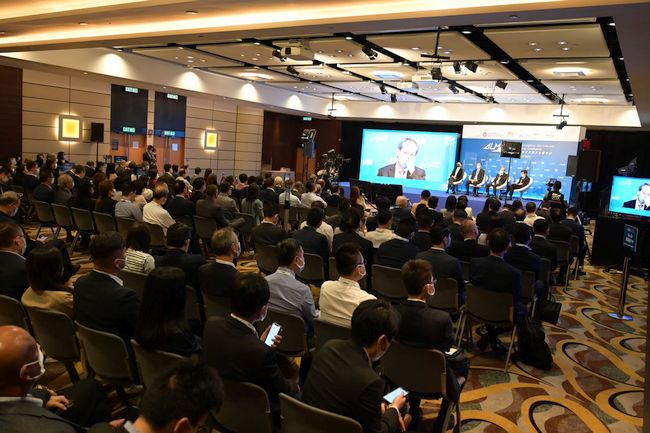
Jointly organised by the Government of the Hong Kong Special Administrative Region (HKSAR) and the Hong Kong Trade Development Council (HKTDC), the 11th Asian Logistics, Maritime and Aviation Conference (ALMAC) has concluded, successfully running in an online-and-offline hybrid format. Sixty-three industry experts and leaders shared their insights at close to 30 sessions at the two-day conference, attracting more than 11,200 viewers from some 60 countries and regions. They included participants from Hong Kong, Mainland China, newcomers from Mexico, Nigeria, Romania and more, highlighting how the event offered networking opportunities spanning the globe.

Jointly organised by the HKSAR Government and the HKTDC, the 11th Asian Logistics, Maritime and Aviation Conference has concluded, successfully running in an online-and-offline hybrid format.
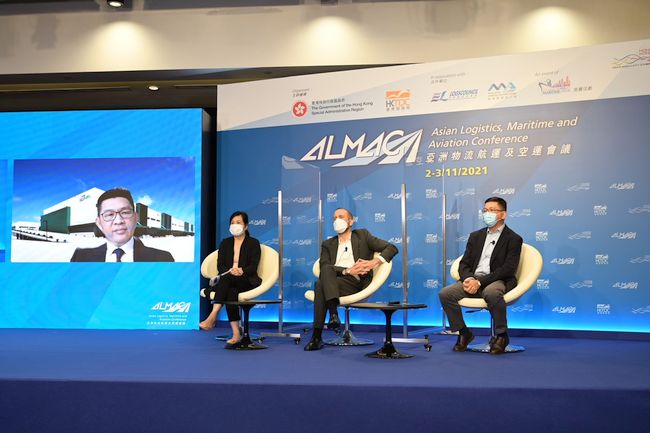
Victor Mok, Chairman and CEO, Asset Service Platform, GLP China (left, on screen), said Chinese logistics providers have implemented digital solutions, and cross-border e-commerce has greatly accelerated progress in this area.
A newly added physical and virtual exhibition showcased different logistics technologies, including 5G technology for warehouse management, smart logistics solutions, international payment solutions and the latest smart port developments.

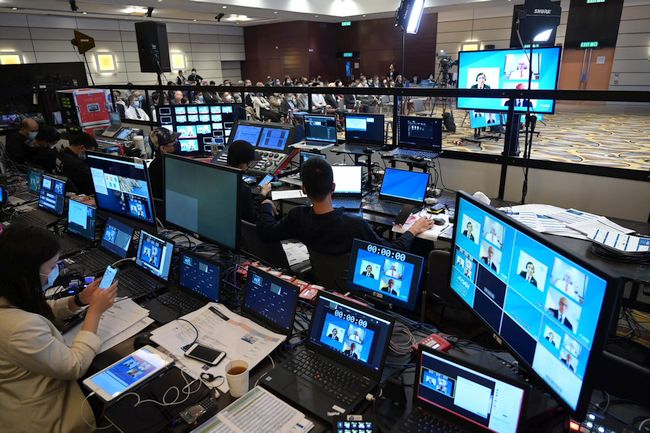
The conference’s hybrid format enabled industry players from around the world to expand their business connections and explore partnership opportunities both virtually and face to face. Six satellite venues were set up in collaboration with different industry organisations to enhance participation. Representatives could join the event at the main venue in Hong Kong or satellite venues in Chengdu, Chongqing, Guangzhou, Wuhan, Hamburg and more. In addition to running a live broadcast of the conference, some of the satellite venues invited experts to address logistics issues and experiences from a local perspective and enabled participants to enjoy face-to-face exchanges and business matching activities at the same time. Virtual roundtable meetings were also organised, connecting participants from Belgium, France, Germany, Italy and Luxembourg with industry players from Hong Kong and Mainland China, helping the industry react to new market trends.

New trade order and evolving intermodal networks in the Asia-Pacific
The COVID-19 pandemic has raised existential questions about globalisation and added weight to the topic of supply chain shortening, including near-shoring and re-shoring. As a consequence, supply chains are now becoming more regional than global – a development that is particularly noticeable in the Asia-Pacific region.

In the first Power Dialogue session, titled “New trade order and evolving intermodal networks in the Asia-Pacific”, three industry luminaries – Raymond Fung, Director of Trades, Orient Overseas Container Line; Kelvin Leung, CEO, DHL Global Forwarding Asia Pacific; and Joseph Phi, Group CEO, Li & Fung – discussed how shippers and other industry players are adjusting to the post-pandemic era and how the region’s supply chain network will evolve in the coming years.

Mr Fung said businesses have needed to increase dialogue with each and every customer and have also had to cater for certain SMEs they previously wouldn’t have dealt with over the past couple of years. As service providers, he said shipping lines must live with what the customer wants and adjust accordingly. “For example, we have been using big-bulk vessels, as long as they are seaworthy, to run short-distance trips for certain customers,” he said. With the growth of e-commerce and the use of artificial intelligence by some carriers and customers, he hoped it would be easier to forecast demand, with shipping lines able to come up with different sizes of vessels and different routings to better cater for customers’ requirements.

Mr Leung said that a lot of issues, such as port congestion and traffic congestion, were happening even before the pandemic. Infrastructural issues already existed but have been amplified by the pandemic. Even before COVID-19, many industries and companies had been rethinking how to position their supply chain, sourcing models, manufacturing models, and so forth, focusing on enhancing the transparency of their supply chain and the resilience of the supply chain model. “Digitalisation is going to change the way we operate going forward, and ESG is becoming more important because our industry creates a lot of emissions, and we have to address that,” Mr Leung said.

Mr Phi explained that for many companies, the worst affected area has been the supply chain. Before the pandemic, the supply chain was largely invisible and for many companies it was never part of the corporate agenda. But today, the supply chain is front and centre. “We have surging demand, rising transportation costs, manufacturing delays, port congestion, labour shortages, trade disputes, trade policies, inflation, and so on, so the whole supply chain is facing the perfect storm,” he said. “The more progressive companies are doing things to create value in their supply chains. The overarching theme they have adopted is they have hit the reset button, concluding that the pandemic is a perfect occasion to reset their strategies and refresh the way they execute their strategies, so they are trying their very best to make their supply chains more resilient and agile.”

Moving forward to a smart air cargo future
With the accelerated adoption of e-commerce worldwide and growing industry demand for more efficient and transparent logistics, digital transformation and collaboration among supply chain stakeholders has become a necessity in this fast-changing global trade environment. Victor Mok, Chairman and CEO, Asset Service Platform, GLP China; Mark Slade, Managing Director, DHL Global Forwarding Hong Kong & Macau; Brendan Sullivan, Global Head of Cargo, International Air Transport Association; and Yvonne Ho, General Manager, Hong Kong & Macau, International Air Transport Association, examined the future for smart air cargo and shared their insights on air cargo digitalisation development trends and the impact of innovation.

Mr Sullivan said that as the world emerges from the COVID-19 crisis, a number of supply chain issues have also surfaced. There is strong consumer demand in the United States, which must be filled by Asian producers, but there are production slowdowns, personnel issues, and a re-emergence of the virus and its variants, which are creating additional challenges for the supply chain on both the manufacturing side and also in the US, which is seeing congestion in ports throughout the country. “Air cargo continues to rise and is trending above the rate of overall trade, so air cargo revenues are expected to be still close to one third of airline operating revenues. This is up significantly from the previous average of 10% to 15% growth,” Mr Sullivan said.

Mr Mok mentioned that over the past five to 10 years, Chinese logistics providers have implemented digital solutions to enhance the digital transparency and safety of cargo movements. Cross-border e-commerce has greatly accelerated progress in this area. “Digitalisation is a big word, but it doesn’t mean just moving things like processes from paper to online platforms. That is only the first small step,” Mr Mok explained. “The key is how you optimise the processes, using technology and data to improve the processes and therefore efficiency and transparency, to make better decisions than in the past.”

Mr Slade, meanwhile, told conference delegates that up to 60% of supply chain disruptions come not from direct suppliers, but further upstream from second- and third-tier suppliers. He explained that DHL uses an analytical tool to allow companies to get deeper into the supply chain and identify risks with suppliers that are actually two or three layers removed from their operations.

Global recovery and outlook for the shipping industry

Global maritime trade experienced large swings in volumes due to the unprecedented disruption caused by COVID-19. The pandemic has sent shockwaves through supply chains, shipping networks and ports. In addition, fluctuations in cargo trade brought an additional challenge to pandemic-related disruptions in the global supply chain. Jeremy Nixon, CEO, Ocean Network Express Pte Ltd, and Tim Power, Managing Director, Drewry Shipping Consultants, discussed the broader impact of the pandemic on the shipping industry.

Mr Nixon said that COVID-19 is still having a huge impact on global shipping and global logistics. but there is a misconception that it’s the container lines that have run out of containers and ships. The real issue, he said, is more on the land side, where there is a tremendous shortage of labour availability in warehouses, distribution centres and trucking companies, and on the whole logistics network in many countries around the world. As a result, container ships cannot get unloaded. “The challenge is not so much on the manufacturing side in Asia; it’s more on the destination market side, whether its North America, Europe or Latin America,” Mr Nixon explained.

Mr Power mentioned that in the period from 2010 to 2019, shipping lines barely earned its cost of capital. That meant no money was going into creating spare capacity, so when a disruption like COVID-19 came along, coupled with a demand surge, it was inconceivable that the system could cope. “In the short run the shipping industry is inelastic, as it takes two years from the time an order is placed to that when a new ship arrives. One big change we may see in the future is that production may be sourced back onshore or near-shore to avoid being totally exposed to long-haul supply chains,” he said.

In addition to the seminars, physical and virtual exhibition showcased different logistics technologies, including 5G technology for warehouse management, smart logistics solutions, international payment solutions and the latest smart port developments, connecting participants with the best business solutions. The ALMAC virtual platform also provides several interactive functions including artificial intelligence (AI)-driven business-matching services.

The Exclusive Dialogue sessions during the conference looked into the challenges faced by shippers and shared information on how corporations can develop new business models, operations and measures to minimise disruptions and risks. These new sessions allowed local participants to interact with conference speakers face-to-face.

Flagship event of Hong Kong Maritime Week
ALMAC is a flagship event of Hong Kong Maritime Week, organised by the Hong Kong Maritime and Port Board. The conference is supported by the Hong Kong Logistics Development Council and Hong Kong Maritime and Port Board. The HKTDC invited 20 global leaders from the logistics and shipping industries, along with representatives from internationally renowned companies, to serve as honorary advisors on setting the agenda and content of ALMAC.

Website
ALMAC: https://www.almac.hk/main/en/
Photo download: https://bit.ly/2ZShcAF

About HKTDC
The Hong Kong Trade Development Council (HKTDC) is a statutory body established in 1966 to promote, assist and develop Hong Kong’s trade. With 50 offices globally, including 13 in Mainland China, the HKTDC promotes Hong Kong as a two-way global investment and business hub. The HKTDC organises international exhibitions, conferences and business missions to create business opportunities for companies, particularly small and medium-sized enterprises (SMEs), in the mainland and international markets. The HKTDC also provides up-to-date market insights and product information via research reports and digital news channels. For more information, please visit: www.hktdc.com/aboutus. Follow us on Twitter @hktdc and LinkedIn

Media enquiries:
HKTDC’s Communications & Public Affairs Department
Christine Kam, Tel: +852 2584 4514, Email: christine.kam@hktdc.org
Clayton Lauw, Tel: +852 2584 4472, Email: clayton.y.lauw@hktdc.org

Asian Logistics, Maritime and Aviation Conference opens

  • Industry elites examine key issues as global supply chain reshapes

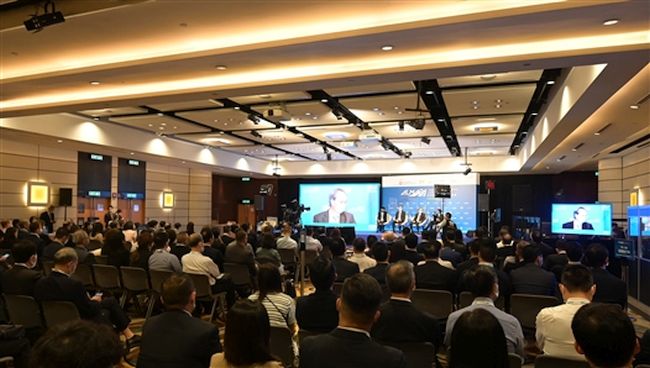
Jointly organised by the Government of the Hong Kong Special Administrative Region (HKSAR) and the Hong Kong Trade Development Council (HKTDC), the 11th Asian Logistics, Maritime and Aviation Conference (ALMAC) opened today at the Hong Kong Convention and Exhibition Centre (HKCEC), running in a hybrid format, with both physical and online elements, for the first time. At this annual signature event for the maritime, air freight, logistics and supply chain management sectors, 60-plus industry experts and leaders will share their insights at close to 30 sessions. The two-day conference expects to attract more than 10,000 viewers from some 60 countries and regions.

Jointly organised by the Government of the HKSAR and HKTDC, the 11th Asian Logistics, Maritime and Aviation Conference opened today at the Hong Kong Convention and Exhibition Centre, running in a hybrid format, with both physical and online elements.
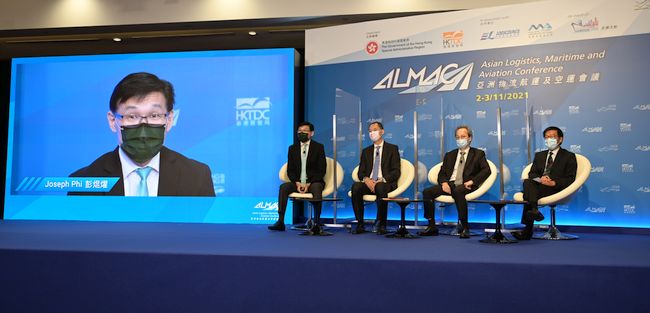
At the first Power Dialogue session, titled “New trade order and evolving intermodal networks in the Asia-Pacific”, panellists explored how shippers and industry players can address the challenges of a changing supply chain network in post-pandemic era.

Carrie Lam, Chief Executive of the HKSAR, officiated at the online opening. Margaret Fong, Executive Director of the HKTDC, welcomed international delegates to the conference, saying: “Central to this year’s conference theme – ‘RESILIENCE. AGILITY. SUSTAINABILITY Reshaping the Global Supply Chain’ – we will discuss the evolving intermodal networks in the Asia-Pacific region, e-commerce fulfilment and the post pandemic retail evolution. More important, we are also looking at the trend for sustainable supply chains, the opportunities and risks this global reshaping presents for industry players, as well as the way forward for sustainable development. New opportunities under China’s 14th Five-Year Plan will also be explored.”

Catching market trends from online to offline
Running in a hybrid format, the conference enables participants from around the world to expand business connections and explore partnership opportunities both virtually and face-to-face. Six satellite venues have been set up through different regional oraganisations and institutions to enhance the experience. Industry representatives can join the event at the main venue in Hong Kong or satellite venues in Chengdu, Chongqing, Guangzhou, Wuhan, Hamburg and more. In addition to running a live broadcast of the conference, some of the satellite venues have invited experts to address logistics issues and experiences from a more local perspective and enable participants to enjoy face-to-face exchanges and business matching activities at the same time. Virtual roundtable meetings have also been organised to connect international participants from Belgium, France, Germany, Italy and Luxembourg with industry players and associations from Hong Kong and Mainland China, helping to create new business opportunities.

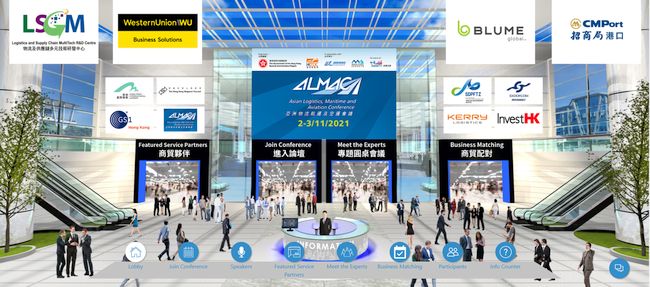
In addition, a newly added physical and virtual exhibition showcases different logistics technologies, including 5G technology for warehouse management, smart logistics solutions, international payment solutions and the latest smart port developments, connecting participants with the best business solutions. The ALMAC virtual platform also provides several interactive functions including artificial intelligence (AI)-driven business-matching services.

Exploring the current business landscape
The three Power Dialogue sessions are the highlight of this year’s conference, with heavyweight speakers examining the industry outlook and sharing valuable insights. As supply chains become more regional than global, leading to changing trade patterns and evolving supply chain networks in the Asia-Pacific region, ALMAC kicked off this morning with a Power Dialogue discussion on the theme “New trade order and evolving intermodal networks in the Asia-Pacific”. Several salient topics were explored, including how shippers and big industry players can address the challenge of a changing supply chain network in the post-pandemic era. Moderated by Billy Wong, Deputy Director of Research, Hong Kong Trade Development Council, the speakers at the session included Raymond Fung, Director of Trades, Orient Overseas Container Line; Kelvin Leung, CEO, DHL Global Forwarding Asia Pacific; and Joseph Phi, Group CEO, Li & Fung.

In the Power Dialogue session on day two of the conference (3 November), themed “Post-pandemic megatrends in e-commerce”, Kenny Ng, Logistics Director of Global Supply Chain, Cainiao Network, and Hita Supranjaya, Director, Buka Pengadaan Indonesia, Bukalapak, will examine the new logistical challenges merchants are facing and explore how they can develop fulfilment strategies that adequately address supply chain, inventory management and delivery issues.

Numerous governments around the world have committed to achieving net-zero carbon dioxide emissions by 2050 and the global supply chain will definitely play a role in achieving this goal. Under the theme “Beyond 2050: A quest for zero-carbon and sustainable supply chain”, the final Power Dialogue session will have Tony Domingo, Senior Vice President, Group Supply Chain and Procurement, Nestle China, and Ed Lam, CEO, LFX, sharing their thoughts.

Capturing GBA opportunities and the future for smart air cargo
With its modern and sophisticated aviation hub and factors such as its simple and fast customs clearance procedures, Hong Kong’s air cargo transport sector has developed as one of the world’s major players. Despite the severe impact of the pandemic on global air freight activities over the past year, international cargo traffic through the Hong Kong hub has remained resilient. Through the development of the Guangdong-Hong Kong-Macao Greater Bay Area (GBA), the city looks set to play an important role in the future development of aviation and logistics in the region. On the first day of the conference, the Air Freight Forum (Part I) featured Kaiser Lam, Regional Vice President Hong Kong & South China, Expeditors International of Washington, Inc, and Frosti Lau, Chairman, HKIA Air Cargo Carrier Liaison Group, exploring ways for companies to capitalise on GBA-focused opportunities.

The demand for air cargo remains buoyant as world trade continues to gain momentum, particularly in the e-commerce sector. However, the air freight industry has lagged behind in digitalisation and its efficiency not only needs to evolve to meet booming demand for e-commerce, perishables and specialty cargo shipments, but must also adapt to accommodate shifting supply lanes amid changing trade environments and evolving consumer expectations. This is creating significant logistics challenges and the digitalisation of air cargo management has become key to the industry’s progress. In the Air Freight Forum (Part II), Victor Mok, Chairman and CEO, Asset Service Platform, GLP China; Mark Slade, Managing Director, DHL Global Forwarding Hong Kong & Macau; Brendan Sullivan, Global Head of Cargo, International Air Transport Association; and Yvonne Ho, General Manager, Hong Kong & Macau, International Air Transport Association, examined the future for smart air cargo.

Hong Kong’s changing role as international maritime centre
In a world of increasing global competition, a market imbalance in supply and demand for goods, empty containers, and a shrinking tanker and bulker market have created challenges for the global supply chain. In Maritime Forum 1 on the first day of the conference, Jeremy Nixon, CEO, Ocean Network Express Pte, and Tim Power, Managing Director, Drewry Shipping Consultants, examined the major transformations taking place in the industry. Maritime Forum 2 featured Kenta Matsuzaka, Director, Senior Managing Executive Officer, Mitsui O.S.K. Lines; Martin Stopford, Director, Marecon; and James Tong, Managing Director, Head of Global Shipping & Logistics, Asia Pacific and Japan, Citi, discussing how green ship financing and carbon-zero trading has become a roadmap to a carbon-neutral 2050.

Hong Kong has long been a provider of high-value-added maritime services. Various measures have been introduced, including tax concessions for ship leasing and maritime insurance, as well as support measures for the maritime arbitration and training sectors. Moreover, the Belt and Road Initiative and the development of the Greater Bay Area are expected to bring enormous opportunities for all commercial sectors, including shipping. The Insight Exchange session has invited Sabrina Chao, President, BIMCO; Bjorn Hojgaard, CEO, Anglo-Eastern Univan Group; Rosita Lau, Partner, Ince & Co and Jonathan Jones, Director and Project Coordinator, Crew Assist, to discuss Hong Kong’s role as an international premier maritime centre and the way forward.

SCM & Logistics Forums cover digitalisation in logistics and social commerce
As the development of logistics and the supply chain is gradually driven by digitalisation, two SCM & Logistics Forums will be held tomorrow (3 November) to discuss digitalisation in logistics and supply chain agility. Co-organised with the Hong Kong Shippers’ Council, the first forum will include speakers from different organisations to examine the development of digitalisation in the logistics industry. Co-organised with GS1 Hong Kong, the second forum will discuss how firms achieve supply chain agility, building a competitive advantage in fast-changing markets and so enhancing business continuity.

Brand-new session allows real-time interaction
The Exclusive Dialogue sessions will look into the challenges faced by shippers and share how corporations can develop new business models, operations and measures to minimise disruptions and risks. These new sessions will allow local participants to interact with conference speakers face-to-face.

InnoTalks and MarketTalks return to examine industry issues
The InnoTalks and MarketTalks sessions both return in 2021, with the former featuring smart port development in the Asia-Pacific region, latest developed heavy-lift cargo drones and digital solutions for ESG compliance reporting, helping conference participants keep abreast of technological developments in the industry. With logistics service users encountering various kinds of hindrances while conducting foreign trade, the MarketTalks sessions will feature key industry players from Chongqing, Guangzhou, Nansha, Neijiang, Qingdao, Shaanxi, Malaysia and Vietnam to provide the latest market insights and opportunity analysis, guiding attendees to explore business opportunities in the logistics ecosystem.

The ALMAC virtual platform provides several interactive opportunities to connect industry players. Among them, the Meet the Experts roundtable will be conducted in both online and physical formats, inviting shippers and logistics service providers to create more cross-industry interaction and discussion and provide participants with feasible insights and practical suggestions, helping to address some of the current supply chain challenges.

Flagship event of Hong Kong Maritime Week
ALMAC is a flagship event of Hong Kong Maritime Week, organised by the Hong Kong Maritime and Port Board. The conference is supported by the Hong Kong Logistics Development Council and Hong Kong Maritime and Port Board. The HKTDC invited 20 global leaders from the logistics and shipping industries, along with representatives from internationally renowned companies, to serve as honorary advisors on setting the agenda and content of ALMAC.

ALMAC: https://www.almac.hk/main/en/
ALMAC programme: https://www.almac.hk/main/en/s/info-programme2021
ALMAC speaker list: https://www.almac.hk/main/en/speaker/2021Speakers
Photo download: https://bit.ly/2ZFceXo

About HKTDC
The Hong Kong Trade Development Council (HKTDC) is a statutory body established in 1966 to promote, assist and develop Hong Kong’s trade. With 50 offices globally, including 13 in Mainland China, the HKTDC promotes Hong Kong as a two-way global investment and business hub. The HKTDC organises international exhibitions, conferences and business missions to create business opportunities for companies, particularly small and medium-sized enterprises (SMEs), in the mainland and international markets. The HKTDC also provides up-to-date market insights and product information via research reports and digital news channels. For more information, please visit: www.hktdc.com/aboutus. Follow us on Twitter @hktdc and LinkedIn

Media enquiries:
HKTDC’s Communications & Public Affairs Department
Christine Kam, Tel: +852 2584 4514, Email: christine.kam@hktdc.org
Clayton Lauw, Tel: +852 2584 4472, Email: clayton.y.lauw@hktdc.org

Wintermar Offshore (WINS:JK) Reports Turnaround 9M2021 Results

Wintermar Offshore Marine (WINS:JK) has announced turnaround results for 9M2021 with a net profit of US$0.49 million following a loss of US$7.44 mil in 9M2020.

Stronger oil prices and measures to streamline the fleet and reduce gearing helped in turning the Company around after several years of heavy losses. In line with the positive outlook for oil prices, utilization also improved to 66% in 9M2021 compared to 63% in 9M2020.

Owned Vessel Division
Owned Vessel Revenue for 9M2021 was reduced by US$0.2 million to US$24.4 million compared to 9M2020. During July and August, the delta variant of COVID-19 hit Indonesia hard and affected our operations in Asia. A few of our vessels were infected while crew change was delayed due to quarantine and travel restrictions, leading to unplanned downtime. This and the completion of some high end vessel contracts led to a lower margin for 3Q2021. However, since September the pandemic has waned significantly in Indonesia and business operations have recovered back to normal.

Despite the disruption from COVID-19, due to a much lower cost base and a smaller fleet, the Company made a US$4.1 mil gross profit this year for 9M2021 compared to a loss of US$2 million in 9M2020 on nearly the same revenue. Fuel costs rose to 37% as some high tier vessels were idle between contracts.

Chartering and Other Services
Contribution from the Chartering Division in 9M2021 jumped by 64% YoY from US$0.4 million to US$0.66 mil while contribution from other services also jumped 85% YOY to US$0.62 million in 9M2021 from US$0.34 million in 9M2020. These reflect the underlying improvements in offshore vessel demand.

Indirect Expenses and Operating Profit
Indirect expenses totaled US$3.92 million in 9M2021, falling 13% YOY from US$4.5 million, reflecting a much leaner organizational structure with lower overheads as compared to 2020. This has resulted from the fleet efficiency exercise over the past couple of years to sell less efficient vessels and reduce overheads. 9M2021 operating profit amounted to US$0.15 million.

Other Income, Expenses and Net Attributable profit
Since January 2021, the Company has sold 3 vessels and has already entered into a MOA to sell another three, registering in a US$2.4 million gain on sale of vessels. The total fleet now stands at 40 vessels. A total of US$9.5 million in vessel loans was repaid, bringing the Company’s net gearing down to 21.7% by end September 2021. Interest expenses for 9M2021 fell by 33% YOY to U$1.66 million in line with lower debt. Associated Companies generated income of US$0.24 million due to better operational results, bringing the other income to US$0.79 million for 9M2021 compared to a loss in 9M2020.

The stronger operational environment has boosted the bottom line, with net income attributable to shareholders of US$0.49 million for 9M2021, as compared to a US$7.44 million loss.

EBITDA for 9M2021 also rose by 13% YOY to US$10.2 million.

Oil & Gas Industry
As expected, the opening up of travel restrictions across the world has led to a spike in oil prices as supply has not been able to keep pace with growing demand for oil and gas. Global oil demand is expected to recover to pre-virus levels in 2H2022 and the 3rd quarter saw Brent crude oil prices breaking above US$85/barrel, levels not seen since 2014. This reflects the optimism in the oil and gas industry which has finally shown a cyclical recovery. In Indonesia, there are tenders for drilling projects due to start in early 2022.

Offshore Vessels
In line with the oil price spike, there has been an increase in purchases of second hand offshore vessels, and prices have turned around as vessels which had been on offer for a while were bought up. The international rig count has also picked up as more investments have commenced. This is in line with our optimistic outlook for the industry in 2022.

Strategy and Outlook
Over the past few months, the Company has stepped up the sale of older and less productive vessels to take advantage of the improvement in second hand OSV prices. The fleet now stands at 40 vessels, and more are planned to be sold in 4Q2021. This strategy to reduce bank debt as well as keep some cash on hand has created a stronger balance sheet. As banks are still reluctant to lend for vessel acquisition, the Company now has the flexibility to acquire assets as and when the opportunity arises without having to wait for bank loan approval.

Contracts on hand as at end September 2021 totalled US$64 million.

About Wintermar Offshore Marine Group
Wintermar Offshore Marine Group (WINS.JK), developed over nearly 50 years with a track record of quality that is both a source of pride and responsibility that we are dedicated to upholding, and sails a fleet of more than 48 Offshore Support Vessels ready for long term as well as spot charters. All vessels are operated by experienced Indonesian crew, tracked by satellite systems and monitored in real-time by shore-based Vessel Teams.

Wintermar is the first shipping company in Indonesia to be certified with an Integrated Management System by Lloyd’s Register Quality Assurance, and is currently certified with ISO 9001:2015 (Quality), ISO14001:2015 (Environment) and OHSAS 18001:2007 (Occupational Health and Safety). For more information, please visit www.wintermar.com.

Ms. Pek Swan Layanto, CFA
Investor Relations
PT Wintermar Offshore Marine Tbk
Tel +62-21 530 5201 Ext 401
Email: investor_relations@wintermar.com