15th Asian Financial Forum attracts 63,000+ views

43% of participants show optimism on outlook for 2022 economy

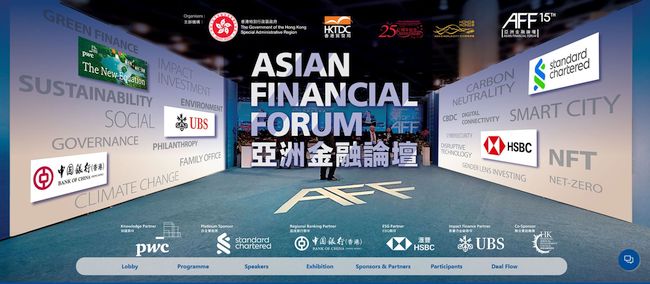
A highlight event celebrating the 25th anniversary of the Hong Kong Special Administrative Region (HKSAR), the 15th Asian Financial Forum (AFF), organised by the Government of the HKSAR and the Hong Kong Trade Development Council (HKTDC), came to a successful conclusion yesterday (11 January). Running on the theme Navigating the Next Normal towards a Sustainable Future, the online-only AFF 2022 featured real-time polls to gauge the views of participants on a spectrum of topics, including the global economic outlook, environmental, social and governance (ESG), climate risks and green investment trends. This year, over 700 one-on-one matchmaking meetings between investors and project owners have been arranged in the three-day AFF Deal Flow Matchmaking Session. As of 11 January, the AFF virtual platform had seen more than 63,000 views from 80 countries and regions.
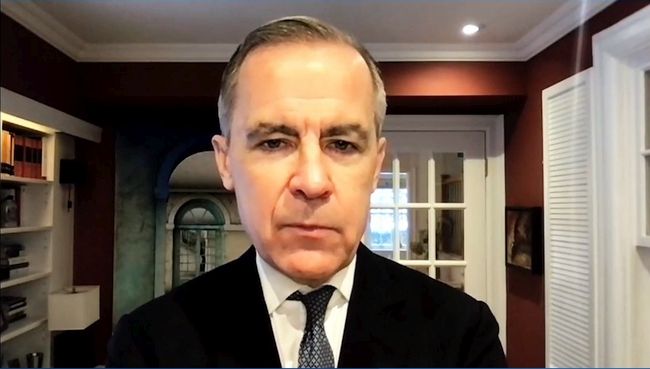
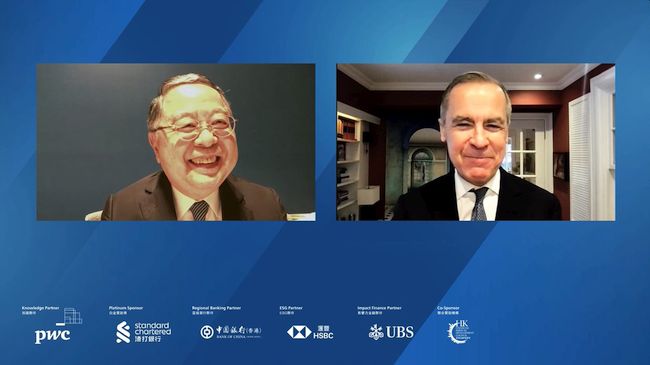
Mark Carney, United Nations Special Envoy on Climate Action and Finance, shared his insights on how to build a sustainable financial system as a way of mitigating the liability and transitional threats posed by climate change.
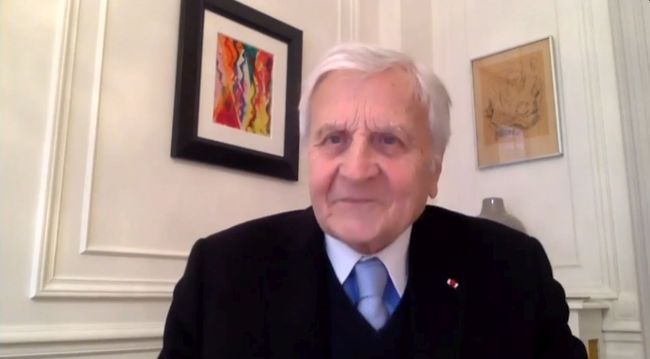
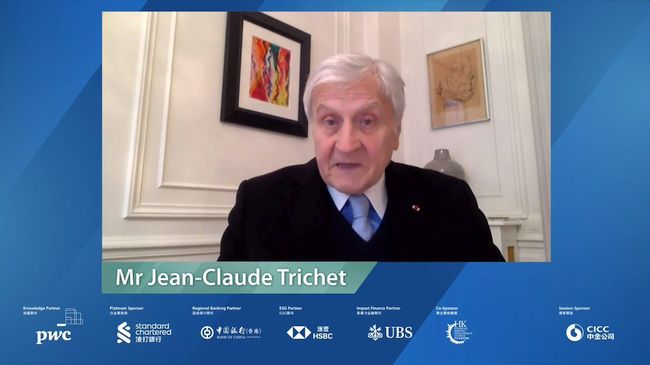
Jean-Claude Trichet, Former President, European Central Bank, offered his views on how the financial industry, regulators and policymakers should step up their concerted efforts in addressing key issues related to monetary stability in times of uncertainty.
This year’s AFF Deal Flow Matchmaking Session was held over three days with over 700 one-on-one matchmaking meetings arranged between project owners and investors.

Delivering his remarks on the second morning of AFF 2022, Paul Chan, Financial Secretary of the HKSAR, noted the tremendous opportunities for Hong Kong’s financial market created by Mainland China’s continued development. “The national 14th Five-Year Plan sets out the long-range objectives of the country through the year 2035, and strategically affirms the role and positioning of Hong Kong in the overall development of our country, presenting opportunities in various areas of importance. Of all the specific roles for Hong Kong that have been reaffirmed or established, the one of particular relevance to us on this occasion is Hong Kong’s continued expansion as an international financial centre, encompassing the strengthening of our status as a global offshore renminbi business hub as well as an international asset management and risk management business centre,” Mr Chan said.

43% of poll respondents optimistic on global economy; 33% say lack of unified ESG standards as top challenge of businesses
Online polls have been conducted during the AFF to gauge participants’ views on a range of issues including the global economic outlook and ESG. It found that 43% of respondents were optimistic about the outlook for the global economy in 2022 – a significant increase from 32% in the poll at AFF 2021 – while 33% of respondents had a neutral view and 24% expressed pessimism. The results indicate a generally more positive sentiment towards economic prospects in 2022.

When asked about the most significant barrier preventing their companies from implementing more ESG-friendly policies, 33% pointed to the lack of unified, easily understandable ESG standards and 22% cited the difficulty in balancing ESG practices and business goals. As for the sectors with the most opportunities for green investment in Asia, 45% identified green energy, followed by real estate and construction (16%), transportation infrastructure (14%) and agriculture and food (14%).

Pulse survey says neglecting ESG will lose business opportunities and clients
PwC and the HKTDC jointly presented a pulse survey, “ESG Investing: Challenges and Opportunities for Hong Kong”, during AFF 2022. Speaking at the forum, Elton Yeung, Vice Chairman of PwC China, said the survey indicated that more than half of the respondents believed that neglecting ESG factors could affect organisations’ ability to attract business opportunities and retain clients. Nearly 40% said it could affect their organisation’s reputation and the sustainability of their operations in the long run.

The report also pointed out that the involvement of boards and executive directors in ESG matters is effective in encouraging companies to move towards sustainability. The green bond market and unified carbon emissions trading market in the Guangdong-Hong Kong-Macao Greater Bay Area provides significant opportunities for the development of ESG investing in Hong Kong. However, respondents said they see the lack of a homogenous framework or standardised guidelines for measuring ESG factors as a challenge to implementing ESG practices and measures, corresponding with the result of the AFF online poll.

Heavyweight speakers share views on a range of topics
Several keynote speeches were featured at AFF 2022, including an address by Mark Carney, United Nations Special Envoy on Climate Action and Finance. Mr Carney shared his insights on how to build a sustainable financial system as a way of mitigating the liability and transitional threats posed by climate change. He said that governments need to step up with “ambitious, credible and predictable” policies that match their pledges. “Very importantly, countries are encouraged to enact ‘deep decarbonisation’ policies such as the phase-out of internal combustion engine vehicles by 2030 and legislate carbon pricing to deliver certainty. This is about giving greater certainty to investors and businesses, so they can pull forward with investment, smooth adjustments and drive jobs and growth upwards while they force emissions downwards. Finance is stepping up, the system is being changed, and there are enormous opportunities now for countries and companies, from affordable green power to zero-emission steel to low-carbon hydrogen and beyond. The financial sector has moved from being a mirror that reflects a world that hasn’t been doing nearly enough to becoming a window through which ambitious climate action can deliver a sustainable future.”

Another distinguished keynote speaker was Jean-Claude Trichet, Former President of the European Central Bank. He noted that the financial industry, regulators and policymakers should step up their concerted efforts when it comes to addressing key issues related to monetary stability in times of uncertainty. “[Macroprudential regulations] are more important than ever. We have to be very careful with regard to these buffers, countercyclical buffers, the systemic risk buffers, et cetera. We have to be very attentive to the loan-to-deposit ratio, to all these kinds of macroprudentials that are of extraordinary importance. It’s clear that the advanced economies have to be particularly cautious today and particularly attentive to their risks. Because if all that turns out to be a hard landing, every country in the world will pay a very high price for that. And, as always, the least developed, the poorest, the developing economies – they will have the most difficulty,” said Mr Trichet.

Looking at the financial world from a different angle, Michael Milken, Chairman, Milken Institute, shared on the positive changes that his philanthropic work has created for communities, “There is no substitute for continued investments in education. One of the things we learnt from COVID is that we need to provide knowledge and education, as it relates to the environment, to nutrition, and to the promise of science. Just developing new technologies and new techniques that are effective, COVID has shown us it’s not enough. We have to make sure that it is communicated so the billions of people on the planet can fully understand and have access to these technologies.”

Tian Guoli, Chairman, Executive Director, China Construction Bank, said: “In 2022, Asia will likely become a force to boost the development of sustainable development in a world full of uncertainties. Hong Kong will certainly play a more crucial role as an international financial centre.”

Ju Weimin, Vice Chairman, President & CIO, China Investment Corporation, a sovereign wealth fund, offered his analysis of the current macro investment trends in Asia and China, noting that sovereign wealth funds are a key source of global investment capital. “They have been the key players in developing the global financial market; they have grown rapidly and are making a bigger impact on the international market and capital flow. Especially since the global financial crisis, the total size of the sovereign wealth funds worldwide has doubled and is approaching the global size of alternative investment,” Mr Ju said.

Addressing the outlook for cryptocurrencies and blockchain, Sam Bankman-Fried, Founder and CEO of cryptocurrency exchange FTX.com, said: “One of the big goals of crypto is to be able to build an ecosystem where there is financial inclusiveness, where anyone can get equitable access to the financial markets. When you look at traditional markets, you just don’t see that ease of access. For some reason in crypto, the exchanges seem to play a very central role, whereas in the rest of the financial ecosystem they played a relevant role but a less central one. That is one big thing that really changes people’s minds on ecosystems as they walk through it.”

Bestselling author and Founder and Executive Chairman of Moven Brett King, also widely known as the “Godfather of Fintech”, offered his perspectives on how the emergence of innovative fintech solutions presents both an opportunity and a challenge to the banking and financial industries. “The first use of central bank digital currencies (CBDCs) en masse will probably be the Beijing Winter Olympics this year, where we see the CBDCs incorporated into the mobile wallet for the games. This is the first major evolution of money that we have seen since we moved from coins to paper banknotes. In a historical perspective, what we see right now with the creation of CBDCs and cryptocurrencies is an incredible point of change for humanity with respect to the design and intelligence of money,” Mr King said.

Over 700 meetings in AFF Deal Flow in three days
In response to high investment demand, this year’s AFF Deal Flow Matchmaking Session, co-organised by the HKTDC and the Hong Kong Venture Capital and Private Equity Association, is extended by a day and held over three days from 10 to 12 January. The AFF Deal Flow has facilitated collaboration between project owners, potential business partners and investors by arranging over 700 one-on-one meetings and connecting capital with investment projects from around the world. Over 720 projects in the AFF Deal Flow Matchmaking Session covered a wide spectrum of sectors, including fintech, healthtech, deep tech, consumer goods, infrastructure and real estate, environment, energy and environmental technology. More than 230 of the projects were ESG-integrated to meet the related needs of investors.

AFF online platform runs to mid-March, showcasing technologies from 130+ exhibitors
Video playback of all the sessions and virtual exhibitions from AFF 2022 will be available through the event’s online platform until 11 March 2022. Participants can enjoy round-the-clock access to 60 keynote speeches and panel discussions as well the exhibitions of more than 130 local and international financial institutions, tech companies, start-ups and investment agencies, showcasing a plethora of advanced financial technologies and unmissable investment opportunities.

Overview of participants’ responses in AFF 2022 polls
1. What is your outlook for the global economy in 2022?
Optimistic 43%
Neutral 33%
Pessimistic 24%

2. In which sector do you see the most opportunities for green investment in Asia?
Green energy 45%
Transportation infrastructure 14%
Water and waste treatment 9%
Reforestation 2%
Real estate and construction 16%
Agriculture and food 14%

3. What is the most significant barrier preventing your company/institution from implementing more ESG-friendly policies?
The difficulty in balancing ESG practices and business goals 22%
Lack of ESG understanding among key personnel 16%
Lack of unified, easily understandable ESG standards 33%
Poor data quality and consistency in terms of ESG performance evaluation 14%
Lack of commitment to ESG practices among senior management 6%
Insufficient government support 9%

Websites
– Asian Financial Forum: https://www.asianfinancialforum.com/aff/en/
– AFF programme: https://www.asianfinancialforum.com/aff/en/programme/programme
– AFF speakers: https://www.asianfinancialforum.com/aff/en/speaker/main
– Photo download: https://bit.ly/3HRXNQo

Media enquiries
Please contact the HKTDC’s Communications & Public Affairs Department:
Janet Chan, Tel: +852 2584 4369, Email: janet.ch.chan@hktdc.org
Clayton Lauw, Tel: +852 2584 4472, Email: clayton.y.lauw@hktdc.org
Agnes Wat, Tel: +852 2584 4554, Email: agnes.ky.wat@hktdc.org

About HKTDC
The Hong Kong Trade Development Council (HKTDC) is a statutory body established in 1966 to promote, assist and develop Hong Kong’s trade. With 50 offices globally, including 13 in Mainland China, the HKTDC promotes Hong Kong as a two-way global investment and business hub. The HKTDC organises international exhibitions, conferences and business missions to create business opportunities for companies, particularly small and medium-sized enterprises (SMEs), in the mainland and international markets. The HKTDC also provides up-to-date market insights and product information via research reports and digital news channels. For more information, please visit: www.hktdc.com/aboutus. Follow us on Twitter @hktdc and LinkedIn
15th Asian Financial Forum opens

More than 170 global business leaders and policymakers explore a sustainable future for world’s economy

Organised by the Government of the Hong Kong Special Administrative Region (HKSAR) and the Hong Kong Trade Development Council (HKTDC), the 15th Asian Financial Forum (AFF) opened today as an online-only event. AFF 2022 is a highlight event celebrating the 25th anniversary of the HKSAR. The two-day forum features 60 sessions including keynote speeches and in-depth discussions along with an array of activities such as exhibitions and the AFF Deal Flow Matchmaking Session. All activities at AFF 2022 will be streamed live on the event’s virtual platform.

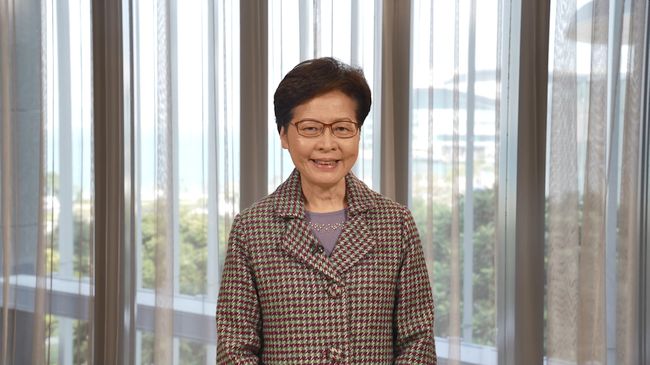
Carrie Lam, Chief Executive of the HKSAR, delivered remarks at the opening ceremony of the 15th Asian Financial Forum
Mark Carney (R), United Nations Special Envoy on Climate Action and Finance, shared his insights on how to build a sustainable financial system. Mr Carney was introduced by Ronnie Chan, Chair, Hang Lung Properties Limited (L)
Jean-Claude Trichet, Former President of the European Central Bank

Under the theme “Navigating the Next Normal towards a Sustainable Future”, more than 170 global business leaders, policymakers, financial and wealth management experts, entrepreneurs, tech giants and economists from 16 countries and regions speak at the AFF, and examine the key issues reshaping the economic landscape, including how industries can realise sustainable and inclusive development through impactful venture capital and business strategies.

Carrie Lam, Chief Executive of the HKSAR, officiated at the forum’s opening ceremony. In her opening remarks she noted that: “With ‘One Country, Two Systems’ back on the right track, international investors and observers have shown confidence in Hong Kong. The latest Global Financial Centres Index, in September last year, ranked Hong Kong third globally among the more than 100 financial centres assessed, behind only New York and London. Looking ahead, beyond the pandemic and the continuing cloud it raises over global economic growth, particularly associated with the Omicron variant, we see boundless possibilities.”

In his welcome remarks, Dr Peter K N Lam, Chairman of the HKTDC, said: “This year is especially meaningful because the AFF is also the first of many events to celebrate the 25th anniversary of the Hong Kong Special Administrative Region. While we are still tackling the pandemic, we are also looking beyond the pandemic to recovery, which is the main direction of the AFF theme this year. We have brought together policymakers and business leaders from around the world to discuss important global issues from an Asian perspective. This year, our event will again be held virtually, and I hope we can reach more people from around the world to share ideas and inspire each other.”

Three heavyweight financial ministers from Mainland China delivered special remarks during the opening session. They included Dr Shang Fulin, Director of the CPPCC Economic Affairs Committee, Former Chairman of the China Banking and Insurance Regulatory Commission, and Former Chairman of the China Securities Regulatory Commission; Dr Fang Xinghai, Vice Chairman, China Securities Regulatory Commission; and Xiao Yuanqi, Vice Chairman, China Banking and Insurance Regulatory Commission.

Dr Shang noted: “Global openness requires cooperation, and a rules-based multilateral trading system is the cornerstone of economic globalisation and free trade. The international community must double-down on consensus-building and actions. We must also stand firm on maintaining openness, inclusiveness, dialogue and collaboration to jointly address global issues and challenges. This will enable us to promote stronger and greener global development and champion a community with a shared future.”

Mark Carney and Jean-Claude Trichet deliver keynote speeches on first day
Mark Carney, United Nations Special Envoy on Climate Action and Finance, delivered a keynote address on the first day of AFF 2022. He shared his insights on how to build a sustainable financial system as a way of mitigating the liability and transitional threats posed by climate change. “From a general perspective, the risks of future pandemics have gone up because of climate change. And what is disappointing is that we have known of these risks of pandemics for a long period of time. The upfront investment against them in terms of healthcare capacity, testing, et cetera, is extremely modest relative to the cost, and we still haven’t made those investments on the scale that we need. We have to take this seriously. It is compounded by climate change,” Mr Carney said.

Another distinguished speaker was Jean-Claude Trichet, Former President of the European Central Bank. He noted that the financial industry, regulators and policymakers should step up their concerted efforts in times of uncertainty.

Global financial policymakers and experts discuss green finance and sustainable growth
A plenary session chaired by Christopher Hui, Secretary for Financial Services and the Treasury of the HKSAR, was held following the opening session. Mr Hui joined together with an international panel of financial ministers, bank governors and policymakers to examine the characteristics of the post-COVID global economic new normal and discuss how the public and private sectors can collaborate to orient the global economy towards a green future with sustainable growth. The panellists included Vincent Van Peteghem, Deputy Prime Minister and Minister of Finance, Belgium; Mihaly Varga, Deputy Prime Minister and Minister of Finance, Hungary; Arkhom Termpittayapaisith, Minister of Finance, Thailand; Wimboh Santoso, Chairman of the Board of Commissioners, Financial Services Authority, Indonesia; Verena Ross, Chair, European Securities and Markets Authority; Jin Liqun, President and Chair, Asian Infrastructure Investment Bank; Muhammad Sulaiman Al Jasser, President, Islamic Development Bank; and Marcos Troyjo, President, New Development Bank.

At a policy dialogue in the afternoon, Eddie Yue, Chief Executive, Hong Kong Monetary Authority, chaired a panel featuring Ashley Alder, Chief Executive Officer, Securities and Futures Commission; Benjamin E. Diokno, Central Bank Governor, Philippines; Klaas Knot, Chair, Financial Stability Board and President, De Nederlandsche Bank; Teresa Ko, Co-vice chair, IFRS Foundation; and Dr Ma Jun, Co-Chair of G20 Sustainable Finance Working Group, Co-Chair of IPSF Taxonomy Working Group; Chairman and President of Hong Kong Green Finance Association. The panel exchanged views on how the financial system can better support a sustainable global recovery while keeping climate-related financial risks at bay.

Echoing the theme of AFF 2022, a panel discussion on “ESG & Sustainability” was also staged. Stewart James, Chief of Staff, Sustainability Policy & Regulation, HSBC, spoke with panellists including Andrew Erickson, Chief Productivity Officer, Head of International Business, State Street; Shinta Widjaja Kamdani, CEO, Sintesa Group; Amy Lo, Co-Head Wealth Management Asia Pacific, UBS Global Wealth Management; and Saker Nusseibeh, CEO, Federated Hermes International. The speakers shared their perspectives on how governments around the world, industry giants, financial institutions and philanthropists can work together towards the wider implementation of environmental, social and governance (ESG) to build a sustainable future.

Financial and business leaders examine global economic outlook
Other esteemed financial ministers and business leaders who spoke at AFF 2022 included Ju Weimin, Vice Chairman, President & CIO, China Investment Corporation, a sovereign wealth fund; Paul M Achleitner, Chairman of the Supervisory Board, Deutsche Bank AG; Tony O Elumelu, Group Chairman, United Bank for Africa (UBA) and Founder, Tony Elumelu Foundation; Bill Winters, Group Chief Executive, Standard Chartered plc; Tian Guoli, Chairman, Executive Director, China Construction Bank Corporation; Liu Jin, President, Bank of China Limited; Shriti Vadera, Group Chair, Prudential plc; and Douglas Flint, Chairman, abrdn plc.

AFF Deal Flow Matchmaking Session and fintech exhibition held online
From 10 to 12 January, the AFF Deal Flow Matchmaking Session is arranging a series of one -on-one matchmaking meetings on the virtual AFF platform to facilitate collaboration between project owners, potential business partners and investors. More than 600 investment projects, including over 200 ESG-related projects, are being showcased, covering sectors such as deep tech, digital technology and media, healthtech, education, infrastructure and real estate services.

Online exhibitions are also being held during AFF 2022. At the Fintech Showcase, InnoVenture Salon, FintechHK Startup Salon and Global Investment Zone, more than 130 local and international financial institutions, tech companies, start-ups and investment agencies are showcasing an array of advanced technologies and unmissable investment opportunities in various countries and regions. Meanwhile, the HKTDC, Mizuho Bank and Eureka Nova, a start-up incubation and open innovation platform established by New World Development, come together for the first time for AFF Accelerate. It provides a platform for entrepreneurs and innovators to bring their next-generation technology solutions from concept to fruition and adoption in the business sector.

Cryptonaire and eminent philanthropist speak on second day
Tomorrow morning will see another keynote speaker Brett King, Founder and Executive Chairman of Moven, sharing perspectives on how the emergence of new fintech developments presents both opportunities and challenges for the banking and financial industries. Sam Bankman-Fried, Founder and CEO of cryptocurrency exchange FTX.com and the richest person in crypto, who is also a Forbes 30 Under 30 honouree, will talk about his entrepreneurial journey and the outlook for blockchain and cryptocurrency. In addition, philanthropist Michael Milken, widely known as one of the most influential thinkers in US finance, will share some of the positive changes that his philanthropic work has created for communities, while Miao Jianmin, Chairman, China Merchants Group, will share his views on Mainland China’s carbon neutrality goals and green finance development.

Other highlight sessions tomorrow include “Decentralised Future – Accelerating Blockchain Innovation for Digital Assets & Transaction” and “Innovation Investment in NFT – Trends and Opportunities”, which will feature speakers such as Jason Bailey, Co-Founder & CEO, ClubNFT, and Francis Belin, President, Asia Pacific at Christie’s.

At the Family Office Symposium, co-organised by the HKTDC and the Private Wealth Management Association, Ronnie Chan, Chair, Hang Lung Properties; Adrian Cheng, Chief Executive Officer, New World Development; and Seri Cheah Cheng Hye, Co-Chairman and Co-Chief Investment Officer, Value Partners Group, will explore wealth management trends relating to family offices and discuss their development among Asian families.

Furthermore, a series of thematic workshops, “Dialogues for Tomorrow” and fireside chats will examine the future of such sectors as energy, food and agriculture, digital wealth management, cloud computing, paytech and healthcare. The speakers will also explore opportunities in the Guangdong-Hong Kong-Macao Greater Bay Area, venture capital trends and the net zero economy.

Websites

Media enquiries
Please contact the HKTDC’s Communications & Public Affairs Department:
Janet Chan, Tel: +852 2584 4369, Email: janet.ch.chan@hktdc.org
Clayton Lauw, Tel: +852 2584 4472, Email: clayton.y.lauw@hktdc.org
Agnes Wat, Tel: +852 2584 4554, Email: agnes.ky.wat@hktdc.org

About HKTDC
The Hong Kong Trade Development Council (HKTDC) is a statutory body established in 1966 to promote, assist and develop Hong Kong’s trade. With 50 offices globally, including 13 in Mainland China, the HKTDC promotes Hong Kong as a two-way global investment and business hub. The HKTDC organises international exhibitions, conferences and business missions to create business opportunities for companies, particularly small and medium-sized enterprises (SMEs), in the mainland and international markets. The HKTDC also provides up-to-date market insights and product information via research reports and digital news channels. For more information, please visit: www.hktdc.com/aboutus. Follow us on Twitter @hktdc and LinkedIn
HKTDC Export Index 4Q21: Hong Kong export growth set to slow to 8% in 2022

COVID-19 volatility and spiking logistics costs impact sentiment

The Hong Kong Trade Development Council (HKTDC) forecasts that Hong Kong exports will grow by 8% in value in 2022, down from the 25% expansion experienced in 2021. An uneven recovery, lingering threats from the COVID-19 pandemic, global supply chain disruptions and logistics bottlenecks, as well as rising concerns over inflation, are expected to restrain growth, HKTDC Director of Research Nicholas Kwan said.

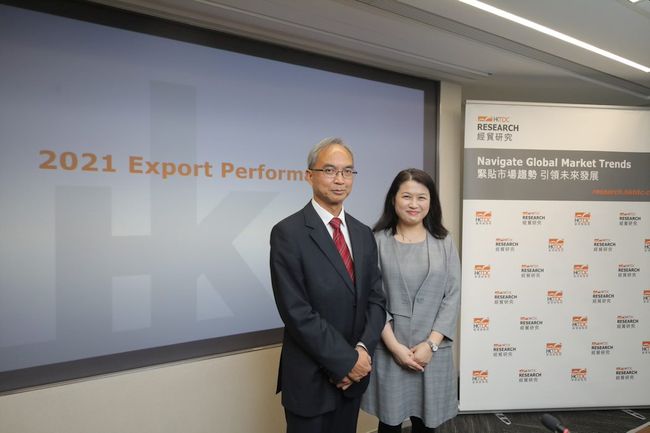
HKTDC Director of Research Nicholas Kwan and Assistant Principal Economist (Greater China) Alice Tsang announced the HKTDC Export Index for the fourth quarter of 2021 and gave the HKTDC’s prediction for export growth in 2022 at a press conference today.

In the most recent HKTDC Export Index survey, more local exporters (87%, up 20.4 percentage points from the previous quarter) said the pandemic had negatively affected their business. Soaring transport costs (60.2%), disruptions to logistics and distribution (53.2%) as well as difficulties in sourcing raw materials/parts and components (41.4%, up 16.8 percentage points) were cited as major impacts. More than 70% of Hong Kong exporters said they expect 2022 sales will decrease (42.6%) or just be on par (29.1%) with sales this year.

COVID-19 remains biggest threat
In the first 10 months of 2021, Hong Kong exports surged 26.7% year-on-year, albeit from a low base. “The remarkable growth outshone the global average, demonstrating the resilience of the city’s export sector. Nonetheless, lingering pandemic and market uncertainties are likely to cast a shadow on the local export performance in the coming year,” Mr Kwan said.

He added that the impact of COVID-19 (32.5%) remains local exporters’ top concern, followed by a stuttering economic recovery (15.7%) and borders remaining closed (11.6%).

From ‘just-in-time’ to ‘just-in-case’
Mr Kwan said COVID-19-related delays in shipments and issues related to port closures and congestion have adversely impacted the global supply chains in many areas. While 71.3% of respondents reported delivery delays, 39.8% experienced production schedule disruption and 38.4% passed extra shipping costs on to customers. Many exporters (62.4%) expect logistics costs to continue rising in the first quarter of 2022, with 39.8% anticipating an increase in the range of 10-30%.

He said manufacturers may reserve more buffer time for production in the pandemic recovery period. “Take the automobile industry as an example, where companies are switching from a ‘just-in-time’ strategy, with semiconductor chips, parts and components only delivered as needed, to embracing a ‘just-in-case’ strategy where they stock up on inventory to combat logistics bottlenecks.”

New products, new markets
On the bright side, the Regional Comprehensive Economic Partnership (RCEP) agreement takes effect on 1 January 2022. “With its phased tariff elimination, the RCEP is set to further develop and integrate regional supply chains, as well as encourage production specialisation in Asia. This will provide a fresh impetus for Hong Kong to fortify its role as an international trading hub,” Mr Kwan said.

Considering business strategies in 2022, almost half of the exporters surveyed (46.4%) indicated they planned to develop other product categories, with some opting to develop domestic markets in Mainland China (33.8%) or diversify sales to other overseas markets (30.5%).

Toy sector bearish
Meanwhile, the HKTDC Export Index dropped 1.8 points to 37.2 in the final quarter of 2021, “indicating that growing market uncertainties triggered by COVID-19 variants may continue to undermine local exporters’ confidence in the near term,” said HKTDC Assistant Principal Economist (Greater China) Alice Tsang.

Machinery (44.1, up 0.3 points) was the most promising sector, jewellery (40.7. up 0.8) and clothing (39.6, up 3.5) improved, while toys, down 19.0 points to 25.0, was the least optimistic sector. Exporters were equally cautious on major markets. Mild growth was expected in the Association of Southeast Asian Nations (ASEAN) bloc (45.8, up 1.3) and Japan (48.7, up 0.8), while the mainland market remained stable (47.6, down 0.2) and the United States fell 1.4 points to 42.9.

The Procurement Index and the Employment Index were more or less the same as the previous quarter, at 36.9 and 44.0 respectively. The Trade Value Index (57.0) remained in expansionary territory.

A total of 500 local traders from six major industry sectors including clothing, electronics, jewellery, machinery, timepieces and toys were interviewed for the HKTDC Export Index survey in mid-November. Readings above 50 indicate a positive sentiment, while below 50 is negative.

References
– HKTDC Research website: http://research.hktdc.com/
– HKTDC Export Index 4Q21: Exporter Sentiment Declines as Covid-19 Resurges and Logistics Costs Spiral https://bit.ly/3yC337H
– Hong Kong Export Outlook for 2022: Moderate Growth Amid Lingering Risks from Covid-19 and Growing Threats of Inflation https://bit.ly/3EWwN1b
– Podcast https://bit.ly/3pXDPfJ
– Photo download: https://bit.ly/3pWHKJQ

About HKTDC
The Hong Kong Trade Development Council (HKTDC) is a statutory body established in 1966 to promote, assist and develop Hong Kong’s trade. With 50 offices globally, including 13 in Mainland China, the HKTDC promotes Hong Kong as a two-way global investment and business hub. The HKTDC organises international exhibitions, conferences and business missions to create business opportunities for companies, particularly small and medium-sized enterprises (SMEs), in the mainland and international markets. The HKTDC also provides up-to-date market insights and product information via research reports and digital news channels. For more information, please visit: www.hktdc.com/aboutus. Follow us on Twitter @hktdc and LinkedIn
Media enquiries:
HKTDC’s Communication and Public Affairs Department
Beatrice Lam, Tel: +852 2584 4049, Email: beatrice.hy.lam@hktdc.org

HKTDC Lifestyle Sourcing Show | Physical + Online concludes, attracting some 9,500 buyers

  • Hybrid format generates new business opportunities for SMEs

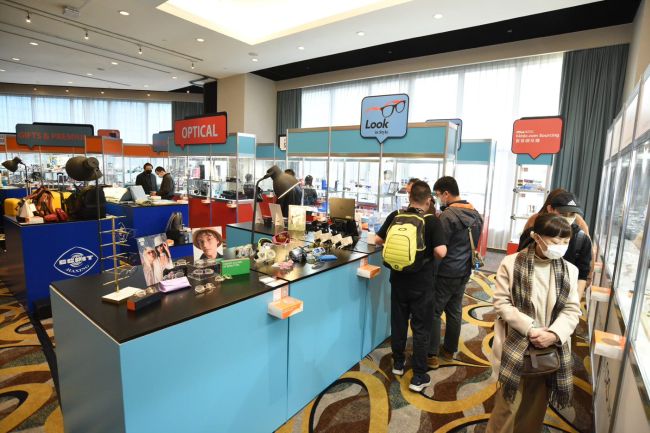
Organised by the Hong Kong Trade Development Council (HKTDC), the HKTDC Lifestyle Sourcing Show | Physical + Online came to a successful conclusion on 10 December. The physical show (1-3 December) and online show (6-10 December) welcomed some 9,500 buyers to visit in person or browse through a huge array of products online, while more than 3,100 business meetings were arranged during the show.

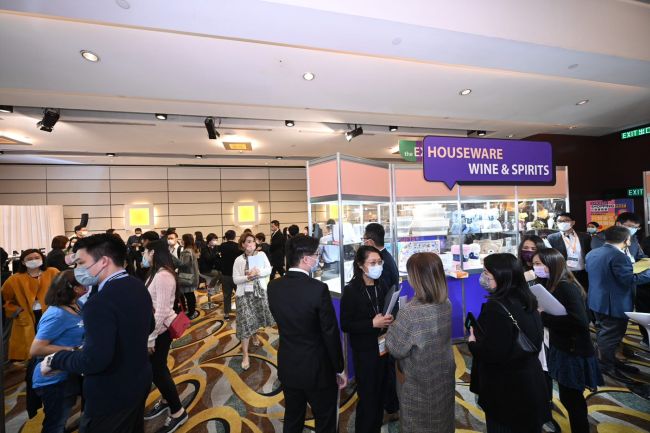
The HKTDC Lifestyle Sourcing Show | Physical + Online came to a successful close on 10 December. The three-day physical show attracted industry players to source from a huge array of products and conduct business discussions in person.
Lively discussions took place between buyers and suppliers at networking sessions held during the physical show.

More than 580 exhibitors from nine countries and regions participated the show to display the latest toys, baby products, gifts and premium, houseware, optical products, wine and spirits. Benjamin Chau, Deputy Executive Director of the HKTDC, said: “The hybrid format is a trend that’s here to stay. We are glad to see that the Lifestyle Sourcing Show has proved so effective in helping SMEs create new business opportunities despite the current travel restrictions. Besides hosting trade exhibitions, the HKTDC has responded to industry needs by organising more buyer networking sessions and thematic seminars to facilitate industry exchange both online and offline.”

Creating business opportunities online and offline
The Lifestyle Sourcing Show adopted an online-and-physical model to maximise business opportunities for participants. By mobilising its network of 50 offices worldwide, the HKTDC helped exhibitors and buyers take advantage of its premium physical exhibition services and also leverage its sophisticated e-commerce platform to secure business opportunities.

Lee Ming-him, Sales and IT Director of ASFA Bio-Tech Hong Kong Limited, a supplier of disinfectant products, said his company met with a potential buyer from a hospitality group that operates eight hotels in Hong Kong. The buyer planned to buy ASFA’s disinfectant and deodorisation spray to give to hotel guests as souvenirs. Mr Lee said he was satisfied with the HKTDC’s effective business matching service and planned to join more HKTDC trade fairs in the future.

Hong Kong brand Cellac Innovative Company showcased its award-winning earphones at the show. The company’s Marketing Manager, Sam Leong, said the online-and-physical model was not only cost-effective and flexible, but it also provided him with more time to establish connections with new buyers. He met a potential buyer from a Taiwanese tourism association and a potential business partner from a renowned e-tailer during the fair and said he is looking forward to developing business relationships with them.

Through the online show, exhibitors were able to promote their brands and products through visually creative virtual 3D booths. Meanwhile, the HKTDC’s online business matching platform, Click2Match, successfully arranged meetings by using artificial intelligence to conduct automatic matching between potential business partners.

On-site discussions at multiple buyer networking sessions
Buyer networking sessions were held during the physical show, attracting buyers and suppliers to attend and engage in on-site business discussions. Louis Chan, General Manager of H. Grossman Limited, said the Lifestyle Sourcing Show provided a good opportunity for them to conduct one-on-one meetings with exhibitors. The company identified four to five potential suppliers of toys and may buy up to 10,000 pieces per order.

Fracine Hui, Deputy Manager of Business Development Department of Influence Development Ltd., found the physical Lifestyle Sourcing Show to be an effective networking platform for buyers and exhibitors to exchange information and have preliminary business negotiations. During the show, the company met five potential suppliers of organic cotton dolls and other baby toys and plans to develop business with them in the future.

Thematic seminars shed light on marketing strategies during pandemic
The HKTDC organised a number of seminars during the show, with topics including a guide to stay ahead in a reshaped business landscape, mobile photography tips for lifestyle products, digital marketing strategies and the application and development of marketing technologies, in addition to the “Hong Kong International Optometric Symposium” and the “Business Guide to Toys and Baby Products Industries” webinar held before the show. A total of over 20,000 viewership at physical seminars and online platform were recorded. The playbacks of seminars and other events at the Lifestyle Sourcing Show can be viewed online at the fair website and the Click2Match platform.

Websites
– Lifestyle Sourcing Show: https://LSShow.hktdc.com
– hktdc.com Sourcing: https://sourcing.hktdc.com/
– HKTDC Media Room: http://mediaroom.hktdc.com/en
– Photo downloads: https://bit.ly/3m1getv

About HKTDC
The Hong Kong Trade Development Council (HKTDC) is a statutory body established in 1966 to promote, assist and develop Hong Kong’s trade. With 50 offices globally, including 13 in Mainland China, the HKTDC promotes Hong Kong as a two-way global investment and business hub. The HKTDC organises international exhibitions, conferences and business missions to create business opportunities for companies, particularly small and medium-sized enterprises (SMEs), in the mainland and international markets. The HKTDC also provides up-to-date market insights and product information via trade publications, research reports and digital news channels. For more information, please visit: www.hktdc.com/aboutus. Follow us on Twitter @hktdc and LinkedIn
Media enquiries:
HKTDC’s Communications & Public Affairs Department
Snowy Chan, Tel: +852 2584 4525, Email: snowy.sn.chan@hktdc.org
Agnes Wat, Tel: +852 2584 4554, Email: agnes.ky.wat@hktdc.org

HKTDC: Three online expos and forum conclude successfully

  • Opening up business opportunities; 26,000 participants recorded

The Hong Kong Trade Development Council (HKTDC) organised three expos and a forum through online streaming platforms last week. The three events, namely HKTDC Entrepreneur Day (E-day), the Business of IP Asia Forum (BIP Asia Forum) and the HKTDC SmartBiz Expo, covered topics ranging from driving innovation through intellectual property and sustainable development to entrepreneurship and business know-how, offering both theoretical and practical insights to help businesses address challenges worldwide.

With the theme “New Normal New Future”, HKTDC Entrepreneur Day and the HKTDC SmartBiz Expo attracted more than 12,000 viewers from 37 countries and regions.
Hang Seng Bank and HKTDC reached a strategic collaboration agreement that will see the organisations form a strategic alliance to promote innovation.
Aldric Chau, Head of Retail (e-Commerce & Travel Partnerships) at Cathay Pacific Airways Limited (top left); Andy Lau, Managing Director of Ngong Ping 360 (top right); Percy Kwan, Marketing Director of Klook (bottom)

Under the theme “New Normal New Future”, HKTDC Entrepreneur Day and the HKTDC SmartBiz Expo presented 25 seminar sessions in total and welcomed more than 50 industry experts and renowned speakers from across different industries to share their business know-how and offer innovative responses to market changes for the benefit of local small and medium-sized enterprises (SMEs) and start-ups. The two events attracted more than 12,000 viewers from 37 countries and regions.

With the theme “Unleashing Innovation for Sustainability and Growth”, the Business of IP Asia Forum (BIP Asia Forum) brought together more than 70 intellectual property (IP) professionals and business leaders from around the globe and over 14,000 viewers from 49 countries and regions to engage in in-depth discussions on the latest developments in the IP world. The forum served as a platform for interaction that connected guest professionals and business leaders with the audience.

Participants can revisit highlights of the expo and forum via video-on-demand until the end of December.

Embracing the Global Class mindset to expand internationally
Expanding a business into international markets is never an easy task. It becomes even more challenging during a pandemic, requiring businesses to take a holistic approach and outline a comprehensive expansion plan. At the HKTDC Entrepreneur Day, Aaron McDaniel, co-founder of 10X Innovation Lab, shared his views on expansion into global markets in the session “T-Chat: How to be a Global Class Company and Achieve Global Scale?”. Mr McDaniel has held various positions at AT&T, a Fortune 500 company, and is the youngest Regional Vice President in AT&T’s history. He embarked on his entrepreneurial journey in his early 20s and has accumulated extensive experience in various areas such as e-marketing and mobile-related applications.

Mr McDaniel said that companies with the “Global Class mindset” think global from day one. They build their team, their processes, their products, their strategies, and their core values in a way that can be localised or universalised. Global Class companies also have a different way of looking at talents and can bring in a team across the world. Subsequently, they use that local market knowledge to gain understanding and, ultimately, enter new markets. He also suggested that one of the hallmarks of Global Class companies is strong two-way communication. When there is an interesting insight or way of doing things learnt from a specific market, Global Class companies know how to spread the piece of useful information across their whole global footprint as opposed to keeping it just in one market.

Unicorns foresee robust post-pandemic growth in online shopping and payment
The session titled “Unicorn Fireside Chat – New Normal New Future” delved into the journey and success factors of entrepreneurship, bringing the latest insights from the new normal for the benefit of different industries. Komsan Sae Lee, founder and CEO of Flash Express, Thailand’s first unicorn, said that online shopping is no longer merely a service, but has grown into a type of infrastructure. The overall development of online shopping might be marginally affected when the pandemic is over. However, it is an irreversible trend for people to rely on online shopping to fulfil their daily needs. There might be fluctuations in the short term, but it will definitely turn into growth in the long run, he said.

Mr Lee added that he was happy about Flash Express becoming a unicorn, “This is a positive signal to some of the entrepreneurs, and this brings hope to the start-up teams in Thailand that they can become an outstanding business. This also means that Thailand has become a place that can make more and more people’s dreams come true. To investors, Flash as a unicorn is also an optimistic signal. Investors gain more confidence that Thailand’s start-ups are worth investing in.”

Airwallex has 19 offices worldwide and boasts a payment network that enables companies to conduct transactions in more than 150 countries. Arnold Chan, Head of SME (Hong Kong and Singapore) at Airwallex, believes that the pandemic has created opportunities for Airwallex clients to appreciate the convenience of their service when it comes to handling their financial service needs. Many of the company’s customers already had a physical bank account, but banks were failing to fulfil their needs under the pandemic. Users have been gradually shifting to their Airwallex accounts to carry out their financial operations. Mr Chan said this trend is here to stay after the pandemic and will continue to accelerate.

“Over the past two years, the demand for services provided by start-ups is growing bigger by the day. The COVID situation has led to a gradual digitalisation in the industry chain. Many start-ups have taken advantage of this opportunity to change the minds of traditional consumers or traditional industries. I think that the level of acceptance for technologies and start-ups will climb gradually, changing the entire start-up ecosystem for the better.”

E-commerce is accelerating faster than ever and has evolved into a service that provides more than a simple buy-and-sell function. However, online fraud and return issues have incurred a lot of extra expense for e-commerce companies. In “Tackling the Pain-points in Online Businesses”, Sarah Roden, Head of Operations, APAC, at Riskified and Roy Wan, co-founder and CEO of Return Helper Limited, presented innovative solutions to address these issues.

Ms Roden said that merchants partnering with Riskified can mitigate fraud and eliminate friction, as Riskified helps grow their partners’ revenue by increasing approval rates and eliminating drop-off. “Merchants have to create the easiest buying process possible in order to maximise sales while ensuring that the merchant and consumers are protected from fraud and abuse. On top of that, merchants must adhere to changing regulations and manage relationships with the banks and payment gateways. It is really hard for merchants to find the right balance here. We also offer liability shifts. If we tell a merchant that this is a legitimate order but we are wrong and that order is fraudulent, Riskified takes the financial liability for that order,” Ms Roden said.

Meanwhile, e-commerce accelerated greatly in 2020 due to the pandemic. Mr Wan said that the cross-border e-commerce market from China to the US grew 40% year-on-year to more than US$172 billion. However, both the return value and the total cost of online returns grew almost 100% year-on-year, meaning that returns are growing faster than the e-commerce market itself. This is a pain point for online businesses because they have to bear higher logistics and operational costs. Moreover, some of the returned merchandise will lose its commercial value. Online businesses are advised to partner with local recyclers to handle this returned merchandise. This can be a selling point for brands as online shoppers increasingly prefer to shop from companies that embrace ESG values.

Global Tech Summit on the future of 6G, metaverse and food technology
In addition to innovative ideas and inventions, businesses also need to protect their property rights through intellectual property transactions and patent systems, in order to provide continuous incentives for innovators to create and innovate. The Global Tech Summit, held last Friday at BIP Asia Forum, discussed the transformations driven by disruptive technologies and their impact on human living. Osman Yilmaz, 6G Program Manager at Nokia Bell Labs, believes that 6G will make extensive use of holographic videos. The 6G network will not only be a communication network, but a joint communication and sensing network, thanks to massive sensing and artificial intelligence (AI) in the technology. He explained that sustainability is also being taken into account in the 6G network design. “In 5G, some of the always-on signals such as reference signals have already been removed. But there is still room for improvement in 6G to reduce energy consumption. And I see that 6G will be one of the enablers. Having AI and machine learning in the picture for 6G, we can save up to 50% of energy.”

Yat Siu, Co-Founder & Executive Chairman of Animoca Brands, said that the metaverse being developed on social media platforms is a closed one. However, a true metaverse uses open-source platforms, and non-fungible tokens (NFTs) are one of the options. NFTs are powerful because they allow people to own open digital assets and eventually own part of the metaverse. “If you have a digital sword in your game, you do not actually own it. But in a blockchain, non-fungible token game, that asset belongs to you. Some other game companies can use that sword and compose on top of it to provide additional services. These are third-party composabilities on top of the assets that do not need permission from anyone. Also, decentralised autonomous organisations (DAO) will be the structures of the future. In this case, ownership is distributed to its users, meaning it serves the majority interest because the majority has a stake in it. The token infrastructure provides a way in which you can have decision making. And perhaps essentially it forms the most democratic format in which you can have ownership of a construction in the particular metaverse where you exist.”

Endless West is a food technology company using innovative methods to create wines and spirits at the molecular level. Alec Lee, the company’s Co-founder and CEO, said that its new production process ensures consistency in flavour when compared to the traditional way of making beverages. The company has effectively created a digital archive of a flavour profile. It means that they can create the same product today, tomorrow and in 100 years. They are not going to be bound by the effects of climate change and how that will impact flavours or the availability or scalability of certain products, nor by human output and changes in the process. “We can keep it consistent, or we can change it. That is the beauty of having a sort of digital control over the flavour profile of a product. This new way of thinking about building beverages is ultimately a technology that our future generations will use to make beverages.”

Sustainability trend is inevitable; start-ups continue to gain traction
The fourth edition of IPHatch Hong Kong, the open innovation competition, was launched during the BIP Asia Forum. The contest offers entrepreneurs patented technology portfolios of renowned multinational corporations to scale up their businesses. The launch and the breakout session focused on sustainable innovation, with representatives from prominent venture capital funds providing insights into the impact of sustainability on investment trends and decisions. Andrew Young, Associate Director (Innovation) of Sino Group, said that sustainability was an option in the past, but is a necessity now. Tech start-ups that can develop something good to fill the sustainability gap will see corporates willingly spend money to invest into those ventures or use the solutions. Jenni Risku, Impact Partner of Click Ventures, said that start-ups are never too small to make a difference. “If you look at every large company today, Facebook started in a dormitory. You could make a huge difference. That’s why you have all these accelerators – including us, as a VC – that want to invest in those people who want to make a difference, who have a big vision,” she said.

Quick commerce scrutinised at SmartBiz Expo
Since the onset of the pandemic, people have been relying more on e-commerce platforms to purchase daily necessities. Businesses and SMEs partnering with a suitable logistics and on-demand delivery service provider can have their goods delivered to consumers without delay and at a much lower cost. The session “Quick Commerce – the Latest form of E-commerce” welcomed a group of partners in a comprehensive e-commerce solution to analyse quick commerce with the audience.

KK Chiu, co-founder and CEO of Zeek, pointed out that when their customers transform from e-commerce to quick commerce, they are not only facing transportation resources issues, but also the need to build a comprehensive service system. “Zeek is supporting several major brands in Hong Kong, including Pricerite and HKTVmall. We are also supporting the fast delivery services of brands in Vietnam, Thailand and Singapore. This enormous demand for logistics services reflects that the market is moving towards the quick commerce business model,” Mr Chiu explained.

James Leung, Executive Director and CEO of Pricerite Group Limited, said the company aims to create value for its customers by leveraging the quick commerce model to cater for the specific needs of different groups of customers. “Seasonal products, home products, hygiene items and festive items are all products with immediate needs. They require time-sensitive delivery and Pricerite can deliver them to our customers within a few hours. The delivery capability of our stores is on par with that of small distribution centres in terms of systems, processes and manpower. With this, we can achieve point-to-point short-haul delivery and shortened waiting times,” Mr Leung said.

Joe Lai, co-founder of Wash Duck, said the company has become more diversified in its services to cater to the needs of the new generation of customers. Customers can easily access laundry services anytime with their mobile application. “Our vision is to revolutionise the traditional laundry service, so we are now piloting a storage box service in addition to offering a collection-delivery laundry service,” Ms Lai explained. “We will also be gradually launching different service products. We have also partnered with Zeek to provide regular, 24-hour, or even faster, collection-delivery laundry services to meet the needs of our customers.”

Hong Kong Telecom launched a telemedical service platform named DrGo last year. Teresa Ng, Head of Marketing at HKT Limited, said that Hong Kong people are hesitant about online transactions because of potential fraud and internet security issues. Therefore, DrGo’s entire system design, cloud and data storage is managed in Hong Kong, with a local team working to ensure internet security. Also, the service platform has been designed based on guidelines from the Hong Kong Medical Council to protect the interests of patients, doctors and medical institutions.

Businesses share tips on post-pandemic branding
The pandemic has changed purchasing preferences and consumer behaviour. In light of this, businesses have to enhance their brand image to rebuild trust with their customers and drive business development. In the session titled “Developing your Brand in Post-Pandemic Era”, representatives from three local brands shared how they broke through their brand image and repositioned themselves according to market needs and the new norm in consumer behaviour.

Aldric Chau, Head of Retail, e-Commerce & Travel Partnerships at Cathay Pacific Airways Limited, pointed out that online merchants often list a large number of products on their e-shops, taking an untargeted approach. However, this approach can make it difficult for customers to choose the products they need. With this in mind, Cathay Pacific did a lot of market research and communicated with their customers to understand their needs. Eventually, they selected some 10,000 products and partners. “The most important part of a purchasing process is after the checkout. I see this as the golden time to communicate directly with customers,” Mr Chau said. “In the past year, we have put a lot of effort into improving our after-sales and delivery service. We strived to shorten our delivery time and to improve our service quality. By November this year we were able to deliver products within one day, and the customer satisfaction level rose straight up to 80% that month.”

Andy Lau, Managing Director of Ngong Ping 360, said the cable car company has experienced pressure maintaining its operations with international travel brought to a halt. Therefore, they worked with their colleagues and potential partners neighbouring Ngong Ping 360 to drive change and made it through this difficult time. “While foreign visitors choose to visit a place based on their itinerary, local visitors have completely different expectations. They are more purposeful, and they want their experience to be one that can be shared with others and spread joy. They are generally having higher expectations and will look at the details in depth. Therefore, we need to launch different promotion offers to target different customer groups,” Mr Lau explained.

Percy Kwan, Marketing Director of Klook, said the company has put more local travel products on its platform than it did previously. “We would say that we are not a ‘travel tech company’, but a ‘tech travel company’. Whereas traditional companies digitalise at the operational level, Klook is a technology-driven company that puts its focus on travel. In face of drastic changes, the strong technology that backs the company will be of enormous help in enabling us to develop in other industries.”

Websites
– HKTDC Entrepreneur Day: https://portal.hktdc.com/eday/en
– Business of IP Asia Forum: https://bipasia.hktdc.com/en/
– HKTDC SmartBiz Expo: https://portal.hktdc.com/smartbizexpo/en/
– Photo download: https://bit.ly/3ImUmlQ

About HKTDC
The Hong Kong Trade Development Council (HKTDC) is a statutory body established in 1966 to promote, assist and develop Hong Kong’s trade. With 50 offices globally, including 13 in Mainland China, the HKTDC promotes Hong Kong as a two-way global investment and business hub. The HKTDC organises international exhibitions, conferences and business missions to create business opportunities for companies, particularly small and medium-sized enterprises (SMEs), in the mainland and international markets. The HKTDC also provides up-to-date market insights and product information via trade publications, research reports and digital news channels. For more information, please visit: www.hktdc.com/aboutus. Follow us on Twitter @hktdc and LinkedIn
Media enquiries:
HKTDC’s Communications & Public Affairs Department
Angel Tang, Tel: +852 2584 4544, Email: angel.hc.tang@hktdc.org
Clayton Lauw, Tel: +852 2584 4472, Email: clayton.y.lauw@hktdc.org

Business of IP Asia Forum opens today

  • IPHatch contest launches; experts talk on IP and sustainability

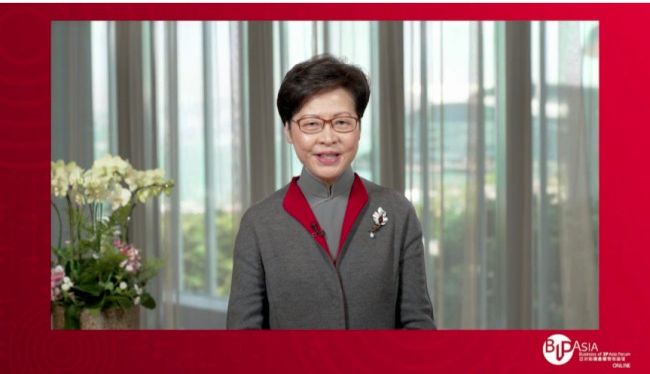
Jointly organised by the Government of the Hong Kong Special Administrative Region (HKSAR), the Hong Kong Trade Development Council (HKTDC) and Hong Kong Design Centre, the 11th Business of IP Asia (BIP Asia) Forum kicked off today. With the theme Unleashing Innovation for Sustainability and Growth, the two-day online forum brings together more than 70 intellectual property (IP) professionals and business leaders from across the globe to discuss the latest developments in the IP world. Officiating and delivering remarks at this morning’s Opening Session were Carrie Lam, Chief Executive of the HKSAR; Shen Changyu, Commissioner of China National Intellectual Property Administration; and Daren Tang, Director General of the World Intellectual Property Organization.

Carrie Lam, Chief Executive of the HKSAR, delivering her opening remarks online
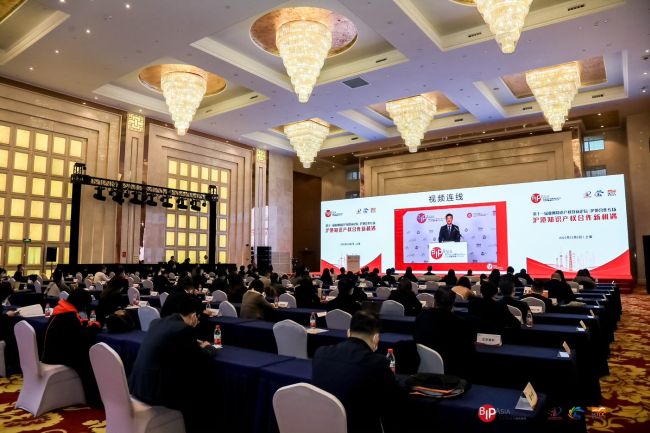
Satellite conferences have been set up in Guangzhou, Shanghai and Beijing, operating simultaneously with the main forum. The photo shows the satellite conference under way in Shanghai.
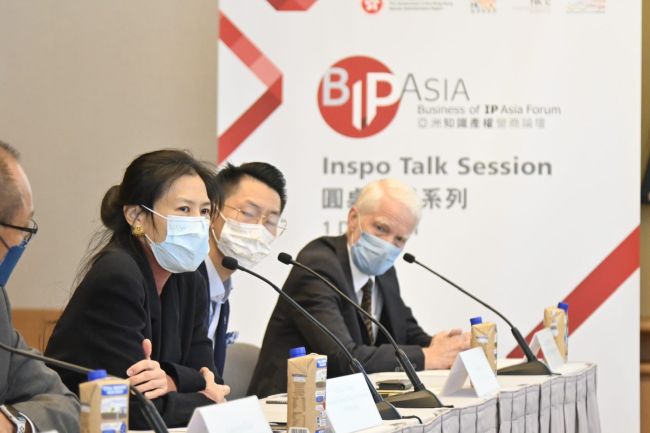
InspoTalk welcomed industry experts to share their experiences relating to different IP issues, as well as engaging in in-depth discussions and real-time interactions with participants.

Welcoming participants to the event, Margaret Fong, Executive Director of the HKTDC, said: “With the world still hard at work managing the COVID-19 pandemic, the subject of sustainable growth and resilience to global challenges is of utmost importance to entrepreneurs. Therefore, the theme for this year’s forum is ‘Unleashing Innovation for Sustainability and Growth’, through which we will explore how IP and innovation can help businesses and economies meet their sustainability goals, drive strategic, sustainable development, facilitate cross-sector convergence and shape new values.”

Ms Fong added that Hong Kong is an ideal platform for connecting IP activities in Asia to international markets through its expertise in IP trading, financing, commercialisation, licensing and technology transfer and other strengths. These include an internationally respected dispute resolution framework, robust IP protection regime, strong IP support services and comprehensive financial services.

IPHatch Hong Kong open innovation competition returns
The BIP Asia Forum is connecting local start-ups and multinational corporations to promote collaboration and convert ready-made patents into new business opportunities through the fourth edition of IPHatch Hong Kong, the well-received open innovation competition. The competition has incubated more than 30 Hong Kong start-ups over the past three years by offering them patented technology portfolios from renowned multinational corporations. Details of the latest contest were announced during the forum this afternoon.

The launch session focused on sustainable innovation, with representatives from renowned venture capital funds providing insights into the impact of sustainability on investment trends. Speakers included Andrew Young, Associate Director (Innovation) at Sino Group; Jason Loh, Founder and CEO of Piece Future; Jenni Risku, Impact Partner of Click Venture; Kevin Brisebois, Director of Innovation and Partnership at Brinc; and Priscilla Yeung, Director of Commercialisation at ASTRI. Previous winners of the contest also shared their entrepreneur stories and experiences in adopting existing patented technologies in various business areas to accelerate IP commodification. Representatives at the launch session included:

– Alexander Ying, Founder of DRESIO
DRESIO got the patent assignment on innovative cloud computing architecture technology from Nokia to elevate the integration of computer vision with sports science, helping users to improve personalised sport suggestions and enrich interactive media content.

– Steven Dominique Cheung, Founder of DragonflyX
DragonflyX aims to introduce the zero-emission DragonflyX which is hydrogen fuel cell “air taxi” to major cities and developing regions around the world. The Hong Kong start-up got patent assignment from Nokia in smart position tracking technology last year. It is now applied in the R&D and manufacturing of unmanned passenger aircrafts targeting Hong Kong, the Greater Bay Area and Southeast Asia.

– Simon Rhodes, Founder and CEO of 1bar.net
Simon is an experienced electronic engineer who has designed and produced numerous hi-tech products in the past two decades, including the world’s first low-cost ultrasonic flow reader and a domestic ultrasonic water meter. His company got patent assignment on intelligent objects recognition and locating technology from Nokia and Panasonic last year. Simon is combining this with real-time data to help bars and restaurants improve their operational efficiency efficiency and reduce waste.

This year’s IPHatch Hong Kong emphasises the concepts of digitalisation, smart city, Internet of Things, medical and related technologies. The contest is now open for application by start-ups and entrepreneurs.

IP as the driver for innovation
The forum is also facilitating in-depth discussion on the practices and challenges of sustainable development, helping economies and enterprises to withstand adversity through more flexible solutions. At the Keynote Session this morning, Gautier Engisch, Vice President and Associate General Counsel of Legal, Innovation, EMEA, and Global Fabric Care at Procter & Gamble, said companies have no choice in this pandemic but to confront the changes, with innovation guiding how we perceive the context and the way we think in a positive mindset. He also explained that Procter & Gamble had chosen to digitise all working files two years before the pandemic, which meant staff could carry on working from home during lockdowns. In that respect, he said, lockdowns barely presented any disruptions for the company.

Mr Engisch added: “When the pandemic is over, it would really be a shame if we forget everything we learnt about how we do our work in the pandemic and if we go back to what we were doing two years ago. If we do things right, I am convinced that we will end up with happier people who are more productive, creative and are willing to stay for longer. And that, I believe, is growth and sustainability.”

Meanwhile, the Plenary Session titled “Powering New Paradigms for Sustainability and Growth” saw industry leaders analyse how businesses can boost innovation and transformation, and enhance resource integration with patents. Ingrid Viitanen, Vice President, IP Legal, General Counsel, Nokia Technologies, said Nokia estimates that roughly 70% of the world’s economy still remains undigitalised, and the company is promoting its private wireless network solution as an effective way for enterprises to digitalise.

“The GSMA recently reported that although mobile networks do have their global carbon footprint, the positive impact of digitalisation on lowering CO2 emissions is 10 times greater than its negative impact. In other words, by increasing connectivity, improving efficiency and impacting behaviour change, mobile network and technologies are significantly helping avoid emissions,” Ms Viitanen said. “We see the critical need to enable others in the market to pick up and run with the technologies that we have developed. And we do this is several ways. First and foremost, we license our patents to those implement the inventions that we have developed. And at Nokia, we also actively license and transfer our software and other technology, especially in the field of audio.”

Patrick Guo, Chief IP Counsel of Midea, said innovation speed is the key to achieving science and technology leadership, and the company will continue to invest in research and development to increase its scale advantage and enhance the competitiveness of existing products through innovation. He also said that through industry litigation, the industry will become healthier and more respectful of intellectual property rights to sustain industry innovation. The company will continue to respect intellectual property rights and protect innovation actively, he said.

Winnie Yeung, Chief Legal Counsel, Greater China Region at Microsoft, and Hisashi Ishijima, Corporate Associate Vice President and Deputy General Manager of IP Division, Ricoh, shared their journey to achieving sustainability through innovation. Ms Yeung said Microsoft has been committed to taking responsibility to become carbon negative, water positive, zero waste, build a “planetary computer”, and become transparent in communication. Mr Ishijima said that Ricoh is now changing from being an office automation equipment manufacturer to a digital services company, to improve capital returns and expand corporate value sustainably.

Capturing Greater Bay Area opportunities under the 14th Five-Year Plan
China’s 14th Five-Year Plan has identified the Greater Bay Area as the country’s next-generation technology and innovation hub, which has further highlighted Hong Kong’s key position as a regional IP trading centre. This afternoon, in the session “Role of Hong Kong as a Regional IP Trading Centre under the 14th Five-Year Plan”, co-organised with the Intellectual Property Department of the HKSAR, regional experts representing Medialink Group Limited, the Chinese University of Hong Kong, the Hong Kong Applied Science and Technology Research Institute and the Hong Kong Institute of Arbitrators gathered to discuss Hong Kong’s competitive edge in IP trading under the 14th Five-Year Plan.

The session aimed to encourage businesses in the Greater Bay Area to leverage Hong Kong’s professional IP services to develop high-value-added products and services that can help them expand into international markets. It also encouraged international businesses to introduce high-quality IP products and services that cater for the needs of the China market. Another breakout session focused on cross-border IP licensing in the Greater Bay Area. Representatives from Whateversmiles, Sisvel, the Hong Kong Bar Association and Licensing Executives Society China offered insights into cross-border IP trade and related services.

Global Tech Summit explores disruptive technologies and transformation
Under the pandemic, innovation has become ever more important in the quest for breakthroughs in the fields of medical science, medical technology and telecommunications that can help to address global challenges. On day two of the forum (3 December), the Global Tech Summit will explore how technologies are reshaping the global economy and redefining different industries. The first part of the summit will feature Osman Yilmaz, 6G Program Manager at Nokia Bell Labs; Siu Yat, Co-Founder & Executive Chairman of Animoca Brands; and Alec Lee, Co-Founder and CEO of Endless West. In the second part, participants will explore developments in innovation in Hong Kong with local start-up pioneers Alvin Cheung, Co-Founder and CEO of HandyRehab (Zunosaki Limited); Vincent Fan, Co-Founder and Chief Strategy Officer of Zeek; and Justin Chan, Co-Founder and CEO of Gense Technologies.

Disputes on IPs often involve complex factors such as professional technologies and cross-border differences. Together with the challenges that have arisen from the pandemic, numerous innovative and diverse solutions to settle disputes have been developed. Tomorrow, a fruitful agenda of discussions will address topics across various industries and regions. In “New IP Collaboration Opportunities between Shanghai and Hong Kong”, co-organised with the Shanghai Intellectual Property Administration and Shanghai Changning Government, industry experts will explore potential collaboration between Hong Kong and Shanghai in the areas of innovation technology and IP. In addition, the speakers will discuss how Hong Kong’s technological achievements helped boost the innovation drive among mainland businesses and share examples of successful collaboration. The speaker line-up includes representatives from the Nano and Advanced Materials Institute, iFlytek and other industry experts.

Meanwhile a seminar titled “Your Successful IP strategy: Deal Making and Dispute Resolution in Hong Kong”, co-organised with the Department of Justice of the HKSAR, will feature Emmanuelle Ta, Chief Executive Officer of eBRAM International Online Dispute Resolution Centre; CK Kwong, Senior Partner of Messrs Sit, Fung, Kwong & Shum; and Winnie Tam, Chairman, Committee on Intellectual Property of the Hong Kong Bar Association. They will explore strategies for Hong Kong to leverage its competitive edge in terms of geographical location, socio-economic structure and professional services, with the goal of laying a sound foundation for the local IP industry, resolving disputes through innovation solutions, and grasping overseas opportunities.

The forum also joined hands with Aon in the IP Financing breakout discussion to examine the latest IP valuation solutions that can help enterprises with IP ownership improve their IP financing capabilities. The robust development of Asia’s creative scene and its innovation and technology industry have inspired companies to adopt IP as their business tool. Addressing this rising trend, representatives from VeriFi, Hong Kong Palace Museum, Global Group and other professionals were invited to share their views in a session titled “New IP Trends in Cultural and Arts Industries”.

In addition, the IP Training Programme, co-organised with the Intellectual Property Department, offered lectures on the fundamentals of various types of IP. By building a basic understanding of the rights of IP owners and users, this programme strengthened participants’ ability to protect and manage IP within their organisations. Another key element of the forum, InspoTalk, was conducted in a physical format yesterday (1 December) at the Hong Kong Convention and Exhibition Centre. Industry experts shared their experiences relating to different IP issues, such as IP financing, the intersection of IP and ESG, technology transfer, opportunities in non-fungible tokens and many more. The hosts also engaged in in-depth discussions and real-time interactions with participants.

Business of IP Asia Forum website: https://bipasia.hktdc.com/en/
Photo download: https://bit.ly/3pdBltu

About HKTDC
The Hong Kong Trade Development Council (HKTDC) is a statutory body established in 1966 to promote, assist and develop Hong Kong’s trade. With 50 offices globally, including 13 in Mainland China, the HKTDC promotes Hong Kong as a two-way global investment and business hub. The HKTDC organises international exhibitions, conferences and business missions to create business opportunities for companies, particularly small and medium-sized enterprises (SMEs), in the mainland and international markets. The HKTDC also provides up-to-date market insights and product information via trade publications, research reports and digital news channels. For more information, please visit: www.hktdc.com/aboutus. Follow us on Twitter @hktdc and LinkedIn
Media enquiries:
HKTDC’s Communications & Public Affairs Department
Angel Tang, Tel: +852 2584 4544, Email: angel.hc.tang@hktdc.org
Clayton Lauw, Tel: +852 2584 4472, Email: clayton.y.lauw@hktdc.org

Inaugural Asia Summit on Global Health successfully explores healthcare landscape

  • Event attracts 21,000+ participants, sustainable development and technological innovation in focus

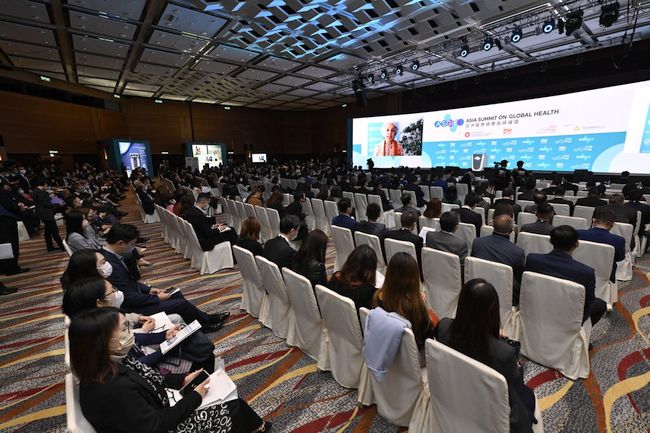
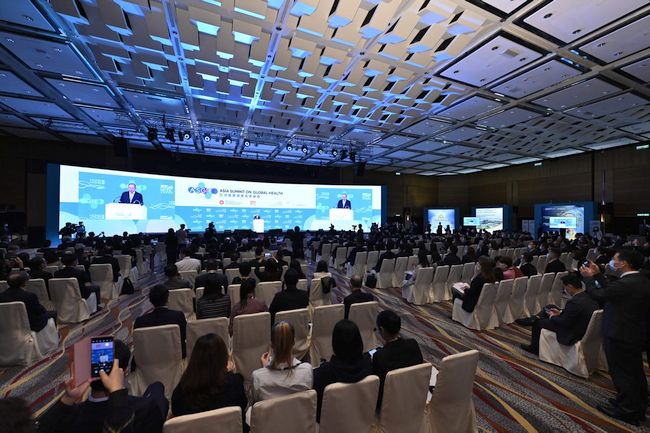
Co-organised by the Government of the Hong Kong Special Administrative Region (HKSAR) and the Hong Kong Trade Development Council (HKTDC), the inaugural Asia Summit on Global Health (ASGH) concluded successfully yesterday (24 November). The summit took place at the Hong Kong Convention and Exhibition Centre (HKCEC) in a hybrid format, offering both online and in-person participation from different regions and time zones, and featured more than 70 speakers, including senior government health officials from around the world, representatives of international organisations, medical research experts, as well as investors and business leaders.

More than 21,000 onsite and online participants from 46 countries and regions attended the inaugural Asia Summit on Global Health, co-organised by the Government of the Hong Kong Special Administrative Region and HKTDC.
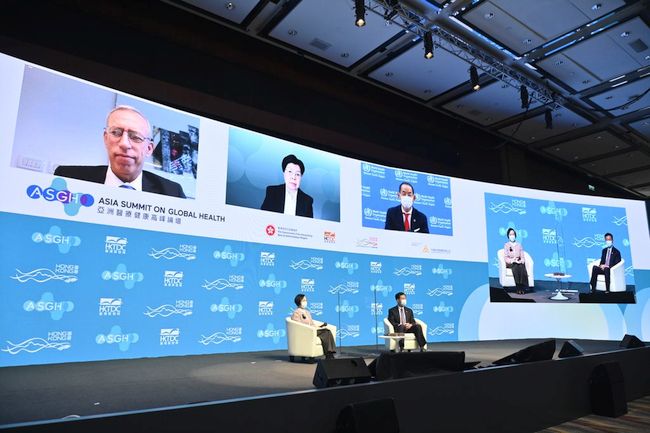
At the Policy Dialogue session, Dr Margaret Chan, Founding Dean, Tsinghua Univ Vanke School of Public Health & Emeritus Director-General, WHO, said “Our best hope to end this pandemic and to bring back normalcy to our life is to ramp up vaccine coverage.”
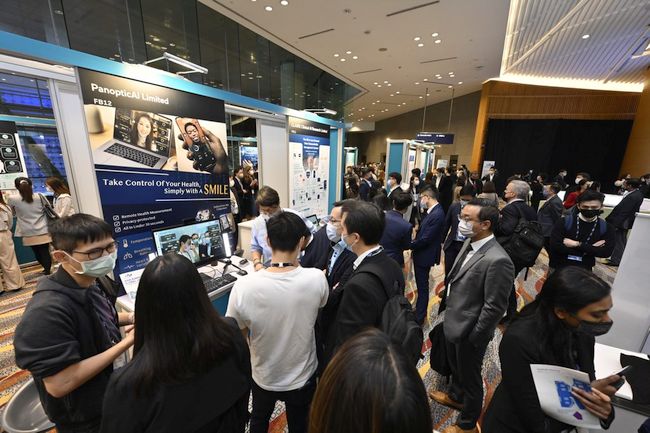
The InnoHealth Showcase and Exhibition featured the latest technologies from more than 150 global healthcare projects.

Through 18 thematic sessions, a succession of distinguished speakers discussed the latest scientific research development and investment opportunities in the medical and health industry from the perspectives of healthcare, finance and technology. The summit received an overwhelming response, attracting more than 21,000 onsite and online participants from 46 countries and regions. It also facilitated more than 200 one-to-one matching meetings between investors and project owners, helping to connect different players within the industry and create business opportunities. In addition, the summit highlighted the strengths of Hong Kong’s healthcare industry in the areas of scientific research, investment and financing, as well as the access to business platforms the city provides. All conference sessions will be available for on-demand replay until 23 December 2021.

Adapting to change and navigating the new normal
As the global healthcare industry undergoes fundamental change in light of the COVID-19 pandemic, the ability to pivot, innovate and adapt to the new normal has become paramount. At the plenary discussion under the summit’s theme, “Shaping a Resilient and Sustainable Future”, global business leaders and healthcare experts shared their views on the rapid reform and investment opportunities in the healthcare industry, exploring how to create a more resilient public health system that can withstand short-term and long-term challenges. The speakers included Chen Qiyu, Executive Director and Co-CEO, Fosun International Limited; Fred Hu, Chairman, Primavera Capital Group; Dr Dennis Lo, Director and Li Ka Shing Professor of Medicine and Professor of Chemical Pathology, The Chinese University of Hong Kong; and Leon Wang, Executive Vice President, International and China President, AstraZeneca. The session was moderated by Victor Chu, Chairman & CEO, First Eastern Investment Group (Hong Kong).

Chen Qiyu said: “Joint global R&D is an important model going into the future. This can expedite leading technology in the world so that it can move to clinical use faster. So, in the future, no matter whether the source of innovation is in the US, Europe, China or Japan, with this highly effective global cooperation we hope that in the shortest period of time these products can be used in Greater China. When we face the future, we need to change. We need more health innovations globally [and] we need far faster reform in the healthcare system integrated with new technology, digital technology, mobile healthcare facilities and also personal health data.”

Policy Dialogue explores sustainable development
Senior global health experts gathered at the Policy Dialogue session to exchange opinions on the future development of the public health system and ways to achieve sustainability. Chaired by Dr Margaret Chan, Founding Dean, Vanke School of Public Health, Tsinghua University and Emeritus Director-General, World Health Organization (WHO), speakers included Nachman Ash, Director-General, Ministry of Health, Israel; Sophia Chan, Secretary for Food and Health of the HKSAR; Dr Takeshi Kasai, Regional Director for the Western Pacific, WHO; Ma Xiaowei, Minister, National Health Commission, the People’s Republic of China; and Ong Ye Kung, Minister for Health, Republic of Singapore.

Dr Margaret Chan said: “In the short term, our best hope to end this pandemic and to bring back normalcy to our life is to ramp up vaccine coverage. At the global level, world leaders need to cooperate to ramp up vaccine production with equitable allocation, particularly to developing countries [as] ending this pandemic can be done in solidarity, by leaders of the world, under the technical coordination of the World Health Organization. In the medium to long term, we need a new relationship between humanity and our natural systems. We need holistic thinking in integrating our solutions.

Huge opportunities for healthcare industry under dual circulation
The panel discussion “Healthcare in China: Deciphering the Dual Circulation Opportunities” shed light on the dual circulation strategy’s impact on the healthcare industry in Mainland China. Chaired by Antony Leung, Group Chairman & CEO, Nan Fung Group and Group Chairman & Co-Founder, New Frontier Group, the speakers included Nicolas Aguzin, Executive Director, Chief Executive Officer, Hong Kong Exchanges and Clearing Limited; Cheng Cheung Ling, Vice Chairlady, Sino Biopharmaceutical Limited; Claudia Suessmuth Dyckerhoff, Board Member of Hoffmann-La Roche; Nisa Leung, Managing Partner, Qiming Venture Partners; Jieyuan Liao, Founder, Chairman and CEO, We Doctor Holdings Limited; and Rocky Tuan, Vice-Chancellor and President, The Chinese University of Hong Kong.

Antony Leung said: “Dual circulation is officially designed as domestic consumption-driven economic rebalancing, while keeping China open to international trade and investment. This is an area that may have a significant impact on the healthcare industry in China. Hong Kong’s plans to develop a healthcare hub, especially in the Northern Metropolis, will help establish synergy with other cities in the Greater Bay Area and provide a lot of opportunities for the healthcare industry.”

Claudia Suessmuth Dyckerhoff said: “Access to care can be secured not only by pushing for very low pharmaceutical and diagnostic prices, but also by more innovative insurance schemes. I think the two worlds have to come together to make innovation more accessible and obviously more affordable.”

Matchmaking and exchange for global healthcare investors
The ASGH Deal Flow Matchmaking service connected investors with owners of projects in the healthcare and medical sectors based on their shared areas of interest. By setting up one-to-one physical and online meetings between project owners and investors from venture capital, private equity, family offices and institutions, the summit provided a platform for global business exchange and collaboration. Investors, project owners and start-ups from around the globe proved eager to use the service, and the summit organised more than 200 one-to-one meetings, matching funds with global investment projects covering industries such as biotechnology, medical devices and drugs, digital health, community health and wellness.

The InnoHealth Showcase and Exhibition showcased the latest technologies from more than 150 global healthcare projects. Medical and healthcare investment project presentations and various activities took place both onsite and online, covering industries such as biotechnology, pharmaceuticals and medical equipment. Biotechnology and healthcare start-ups had the opportunity to meet with investors and industry experts in the Business of Healthcare Advisory Zone either onsite or through the summit’s digital platform to exchange ideas, seek advice and formulate business strategies.

ASGH to become flagship event
The HKTDC invited 18 healthcare industry and business leaders from around the world, as well as representatives from internationally renowned companies, to act as Honorary Advisers to the inaugural Asia Summit on Global Health and provide guidance on the agenda and arrangements. The HKTDC also arranged online roundtables to facilitate in-depth exchange and discussion on business opportunities between participants from different countries and regions, including Austria, France, Germany, the Netherlands and the United States, and industry representatives from Hong Kong and the mainland. The ASGH is now set to become an important annual flagship event in Asia addressing the issue of global healthcare.

Websites
– Event website: https://www.asiasummitglobalhealth.com
– Programme: https://www.asiasummitglobalhealth.com/en/programme/programme
– Speakers: https://www.asiasummitglobalhealth.com/en/speaker/speakers
– Photo download: https://bit.ly/3COMtlq

Media enquiries:
HKTDC’s Communication and Public Affairs Department
Sunny Ng, Tel: +852 2584 4357, Email: sunny.sl.ng@hktdc.org
Sam Ho, Tel: +852 2584 4569, Email: sam.sy.ho@hktdc.org

Yuan Tung Financial Relations
Agnes Yiu, Tel: +852 3428 5690, Email: ayiu@yuantung.com.hk
Hing-fung Wong, Tel: +852 3428 3122, Email: hfwong@yuantung.com.hk

About HKTDC
The Hong Kong Trade Development Council (HKTDC) is a statutory body established in 1966 to promote, assist and develop Hong Kong’s trade. With 50 offices globally, including 13 in Mainland China, the HKTDC promotes Hong Kong as a two-way global investment and business hub. The HKTDC organises international exhibitions, conferences and business missions to create business opportunities for companies, particularly small and medium-sized enterprises (SMEs), in the mainland and international markets. The HKTDC also provides up-to-date market insights and product information via research reports and digital news channels. For more information, please visit: www.hktdc.com/aboutus. Follow us on Twitter @hktdc and LinkedIn
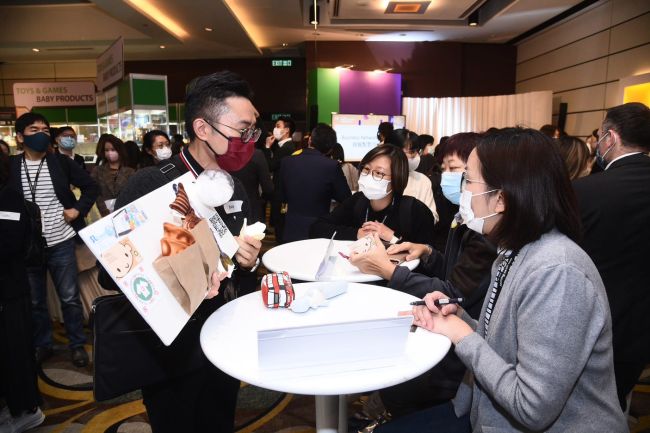
Inaugural Asia Summit on Global Health opens today

70+ business leaders and medical experts gather to examine healthcare landscape

Co-organised by the Government of the Hong Kong Special Administrative Region (HKSAR) and the Hong Kong Trade Development Council (HKTDC), the inaugural Asia Summit on Global Health (ASGH) opened today at the Hong Kong Convention and Exhibition Centre (HKCEC) in a hybrid format, offering both online and in-person participation. Themed “Shaping a Resilient and Sustainable Future”, the summit runs round the clock across different time zones. More than 70 speakers, including senior government health officials from around the world, representatives of international organisations, medical research experts as well as investors and business leaders, shared their insights from the perspectives of healthcare, finance and technology, and examined the latest technological developments and investment opportunities in the healthcare sector.

Co-organised by the Government of the Hong Kong Special Administrative Region and HKTDC, the inaugural Asia Summit on Global Health opened at HKCEC, offering both online and in-person participation.

Carrie Lam, Chief Executive of the HKSAR, Dr Peter K N Lam, Chairman of the HKTDC, and Dr Soumya Swaminathan, Chief Scientist, World Health Organization (WHO), spoke at the summit’s opening ceremony. In his welcome remarks, Dr Lam said: “Since early 2020, the world has been fighting not only one of the biggest health crises in decades, but also economic and social challenges resulting from the pandemic. Thankfully, we have seen the power of innovation and collaboration, as the world came together to develop vaccines at an unprecedented speed. As Asia emerges as an increasingly important player in the global health landscape, Hong Kong, with its three key advantages, namely its status as an international financial hub, the world’s best universities devoted to research and development, and its importance in the Guangdong-Hong Kong-Macao Greater Bay Area (GBA), has also been recognised as the ideal platform for research and business development in the global healthcare industry. It is against this exciting backdrop that the Asia Summit on Global Health was conceived, with the aim to provide a one-stop international platform for exchange and collaboration between the healthcare, investment, business and technology sectors.”

Addressing ASGH participants at the opening session, Dr Swaminathan said: “We have many things that we can learn from this pandemic, and the lessons should be applied not only to preventing future pandemics, but also to making sure that our health systems are strengthened, and I think that is what this particular conference is going to address. There are some very key learnings. The first is that health systems need to be agile and resilient. They need to have an adequate and well-trained health workforce. The second big lesson has been that communities are important and that in many countries that have focused on strengthening primary healthcare systems, in places where the health workers and the community have a good trusting relationship, that’s where actually the response to the pandemic has worked well. Obviously, medicines, medical products and technologies, and digital tools have played a big role. Going forward, we need to see how a holistic plan for the country is developed and how best these digital technologies can help to supplement and complement the services that are being delivered in order to accelerate the sustainable development goal targets.”

Shaping a resilient healthcare system in the new normal
The COVID-19 pandemic has exacerbated existing public healthcare challenges and collaboration across the health ecosystem has once again come under scrutiny. The Policy Dialogue session chaired by Dr Margaret Chan, Founding Dean, Vanke School of Public Health, Tsinghua University, and Emeritus Director-General, WHO, examined the impact of current global public health issues on future policies and looked at ways to build a more resistant, fairer and more effective long-term public health system. Speakers included Nachman Ash, Director-General and Ministry of Health, Israel; Sophia Chan, Secretary for Food and Health of the HKSAR; Dr Takeshi Kasai, Regional Director for the Western Pacific, WHO; Ma Xiaowei, Minister for National Health Commission of the People’s Republic of China; and Ong Ye Kung, Minister for Health, Republic of Singapore.

At a panel discussion under the summit’s theme “Shaping a Resilient and Sustainable Future”, the panellists shared their views on the development of the healthcare industry in the post-pandemic world and the opportunities it will bring. Chaired by Victor Chu, Chairman & CEO, First Eastern Investment Group, the panel speakers included Chen Qiyu, Executive Director and Co-CEO, Fosun International Limited; Fred Hu, Chairman, Primavera Capital Group; Dr Dennis Lo, Director and Li Ka Shing Professor of Medicine and Professor of Chemical Pathology, The Chinese University of Hong Kong; and Leon Wang, Executive Vice President, International and China President, AstraZeneca.

Great potential in Asia’s healthcare industry
The 14th Five-Year Plan emphasises the strategy of dual circulation, which has significant implications for the global investment and healthcare markets. At a panel discussion titled “Healthcare in China: Deciphering the Dual Circulation Opportunities” and chaired by Antony Leung, Group Chairman & CEO, Nan Fung Group and Group Chairman & Co-Founder, New Frontier Group, panellists including Nicolas Aguzin, Executive Director, Chief Executive Officer, Hong Kong Exchanges and Clearing Limited; Cheng Cheung Ling, Vice Chairlady, Sino Biopharmaceutical Limited; Claudia Suessmuth Dyckerhoff, Board Member of Hoffmann-La Roche; Nisa Leung, Managing Partner, Qiming Venture Partners; Jieyuan Liao, Founder, Chairman and Chief Executive Officer, We Doctor Holdings Limited; and Rocky Tuan, Vice-Chancellor and President, The Chinese University of Hong Kong, shed light on the dual circulation strategy’s impact on the healthcare industry.

Hong Kong’s innovative technology sector is entering a golden age and has extended huge effort in developing new health-related technologies and solutions. Complemented by the strengths of other GBA cities, this places Hong Kong in an ideal position to help create a healthcare hub in the Bay Area. The panel discussion “Hong Kong as a Gateway to Greater Bay Area Opportunities” explored ways to strengthen Hong Kong’s role as a springboard for healthcare industries at home and abroad, and to introduce the city’s medical innovations to the world. Alfred Sit, Secretary for Innovation and Technology of the HKSAR, delivered special remarks at the session while Lee George Lam, Chairman, Hong Kong Cyberport Management Company Limited, gave a welcome speech. The panel for this discussion was chaired by Dr Donald Li, President, World Organization of Family Doctors (WONCA). Speakers included Dennis Lam, Chairman & CEO, C-MER Eye Care Holdings Limited; Chung-Mau Lo, Hospital Chief Executive, The University of Hong Kong-Shenzhen Hospital; Leslie Lu, Executive Director and Co-CEO, EC Healthcare; Tony Mok, Li Shu Fan Medical Foundation Professor of Clinical Oncology and Chairman of Department of Clinical Oncology, The Chinese University of Hong Kong; Anita Ou, Head of Corporate (Services), Commercial Banking, The Hongkong and Shanghai Banking Corporation Limited (Hong Kong); and Dr Kenneth Tsang, Chief Executive Officer, Gleneagles Hospital Hong Kong.

Hong Kong has become Asia-Pacific’s largest IPO centre for biotech companies and the second largest in the world. At two panel discussions, titled “Hong Kong: Funding and Commercialisation Platform for the Global Healthcare Industry” and “What’s Next for Healthcare Innovation and Investment”, regulatory agencies, investors, insurance professionals and biotechnology innovators examined how Hong Kong could facilitate development and financing for healthcare companies across the world, and discussed the city’s advantages as a base for strategic biomedical research in the region.

Meanwhile, the ageing population in Asia has increased the demand for medical and health services. Focusing on the market within the Association of Southeast Asian Nations (ASEAN), the panel discussion “Evolving Healthcare Delivery in ASEAN”, featuring major investors and healthcare industry representatives from the ASEAN bloc, delved into the radical changes seen in the region’s healthcare value chain, as well as opportunities for collaboration among ASEAN countries.

Exploring hot topics in healthcare technology and inspiring the future
The pandemic has brought technology to the frontline of healthcare. The “Inspirational Track” session in the afternoon comprised a number of thematic forums on forward-looking issues, including “Digital Health and the New Growth in Healthcare”, “How AI and Data Revolutionise the Future of Pharmaceuticals” and “Medtech Reimagined from Diagnosis to Cure”. Panellists including international leaders and innovators in medical technology discussed the latest trends, developments, challenges and investment opportunities in the transformation of medical and health services brought by technological innovation in the post-COVID “new health economy”.

The outbreak of COVID-19 has highlighted problems in the public healthcare system and the need for seamless cross-border collaboration in healthcare. The afternoon’s “Sustainability Track” session saw representatives and scholars from around the world explore topics such as “COVID-19: New Perspective in Global Public Health”, “In Conversation: Prevention is Better than Cure – Nutrition, Lifestyle Interventions and Healthy Ageing”, “Health Equity and Sustainable Development” and “Resilient Public Health System for the Future”, highlighting how global collaboration will play a key role in achieving equity in healthcare access across the world.

Matchmaking and exchange for global healthcare investors
The ASGH Deal Flow Matchmaking service connected investors with owners of projects in the healthcare and medical sectors based on their shared areas of interest. By setting up one-to-one physical and online meetings between project owners and investors from venture capital, private equity, family offices and institutions, the summit provided a platform for global business exchange and collaboration.

The InnoHealth Showcase and Exhibition showcased the latest technologies from about 100 start-ups, medical and health companies and institutions. Medical and healthcare investment project presentations and various activities took place both onsite and online, covering industries such as biotechnology, pharmaceuticals and medical equipment. Biotechnology and healthcare start-ups had the opportunity to meet with investors and industry experts in the Business of Healthcare Advisory Zone, either onsite or through the summit’s digital platform, to exchange ideas, seek advice and formulate business strategies. The zone provided a full range of consultation services, including fundraising, R&D collaboration, intellectual property licensing arrangement, market access and distribution models, and incubation services.

Websites
– Event website: https://www.asiasummitglobalhealth.com
– Programme: https://www.asiasummitglobalhealth.com/en/programme/programme
– Speakers: https://www.asiasummitglobalhealth.com/en/speaker/speakers
– Photo download: https://bit.ly/3oZhnCH

Media enquiries:
HKTDC’s Communication and Public Affairs Department
Sunny Ng, Tel: +852 2584 4357, Email: sunny.sl.ng@hktdc.org
Sam Ho, Tel: +852 2584 4569, Email: sam.sy.ho@hktdc.org

Yuan Tung Financial Relations:
Agnes Yiu, Tel: +852 3428 5690, Email: ayiu@yuantung.com.hk
Hing-fung Wong, Tel: +852 3428 3122, Email: hfwong@yuantung.com.hk

About HKTDC
The Hong Kong Trade Development Council (HKTDC) is a statutory body established in 1966 to promote, assist and develop Hong Kong’s trade. With 50 offices globally, including 13 in Mainland China, the HKTDC promotes Hong Kong as a two-way global investment and business hub. The HKTDC organises international exhibitions, conferences and business missions to create business opportunities for companies, particularly small and medium-sized enterprises (SMEs), in the mainland and international markets. The HKTDC also provides up-to-date market insights and product information via research reports and digital news channels. For more information, please visit: www.hktdc.com/aboutus. Follow us on Twitter @hktdc and LinkedIn
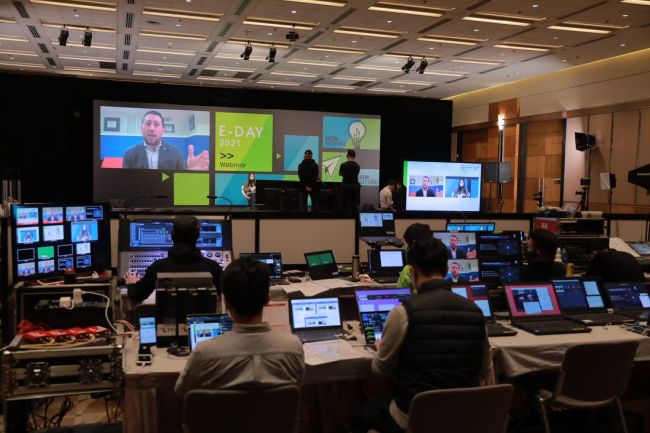
Asian Logistics, Maritime and Aviation Conference Concludes

Industry experts examine new trade order and post-COVID issues

Jointly organised by the Government of the Hong Kong Special Administrative Region (HKSAR) and the Hong Kong Trade Development Council (HKTDC), the 11th Asian Logistics, Maritime and Aviation Conference (ALMAC) has concluded, successfully running in an online-and-offline hybrid format. Sixty-three industry experts and leaders shared their insights at close to 30 sessions at the two-day conference, attracting more than 11,200 viewers from some 60 countries and regions. They included participants from Hong Kong, Mainland China, newcomers from Mexico, Nigeria, Romania and more, highlighting how the event offered networking opportunities spanning the globe.

Jointly organised by the HKSAR Government and the HKTDC, the 11th Asian Logistics, Maritime and Aviation Conference has concluded, successfully running in an online-and-offline hybrid format.
Victor Mok, Chairman and CEO, Asset Service Platform, GLP China (left, on screen), said Chinese logistics providers have implemented digital solutions, and cross-border e-commerce has greatly accelerated progress in this area.
A newly added physical and virtual exhibition showcased different logistics technologies, including 5G technology for warehouse management, smart logistics solutions, international payment solutions and the latest smart port developments.

The conference’s hybrid format enabled industry players from around the world to expand their business connections and explore partnership opportunities both virtually and face to face. Six satellite venues were set up in collaboration with different industry organisations to enhance participation. Representatives could join the event at the main venue in Hong Kong or satellite venues in Chengdu, Chongqing, Guangzhou, Wuhan, Hamburg and more. In addition to running a live broadcast of the conference, some of the satellite venues invited experts to address logistics issues and experiences from a local perspective and enabled participants to enjoy face-to-face exchanges and business matching activities at the same time. Virtual roundtable meetings were also organised, connecting participants from Belgium, France, Germany, Italy and Luxembourg with industry players from Hong Kong and Mainland China, helping the industry react to new market trends.

New trade order and evolving intermodal networks in the Asia-Pacific
The COVID-19 pandemic has raised existential questions about globalisation and added weight to the topic of supply chain shortening, including near-shoring and re-shoring. As a consequence, supply chains are now becoming more regional than global – a development that is particularly noticeable in the Asia-Pacific region.

In the first Power Dialogue session, titled “New trade order and evolving intermodal networks in the Asia-Pacific”, three industry luminaries – Raymond Fung, Director of Trades, Orient Overseas Container Line; Kelvin Leung, CEO, DHL Global Forwarding Asia Pacific; and Joseph Phi, Group CEO, Li & Fung – discussed how shippers and other industry players are adjusting to the post-pandemic era and how the region’s supply chain network will evolve in the coming years.

Mr Fung said businesses have needed to increase dialogue with each and every customer and have also had to cater for certain SMEs they previously wouldn’t have dealt with over the past couple of years. As service providers, he said shipping lines must live with what the customer wants and adjust accordingly. “For example, we have been using big-bulk vessels, as long as they are seaworthy, to run short-distance trips for certain customers,” he said. With the growth of e-commerce and the use of artificial intelligence by some carriers and customers, he hoped it would be easier to forecast demand, with shipping lines able to come up with different sizes of vessels and different routings to better cater for customers’ requirements.

Mr Leung said that a lot of issues, such as port congestion and traffic congestion, were happening even before the pandemic. Infrastructural issues already existed but have been amplified by the pandemic. Even before COVID-19, many industries and companies had been rethinking how to position their supply chain, sourcing models, manufacturing models, and so forth, focusing on enhancing the transparency of their supply chain and the resilience of the supply chain model. “Digitalisation is going to change the way we operate going forward, and ESG is becoming more important because our industry creates a lot of emissions, and we have to address that,” Mr Leung said.

Mr Phi explained that for many companies, the worst affected area has been the supply chain. Before the pandemic, the supply chain was largely invisible and for many companies it was never part of the corporate agenda. But today, the supply chain is front and centre. “We have surging demand, rising transportation costs, manufacturing delays, port congestion, labour shortages, trade disputes, trade policies, inflation, and so on, so the whole supply chain is facing the perfect storm,” he said. “The more progressive companies are doing things to create value in their supply chains. The overarching theme they have adopted is they have hit the reset button, concluding that the pandemic is a perfect occasion to reset their strategies and refresh the way they execute their strategies, so they are trying their very best to make their supply chains more resilient and agile.”

Moving forward to a smart air cargo future
With the accelerated adoption of e-commerce worldwide and growing industry demand for more efficient and transparent logistics, digital transformation and collaboration among supply chain stakeholders has become a necessity in this fast-changing global trade environment. Victor Mok, Chairman and CEO, Asset Service Platform, GLP China; Mark Slade, Managing Director, DHL Global Forwarding Hong Kong & Macau; Brendan Sullivan, Global Head of Cargo, International Air Transport Association; and Yvonne Ho, General Manager, Hong Kong & Macau, International Air Transport Association, examined the future for smart air cargo and shared their insights on air cargo digitalisation development trends and the impact of innovation.

Mr Sullivan said that as the world emerges from the COVID-19 crisis, a number of supply chain issues have also surfaced. There is strong consumer demand in the United States, which must be filled by Asian producers, but there are production slowdowns, personnel issues, and a re-emergence of the virus and its variants, which are creating additional challenges for the supply chain on both the manufacturing side and also in the US, which is seeing congestion in ports throughout the country. “Air cargo continues to rise and is trending above the rate of overall trade, so air cargo revenues are expected to be still close to one third of airline operating revenues. This is up significantly from the previous average of 10% to 15% growth,” Mr Sullivan said.

Mr Mok mentioned that over the past five to 10 years, Chinese logistics providers have implemented digital solutions to enhance the digital transparency and safety of cargo movements. Cross-border e-commerce has greatly accelerated progress in this area. “Digitalisation is a big word, but it doesn’t mean just moving things like processes from paper to online platforms. That is only the first small step,” Mr Mok explained. “The key is how you optimise the processes, using technology and data to improve the processes and therefore efficiency and transparency, to make better decisions than in the past.”

Mr Slade, meanwhile, told conference delegates that up to 60% of supply chain disruptions come not from direct suppliers, but further upstream from second- and third-tier suppliers. He explained that DHL uses an analytical tool to allow companies to get deeper into the supply chain and identify risks with suppliers that are actually two or three layers removed from their operations.

Global recovery and outlook for the shipping industry

Global maritime trade experienced large swings in volumes due to the unprecedented disruption caused by COVID-19. The pandemic has sent shockwaves through supply chains, shipping networks and ports. In addition, fluctuations in cargo trade brought an additional challenge to pandemic-related disruptions in the global supply chain. Jeremy Nixon, CEO, Ocean Network Express Pte Ltd, and Tim Power, Managing Director, Drewry Shipping Consultants, discussed the broader impact of the pandemic on the shipping industry.

Mr Nixon said that COVID-19 is still having a huge impact on global shipping and global logistics. but there is a misconception that it’s the container lines that have run out of containers and ships. The real issue, he said, is more on the land side, where there is a tremendous shortage of labour availability in warehouses, distribution centres and trucking companies, and on the whole logistics network in many countries around the world. As a result, container ships cannot get unloaded. “The challenge is not so much on the manufacturing side in Asia; it’s more on the destination market side, whether its North America, Europe or Latin America,” Mr Nixon explained.

Mr Power mentioned that in the period from 2010 to 2019, shipping lines barely earned its cost of capital. That meant no money was going into creating spare capacity, so when a disruption like COVID-19 came along, coupled with a demand surge, it was inconceivable that the system could cope. “In the short run the shipping industry is inelastic, as it takes two years from the time an order is placed to that when a new ship arrives. One big change we may see in the future is that production may be sourced back onshore or near-shore to avoid being totally exposed to long-haul supply chains,” he said.

In addition to the seminars, physical and virtual exhibition showcased different logistics technologies, including 5G technology for warehouse management, smart logistics solutions, international payment solutions and the latest smart port developments, connecting participants with the best business solutions. The ALMAC virtual platform also provides several interactive functions including artificial intelligence (AI)-driven business-matching services.

The Exclusive Dialogue sessions during the conference looked into the challenges faced by shippers and shared information on how corporations can develop new business models, operations and measures to minimise disruptions and risks. These new sessions allowed local participants to interact with conference speakers face-to-face.

Flagship event of Hong Kong Maritime Week
ALMAC is a flagship event of Hong Kong Maritime Week, organised by the Hong Kong Maritime and Port Board. The conference is supported by the Hong Kong Logistics Development Council and Hong Kong Maritime and Port Board. The HKTDC invited 20 global leaders from the logistics and shipping industries, along with representatives from internationally renowned companies, to serve as honorary advisors on setting the agenda and content of ALMAC.

Website
ALMAC: https://www.almac.hk/main/en/
Photo download: https://bit.ly/2ZShcAF

About HKTDC
The Hong Kong Trade Development Council (HKTDC) is a statutory body established in 1966 to promote, assist and develop Hong Kong’s trade. With 50 offices globally, including 13 in Mainland China, the HKTDC promotes Hong Kong as a two-way global investment and business hub. The HKTDC organises international exhibitions, conferences and business missions to create business opportunities for companies, particularly small and medium-sized enterprises (SMEs), in the mainland and international markets. The HKTDC also provides up-to-date market insights and product information via research reports and digital news channels. For more information, please visit: www.hktdc.com/aboutus. Follow us on Twitter @hktdc and LinkedIn
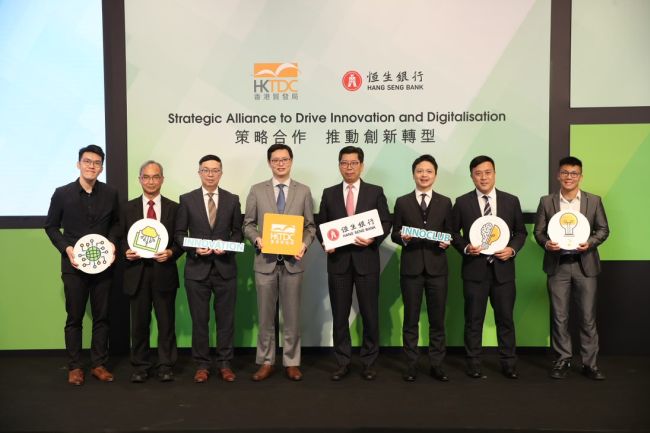
Media enquiries:
HKTDC’s Communications & Public Affairs Department
Christine Kam, Tel: +852 2584 4514, Email: christine.kam@hktdc.org
Clayton Lauw, Tel: +852 2584 4472, Email: clayton.y.lauw@hktdc.org

Asian Logistics, Maritime and Aviation Conference opens

  • Industry elites examine key issues as global supply chain reshapes

Jointly organised by the Government of the Hong Kong Special Administrative Region (HKSAR) and the Hong Kong Trade Development Council (HKTDC), the 11th Asian Logistics, Maritime and Aviation Conference (ALMAC) opened today at the Hong Kong Convention and Exhibition Centre (HKCEC), running in a hybrid format, with both physical and online elements, for the first time. At this annual signature event for the maritime, air freight, logistics and supply chain management sectors, 60-plus industry experts and leaders will share their insights at close to 30 sessions. The two-day conference expects to attract more than 10,000 viewers from some 60 countries and regions.

Jointly organised by the Government of the HKSAR and HKTDC, the 11th Asian Logistics, Maritime and Aviation Conference opened today at the Hong Kong Convention and Exhibition Centre, running in a hybrid format, with both physical and online elements.
At the first Power Dialogue session, titled “New trade order and evolving intermodal networks in the Asia-Pacific”, panellists explored how shippers and industry players can address the challenges of a changing supply chain network in post-pandemic era.

Carrie Lam, Chief Executive of the HKSAR, officiated at the online opening. Margaret Fong, Executive Director of the HKTDC, welcomed international delegates to the conference, saying: “Central to this year’s conference theme – ‘RESILIENCE. AGILITY. SUSTAINABILITY Reshaping the Global Supply Chain’ – we will discuss the evolving intermodal networks in the Asia-Pacific region, e-commerce fulfilment and the post pandemic retail evolution. More important, we are also looking at the trend for sustainable supply chains, the opportunities and risks this global reshaping presents for industry players, as well as the way forward for sustainable development. New opportunities under China’s 14th Five-Year Plan will also be explored.”

Catching market trends from online to offline
Running in a hybrid format, the conference enables participants from around the world to expand business connections and explore partnership opportunities both virtually and face-to-face. Six satellite venues have been set up through different regional oraganisations and institutions to enhance the experience. Industry representatives can join the event at the main venue in Hong Kong or satellite venues in Chengdu, Chongqing, Guangzhou, Wuhan, Hamburg and more. In addition to running a live broadcast of the conference, some of the satellite venues have invited experts to address logistics issues and experiences from a more local perspective and enable participants to enjoy face-to-face exchanges and business matching activities at the same time. Virtual roundtable meetings have also been organised to connect international participants from Belgium, France, Germany, Italy and Luxembourg with industry players and associations from Hong Kong and Mainland China, helping to create new business opportunities.

In addition, a newly added physical and virtual exhibition showcases different logistics technologies, including 5G technology for warehouse management, smart logistics solutions, international payment solutions and the latest smart port developments, connecting participants with the best business solutions. The ALMAC virtual platform also provides several interactive functions including artificial intelligence (AI)-driven business-matching services.

Exploring the current business landscape
The three Power Dialogue sessions are the highlight of this year’s conference, with heavyweight speakers examining the industry outlook and sharing valuable insights. As supply chains become more regional than global, leading to changing trade patterns and evolving supply chain networks in the Asia-Pacific region, ALMAC kicked off this morning with a Power Dialogue discussion on the theme “New trade order and evolving intermodal networks in the Asia-Pacific”. Several salient topics were explored, including how shippers and big industry players can address the challenge of a changing supply chain network in the post-pandemic era. Moderated by Billy Wong, Deputy Director of Research, Hong Kong Trade Development Council, the speakers at the session included Raymond Fung, Director of Trades, Orient Overseas Container Line; Kelvin Leung, CEO, DHL Global Forwarding Asia Pacific; and Joseph Phi, Group CEO, Li & Fung.

In the Power Dialogue session on day two of the conference (3 November), themed “Post-pandemic megatrends in e-commerce”, Kenny Ng, Logistics Director of Global Supply Chain, Cainiao Network, and Hita Supranjaya, Director, Buka Pengadaan Indonesia, Bukalapak, will examine the new logistical challenges merchants are facing and explore how they can develop fulfilment strategies that adequately address supply chain, inventory management and delivery issues.

Numerous governments around the world have committed to achieving net-zero carbon dioxide emissions by 2050 and the global supply chain will definitely play a role in achieving this goal. Under the theme “Beyond 2050: A quest for zero-carbon and sustainable supply chain”, the final Power Dialogue session will have Tony Domingo, Senior Vice President, Group Supply Chain and Procurement, Nestle China, and Ed Lam, CEO, LFX, sharing their thoughts.

Capturing GBA opportunities and the future for smart air cargo
With its modern and sophisticated aviation hub and factors such as its simple and fast customs clearance procedures, Hong Kong’s air cargo transport sector has developed as one of the world’s major players. Despite the severe impact of the pandemic on global air freight activities over the past year, international cargo traffic through the Hong Kong hub has remained resilient. Through the development of the Guangdong-Hong Kong-Macao Greater Bay Area (GBA), the city looks set to play an important role in the future development of aviation and logistics in the region. On the first day of the conference, the Air Freight Forum (Part I) featured Kaiser Lam, Regional Vice President Hong Kong & South China, Expeditors International of Washington, Inc, and Frosti Lau, Chairman, HKIA Air Cargo Carrier Liaison Group, exploring ways for companies to capitalise on GBA-focused opportunities.

The demand for air cargo remains buoyant as world trade continues to gain momentum, particularly in the e-commerce sector. However, the air freight industry has lagged behind in digitalisation and its efficiency not only needs to evolve to meet booming demand for e-commerce, perishables and specialty cargo shipments, but must also adapt to accommodate shifting supply lanes amid changing trade environments and evolving consumer expectations. This is creating significant logistics challenges and the digitalisation of air cargo management has become key to the industry’s progress. In the Air Freight Forum (Part II), Victor Mok, Chairman and CEO, Asset Service Platform, GLP China; Mark Slade, Managing Director, DHL Global Forwarding Hong Kong & Macau; Brendan Sullivan, Global Head of Cargo, International Air Transport Association; and Yvonne Ho, General Manager, Hong Kong & Macau, International Air Transport Association, examined the future for smart air cargo.

Hong Kong’s changing role as international maritime centre
In a world of increasing global competition, a market imbalance in supply and demand for goods, empty containers, and a shrinking tanker and bulker market have created challenges for the global supply chain. In Maritime Forum 1 on the first day of the conference, Jeremy Nixon, CEO, Ocean Network Express Pte, and Tim Power, Managing Director, Drewry Shipping Consultants, examined the major transformations taking place in the industry. Maritime Forum 2 featured Kenta Matsuzaka, Director, Senior Managing Executive Officer, Mitsui O.S.K. Lines; Martin Stopford, Director, Marecon; and James Tong, Managing Director, Head of Global Shipping & Logistics, Asia Pacific and Japan, Citi, discussing how green ship financing and carbon-zero trading has become a roadmap to a carbon-neutral 2050.

Hong Kong has long been a provider of high-value-added maritime services. Various measures have been introduced, including tax concessions for ship leasing and maritime insurance, as well as support measures for the maritime arbitration and training sectors. Moreover, the Belt and Road Initiative and the development of the Greater Bay Area are expected to bring enormous opportunities for all commercial sectors, including shipping. The Insight Exchange session has invited Sabrina Chao, President, BIMCO; Bjorn Hojgaard, CEO, Anglo-Eastern Univan Group; Rosita Lau, Partner, Ince & Co and Jonathan Jones, Director and Project Coordinator, Crew Assist, to discuss Hong Kong’s role as an international premier maritime centre and the way forward.

SCM & Logistics Forums cover digitalisation in logistics and social commerce
As the development of logistics and the supply chain is gradually driven by digitalisation, two SCM & Logistics Forums will be held tomorrow (3 November) to discuss digitalisation in logistics and supply chain agility. Co-organised with the Hong Kong Shippers’ Council, the first forum will include speakers from different organisations to examine the development of digitalisation in the logistics industry. Co-organised with GS1 Hong Kong, the second forum will discuss how firms achieve supply chain agility, building a competitive advantage in fast-changing markets and so enhancing business continuity.

Brand-new session allows real-time interaction
The Exclusive Dialogue sessions will look into the challenges faced by shippers and share how corporations can develop new business models, operations and measures to minimise disruptions and risks. These new sessions will allow local participants to interact with conference speakers face-to-face.

InnoTalks and MarketTalks return to examine industry issues
The InnoTalks and MarketTalks sessions both return in 2021, with the former featuring smart port development in the Asia-Pacific region, latest developed heavy-lift cargo drones and digital solutions for ESG compliance reporting, helping conference participants keep abreast of technological developments in the industry. With logistics service users encountering various kinds of hindrances while conducting foreign trade, the MarketTalks sessions will feature key industry players from Chongqing, Guangzhou, Nansha, Neijiang, Qingdao, Shaanxi, Malaysia and Vietnam to provide the latest market insights and opportunity analysis, guiding attendees to explore business opportunities in the logistics ecosystem.

The ALMAC virtual platform provides several interactive opportunities to connect industry players. Among them, the Meet the Experts roundtable will be conducted in both online and physical formats, inviting shippers and logistics service providers to create more cross-industry interaction and discussion and provide participants with feasible insights and practical suggestions, helping to address some of the current supply chain challenges.

Flagship event of Hong Kong Maritime Week
ALMAC is a flagship event of Hong Kong Maritime Week, organised by the Hong Kong Maritime and Port Board. The conference is supported by the Hong Kong Logistics Development Council and Hong Kong Maritime and Port Board. The HKTDC invited 20 global leaders from the logistics and shipping industries, along with representatives from internationally renowned companies, to serve as honorary advisors on setting the agenda and content of ALMAC.

ALMAC: https://www.almac.hk/main/en/
ALMAC programme: https://www.almac.hk/main/en/s/info-programme2021
ALMAC speaker list: https://www.almac.hk/main/en/speaker/2021Speakers
Photo download: https://bit.ly/2ZFceXo

About HKTDC
The Hong Kong Trade Development Council (HKTDC) is a statutory body established in 1966 to promote, assist and develop Hong Kong’s trade. With 50 offices globally, including 13 in Mainland China, the HKTDC promotes Hong Kong as a two-way global investment and business hub. The HKTDC organises international exhibitions, conferences and business missions to create business opportunities for companies, particularly small and medium-sized enterprises (SMEs), in the mainland and international markets. The HKTDC also provides up-to-date market insights and product information via research reports and digital news channels. For more information, please visit: www.hktdc.com/aboutus. Follow us on Twitter @hktdc and LinkedIn
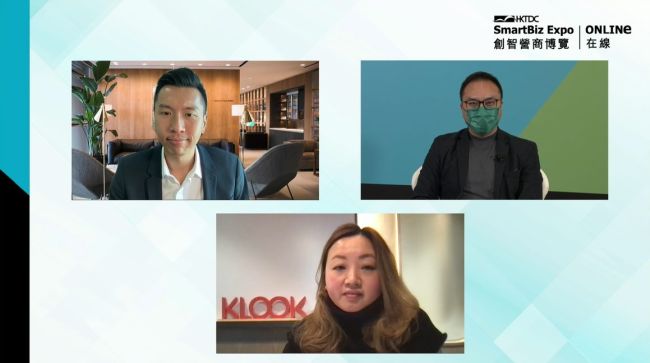
Media enquiries:
HKTDC’s Communications & Public Affairs Department
Christine Kam, Tel: +852 2584 4514, Email: christine.kam@hktdc.org
Clayton Lauw, Tel: +852 2584 4472, Email: clayton.y.lauw@hktdc.org